


Most people rarely think about how much water they use until utility bills suddenly increase or summer irrigation season begins. Between showers, dishwashing, laundry, lawn watering, and hidden plumbing leaks, households may consume far more water every month than homeowners realize.
For many families, understanding how much water does the average person use per day helps identify hidden waste, improve efficiency, and reduce unnecessary utility costs. Water usage in the United States varies significantly depending on climate, property size, plumbing systems, outdoor irrigation, and household habits.
While some apartments use relatively small amounts of water, larger homes with multiple bathrooms, irrigation systems, and older appliances often experience much higher average household water usage than expected.
How Much Water Does the Average Person Use Per Day
The average water usage per person per day in the United States commonly falls between 80 and 100 gallons depending on climate, plumbing efficiency, appliance quality, and outdoor irrigation.
Many homeowners researching how many gallons of water does the average person use are surprised by how quickly daily activities add up. Showers, laundry, dishwashing, toilet flushing, cooking, lawn watering, and even hidden plumbing leaks all contribute to rising monthly utility costs.
A standard 10-minute shower may use dozens of gallons of water depending on the showerhead type and household pressure system. Older washing machines may also consume significantly more water per cycle compared to modern high-efficiency appliances.
Where Most Household Water Actually Goes
Most homeowners assume showers are responsible for the majority of residential consumption, but several other activities quietly increase monthly utility bills.
Common sources of average home water usage include:
- Toilets (approximately 24% of indoor household water use)
- Showers and baths (around 20%)
- Faucets and kitchen sinks (about 19%)
- Washing machines (approximately 17%)
- Plumbing leaks (around 12%)
- Dishwashers (about 1–2%)
- Outdoor irrigation and lawn watering (more than 30% of total household water use in many regions)
According to the U.S. Environmental Protection Agency (EPA), the average American household uses more than 300 gallons of water per day, with roughly 70% used indoors.
In many warmer regions, outdoor watering becomes the single largest contributor to household demand during summer months. Lawn irrigation systems may dramatically increase total monthly usage without homeowners immediately realizing how quickly consumption increases.
Did You Know?
A running toilet may waste hundreds of gallons every day without creating obvious visible signs inside the home.
Average Household Water Usage in the United States
The average household water usage per month depends heavily on climate conditions, family size, irrigation habits, appliance efficiency, and property type.
Larger homes with multiple bathrooms, landscaping, swimming pools, and older plumbing systems often experience significantly higher average monthly water usage compared to smaller apartments or townhomes.
Seasonal changes also affect average water usage per month. Summer irrigation demand, vehicle washing, gardening, and pool maintenance often increase utility bills substantially in hotter states.
Apartment living typically results in lower average residential water usage because smaller living spaces generally require less outdoor watering and fewer plumbing fixtures.
Indoor vs Outdoor Water Consumption
Indoor activities account for a large percentage of daily residential demand, but outdoor watering often becomes the largest seasonal contributor to utility costs.
Common indoor usage includes:
- Showers
- Laundry
- Toilet flushing
- Dishwashing
- Cooking and cleaning
Outdoor consumption usually involves:
- Lawn irrigation
- Gardening
- Pool maintenance
- Vehicle washing
In some regions, outdoor irrigation may dramatically increase average american water usage during dry summer months. This is one reason why how much water do americans use varies heavily depending on geographic location and climate conditions.
Hidden Causes of High Water Bills
Many homeowners assume high utility bills are caused only by excessive daily routines, but hidden inefficiencies often increase long-term household demand.
Common hidden causes include:
- Silent plumbing leaks
- Running toilets
- Old washing machines
- Inefficient irrigation systems
- Scale buildup inside appliances
- Excessively high water pressure
- Sediment buildup
Understanding how much water do we waste a day often helps homeowners identify unnoticed inefficiencies that quietly increase monthly utility costs.
Did You Know?
Even a slow dripping faucet may waste thousands of gallons annually if ignored for long periods.
How Water Quality Can Affect Household Water Usage
Water quality affects more than taste and odor. Poor water conditions may also influence appliance efficiency, plumbing maintenance, and long-term residential demand.
Hard water minerals can create scale buildup inside water heaters, washing machines, dishwashers, and plumbing fixtures. Over time, this may reduce efficiency and contribute to higher average residential water usage.
Some homeowners install whole house water filtration systems to help reduce sediment exposure and improve overall water quality throughout the property.
Others explore whole of house water filter with scale reduction systems designed to address mineral buildup that may affect appliance performance over time.
Households using private wells often prefer a well whole house water filter to help manage sediment and regional water quality challenges more effectively.
Can Water Filtration Systems Help Reduce Water Waste?
While filtration systems are primarily designed to improve water quality, they may also help support better household efficiency.
Cleaner water may:
- Reduce appliance maintenance
- Improve pressure consistency
- Reduce sediment buildup
- Lower scale accumulation
- Improve long-term appliance performance
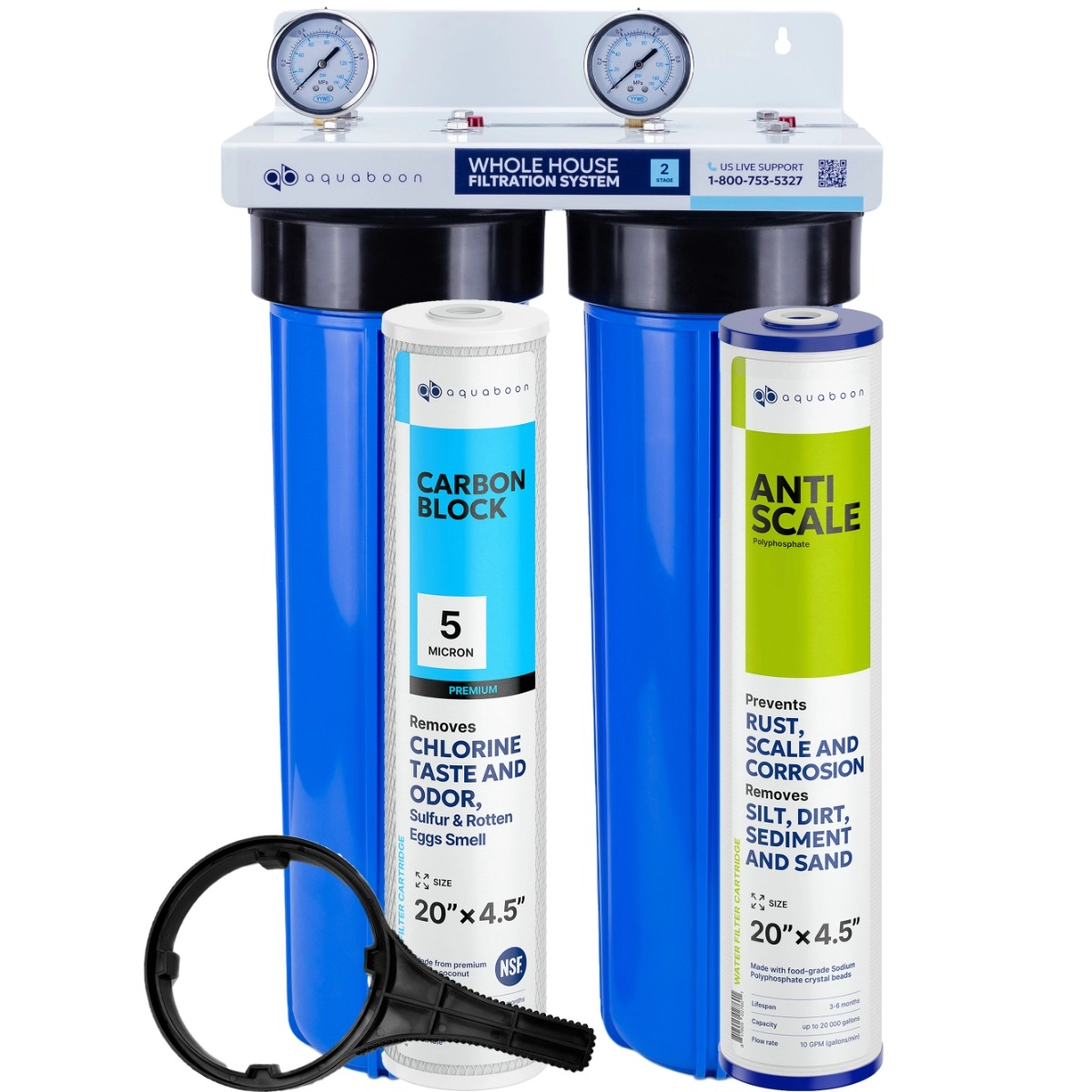
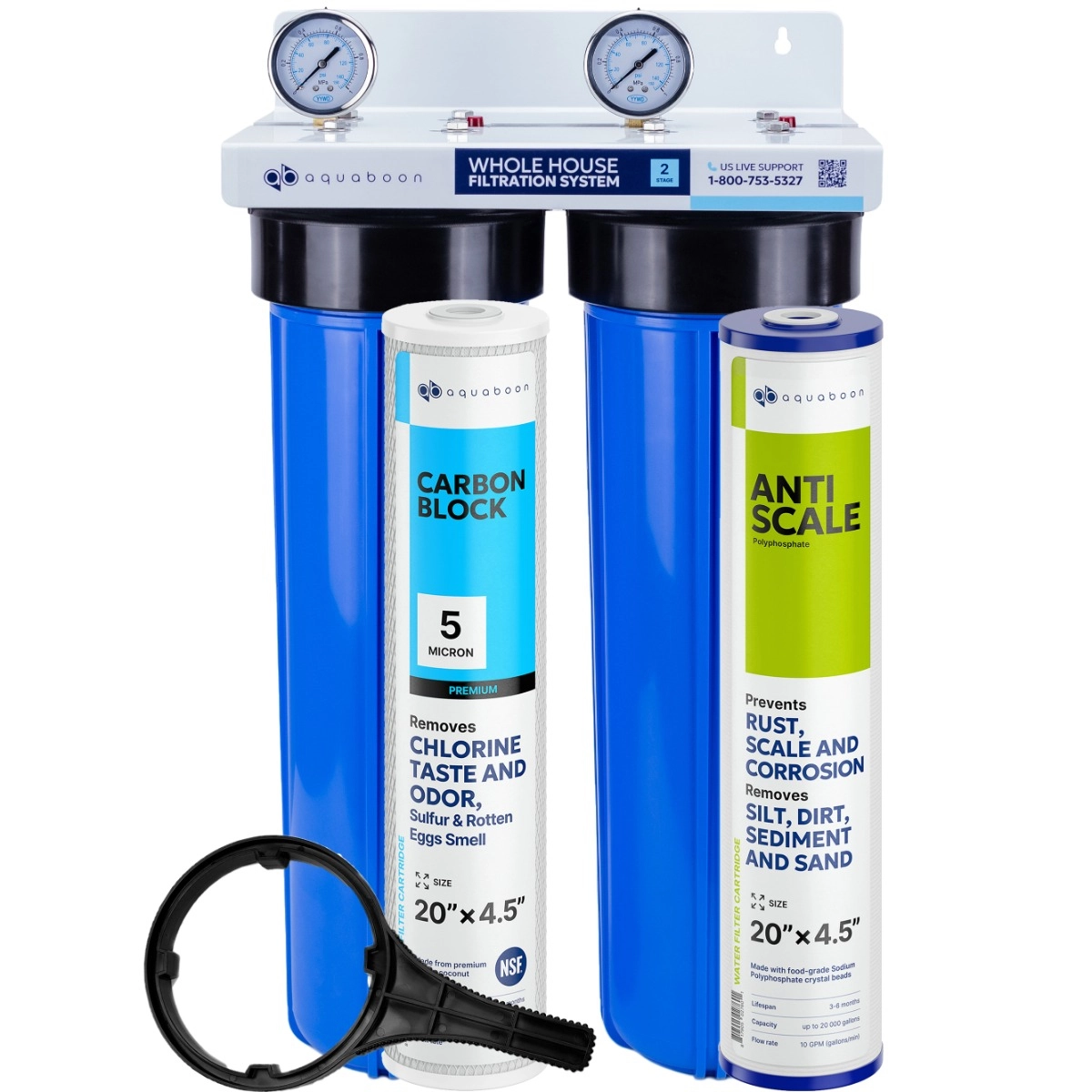
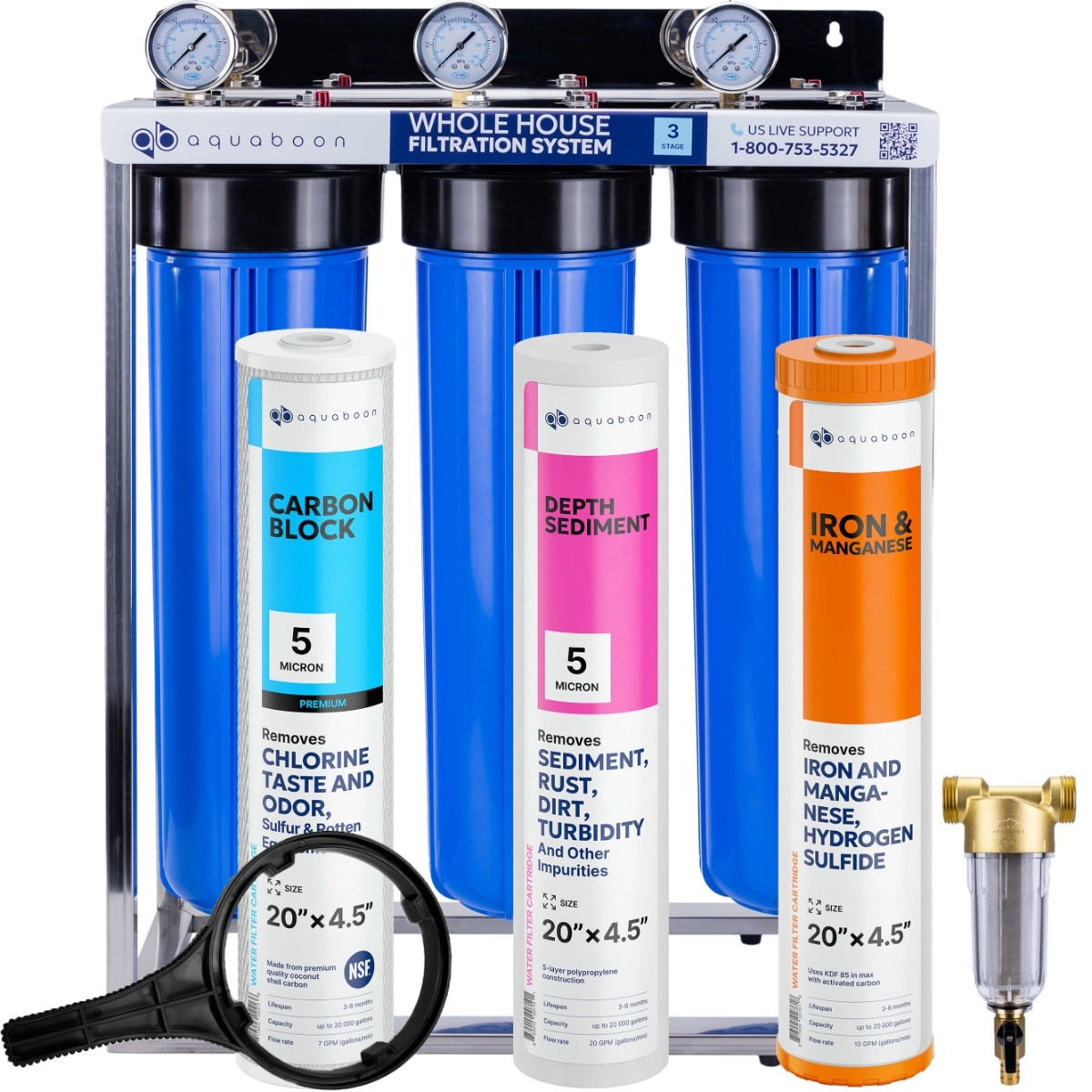
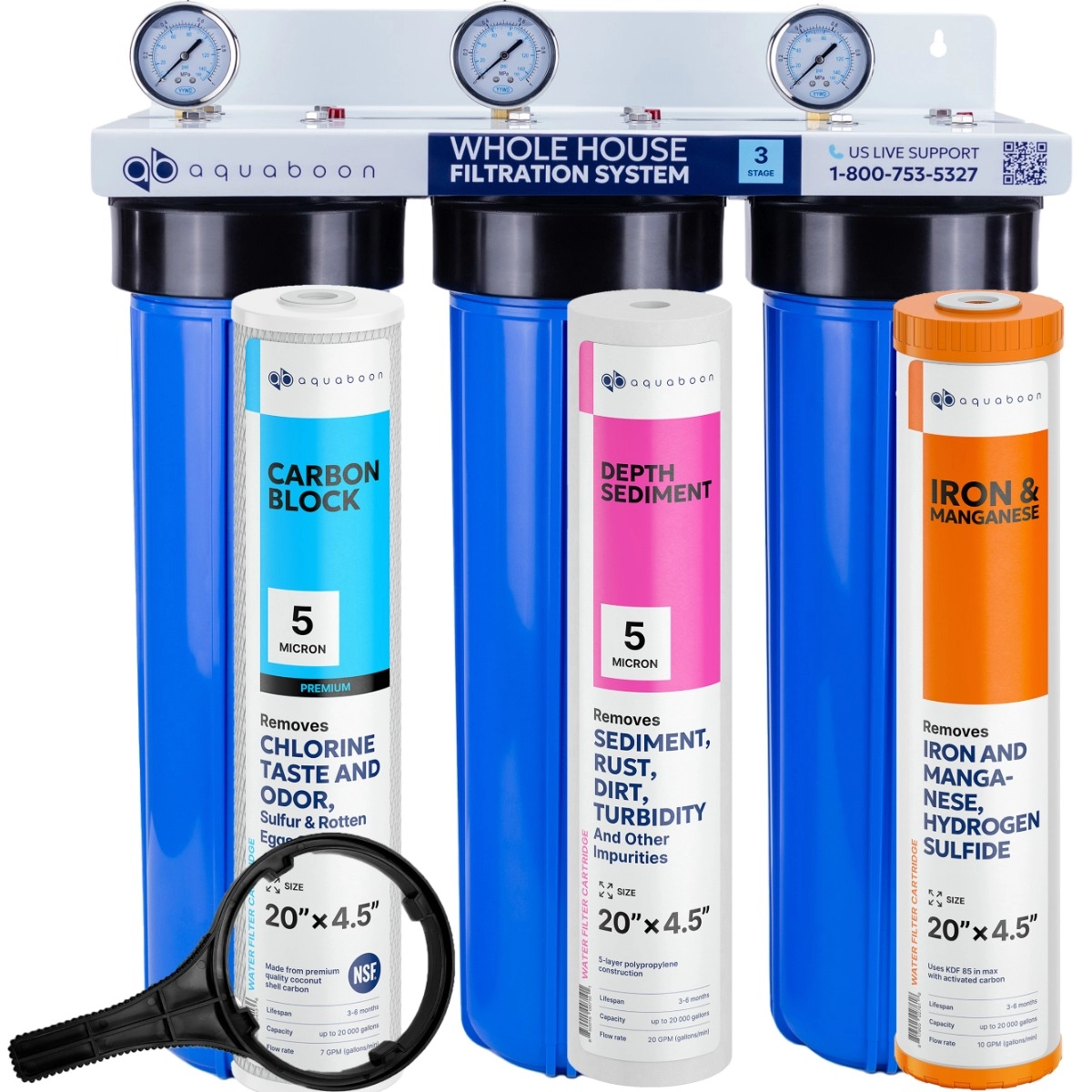
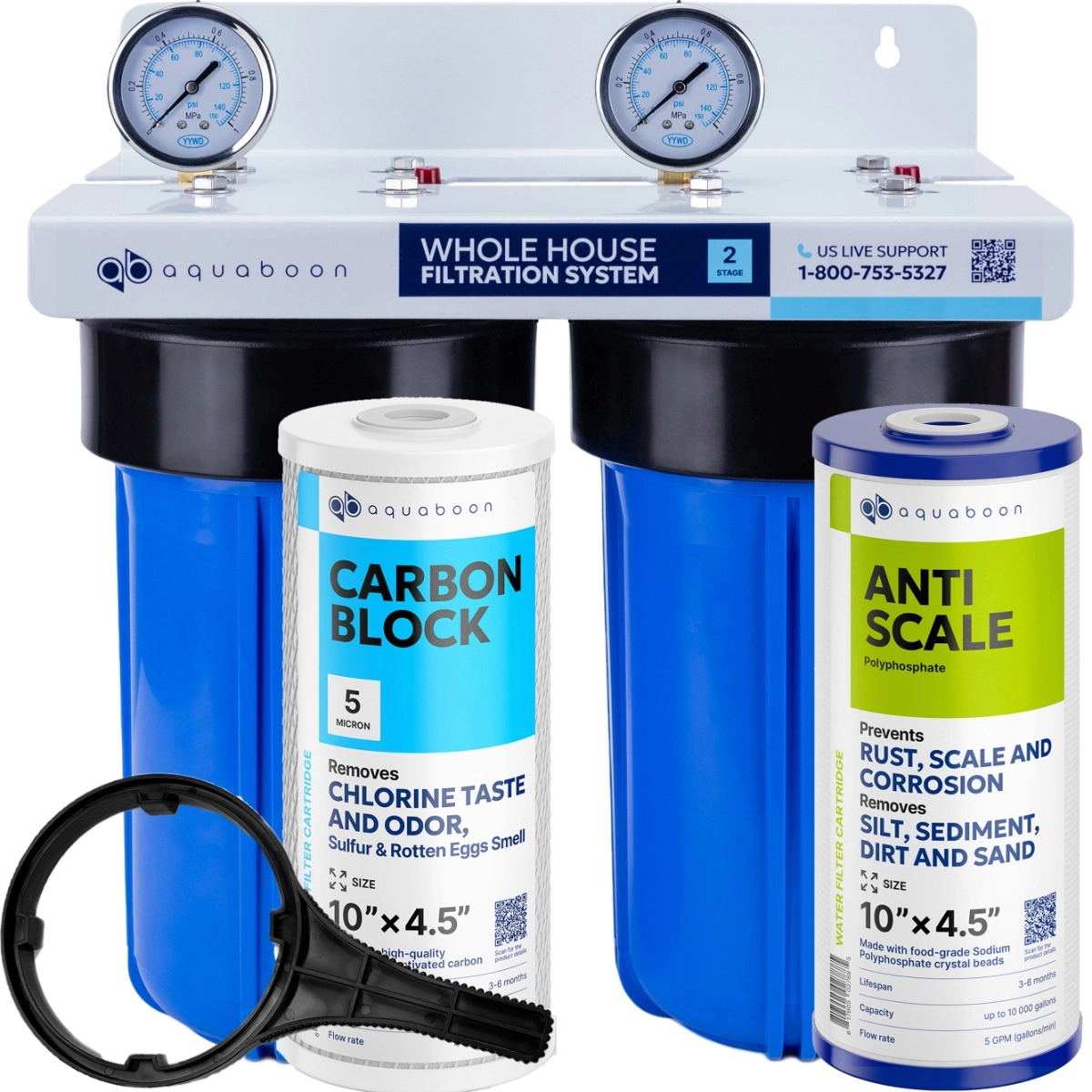
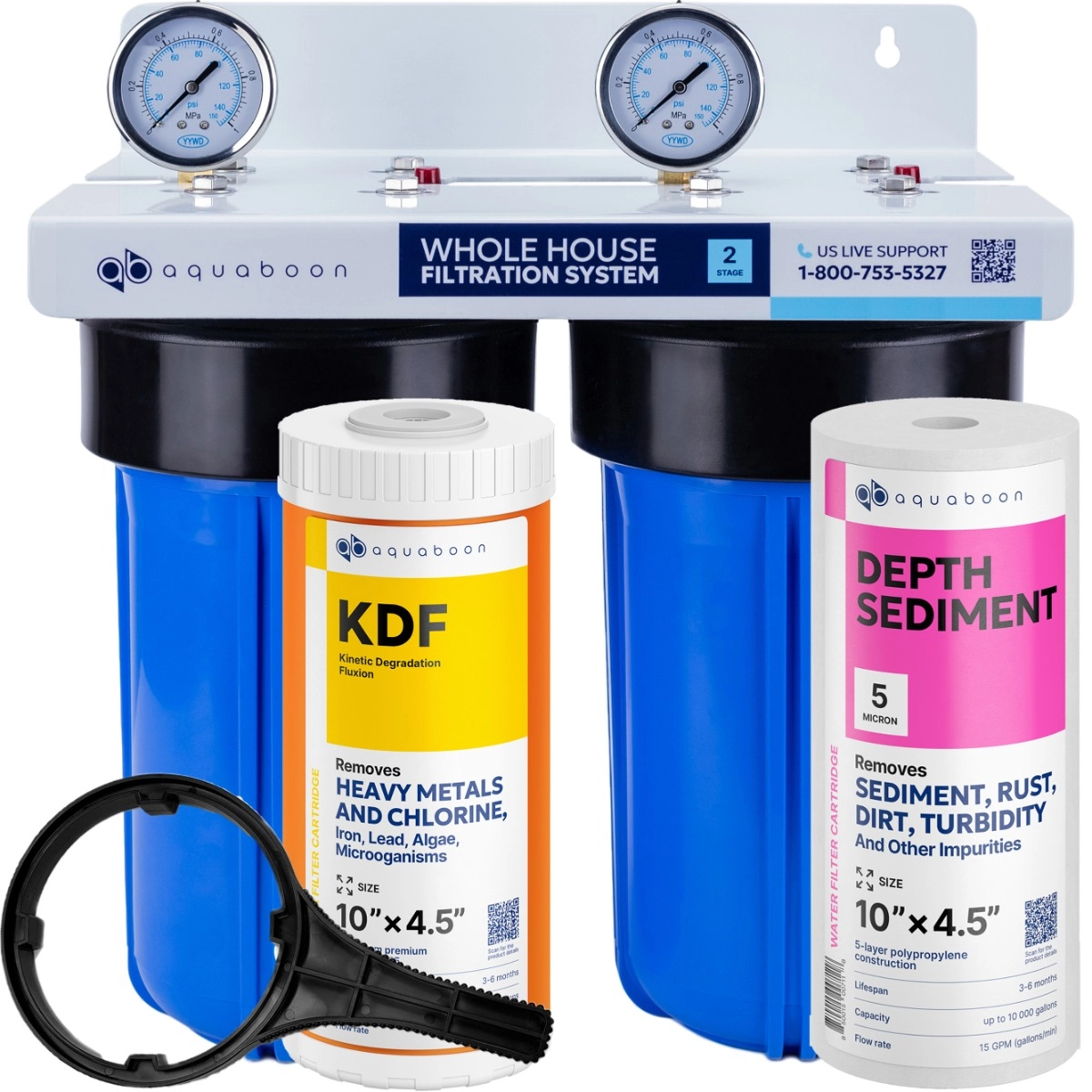
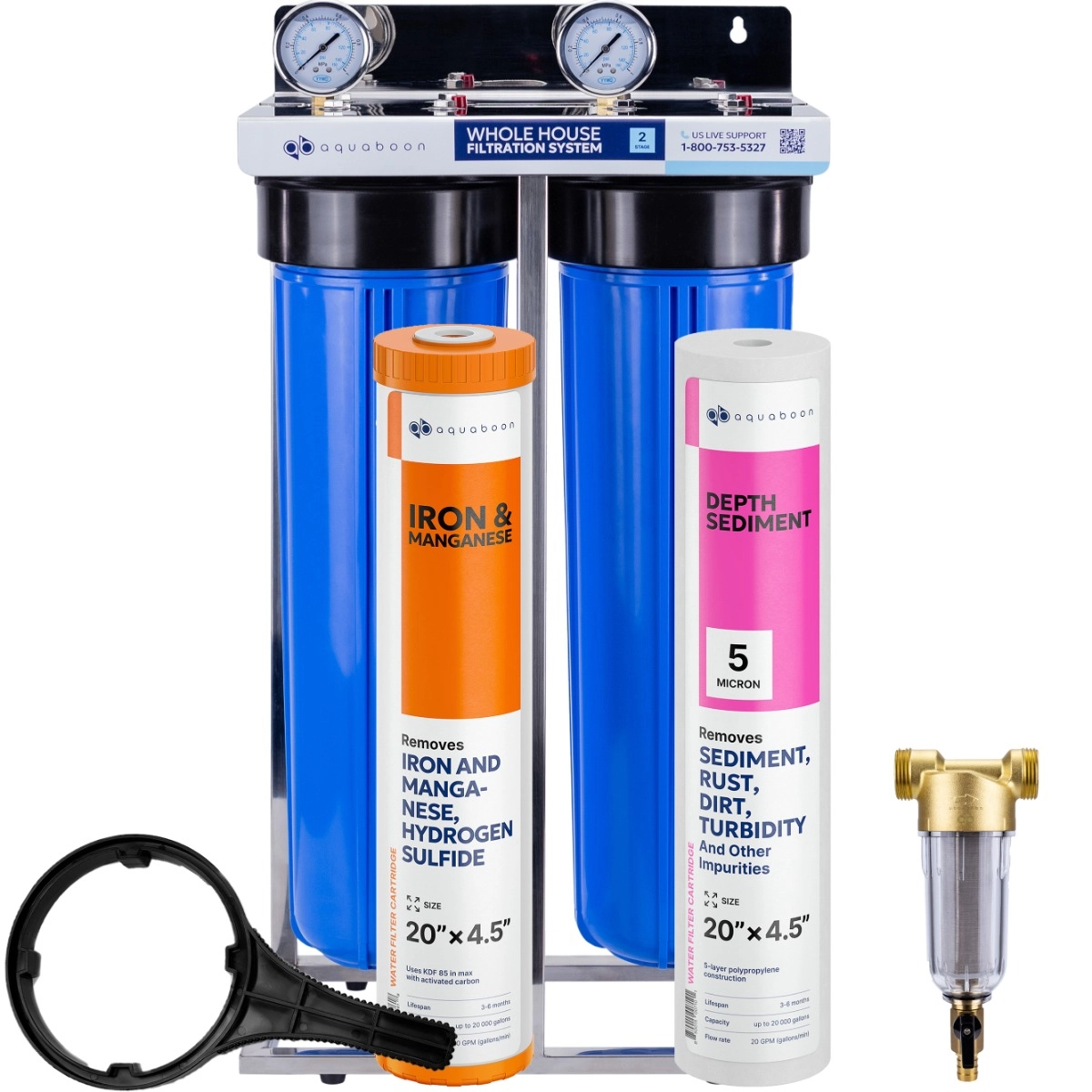
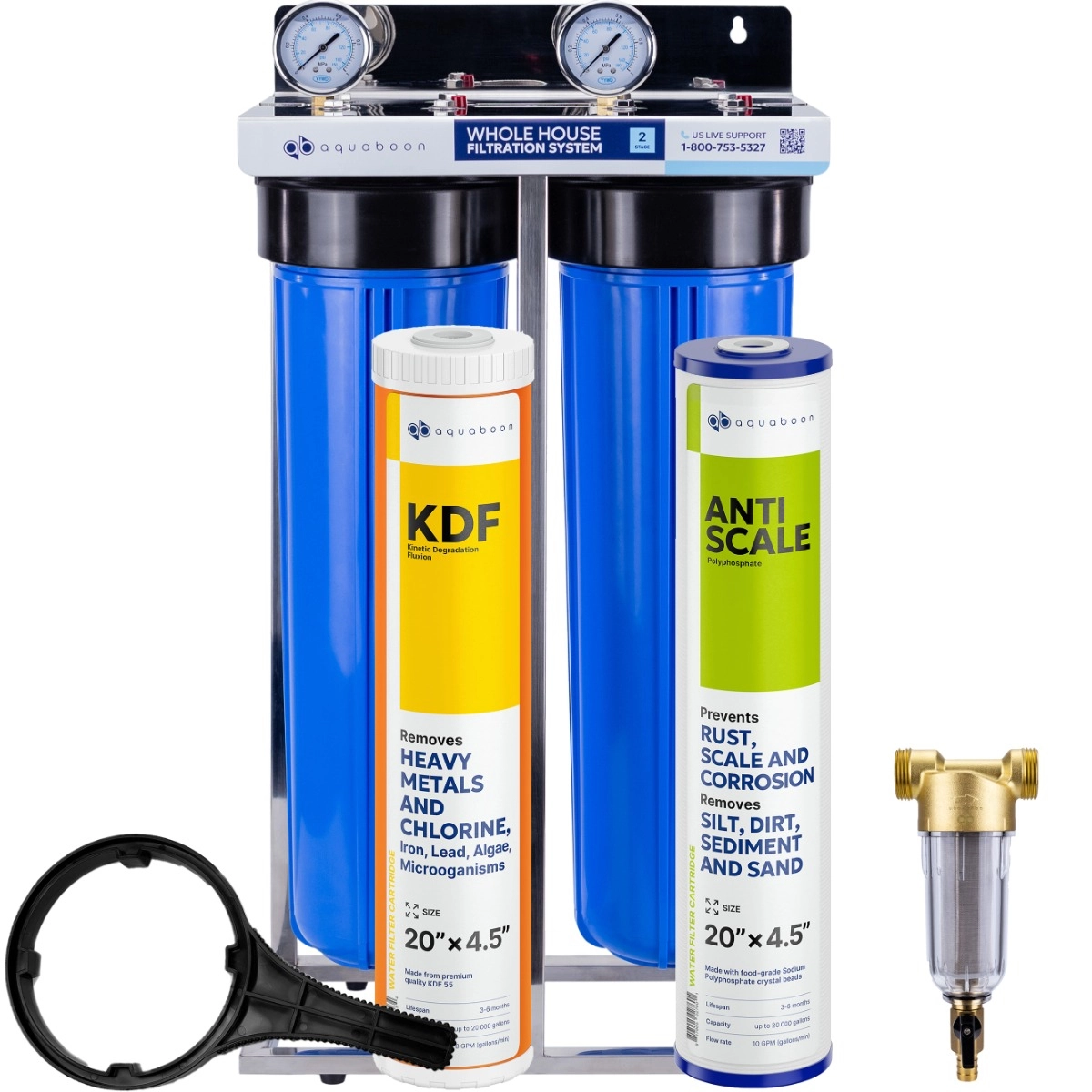
Many households use 2 stage water filters or 3 stages water filter systems depending on their specific water conditions and filtration goals.
A 2-stage system is typically designed to reduce sediment, rust, chlorine, unpleasant taste, and odors. Unlike a 1-stage system that usually focuses primarily on basic sediment filtration, a 2-stage water filter combines multiple filtration stages to provide broader water treatment and improved overall water quality. These systems are often suitable for homes using treated municipal water, moderate water hardness, or common chlorine-related concerns while helping improve taste, odor, and everyday water clarity.
-
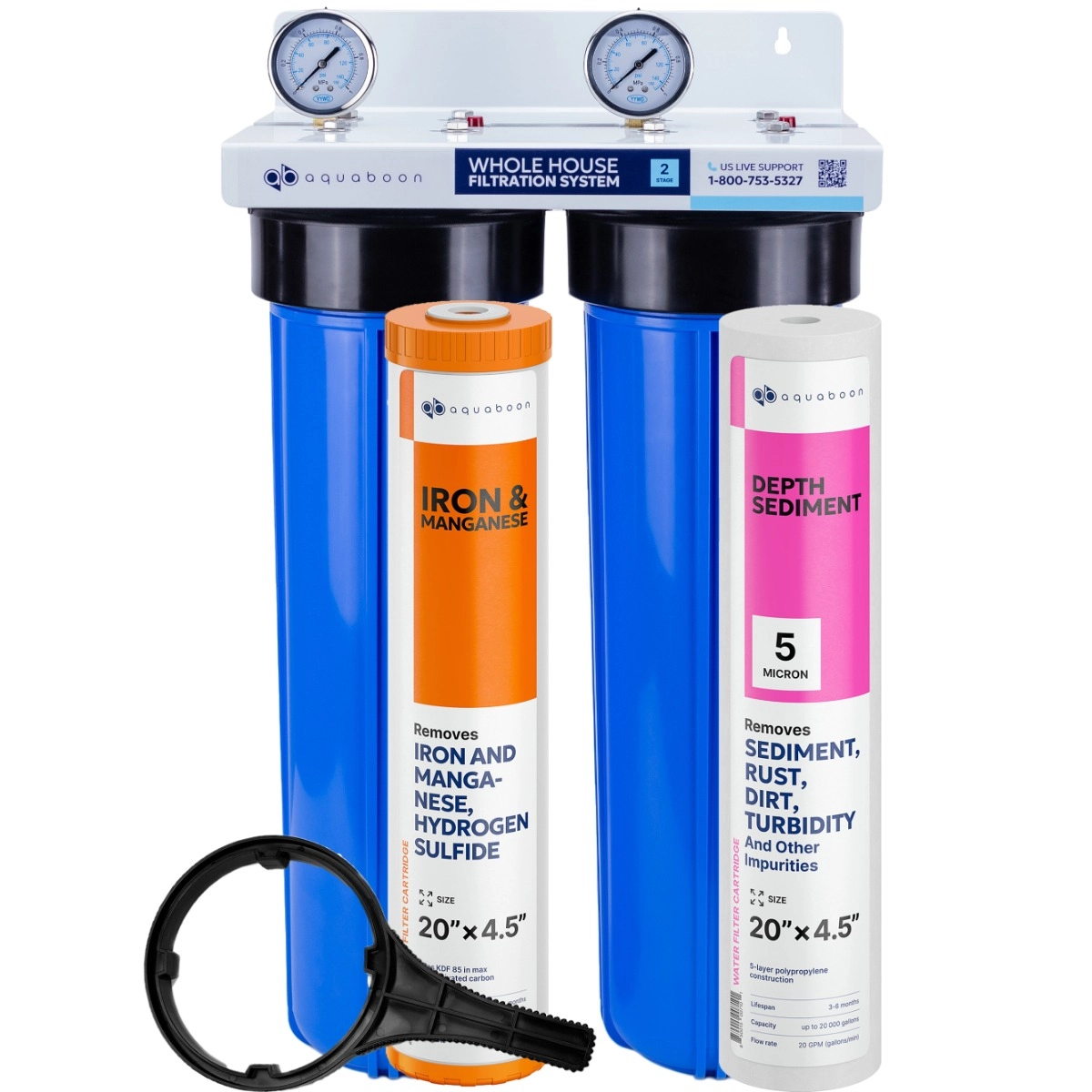
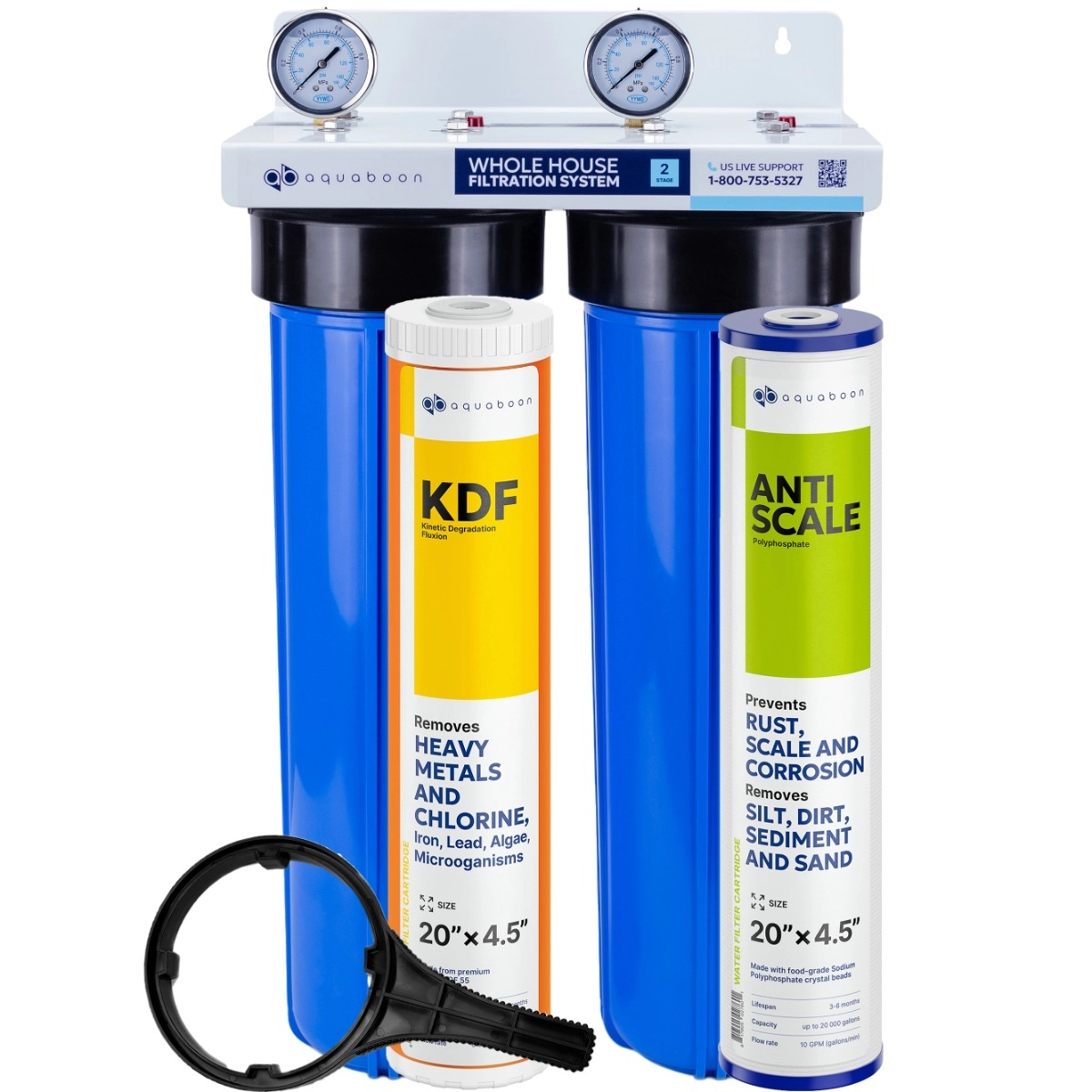
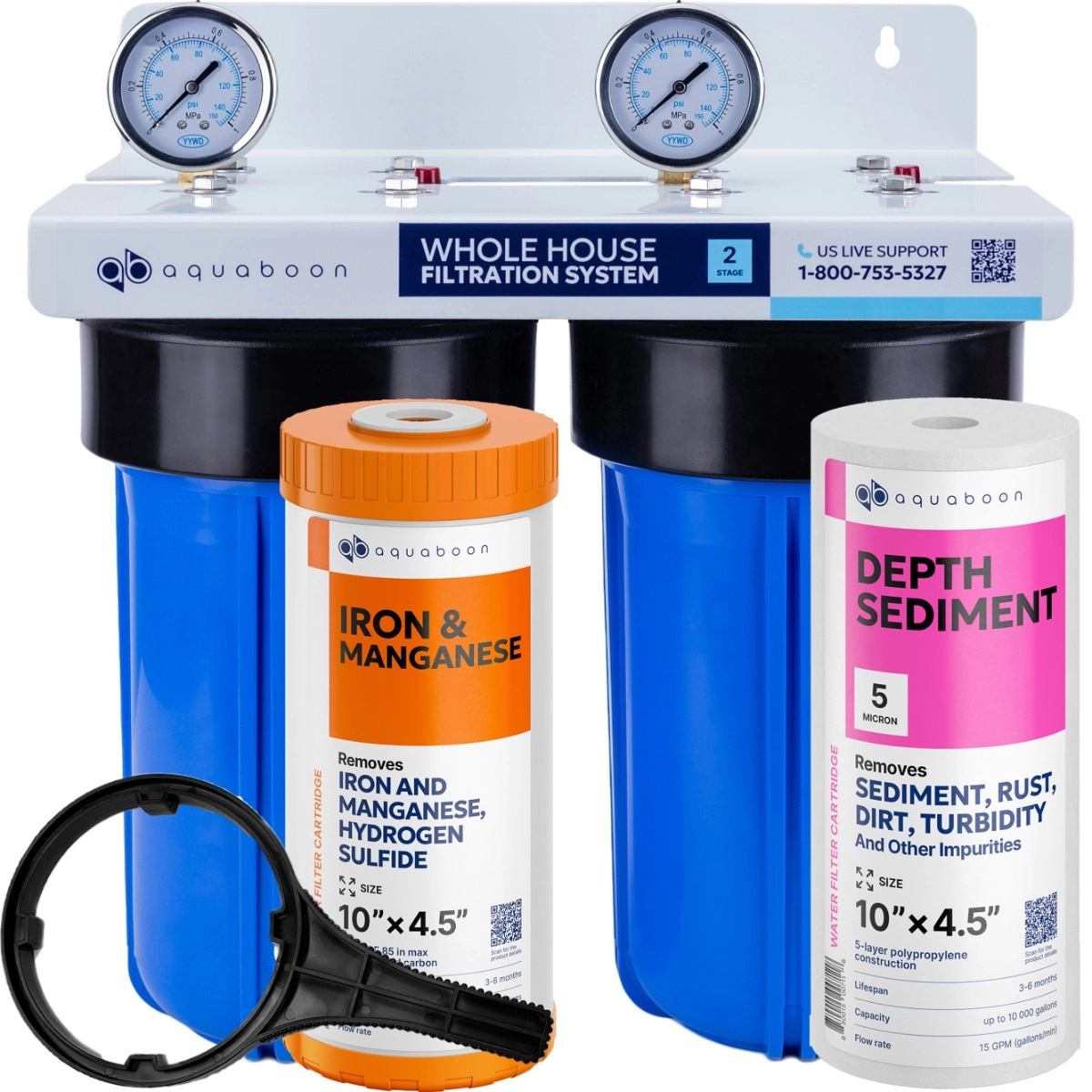
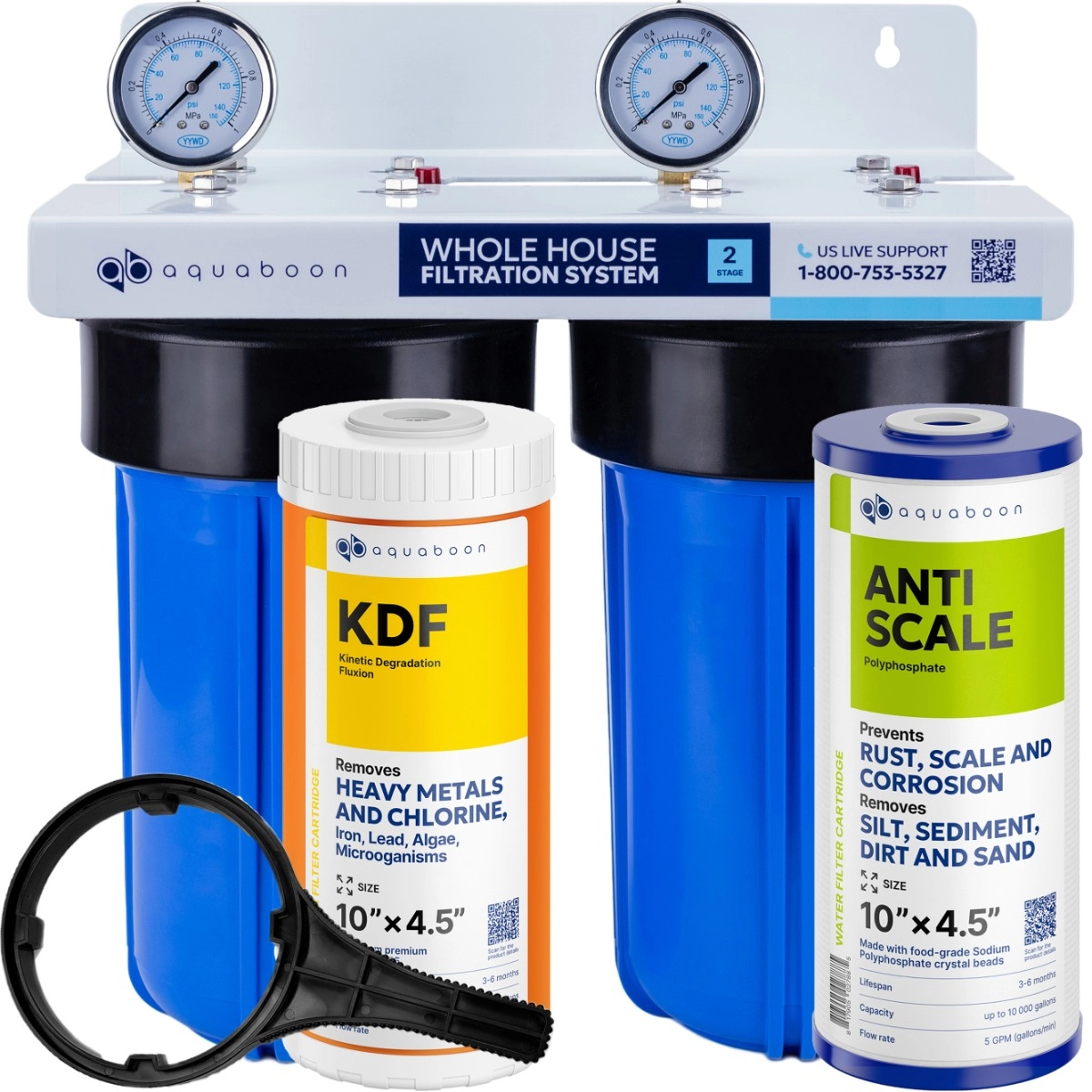
A 3-stage water filtration system adds an additional layer of protection by combining multiple filtration media for improved contaminant reduction. These systems may help target finer particles, chlorine, chemical contaminants, and other water quality concerns while supporting better overall filtration performance. A 3-stage setup is often preferred for households with higher water usage, well water applications, older plumbing systems, or homes looking for more advanced filtration coverage.
3 Stage Filtration-
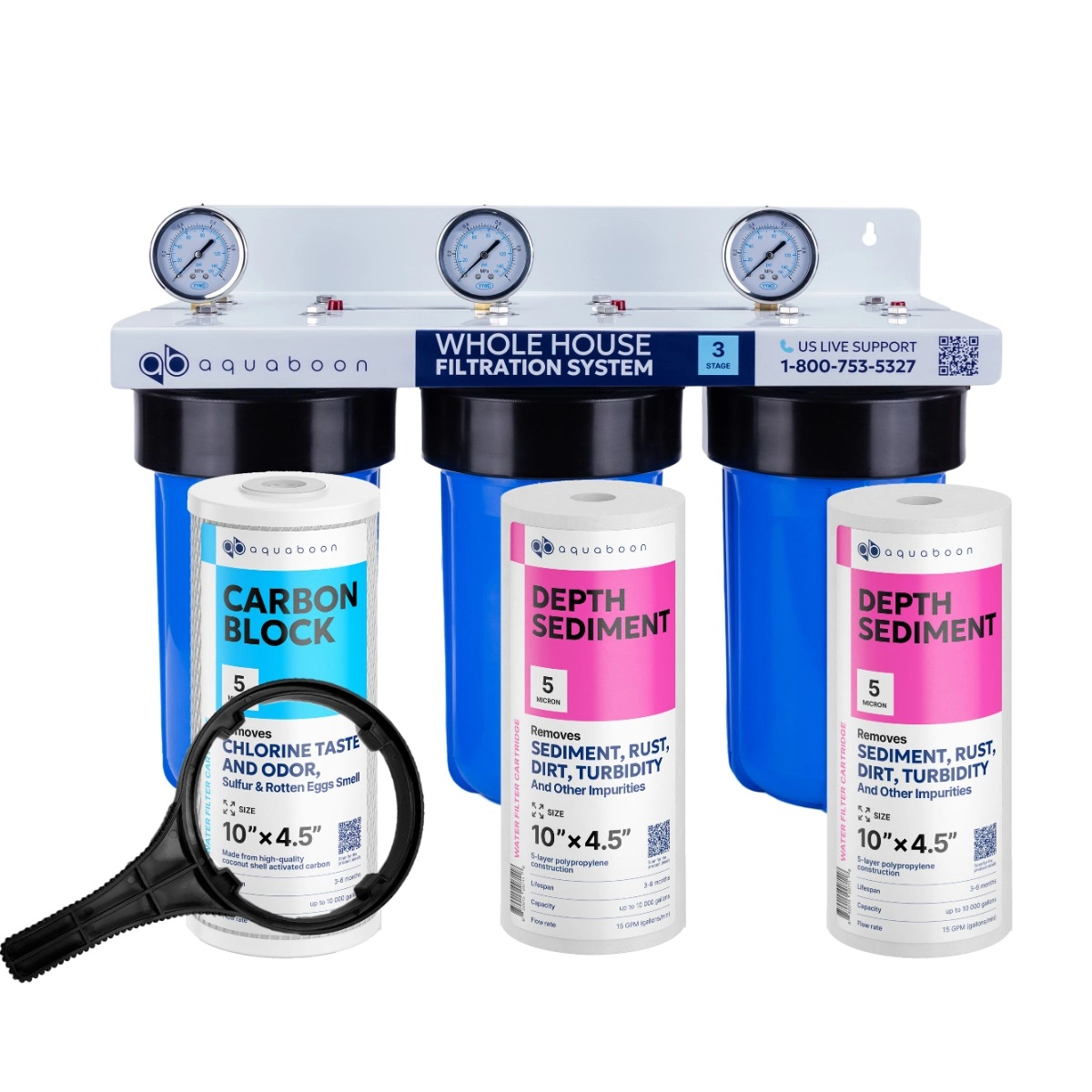
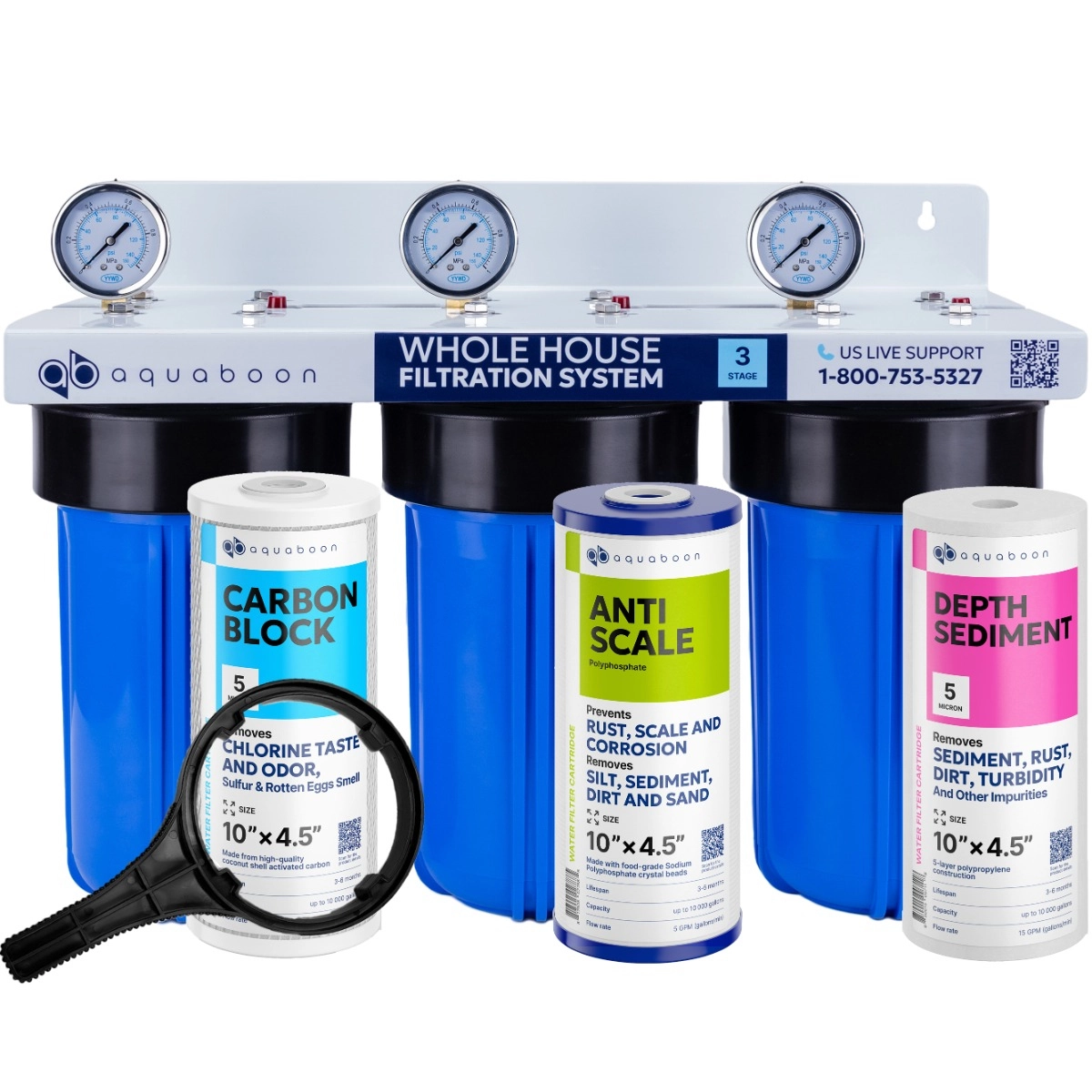
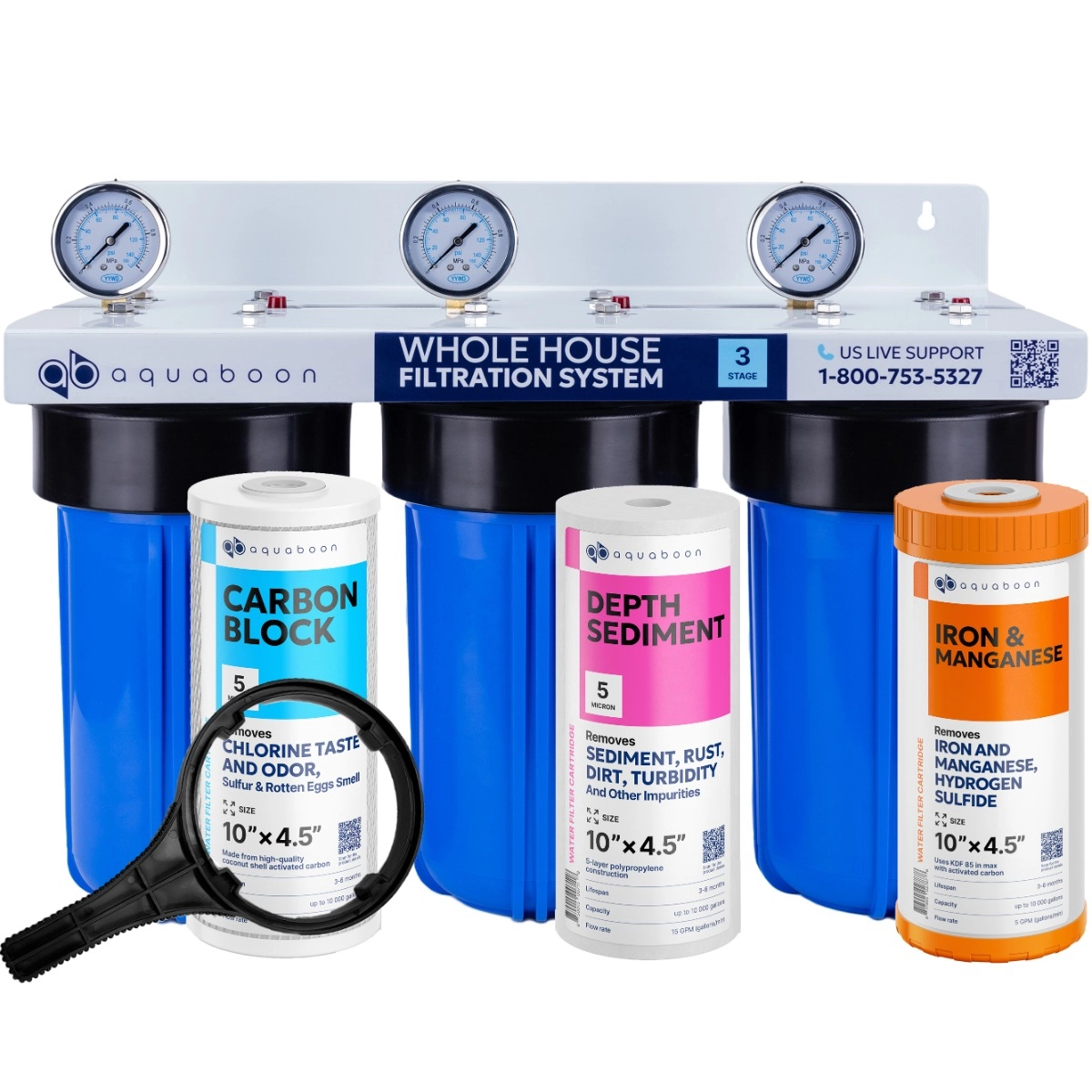
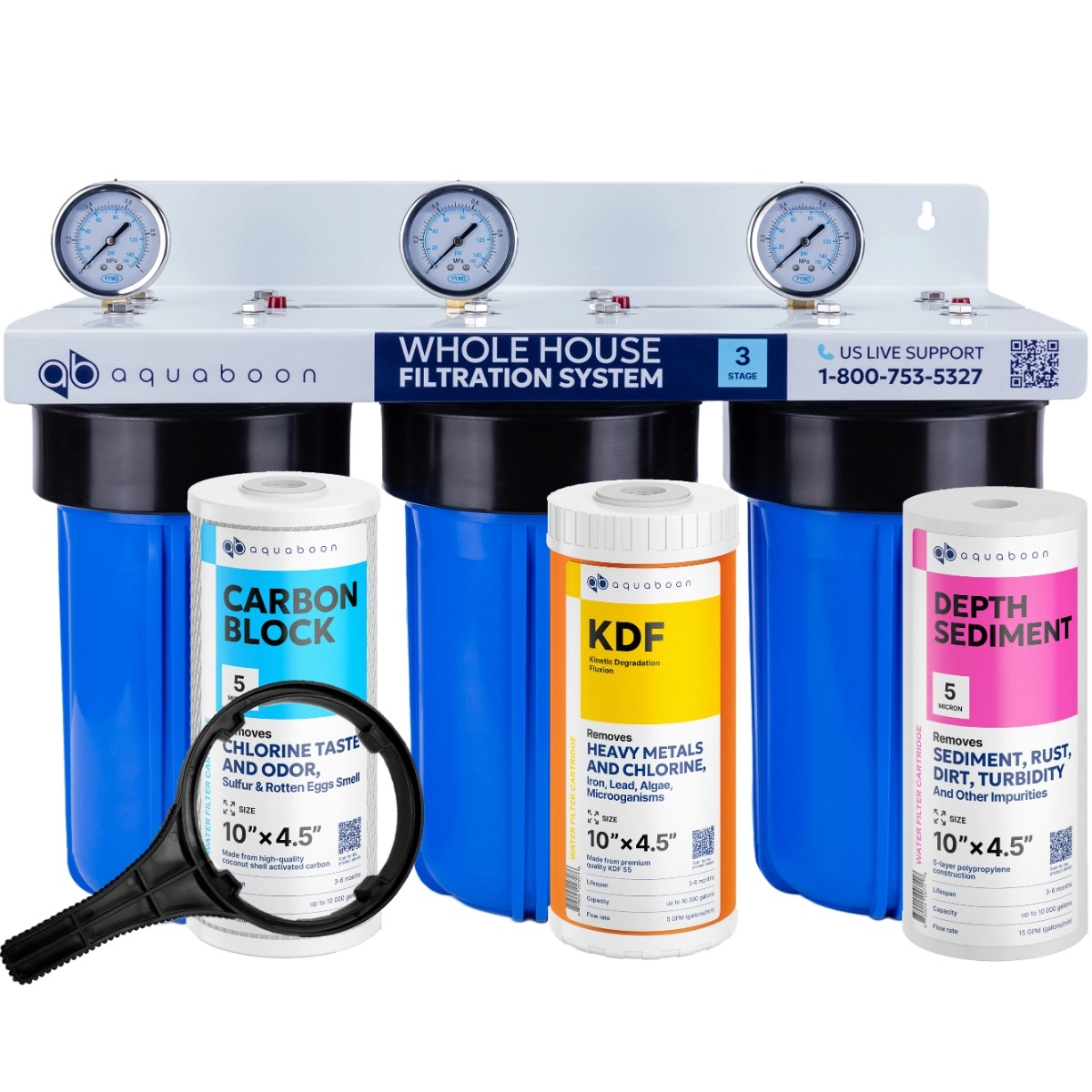
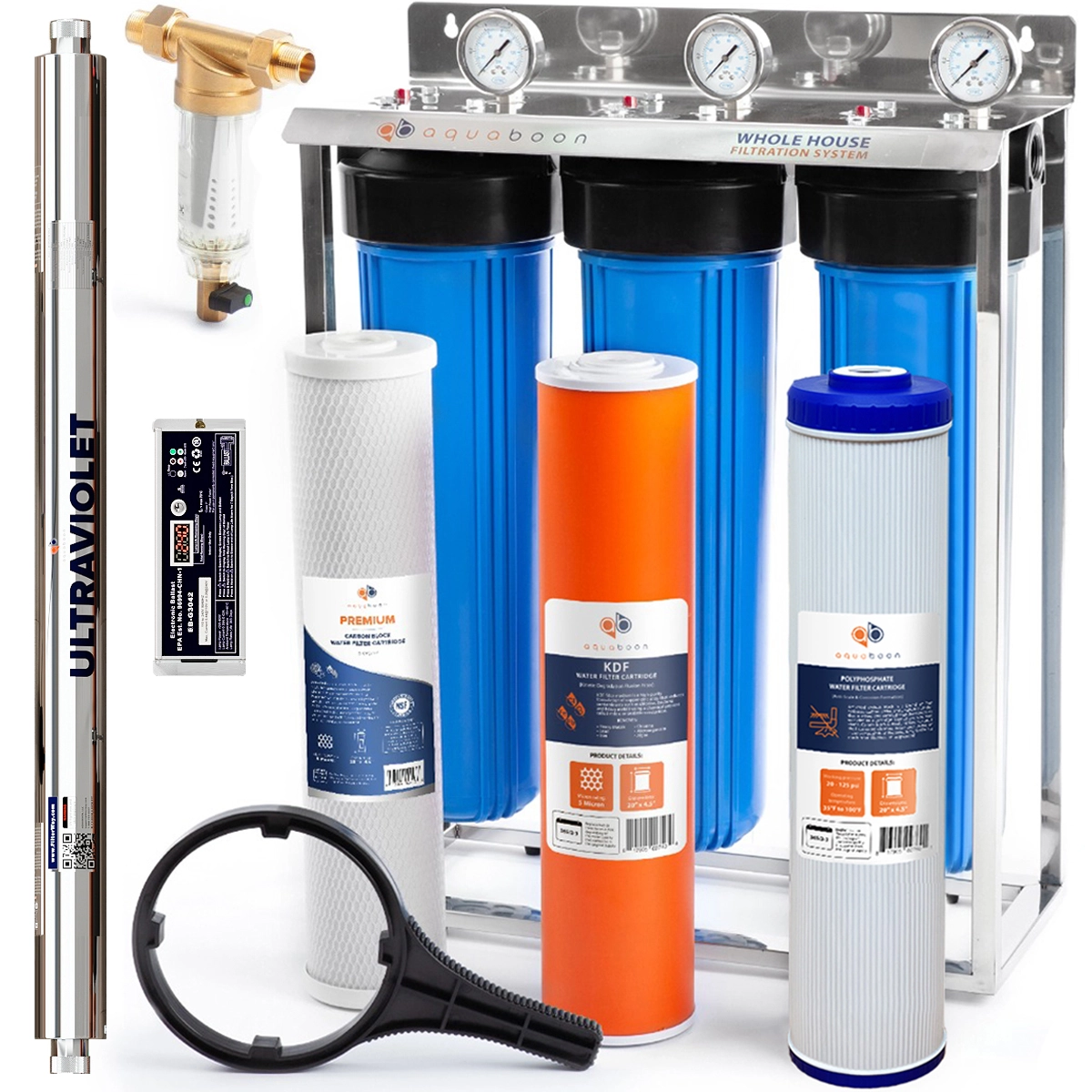
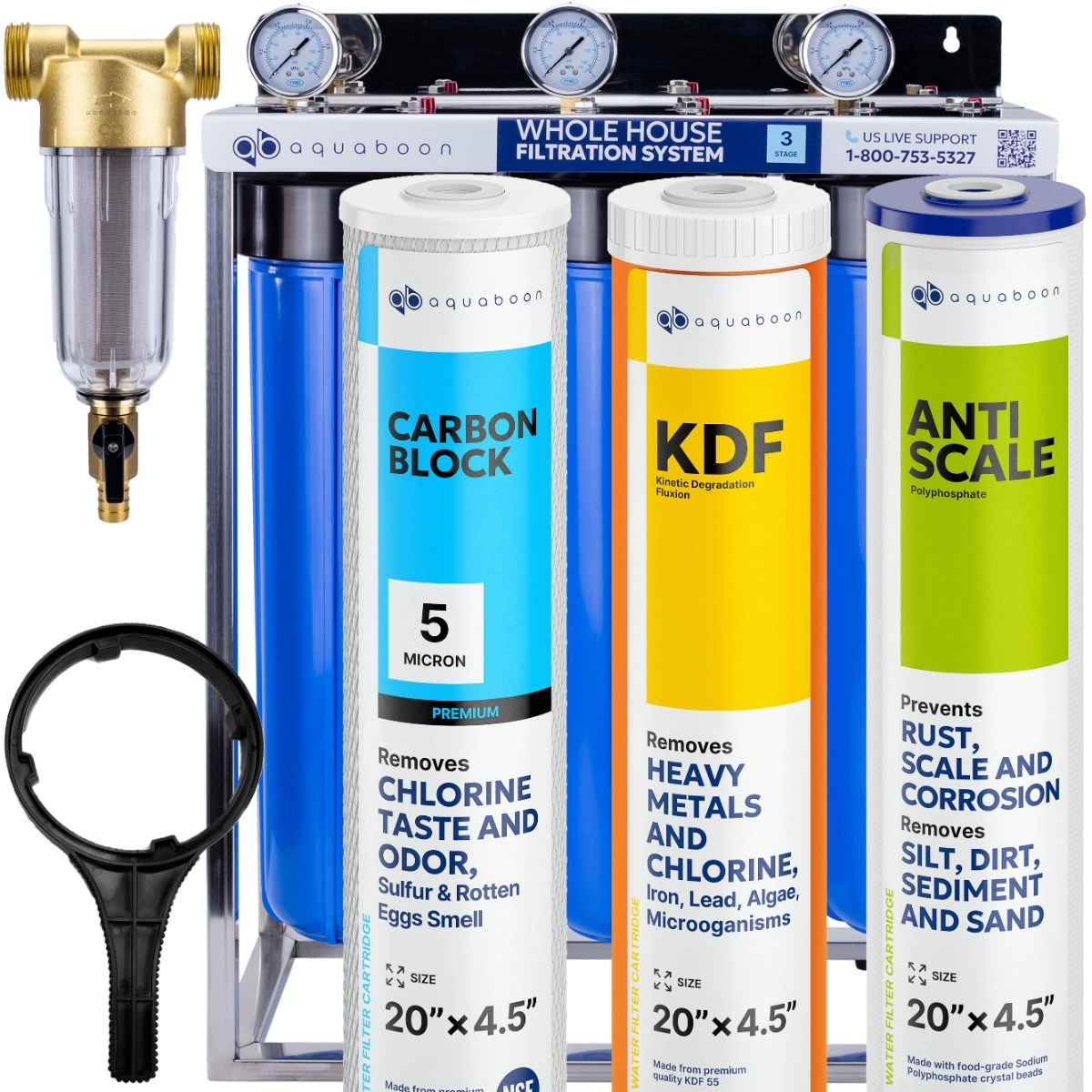
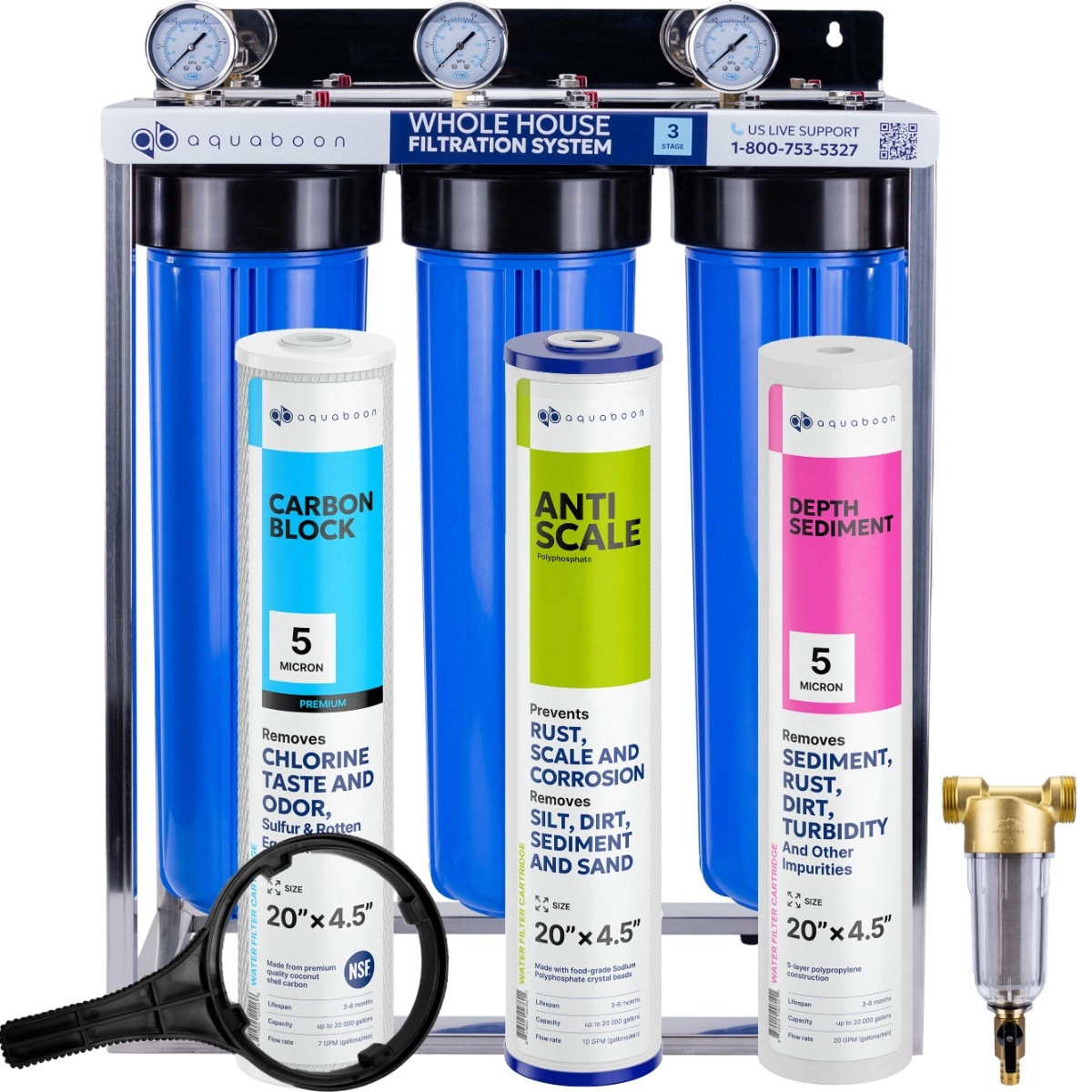
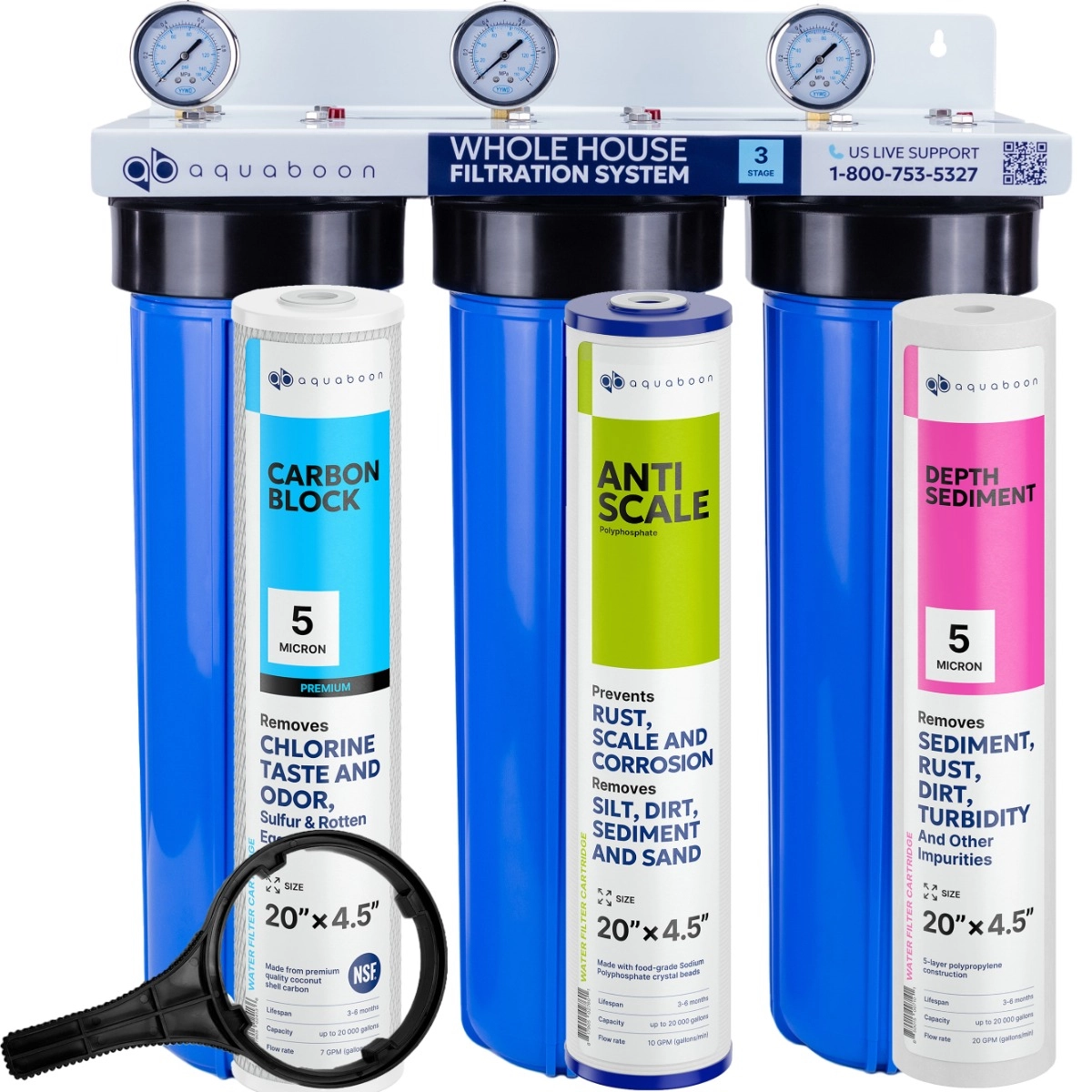
Replacing water filters cartridges regularly may also help maintain stable filtration performance and reduce pressure-related inefficiencies.
Common Myths About Household Water Usage
«Dishwashers Always Use More Water Than Hand Washing»
Not always. Many modern dishwashers actually use less water than washing dishes manually under continuously running water.
«Low Water Pressure Always Saves Water»
Poor pressure may actually increase shower times and appliance cycle lengths in some homes.
«Small Leaks Do Not Affect Utility Bills»
Even slow leaks may significantly increase monthly waste over time.
«All Homes Use Similar Amounts of Water»
Climate, irrigation, household size, plumbing condition, and appliance efficiency can dramatically change total residential consumption.Simple Ways to Reduce Household Water Usage
Reducing household demand does not always require major lifestyle changes. Small efficiency improvements often create noticeable long-term savings.
Homeowners may reduce waste by:
- Repairing plumbing leaks quickly
- Installing water-efficient fixtures
- Upgrading older appliances
- Managing irrigation schedules
- Monitoring pressure problems
- Maintaining filtration systems
- Avoiding unnecessary outdoor watering
Even small efficiency upgrades may significantly improve long-term utility costs while reducing unnecessary residential consumption.
Homeowners interested in pressure efficiency can also learn more through How Water Pressure Affects Filter Performance.
Why Monitoring Water Usage Matters
Monitoring average household water usage helps identify leaks, improve efficiency, reduce utility costs, and better understand seasonal usage patterns.
Tracking appliance performance, irrigation habits, and pressure issues often helps homeowners prevent expensive plumbing problems before they become severe.
For many households, improving water quality and monitoring consumption work together to support cleaner and more efficient daily residential water use.
Final Thoughts on Average Water Usage in the United States
Most households use far more water than they initially realize. Daily routines such as showering, laundry, irrigation, dishwashing, and appliance use can quickly increase total monthly consumption.
Understanding average water usage per month helps homeowners identify hidden waste, improve efficiency, and better manage long-term utility expenses.
Proper filtration, pressure management, and routine maintenance may also help improve appliance performance while supporting cleaner and more efficient residential water use.
Frequently Asked Questions About Average Water Usage
What uses the most water in a home?
Outdoor irrigation, showers, laundry, and toilet flushing are usually the largest contributors to residential water consumption, especially during warmer months.
How much water does a family of four use?
A family of four may use several hundred gallons daily depending on irrigation habits, plumbing efficiency, and appliance usage.
Is outdoor watering responsible for high water bills?
Yes. Lawn irrigation and landscaping often become the largest seasonal contributors to household water consumption.
Can water filtration systems help reduce water waste?
Filtration systems may improve appliance efficiency and reduce sediment buildup that affects long-term household performance.
What type of water filter is best for high household water usage?
The best filtration setup depends on household size, flow rate requirements, and local water quality conditions. Larger homes often benefit from layered whole-house systems designed for higher daily demand.
How does water quality affect household water usage?
Poor water quality may increase maintenance needs, reduce appliance efficiency, and contribute to higher overall residential demand.
 How to Calculate the Home Water Flow Rate February 7, 2023
 Typical Residential Water Flow Rate November 10, 2022
 Best filters to remove chlorine December 9, 2022
 Why Is My Well Water Brown October 21, 2026
 Does Reverse Osmosis Remove Fluoride October 15, 2026
 Signs Your Well Water Could Be Contaminated October 11, 2026
 Rust Stains From Washing Machine October 5, 2026
 Is School Water Safe to Drink September 28, 2026