



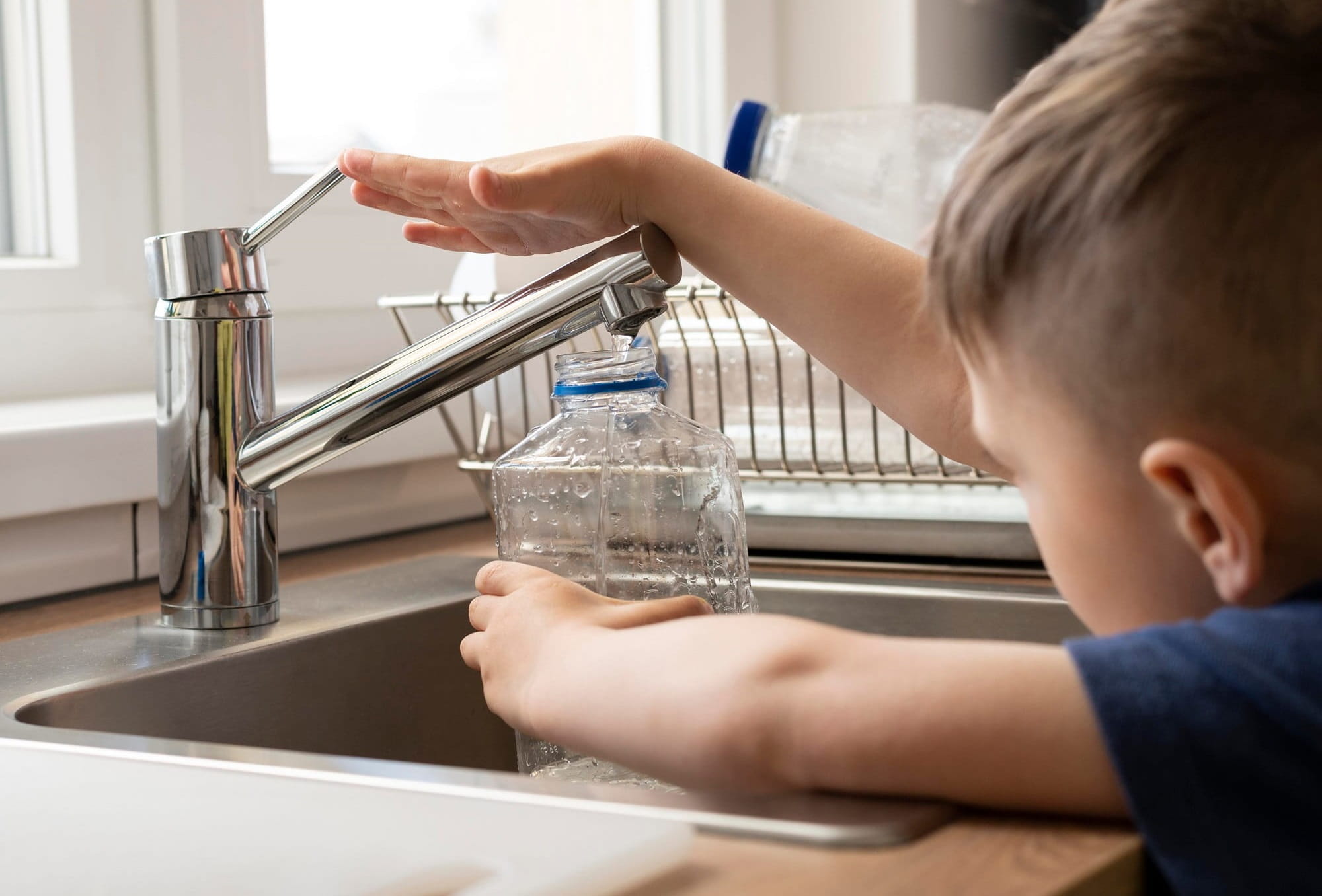
Most people rarely think about the taste of their water until something changes. One day it tastes normal, and the next you're wondering, why does my water taste sweet? Whether the change appeared gradually or happened overnight, an unexpected flavor can raise questions about water quality, plumbing conditions, and even your health.
In many cases, sweet tasting water isn't dangerous. Natural minerals, treatment processes, and water chemistry can all influence flavor. However, if the taste appeared suddenly or is accompanied by cloudiness, sediment, discoloration, or an unusual odor, it's worth investigating further.
Why Does My Water Taste Sweet? Start With the Context
There's no single explanation for why does water taste sweet. The source of the taste can range from naturally occurring minerals to changes in water treatment—or sometimes it has nothing to do with the water itself.
Before assuming there's a problem with your water supply, ask a few simple questions:
- Does every faucet have the same taste?
- Is the sweetness more noticeable in hot or cold water?
- Does anyone else in the house notice it?
- Has there been recent plumbing work or utility maintenance nearby?
- Did the taste begin after replacing a filter?
The answers often provide more useful clues than the taste itself.
Common Reasons Why Water Tastes Sweet
High Mineral Content
In many areas, groundwater travels through limestone, chalk, and mineral-rich rock formations before reaching homes. Along the way, it dissolves naturally occurring minerals such as calcium, magnesium, potassium, and bicarbonates.
These minerals can subtly affect flavor. Some people describe mineral-rich water as crisp, while others say water tastes sweet or leaves a slightly sweet aftertaste.
The presence of minerals doesn't automatically indicate a problem. However, significant changes in mineral content can alter the way water tastes. If you've recently moved, experienced seasonal weather changes, or switched water sources, the difference may be more noticeable.
Chlorine or Chemical Aftertaste
If your home receives municipal water, seasonal adjustments to treatment processes can occasionally affect flavor.
Most people associate chlorine with a strong swimming-pool smell, but taste perception varies. Some homeowners describe chlorinated water as slightly sweet, especially when chlorine interacts with naturally occurring organic compounds.
This can explain why does tap water taste sweet, even when the water still meets regulatory quality standards.
A properly maintained granular activated carbon water filter can help reduce chlorine-related taste and odor concerns.
Plumbing Issues and Old Pipes
Sometimes the water entering your home is perfectly fine, but the taste changes before it reaches your glass.
Older plumbing systems can accumulate corrosion, scale, and mineral deposits over time. As water passes through aging pipes, it may pick up trace compounds that alter flavor. Depending on the material and condition of the plumbing, the result can be a sweet, metallic, or otherwise unusual aftertaste.
If only one faucet is affected, the issue may be localized within your plumbing system rather than the municipal supply.
Water pH Levels
Even small changes in water chemistry can influence flavor.
Water that leans slightly alkaline often tastes smoother and, to some people, noticeably sweeter. By contrast, acidic water may produce a sharper or more metallic taste.
Because pH interacts with both minerals and plumbing materials, shifts in water chemistry can affect flavor in multiple ways. For some homeowners asking «why is my water sweet,» pH may be part of the answer.
Contaminants in Water
A sudden sweet taste is usually linked to minerals, plumbing conditions, or treatment changes. However, contamination shouldn't be ruled out—especially if other warning signs appear at the same time.
Bacteria, organic matter, industrial pollutants, and certain metals can alter both taste and odor. While contamination doesn't always produce a sweet flavor, any unexpected change in water quality deserves attention.The EPA provides guidance on common drinking water contaminants and how they may affect water quality and safety
If my water tastes sweet and also appears cloudy, develops an odor, or leaves unusual residue, water testing is strongly recommended.
Well Water Tastes Sweet
If your home relies on a private well, the explanation may be very different from what municipal water users experience.
Unlike city water, well water isn't continuously monitored by a public utility. Its characteristics can change throughout the year depending on rainfall, groundwater movement, nearby agriculture, and seasonal conditions.
This is one reason well water tastes sweet for some homeowners during certain times of the year. Heavy rain can alter groundwater chemistry, while natural mineral deposits and agricultural runoff may affect taste.
Even when the water appears clear, annual testing remains one of the most effective ways to identify changes before they become larger problems.
Sweet Taste in Mouth After Drinking Water
Before blaming the water, consider another possibility: the sensation may be coming from your own sense of taste.
Many people search for «why does water taste sweet to me» when the water itself isn't actually changing.
A sweet taste after drinking water can be associated with:
- Dry mouth
- Certain medications
- Acid reflux
- Sinus infections
- Hormonal changes
- Temporary changes in taste perception
If nobody else notices the flavor, the cause may not be related to water quality at all.
Why Does My Water Taste Sweet All of a Sudden?
The timing of the change often provides the biggest clue.
If you're wondering why does water taste sweet all of a sudden, consider what has changed recently.
Possible explanations include:
- Utility maintenance or treatment adjustments
- Seasonal groundwater shifts
- New plumbing work
- A recently installed filtration system
- Water heater issues
- Heavy rainfall affecting well water
Sudden changes don't automatically indicate danger, but they do deserve investigation.
Why Does My Water Smell Sweet?
Taste and smell are closely connected.
Some homeowners report that water smells sweet in addition to tasting sweet. If you're asking «why does my water smell sweet,» naturally occurring organic compounds, algae activity in source water, treatment changes, or contamination may be contributing factors.
A noticeable change in both taste and smell is a good reason to schedule water testing.
Sweet Water Troubleshooting Guide
|
What You're Noticing |
Possible Cause |
|
Only cold water tastes sweet |
Mineral content or pH changes |
|
Only hot water tastes sweet |
Water heater or plumbing issue |
|
Water tastes and smells sweet |
Organic matter or contamination |
|
Only one faucet is affected |
Localized plumbing problem |
|
Only you notice the taste |
Taste perception change |
|
Sweet taste appeared after heavy rain |
Groundwater chemistry changes |
Is It Bad If Water Tastes Sweet?
Not necessarily.
In many situations, a sweet taste is simply the result of minerals, pH levels, or treatment practices. If the water is clear, odorless, and supplied by a regulated municipal source, the cause is often relatively harmless.
However, changes should never be ignored completely. If the taste appeared suddenly, is accompanied by cloudiness or odor, or occurs in untreated well water, additional investigation is worthwhile.
When Should You Test Your Water?
Certain situations make testing far more valuable than guesswork:
- The sweet taste appeared suddenly.
- The water has an unusual odor.
- Water contains sediment or appears cloudy.
- Your home has older plumbing.
- You use a private well.
- Nearby flooding or construction recently occurred.
- Family members notice the same change.
Testing provides clear answers and helps identify the most effective treatment approach.
Homeowners who use private wells should consider regular testing, as recommended by the CDC's drinking water guidance.

Choosing the Right Solution for Sweet-Tasting Water
It's tempting to start shopping for filters immediately, but identifying the source of the taste should come first.
A filter designed to reduce chlorine won't solve a plumbing issue, and a sediment filter won't remove dissolved minerals. The best solution depends on the cause.
For Chlorine and Odor Issues
If chlorine or treatment-related compounds are affecting flavor, a granular activated carbon water filter can help improve taste and odor.
For broader treatment throughout the home, many homeowners choose whole house chlorine water filters.
For Excess Minerals
If mineral content is responsible for the sweet taste, systems that use a reverse osmosis membrane can significantly reduce dissolved minerals and improve drinking water quality.
Reverse osmosis is particularly effective when homeowners want to address multiple dissolved substances at the point of use.
For Whole-House Water Quality Concerns
If you're dealing with several water quality issues at once, broader treatment may make more sense.
A 3 stages water filter can address multiple contaminants through layered filtration. Larger systems that use a 20 x 4.5 water filter are often chosen for higher flow rates and increased filtration capacity.
For comprehensive protection throughout the home, a whole house water filter system can help address taste, odor, sediment, and other water quality concerns from every tap.
The most effective approach is always to identify the problem first and then select treatment technology designed to address it.
When comparing filtration systems, look for products tested or certified to recognized NSF standards whenever applicable.
Final Thoughts: Don't Ignore Changes in Your Water
Most cases of water tasting sweet can be traced back to minerals, water chemistry, treatment practices, or plumbing conditions rather than an immediate safety concern. The key is paying attention to what else has changed.
If the taste appeared suddenly, affects multiple fixtures, or is accompanied by odor, cloudiness, or sediment, testing can provide clear answers. Once the source is identified, choosing the right treatment option becomes much simpler and more effective.
Water doesn't have to taste identical every day, but noticeable changes shouldn't be ignored.
Quick Answers: Water Tasting Sweet FAQ
What does it mean when water tastes sweet?
A sweet taste usually comes from natural water chemistry rather than sugar or other additives. Minerals, alkalinity, and treatment processes can all influence flavor, though sudden changes should be investigated.
Why does my tap water taste sweet?
City water can develop a sweeter taste due to seasonal treatment adjustments, shifts in mineral content, or changes occurring within your home's plumbing system.
Why does water taste sweet to me but not to others?
If you're the only person noticing the flavor, the cause may be related to taste perception. Dry mouth, medications, illness, or sinus congestion can temporarily alter how water tastes.
Is sweet-tasting water safe to drink?
Often, yes. A mild sweet taste alone is not usually a sign of unsafe water. However, testing is recommended if the taste appears suddenly or is accompanied by odor, cloudiness, or discoloration.
Why does my water taste sweet all of a sudden?
Recent utility work, heavy rainfall, plumbing repairs, filter replacements, or seasonal groundwater changes can all cause noticeable shifts in water flavor.
Can a water filter remove sweet taste from water?
Sometimes. Carbon filtration may help with treatment-related tastes, while reverse osmosis systems are often more effective when dissolved minerals are contributing to the flavor.