


Public drinking fountains are everywhere—schools, airports, parks, shopping centers, gyms, and office buildings. They offer a convenient way to stay hydrated without buying bottled water, but many people still wonder: are public water fountains safe?
The answer isn't as simple as yes or no.
Most fountains receive water from the same municipal systems that supply nearby homes and businesses. In many cases, the water itself meets drinking water standards before it ever reaches the fountain. What often matters more is the condition of the plumbing, the maintenance of the fountain, and whether the unit is cleaned regularly.
If the water tastes unusual, smells musty, appears cloudy, or the fountain looks poorly maintained, it's worth paying closer attention. Understanding how these systems work can help you make a more informed decision about whether to use them.
Are Public Water Fountains Safe to Drink From?
In general, are water fountains safe to drink from? Often, yes.
Modern municipal water systems are heavily regulated and continuously monitored for contaminants. The challenge is that water doesn't travel directly from the treatment plant into your mouth. It passes through miles of distribution pipes, building plumbing, valves, and fountain components before reaching the nozzle.
Think of a fountain as the final stop in a much longer water delivery system.
When connected to a reliable supply, a well-maintained fountain poses minimal health risks. The real issue arises from aging pipes, poor upkeep, or damaged plumbing, which can degrade water quality right before it reaches you. Ultimately, when asking are drinking fountains safe or are water fountains sanitary, the focus shouldn't be on the fixture itself, but rather on the infrastructure and maintenance behind it.
Public fountains connected to municipal systems typically receive water that has already undergone treatment and monitoring consistent with public drinking water safety practices described by the CDC.
How Does Water Reach a Public Fountain?
Before discussing contamination, it's helpful to understand how a typical public water fountain works.
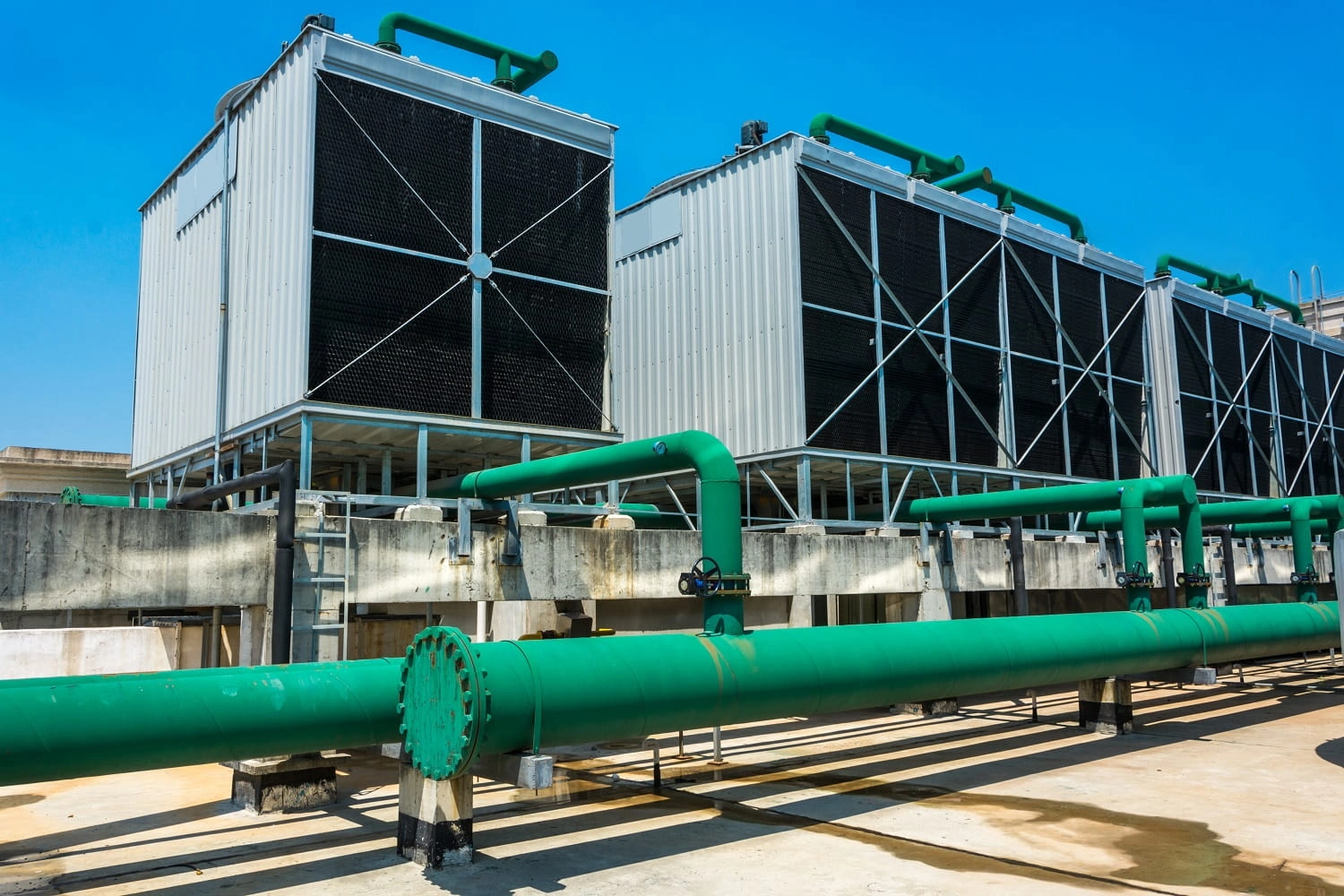
Water doesn't travel directly from a treatment plant to the fountain. Instead, it passes through several stages before reaching the user:
According to the EPA, drinking water passes through treatment and distribution systems before reaching consumers, making infrastructure and maintenance important parts of overall water quality.
- Municipal Treatment Facility
The process begins at a local water treatment plant. Here, water is filtered, disinfected, and tested to meet drinking water standards. By the time it leaves the facility, it is generally considered safe for public consumption.
- Public Distribution Pipes
After treatment, water enters a network of underground distribution pipes that may stretch for miles. These pipes deliver water to homes, businesses, schools, parks, and public facilities. The condition of this infrastructure can influence water quality along the way.
- Building Plumbing System
Once the water reaches a building, it travels through internal plumbing. In older schools, offices, or recreational facilities, aging pipes and fixtures may affect taste, odor, or mineral content before the water reaches the fountain.
- Fountain Supply Line
A dedicated supply line carries water from the building's plumbing system to the drinking fountain itself. If water remains stagnant in this section for long periods—such as in rarely used fountains- its taste and quality may change.
- Fountain Nozzle and Components
The nozzle is the part people interact with directly. While water usually does not flow backward into the system, the nozzle and surrounding surfaces can collect dust, dirt, and bacteria if maintenance is neglected. This is one reason regular cleaning is important.
- The User
The final stage of the journey is the consumer. User habits—like touching the nozzle—combined with how often the unit is used and cleaned, heavily impact water quality. Recognizing this entire process helps clarify whether are public water fountains safe. While water leaves the treatment facility in a purified state, every pipe and valve it passes through along the way determines what lines your glass or reusable bottle.
Each stage can influence water quality.
The water leaving a treatment facility may be perfectly safe, but factors such as aging pipes, stagnant water, scale buildup, or poor maintenance can affect the final result.
Understanding this process helps explain why two fountains connected to the same municipal supply may provide very different experiences.
Common Contaminants and Hygiene Risks
Bacterial Contamination: E. coli, Legionella, and Biofilms
When people ask how dirty are water fountains, bacteria are usually the first concern.
The greatest bacterial risk typically comes from the fountain itself rather than the municipal water supply. Nozzles are frequently touched by hands, exposed to airborne particles, and occasionally contacted by users, pets, or wildlife.
Over time, microscopic communities known as biofilms can develop on damp surfaces inside poorly maintained systems. These biofilms create environments where bacteria can survive more easily.
This doesn't mean every fountain contains dangerous bacteria. However, visible dirt, standing water, slime, or mold around the basin may indicate inadequate maintenance and reduced water fountain cleanliness.
Heavy Metals and Aging Infrastructure
One of the most overlooked factors affecting fountain water quality is infrastructure.
Older buildings, schools, and public parks may still contain aging plumbing materials. Over time, corrosion can introduce small amounts of metals such as lead, copper, or iron into drinking water.
This is one reason some people notice a metallic taste when drinking from water fountain systems in older facilities.
A metallic taste doesn't automatically mean water is unsafe, but it may indicate plumbing conditions worth investigating.
Chemical Disinfection Byproducts
Municipal systems use disinfectants such as chlorine to prevent microbial growth throughout the distribution network.
The process is essential for public health, but chlorine can occasionally react with naturally occurring organic material, creating compounds known as disinfection byproducts (DBPs).
In most regulated systems, these compounds remain within established safety limits. However, they may affect how water tastes or smells, particularly in older plumbing systems where water sits for extended periods.
Are Water Fountains Filtered?
Not always.
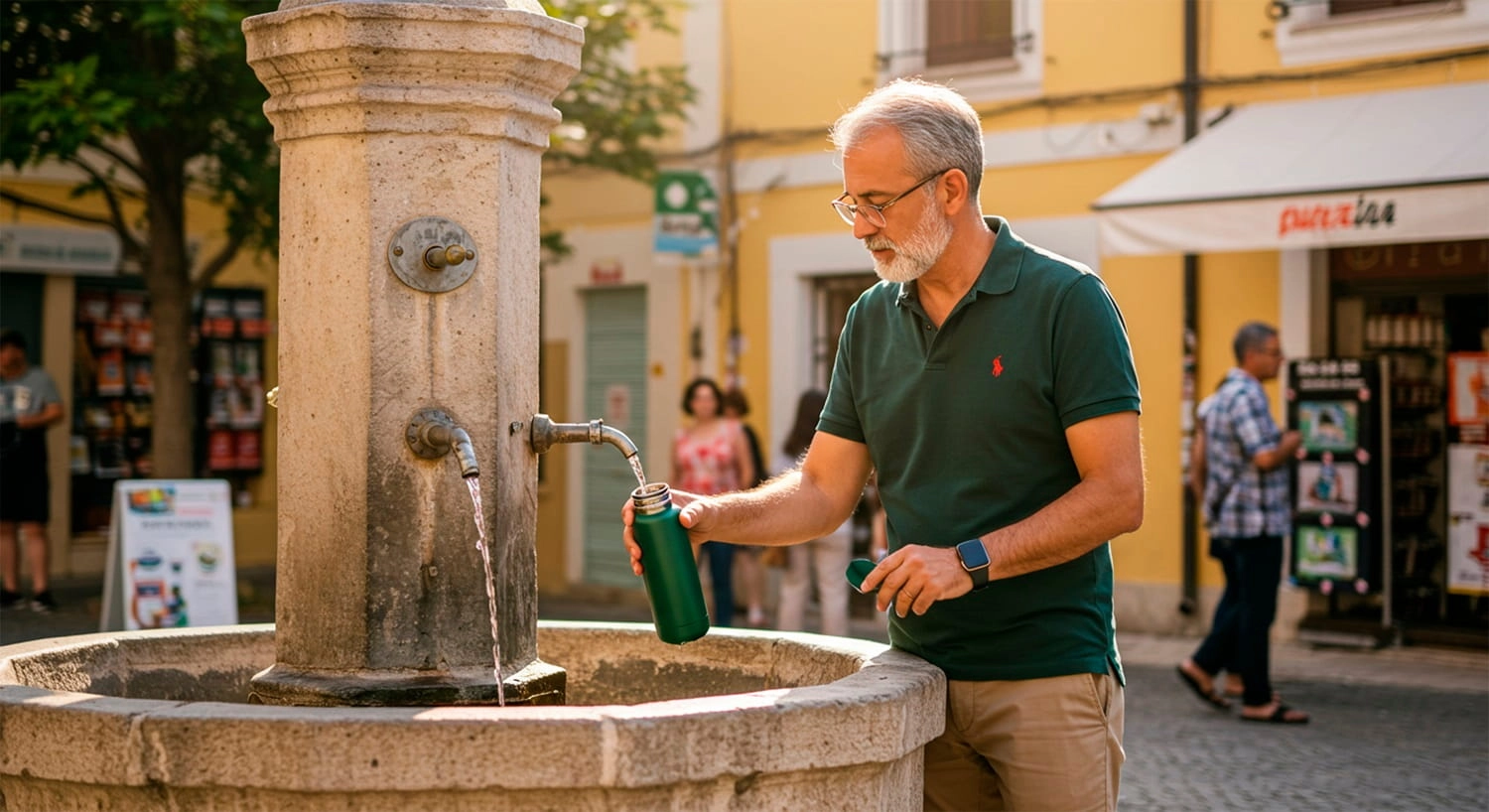
While many modern bottle-filling stations feature built-in filtration to eliminate sediment, chlorine odors, and impurities, older units usually dispense water straight from the building's plumbing without any extra treatment. This is exactly why the question do water fountains have filters doesn't have a simple yes-or-no answer. Furthermore, even when a system is filtered, its performance relies entirely on routine maintenance and timely cartridge changes.
Public Water Fountains vs. Bottled Water
Many people assume bottled water is automatically safer.
The reality is more complicated.
A well-maintained fountain connected to a properly managed water supply may provide water quality comparable to bottled alternatives. At the same time, bottled water generates plastic waste and can contribute to environmental concerns.
Rather than viewing the decision as fountain versus bottle, it's often more useful to compare all available options, including reusable bottles filled with filtered water at home.
For a deeper comparison, readers may find Filtered Water vs. Bottled Waterhelpful when evaluating long-term hydration choices.
Quick Fountain Assessment: What Should You Look For?
Most people don't have access to water quality reports while standing in a park or airport.
Fortunately, a few visual clues can help.
|
What You Notice |
What It Might Mean |
|
Clean basin and strong water flow |
Generally a positive sign |
|
Visible rust or corrosion |
Aging infrastructure |
|
Weak water pressure |
Possible maintenance issue |
|
Musty odor |
Potential biofilm growth |
|
Cloudy water |
Water quality concern |
|
Heavy mineral buildup |
Scale accumulation and poor maintenance |
No single sign guarantees a problem, but several warning signs together may justify choosing another water source.
Red Flags: When You Should Avoid a Water Fountain
There are situations where caution makes sense.
Consider avoiding a fountain if you notice:
- Extremely low water pressure.
- Rust around the nozzle or basin.
- Visible mold or slime.
- Standing water near the drain.
- Cloudy water.
- Strong chemical, musty, or metallic odors.
When evaluating are water fountains dirty, visual inspection often provides useful clues.
How to Protect Yourself and Stay Hydrated Safely
Because it's difficult to evaluate water quality everywhere you go, taking control of your hydration is the best approach. The goal isn't to avoid public fountains entirely, but to ensure you always have access to a water source you trust.
Here is how you can guarantee clean drinking water both on the go and at home:
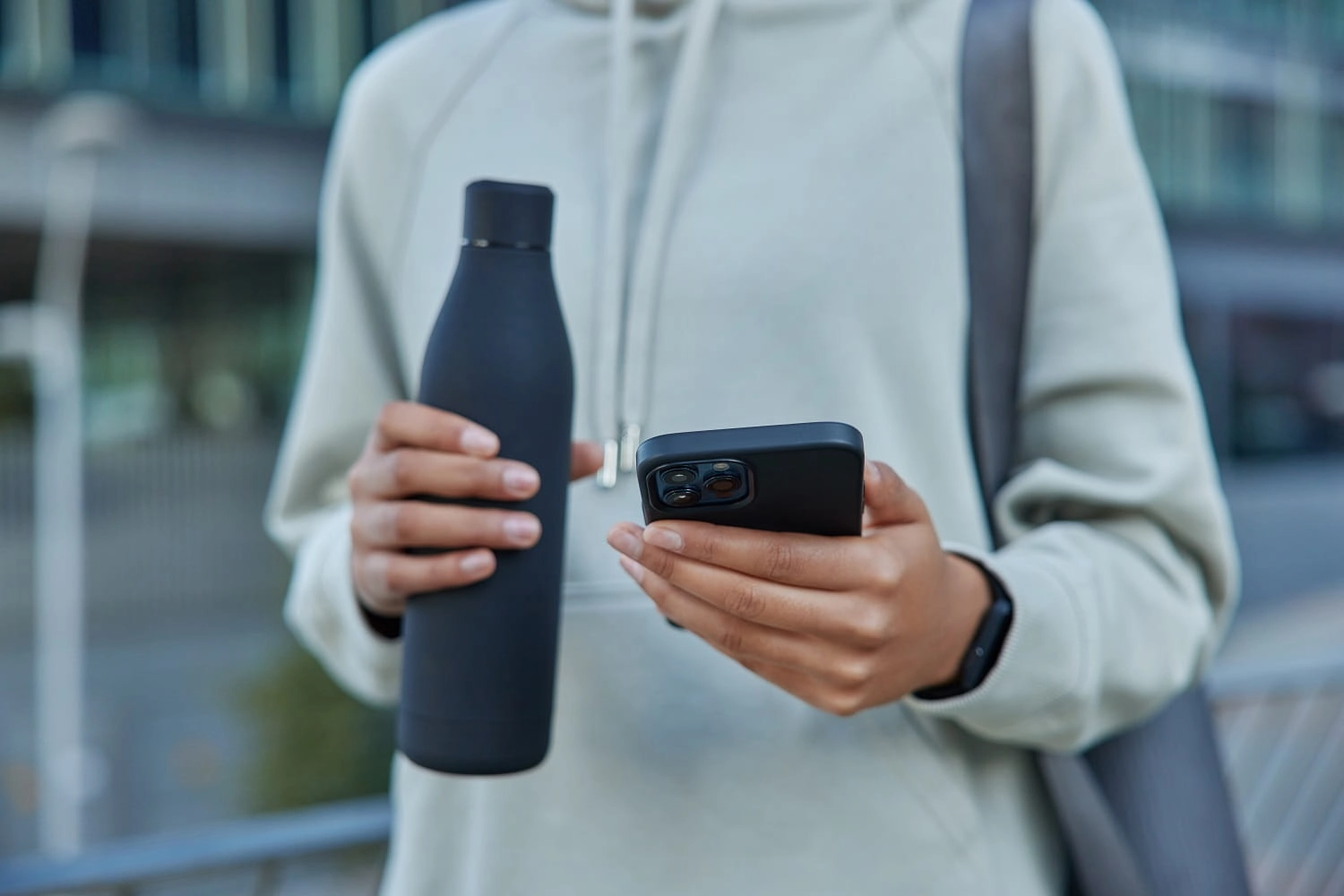
- On the Go: Carry a reusable bottle. The advantage isn't necessarily that public fountains are unsafe, but that a personal bottle gives you more control over your drinking water source.
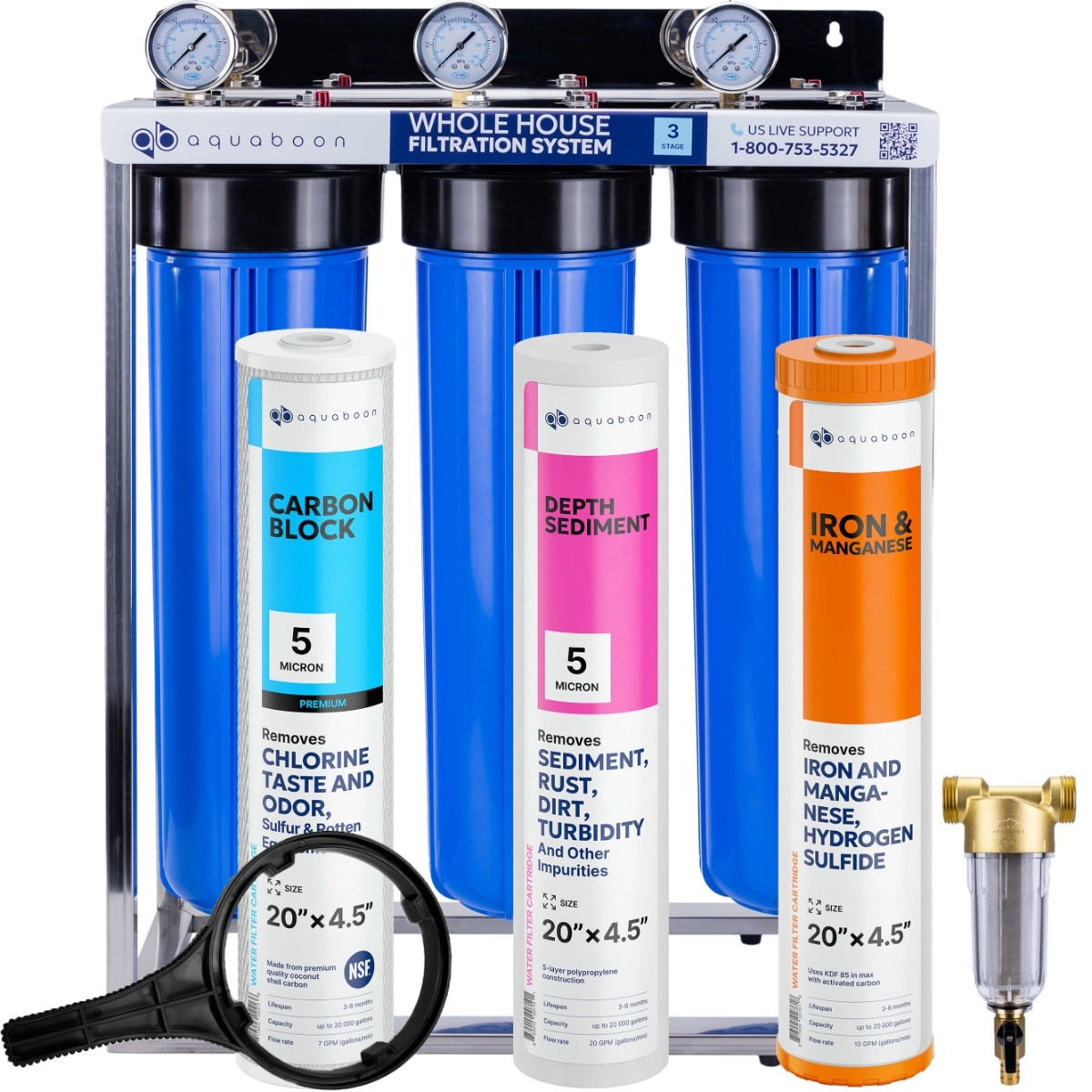
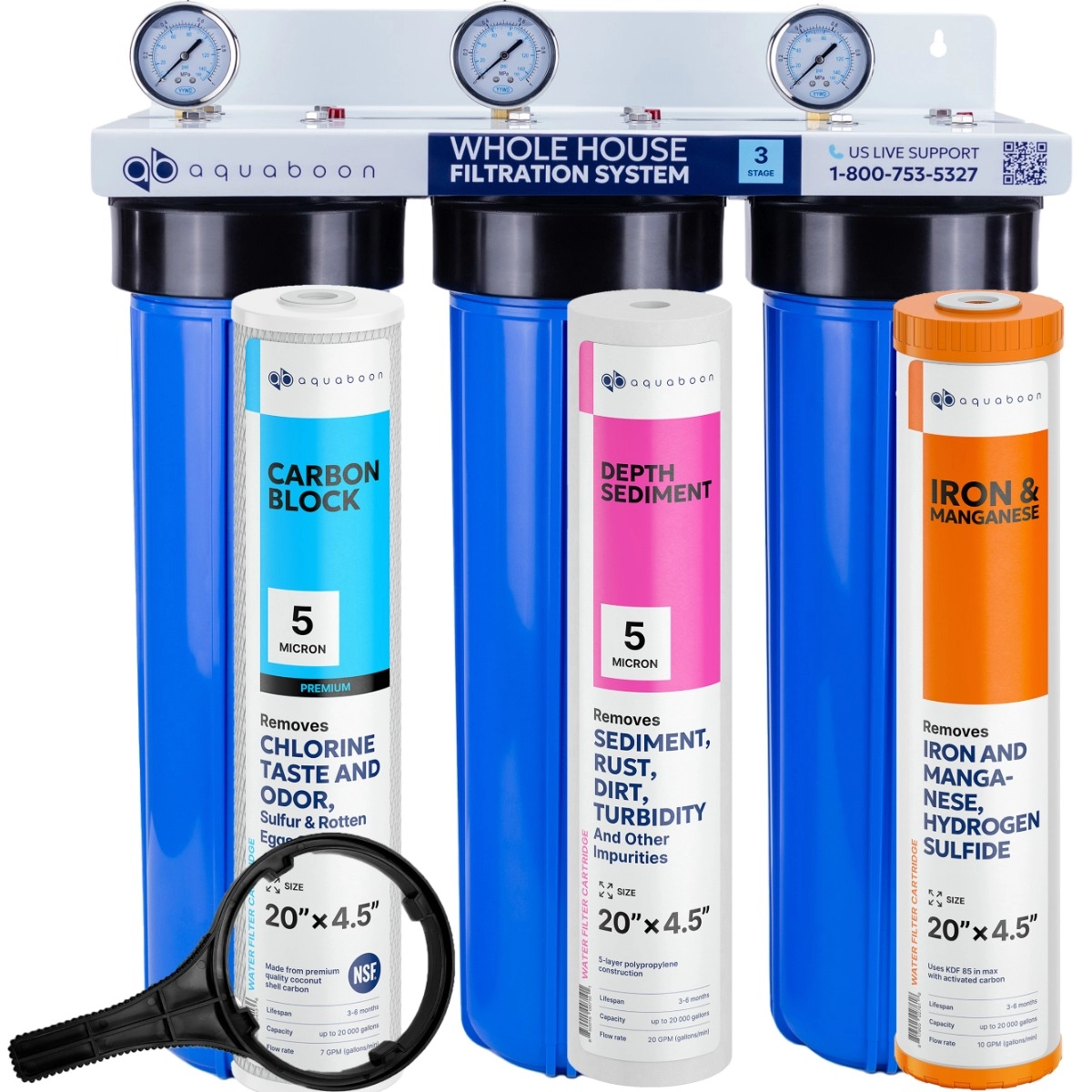
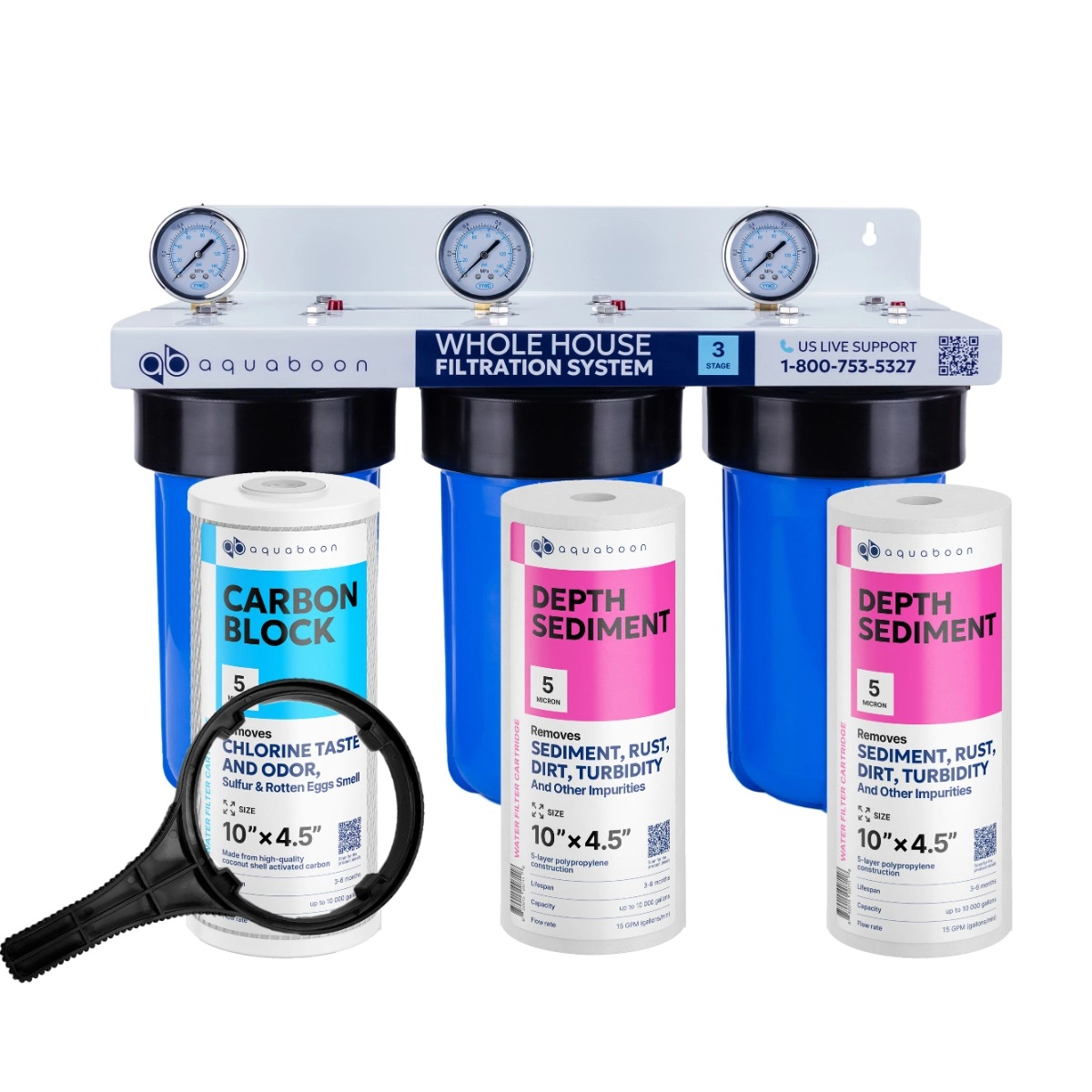
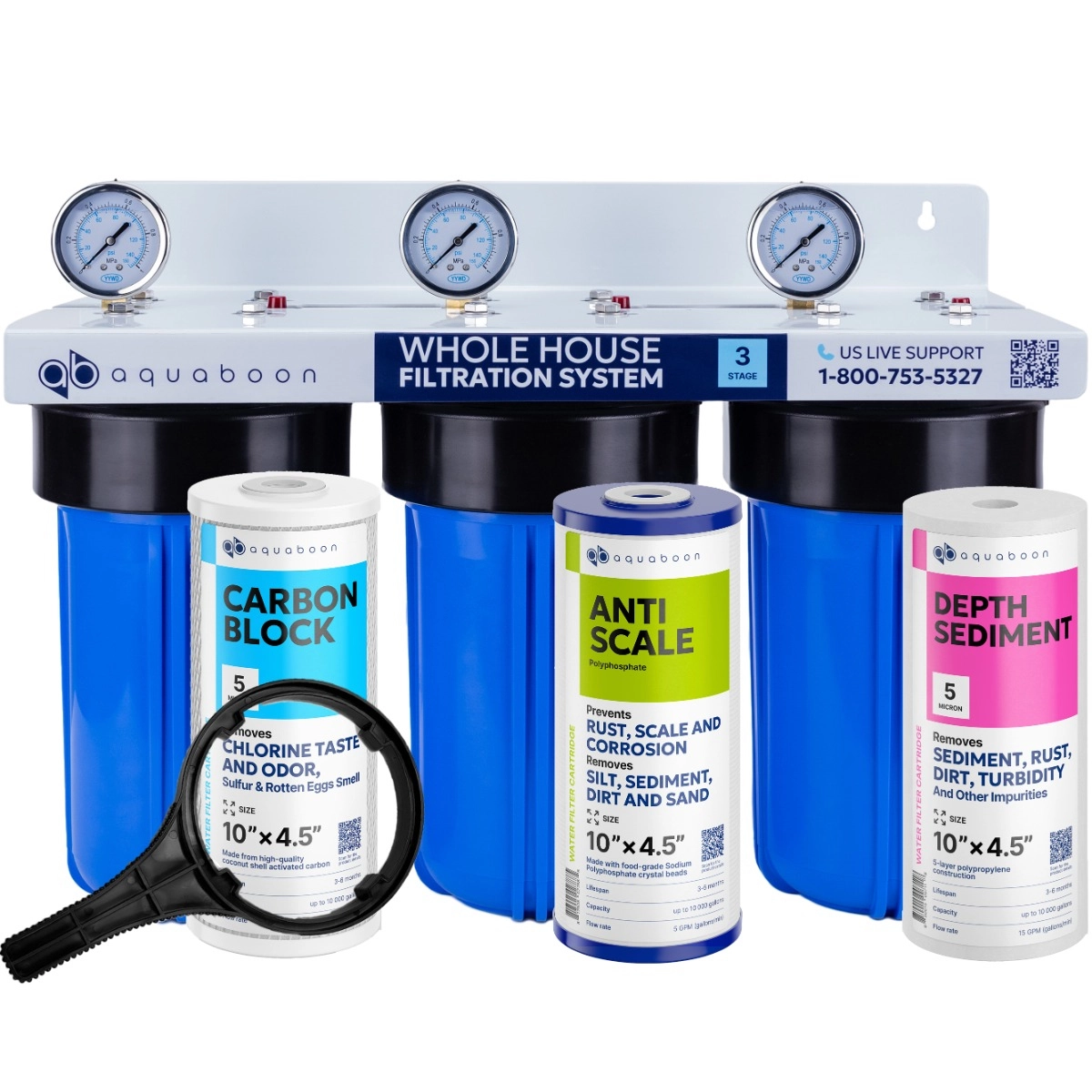
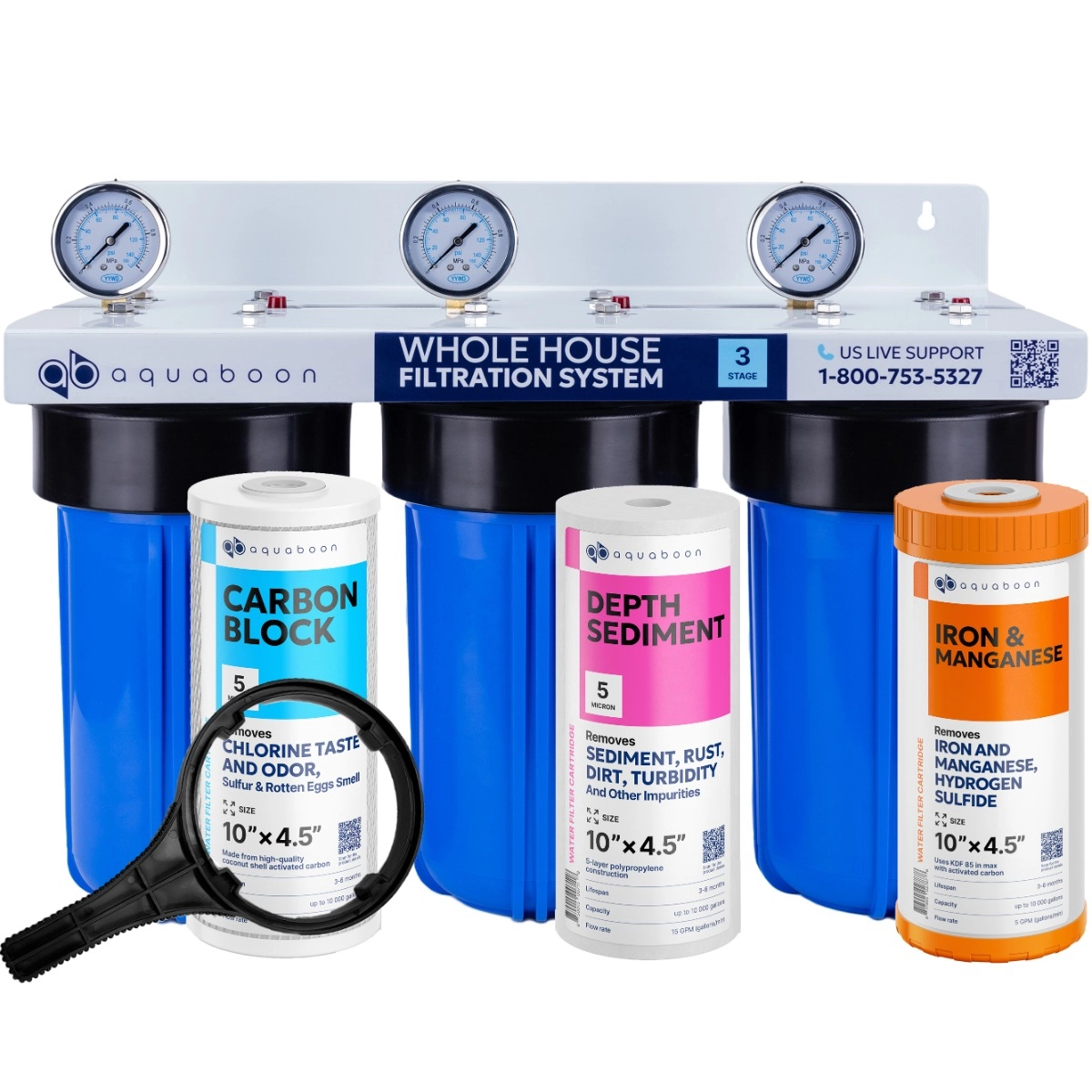
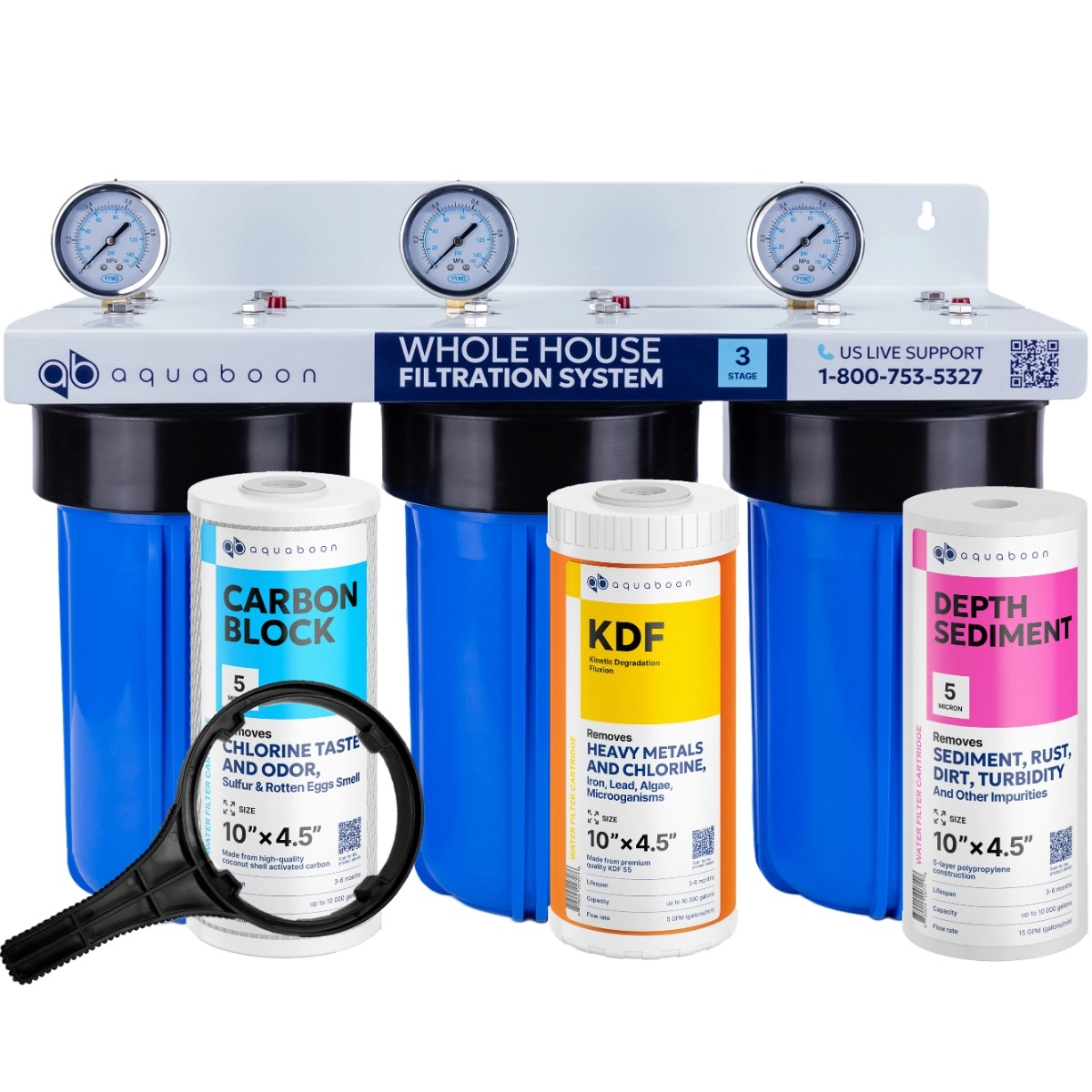
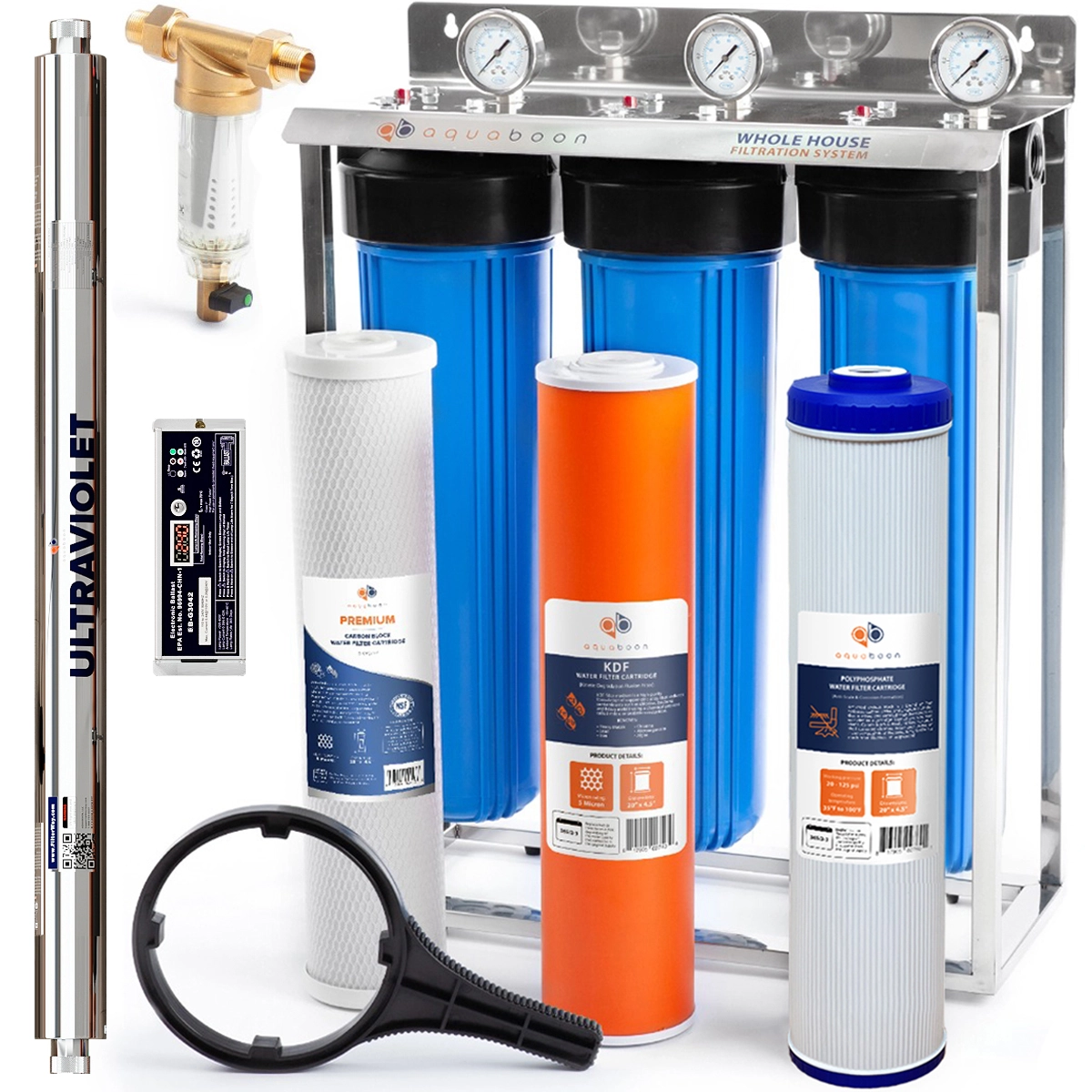
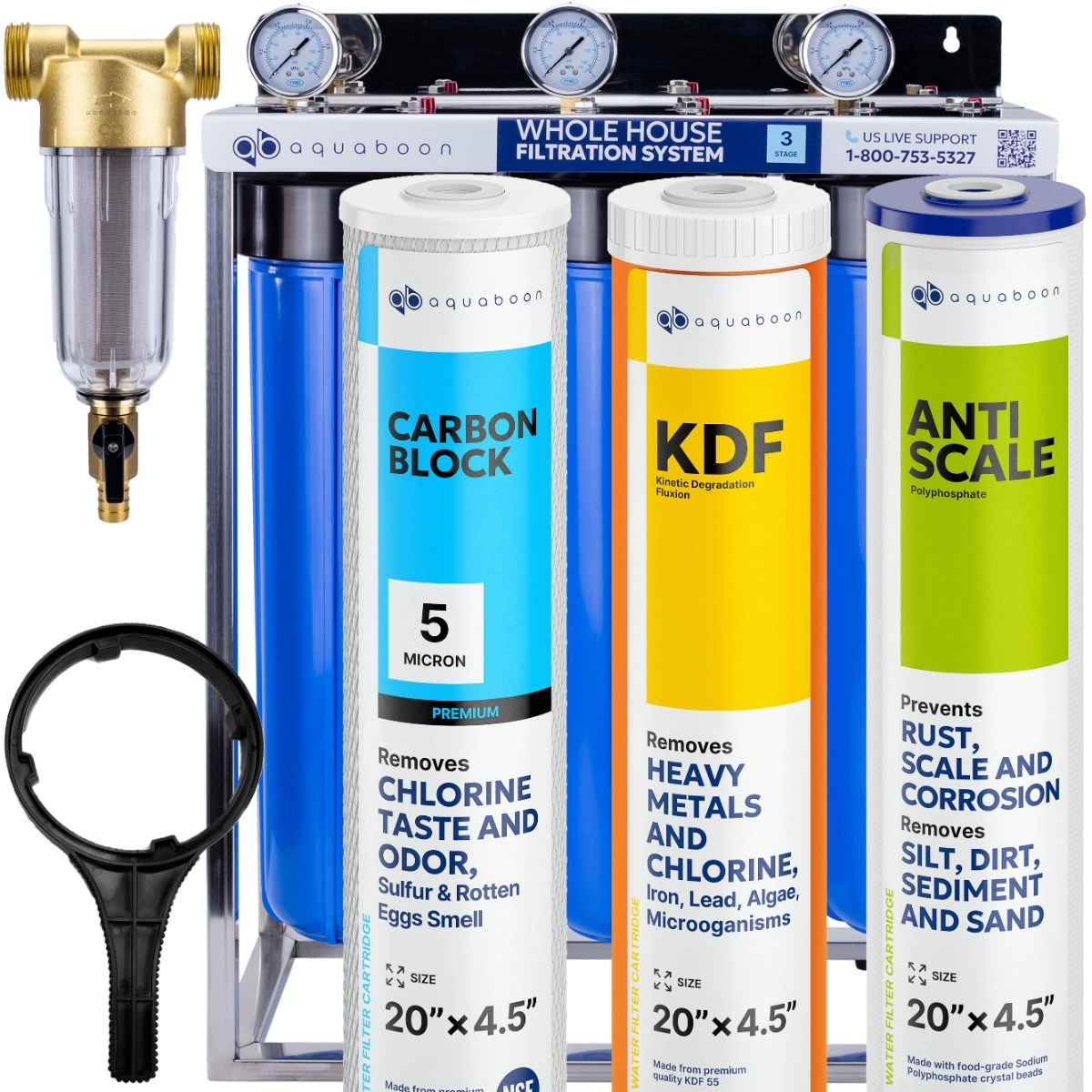
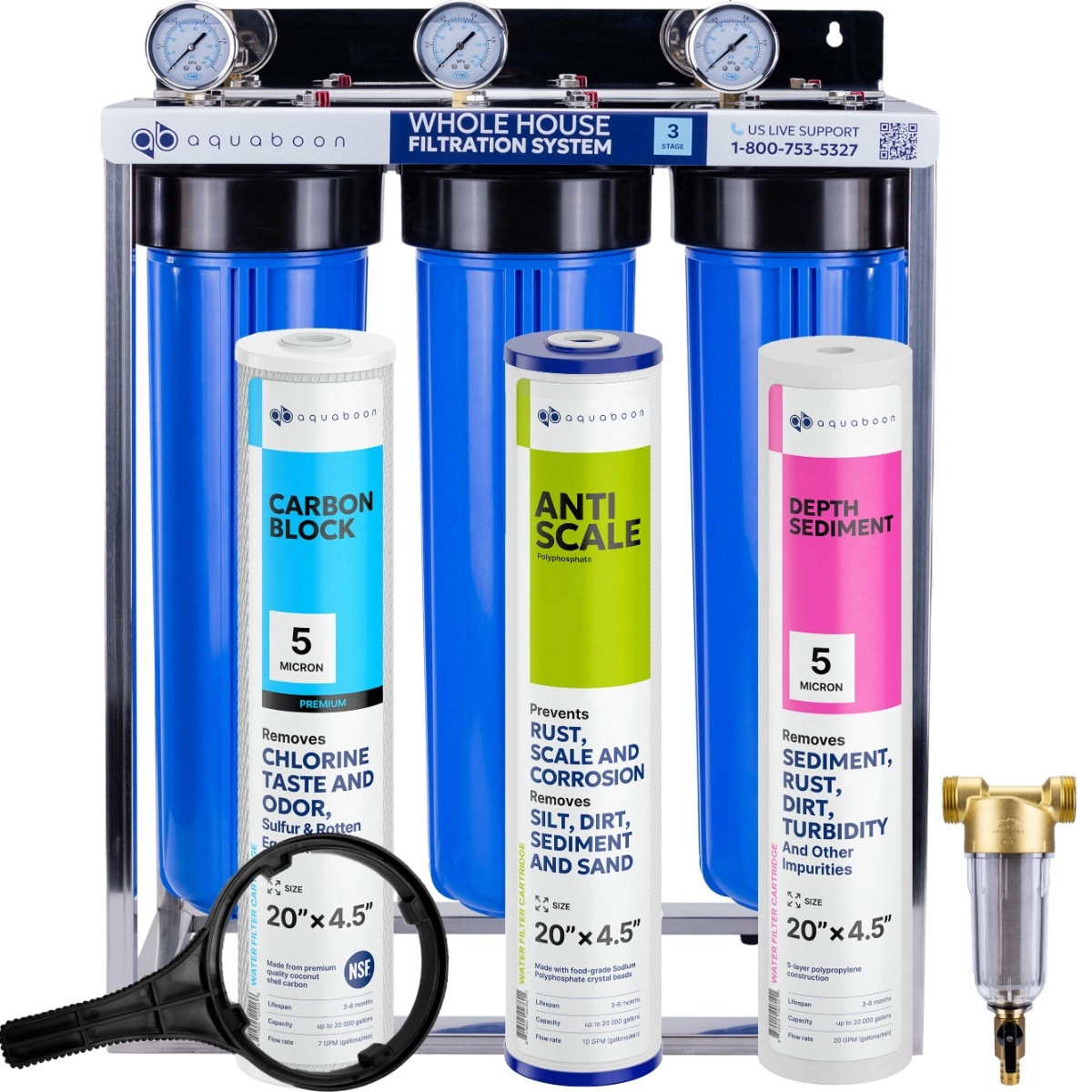
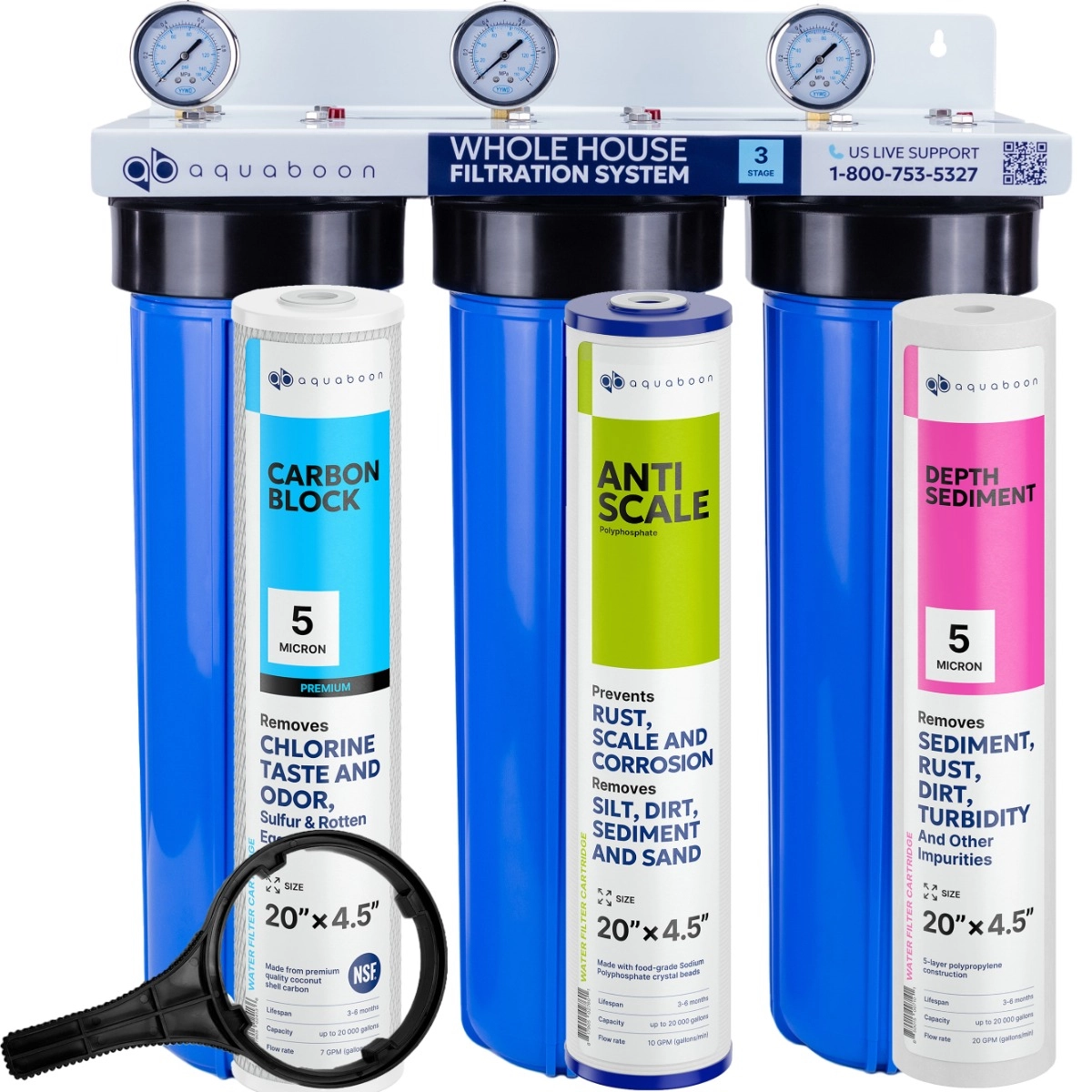
- Whole-Home Protection: At home, systems such as a whole house water filter system can help improve water quality throughout the house. Additionally, households that rely on private wells often use whole house filters for well water to address concerns that differ from municipal water supplies.
- Point-of-Use Filtration: For everyday drinking water, technologies that incorporate a reverse osmosis membrane or a 3 stages water filter can help reduce a broad range of contaminants while improving taste and odor.
- Convenient Kitchen Options: If you want quick access to chilled options, a water filter for refrigerators provides filtered water and ice from a convenient location.
The goal isn't to avoid public fountains entirely. It's to ensure you always have access to a water source you trust.
-
Balancing Convenience and Water Safety
So, are water fountains safe?
In many situations, yes. Public fountains often deliver the same municipal water that supplies nearby homes and businesses.
The more important question is whether the fountain is clean, maintained, and connected to sound infrastructure.
Most risks associated with public water fountains stem from maintenance issues, aging plumbing, or neglected equipment rather than the water source itself.
By paying attention to visible warning signs and understanding how fountain systems work, you can make informed decisions without assuming every fountain is either perfectly safe or inherently risky.
Take Control of Your Water Quality
While you cannot manage public plumbing, you can ensure the absolute safety and taste of the water in your own home. Don't leave your hydration to chance—explore advanced home filtration solutions at Filterway today and secure clean, refreshing water for your family.
Frequently Asked Questions About Public Water Fountains
Can you get sick from drinking from a public water fountain?
Yes, although the risk is generally low when fountains are properly maintained. Poor sanitation, damaged plumbing, or microbial growth can increase the likelihood of exposure to harmful contaminants.
Is bottled water safer than public fountain water?
Not necessarily. A well-maintained fountain connected to a regulated water system may provide water quality comparable to bottled water. Safety depends more on maintenance and infrastructure than the delivery method.
Why does the water from some public fountains taste metallic?
A metallic taste is often linked to aging plumbing, corrosion, or elevated mineral content. While not always dangerous, it may indicate infrastructure issues that deserve attention.
How much bacteria is in a water fountain?
Levels vary significantly depending on maintenance, usage, cleaning schedules, and environmental conditions. A clean, regularly serviced fountain generally presents lower bacterial risk than a neglected one.
What are the first signs of water poisoning?
Symptoms vary depending on the contaminant involved but may include nausea, vomiting, diarrhea, stomach cramps, or fever. Persistent symptoms should be evaluated by a healthcare professional.
 How to Calculate the Home Water Flow Rate February 7, 2023
 Typical Residential Water Flow Rate November 10, 2022
 Best filters to remove chlorine December 9, 2022
 Why Is My Well Water Brown October 21, 2026
 Does Reverse Osmosis Remove Fluoride October 15, 2026
 Signs Your Well Water Could Be Contaminated October 11, 2026
 Rust Stains From Washing Machine October 5, 2026
 Is School Water Safe to Drink September 28, 2026