



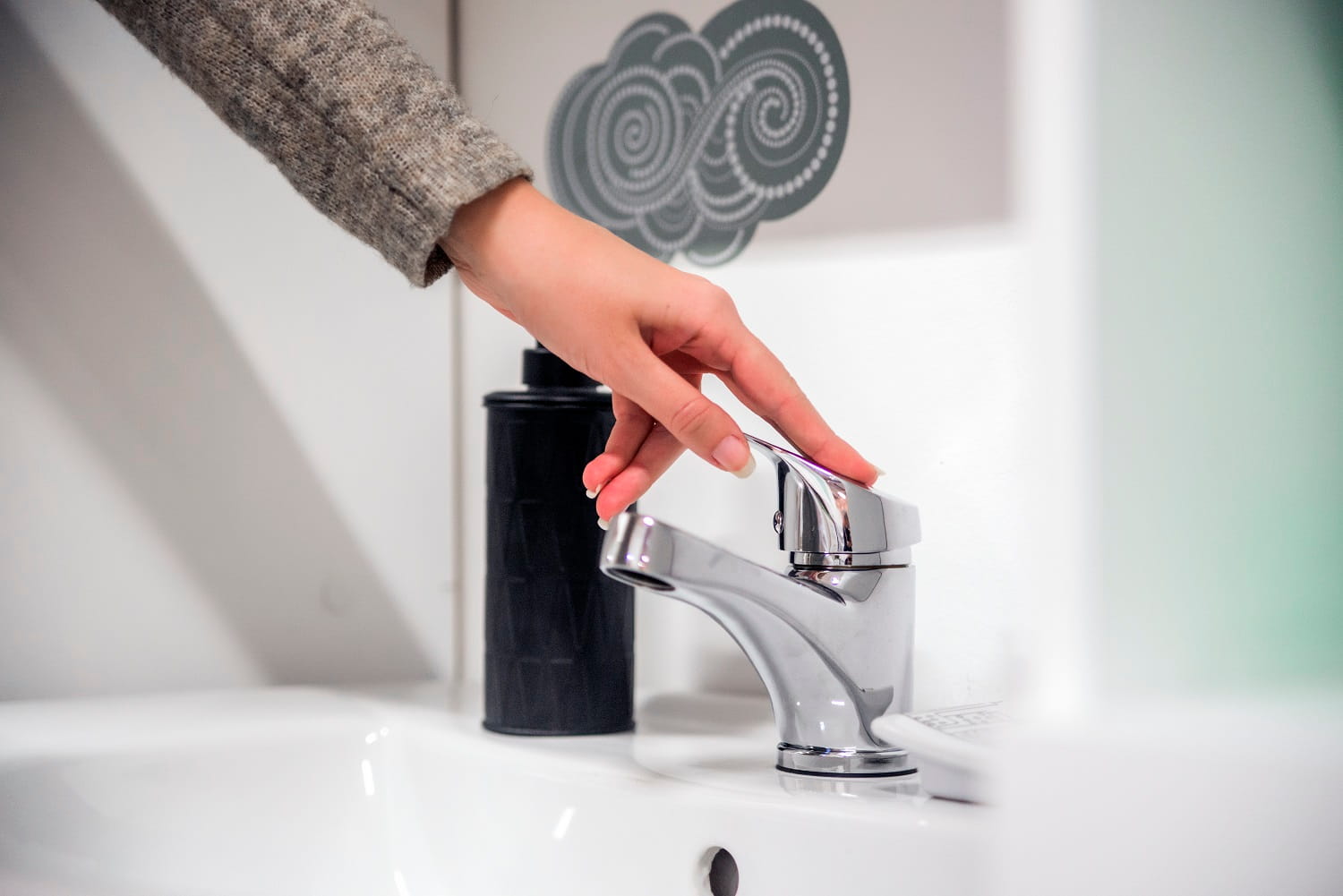
White buildup on faucets, cloudy glassware, and stubborn scale inside appliances are all common signs of hard water. In most cases, the problem comes from elevated levels of calcium and magnesium. These naturally occurring minerals are found in many water sources and are responsible for water hardness.
While calcium and magnesium are not typically harmful in drinking water, excessive amounts can create ongoing challenges throughout the home. Hard water leaves deposits on fixtures, reduces appliance efficiency, increases cleaning time, and may affect the taste of beverages.
If you're researching how to remove calcium and magnesium from water, understanding why these minerals are present and which treatment methods actually work is the first step toward solving the problem.
Why Calcium and Magnesium Stay in Your Water
Many homeowners assume that hard water means poor water quality. In reality, water can meet all drinking water standards and still contain significant amounts of hardness minerals.
Calcium and magnesium enter water naturally as groundwater moves through limestone, gypsum, chalk, and dolomite formations. During this process, minerals dissolve into the water supply and remain there unless a specific treatment process removes them.
According to the USGS Water Science School, these dissolved minerals are the primary contributors to water hardness and vary depending on local geology.
Municipal water treatment plants focus primarily on eliminating pathogens and reducing contaminants that pose health risks. Since hardness minerals are not considered dangerous at normal concentrations, they usually remain in the finished water supply. The EPA regulates drinking water contaminants that may affect public health, but hardness minerals such as calcium and magnesium are generally not considered harmful at typical concentrations.
This is why calcium in tap water is common across many regions. The issue is often even more noticeable in private wells, where groundwater remains in contact with mineral-rich rock formations for longer periods. As a result, homeowners frequently search for how to remove calcium from well water when scale problems begin affecting their homes.
Regional geology also plays a role. Areas supplied by groundwater often experience harder water than communities that rely on lakes or reservoirs. Seasonal changes may also influence mineral concentrations, particularly in well-water systems.
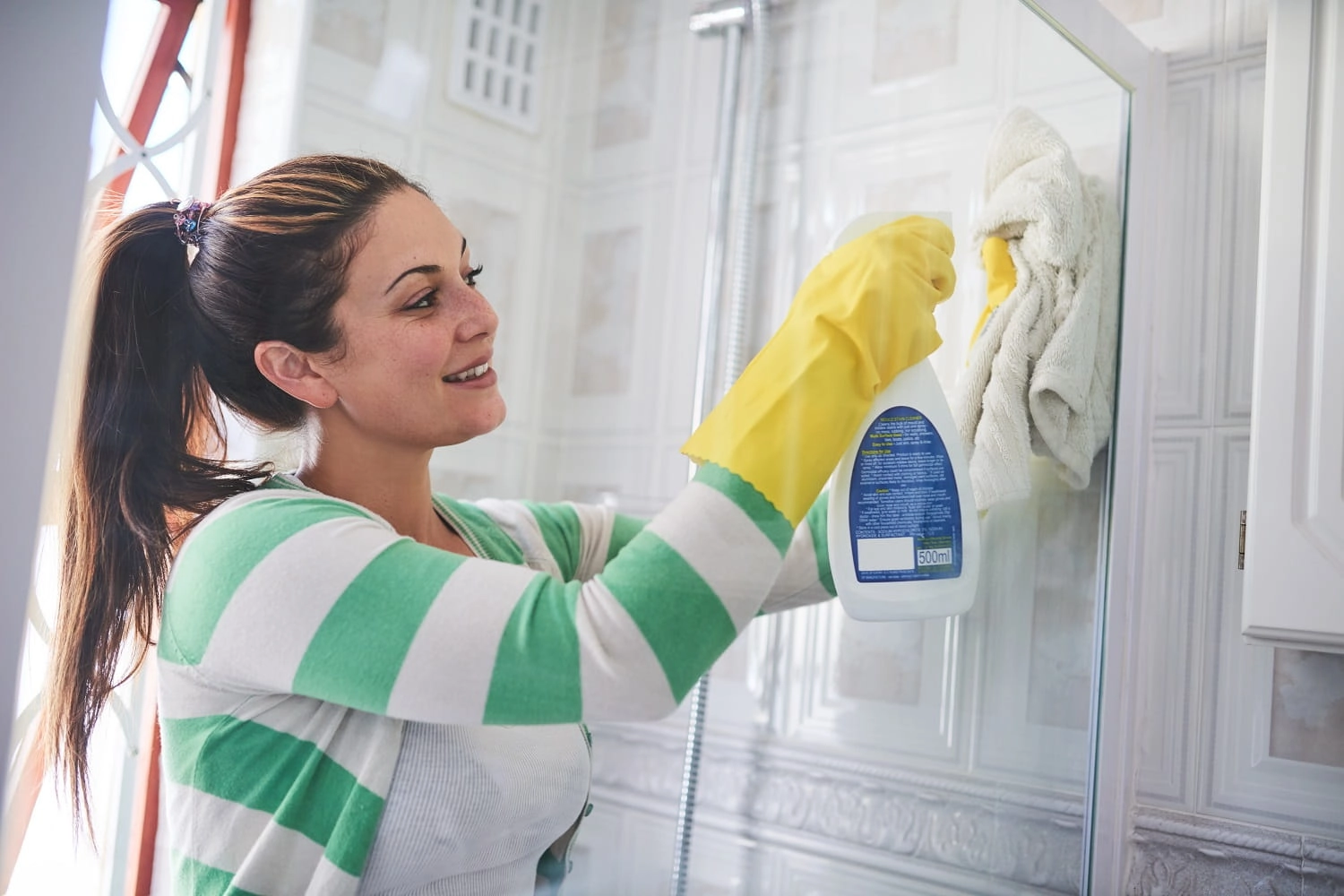
The Hidden Costs of Hard Water Most Homeowners Miss
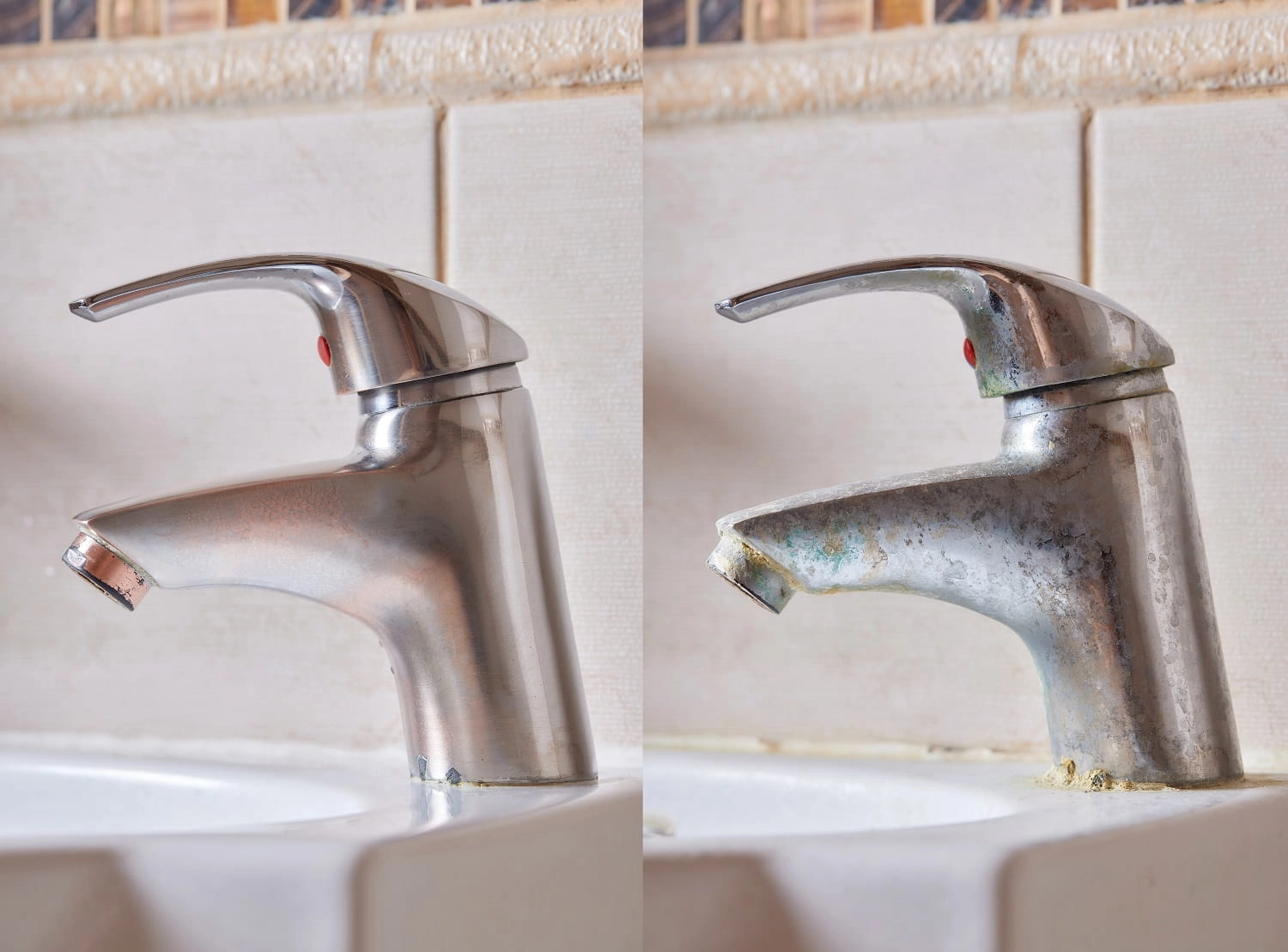
Most people notice hard water when they see white residue on faucets or showerheads. However, the real impact often extends far beyond cosmetic issues.
Common signs of excess calcium and magnesium in water include:
- White limescale deposits on fixtures
- Mineral buildup inside kettles and coffee makers
- Cloudy dishes and glassware
- Poor soap lather
- Stiff laundry after washing
- Dry skin and hair after bathing
These symptoms indicate that minerals are continuously accumulating throughout your plumbing system.
Hard water also affects how cleaning products perform. When soap reacts with calcium and magnesium, it forms residue instead of creating a rich lather. This means homeowners often use more detergent, shampoo, and household cleaners without realizing hard water is reducing their effectiveness.
For many households, the question isn't simply what removes calcium from water— it's how much money hard water is costing over time.
Why Hard Water Becomes Expensive Over Time
One of the biggest problems with hard water is that damage develops gradually.
When water is heated, dissolved minerals begin separating from the water and attaching themselves to nearby surfaces. Over time, scale accumulates inside water heaters, dishwashers, coffee machines, washing machines, and plumbing lines.
Even a thin layer of scale reduces efficiency. Water heaters, for example, must work harder to transfer heat through mineral deposits. This increases energy consumption and can shorten equipment lifespan.
As scale builds inside pipes, water flow may gradually decline. In severe cases, homeowners experience reduced pressure and increased maintenance expenses.
The effect extends to beverages as well. Tea and coffee brewed with excessively hard water often lose some of their intended flavor characteristics. While minerals contribute to taste, excessive hardness can overwhelm more delicate flavors.
This is one reason why many people investigate how to reduce calcium in water before appliance problems become expensive repairs.
Effective Filtration Methods to Remove Calcium and Magnesium
Not every filtration system is designed to address water hardness. Understanding the differences between treatment technologies can help homeowners choose the most effective solution.
Reverse Osmosis (RO) Systems
For drinking water applications, reverse osmosis is one of the most effective technologies available.
A high-quality reverse osmosis membrane uses a semi-permeable barrier to remove dissolved contaminants and minerals from water. Because calcium and magnesium are dissolved solids, reverse osmosis can significantly reduce their concentration.
Many homeowners looking for how to remove calcium from water eventually discover that reverse osmosis provides one of the most reliable solutions for drinking and cooking water.
RO systems are particularly effective for:
- Drinking water
- Ice makers
- Coffee machines
- Tea preparation
- Cooking
If you've ever wondered can you filter calcium out of water, reverse osmosis is one of the clearest examples of a filtration technology that can do exactly that.
For households focused on drinking water quality, calcium removal from water through reverse osmosis often provides noticeable improvements in taste while helping prevent scale formation in small appliances. When comparing filtration technologies, homeowners should look for independently tested products certified to relevant NSF standards whenever possible
Targeted Carbon and Sediment Filtration with Scale Inhibitors
A common misconception is that every filter removes hardness minerals.
Standard carbon water filter cartridges are excellent for reducing chlorine, improving taste, and removing certain contaminants. However, they are generally not designed to remove magnesium from water or significantly reduce calcium concentrations.
Likewise, pleated filter cartridges help capture sediment, rust, and debris, but they are not intended for hardness reduction.
Some specialized systems use scale-control technologies such as polyphosphates, template-assisted crystallization, or ion-exchange materials. These approaches do not always fully remove calcium and magnesium from water, but they can help reduce scale formation and protect plumbing systems.
Understanding this distinction is important because some homeowners need mineral removal, while others simply want to minimize limescale buildup.
Not All Filters Remove Hardness
Many people assume refrigerator filters, pitcher filters, and standard carbon systems will solve hard-water issues.
Unfortunately, these products are rarely designed for removing calcium from water. They may improve taste and odor while leaving hardness minerals largely unchanged.
This is why homeowners often continue seeing scale deposits even after installing a filtration system. Choosing the right technology matters just as much as installing a filter in the first place.
Why Your Water Still Leaves Scale After Installing a Filter
One of the most common frustrations is discovering that scale remains even after a filtration system has been installed.
In many cases, the problem is not the filter itself but the type of treatment being used.
A carbon filter may improve taste but not hardness. A sediment filter may remove particles while leaving dissolved minerals untouched. This leads many homeowners to ask how to filter calcium from water after realizing their existing system is not designed for that purpose.
Other possible causes include:
- Expired filter cartridges
- Extremely hard well water
- Incorrect system sizing
- Multiple water quality issues requiring combined treatment
- Mineral levels that exceed the capabilities of the current system
Testing your water remains one of the best ways to determine which treatment approach is appropriate.

Which Hard Water Solution Makes Sense for Your Home?
The best way to remove calcium from water depends on where the problem occurs and what outcome you're trying to achieve.
For example, if scale is primarily affecting drinking water, coffee makers, or ice machines, a reverse osmosis system may be sufficient. These systems are highly effective for homeowners researching how to get rid of calcium in water at a single point of use.
If hard water affects the entire house, including showers, faucets, appliances, and plumbing, a whole house hard water filter or whole house water filter system may provide broader protection.
Homes dealing with multiple water-quality concerns may benefit from combining a 3 stages water filter with specialized hardness-control technologies. This approach can address sediment, chlorine, taste issues, and scale formation simultaneously.
Well-water households often require customized treatment because mineral concentrations can vary significantly. If you're researching how to remove magnesium from water or dealing with excessive hardness from a private well, testing is the most reliable starting point.
Another common question is how to decalcify water without completely stripping it of beneficial minerals. In many situations, scale-control systems can reduce buildup while preserving much of the water's natural mineral content.
The ideal solution depends on your goals. Some homeowners want pure drinking water, while others prioritize appliance protection and reduced maintenance costs.
Final Thoughts
Calcium and magnesium are naturally present in many water supplies, but excessive amounts can create persistent household challenges. From scale-covered fixtures to reduced appliance efficiency, hard water often causes more problems than homeowners initially realize.
Fortunately, modern treatment technologies offer several effective solutions. Whether your goal is improving drinking water quality, reducing scale buildup, or protecting household appliances, understanding the source of the problem is the first step toward choosing the right treatment method.
Many homeowners eventually decide to remove calcium and magnesium from water after repeated problems with limescale, reduced appliance efficiency, and ongoing maintenance costs.
The most effective approach isn't always the most expensive one. The goal is to match the treatment technology to the specific issue you're facing. Once you understand what causes scale and how different filtration systems work, selecting the right solution becomes much easier.
With proper treatment, you can protect appliances, reduce maintenance, improve water quality, and enjoy cleaner water throughout your home.
Frequently Asked Questions About Calcium and Magnesium in Water
Is hard water dangerous to drink?
In most cases, hard water is safe to drink. Calcium and magnesium are naturally occurring minerals that many people consume daily. The main concerns are scale buildup, appliance wear, and cleaning challenges rather than direct health risks.
Does boiling water remove calcium and magnesium?
Boiling can reduce temporary hardness by causing some minerals to precipitate out of the water. However, it is not an effective long-term solution for how to remove calcium from water or reduce overall hardness levels.
Why do I still get limescale after installing a water filter?
Many filtration systems focus on chlorine, sediment, or taste improvement rather than hardness reduction. If your filter isn't specifically designed for filter calcium from water, scale deposits may continue to appear.
Is reverse osmosis better than a water softener for hard water?
They solve different problems. Reverse osmosis is excellent for drinking water and calcium removal from water, while whole-house hardness solutions help protect plumbing and appliances throughout the home.
What is the best way to remove calcium from water?
The best way to remove calcium from water depends on your needs. Reverse osmosis is highly effective for drinking water, while whole-house treatment systems are often better suited for protecting appliances and plumbing.
Can reverse osmosis remove magnesium too?
Yes. Reverse osmosis is widely recognized as one of the most effective methods for homeowners researching how to remove magnesium from water because the membrane removes most dissolved minerals, including magnesium