

Undersink RO systems

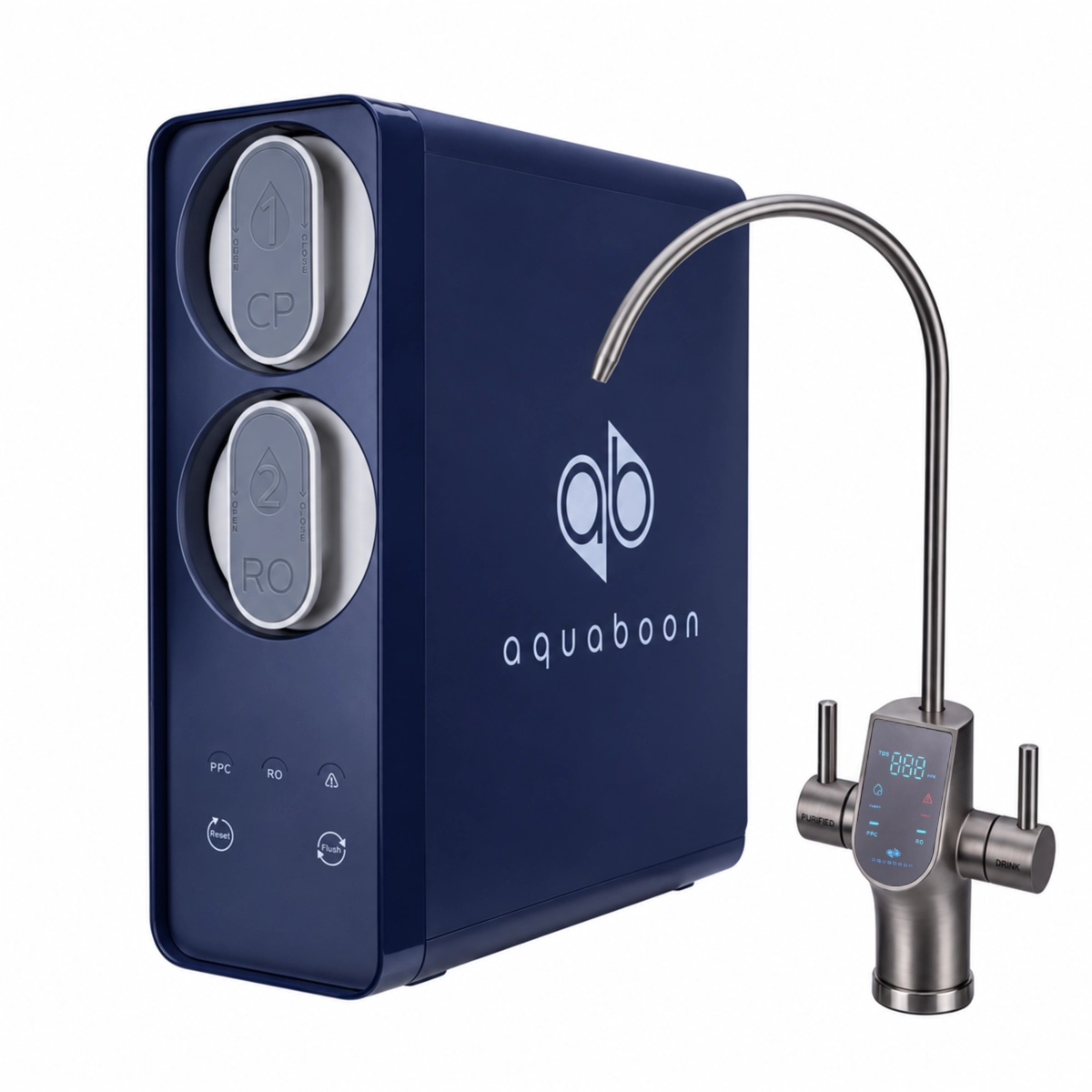
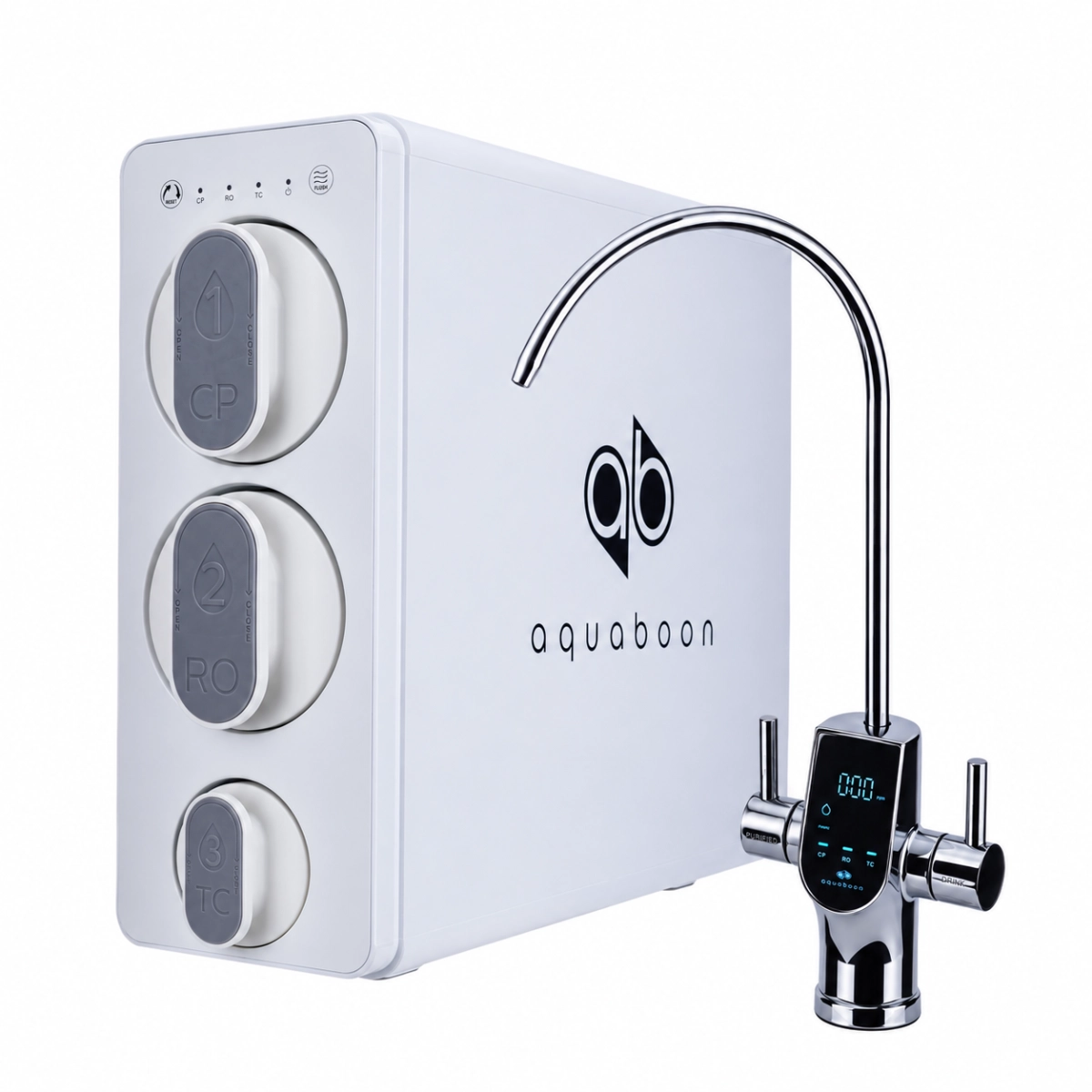
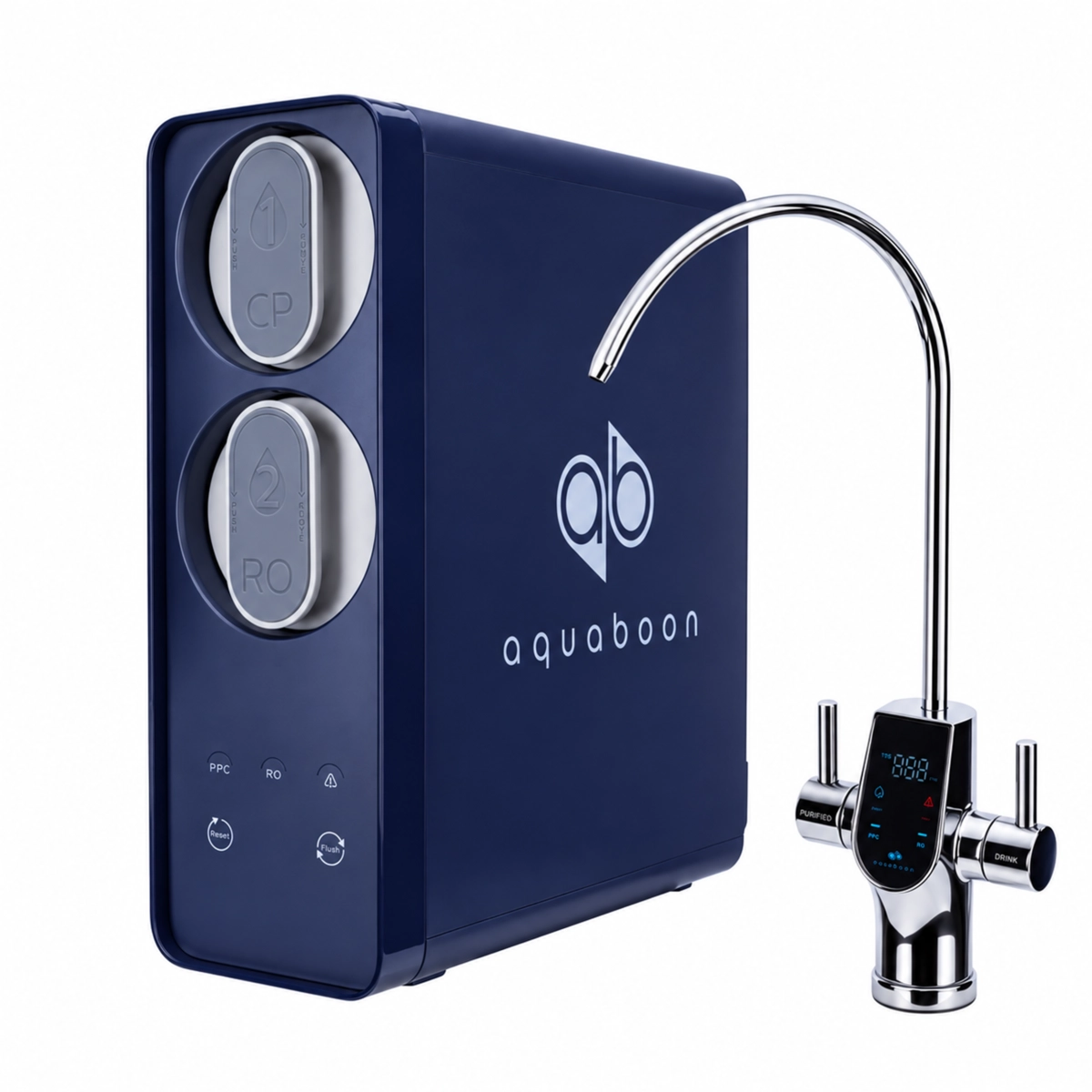
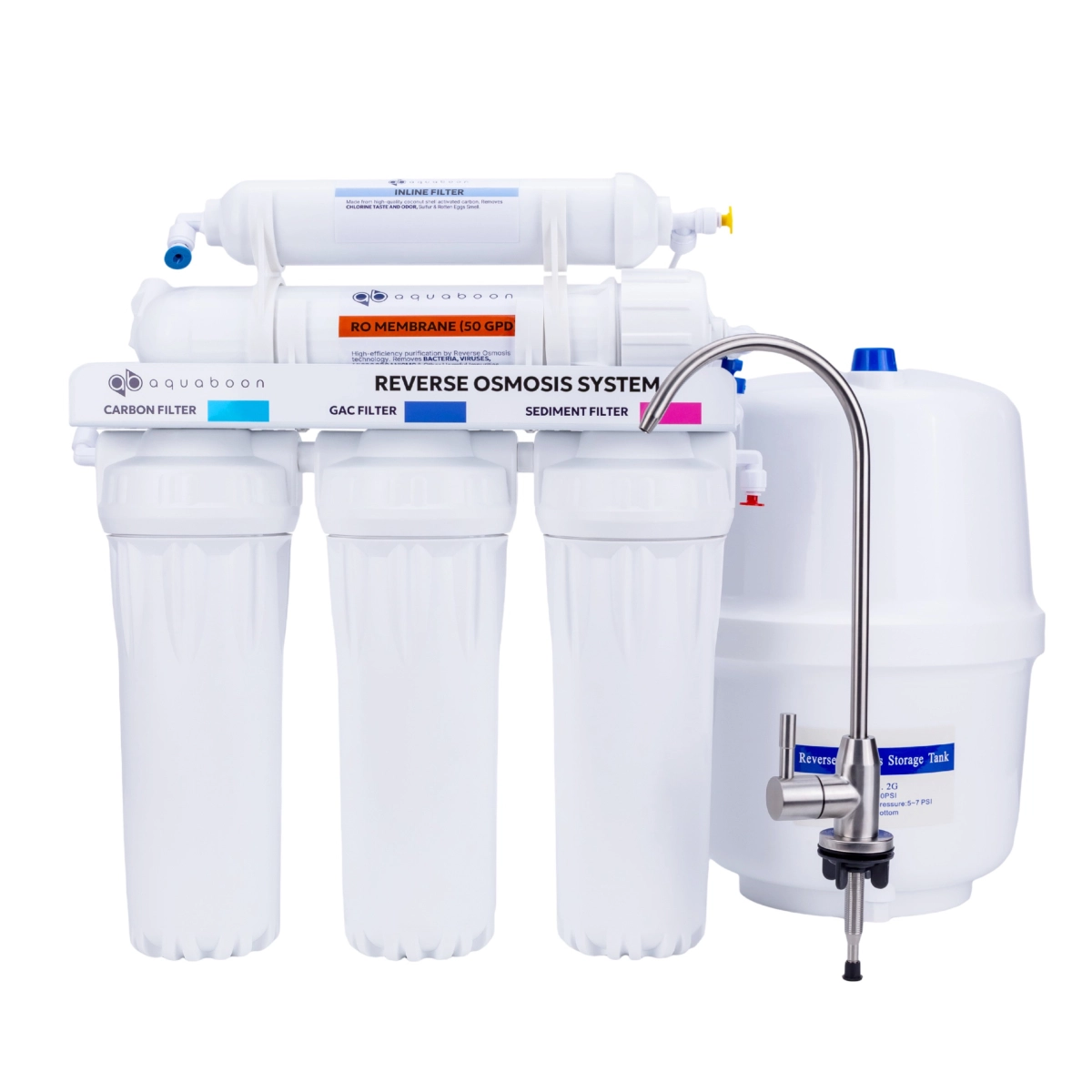
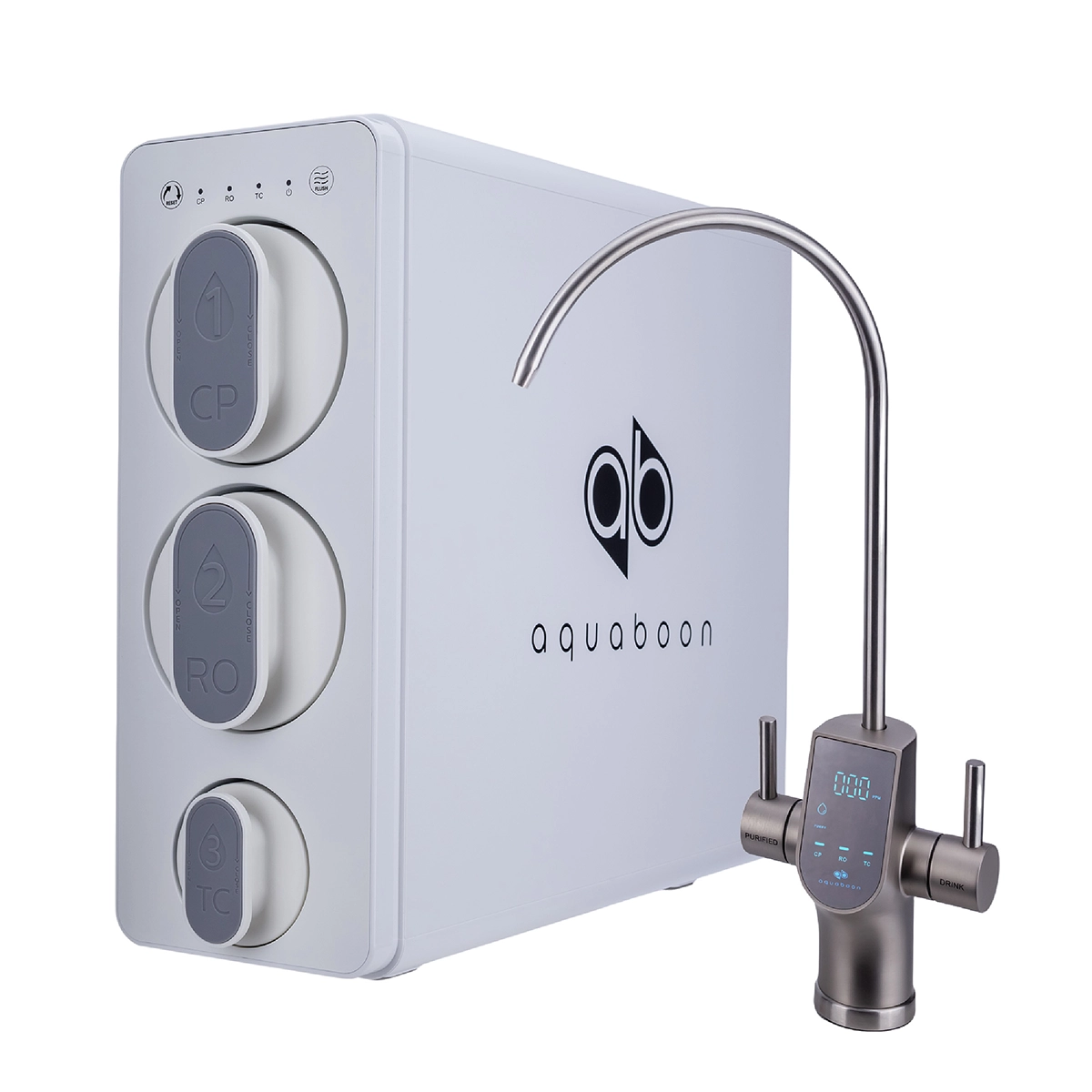
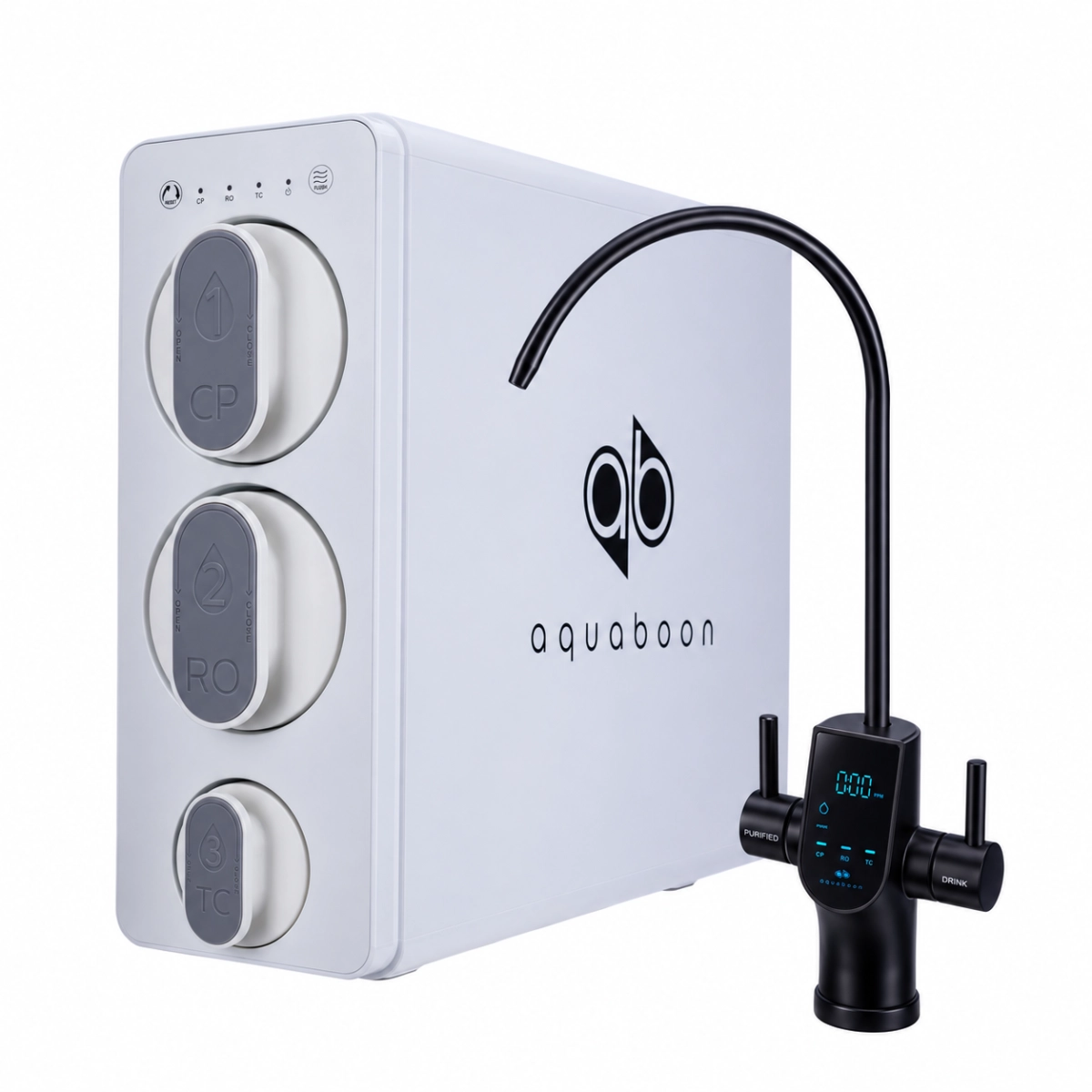
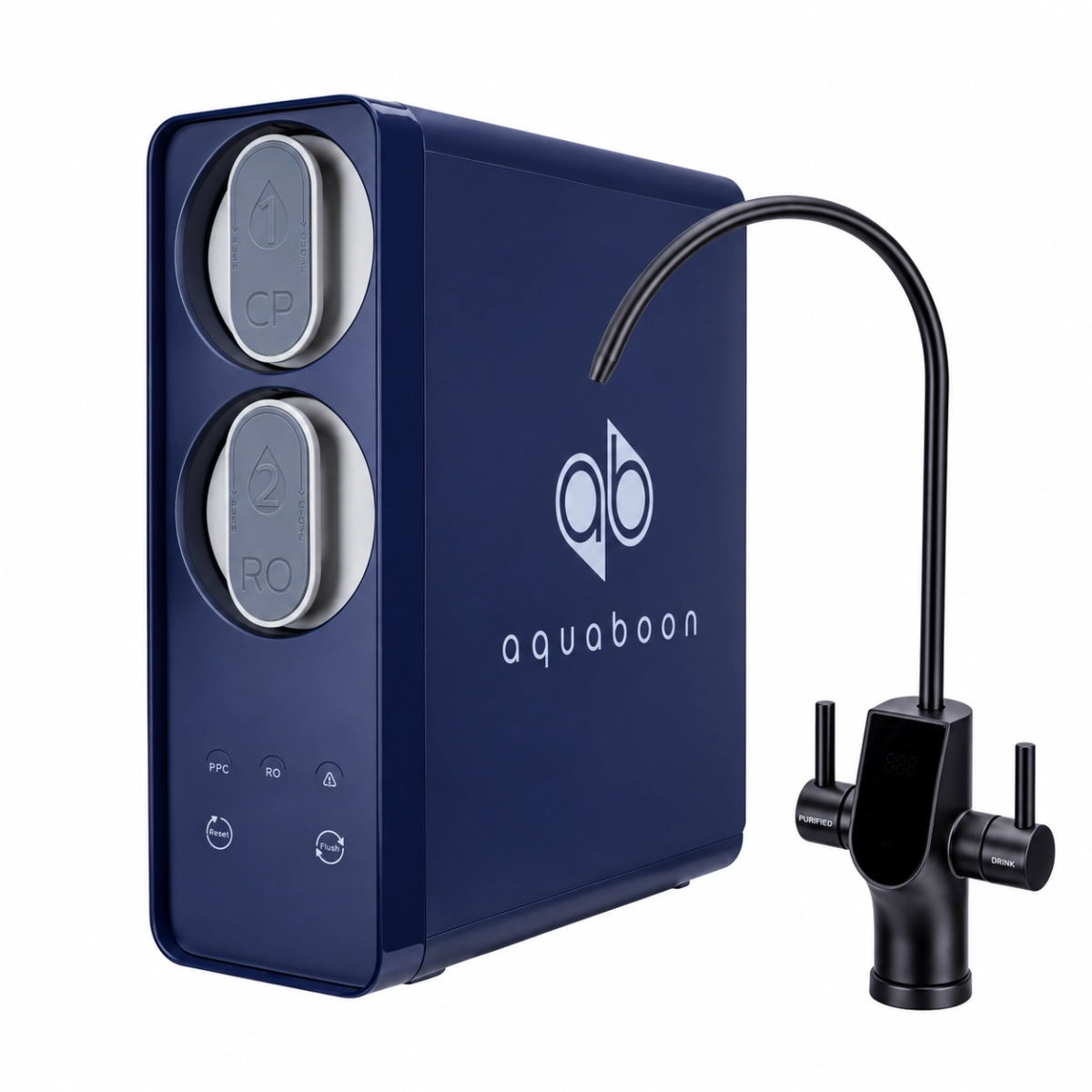

A reverse osmosis water filtration system uses pressure to move water through a semipermeable membrane. Sediment and carbon stages capture particles and reduce chlorine before the membrane; a final filter improves taste. This process makes a reverse osmosis water filter effective for drinking, cooking, coffee, and ice.
Why Choose a Reverse Osmosis Water Filtration System
A reverse osmosis water filters provides more thorough treatment than basic carbon filtration by reducing dissolved salts, fluoride, selected metals, and other impurities. It helps households receive cleaner, better-tasting water directly from a dedicated kitchen faucet.
- Effective contaminant reduction: The RO membrane removes many dissolved substances that standard filters may leave behind.
- Better taste and odor: Carbon filtration reduces chlorine and compounds that affect water quality.
- Convenient home supply: Filtered water is always available for drinking, cooking, coffee, and ice.
- Less bottled water: Home filtration reduces the need to purchase, store, and dispose of plastic bottles.
- Flexible configurations: Homeowners can choose standard, tankless, or remineralization systems according to available space and water needs.
Under Sink and Under Counter RO Systems
An under sink water filtration system connects directly to the cold-water line and fits inside the kitchen cabinet. It keeps the countertop clear while providing filtered water through a dedicated faucet. Depending on the model, the unit may include a storage tank or use a compact direct-flow design that produces water on demand.
Types of RO Systems We Offer
- Standard Reverse Osmosis System — a traditional ro water filter system with a storage tank for everyday use.
- Tankless Reverse Osmosis System — a compact option that filters water on demand without a bulky tank.
- Tankless Reverse Osmosis System with Alkaline — combines direct-flow filtration with remineralization for fuller taste.
Each ro filter configuration has different space, output, and maintenance requirements.
Choosing the Right RO System for Your Home
The right reverse osmosis water filter should match your household’s water use, available space, and maintenance preferences. Comparing these factors before purchase helps avoid choosing a system that is too small, unnecessarily complex, or difficult to install.
- Estimate daily water demand. Consider how many people will use filtered water for drinking, cooking, coffee, and ice.
- Measure the cabinet space. Check the available width, height, and depth beneath the sink, including room for plumbing connections and future filter changes.
- Choose between tank and tankless designs. A system with a tank stores purified water, while a tankless model saves space and provides direct flow on demand.
- Decide whether you need remineralization. Select an alkaline or mineral stage when you prefer fuller-tasting water after reverse osmosis treatment.
- Check operating requirements. Confirm that your water pressure, electrical access, drain connection, and feed-water quality are suitable for the selected ro water filter system.
- Review maintenance needs. Compare cartridge availability, filter replacement intervals, membrane life, and installation requirements before ordering.
Whole House Reverse Osmosis Solutions
A reverse osmosis water filter house setup treats water beyond one kitchen faucet, but it requires careful sizing, pretreatment, drainage, and professional planning. Many homes pair whole-house sediment, carbon, or softening equipment with sink-level RO. Explore whole house water filtration systems for broader treatment options.
When hardness and scale are the main concerns, the right water softener to buy may be more suitable than expecting kitchen RO to treat every outlet. You can buy water softener online after checking capacity and hardness level. Homeowners who buy water softeners often use them alongside water reverse osmosis filtration for drinking water.
FAQ
What is a reverse osmosis water filtration system and how does it work?
It uses pressure and a membrane to separate dissolved contaminants, supported by prefilters and post-filtration.
Do I need a tank for a reverse osmosis system, or is tankless better?
A tank stores water for ready use; a tankless system saves space and filters on demand.
How often do reverse osmosis filters need to be replaced?
Prefilters and post-filters commonly need replacement every 6–12 months, while the membrane lasts longer.
Can a reverse osmosis system fit under my sink?
Yes. Most residential systems fit under a sink, but cabinet space and plumbing access should be checked.
Does reverse osmosis remove minerals from water, and is that a problem?
RO reduces dissolved minerals along with unwanted substances. Remineralization is available for users who prefer mineral-balanced taste.