

String Wound Sediment Filters

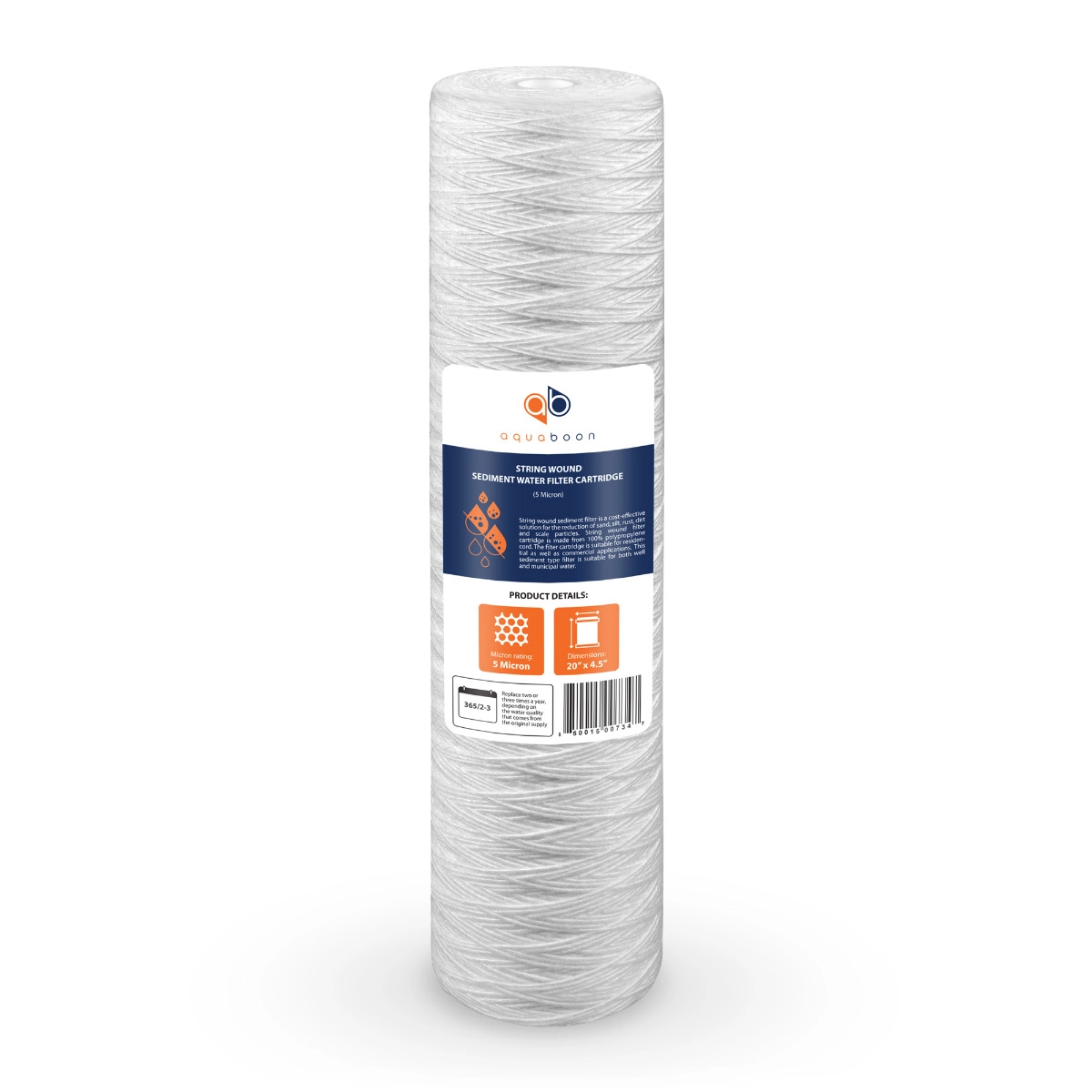
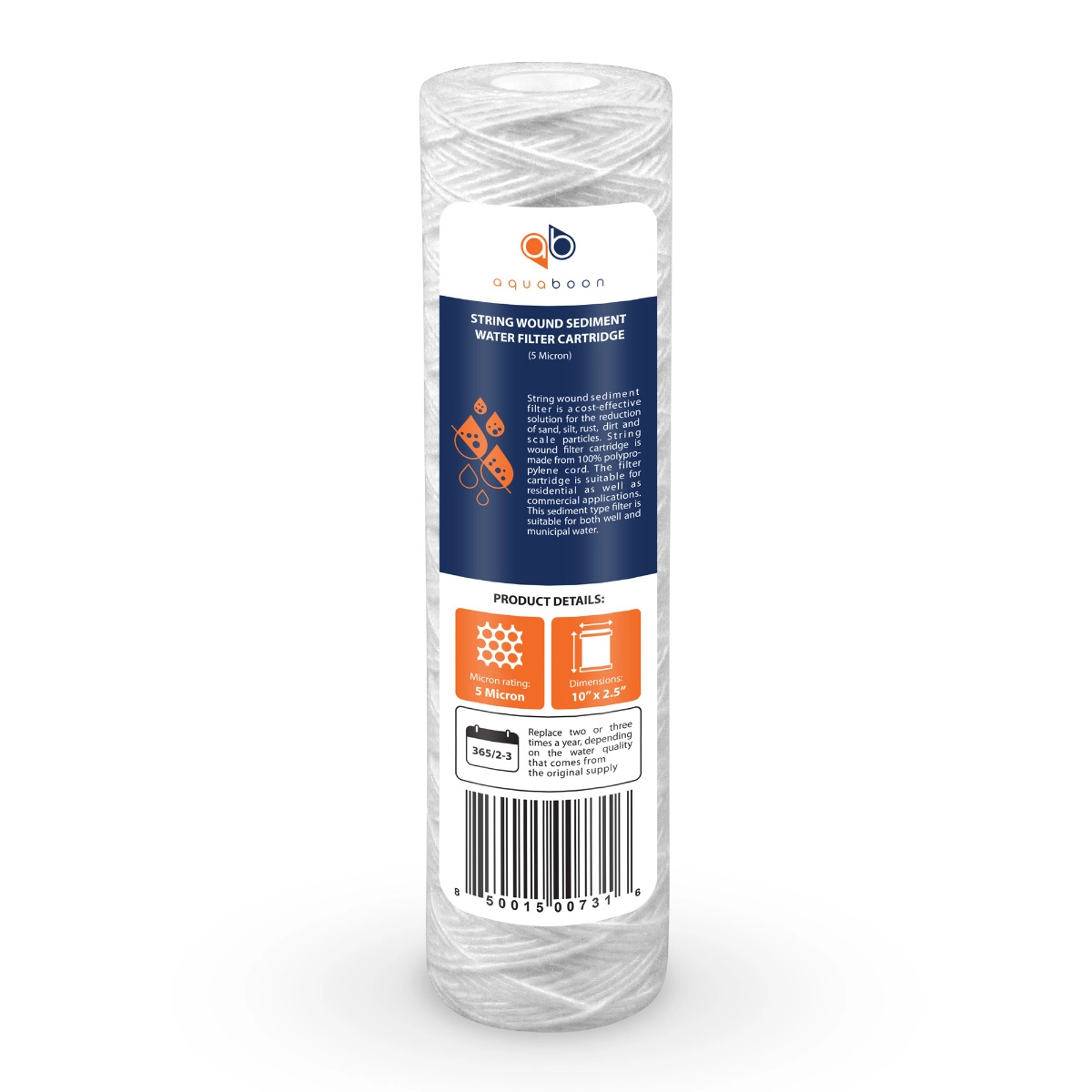
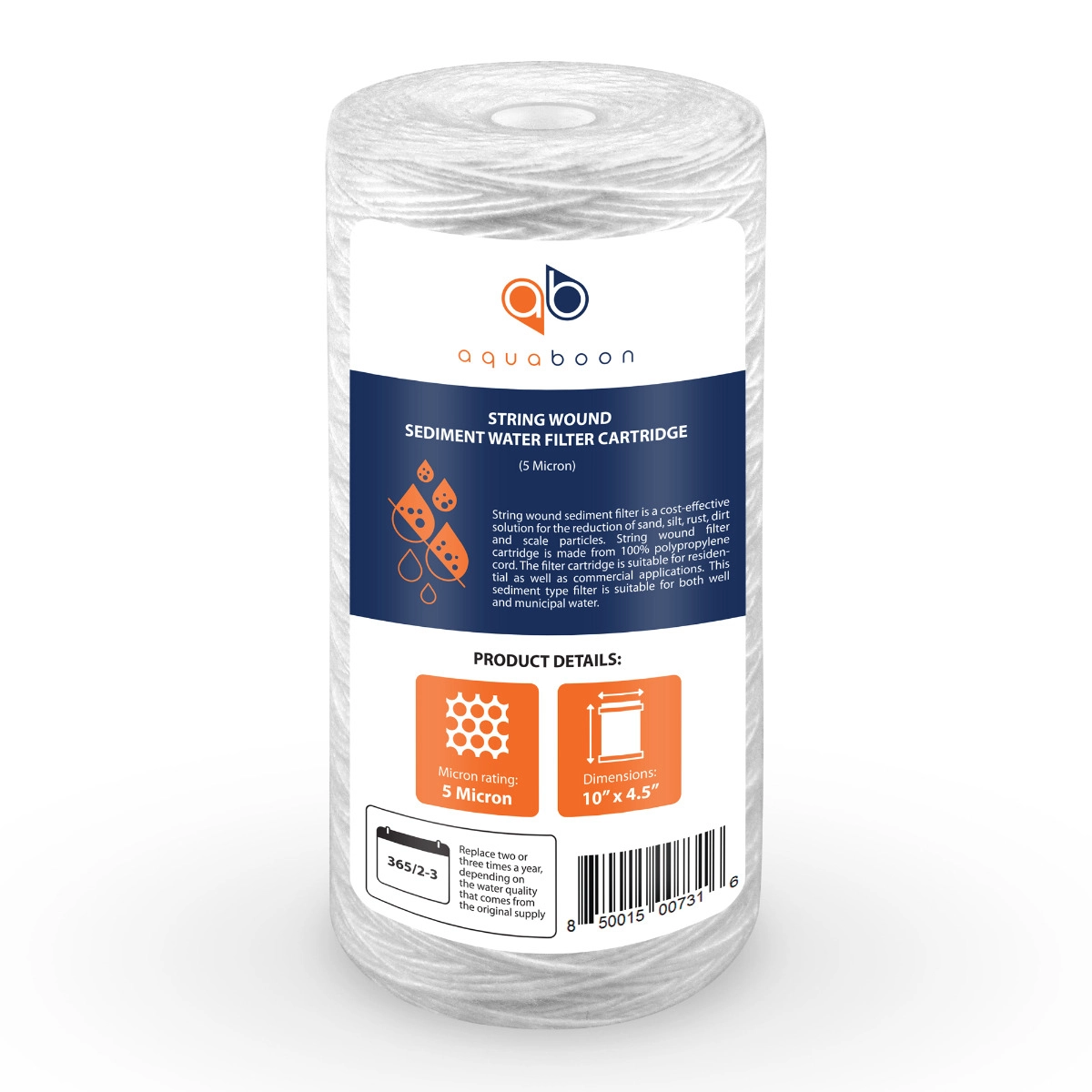
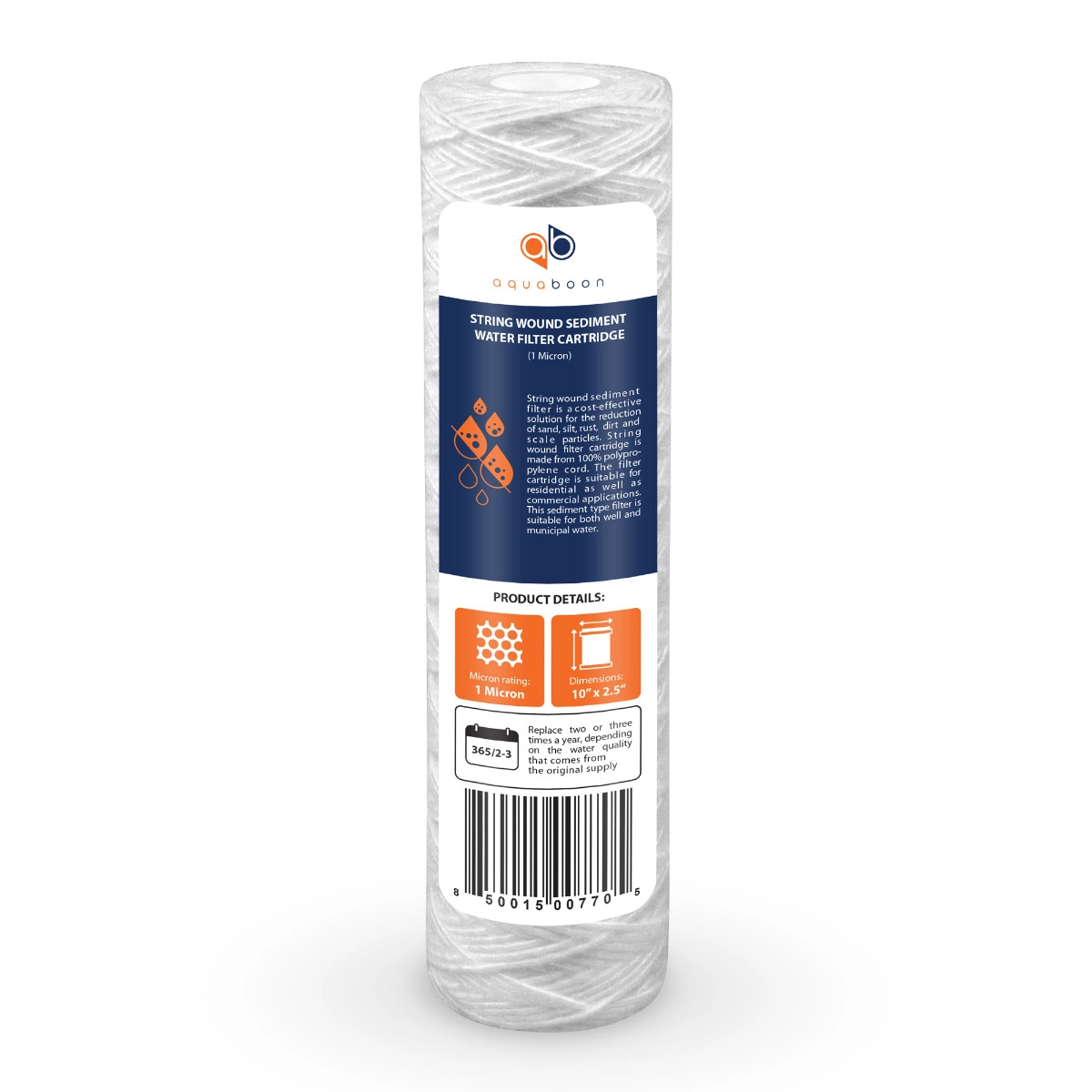
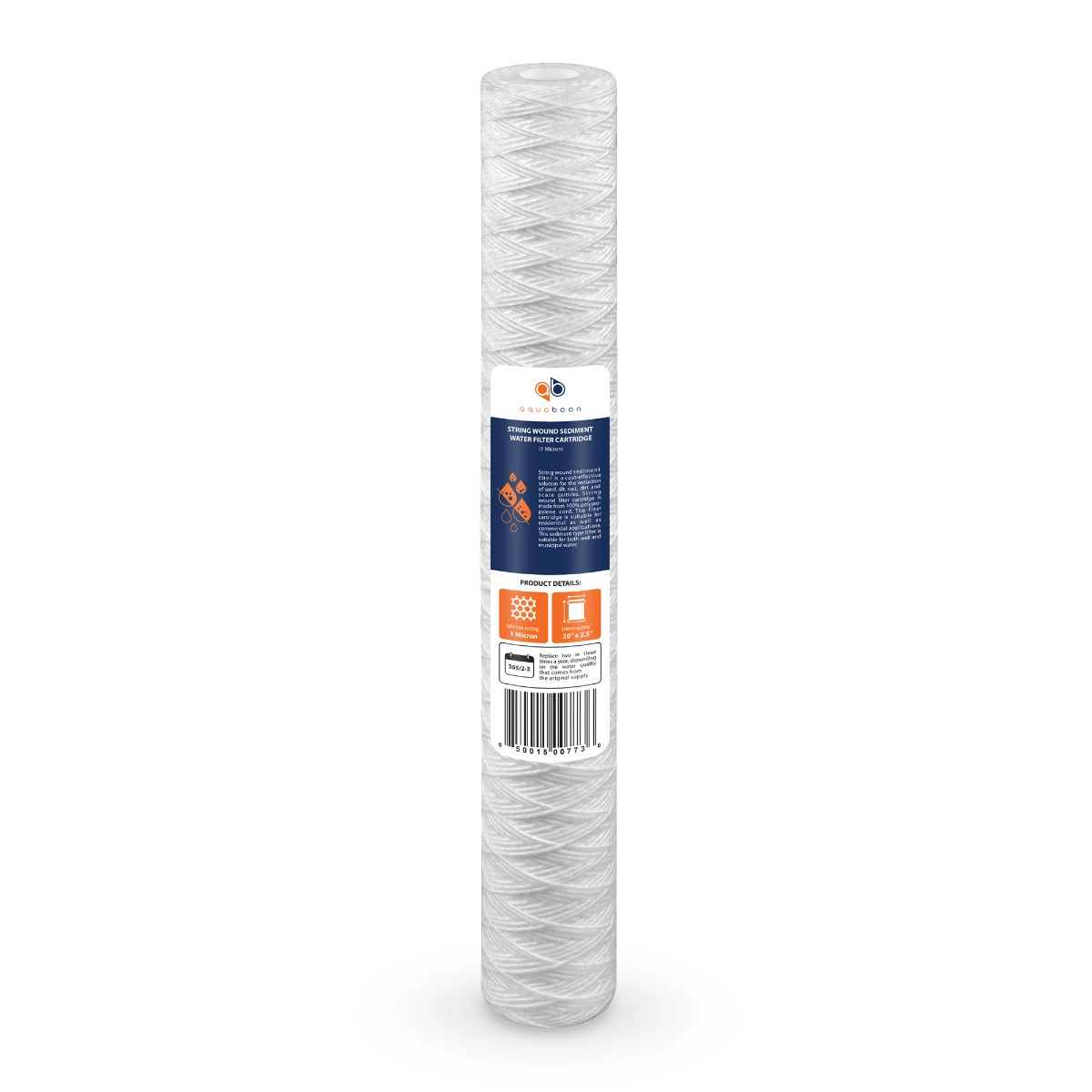
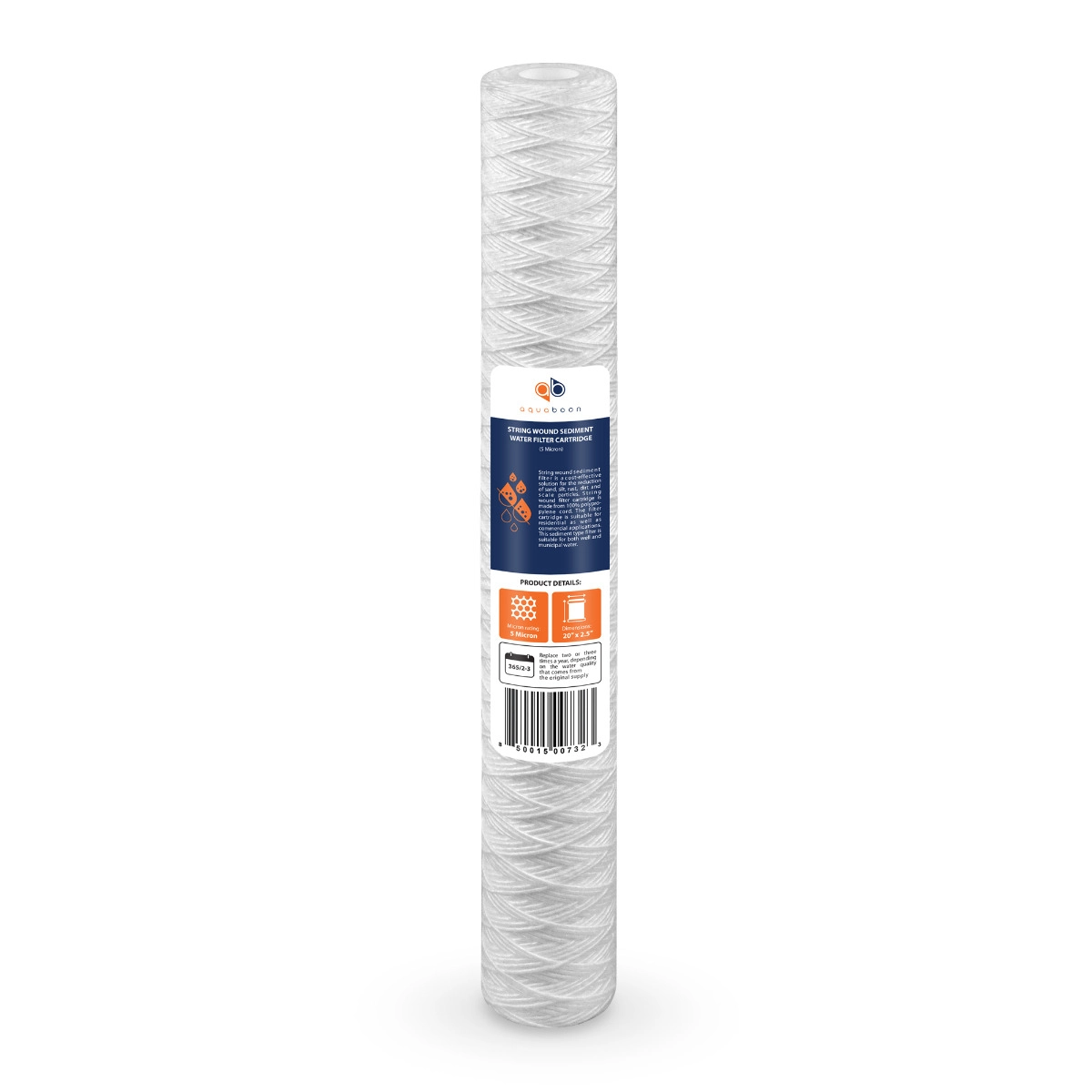
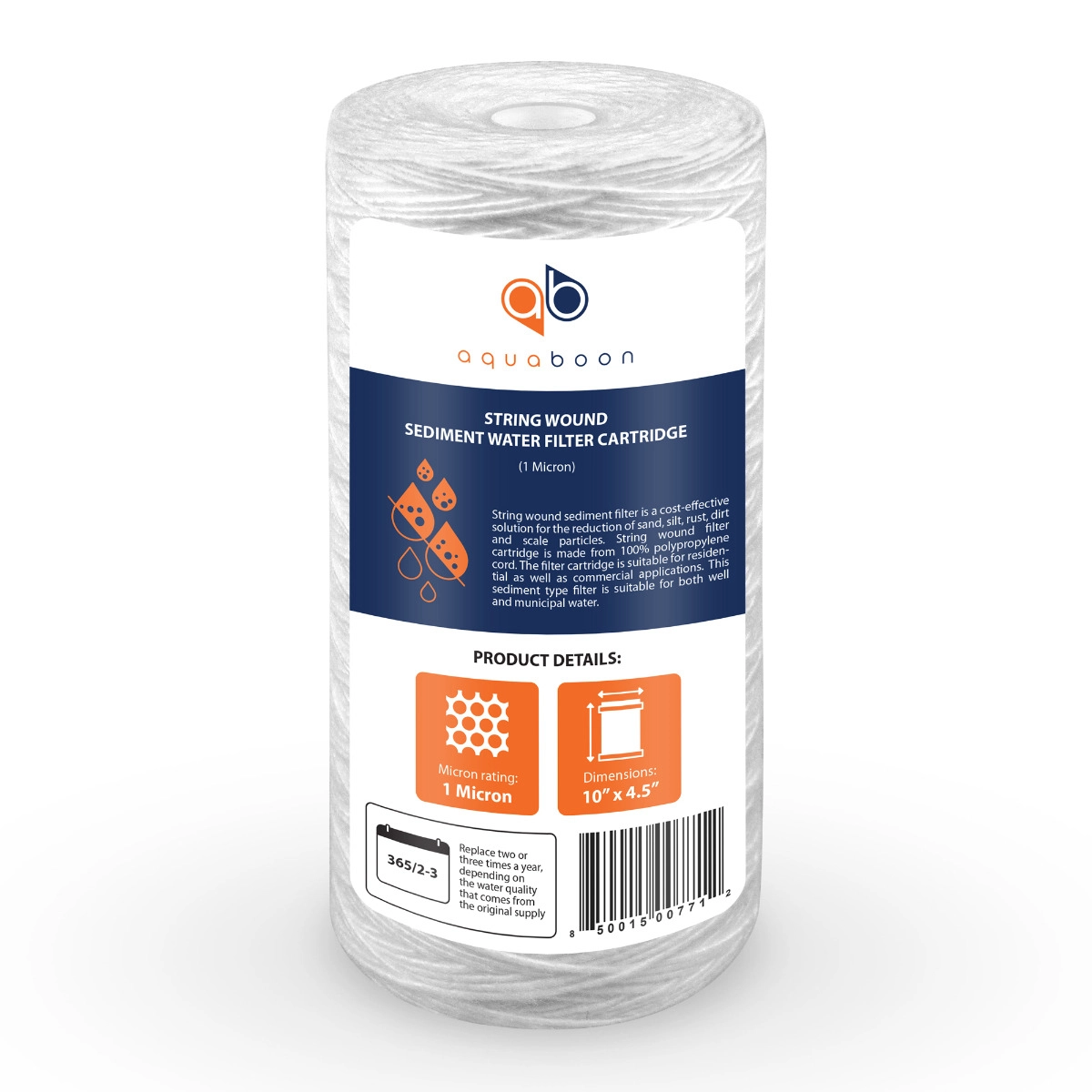
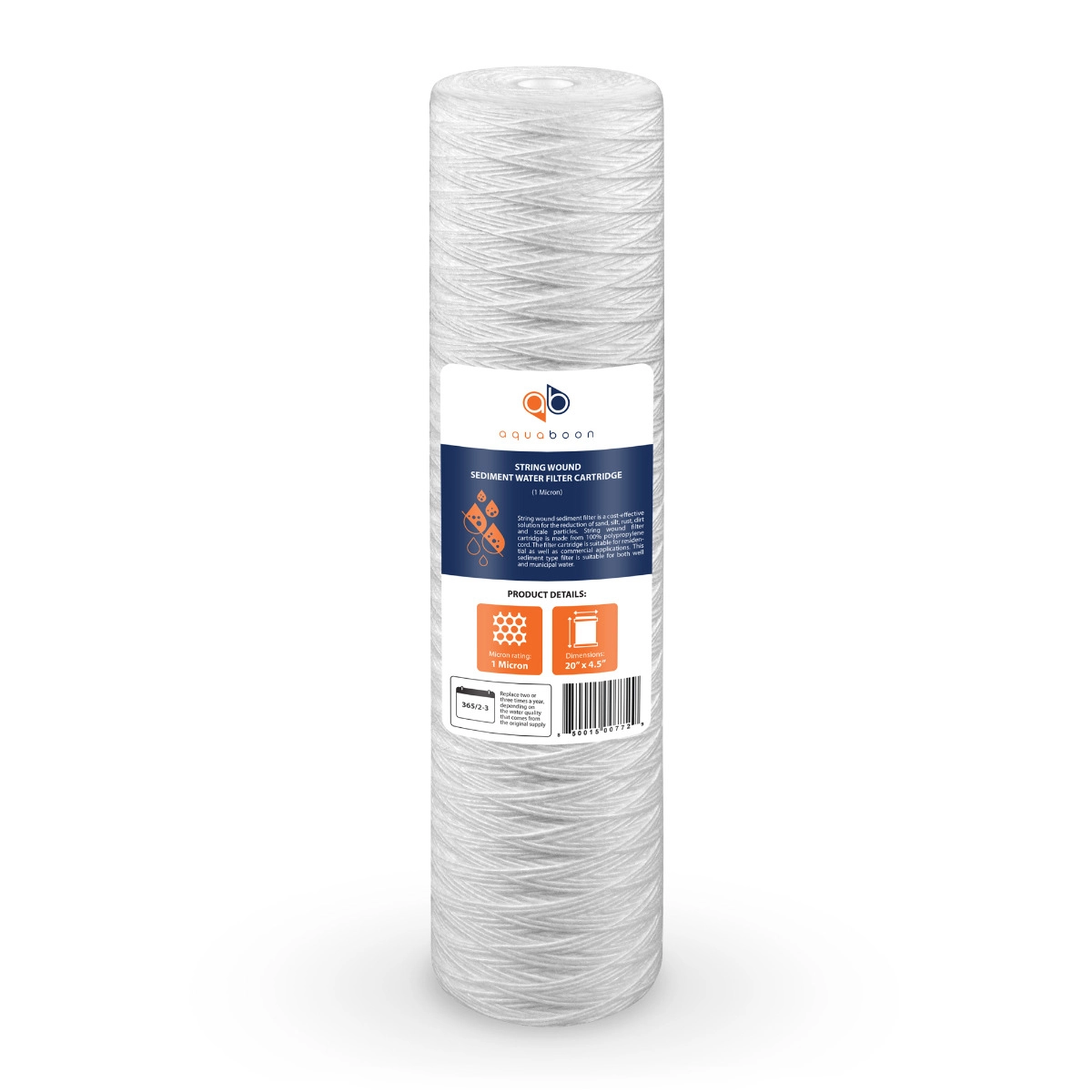
Treatment plants use disinfectants such as chlorine to deliver cleaner water to households. However, as water travels through plumbing systems, it can collect rust, sand, metal shavings, scale, and other sediment that may affect water clarity, appliance performance, and everyday comfort.
String wound water filters offer a practical and cost-effective way to reduce these visible particles before they reach your faucets, fixtures, or water-using equipment. Their tightly wound filtration media captures sediment throughout the cartridge depth, helping maintain stable water flow and protect plumbing, appliances, and downstream filters from premature clogging.
Most string wound filter cartridges are made from durable polypropylene, a material known for its resistance to chemicals and long-lasting performance in demanding water filtration conditions. While these filters are designed specifically for mechanical sediment removal and do not reduce chemicals, gases, or heavy metals, they are an excellent first-stage filtration solution for improving water clarity and supporting the efficiency of a complete water treatment system.
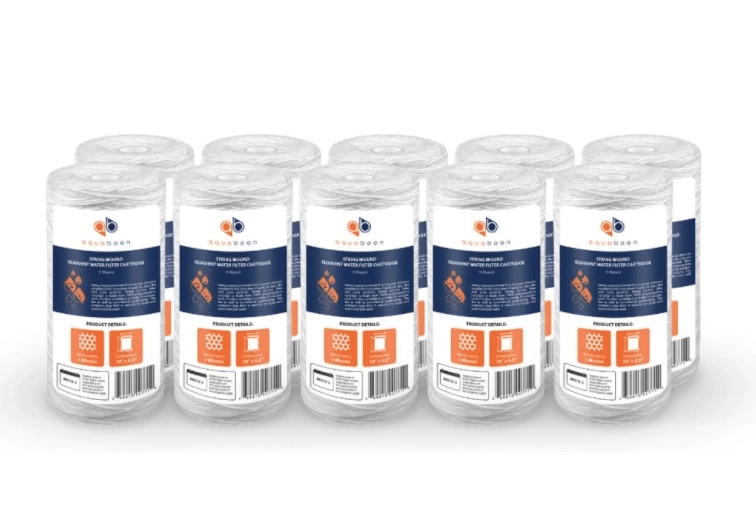
Additionally, they do not improve taste or eliminate repulsive odours from your water. For these reasons, they are used alongside granular activated carbon filters, among other decontamination systems.
Key Features of String-Wound Filter Cartridges
- True Depth Filtration: Designed with a graded density matrix—where the wind layers become progressively tighter toward the inner core. This geometric configuration traps larger particles on the outer layers while capturing finer sediments deeper within, significantly maximizing dirt-holding capacity compared to surface filters.
- High Flow Rates & Low Clean Pressure Drop: The optimized structural winding creates a high-porosity media bed. This allows for superior volumetric flow rates with minimal initial pressure drop, ensuring energy-efficient operation.
- Predictable Differential Pressure Profile: As the matrix loads with contaminants, the differential pressure rises progressively. This clear linear change allows operators to accurately monitor life cycles and schedule timely cartridge replacements before blow-through occurs.
- Broad Chemical & Thermal Compatibility: Available in a wide variety of yarn materials (such as polypropylene, cotton, or fiberglass) and core types (polypropylene, stainless steel). This allows the cartridges to be precisely matched to specific chemical environments, high temperatures, or stringent food and beverage standards.
String wound water filter sizes
The right string wound sediment water filter cartridge depends on the filtration system you are using, your water quality, and your daily water consumption.
String wound sediment filter cartridges are available in several standard sizes to fit different residential and commercial filtration systems:
- 10 x 2.5 Inch Filtration Systems
- 10 x 4.5 Inch Filtration Systems
- 20 x 2.5 Inch Filtration Systems
- 20 x 4.5 Inch Filtration Systems
These dimensions determine the cartridge's compatibility with your existing filter housing. When selecting a size, keep in mind that larger cartridge geometries provide an expanded surface area, which exponentially increases total sediment-holding capacity and allows for higher volumetric flow rates.
Much like melt blown filter cartridges, string wound cartridges are consumable components. As the matrix continuously traps dirt and sediment, a progressive build-up occurs. To prevent flow restriction or particulate bypass and ensure consistent water purity, these cartridges must be replaced systematically based on your system's differential pressure.
Find the Right Filter Cartridge at Filterway
If you are looking to purchase a reliable replacement filter, Filterway is your trusted online store. We offer a comprehensive inventory of durable, high-efficiency cartridges engineered to seamlessly fit your system and guarantee safer hydration.
Explore our selection today to find the perfect match for your system, or contact us for expert assistance in choosing the right filter.
Quick Answers About String-Wound Filters
What are string wound sediment filters?
String wound sediment filters are a type of water filtration system commonly used to remove solid particles and impurities from liquids, especially water. These filters consist of a tightly wound string or thread, typically made of materials like polypropylene, cotton, or other synthetic fibers, around a central core. The winding pattern creates small gaps or spaces between the strings, allowing water to pass through while trapping and capturing larger particles and sediment.
How do string wound sediment filters work?
String wound sediment filters work through a mechanical filtration process. The tightly wound string or thread creates a dense, tortuous path for water to flow through. As water passes through this winding path, solid particles and sediment are physically trapped and captured by the strings.
What types of sediment do string wound sediment filters remove?
String wound sediment filters are primarily designed to remove suspended solids and sediment from water. This includes particles like sand, silt, rust, and other fine debris commonly found in water sources.
How often do I need to replace a string wound sediment filter?
The replacement frequency of string wound sediment filters depends on the water quality and usage. In general, they should be replaced when they become clogged or when the flow rate decreases significantly. This may occur every few months to a year, but it varies.
Are string wound sediment filters suitable for well water systems?
Yes, string wound water filters are highly suitable for well water applications because they effectively handle heavy sediment loads like sand, silt, and rust. Their specialized graded-density matrix traps larger particles on the outer surface and finer debris near the core, which prevents premature clogging and ensures a long service life in private well systems.
Can string wound cartridge filters be used as pre-filters in multi-stage filtration systems?
Yes, using string wound cartridge filters as a primary pre-filter is an industry standard for protecting more sensitive downstream components. By capturing suspended solids and bulk particulates during the first stage, they prevent subsequent carbon blocks or delicate reverse osmosis membranes from fouling, significantly extending the life of the entire system.
How can I tell when a string wound sediment filter needs replacement?
The most reliable sign that string wound water filter cartridges need replacement is a noticeable drop in water pressure at your faucets, which indicates the matrix is fully loaded. Additionally, you can visually check the cartridge for heavy dark discoloration or replace it systematically according to the manufacturer's recommended time intervals.