



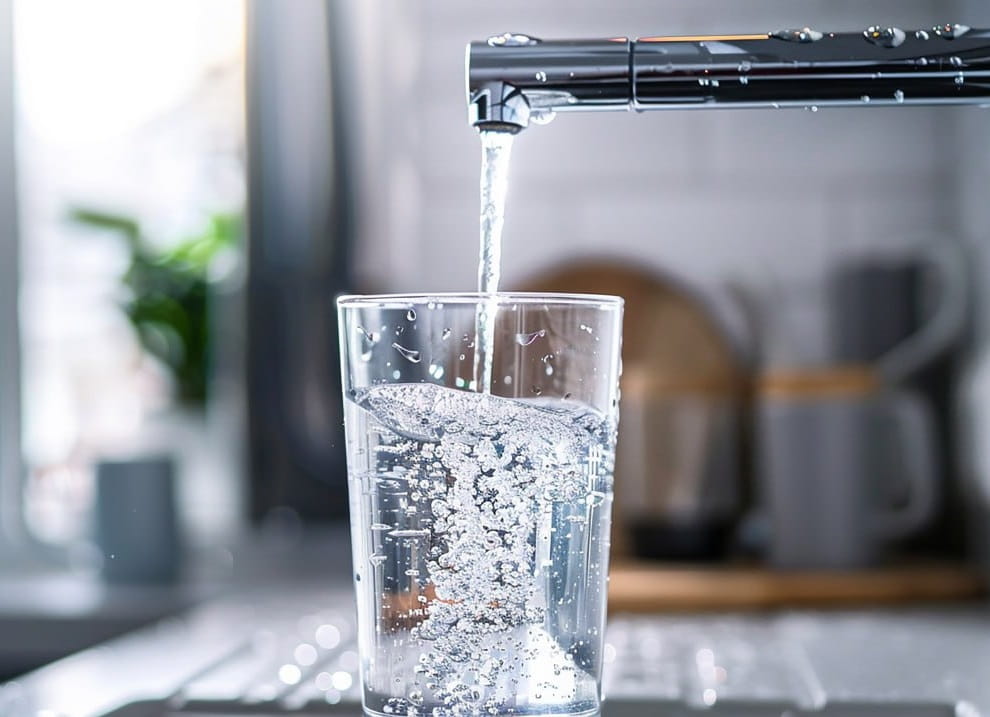
You take a sip of water expecting relief, hydration, and a refreshing feeling. Instead, a few minutes later, your stomach feels tight, bloated, crampy, or uncomfortable. It can be frustrating because water is supposed to be one of the healthiest things you consume.
If you've been asking yourself, why does my stomach hurt after drinking water, you're certainly not alone. People frequently search for answers when a simple glass of water leads to unexpected cramps or bloating. The root cause, however, isn’t always obvious. Sometimes the issue is related to water quality. In other situations, the discomfort comes from digestive sensitivities, drinking habits, or underlying health conditions.
The first step is understanding the pattern. Does the discomfort occur everywhere or only at home? Does it happen after cold water but not room-temperature? Does anyone else in your household experience similar symptoms?
While occasional discomfort may not indicate a serious problem, recurring stomach pain after drinking water deserves attention. Understanding the possible causes can help you determine whether the issue lies in the water itself, your plumbing system, or your body's reaction.
Biological and Chemical Contaminants in Water
When someone says, «why does drinking water make my stomach hurt?» water quality is one of the first things worth investigating.
Although municipal systems are regulated and monitored, contamination can occasionally occur because of aging infrastructure, flooding, damaged pipes, or poorly maintained wells.
Bacterial Contamination and Pathogens
Microorganisms are among the most concerning contaminants that can affect drinking water.
Bacteria, viruses, and parasites may enter supplies through broken pipes, septic system failures, storm runoff, or contaminated wells. Common examples include:
- E. coli
- Salmonella
- Giardia
- Cryptosporidium
According to the Centers for Disease Control and Prevention (CDC), bacteria, viruses, and parasites in drinking water can contribute to gastrointestinal symptoms such as nausea, cramping, and diarrhea.
When these organisms enter drinking water, they can irritate the gastrointestinal system and cause symptoms such as:
- Stomach cramping after drinking water
- Nausea
- Diarrhea
- Bloating
- Abdominal discomfort after drinking water
For some people, the first sign of contamination is a recurring feeling that drinking water upsets my stomach or that drinking water causes stomach pain for no apparent reason.
Private wells deserve special attention. Unlike municipal systems, wells are not continuously monitored by water utilities. Heavy rain, flooding, agricultural runoff, or nearby septic issues can affect groundwater quality.
Homeowners concerned about biological contaminants often use systems that incorporate ultraviolet filtration as part of a comprehensive treatment strategy.
Heavy Metals and Chemical Runoff
Water can appear perfectly clear while still containing contaminants.
Old plumbing systems may introduce trace amounts of lead, copper, or other metals into drinking water. Groundwater can also contain nitrates, pesticides, or chemical runoff from surrounding areas.
This is one reason some homeowners wonder, why does tap water make my stomach hurt while bottled or filtered water doesn't seem to cause the same reaction.
Heavy metals are particularly difficult to detect without testing because they usually don't create obvious visual signs. In many cases, the water looks, smells, and tastes normal.
For sensitive individuals, long-term exposure to poor water quality may contribute to digestive irritation or unexplained discomfort. If tap water makes my stomach hurt but water consumed elsewhere causes no issues, it may be worth testing both the water source and the home's plumbing system.
If elevated metal levels are identified, a whole house heavy metal water filter may help reduce exposure throughout the home.
Excess Chlorine and Chemical Treatments
Municipal water providers use chlorine to control harmful microorganisms and maintain safe drinking water.
Without disinfection, waterborne diseases would pose a much greater public health risk. However, chlorine can influence the taste and smell of water.
Some people are particularly sensitive to heavily chlorinated water. They may notice a strong chemical odor, an unpleasant taste, or mild digestive discomfort.
This doesn't necessarily mean the water is unsafe. However, it can explain why some individuals ask, why does water upset my stomach after drinking from a specific source.
In addition to chlorine itself, water can contain small amounts of disinfection byproducts (DBPs), which form when chlorine reacts with naturally occurring organic matter.
A properly maintained whole house chlorine filter can help improve taste and odor while reducing chlorine-related concerns.
Body Factors: Why Clean Water Can Still Cause Discomfort
Not every case of stomach hurts after drinking water is caused by contamination.
Sometimes the water is perfectly safe, and the real cause lies in how your body reacts.
Drinking Water That Is Too Cold
Many people experience discomfort after drinking ice-cold water, especially after exercise or on an empty stomach.
Very cold water can cause temporary contractions in the stomach and digestive tract. While usually harmless, these contractions may feel like cramps or sharp discomfort.
This is one reason people report stomach pain when drinking water even when laboratory testing confirms the water is safe.
Some individuals also experience stomach burns after drinking water or describe a sharp sensation when consuming very cold beverages.

Drinking Too Quickly
The speed at which you drink can matter just as much as the water itself.
When large amounts of water are consumed rapidly, excess air may enter the digestive system. This can lead to bloating, pressure, and temporary discomfort.
In these situations, the rapid volume of liquid is the real culprit. When you gulp water down, the stomach becomes temporarily overwhelmed by both the fluid and the swallowed air. This explains why the pain usually occurs only after drinking too fast or consuming large quantities at once.
It also answers another common question: can drinking too much water make your stomach hurt? In some cases, yes.
Underlying Digestive Conditions
Sometimes water simply highlights an existing digestive issue.
Conditions that may contribute to discomfort include:
- Acid reflux
- Gastritis
- Irritable bowel syndrome (IBS)
- Peptic ulcers
- Functional dyspepsia
People living with these conditions often wonder why a beverage as neutral as water triggers their symptoms.
The answer may have less to do with the water itself and more to do with how a sensitive digestive system responds to changes in stomach volume, temperature, or pH.
If symptoms persist or worsen, consultation with a healthcare professional is important.
Why Symptoms Sometimes Appear Suddenly
One of the most confusing aspects of water-related discomfort is that it often appears unexpectedly.
You may have been drinking from the same tap for years before suddenly noticing that stomach ache after drinking water becomes a recurring problem.
Several factors can explain this change:
- Seasonal groundwater fluctuations
- Heavy rainfall
- Flooding
- Construction work
- Plumbing repairs
- Changes in municipal treatment processes
For well owners, groundwater conditions can vary throughout the year. For municipal customers, infrastructure repairs may temporarily affect water quality.
This is why people often search for answers after noticing that water causing stomach pain seems to appear out of nowhere.
Why Symptoms Differ From Person to Person
Two people can drink the same glass of water and have completely different experiences.
One person notices nothing unusual. Another develops bloating, cramping, or nausea.
Age, digestive health, medications, hydration levels, and preexisting medical conditions can all influence how the body reacts.
For example, someone with acid reflux may experience stomach burns when I drink water, while another person drinking the exact same water feels perfectly fine.
Likewise, a person with IBS may notice lower abdominal pain after drinking water, whereas another experiences no symptoms at all.
These individual differences help explain why water-related discomfort can be difficult to diagnose without examining both water quality and personal health factors.
Well Water vs. Municipal Water: Different Risks
The source of your water can provide valuable clues.
Municipal water is disinfected and monitored before it reaches homes. However, it often travels through miles of pipes and infrastructure. Along the way, aging plumbing materials, corrosion, or chlorine-related issues may affect water quality.
Well water follows a different path. Because it comes directly from groundwater, it usually contains no added chlorine. While many homeowners appreciate this, wells are more vulnerable to bacterial contamination, agricultural runoff, and seasonal environmental changes.
Neither source is automatically better or worse.
What matters most is regular testing, proper maintenance, and addressing any issues that arise.
Many homeowners choose a whole house water filter system to help manage source-specific water quality concerns and provide consistent treatment throughout the home.
Three Clues That Can Help You Identify the Cause
When trying to figure out why stomach hurts when I drink water, it's helpful to think like a detective. Rather than focusing on a single symptom, look for patterns.
Where Does It Happen?
If the discomfort occurs everywhere, the cause may be related to your digestive system or drinking habits. However, if pain in stomach after drinking water only happens at home, at work, or in another specific location, the water source deserves closer attention.
Does Anyone Else Notice the Same Problem?
If family members, roommates, or even pets experience similar symptoms, the issue may extend beyond individual digestive sensitivity. Multiple people experiencing discomfort can sometimes point toward a water-quality problem.
Has the Water Changed Recently?
A new metallic taste, chemical odor, cloudy appearance, or visible sediment should never be ignored. Even subtle changes can indicate that something in the water supply has shifted.
If you've recently started asking yourself, why does tap water hurt my stomach, consider whether anything has changed in your home's plumbing or local water system.
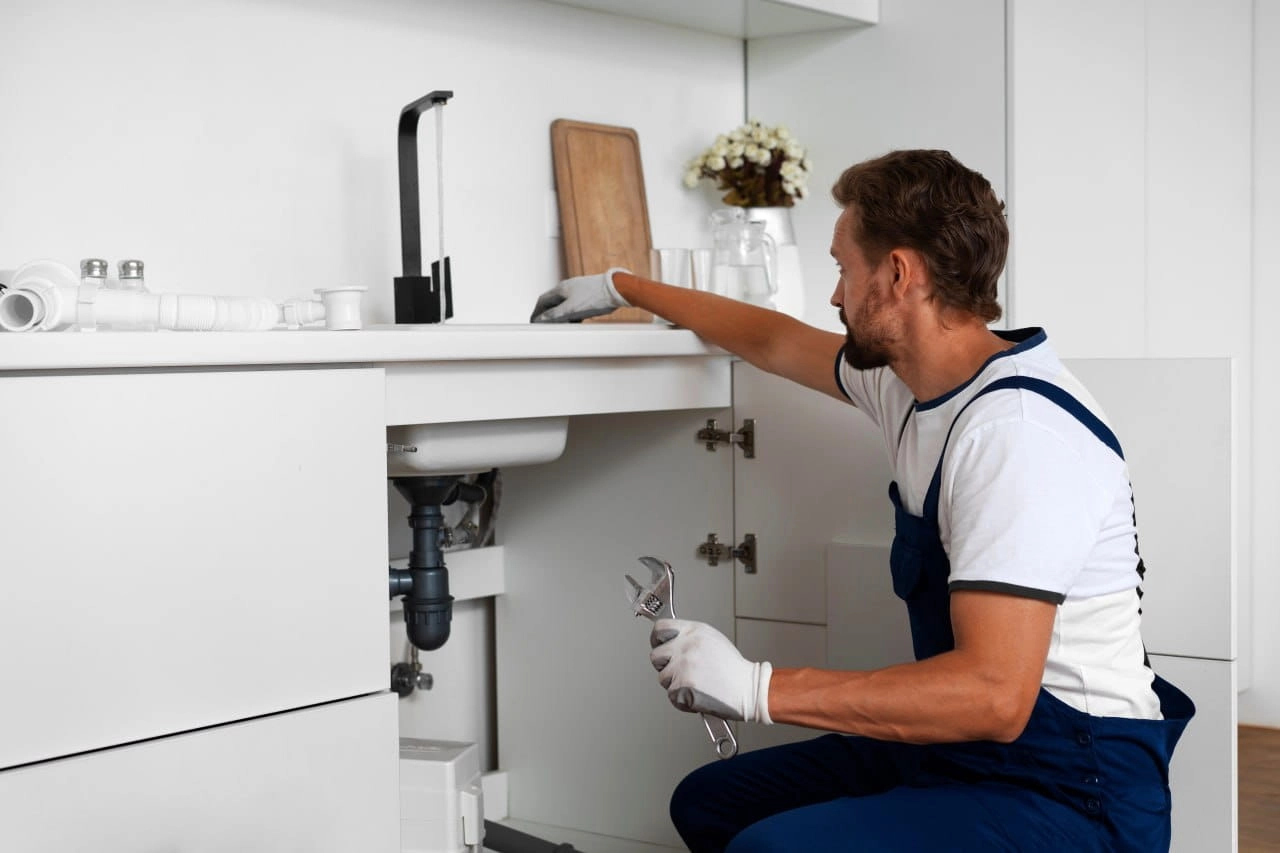
When Should You Test or Filter Your Water?
Not every episode of stomach discomfort requires a water test. However, there are situations where testing is strongly recommended.
Consider testing your water if:
- Symptoms only occur when drinking water from a specific source.
- The water smells metallic, chemical, earthy, or musty.
- The water appears cloudy or contains sediment.
- Other members of the household experience similar symptoms.
- Flooding, heavy rain, or construction recently occurred nearby.
- You rely on a private well.
- The discomfort is accompanied by unusual taste changes.
Many people search can tap water make your stomach hurt after noticing that symptoms disappear when they drink bottled water or water from another location. In these situations, testing can provide answers instead of guesswork.
A comprehensive water test can identify:
- Bacteria
- Nitrates
- Lead
- Copper
- Hardness minerals
- Chlorine levels
- pH imbalances
The results help determine whether treatment is necessary and which solution makes the most sense. The U.S. Environmental Protection Agency (EPA) recommends regular testing for certain contaminants, particularly for homeowners who rely on private wells or notice changes in water quality.
How to Ensure Your Water Is Safe and Stomach-Friendly
If water quality is contributing to discomfort, the solution depends on the underlying problem.
This is where many homeowners make a mistake. They purchase a filter without first identifying what's actually in the water.
Start With Testing
Testing should always come before selecting treatment equipment. The goal isn't simply to filter water—it's to solve a specific problem.
For example, bacterial contamination requires a different solution than excess chlorine or heavy metals.
Match the Treatment to the Issue
If chlorine is the primary concern, carbon-based filtration can improve both taste and odor.
If bacteria or microorganisms are present, systems that incorporate ultraviolet filtration provide an additional layer of protection.
For households dealing with metals or multiple contaminants, a 3 stages water filter may provide broader treatment.
Homeowners seeking advanced drinking water purification often use systems that rely on ro membranes, which can remove a wide range of dissolved contaminants.
Many families also install a water filter for refrigerators to improve the quality of everyday drinking water and ice.
For whole-home protection, a whole house water filter system can address water-quality concerns before water reaches faucets, showers, and appliances throughout the house.
Don't Forget Maintenance
Even the best filtration equipment requires regular maintenance.
Old filters can lose effectiveness over time and may allow contaminants to pass through. This is why replacing water filters cartridges according to the manufacturer's recommendations is essential.
A neglected filter can sometimes become part of the problem rather than the solution.
Final Thoughts: Listening to Your Body and Improving Water Quality
Water should leave you feeling hydrated and refreshed—not uncomfortable.
If you've been wondering why does my stomach hurt after drinking water, the answer could range from something as simple as drinking ice-cold water too quickly to a more complex issue involving contaminants, plumbing materials, or digestive sensitivity.
The good news is that patterns often provide valuable clues. If symptoms only occur in one location, if the water has changed recently, or if other people in your household experience similar discomfort, investigating your water quality is a logical next step.
At the same time, it's important to remember that not every case of stomach pain after drinking water is caused by the water itself. Conditions such as acid reflux, gastritis, and IBS can make the digestive system more sensitive, causing discomfort even when water is perfectly safe.
Whether you're dealing with sharp stomach pain after drinking water, occasional cramping, abdominal pain after drinking water, or simply wondering why tummy hurts after drinking water, paying attention to patterns can help you identify the most likely cause.
Clean, properly treated water should support your health—not leave you questioning every glass you drink.
Frequently Asked Questions About Stomach Pain and Water
Can a dirty water filter cause stomach aches?
Yes. An overdue or poorly maintained filter can become less effective and may allow contaminants to pass through. In some situations, bacteria can accumulate within old filter media, contributing to taste, odor, or digestive concerns.
Why does cold water hurt my stomach but warm water doesn't?
Very cold water can trigger temporary contractions in the stomach and digestive tract. People with sensitive digestion often find that room-temperature or warm water causes fewer symptoms and feels more comfortable.
Can high pH or alkaline water cause stomach cramps?
Most people tolerate alkaline water without issues. However, sudden changes in water chemistry may cause mild digestive discomfort in sensitive individuals, especially when consumed in large quantities.
How do I know if my water contains harmful bacteria?
Laboratory testing is the most reliable method. Warning signs can include unusual odors, cloudiness, recent flooding, well-water contamination risks, or gastrointestinal symptoms affecting multiple members of the household.