

Clean drinking water remains one of the most important public health concerns in the United States, yet water quality can vary dramatically depending on where you live. Based on the latest available EPA compliance records, water quality reports, and contaminant monitoring data available through 2025 and early 2026, concerns about PFAS contamination, aging lead pipes, industrial pollution, and water infrastructure continue to shape discussions around US tap water quality.
While most Americans receive tap water that meets federal EPA safety standards, local contamination risks and infrastructure challenges still affect many communities. Some states benefit from protected mountain reservoirs, advanced treatment facilities, and strong environmental protections, while others continue to face issues involving sediment, nitrates, industrial contaminants, or aging water systems.
As a result, more homeowners are paying attention to water quality by state, local Consumer Confidence Reports, and household filtration solutions. Questions such as which state has the best tap water, what state has the worst water quality, and «is my local tap water actually safe to drink» have become increasingly common.
This guide explores the best and worst tap water in the US, the factors that influence regional water quality rankings, the most common contaminants found in American tap water, and practical ways to improve water quality at home.
At a Glance
- States often associated with the cleanest tap water in the US: Vermont, Oregon, Minnesota, Colorado
- States facing more frequent water quality concerns: Mississippi, Louisiana, Texas
- Common contaminants in US tap water: lead, PFAS, nitrates, chlorine, sediment
- Water quality may vary significantly between cities in the same state
- The best way to evaluate your water is through local water reports and home testing
Comparing tap water by state can help homeowners better understand regional water quality differences and identify the most common local contamination concerns.
Why Americans Are Paying More Attention to Tap Water Quality
Public concern about drinking water quality has increased due to growing awareness of PFAS contamination, aging infrastructure, drought conditions, and lead pipe replacement projects across the United States.
According to EPA compliance data, most public water systems continue to meet federal drinking water standards. However, local conditions and infrastructure quality may still affect final household water quality.
How This Water Quality Ranking Was Determined
This overview is based on publicly available information from:
- EPA Drinking Water Dashboard
- EPA Safe Drinking Water Act compliance records
- Environmental Working Group (EWG) Tap Water Database
- USGS groundwater and PFAS monitoring data
- Consumer Confidence Reports (CCR)
- Public water infrastructure reports
Several factors were considered when evaluating tap water quality by state, including:
- Drinking water violations
- Lead and PFAS contamination concerns
- Source water protection
- Infrastructure condition
- Water treatment effectiveness
Current US tap water ranking discussions often focus on PFAS contamination, infrastructure quality, source water protection, and EPA violation records.
Modern US water quality rankings are influenced not only by source water quality but also by treatment infrastructure and environmental protections.
Because water quality may vary greatly between cities and counties, these rankings should be viewed as general indicators rather than exact measurements for every home within a state.
Tip: Water quality can vary significantly even between neighboring cities, especially when utilities rely on different water sources or infrastructure systems.
Why Tap Water Quality Varies Across the US
Water Sources and Geography
Different states rely on different water sources, which plays a major role in overall water quality. Some regions receive drinking water from protected mountain reservoirs and forest watersheds, where the water is naturally filtered through soil and rock before reaching treatment facilities. These sources are often associated with lower pollution levels and fewer contaminants.
Other states depend more heavily on rivers, lakes, or underground groundwater systems. Surface water sources such as rivers and lakes are generally more exposed to agricultural runoff, industrial pollution, stormwater contamination, and seasonal environmental changes. Groundwater supplies may naturally contain higher concentrations of minerals, sulfur, iron, arsenic, or sediment depending on local geology.
Natural underground rock formations also affect regional water conditions. For example, some southwestern states experience naturally elevated arsenic levels in groundwater, while other regions are known for hard water caused by high calcium and magnesium content. In older industrial areas, additional contamination concerns may develop due to mining activity, manufacturing, or aging infrastructure.
As a result, water quality challenges can differ significantly across the United States, even before the water reaches local treatment facilities.
Infrastructure and Water Treatment Systems
Infrastructure plays a major role in US water quality rankings. States with modern treatment facilities and upgraded pipe systems generally experience fewer contamination concerns.
Older cities may still contain aging lead service lines or corroded plumbing systems that affect household water quality even when municipal treatment standards are met.
Industrial and Agricultural Pollution
Industrial activity, manufacturing, mining operations, and agricultural runoff may introduce contaminants into water supplies.
Common concerns include:
- PFAS («forever chemicals»)
- Nitrates
- Heavy metals
- Pesticides
- Industrial solvents
Flooding and storm damage may also temporarily affect local drinking water quality in some regions.
Why PFAS Contamination Remains a Major Concern
PFAS chemicals, often called «forever chemicals,» continue to be one of the most discussed drinking water issues in the United States. These synthetic compounds may remain in water sources for years and are now monitored more aggressively under updated EPA regulations.
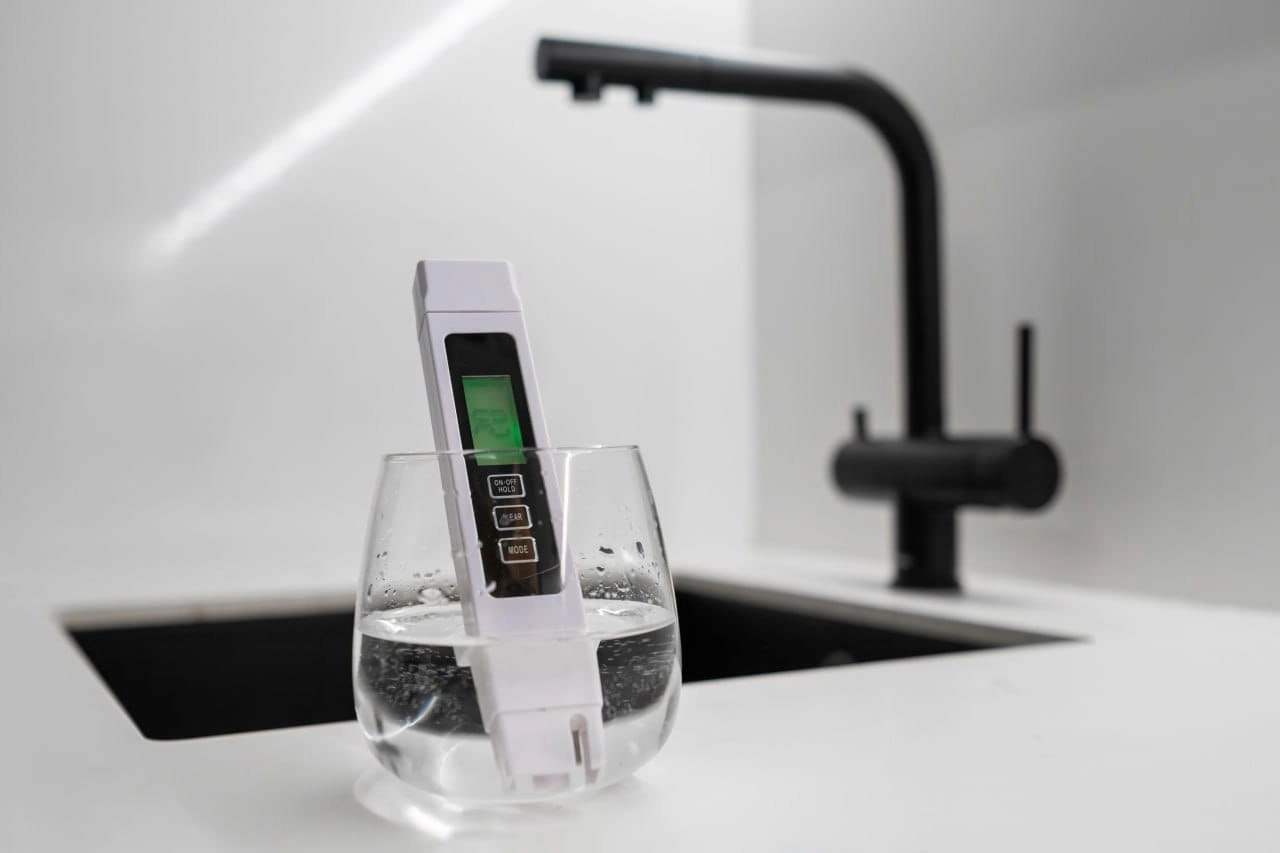
In 2024, the EPA set the first-ever national limits for PFAS at 4.0 parts per trillion, forcing states to upgrade filters by 2026–2029
States with the Best Tap Water in the US (2025–2026)
The following states are frequently associated with stronger drinking water quality performance based on available compliance data, source water conditions, infrastructure quality, and public monitoring information.
Vermont
Vermont is often considered one of the states with the best tap water by state rankings due to protected natural water sources and lower industrial activity.
The state benefits from:
- Mountain-fed water systems
- Strict environmental protections
- Lower population density
- Consistently strong monitoring practices
Many Vermont communities report low contaminant levels and strong compliance records. Much of the state’s drinking water originates from protected watersheds and groundwater sources that face relatively limited industrial pressure compared to more densely populated regions.
However, some smaller rural communities may still experience localized infrastructure limitations or naturally occurring mineral concerns in private well systems.
Oregon
Oregon frequently appears in discussions about the best tap water in the US because of its protected mountain water sources and extensive watershed protection programs.
Portland’s water supply, sourced primarily from the Bull Run Watershed, is often recognized for low contaminant levels and minimal industrial exposure. The watershed is closed to most public activities, helping preserve source water quality before treatment even begins.
States known for protected mountain reservoirs and watershed systems are also frequently associated with the best tasting tap water in the US.
Seasonal wildfires in the Pacific Northwest have also increased attention on watershed protection and post-fire water monitoring efforts in recent years.
Minnesota
Minnesota has invested heavily in water infrastructure and monitoring systems. The state’s extensive freshwater resources and active environmental management programs contribute to strong water quality by state performance.
Known as the «Land of 10,000 Lakes,» Minnesota has access to abundant freshwater resources. State agencies also maintain monitoring programs that help identify contamination risks and support long-term protection of surface water and groundwater supplies.
At the same time, agricultural runoff remains an ongoing concern in some farming regions, particularly regarding nitrate levels in groundwater supplies.
New Hampshire
New Hampshire is regularly associated with some of the cleanest water in the US due to protected groundwater sources and relatively low industrial pollution in many service areas.
Many communities rely on high-quality groundwater aquifers that naturally filter water through layers of soil and rock. Combined with strong environmental oversight, these natural advantages help support reliable drinking water quality across much of the state.
Some areas of the state have also increased PFAS monitoring efforts following contamination concerns identified in parts of New England.
Colorado
Colorado benefits from mountain reservoir systems and advanced water treatment operations. Many cities in the state maintain strong Consumer Confidence Reports and relatively low violation rates.
A significant portion of Colorado’s drinking water originates from snowpack and mountain runoff in the Rocky Mountains. These high-elevation sources provide relatively clean raw water that often requires less intensive treatment compared to heavily industrialized or densely populated watersheds elsewhere in the country.
However, many Colorado households also deal with hard water minerals due to naturally high calcium and magnesium levels in mountain-fed water supplies.
What Makes These States’ Water Quality Better?
States with stronger tap water ranking by state performance often share several characteristics:
- Protected source water areas
- Modern treatment infrastructure
- Lower industrial contamination exposure
- Regular water quality monitoring
- Faster infrastructure upgrades
- Fewer Safe Drinking Water Act violations
Communities with strong watershed protection programs also tend to experience fewer long-term contamination concerns.
When asking what states have the best tap water, consumers often look at states with protected reservoirs, lower industrial activity, and stronger environmental oversight.
Which states have the best tap water depends on the ranking methodology, but Vermont, Oregon, Minnesota, and Colorado are commonly mentioned in public water quality discussions.
There is no universally accepted state with the cleanest tap water, since water quality can vary significantly between individual cities, counties, and utilities.
States with the Worst Tap Water in the US (2025–2026)
While no state has uniformly unsafe water, some regions face more frequent challenges involving infrastructure, industrial contamination, and environmental pollution.
Mississippi
Mississippi has faced repeated concerns involving aging infrastructure, storm-related water issues, and boil-water notices in several municipalities.
Jackson’s water system problems drew national attention due to treatment failures and infrastructure limitations.
Louisiana
Louisiana faces ongoing challenges related to flooding, industrial activity, and environmental contamination risks. Coastal conditions and storm damage may also affect local systems.
Texas
Texas experiences major regional variation in water quality. Some cities maintain excellent systems, while others face concerns involving nitrates, industrial runoff, PFAS, and groundwater contamination.
For example, one Texas community may report excellent drinking water quality, while another area in the same state may experience infrastructure-related contamination concerns.
West Virginia
Historic mining activity and industrial pollution have contributed to long-term water quality concerns in some West Virginia communities.
New Mexico
Some New Mexico regions experience naturally elevated arsenic concentrations in groundwater systems, which may require additional filtration and treatment.
Common Reasons for Poor Tap Water Quality
States associated with the worst water in the US often experience one or more of the following challenges:
- Aging water infrastructure
- Lead service lines
- PFAS contamination
- Agricultural runoff
- Industrial emissions
- Mining-related pollution
- Flood-related contamination
- Limited infrastructure investment
In many cases, tap water ranking by city provides more accurate information than statewide averages alone because local utilities often operate independently.
Best and Worst Tap Water by State: Quick Comparison
|
State |
Main Water Source |
Common Concerns |
Typical Filtration Focus |
|---|---|---|---|
|
Vermont |
Protected reservoirs |
Rural infrastructure variation |
Carbon + sediment filtration |
|
Oregon |
Mountain watersheds |
Seasonal wildfire impact |
Carbon filtration |
|
Minnesota |
Lakes and groundwater |
Agricultural runoff in some regions |
Sediment + carbon systems |
|
Colorado |
Mountain reservoirs |
Hard water minerals |
Sediment + scale reduction |
|
New Hampshire |
Groundwater systems |
PFAS in select areas |
Carbon filtration |
|
Mississippi |
Rivers and reservoirs |
Infrastructure failures |
Sediment + whole-house filtration |
|
Louisiana |
Surface water systems |
Flood contamination |
Sediment + carbon systems |
|
Texas |
Groundwater + reservoirs |
PFAS, nitrates |
Carbon filtration + RO |
|
West Virginia |
Mountain water systems |
Mining pollutants |
Carbon + sediment filtration |
|
New Mexico |
Groundwater systems |
Arsenic concerns |
Reverse osmosis systems |
Some cities are also recognized for having some of the best tap water in California due to strong reservoir protection and advanced treatment systems.
Most Common Contaminants Found in US Tap Water
Lead
Lead contamination often originates from aging household plumbing and service lines rather than the treatment facility itself. Even low lead exposure may create health concerns, especially for children and pregnant women.
PFAS («Forever Chemicals»)
PFAS are synthetic chemicals linked to industrial manufacturing and firefighting foam contamination. These compounds persist in the environment and have become a major national water quality concern.
Chlorine and Chloramines
Municipal systems commonly use chlorine or chloramines for disinfection. While highly effective for bacterial control, these chemical disinfectants often negatively affect water taste and odor. If your local utility relies on chloramines, standard carbon filters may not be enough—explore our detailed guide on Removing Chloramines from Tap Water to find the right filtration technology for your home.
Arsenic and Nitrates
Arsenic may occur naturally in groundwater, while nitrates are commonly associated with agricultural runoff and fertilizer use.
Sediment and Rust
Older plumbing systems may contribute rust particles, sediment, discoloration, or cloudy water appearance.
Products such as melt blown filters are commonly used to help reduce visible sediment and particulate matter.
Not All Tap Water Problems Are Visible
Many contaminants, including lead, PFAS, nitrates, and bacteria, may still be present even if water looks clear and clean.
Signs Your Tap Water May Need Filtration
Common signs that may indicate water quality concerns include:
- Chlorine smell
- Metallic taste
- Cloudy or discolored water
- White mineral buildup on fixtures
- Rust-colored staining
- Dry skin after showering
- Unpleasant odor from hot water
Is Tap Water in the US Safe to Drink?
In most cases, US tap water is regulated and treated according to EPA drinking water standards. However, compliance does not necessarily guarantee identical water quality across all homes and cities.
Most public water systems in the United States continue to meet federal drinking water standards. However, local conditions, infrastructure quality, and household plumbing may still affect final tap water quality.
Factors affecting local water safety include:
- Pipe condition
- Household plumbing
- Regional contaminants
- Utility maintenance
- Water source quality
Private well owners are responsible for testing and maintaining their own water systems because private wells are not regulated under the Safe Drinking Water Act.
Your Home’s Plumbing Also Affects Water Quality
Even if municipal water meets EPA standards, household plumbing may still affect the final quality of tap water. Older pipes, corrosion, rust, and aging fixtures can introduce sediment or metals into household water supplies.
This is especially important in older homes with outdated plumbing systems.
How to Check Your Local Tap Water Quality
Review Your Consumer Confidence Report (CCR)
Most municipal water suppliers publish annual Consumer Confidence Reports that outline:
- Detected contaminants
- Treatment methods
- EPA compliance status
- Water source information
Use Home Water Testing Kits
Basic testing kits may help identify:
- Hardness
- Chlorine
- Lead
- pH levels
- Nitrate concerns
Request Laboratory Testing
Professional laboratory analysis may provide more detailed information regarding PFAS, heavy metals, bacteria, and chemical contaminants.
What to Do If Your State Has Poor Tap Water
A statewide ranking does not necessarily reflect the exact conditions inside your home. The most effective approach is to identify the specific contaminants affecting your local water supply.
Choose the Right Water Filter for Your Needs
Different filtration systems are designed to address different water quality concerns. Choosing the right solution depends on the contaminants present in your local water supply, household water usage, and whether you want to improve drinking water only or all water throughout the home.
Whole House Water Filtration Systems
A home water filter system is designed to treat water at the point where it enters the home, helping improve water quality throughout the entire household. Unlike under-sink systems that focus only on drinking water, whole-house filtration systems help support cleaner water for showers, laundry, cooking, appliances, and everyday use.
Whole-house systems are commonly available in 1-stage, 2-stage, and 3 stages water filter configurations depending on the level of filtration required.
A 1-stage system is typically used for basic sediment reduction and helps capture dirt, sand, rust, and visible particles.
A 2-stage system adds an additional layer of filtration, often combining sediment and carbon filtration to help reduce chlorine, unpleasant taste, odors, and common household contaminants.
A 3-stage system provides more advanced multi-layer filtration by combining several filtration media for broader contaminant reduction and improved overall water quality performance. These systems are often preferred for households with higher water usage, older plumbing systems, or more complex water quality concerns.
Depending on the configuration, whole-house systems may help reduce:
- Sediment and rust particles
- Chlorine taste and odor
- Dirt and visible particles
- Scale buildup
- Chemical taste and odor concerns
- Common household water impurities
Many homeowners install whole-house filtration systems to improve water consistency throughout the home while also helping protect plumbing systems, appliances, fixtures, and water-using equipment from long-term buildup and sediment exposure.
Reverse Osmosis Systems
Reverse osmosis systems are among the most advanced residential drinking water filtration solutions available. These systems use a semi-permeable membrane to help reduce dissolved solids and microscopic contaminants that standard carbon filters may not fully address.
Reverse osmosis systems are commonly used to help reduce:
- Total dissolved solids (TDS)
- Heavy metals
- Nitrates
- PFAS and certain chemical contaminants
- Unpleasant taste and odor
- Microscopic impurities
Many households choose reverse osmosis filtration for drinking water, cooking, coffee machines, baby formula preparation, and ice makers because of the high level of purification these systems can provide.
A high-quality RO water filter membrane plays a critical role in the performance of a reverse osmosis system by helping remove fine contaminants while supporting cleaner and better-tasting water.
Refrigerator Water Filters
Many modern refrigerators include built-in filtration systems designed to improve the quality of drinking water and ice. A properly maintained filter for refrigerator may help reduce chlorine taste, odor, sediment, and other common impurities directly at the dispenser.
Refrigerator water filters are popular because they offer:
- Convenient filtered drinking water
- Improved ice quality
- Reduced chlorine taste and odor
- Easy cartridge replacement
- Additional filtration alongside household systems
Regular replacement is important because older refrigerator filters may gradually lose filtration efficiency over time, especially in homes with higher sediment or chlorine levels.
Benefits of a Whole House Water Filter
Whole-house systems help improve water quality throughout the home by reducing sediment, chlorine, odors, and common household water impurities before the water reaches faucets, showers, and appliances.
Filtered Water vs Bottled Water
Many bottled water brands actually source their water directly from municipal systems. In most cases, installing a home filtration system delivers the same—or even better—water quality while significantly reducing long-term costs and plastic waste. To see a complete breakdown of costs, purity levels, and environmental impacts, check out our comprehensive guide on Filtered Water vs. Bottled Water.
Final Thoughts: Where Is the Best and Worst Tap Water in the US?
The best and worst tap water in US rankings provide a general overview of regional water quality trends, but local conditions always matter more than statewide averages.
Even states known for the cleanest tap water in the US may still contain individual cities with aging infrastructure or localized contamination concerns. Likewise, states associated with poorer water quality may still contain communities with highly reliable municipal systems.
The best way to understand your household water quality is to combine local water reports, occasional testing, and filtration designed for your specific water conditions.
FAQ: US Tap Water Quality by State
What state has the cleanest tap water?
When discussing what state has the cleanest tap water, Vermont and Oregon are frequently mentioned due to protected watershed systems and relatively low contamination rates.
What state has the worst tap water?
Mississippi, Louisiana, and parts of Texas are often mentioned in discussions about infrastructure-related water quality concerns and contamination challenges.
What state has the best water quality?
Vermont, Oregon, and Minnesota are frequently associated with strong drinking water conditions and lower contamination levels.
Can tap water quality change from year to year?
Yes. Infrastructure upgrades, droughts, flooding, contamination events, seasonal changes, and updated treatment processes may all affect local water quality over time.
Why can two cities in the same state have different water quality?
Different cities may rely on separate water sources, treatment plants, pipe systems, and monitoring practices, which can result in major differences in local tap water quality.
Does clear tap water always mean it is safe to drink?
No. Many contaminants, including lead, PFAS, nitrates, and bacteria, may be invisible and have no noticeable taste, smell, or color changes in tap water.
Can old pipes inside a house affect water quality?
Yes. Aging household plumbing may contribute lead, rust, sediment, or metallic taste issues even if municipal water leaving the treatment facility meets EPA standards.
Can boiling tap water remove common contaminants?
Boiling water may help eliminate bacteria and microorganisms, but it does not remove lead, PFAS, nitrates, or many chemical contaminants commonly found in tap water.
Should I test my water before buying a filtration system?
Yes. Water testing helps identify the specific contaminants present so you can choose a filtration system designed for your local water conditions.
How often should you test your tap water?
Most households should review annual Consumer Confidence Reports and consider additional testing every 1–2 years, especially if using private wells or older plumbing systems.
Who has the best tap water in the US?
People asking who has the best tap water in the US are often referring to states or cities with protected water sources, modern infrastructure, and strong environmental regulations.
Is filtered tap water better than bottled water?
Filtered tap water may provide excellent quality while reducing plastic waste and long-term costs, especially when filtration is designed for local water conditions.