


People often associate «pure» water with better health, which is one reason distilled water continues to spark debate. Some homeowners prefer it because the distillation process removes most dissolved solids, impurities, and mineral residue from the water. Others avoid it for the exact same reason.
So, can you drink distilled water safely? For most healthy adults, the answer is yes. Distilled water is generally considered safe for drinking. The bigger question is whether it makes sense for your lifestyle, local water conditions, and long-term preferences.
Unlike standard filtered water, distilled water goes through a process that removes nearly all dissolved solids, including naturally occurring minerals such as calcium and magnesium. That changes not only the composition of the water, but also the taste and how people typically use it at home.
For some households, distilled water becomes a practical solution in areas with poor tap water quality. Others prefer filtration systems that reduce contaminants while maintaining a more balanced taste profile. Understanding the difference helps homeowners choose the option that fits their daily needs more effectively.
What Is Distilled Water?
Distilled water is produced through a heating and condensation process known as distillation. Water is heated until it becomes steam, and the steam is then cooled back into liquid form. During this process, many impurities and dissolved substances are left behind.
After condensation, the finished water contains only minimal amounts of:
- Minerals
- Sediment
- Heavy metals
- Dissolved solids
- Certain contaminants
Because of this purification method, distilled water is often considered one of the cleanest forms of processed water available.
A common question that arises is, can distilled water be used for drinking? In residential settings, this type of purified water is commonly used where mineral buildup becomes a problem or water quality is inconsistent. Homeowners often use it for humidifiers, CPAP devices, steam irons, espresso machines, and vaporizers because low-mineral water helps reduce internal scale buildup. Some families also use it temporarily for drinking or cooking when local tap water has noticeable odor, sediment, or excessive hardness.
In residential settings, this type of purified water is commonly used where mineral buildup becomes a problem or water quality is inconsistent. Homeowners often use it for humidifiers, CPAP devices, steam irons, espresso machines, and vaporizers because low-mineral water helps reduce internal scale buildup.
Some families also use it temporarily for drinking or cooking when local tap water has noticeable odor, sediment, or excessive hardness.
Can You Drink Distilled Water Safely?
When considering whether is distilled water good for drinking, the short answer is yes. Distilled water is completely drinkable and is widely used in both residential and commercial environments. A common misconception online is that mineral-free water is automatically harmful.
A common misconception online is that mineral-free water is automatically harmful. In reality, the body receives most essential minerals through food rather than water alone. For people with balanced diets, occasional or regular consumption is generally not considered dangerous.
According to the World Health Organization (WHO), drinking water quality and overall dietary intake both play important roles in maintaining proper hydration and health.
That said, not everyone prefers it for everyday hydration.
One reason is taste. Because minerals are removed during distillation, the water often tastes flatter or less «fresh» compared to filtered or spring water. Some people notice the difference immediately, while others barely notice it at all.
Another factor is practicality. Relying exclusively on bottled distilled water for long-term daily use may not be convenient or cost-effective for larger households.
In practice, the best option usually depends on:
- Local water quality
- Household filtration goals
- Personal taste preference
- Appliance use
- Daily water consumption habits
For many homeowners, the discussion is less about safety and more about convenience, flavor, and overall water quality management.
Benefits of Drinking Distilled Water
Reduced Exposure to Certain Contaminants
One of the biggest reasons people choose distilled water is purity. Distillation removes many dissolved substances that may remain in untreated water, including some heavy metals, sediment, and dissolved solids. The main drinking distilled water benefits often relate to purity and reduced dissolved solids.
This can be especially appealing in regions where tap water quality varies seasonally or contains noticeable taste and odor issues.
The Environmental Protection Agency (EPA) also notes that local water quality conditions and aging infrastructure can influence contaminant levels in residential water supplies.
Low Mineral Content for Appliances
Water with high mineral content can gradually create scale buildup inside household appliances. Distilled water helps reduce those deposits because it contains very few dissolved minerals.
Many homeowners use it in:
- Humidifiers
- Coffee machines
- Steam appliances
- CPAP equipment
Over time, this may help reduce maintenance and extend appliance lifespan.
Consistent Water Quality
One advantage of distilled water is consistency. Unlike municipal water supplies that can fluctuate depending on treatment methods, seasonal conditions, or pipe infrastructure, distilled water maintains a relatively stable composition.
Consumers comparing distilled water vs purified water often focus on this predictable quality.
Readers interested in dissolved solids and water composition can also explore What Is TDS in Drinking Water to better understand how mineral levels affect overall water quality.
Useful in Areas With Poor Tap Water Quality
In locations where water contains excessive sediment, hardness, or unpleasant odor, distilled water may provide a cleaner short-term drinking option.
At the same time, many households prefer improving water quality directly at the source with a home water filter system rather than depending entirely on bottled water.
What Happens if You Drink Distilled Water Every Day?
Questions about distilled water hydration are common because the water contains very low mineral content. For most healthy individuals, drinking distilled water daily is unlikely to create immediate health problems. The body still hydrates normally because hydration primarily depends on fluid intake itself.
The biggest difference involves mineral content.
Natural drinking water often contains small amounts of:
- Calcium
- Magnesium
- Potassium
- Sodium
This type of purified water contains very low levels of these minerals because they are removed during distillation.Many people first notice the difference through taste rather than physical effects. Some describe the taste as smoother, while others find it unusually flat.
Current research generally suggests that overall nutrition matters far more than whether minerals come specifically from drinking water. In most balanced diets, essential minerals primarily come from food sources.
Is Distilled Water Bad for You?
Distilled water itself is not considered harmful for most healthy adults. If you are asking is it ok to drink distilled water, you might have come across one persistent myth claiming that it «pulls minerals» from the body. While this idea is widely repeated online, scientific evidence supporting major mineral depletion from normal consumption remains limited.
Another concern involves long-term exclusive use. Some people simply prefer water that still contains naturally occurring minerals for taste and dietary reasons.
In many households, the more important issue is reducing contaminants and improving overall water quality rather than choosing between distilled and filtered water alone.
Distilled Water vs Filtered and Bottled Water: What’s the Difference?
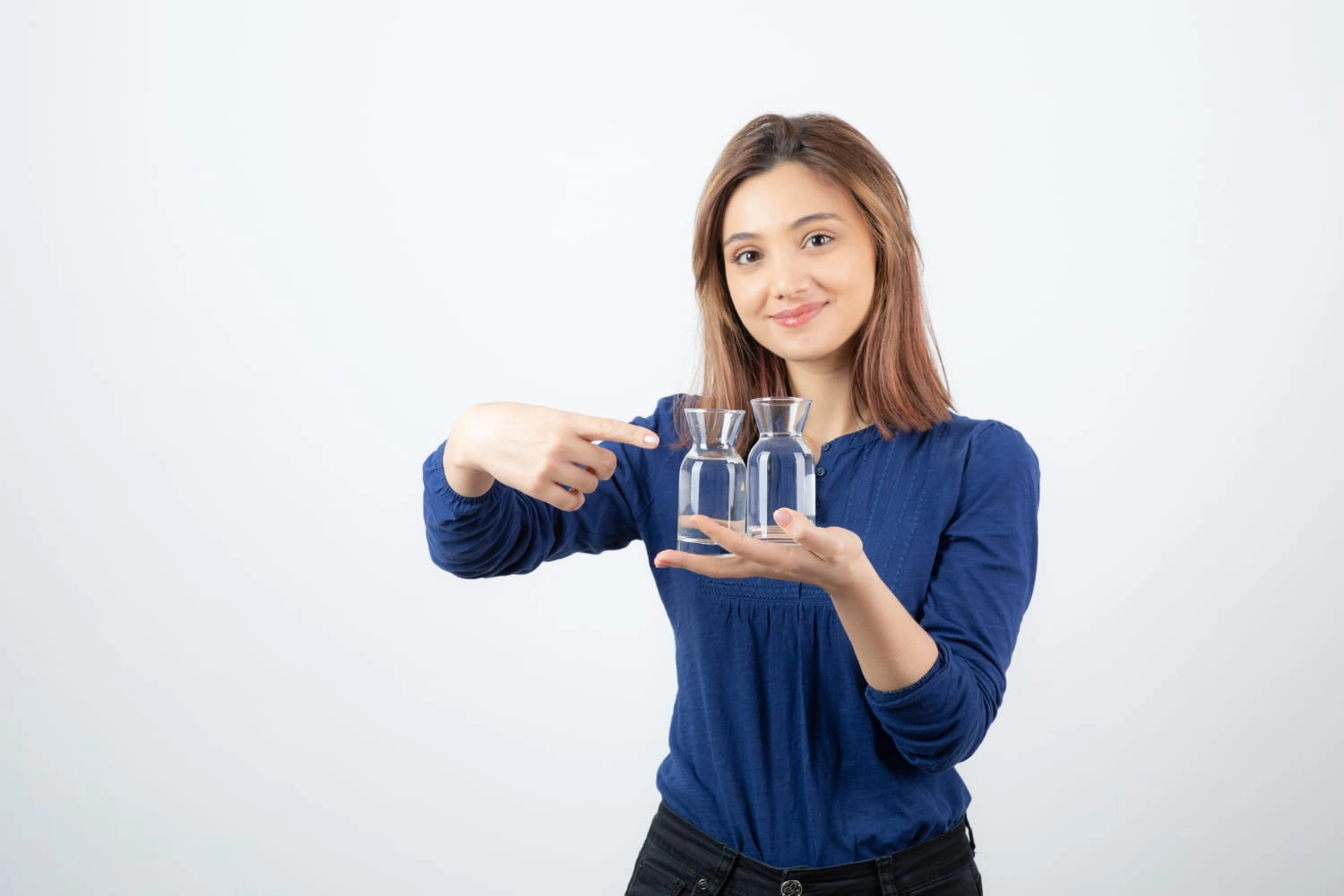
Although these water types may appear similar, the treatment process and final composition can differ significantly.
|
Water Type |
Mineral Content |
Contaminant Reduction |
Taste Profile |
Typical Use |
|
Distilled Water |
Very low (almost none) |
Very high (removes most contaminants and dissolved solids) |
Neutral or flat |
Appliances, drinking, and specialized applications |
|
Filtered Water |
Moderate (some natural minerals remain) |
High (reduces many contaminants, but not all dissolved minerals) |
More balanced and natural |
Everyday household use (drinking, cooking, etc.) |
|
Bottled Water |
Varies (depending on source) |
Varies (depends on the brand and source) |
Depends on source |
Convenience and travel |
Filtered water systems are often preferred for daily use because they improve water quality while preserving a more natural taste.
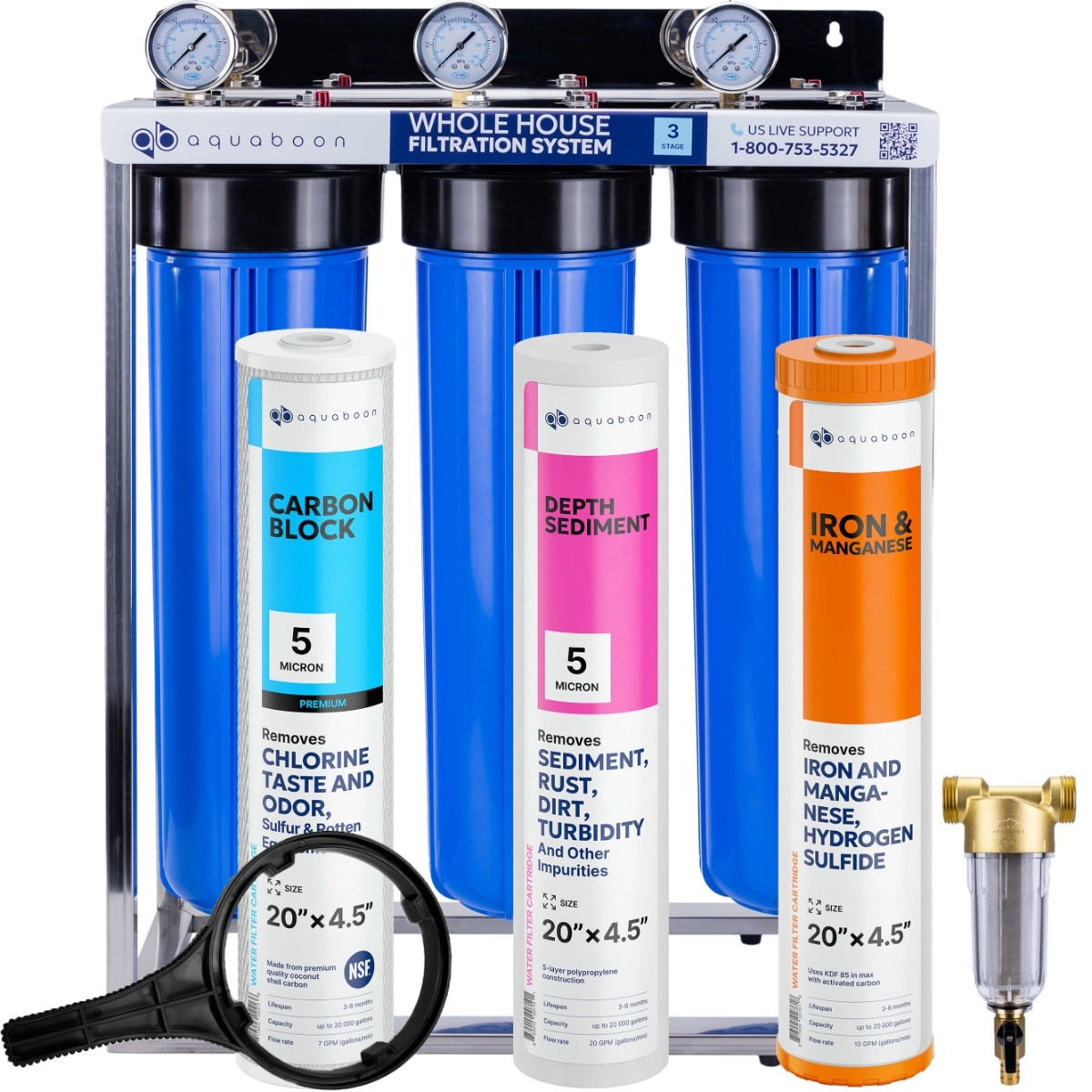
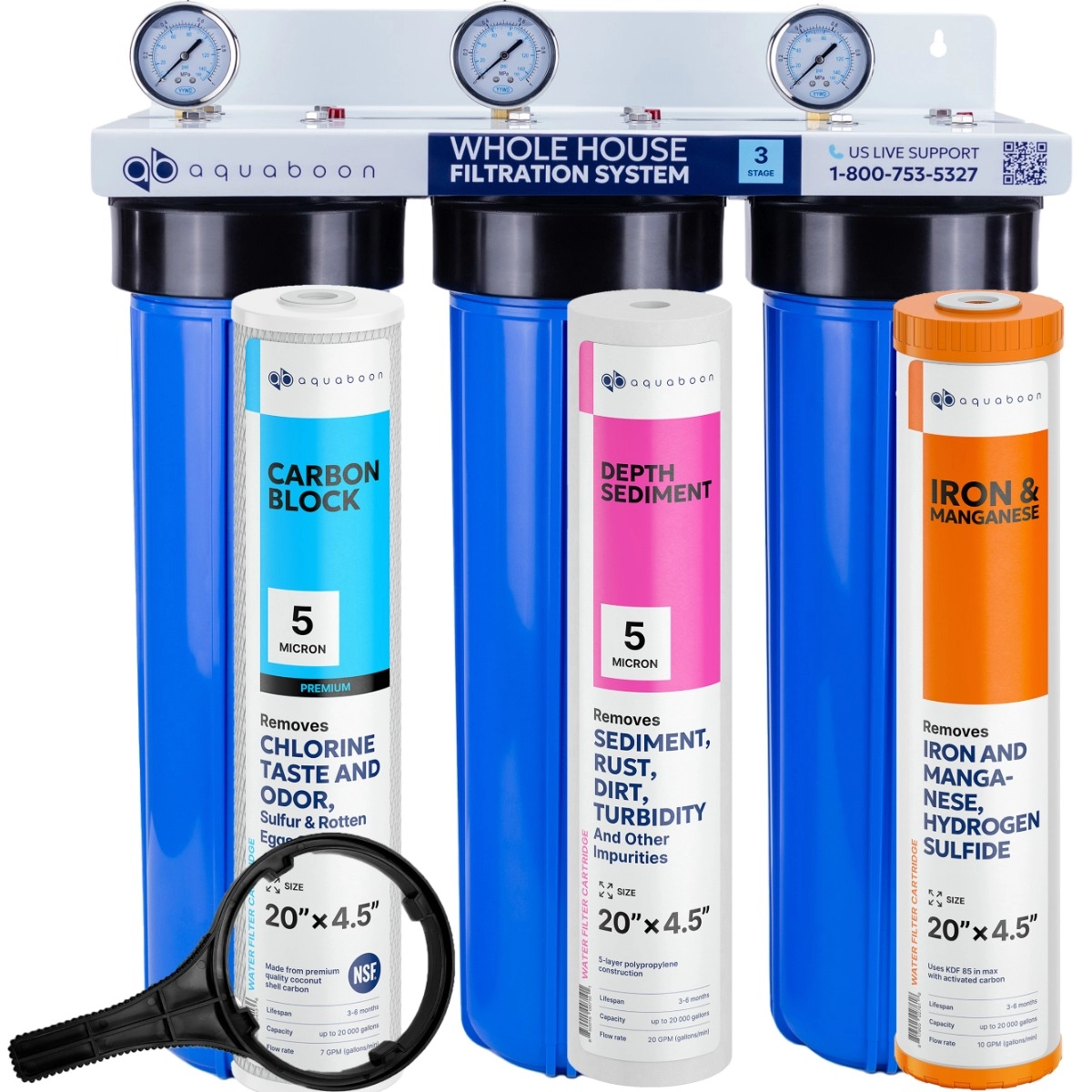
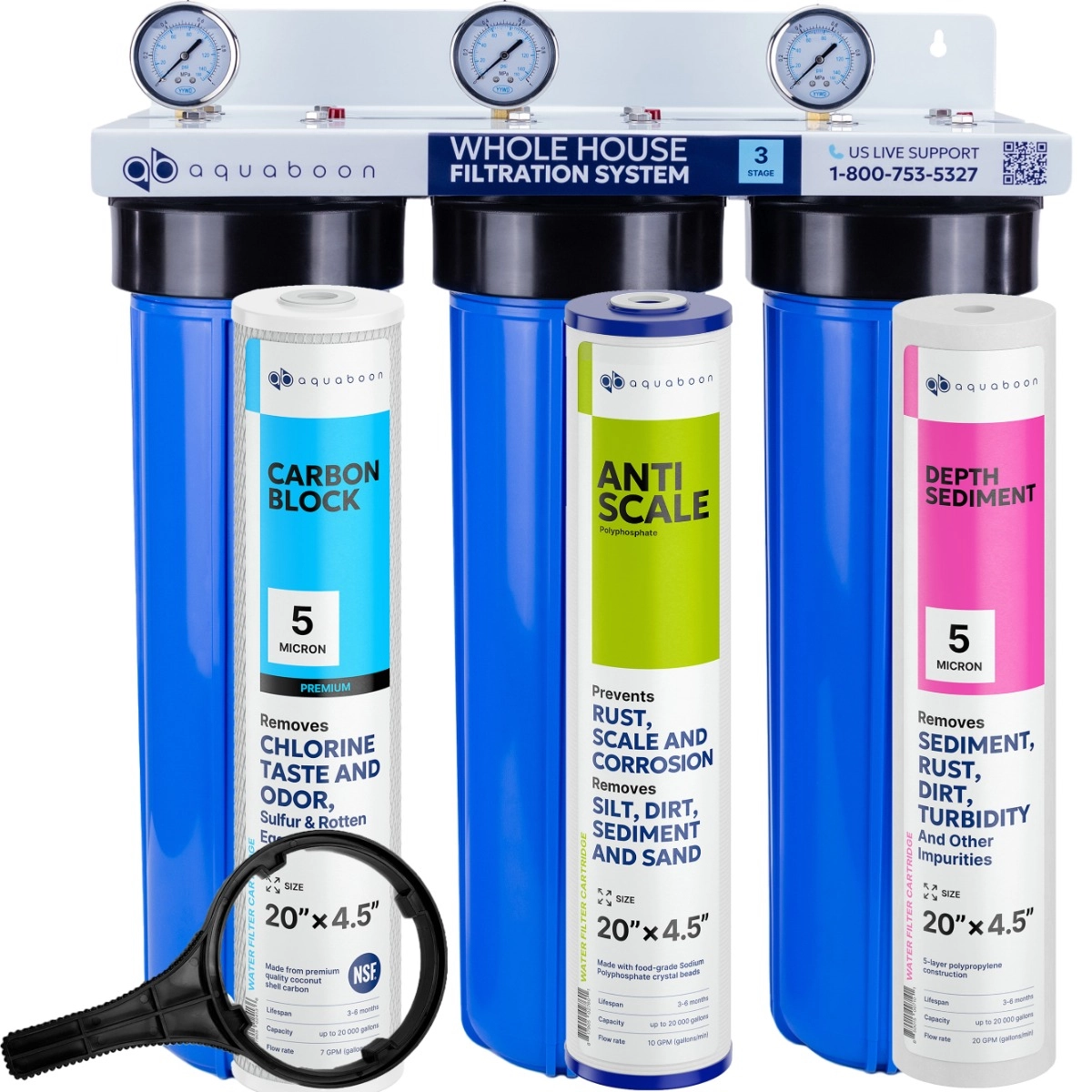
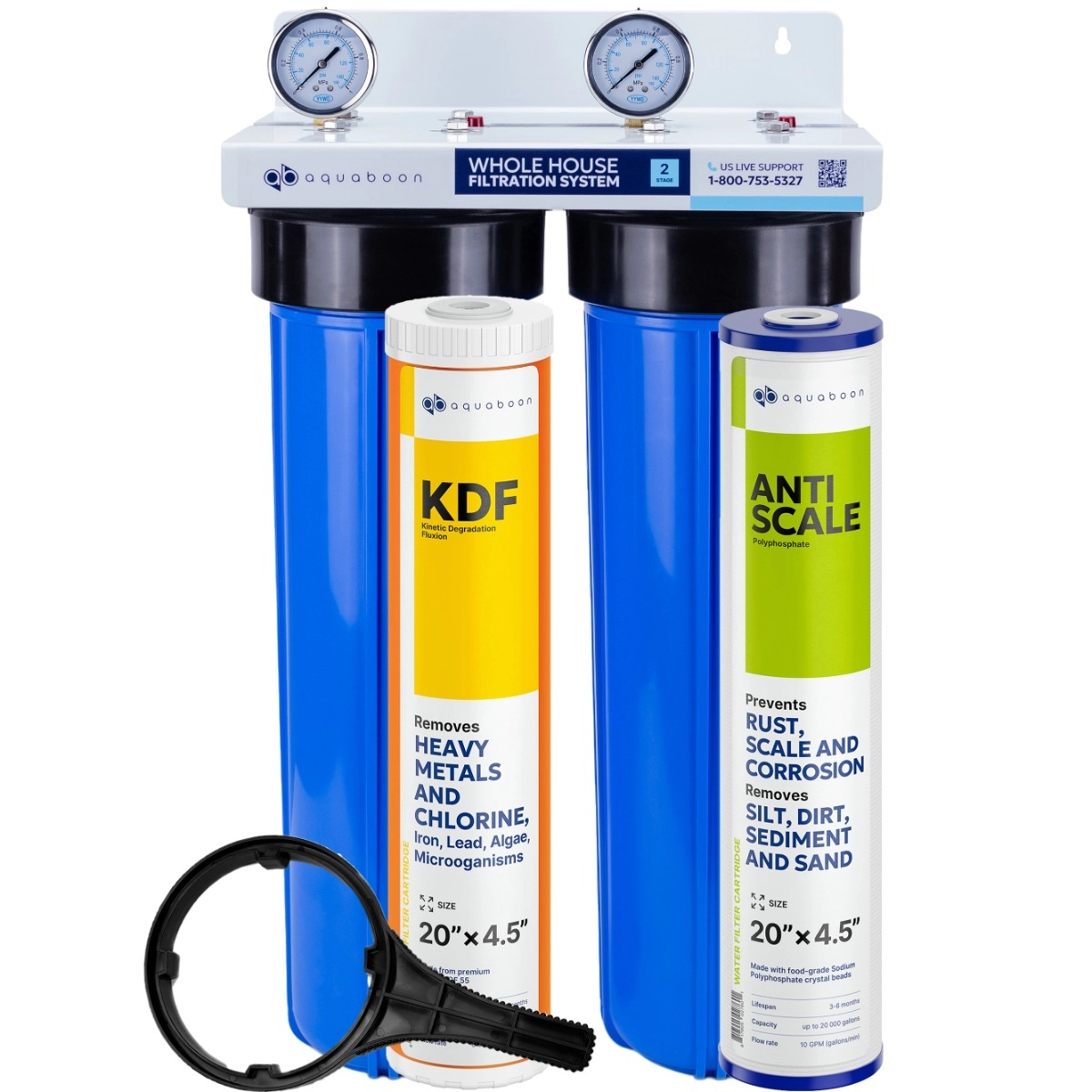
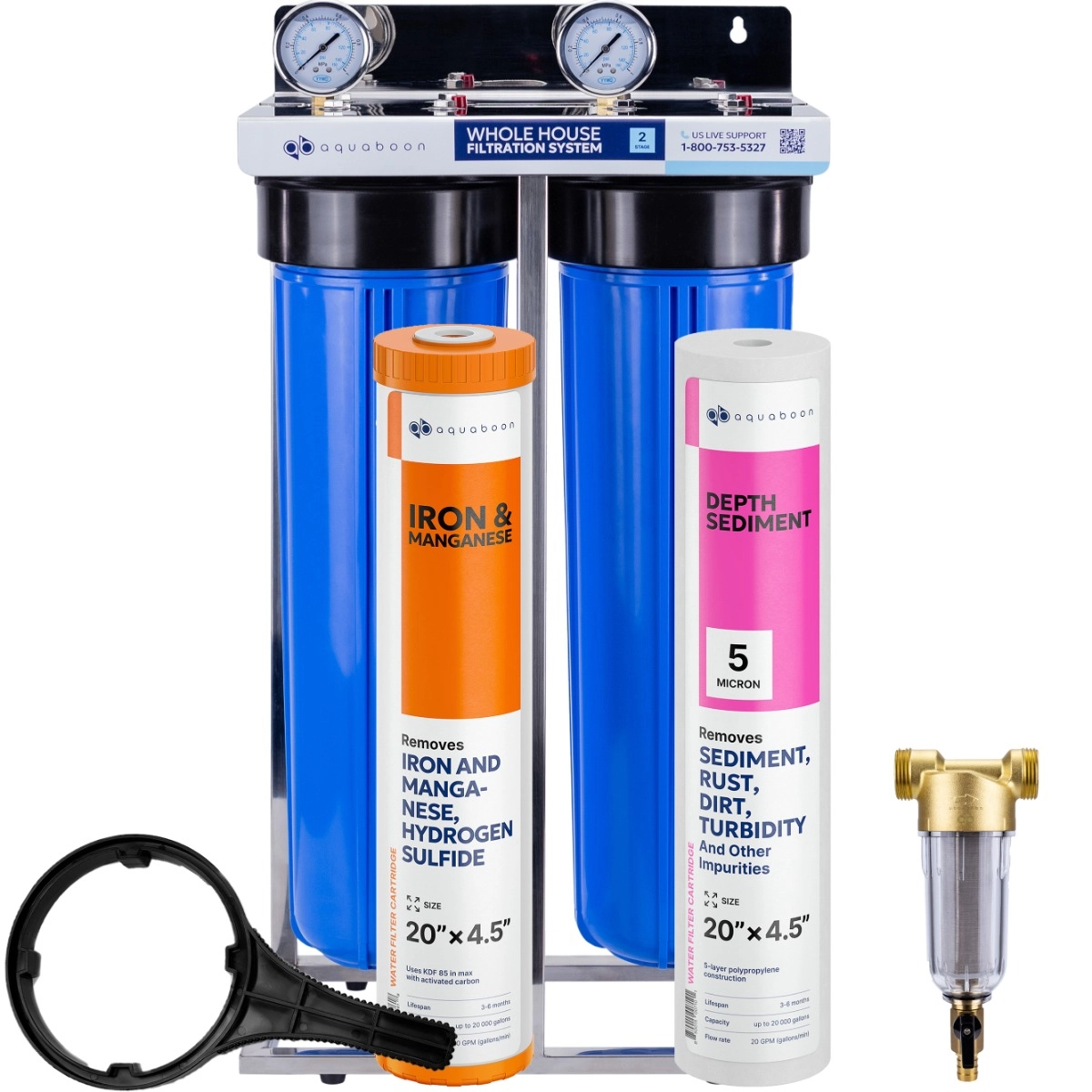
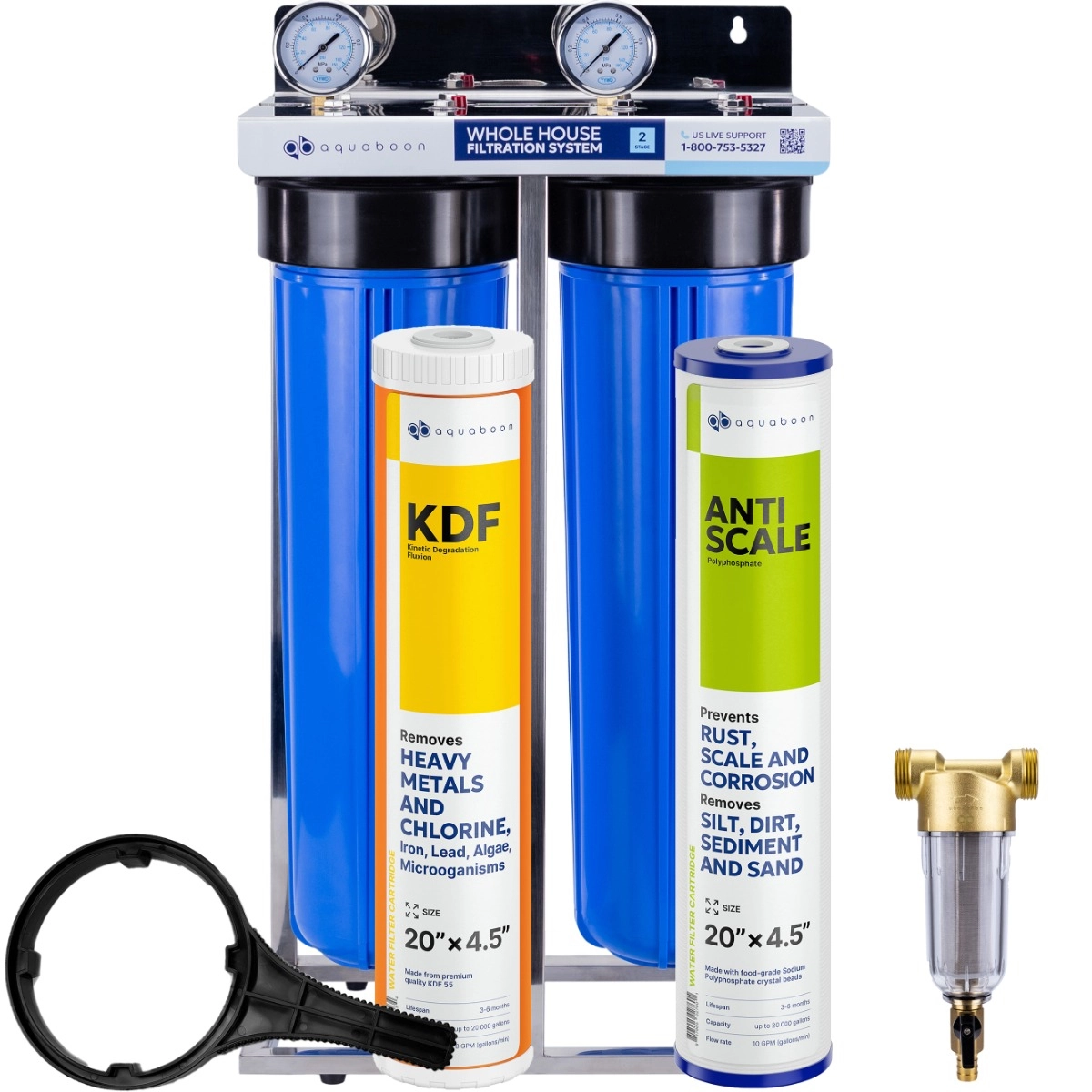
For example, systems using melt blown filters help reduce sediment and particles before additional filtration stages address chlorine, odor, and other common contaminants. Larger homes may also benefit from a 3 stages water filter system designed to improve water quality throughout the entire house.
-
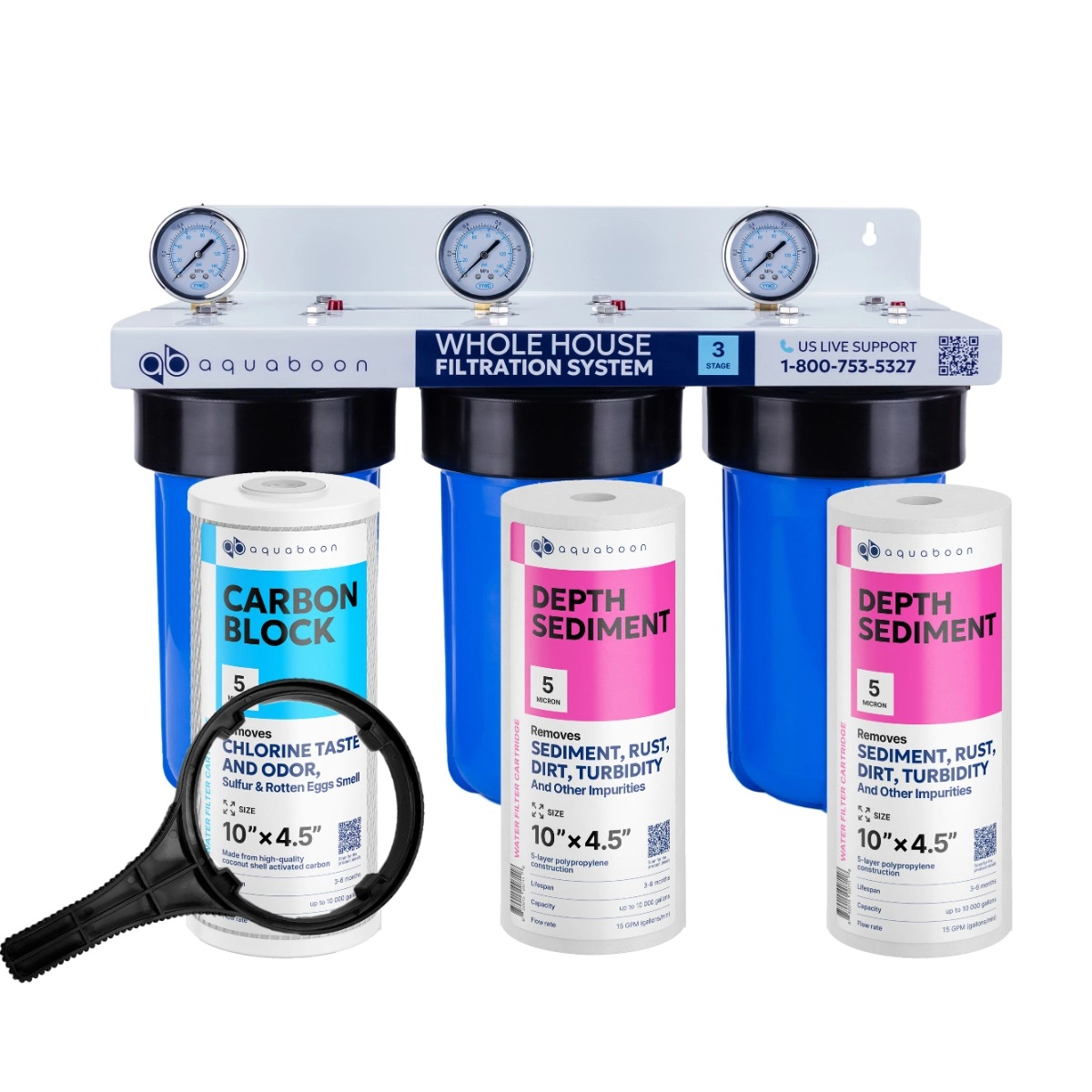
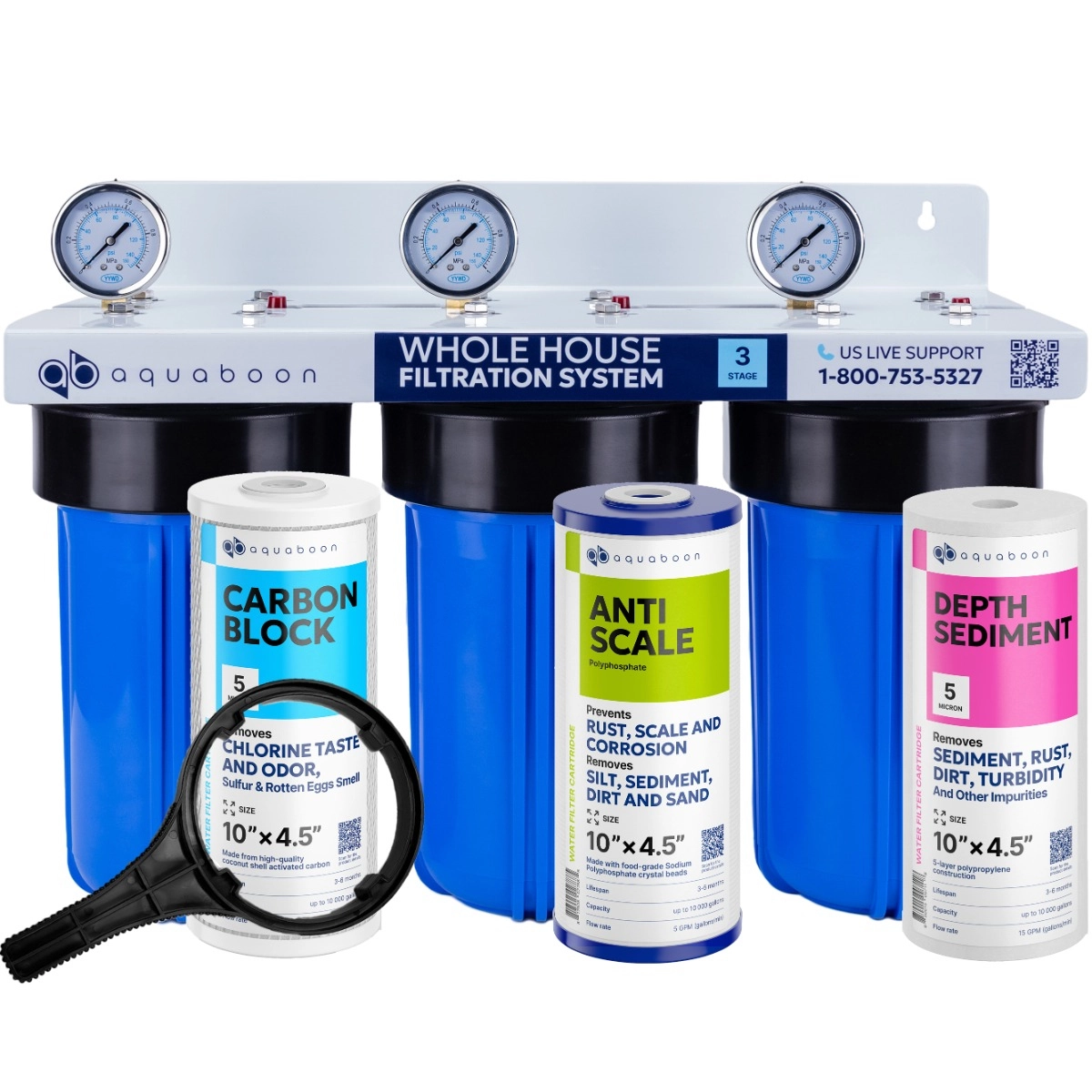
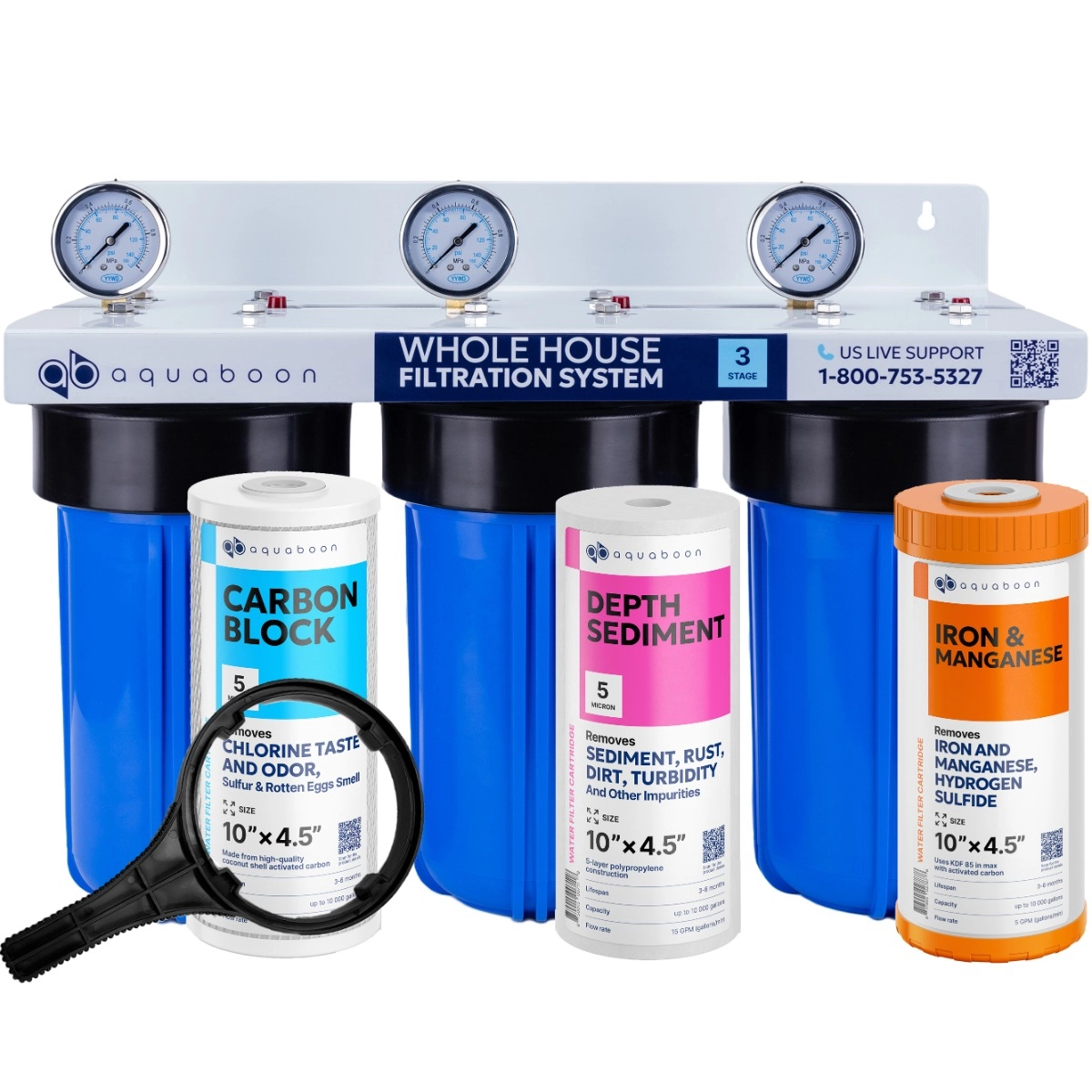
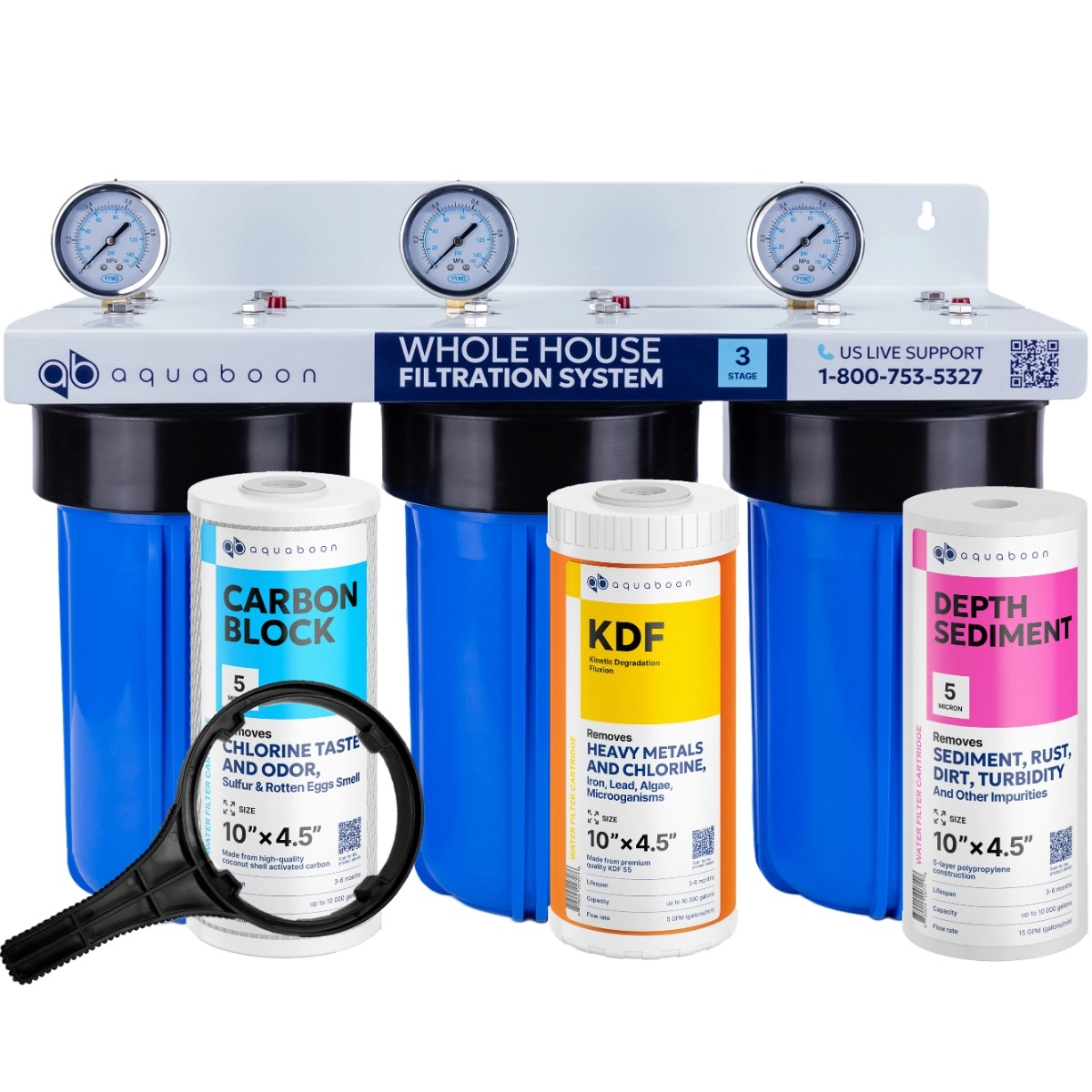
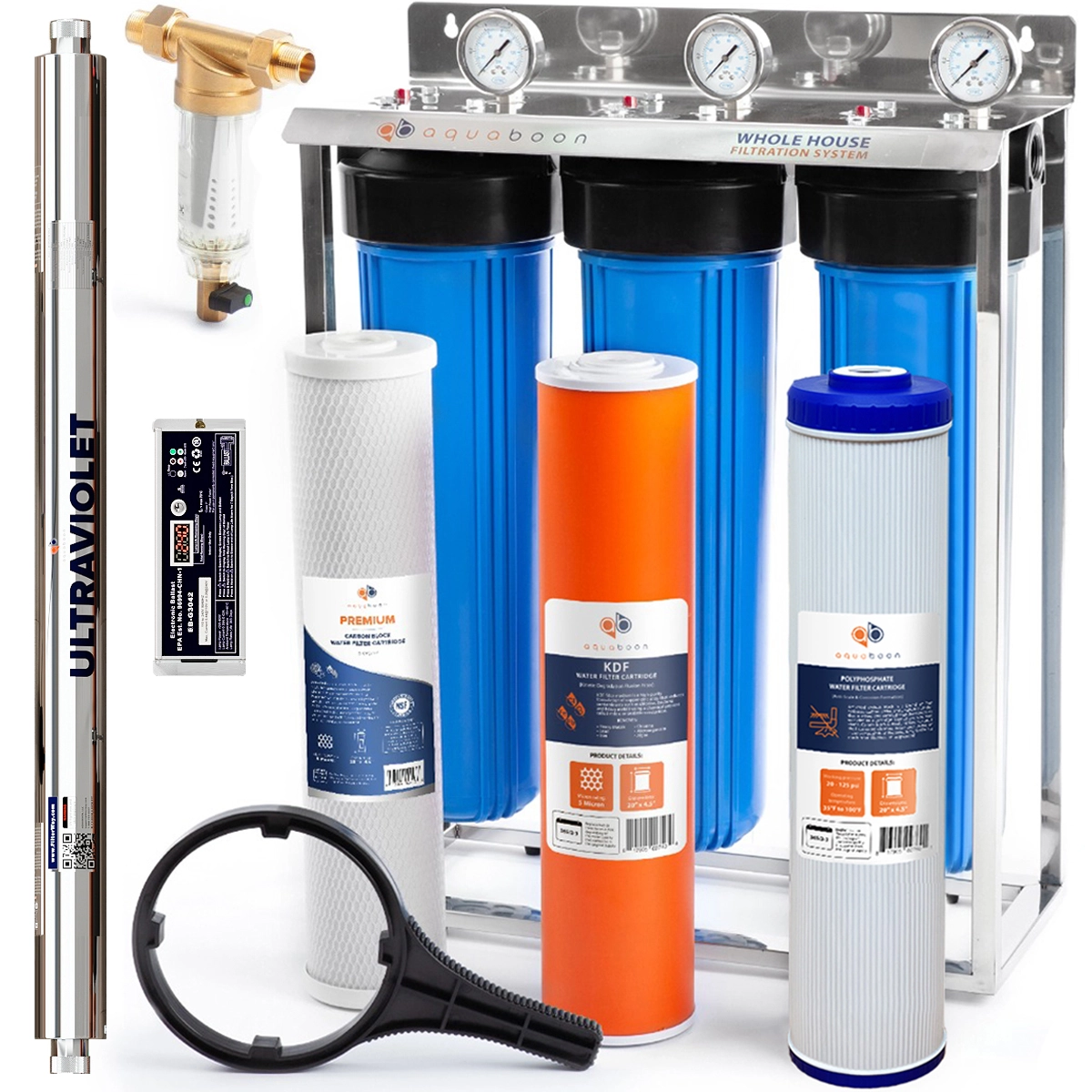
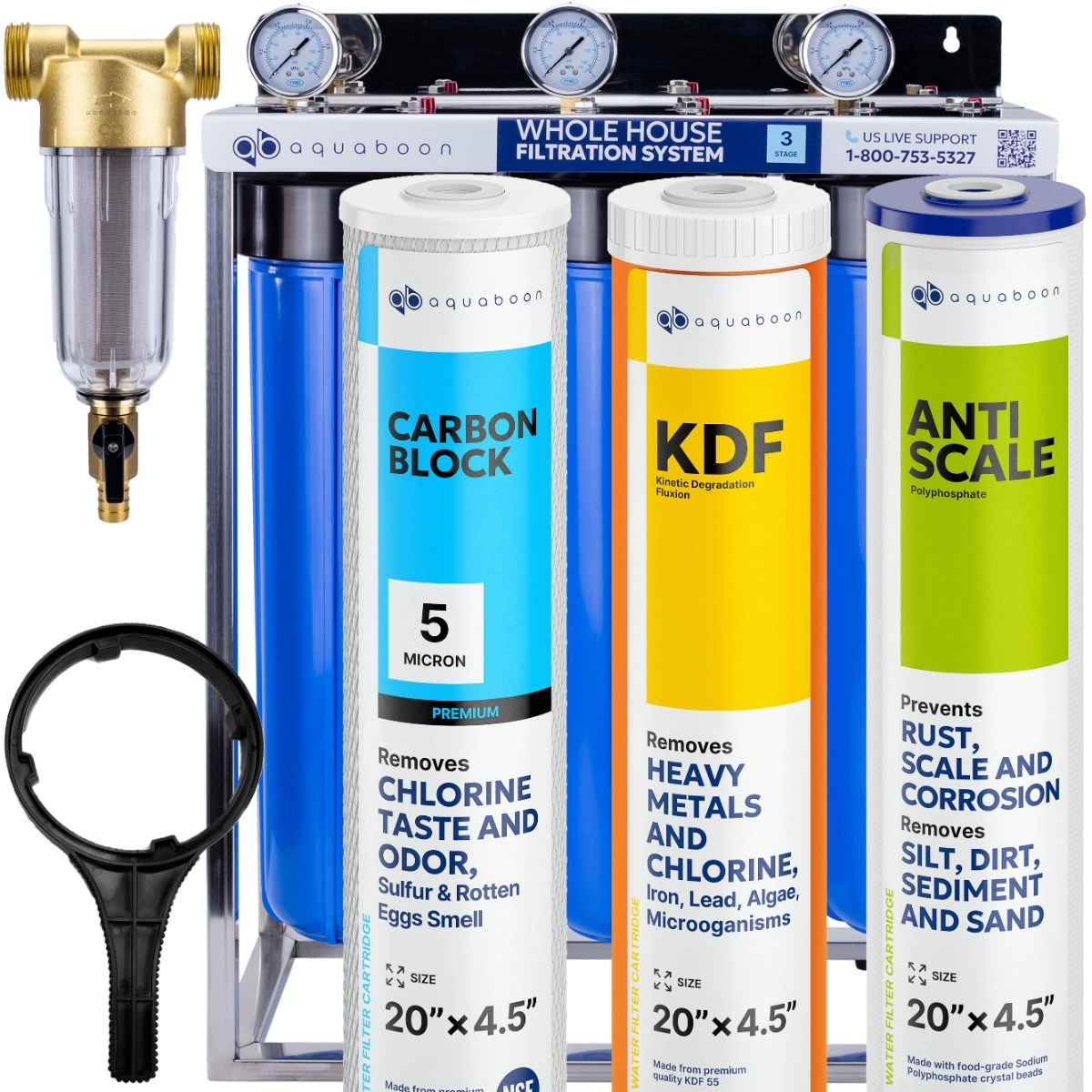
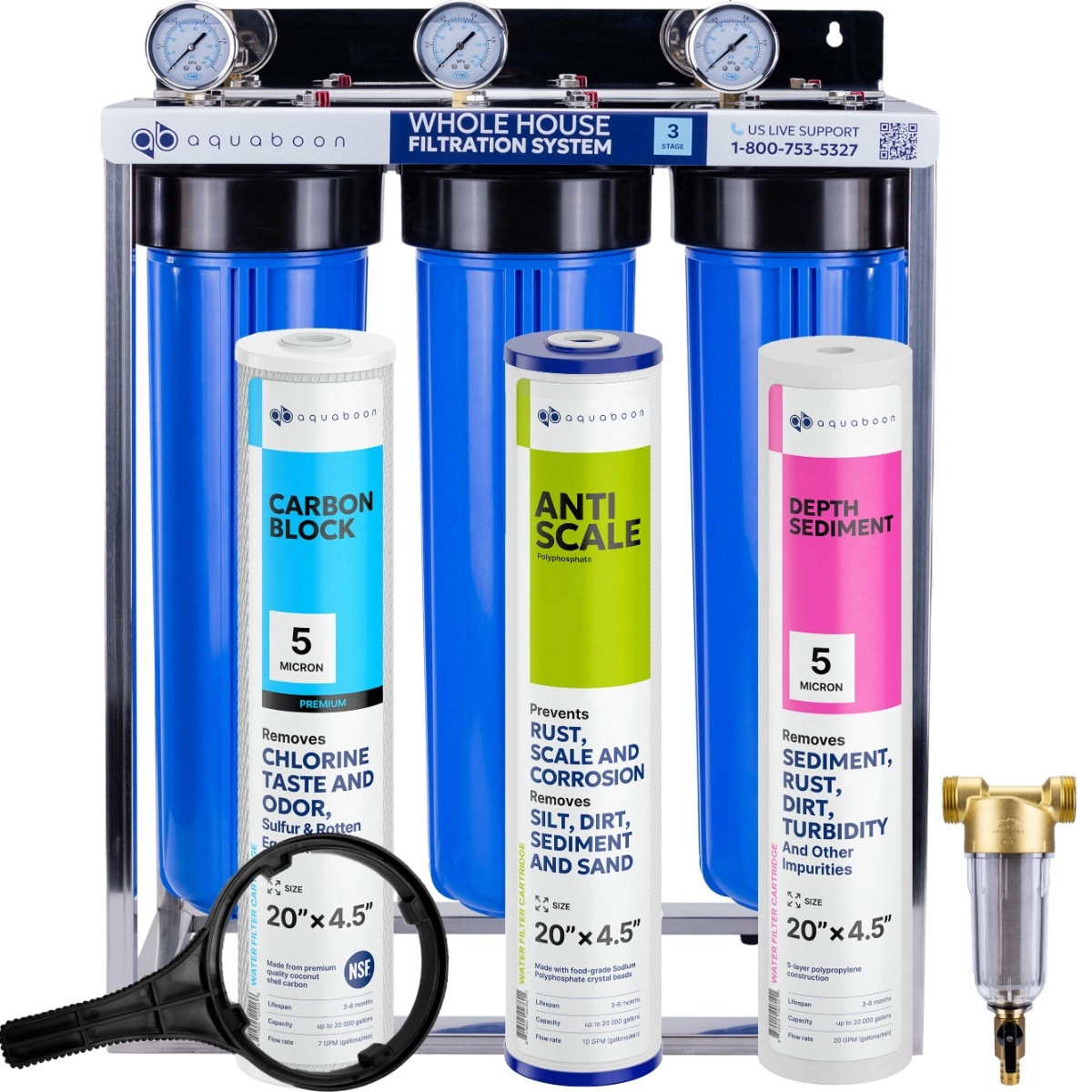
Some homeowners also compare distilled water with reverse osmosis systems that use a ro water filter membrane to reduce dissolved contaminants while still supporting daily household drinking water needs.
When comparing distilled and filtered water, homeowners typically consider:
- Taste
- Maintenance
- Appliance protection
- Local water conditions
- Cost
- Convenience
Why Distilled Water Is Commonly Used in Appliances
Minerals found in hard water can leave deposits inside appliances over time. This buildup may reduce efficiency, affect performance, and shorten equipment lifespan.
That is one reason distilled water is commonly recommended for:
- Humidifiers
- CPAP machines
- Espresso machines
- Steam irons
- Vaporizers
Using low-mineral water helps reduce scale accumulation inside internal components, especially in areas where hard water is common. Even homeowners who primarily drink filtered water often keep distilled water specifically for appliance use.
Common Myths About Distilled Water
«Distilled Water Is Toxic»
Distilled water is not toxic. It is simply water that has had most dissolved substances and minerals removed during processing.
«Distilled Water Removes Minerals From Your Body»
This claim is often overstated. Most dietary minerals come from food rather than drinking water alone.
«You Cannot Hydrate With Distilled Water»
The body still hydrates effectively because hydration depends on overall fluid intake.
«Distilled Water Is Always Better Than Filtered Water»
Not necessarily. The better choice depends on water quality, intended use, taste preference, and filtration goals.
Final Verdict — Is Distilled Water Good to Drink?
For most people, distilled water is safe to drink and may help reduce exposure to certain contaminants and dissolved solids. At the same time, it is not automatically the best option for every household. Some consumers dislike the flatter taste, while others prefer filtration systems that balance contaminant reduction with more natural mineral content.
In practice, most homeowners choose between distilled and filtered water based on:
- Local water quality
- Appliance needs
- Taste preference
- Household size
- Daily convenience
For households dealing with sediment, hardness, or inconsistent municipal water quality, improving filtration at the source is often a more practical long-term solution.
Frequently Asked Questions About Drinking Distilled Water
Is distilled water better than tap water?
That depends on the quality of local tap water. Distilled water removes most dissolved solids and impurities, while municipal water quality can vary significantly between regions.
Can children drink distilled water safely?
Children can generally drink distilled water in moderation. However, many families prefer balanced drinking water sources that still contain naturally occurring minerals.
Is distilled water recommended for coffee machines and appliances?
Yes. Low-mineral water helps reduce scale buildup inside appliances, which may improve performance and reduce long-term maintenance.
Why do some people choose distilled water over filtered water?
Some consumers prefer the consistency and purity of distilled water, especially in areas where tap water has strong odor, sediment, or excessive hardness.
Does distilled water remove chemicals and bacteria?
Distillation removes many dissolved substances, including certain contaminants and bacteria. Effectiveness depends on the specific compound and treatment conditions.
Why does distilled water taste different from regular water?
Most people notice the difference because distilled water contains very few dissolved minerals, which changes the flavor and overall mouthfeel.
Explore Better Water Quality Solutions
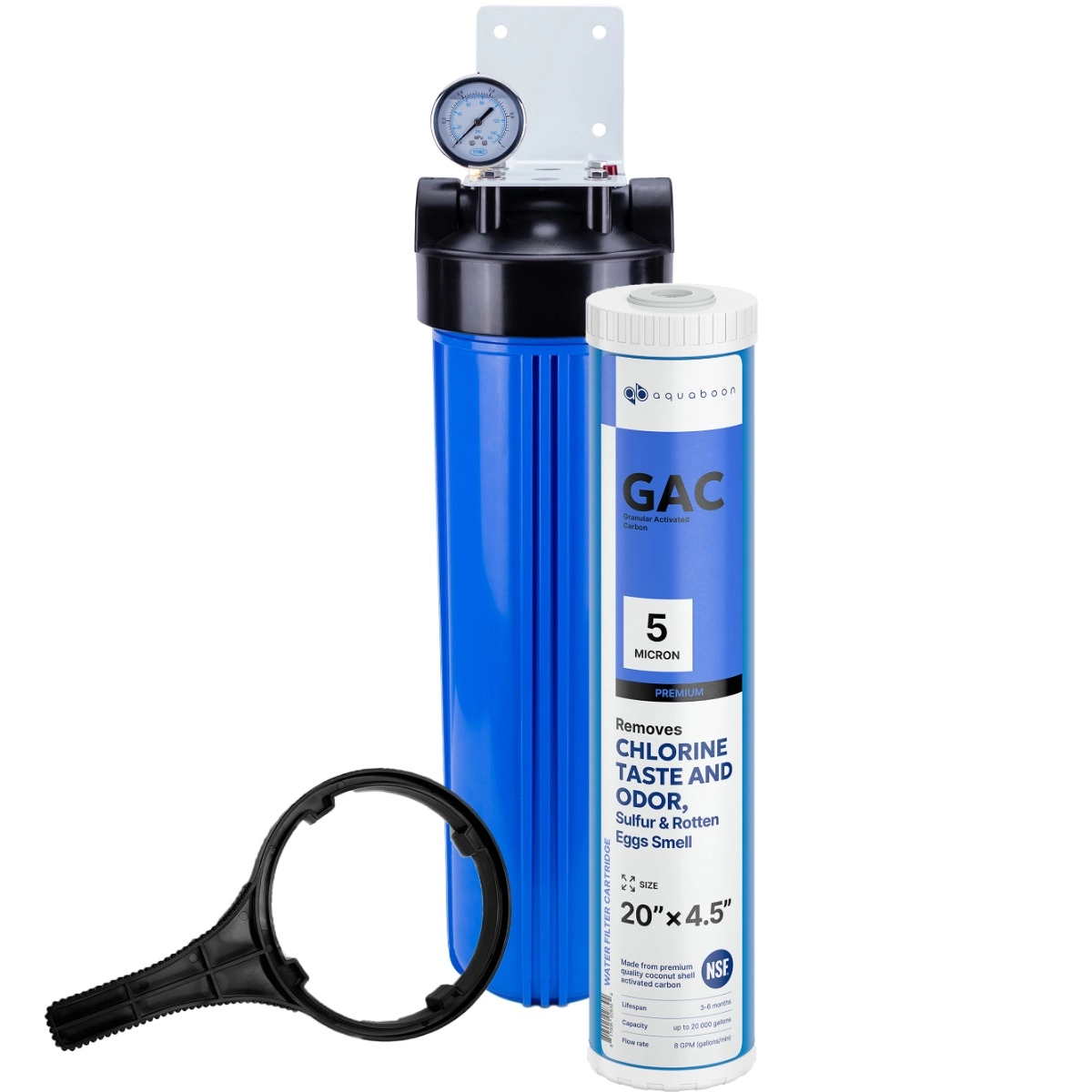
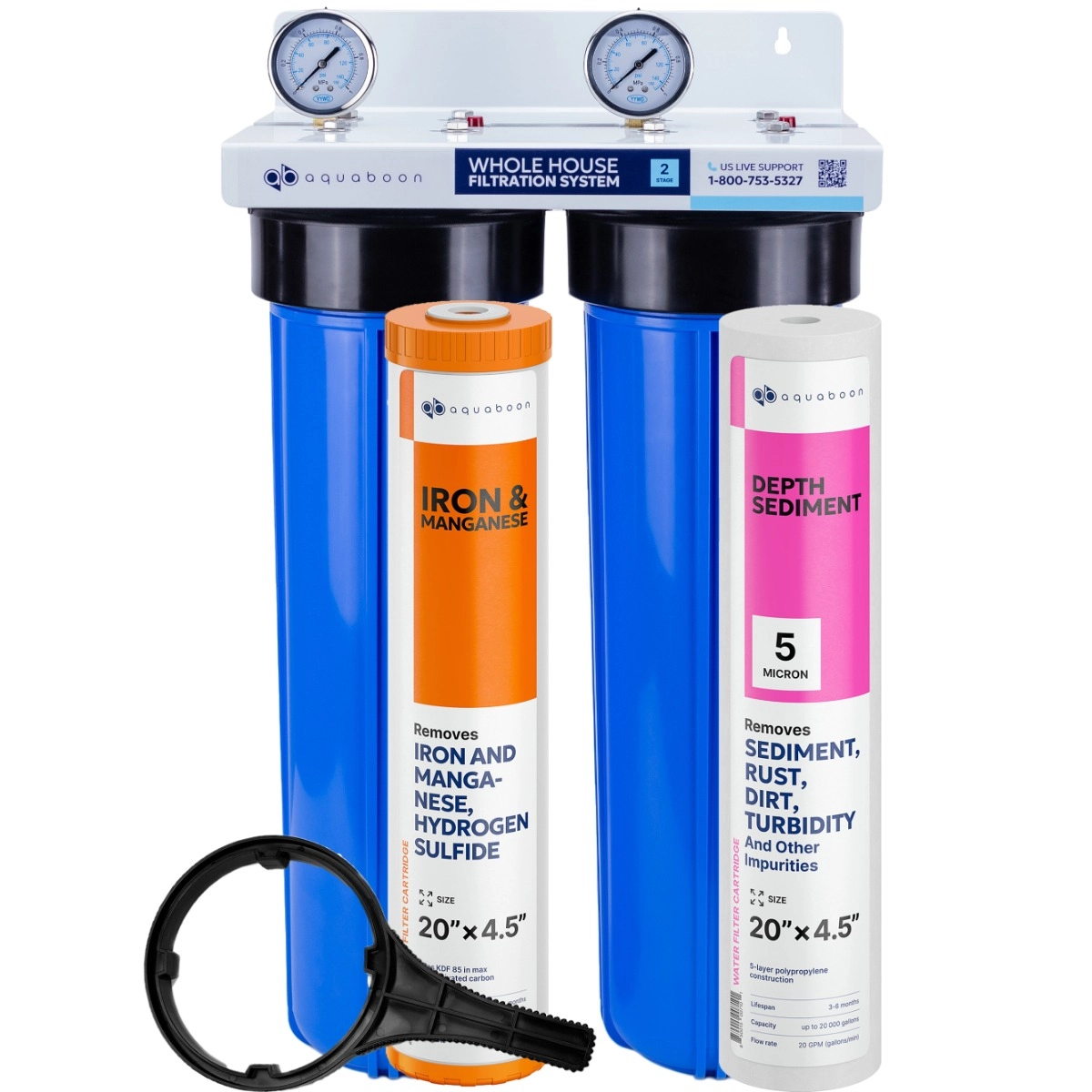
Whether you prefer distilled water, filtered water, or a complete home filtration setup, improving water quality at the source can help support cleaner water throughout your home. Explore Filterway whole house filtration systems and water filters designed for different household water conditions and daily needs.
Whole Home Filtration Setup-
 How to Calculate the Home Water Flow Rate February 7, 2023
 Typical Residential Water Flow Rate November 10, 2022
 Best filters to remove chlorine December 9, 2022
 Why Is My Well Water Brown October 21, 2026
 Does Reverse Osmosis Remove Fluoride October 15, 2026
 Signs Your Well Water Could Be Contaminated October 11, 2026
 Rust Stains From Washing Machine October 5, 2026
 Is School Water Safe to Drink September 28, 2026