


Water retention, also called edema, occurs when excess fluid collects in body tissues. It is often most noticeable as puffiness in the feet, ankles, hands, or face, along with tight shoes, sock marks, or a temporary increase on the scale. Mild retention can follow a salty meal, hot weather, long periods of sitting, travel, or hormonal changes. Regular hydration also supports the body’s normal fluid regulation, which is why having clear, good-tasting water readily available matters. However, persistent or sudden swelling should not be treated as a simple hydration problem.
What Is Water Retention?
The body constantly moves water between the bloodstream, cells, and surrounding tissues. The kidneys, blood vessels, hormones, and electrolytes help keep this movement balanced. Retention develops when more fluid enters the tissues than the body can return to circulation or remove.
People searching for what causes water weight retention often notice that weight changes quickly over one or two days. That pattern differs from body-fat gain, which requires a sustained calorie surplus. Fluid-related weight may also appear alongside swelling or tighter clothing and can decrease when the temporary trigger passes.
Common Symptoms of Fluid Retention
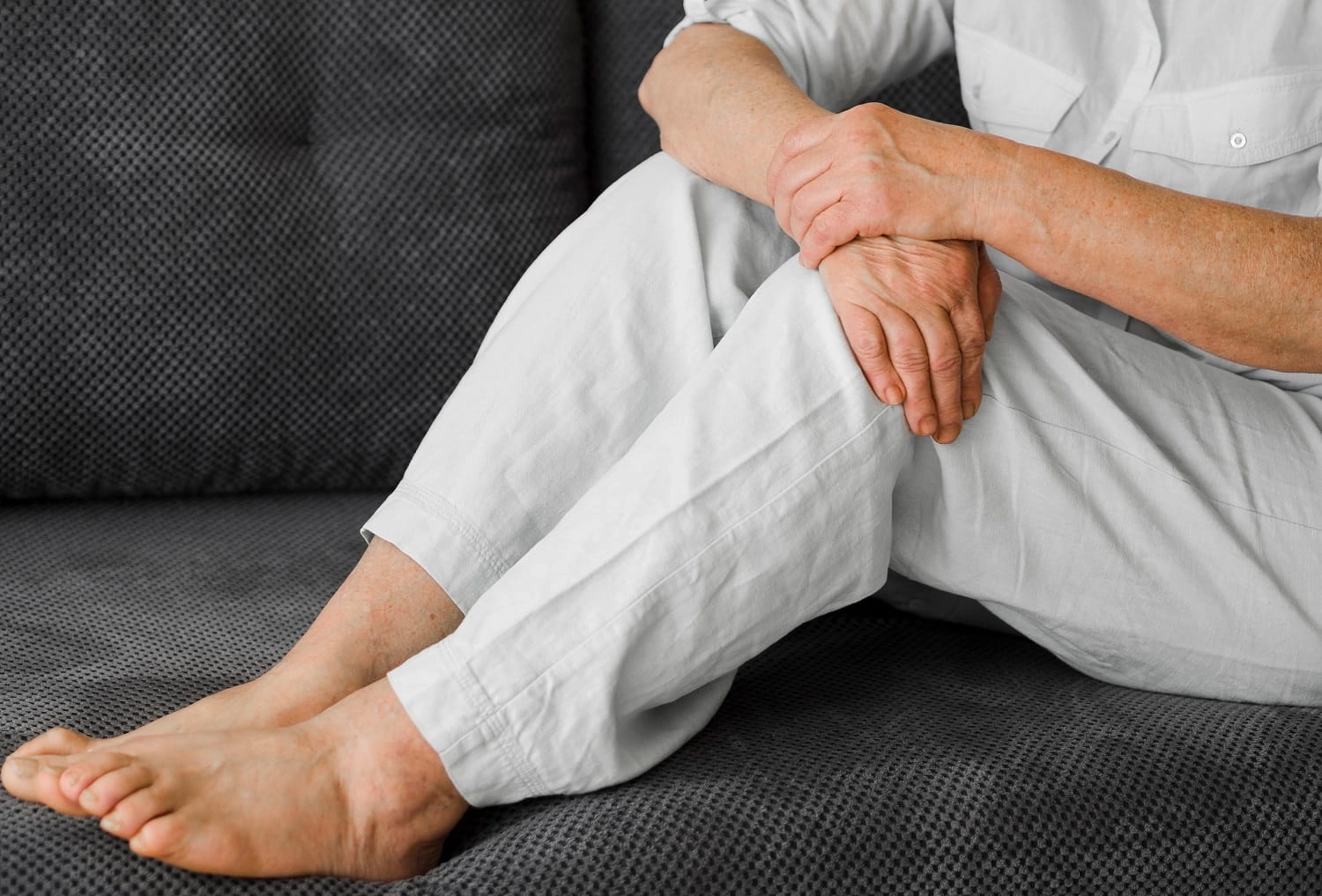
The symptoms of fluid retention in body tissues vary according to the cause and location. Common signs include:
- Puffiness around the ankles, feet, lower legs, hands, or fingers
- Marks from socks, shoes, watches, or rings
- Skin that feels tight or looks stretched
- A heavy or stiff feeling in a swollen area
- A temporary increase in body weight
- A shallow dimple that remains briefly after pressing the skin
These signs can indicate fluid buildup, but they do not explain why it is happening. Context—including recent meals, heat, travel, activity, medications, pregnancy, and how long the swelling lasts—matters.
What Causes Water Retention?
There is no single answer to what causes water retention. Everyday habits can produce short-term changes, while persistent edema may have a medical cause. The table below connects each common trigger with the reason it affects fluid balance and the pattern a person may notice.
|
Common cause |
Why it may lead to retention |
What you may notice |
|
High sodium intake |
Sodium affects fluid balance. A salty meal can temporarily make the body hold more water. |
Puffiness or a quick scale increase after restaurant meals, packaged foods, sauces, cured meats, or salty snacks. |
|
Long periods of sitting or standing |
Gravity allows fluid to collect in the lower legs when the body remains in one position for hours. |
Ankle or foot swelling after desk work, a standing shift, a flight, or a long car trip. |
|
Hot weather |
Heat widens blood vessels near the skin, allowing fluid to move more easily into surrounding tissues. |
Mild swelling in the feet and ankles, especially after standing outdoors. |
|
Hormonal changes |
Hormonal shifts can alter fluid balance during parts of the menstrual cycle and pregnancy. |
Temporary puffiness that appears at predictable times. |
|
Medications or health conditions |
Some medicines and conditions affecting circulation, the kidneys, heart, liver, or lymphatic system can cause edema. |
New, persistent, worsening, painful, severe, or unexplained swelling. |
These patterns help explain why do people retain water, but they are not diagnostic. Do not stop a prescription medication or begin a diuretic without professional advice. Sudden or rapidly worsening swelling requires prompt medical guidance.
Water Retention and Dehydration
Water retention and dehydration are different conditions. Dehydration means the body is losing more fluid than it takes in; edema means excess fluid is collecting in tissues. During inadequate intake, hormonal signals can temporarily reduce urine output to conserve water, but visible, persistent swelling should not automatically be blamed on dehydration.
A practical approach is to drink at regular intervals rather than consuming very little for hours and then trying to catch up with several large glasses. Individual needs vary with body size, climate, pregnancy, diet, activity, and health status.
For a practical overview, see how much water you should drink a day.
Why Clear, Good-Tasting Water Matters
The importance of drinking clear water is partly practical: water without visible sediment, rust particles, or an unpleasant taste is more appealing to use throughout the day. When water tastes and smells better, households may find it easier to choose it instead of sugary beverages or heavily flavored drinks. Consistency—not drinking an extreme amount at once—is the more useful hydration habit.
Clarity alone does not prove that water is free of dissolved substances or microorganisms. Likewise, an unusual taste or odor does not always mean the water is unsafe. If water changes color, develops sediment, or has a persistent smell or taste, check the local water-quality report or test a private well before selecting treatment.
How Water Filtration Supports Better Hydration Habits
Home filtration does not treat edema, but it can address water-quality issues that make everyday drinking water less appealing. The right setup depends on the source water and the specific concern.
Whole-House Water Filtration
Whole house water filtration can help manage selected water-quality concerns at the point where water enters the home. Depending on the installed stages and media, a system may target sediment, chlorine taste and odor, iron, or other identified issues.
Drinking-Water and Mineral Filtration
Point-of-use filtration focuses on water used for drinking and cooking. Compatible mineral water filter cartridges may be used as part of a specific filtration setup, but cartridges should be selected for the system and treatment goal—not as a way to self-treat an electrolyte imbalance.
Filterway offers whole-house systems and replacement cartridges for different water conditions, helping households build a reliable source of clearer, better-tasting water for cooking and everyday hydration.

How Water and Electrolyte Balance Affects Fluid Retention
Water and electrolytes balance one another across cells and body fluids. Sodium helps regulate fluid volume, while potassium supports normal nerve and muscle function. The kidneys continuously adjust water and electrolyte excretion to maintain a stable internal environment.
Both excesses and deficiencies can be harmful, so edema is not a reason to begin electrolyte drinks or supplements automatically. Many commercial drinks also contain sodium or sugar. The appropriate choice depends on activity, losses through sweat or illness, diet, and medical needs.
Learn more about hydration and electrolyte levels before deciding whether a specialized drink is necessary.
Practical Ways to Reduce Mild Water Retention
These measures are intended for mild, short-term swelling without warning signs:
- Reduce very salty and heavily processed foods for several days.
- Drink water steadily during the day instead of forcing large amounts at once.
- Stand up, walk, and change position during long periods of sitting.
- Elevate the legs while resting when swelling follows standing or travel.
- Track possible links with meals, heat, travel, activity, or hormonal changes.
- Discuss medication-related swelling with a healthcare professional.
- Do not use over-the-counter diuretics or «detox» products without medical guidance.
What Causes Water Retention in the Body?
The answer to what causes water retention in body tissues depends on the pattern. Mild short-term retention commonly follows high sodium intake, heat, hormonal changes, travel, or inactivity. Regular fluid intake supports normal body function, and clearer, better-tasting water can make that habit easier. Filtration can improve water quality when matched to an identified concern, but it is not a treatment for persistent or unexplained swelling.
Frequently Asked Questions About Water Retention
Why do people retain water after eating salty food?
Sodium affects fluid balance. After a salty meal, the body may temporarily retain more water to manage the increased sodium load, causing puffiness or a short-term rise in body weight.
Can dehydration cause water retention?
Dehydration can trigger the body to conserve water and reduce urine output, but it is not a reliable explanation for persistent swelling. Recurring edema should be evaluated according to its actual cause.
How can I tell water weight from fat gain?
Water weight often changes quickly and may occur with swelling, tight rings, or sock marks. Body-fat gain develops more gradually when energy intake repeatedly exceeds energy use.
Can drinking filtered water reduce water retention?
Filtered water does not directly reduce edema. However, improving water’s taste, odor, or clarity may support more consistent hydration and make water easier to choose over sugary or sodium-containing beverages.