



Clear water is not necessarily safe water. Bacteria, viruses, and parasites can be present without changing its appearance, taste, or smell. Waterborne diseases can affect households relying on private wells or municipal water supplies if their water becomes contaminated.
Knowing the risks helps you recognize warning signs, arrange testing, and choose suitable treatment. This guide explains how infections spread, which symptoms deserve attention, and what homeowners can do to reduce exposure.
What Are Waterborne Diseases?
A waterborne disease is an illness caused by exposure to contaminated water. Water borne diseases can develop when harmful bacteria, viruses, or parasites enter the body through drinking water or other forms of exposure. These water-borne diseases may cause gastrointestinal infections, respiratory problems, or other health complications, depending on the pathogen involved.
Exposure can happen through drinking, ice, or food prepared with unsafe water. Some infections also spread through inhaled mist or contact with wounds, skin, eyes, or ears. Chemical contamination can cause illness too, but chemical poisoning differs from infection and requires different treatment.
How Does Water Become Contaminated?
Sewage leaks, failing septic systems, and animal waste can introduce pathogens into groundwater and surface water. Rainfall and agricultural runoff can carry contamination toward wells, rivers, and reservoirs.
Flooding can overwhelm sanitation systems and enter poorly protected wells. Broken distribution pipes, pressure losses, and improper plumbing connections can also create pathways. Pools and natural swimming areas present another exposure route when contaminated water is swallowed.
Diseases caused by dirty water can occur even when the water looks completely clear. Harmful microorganisms are not always visible, making regular water testing especially important for households that rely on private wells.

Common Waterborne Diseases and Their Symptoms
These examples of diseases caused by contaminated water involve different pathogens. Symptoms overlap, so this table cannot diagnose an infection.
|
Disease |
Pathogen |
Common symptoms |
|---|---|---|
|
Giardiasis |
Giardia parasite |
Diarrhea, bloating, abdominal cramps |
|
Cryptosporidiosis |
Cryptosporidium parasite |
Watery diarrhea, stomach cramps |
|
Norovirus infection |
Norovirus |
Vomiting, diarrhea, nausea |
|
E. coli infection |
Certain pathogenic E. coli strains |
Diarrhea, sometimes bloody; abdominal cramps |
|
Salmonellosis |
Salmonella bacteria |
Diarrhea, fever, stomach cramps |
|
Dysentery |
Bacteria or parasites |
Bloody diarrhea, abdominal pain |
|
Cholera |
Vibrio cholerae bacteria |
Severe watery diarrhea, dehydration |
|
Typhoid fever |
Salmonella Typhi bacteria |
Prolonged fever, headache, abdominal symptoms |
Cholera and typhoid fever are especially relevant where safe water and sanitation are limited. Other infections can occur in domestic or recreational settings. The same organisms may also spread through food or contact with infected people.
Signs of Waterborne Illness and When to Seek Medical Care
A waterborne illness may cause diarrhea, vomiting, nausea, fever, or abdominal cramps. Fluid loss can produce dehydration, including reduced urination, dark urine, dry mouth, or dizziness.
Seek medical care promptly for bloody diarrhea, persistent vomiting, inability to keep fluids down, or dehydration. Reduced alertness or severe symptoms require urgent assessment. Tell your provider about swimming, travel, well water, or local advisories. Symptoms alone cannot establish a contaminated water disease diagnosis.
Not all waterborne illnesses affect digestion. Some involve respiratory, skin, ear, or eye symptoms, depending on the germ and exposure route.
Who Is Most at Risk?
Young children, older adults, and people with weakened immune systems may experience more serious infections. Travelers visiting areas with unsafe water and households using untested wells can face increased exposure.
Although drinking water diseases commonly cause gastrointestinal symptoms, some infections can lead to more serious complications, particularly in vulnerable individuals. People with weakened immune systems should consult their healthcare provider about additional precautions to ensure their drinking water is safe.
How to Prevent Waterborne Diseases at Home
Preventing diseases from contaminated water starts with understanding potential risks and taking appropriate precautions. Follow these essential steps to protect your household:
- Use a safe drinking water source: Follow local water supplier alerts and health department advisories to stay informed about potential contamination.
- Follow boil-water advisories: Use bottled water or boil tap water according to official instructions, even if it has passed through a standard household filter.
- Practice proper hygiene: Wash hands regularly, especially before preparing food, and maintain clean food preparation surfaces.
- Maintain household plumbing: Repair leaks and maintain pipes, faucets, and water-using appliances to reduce potential contamination risks.
- Test private well water: Arrange annual testing and additional testing after flooding, repairs, or suspected contamination.
- Maintain filtration equipment: Replace cartridges and clean or sanitize treatment components according to manufacturer instructions to maintain their intended performance.
Boiling water can kill harmful microorganisms, but it does not remove hazardous chemical contaminants. Always follow the specific public health advisory, since boiling alone cannot prevent every disease from contaminated water when chemical hazards are involved.
When Should You Test Your Drinking Water?
Private-well owners are responsible for checking their water. CDC recommends annual tests for total coliform bacteria, nitrates, total dissolved solids, and pH. Arrange additional testing after flooding, well repairs, nearby disturbances, or suspected contamination.
Use a state-certified laboratory and ask your health department about local hazards. Routine indicators do not identify every pathogen. If results reveal contamination, use an alternative safe source and obtain advice on correcting the cause. Testing helps investigate possible diseases caused by unclean water, but diagnosing a person requires medical assessment.
Municipal customers should review their annual Consumer Confidence Report and follow supplier alerts. Report unexpected discoloration or pressure loss. Concerns about illnesses from contaminated water should also be discussed with local health authorities.
Can Home Water Filtration Help Reduce the Risks?
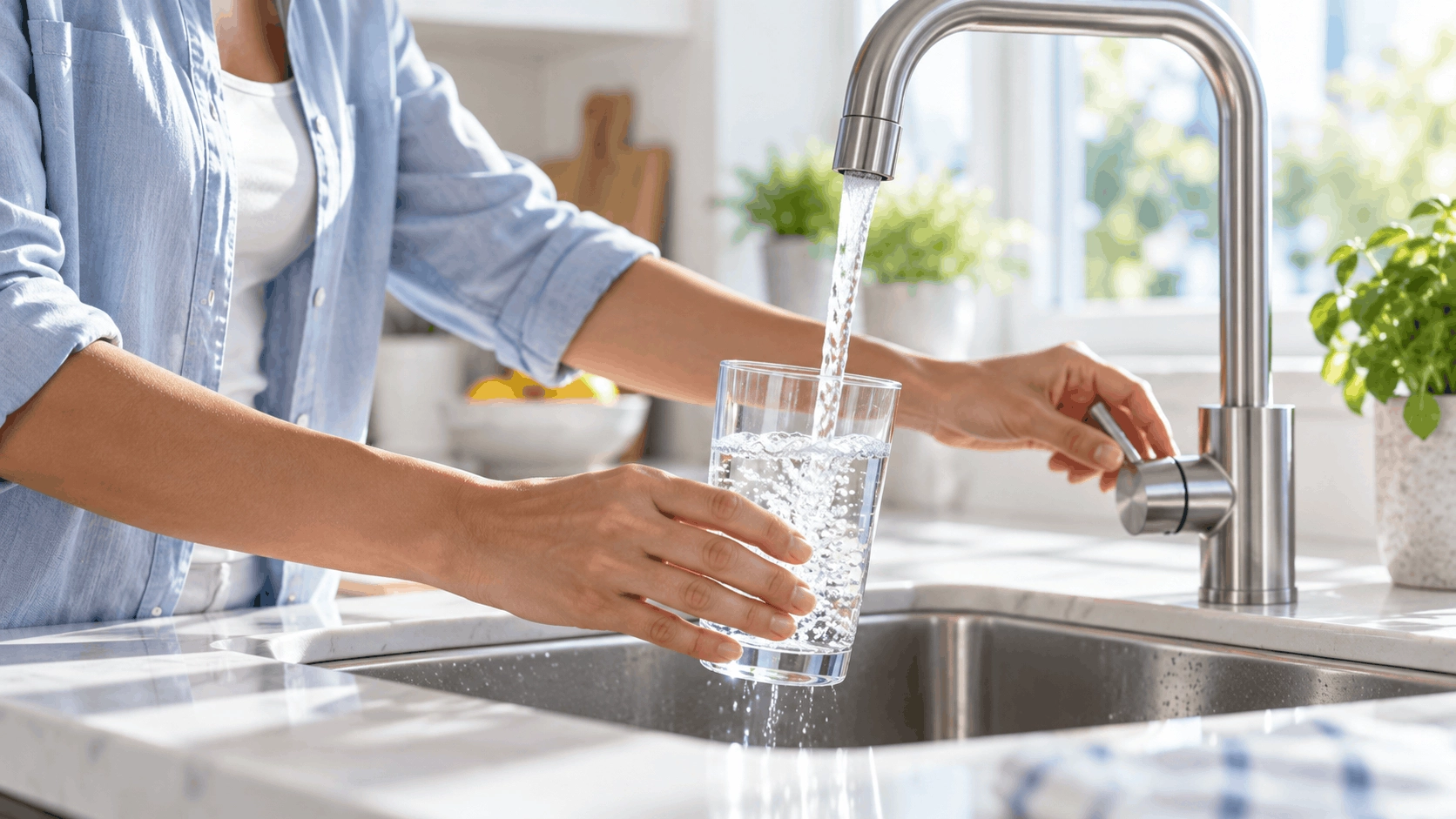
Home water filtration can help reduce certain contaminants, but not every filtration system protects against harmful microorganisms. The right treatment depends on your water source, the contaminants present, and the system's verified performance.
Sediment and Carbon Filters
Sediment filters help remove particles such as sand, dirt, and rust, while activated carbon filters can reduce chlorine taste, odor, and certain chemical contaminants. However, standard sediment and carbon filtration should not be relied upon to remove bacteria, viruses, or parasites unless the specific system has verified microbial reduction capabilities.
Reverse Osmosis Systems
Reverse osmosis uses a semipermeable membrane to reduce dissolved contaminants and certain microorganisms. Its effectiveness depends on membrane integrity, system design, and proper maintenance.
Filterway offers several RO systems, including the Standard Reverse Osmosis System (AB-RO50G) and the Reverse Osmosis System with Alkaline (AB-RO600GA).
The AB-RO50G uses a traditional storage tank, while the AB-RO600GA features a tankless design and an additional remineralization stage. Neither system should be assumed to make microbiologically unsafe water safe without verified performance for the specific pathogens of concern.
Whole-House and Well Water Treatment
A whole home water filtration system treats water as it enters the home, while point-of-use filters treat water at individual outlets.
For households relying on private wells, choosing suitable whole house filter systems for well water should begin with laboratory water testing. Depending on the results, sediment and carbon filtration may need to be combined with an appropriately specified disinfection technology.
Reducing the risk of disease from unclean water requires identifying the source of contamination and selecting treatment designed to address the specific hazards.
Taking the Next Step Toward Safer Drinking Water
Preventing waterborne diseases starts with understanding your water source and recognizing potential contamination risks. Regular water testing, proper plumbing maintenance, and following public health advisories can help reduce exposure to harmful microorganisms.
When additional water treatment is needed, choosing the right filtration system depends on the contaminants present and your household's specific requirements. Explore available solutions at Filterway to find a water filtration system suited to your water quality needs.
Frequently Asked Questions About Waterborne Diseases
What are water borne diseases?
Water borne illnesses are infections caused by exposure to contaminated water containing harmful bacteria, viruses, or parasites. They can spread through drinking water, contaminated food, inhaled water droplets, or certain forms of water contact.
What diseases are caused by contaminated water?
Common examples include giardiasis, cryptosporidiosis, norovirus infection, certain E. coli infections, salmonellosis, cholera, and typhoid fever. The risk of each water borne disease depends on the pathogens present and local water conditions.
Is dysentery a waterborne disease?
Yes. Dysentery is an intestinal infection that can spread through water contaminated with certain bacteria or parasites. Symptoms often include bloody diarrhea and abdominal pain, although transmission can also occur through contaminated food.
Can a water filter remove all waterborne pathogens?
No single household water filter should be assumed to remove all waterborne pathogens. Effectiveness depends on the filtration technology, verified microbial reduction capabilities, proper installation, and maintenance. Always follow official drinking-water advisories.