


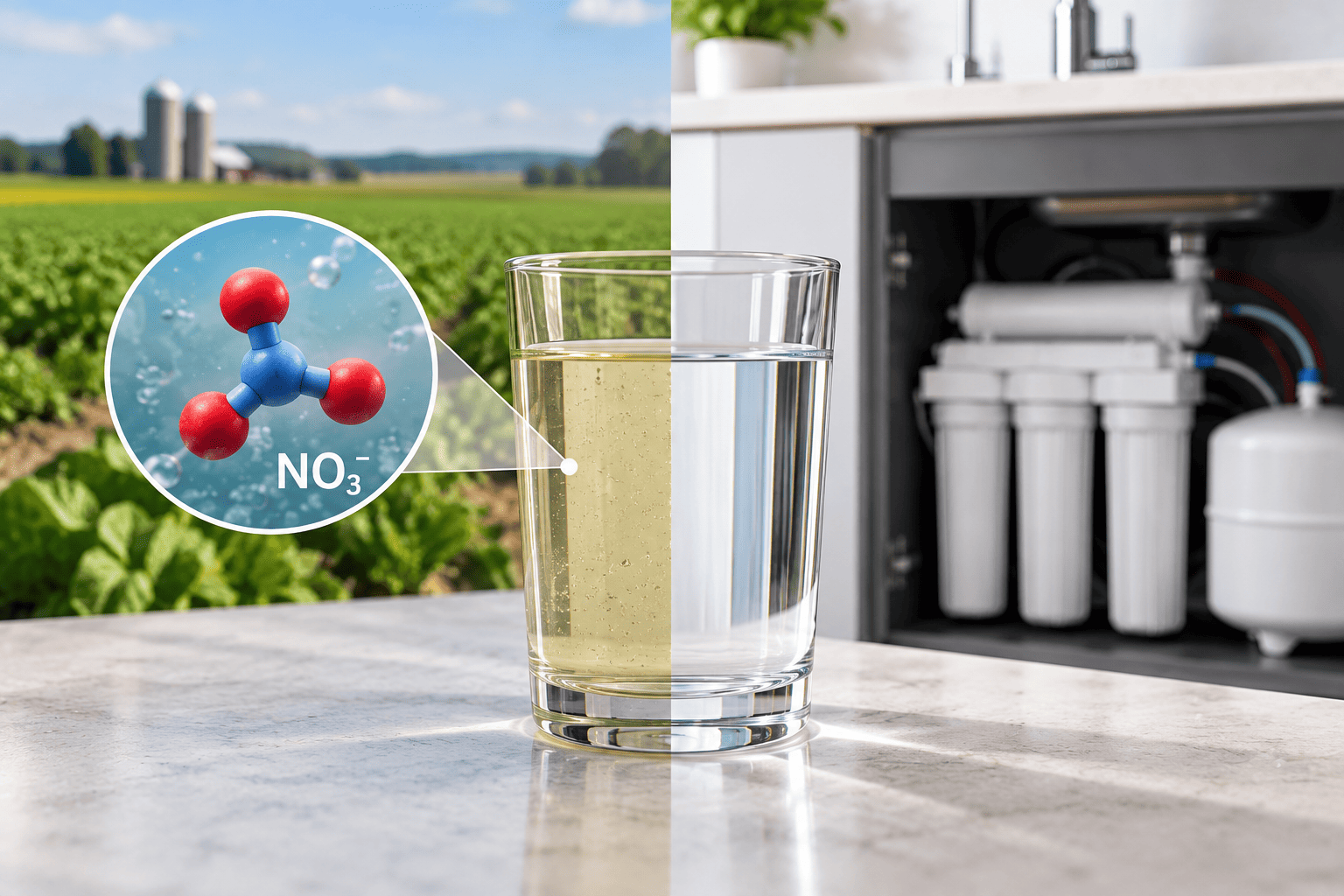
Clear, fresh-tasting water can still contain elevated nitrates. These dissolved substances can reach water supplies through fertilizers, animal waste, and septic systems, making testing especially important for households using private wells.
Understanding nitrates in drinking water starts with knowing your laboratory result, its units, and the treatment needed. This guide covers sources, health concerns, testing, and how to remove nitrates from water without assuming every household filter will work.
What Are Nitrates in Water?
Nitrates are water-soluble ions made of nitrogen and oxygen, written NO₃⁻. While naturally present in soil and water, their levels can rise as a result of human activity. Nitrites, NO₂⁻, are related compounds with different chemistry and health limits.
Well water contains nitrates in the same dissolved ionic form as other water sources. If you wonder what are nitrates in well water, the key questions are where they came from and how much is present. High nitrates in water cannot be reliably detected by sight, smell, or taste.
What Causes Nitrates in Water?
Agricultural Runoff and Fertilizers
Where do nitrates in water come from? Fertilizers, manure, and natural nitrogen cycling are common sources. Rainfall and irrigation can carry dissolved nitrogen into nearby streams or down through soil to groundwater.
Septic Systems and Wastewater
How do nitrates get into water near homes? Faulty septic systems, sewage, and wastewater can release nitrogen that is converted to nitrate in the environment. The level of risk depends on the area’s geological conditions, how the well is built, and how surrounding land is used.
Nitrates in Well Water and Tap Water
What causes high nitrates in well water? The answer varies by property. Potential sources include runoff from farmland and septic system leakage, while groundwater conditions affect how nitrates spread and accumulate. To understand how do nitrates enter the water on your property, review land use and well conditions with local water-quality professionals.
Nitrates in tap water can also occur in municipal supplies, although public systems must meet applicable federal standards. Private wells require owner-arranged testing rather than routine utility monitoring.
Health Effects of Nitrates in Drinking Water
Are nitrates in water bad for you? Excessive exposure can interfere with the blood’s ability to carry oxygen. Infants younger than six months are particularly vulnerable, including when contaminated water is used to prepare formula.
Nitrate can be converted to nitrite in the body. Nitrite can change hemoglobin into methemoglobin, reducing oxygen transport. The resulting condition, methemoglobinemia, is sometimes called blue baby syndrome.
Bluish lips or skin, breathing difficulties, or severe lethargy require immediate medical attention. Do not delay emergency care while waiting for test results. Searches for “nitrates in well water symptoms” or “nitrates in drinking water health effects” may reflect concerns about exposure, but symptoms cannot establish the cause. A medical assessment evaluates a person’s health, while water testing measures nitrate levels in the supply.
What Level of Nitrates in Water Is Safe?
The EPA’s federal Maximum Contaminant Level is 10 mg/L measured as nitrate-nitrogen, commonly written NO₃-N. That equals approximately 44.3 mg/L when expressed as the complete nitrate ion, NO₃⁻. Nitrite has a separate limit of 1 mg/L as nitrogen.
Always check the reporting units. Measurements given as nitrate (NO₃⁻) and nitrate-nitrogen (NO₃-N) require conversion before comparison. The safe level of nitrates in drinking water depends on which reporting basis the laboratory uses.
These enforceable standards apply to public systems. Private-well owners should use health guidance and qualified advice when interpreting results; meeting a nitrate benchmark does not establish safety from every contaminant.
How to Test for Nitrates in Well Water
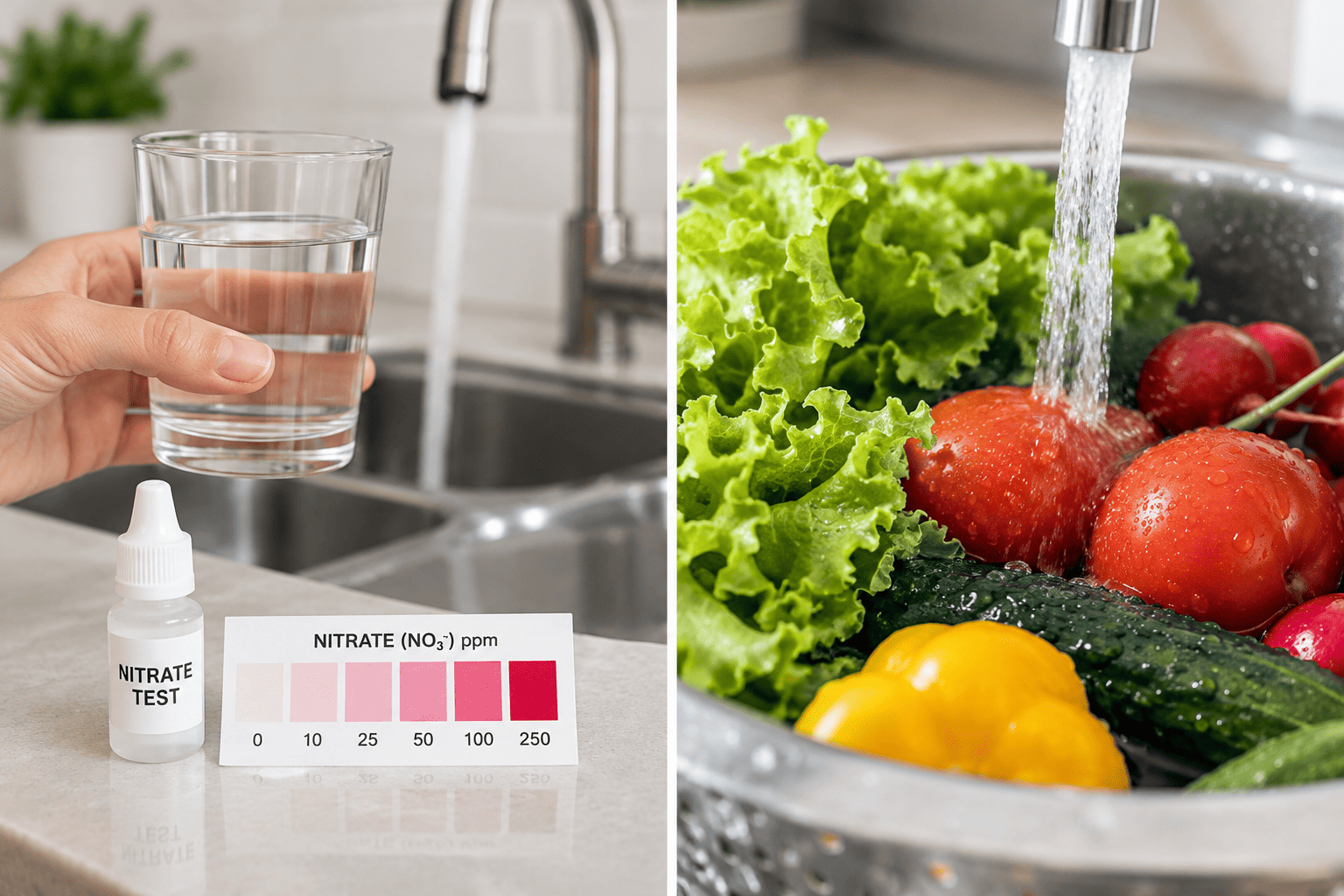
Have your water analyzed by a state-certified laboratory, following its directions for collecting the sample. The CDC advises private well owners to check nitrate levels, total coliform bacteria, total dissolved solids, and pH at least once a year.
Additional testing is warranted after floods, repairs to the well, disturbances nearby, or signs of possible contamination. Your local health department can advise which additional tests your water may need.
If testing finds too much nitrate in water, use a verified safe source for drinking, cooking, and infant formula until the issue is resolved. Consult local health or environmental authorities, identify the cause, and confirm the quality of treated water with follow-up testing.
How to Remove Nitrates from Water
What removes nitrates from water? Reverse osmosis designed for nitrate reduction, nitrate-selective anion exchange, and distillation are established approaches. Removing nitrates from drinking water requires matching the treatment to laboratory findings and verifying the resulting water quality.
Reverse Osmosis Filtration
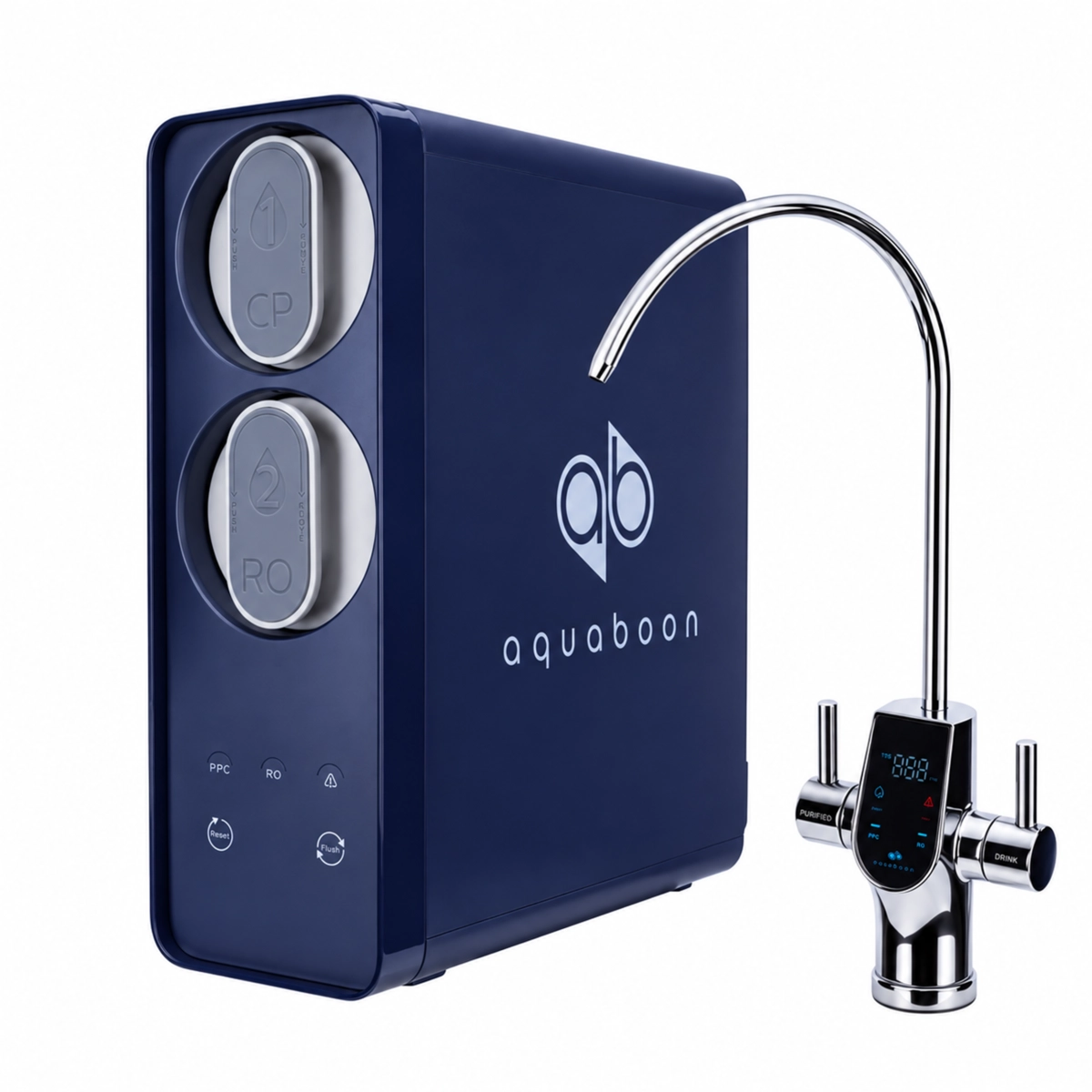
Will reverse osmosis remove nitrates? Appropriate RO membranes can reduce dissolved nitrate, but performance depends on system specifications, feed-water conditions, maintenance, and the starting concentration. Look for a verified nitrate-reduction claim.
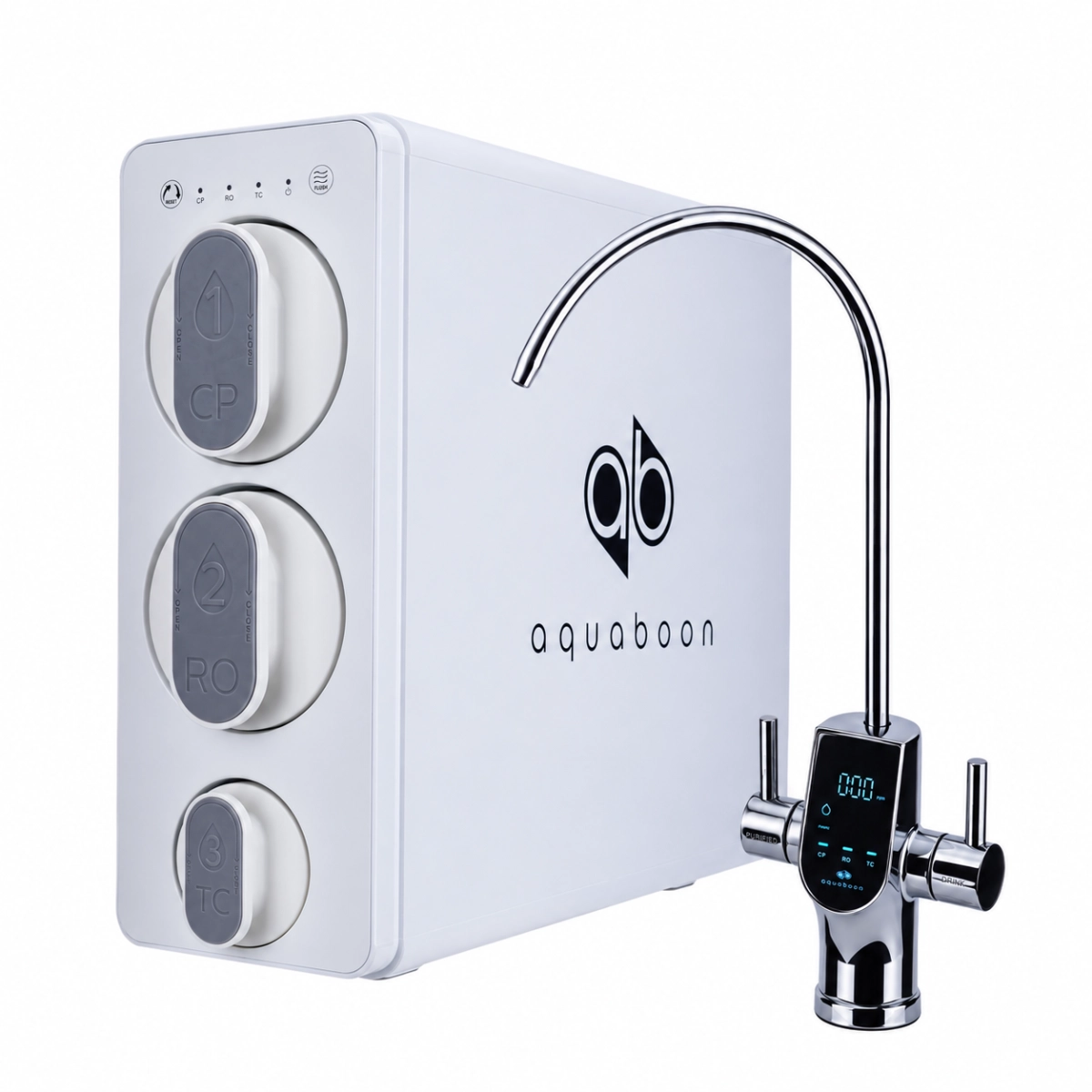
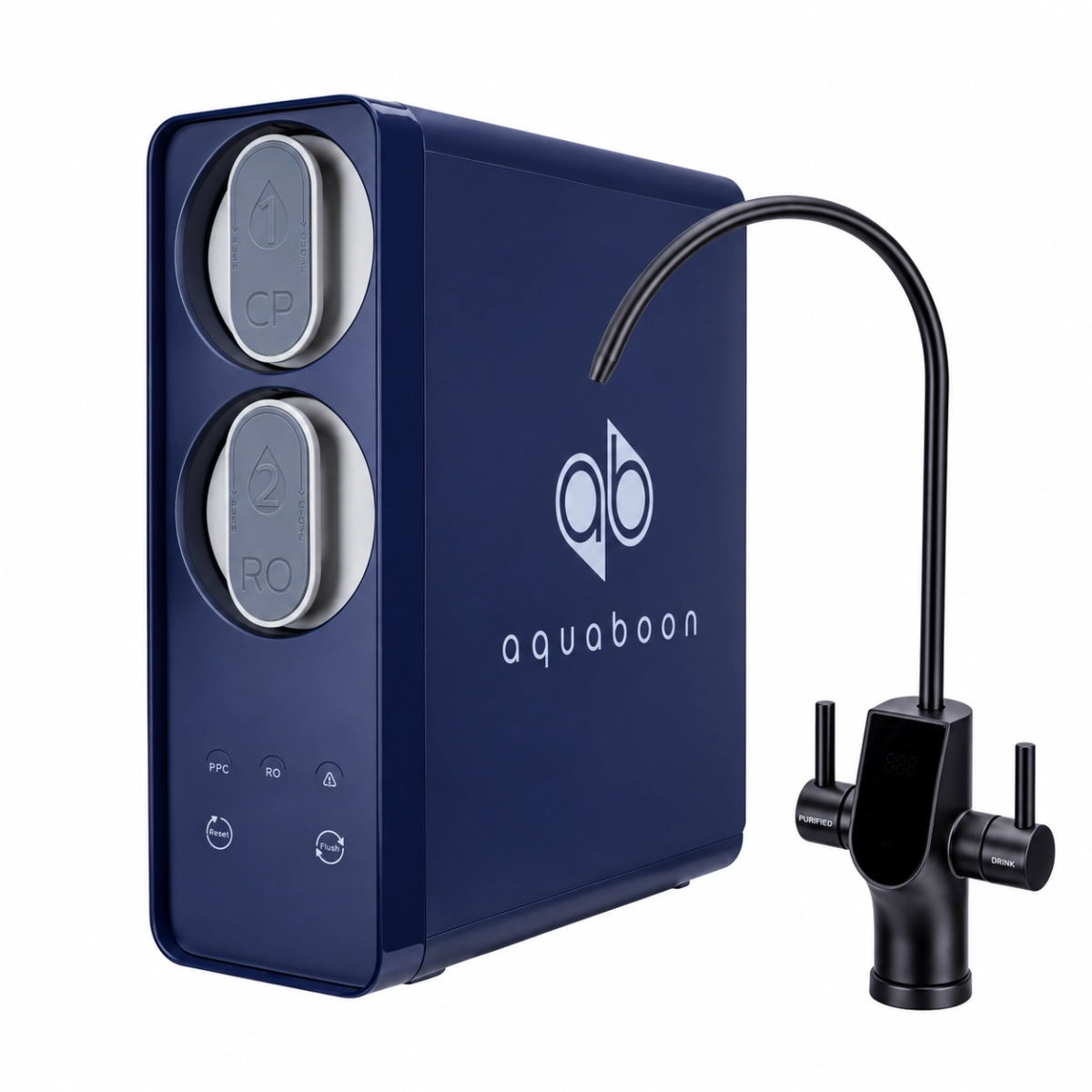
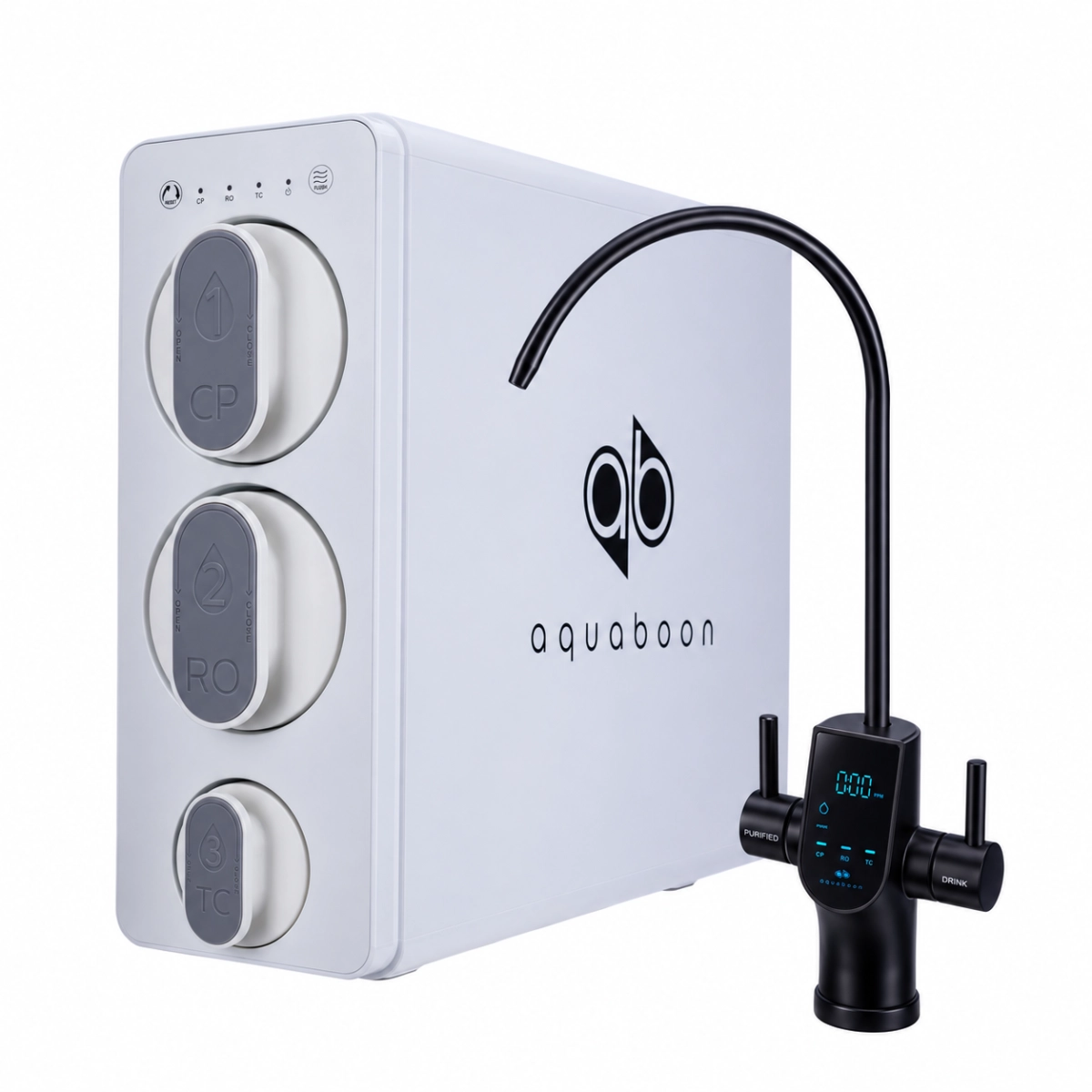
Filterway’s range includes the Standard Reverse Osmosis System, Tankless Reverse Osmosis System, and Reverse Osmosis System with Alkaline. Confirm each model’s documented suitability before using it for nitrate-contaminated water. The alkaline stage provides additional mineral treatment, not nitrate removal by itself.
Nitrate-selective anion-exchange resin exchanges nitrate ions for other ions. It requires appropriate sizing, servicing, and monitoring. Ordinary water softeners primarily address calcium and magnesium hardness; they are not equivalent to nitrate-specific anion exchange. Distillation evaporates water and collects condensed vapor, leaving nonvolatile nitrate behind. Equipment still needs cleaning, suitable capacity, and protection against contamination after treatment. Ordinary sediment and activated-carbon filters are not reliable for filtering nitrates out of water. Boiling does not destroy nitrate; evaporation can make it more concentrated. Removing nitrates from water therefore requires an appropriate treatment method, not extra boiling time. Choose between point-of-use treatment for drinking and cooking and point-of-entry treatment for the building. A whole home water filtration system needs nitrate-specific technology to address nitrate; whole-house installation alone does not provide that capability. When comparing filter systems for well water, share your laboratory report and ask about monitoring, replacement costs, and feed-water limits. When choosing a reverse osmosis water filter for nitrates, check its nitrate-reduction specifications and test the treated water to verify performance. Testing reveals what appearance cannot. Match treatment to the laboratory result, verify its performance, and maintain it over time. Explore Filterway options and discuss your water analysis before selecting a system. Yes. Suitable reverse osmosis or nitrate-selective ion exchange can reduce nitrate. Choose equipment with verified performance for your source water, maintain it correctly, and test treated water to confirm results. Use a verified safe source while investigating contamination. Select suitable reverse osmosis, nitrate-specific ion exchange, or distillation with qualified guidance, then confirm the treated nitrate concentration through laboratory testing. No. Nitrate remains as water evaporates, so boiling can increase its concentration. Use an alternative safe source when nitrate is elevated and choose treatment specifically designed to reduce dissolved nitrate.

Ion Exchange Systems
Distillation
What Does Not Remove Nitrates?
Choosing a Water Filter to Remove Nitrates
Keeping Nitrates Out of Your Drinking Water
Frequently Asked Questions About Nitrates in Water
Can Nitrates Be Filtered Out of Water?
How to Get Rid of Nitrates in Water?
Does Boiling Water Remove Nitrates?