



The presence of heavy metals in drinking water can lead to severe health issues if not addressed promptly. These contaminants can enter water sources due to both natural environmental processes and human activities. Ensuring their removal is key to maintaining clean and healthy drinking water. In this article, we will explore the risks associated with heavy metals, how they make their way into water supplies, and the most effective filtration methods to keep your water safe.
What Are Heavy Metals?
Heavy metals are elements with high atomic mass or density, which can pose serious health risks to humans, even in small amounts. While some metals, such as zinc and iron, are beneficial to the body in trace amounts, others, like lead, mercury, and cadmium, are highly toxic and can cause significant health problems when they accumulate over time.
Which Heavy Metals Are Found in Drinking Water?
Here are some of the most common heavy metals that can be found in drinking water:
- Lead
- Mercury
- Cadmium
- Arsenic
- Chromium
These metals can make their way into drinking water through various sources, including industrial discharge, old plumbing systems, and agricultural practices. Long-term exposure to these contaminants, particularly lead water contamination, can cause serious health risks, especially for sensitive populations such as children and pregnant women.
You may be interested in: How often should you replace a fridge water filter?
Where Do Heavy Metals in Water Come From?
Heavy metals can enter your water supply from both natural environments and human-related activities. The most common sources include:
- Industrial runoff: Factories, mines, and chemical plants may release toxic metals into nearby water bodies, which can leach into local water supplies.
- Aging plumbing: Old pipes, especially those made of lead, can contaminate your water with lead water contamination.
- Agricultural runoff: Fertilizers and pesticides containing heavy metals, like cadmium and arsenic, can pollute groundwater.
- Natural deposits: Certain metals, such as arsenic, are found naturally in the earth and can dissolve into water through erosion or runoff.
You may be interested in: The Role of Water in the Human Body
The Health Risks of Heavy Metals in Drinking Water
Exposure to heavy metals in drinking water poses numerous health risks. Prolonged exposure to these toxins can result in serious medical conditions, including:
- Lead poisoning: Causes developmental delays in children, cognitive impairment, and damage to the kidneys.
- Mercury exposure: Affects the nervous system, causing cognitive and motor dysfunction.
- Arsenic poisoning: Linked to cancers, cardiovascular diseases, and skin disorders.
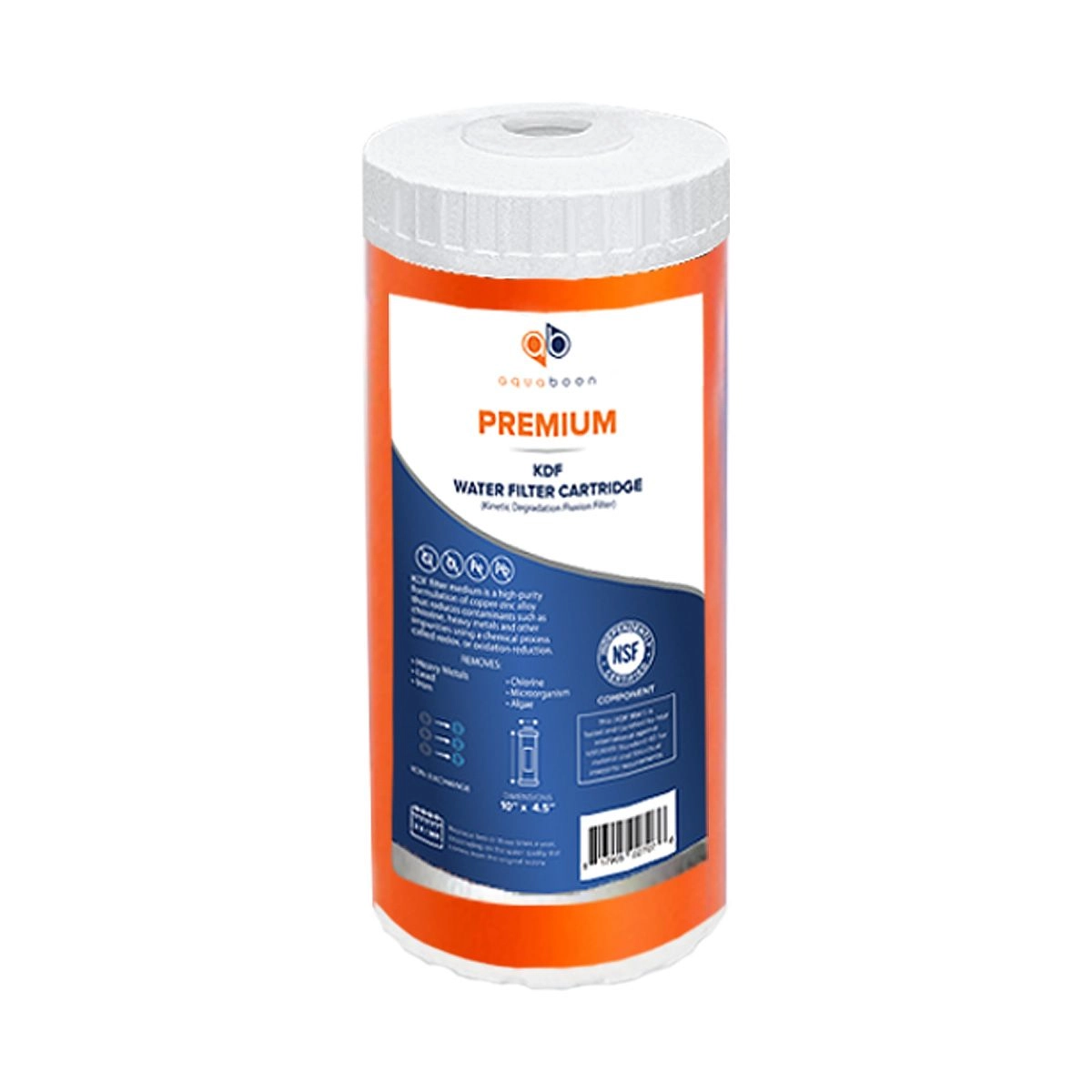
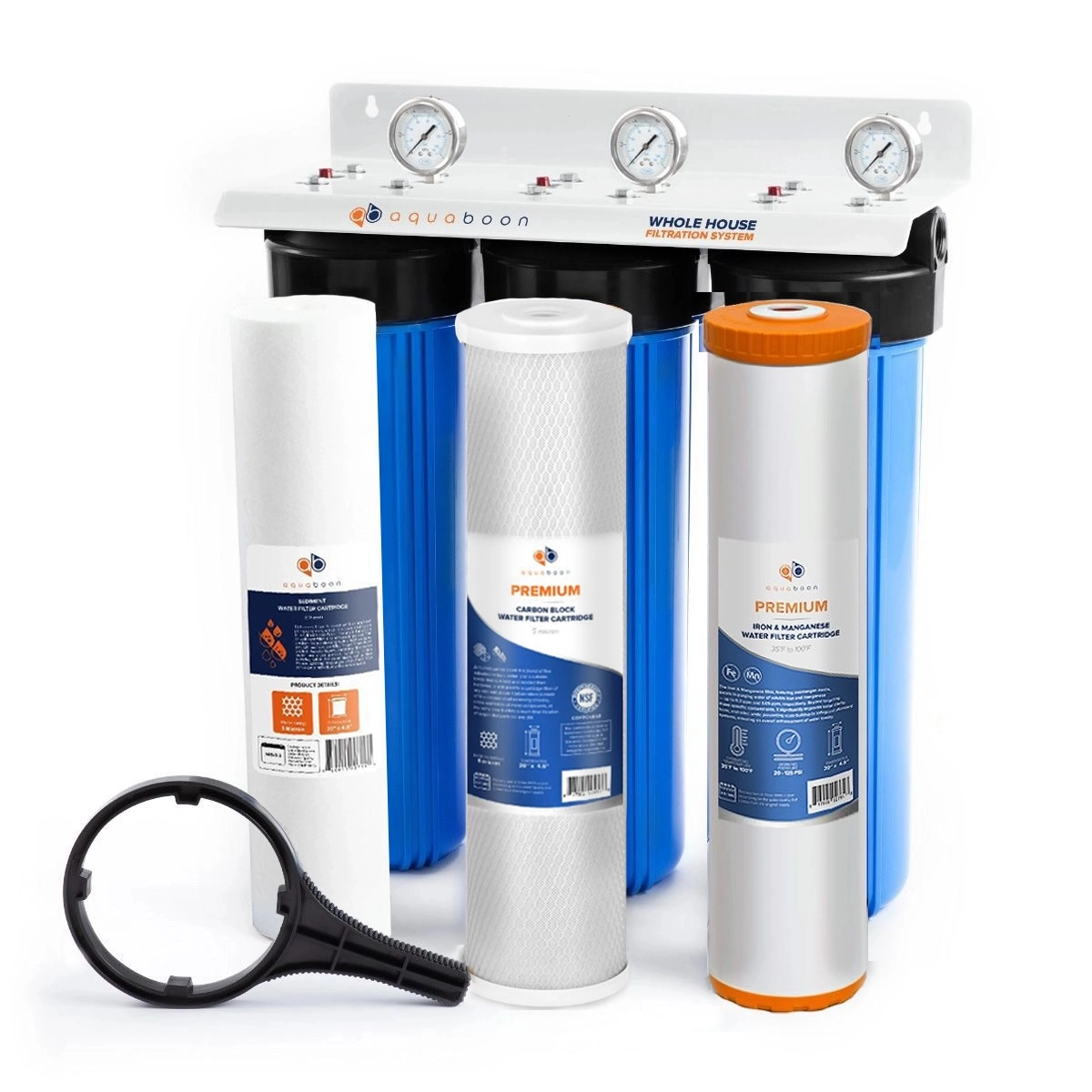
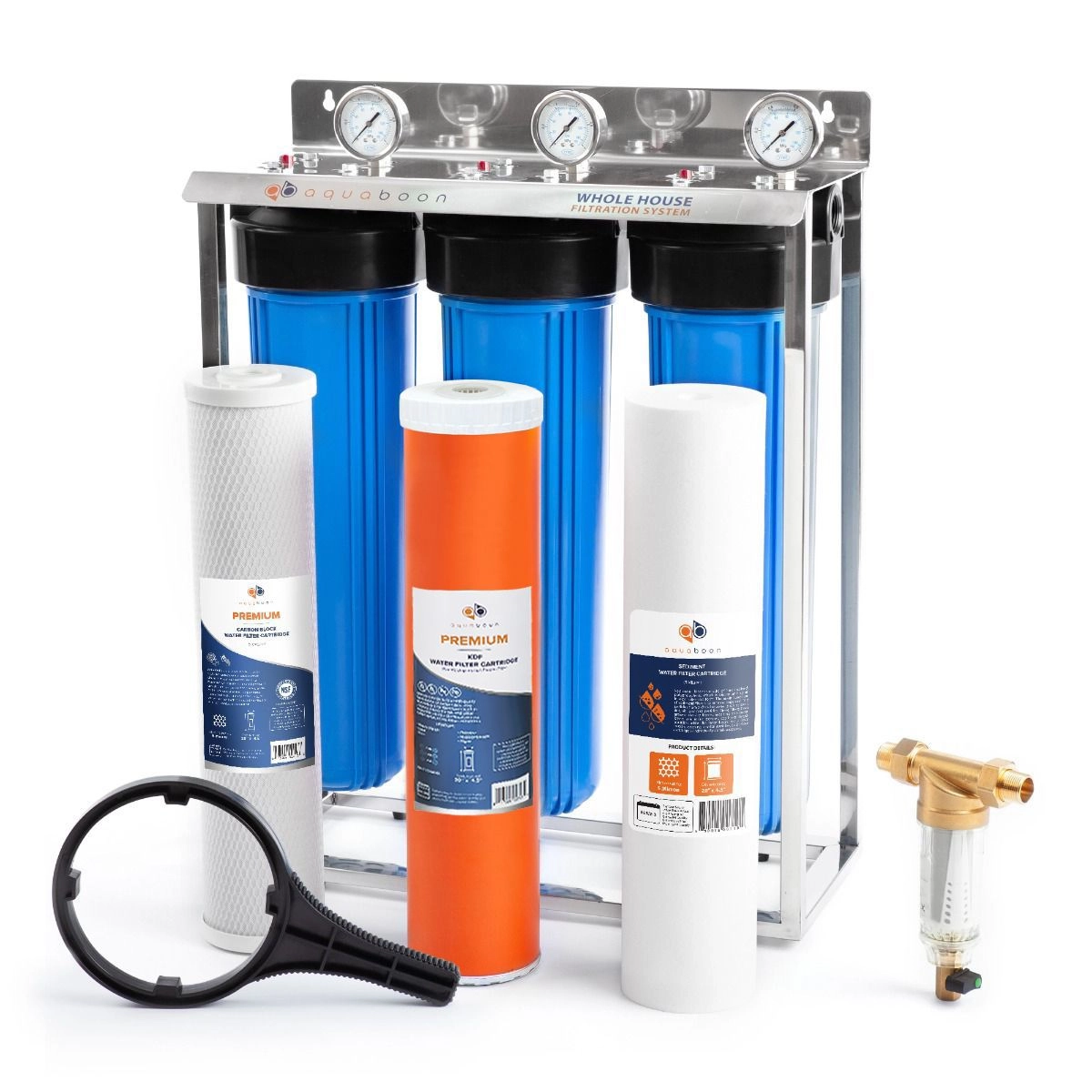
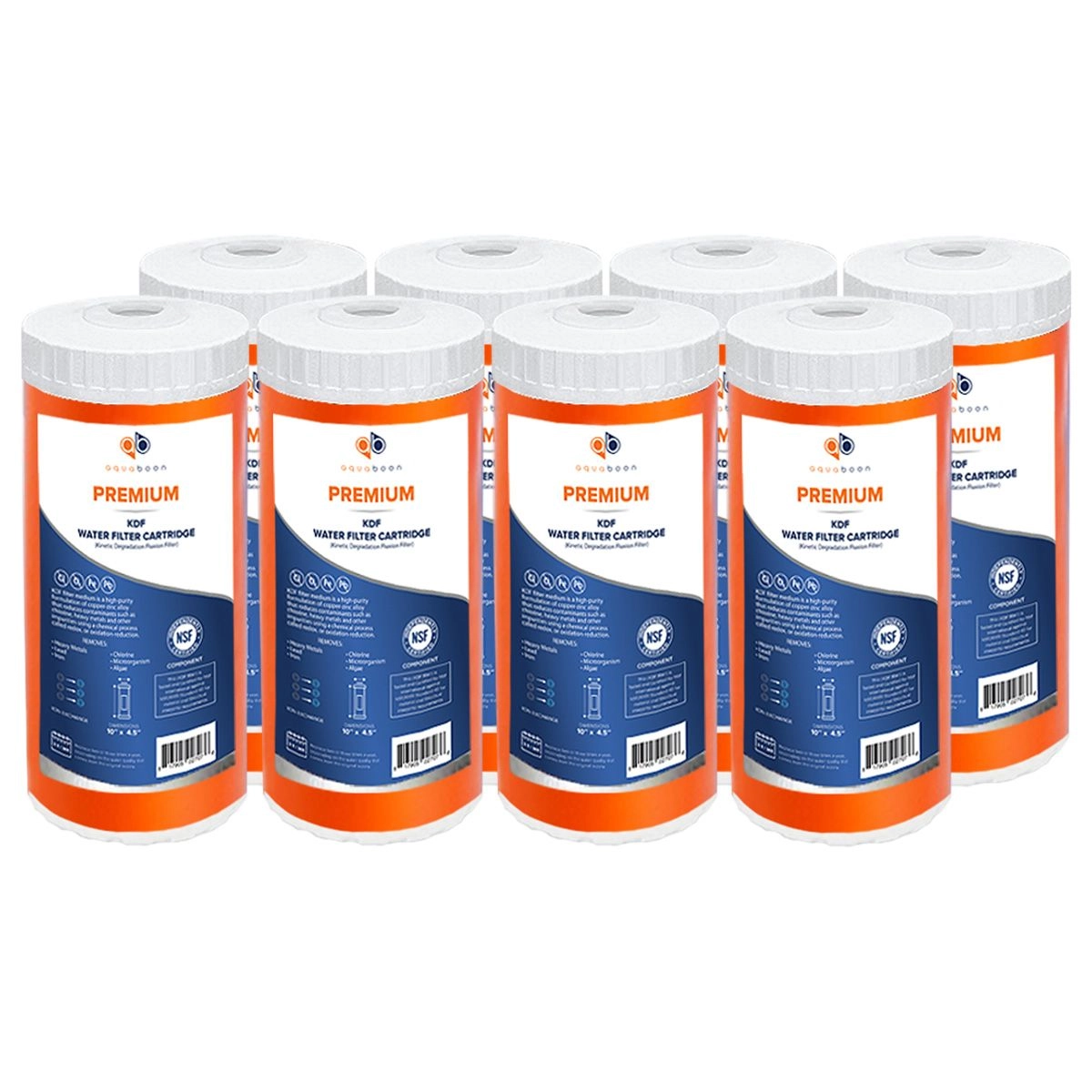
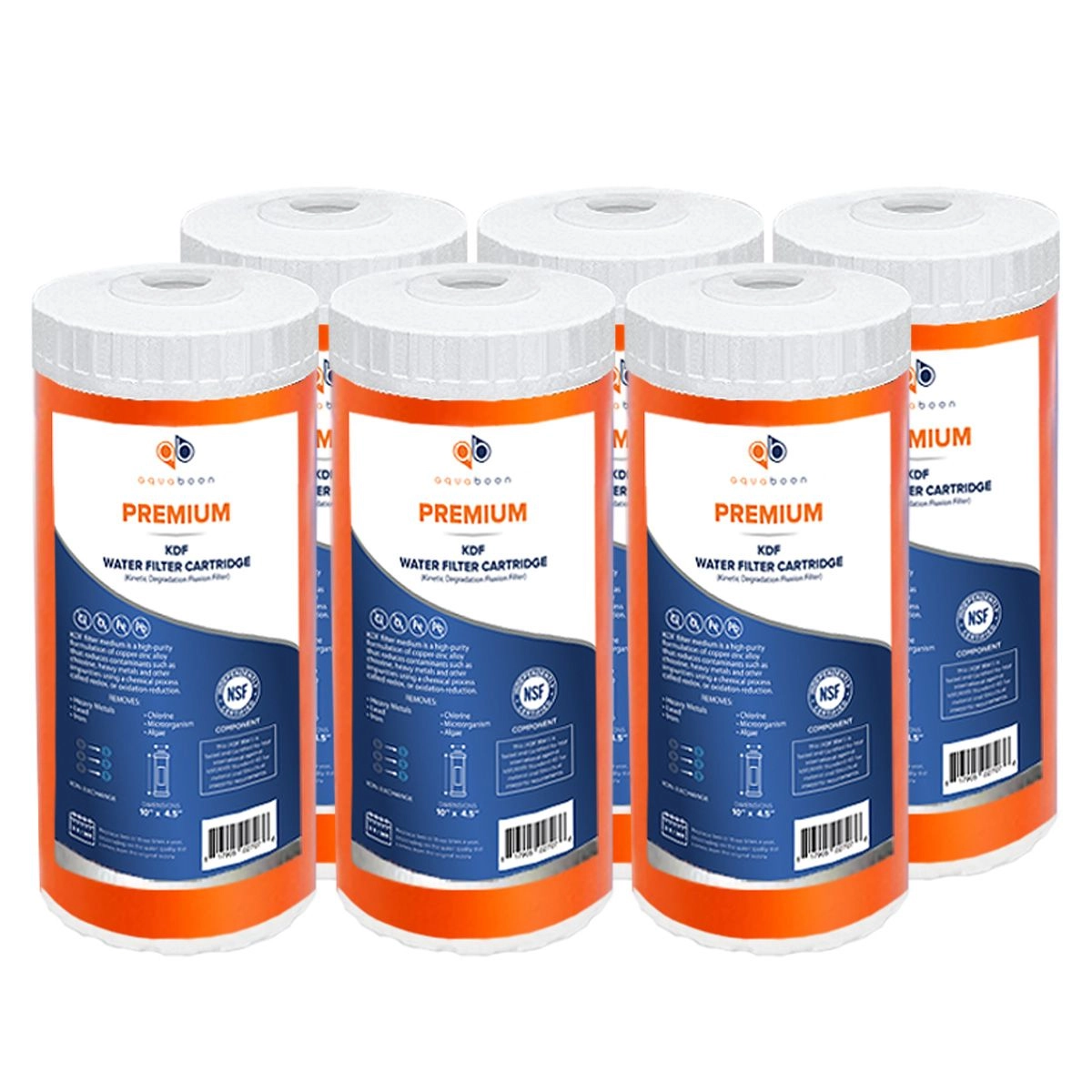
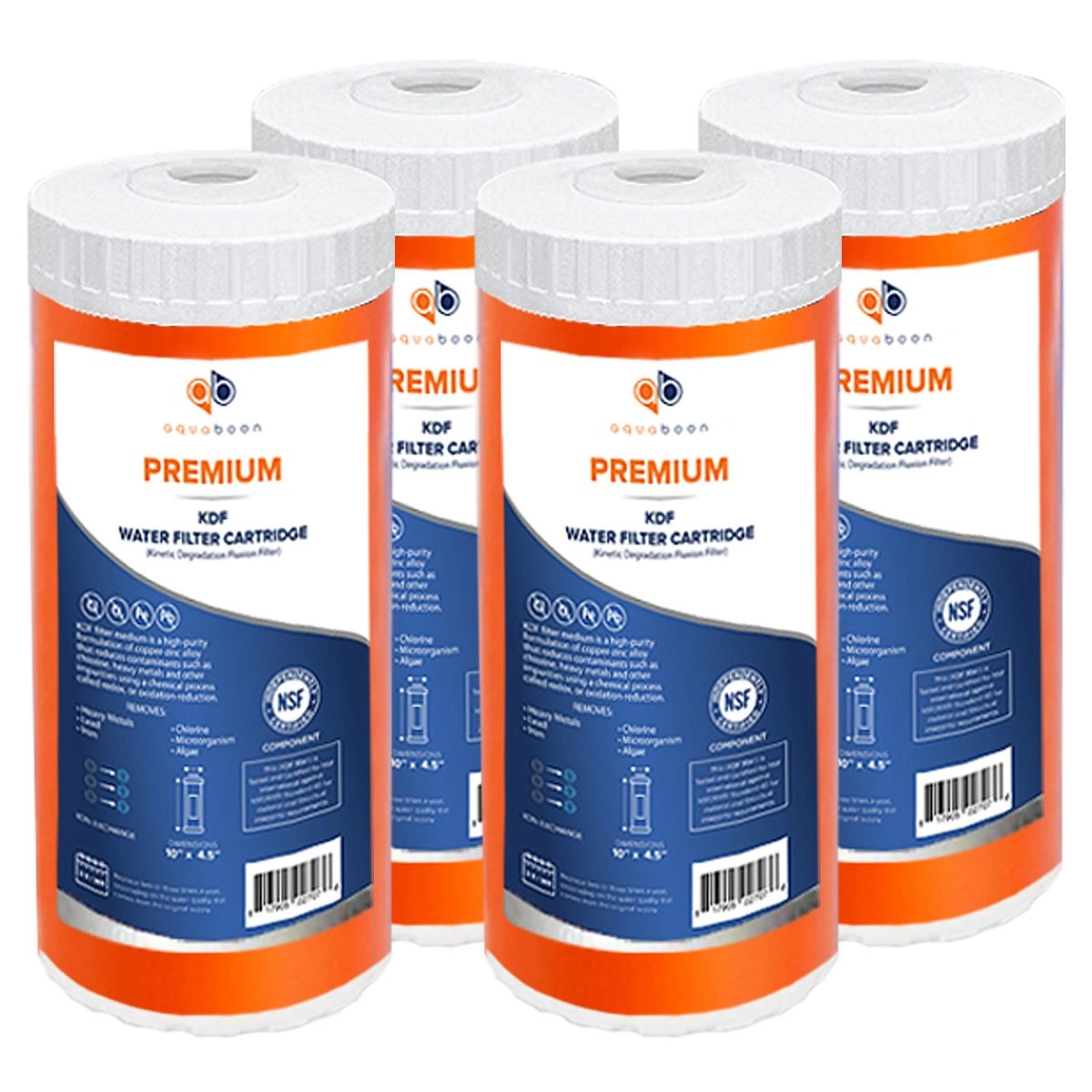
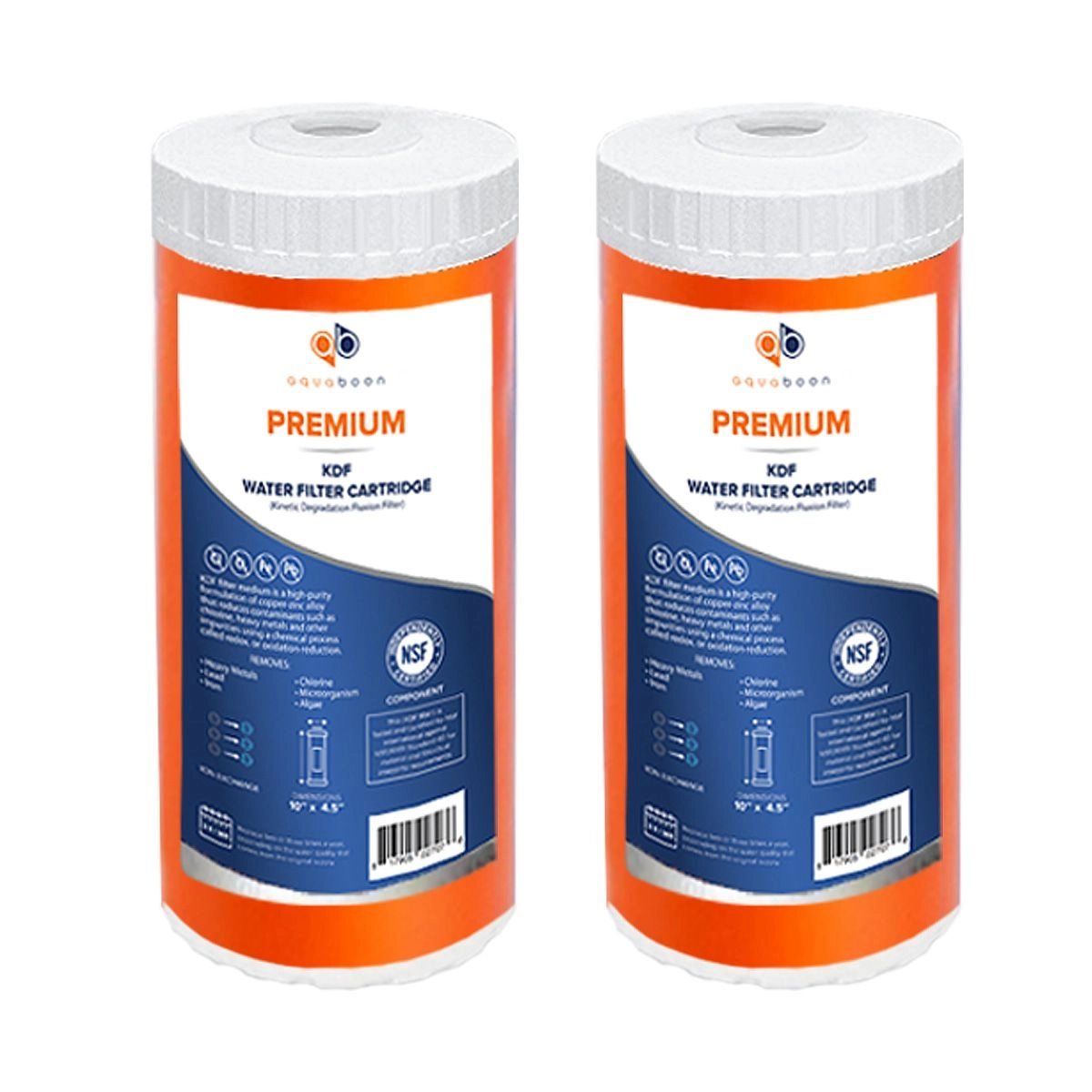
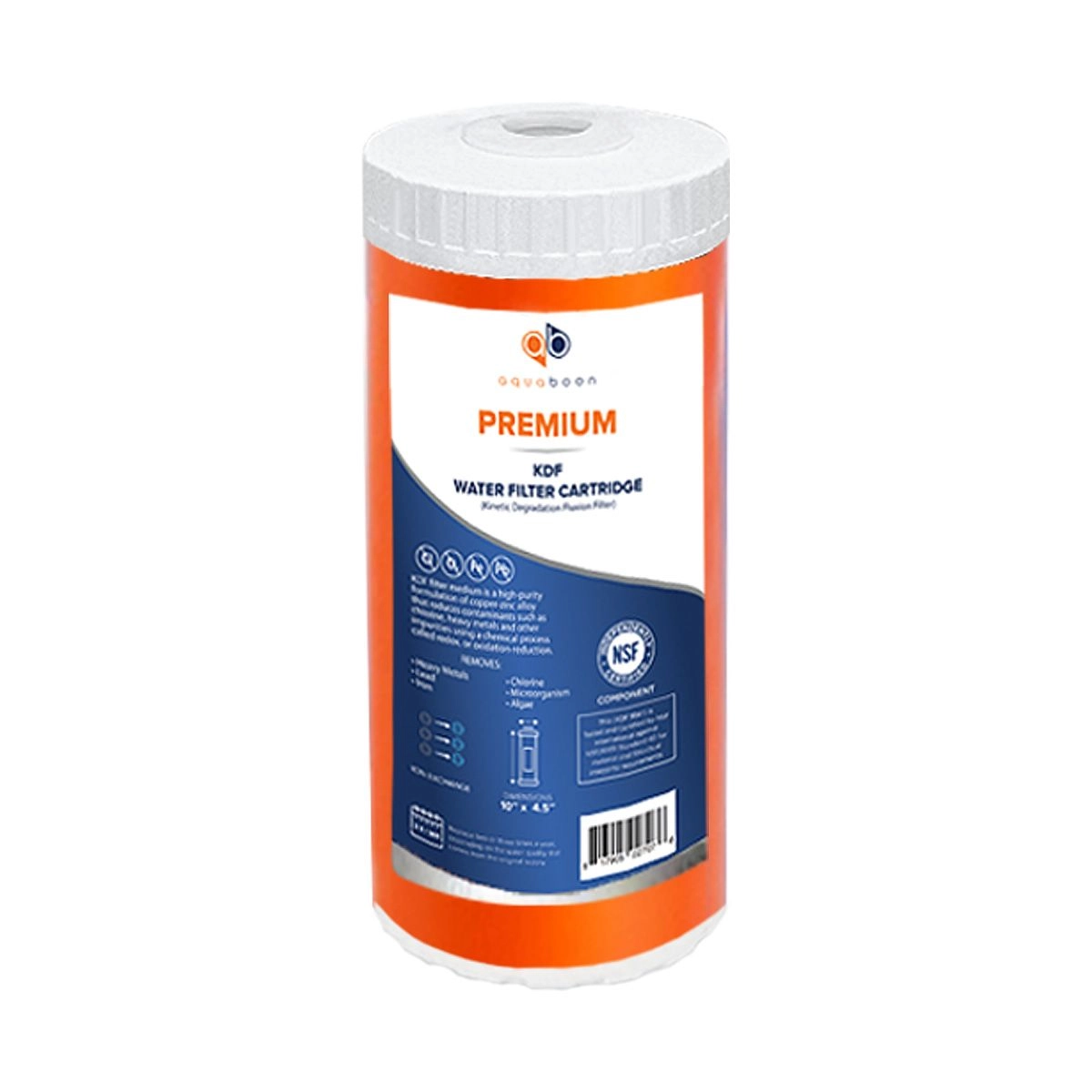
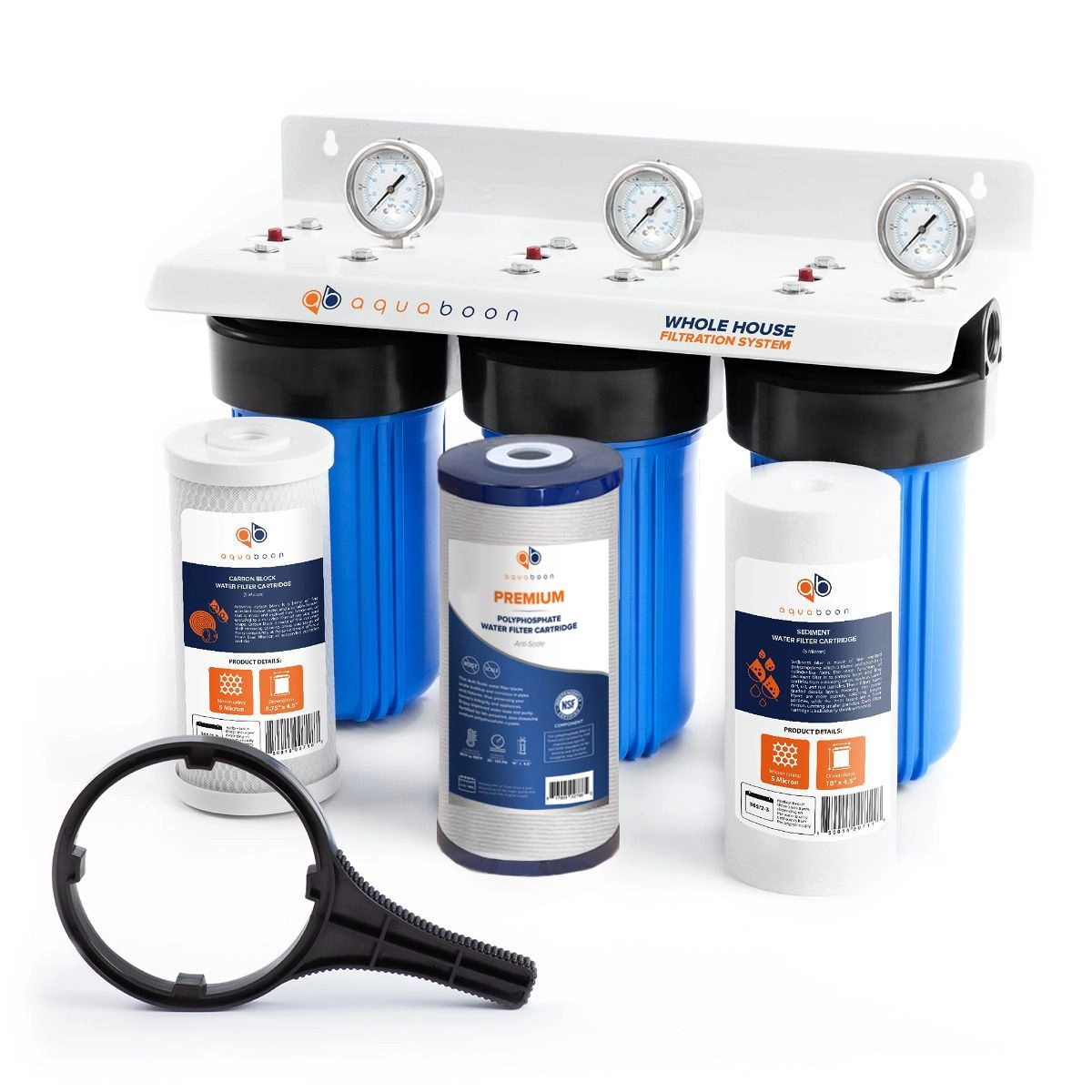
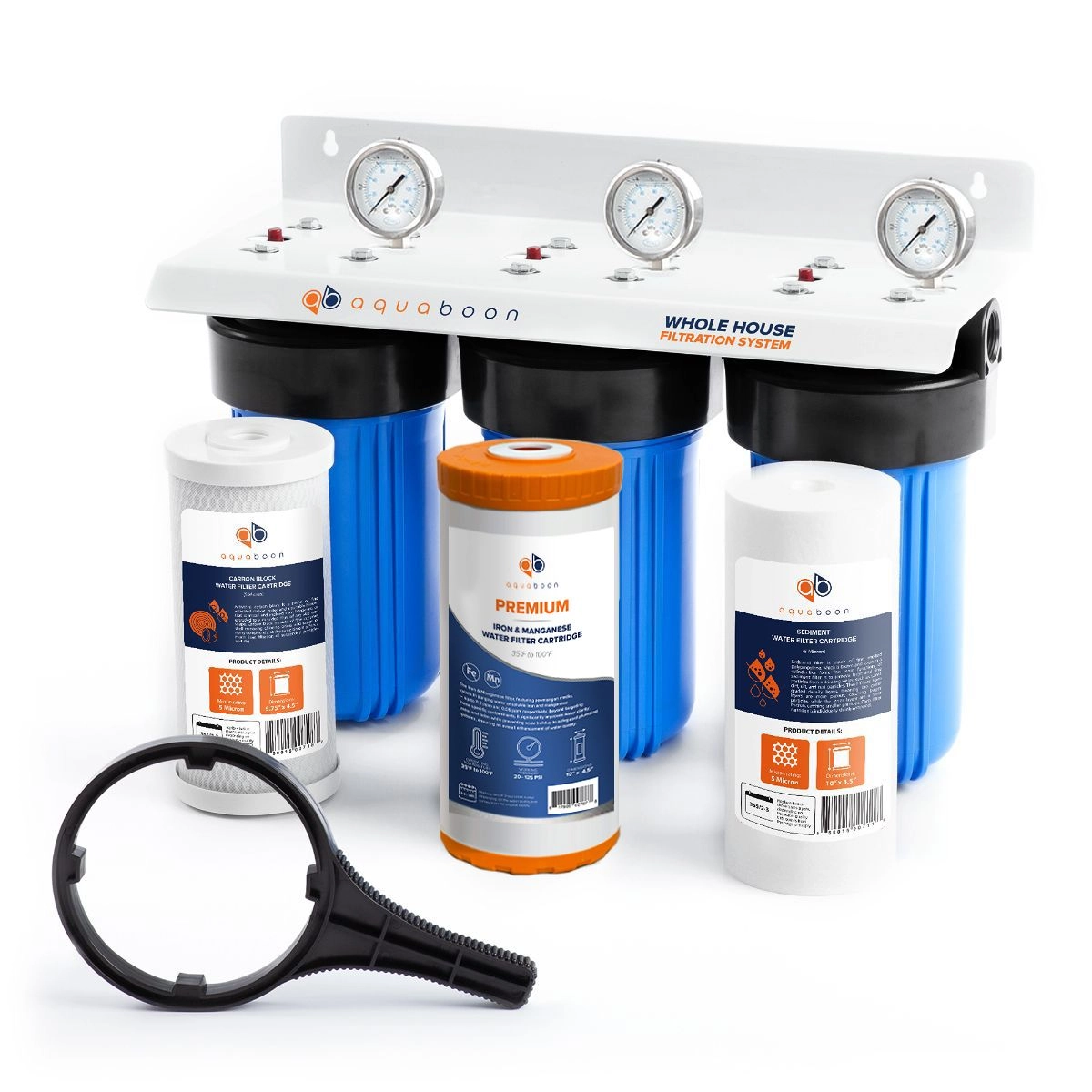
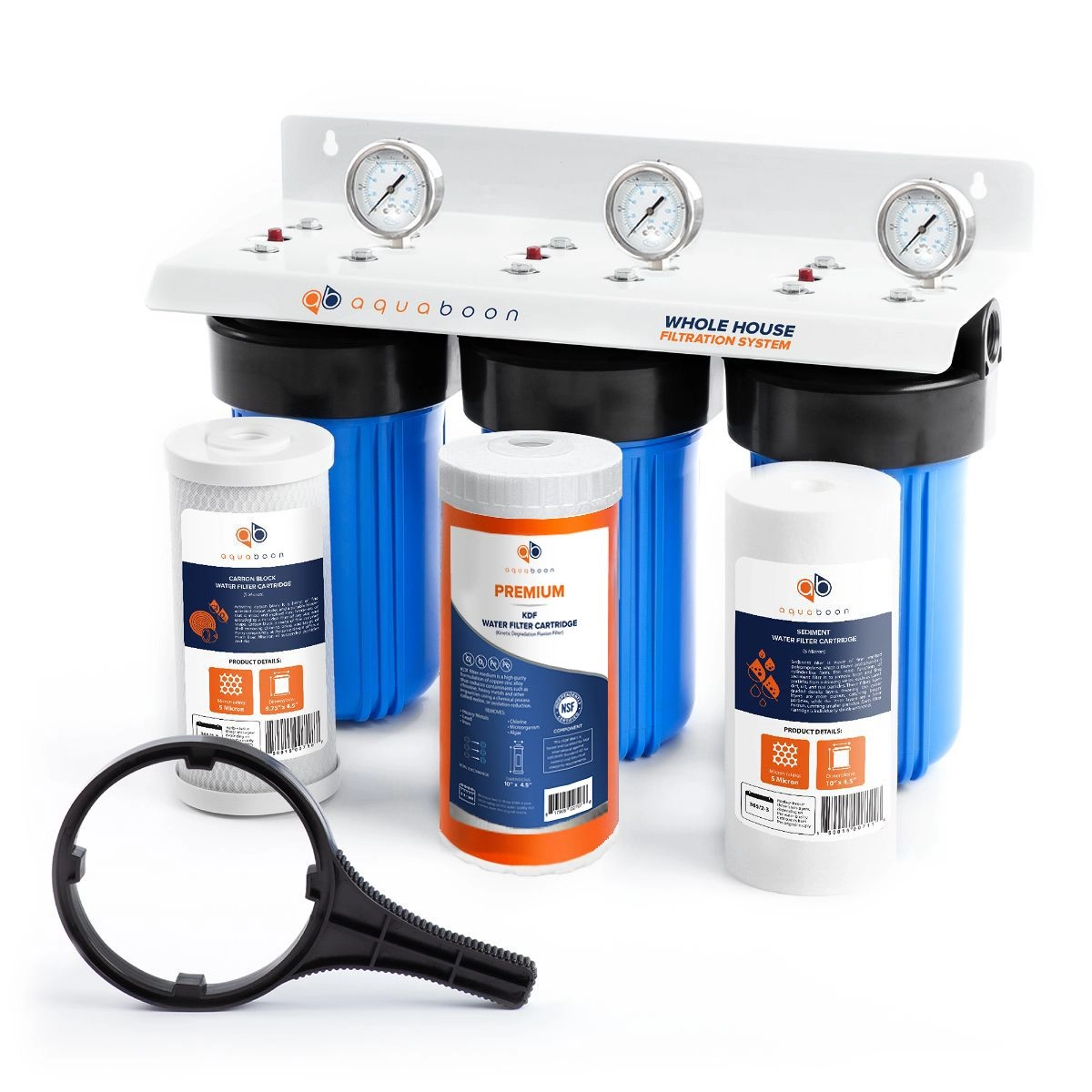
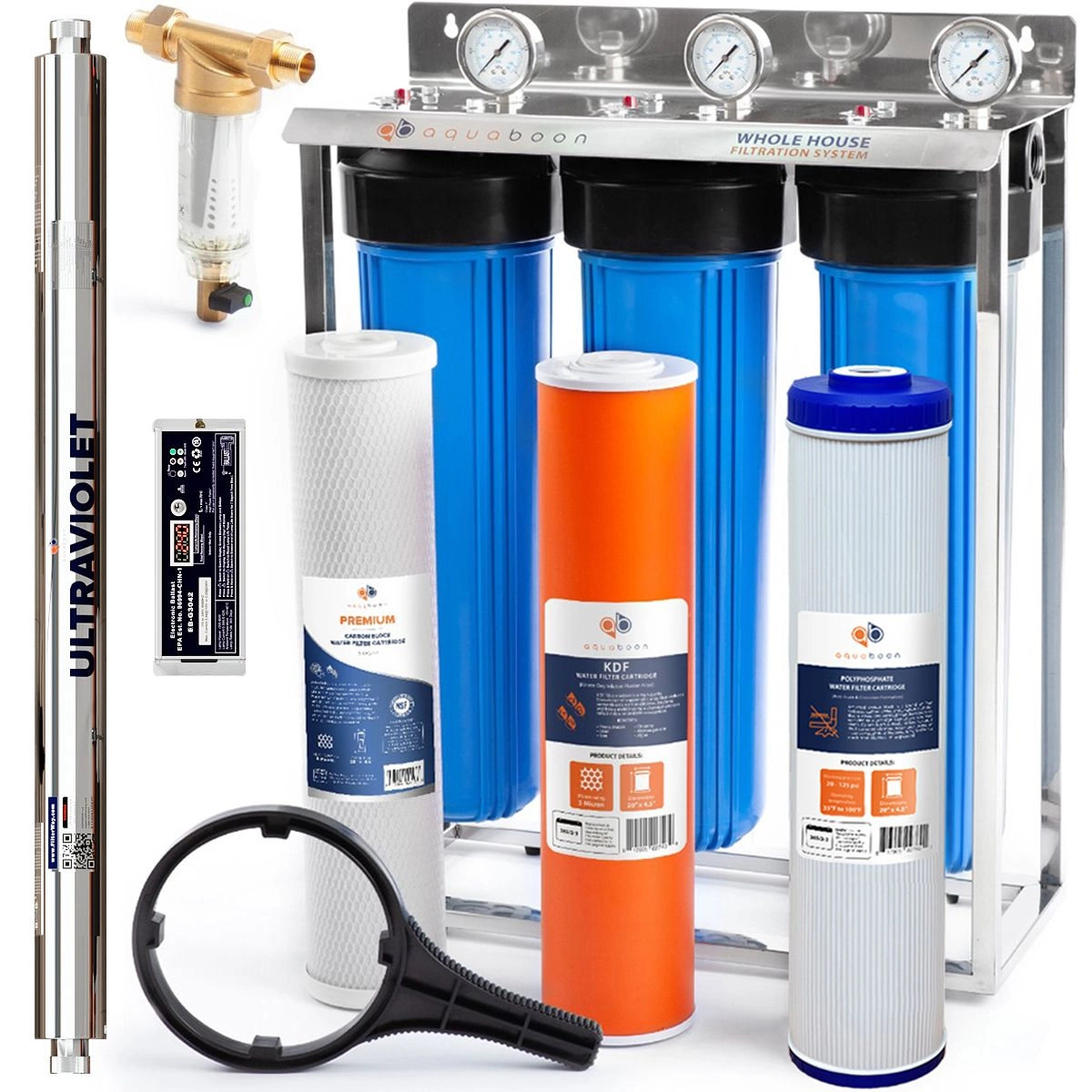
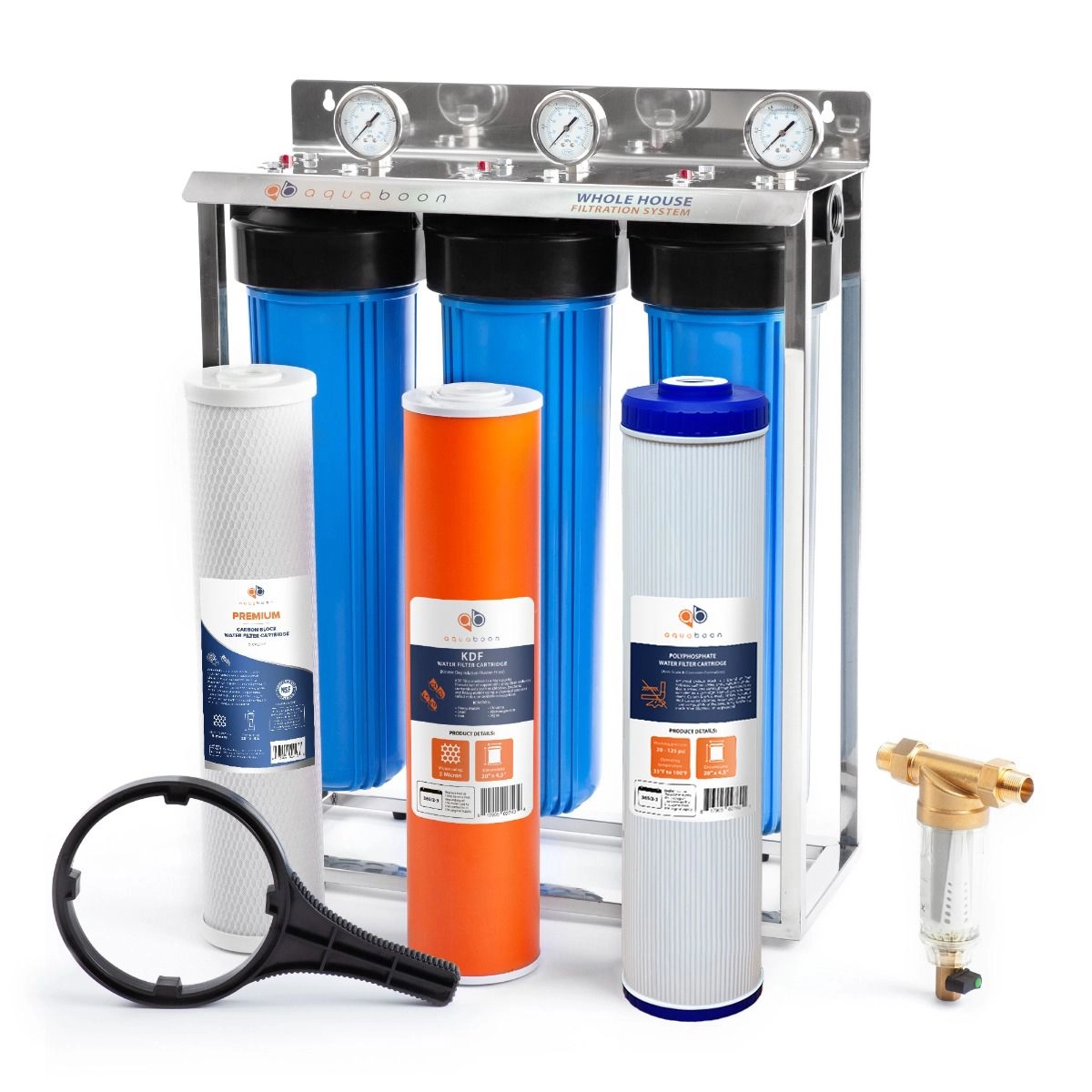
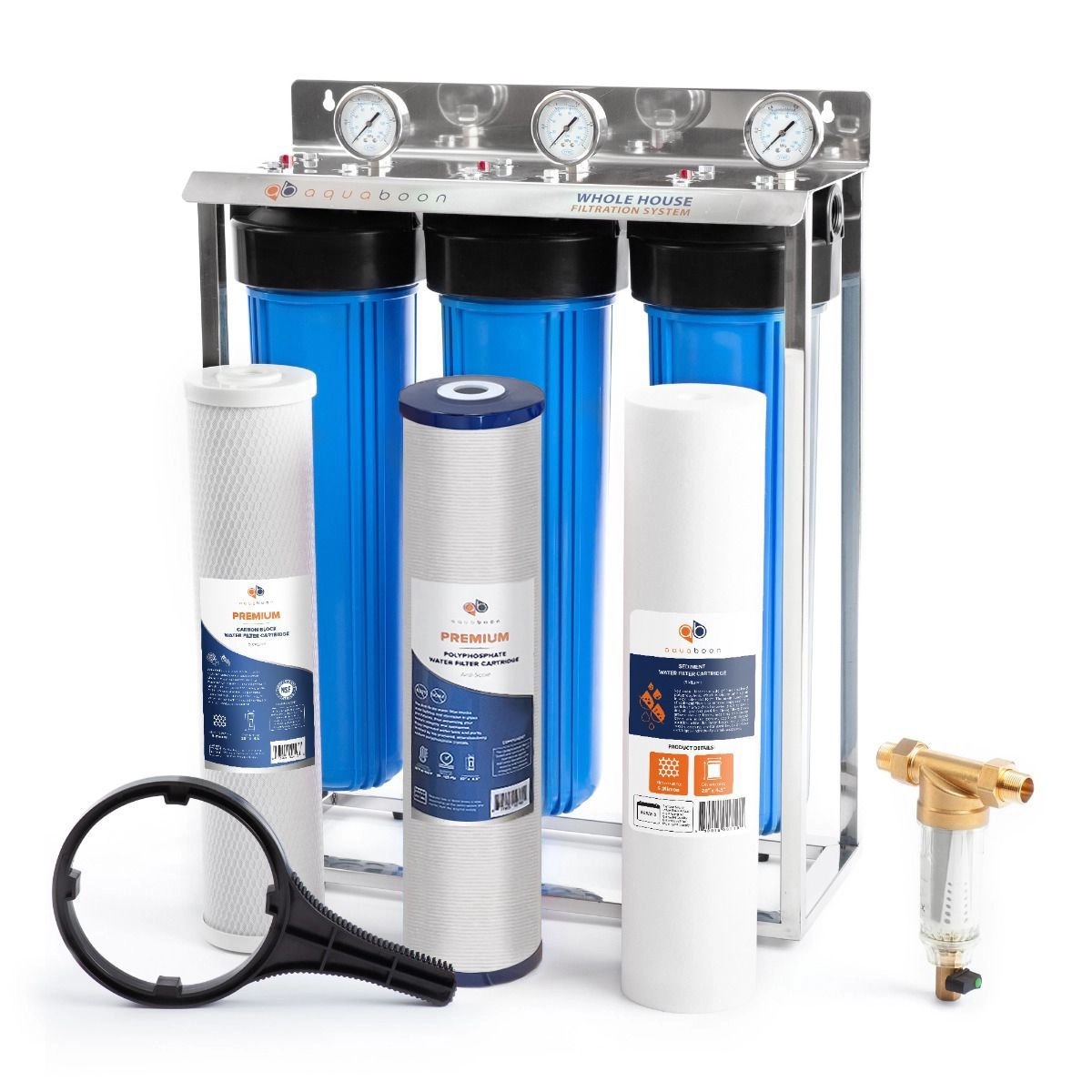
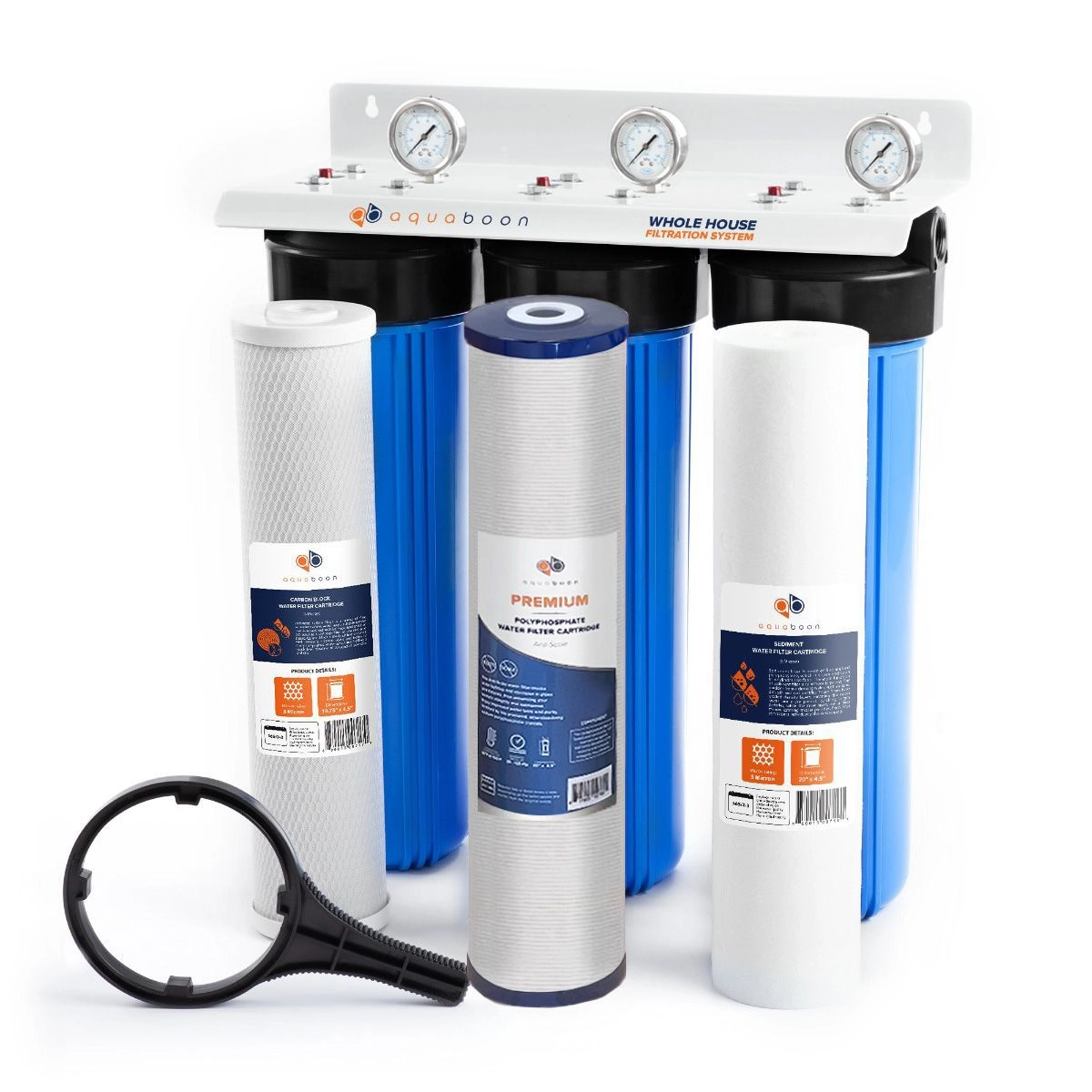
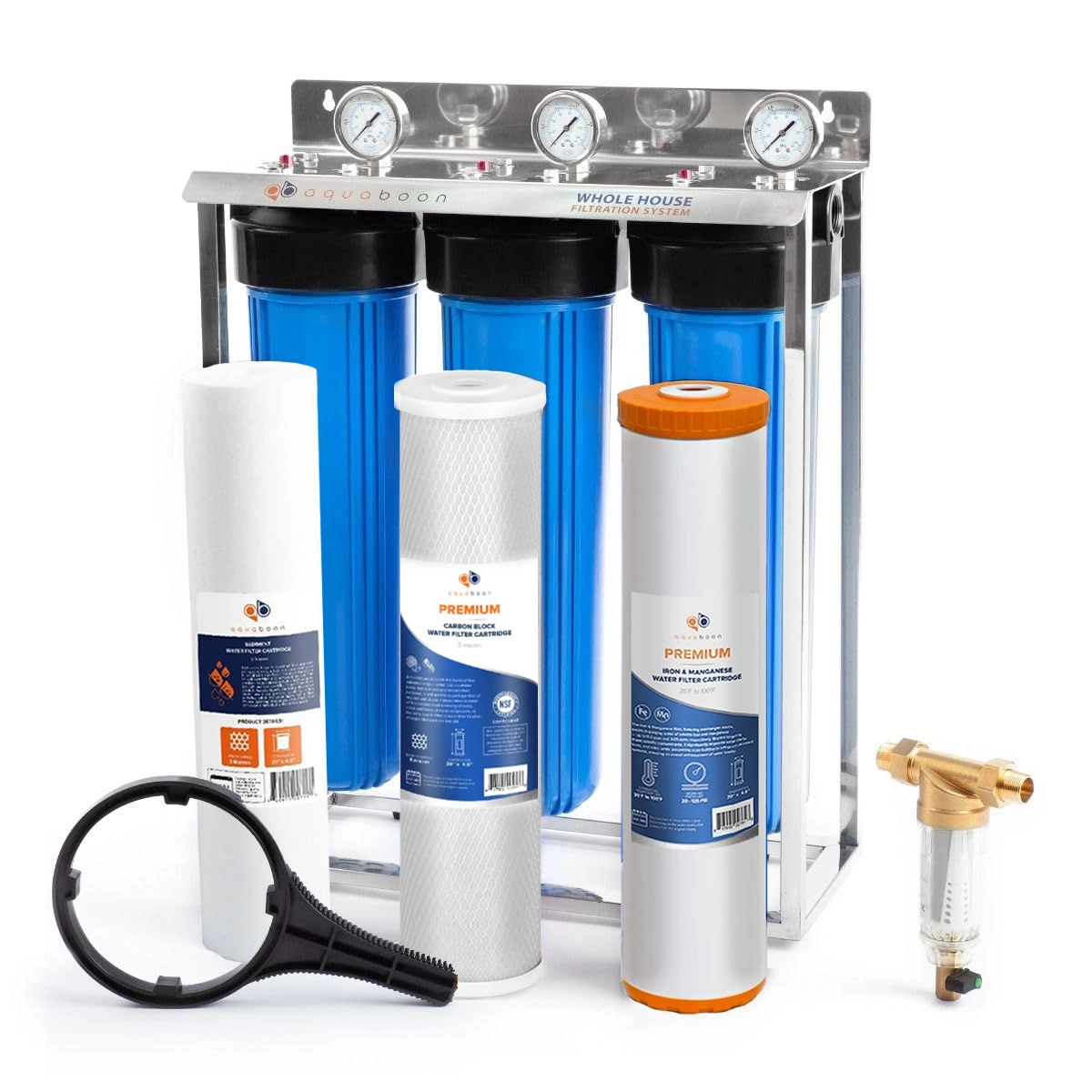
One of the most alarming effects of heavy metal exposure is bioaccumulation. Over time, even small amounts of metals can build up in the body, potentially leading to serious long-term health problems. Before you begin removing heavy metals from your water, it's essential to first test for contaminants. While home testing kits are available, professional water analysis provides a more thorough assessment. These tests can detect heavy metals like lead, mercury, and arsenic, helping you determine the best filtration method for your situation. After detecting heavy metals in drinking water, it’s important to implement an effective filtration system to eliminate these harmful substances. Here are several reliable methods to remove heavy metals from water: While reverse osmosis systems are often praised for their ability to remove a wide range of contaminants, including some heavy metals like lead or mercury, they are not the most practical or effective solution for this specific problem. Reverse osmosis requires high water pressure, regular maintenance, and wastes a considerable amount of water. A more efficient and sustainable solution for heavy metal removal is the use of KDF (Kinetic Degradation Fluxion) filters. These filters use a redox (oxidation-reduction) reaction to effectively remove metals such as: One great example is the 3-Stage 20" Whole House Water Purification System by Aquaboon, which includes a KDF filter stage specifically designed to target and remove heavy metals from your water supply. This system is ideal for whole-house protection, ensuring that every tap in your home delivers cleaner, safer water. Ion exchange filters are primarily used in water softeners to reduce water hardness by replacing calcium and magnesium ions with sodium or potassium ions. This helps prevent scale buildup in plumbing, extends the life of appliances, and improves soap efficiency. However, it's important to note that ion exchange systems are not intended for removing heavy metals like: For heavy metal removal, more effective solutions include KDF filters or activated carbon filters, which are specifically designed to target and capture these contaminants. If you're dealing with hard water, explore Filterway’s collection of water softeners to find the right system for your home.
Bioaccumulation of Heavy Metals in the Body
How to Test for Heavy Metals in Water
The Best Methods to Remove Heavy Metals from Water
Heavy Metal Removal from Water: Why KDF Filters Are a Better Choice than Reverse Osmosis
Ion Exchange Filters: Ideal for Water Softening, Not Heavy Metal Removal