


Sediment filter housings are designed for long-term reuse, but proper cleaning is essential to maintain water quality and system integrity. Over time, sediment, debris, and organic material can accumulate inside the housing, especially around the base and O-ring groove. Reinstalling without cleaning—or cleaning them incorrectly—can lead to bacterial growth, unpleasant odors, and seal failures.
This guide explains when sediment filter housings should be cleaned, how to clean them safely, and when replacement is the better and safer option.
Why Cleaning Sediment Filter Housings Is Necessary
During normal operation, sediment filters trap dirt, sand, rust particles, and organic debris from the incoming water supply. While the filter cartridge captures most contaminants, fine residue often settles inside the housing itself. When this residue is left in place, it creates an environment where biofilm and odor-causing bacteria can develop.
Cleaning the housing at every filter change removes trapped debris, reduces contamination risk, and ensures that the seals work properly during reassembly.
Safe Cleaning Methods for Filter Housings
Cleaning should always be gentle and non-abrasive. Warm water combined with a mild, unscented dish soap is sufficient for most residential systems. Soft cloths or bottle brushes help loosen residue without scratching the housing surface.
Harsh chemicals, abrasive pads, acidic cleaners, and industrial solvents should be avoided. These products can degrade plastic housings, weaken their pressure resistance, and shorten their usable lifespan. Very hot or boiling water should also be avoided, as it can warp the housing and compromise the seal.
Step-by-Step Cleaning Process
- Shut off the main water supply and relieve system pressure by opening a downstream faucet. Remove the housing using the wrench, discard the used sediment filter, and carefully take out the O-ring.
- Clean the housing interior using warm water and a mild, unscented dish soap. Pay close attention to the bottom and the O-ring groove, where residue commonly collects. Use a soft cloth or bottle brush to loosen buildup without scratching the surface.
- Rinse thoroughly to remove all soap residue and allow the housing to air-dry completely before reassembly.
- Clean the O-ring separately and inspect it for cracks, flattening, or brittleness. Apply a light coating of food-grade silicone lubricant and reinstall the O-ring evenly in its groove.
- Insert the new sediment filter cartridge. Thread the housing back on by hand, ensuring proper alignment. Hand-tighten until snug and evenly seated—do not over-tighten.
- Slowly restore water pressure while checking the housing and surrounding fittings for leaks.
Catalog Products List
Optional Sanitizing for Added Protection
For systems in seasonal homes, vacation properties, or areas with low water usage, optional sanitizing can provide an extra margin of safety. A diluted, food-grade hydrogen peroxide solution can be used briefly inside the housing to reduce microbial presence.
After sanitizing, the housing must be rinsed thoroughly with clean water and fully dried before reassembly. Bleach should be avoided or used only with extreme caution, as incorrect concentrations can damage plastic components and O-rings.
When Reuse Is No Longer Safe
Not all housings should be reused indefinitely. Replacement is recommended if the housing shows visible cracks, cloudiness, persistent odor after cleaning, or deformation around the O-ring groove. These are signs of material fatigue and cannot be corrected through cleaning.
Continuing to use a compromised housing increases the risk of leaks and sudden failure under pressure.
-
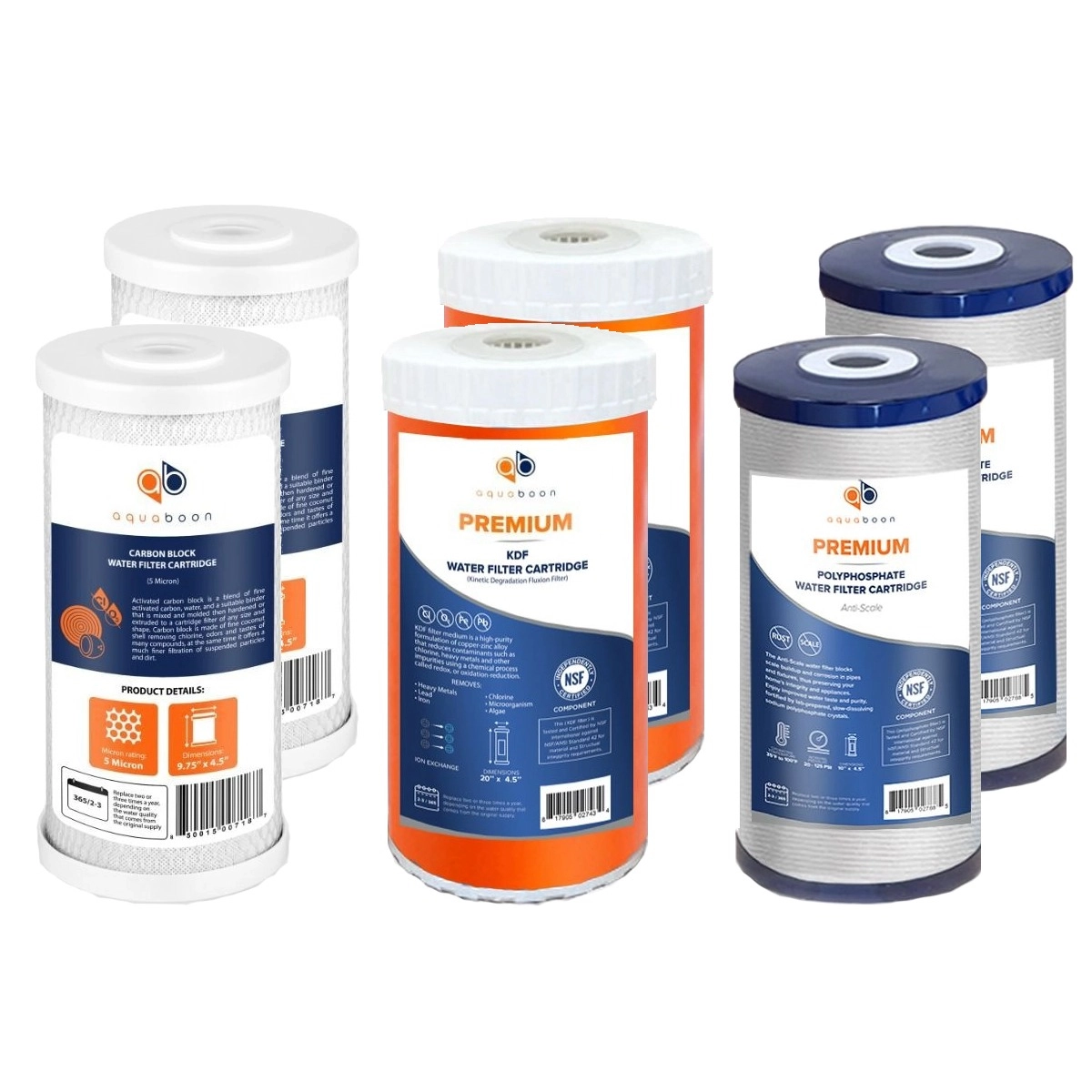
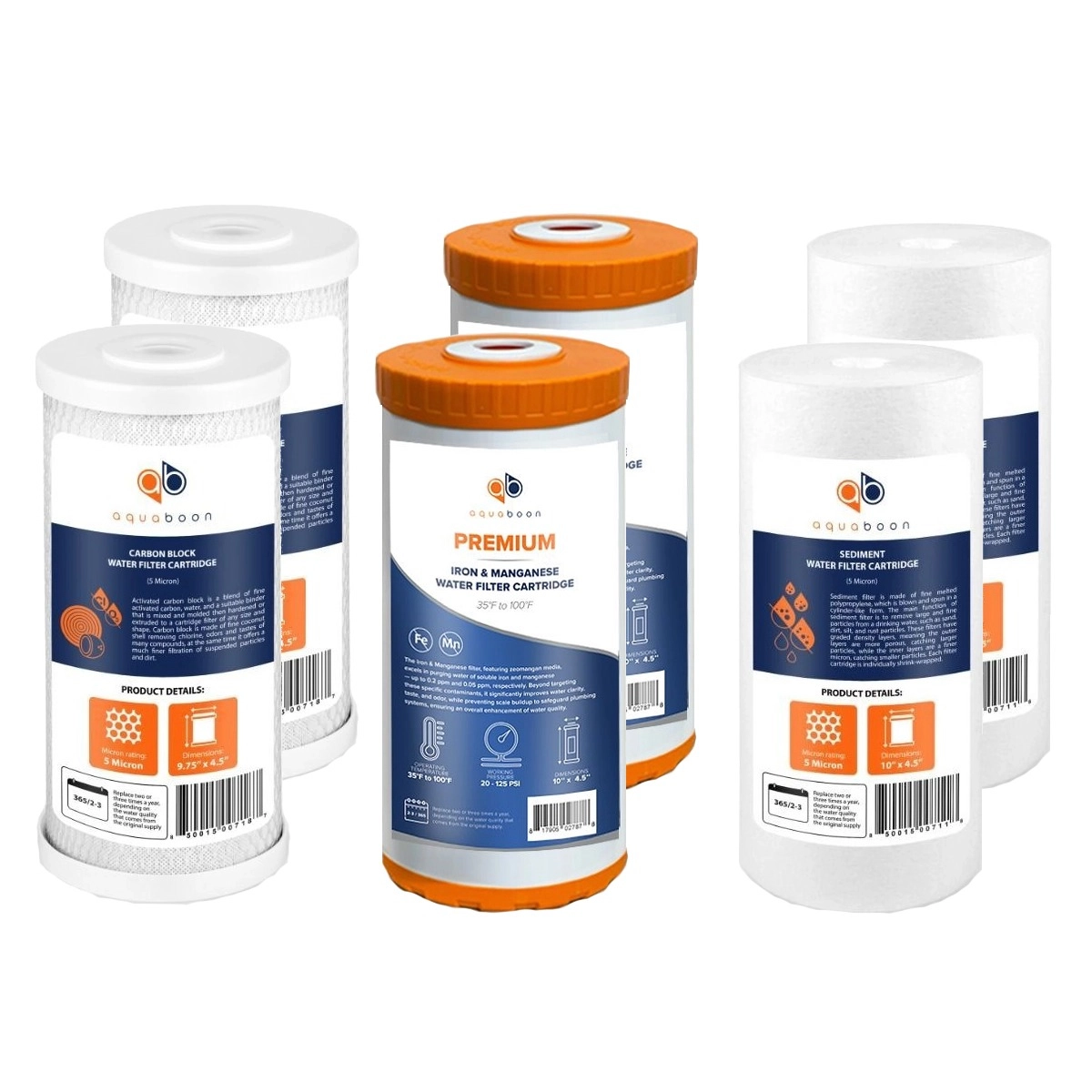
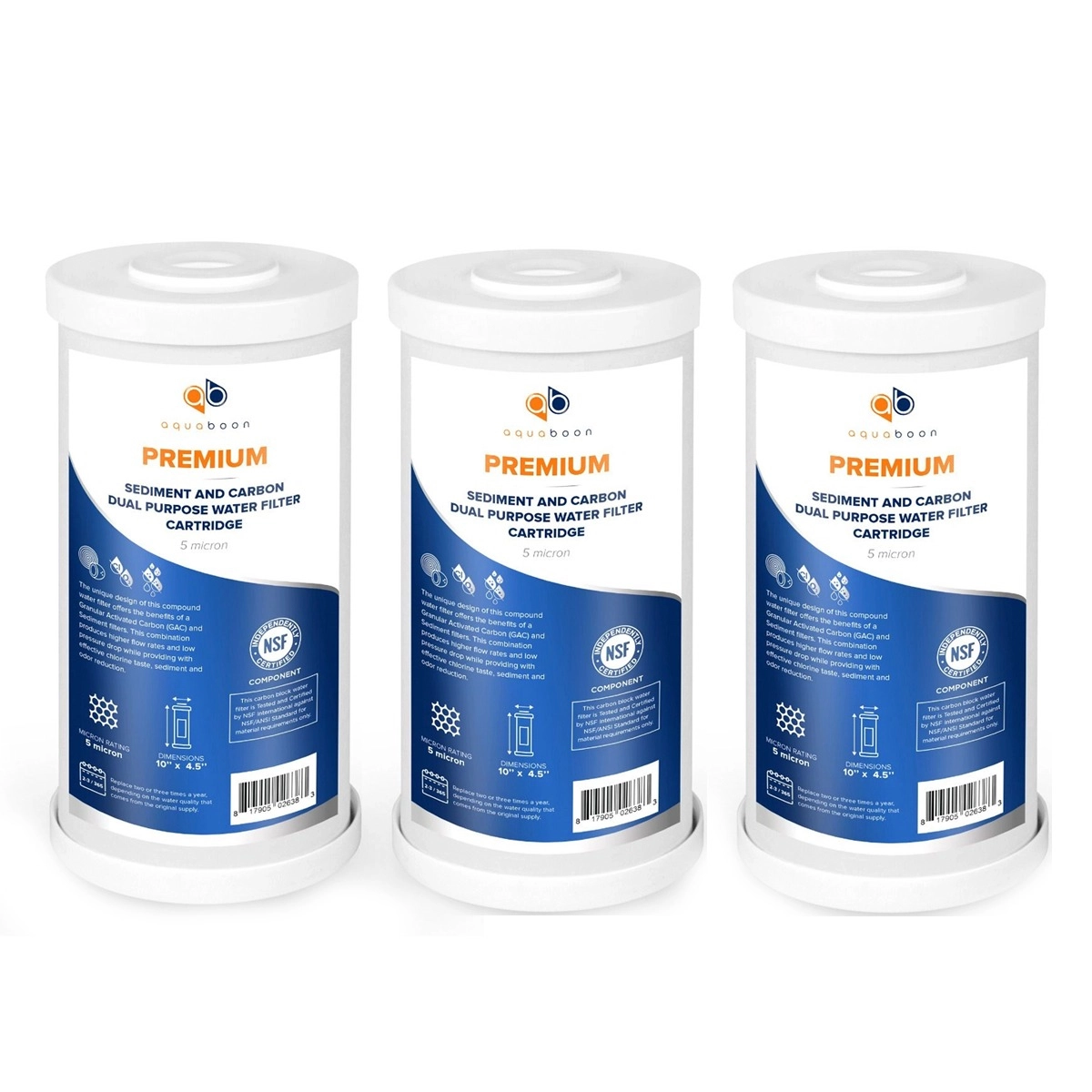
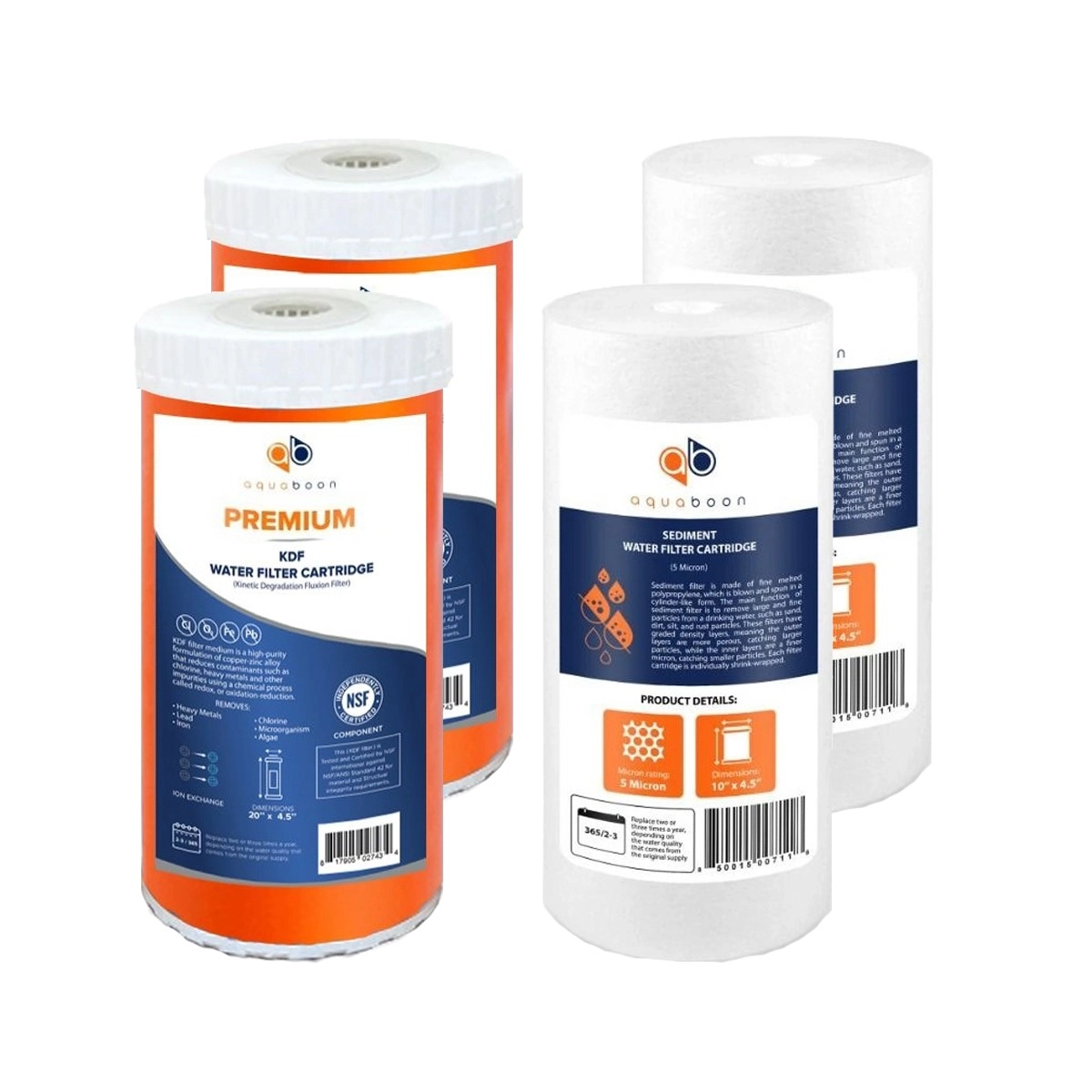
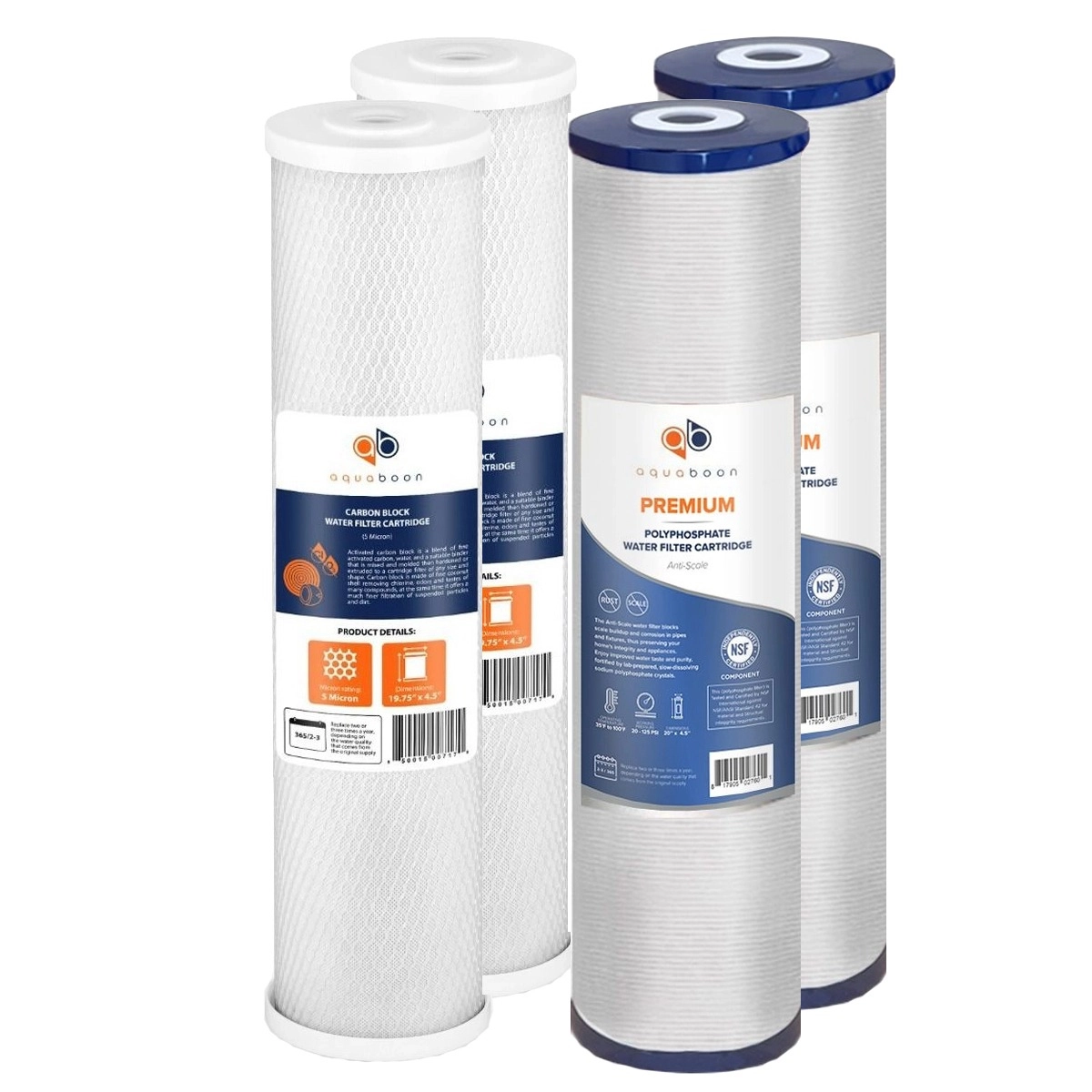
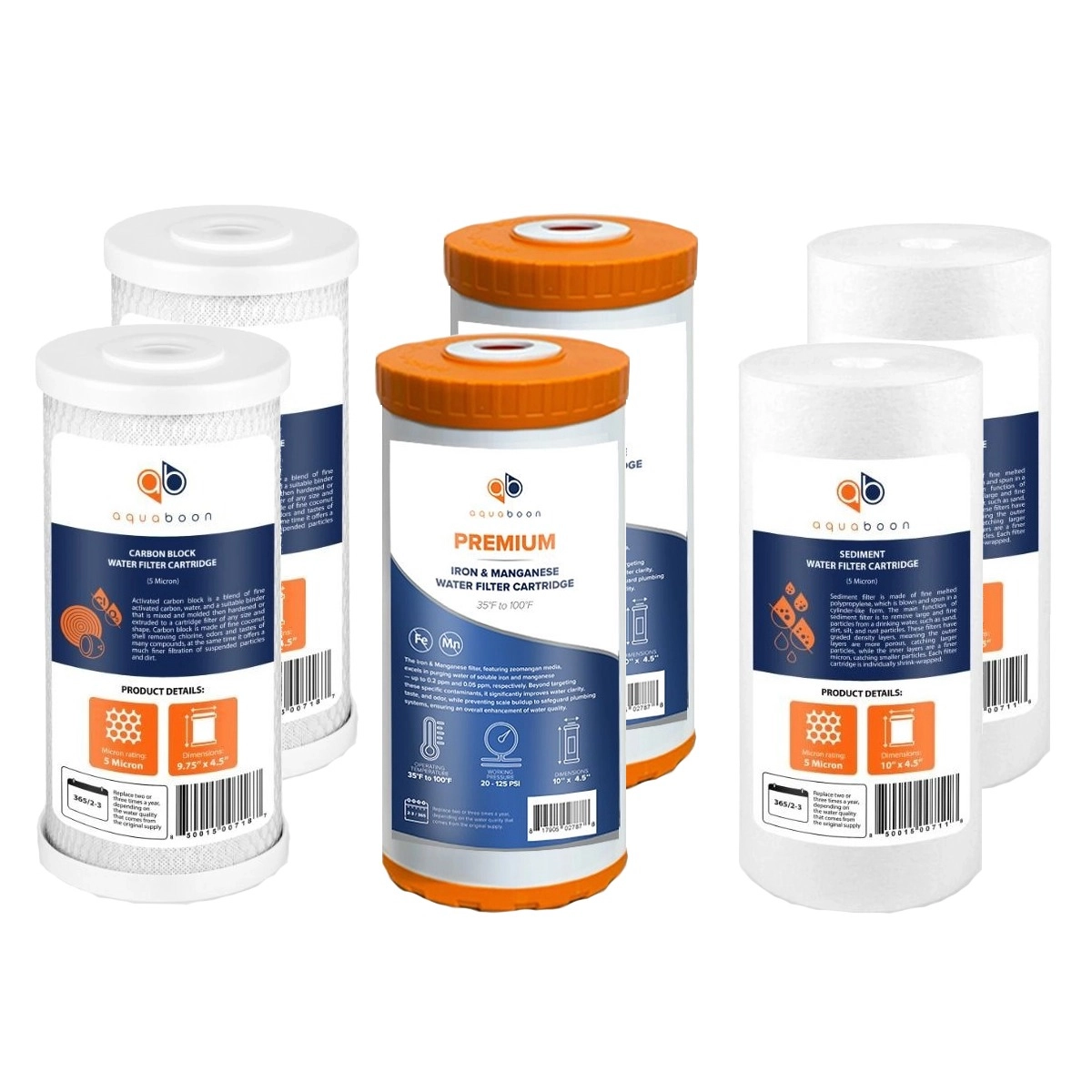
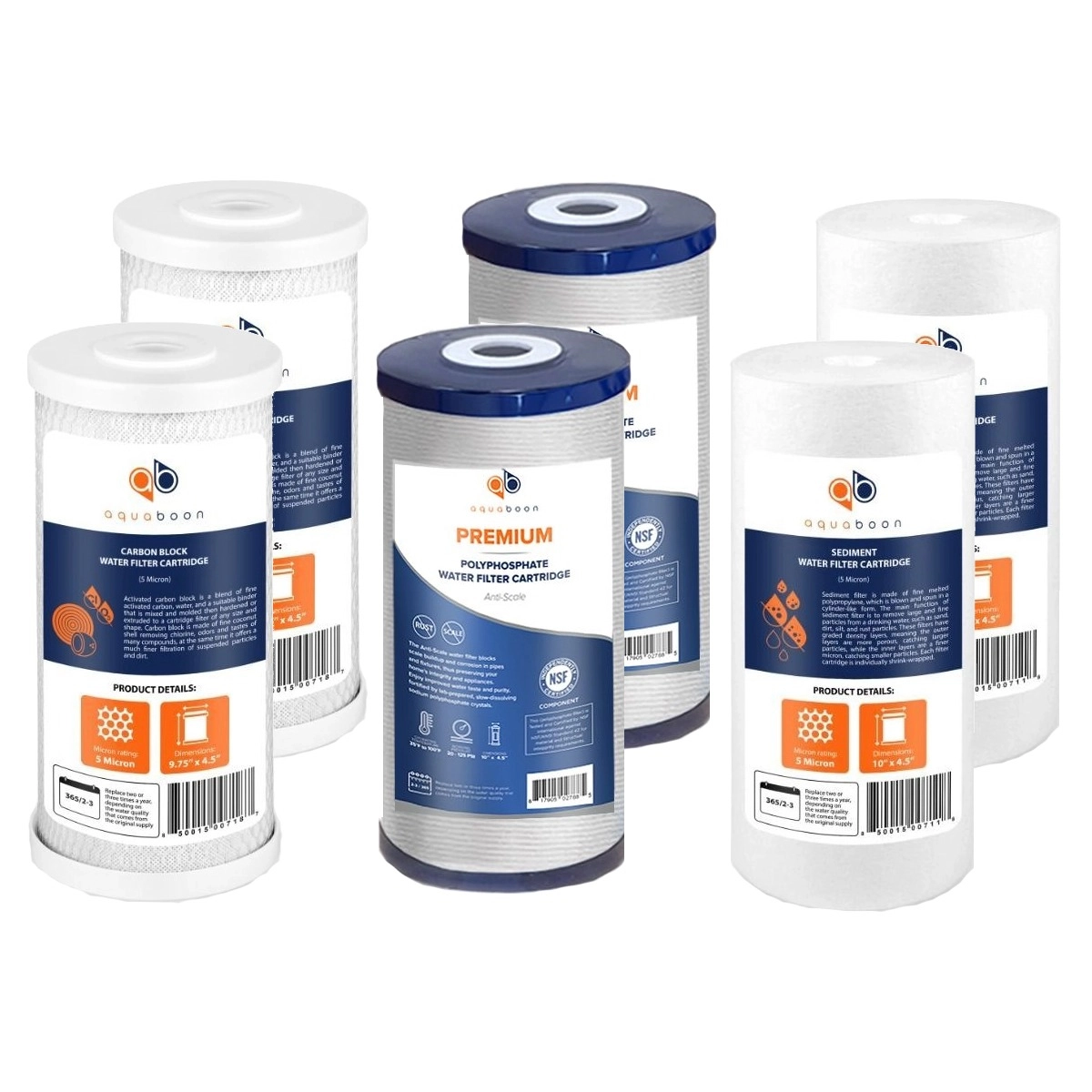
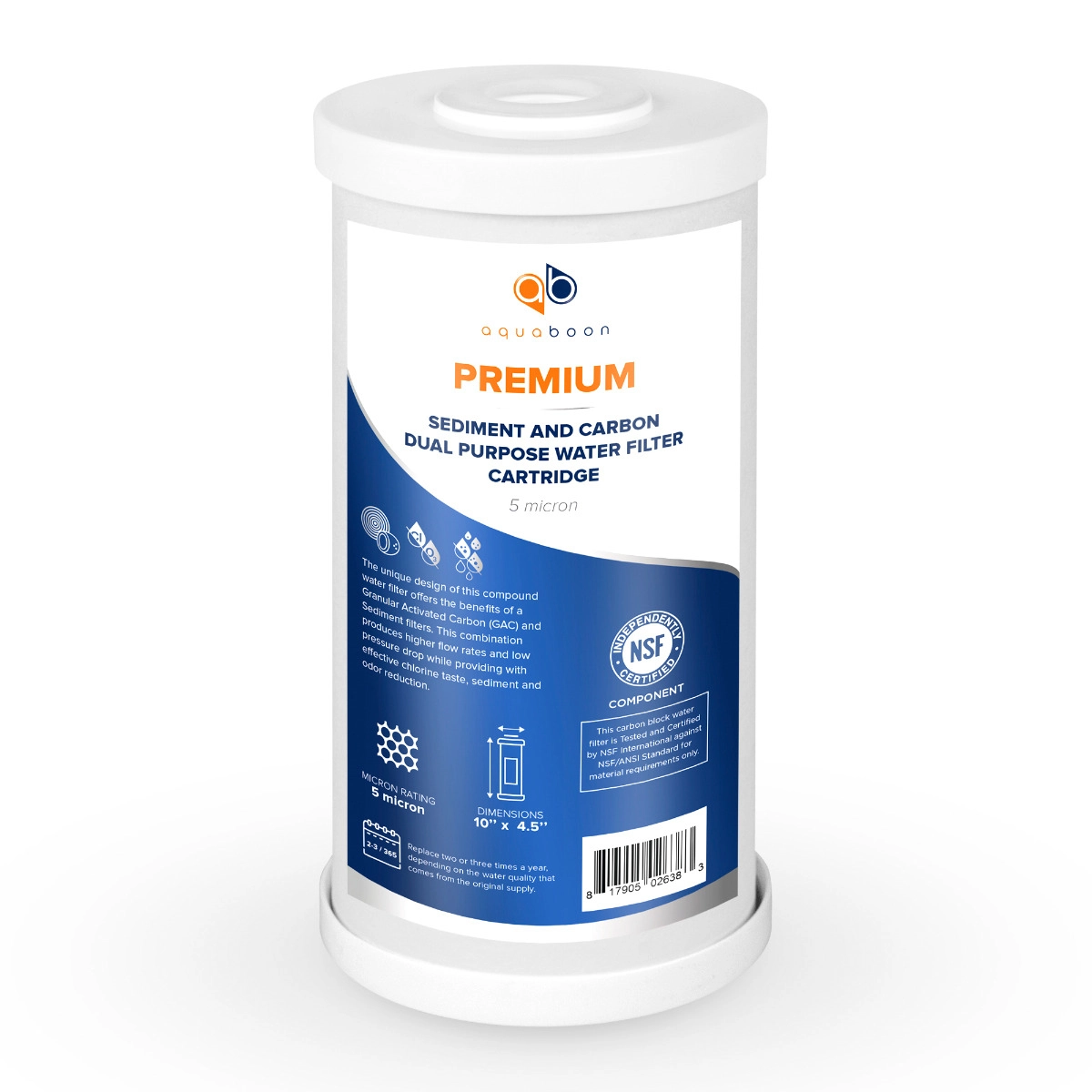 Dual Carbon & Sediment Water Filter CartridgeAs low as $15.79
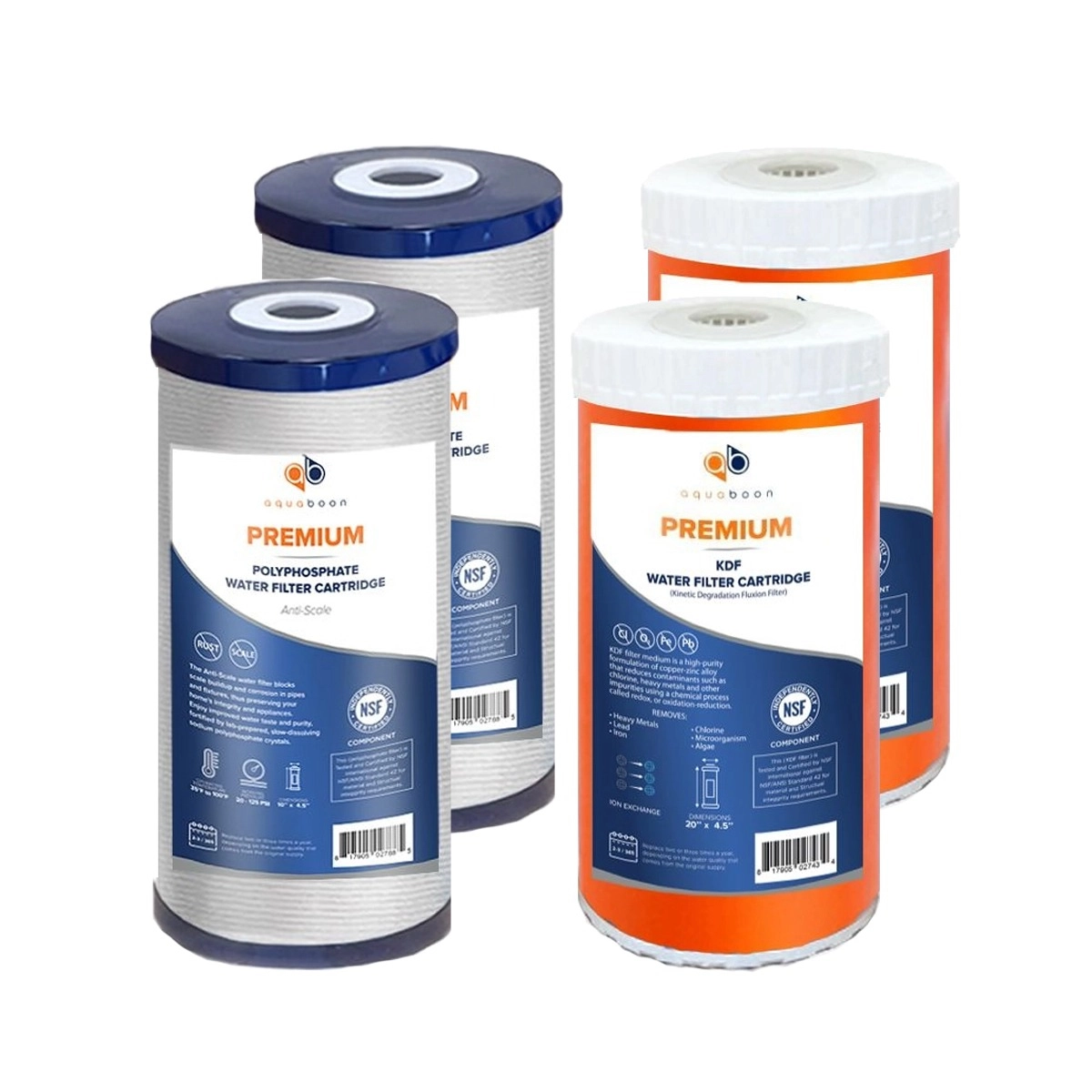
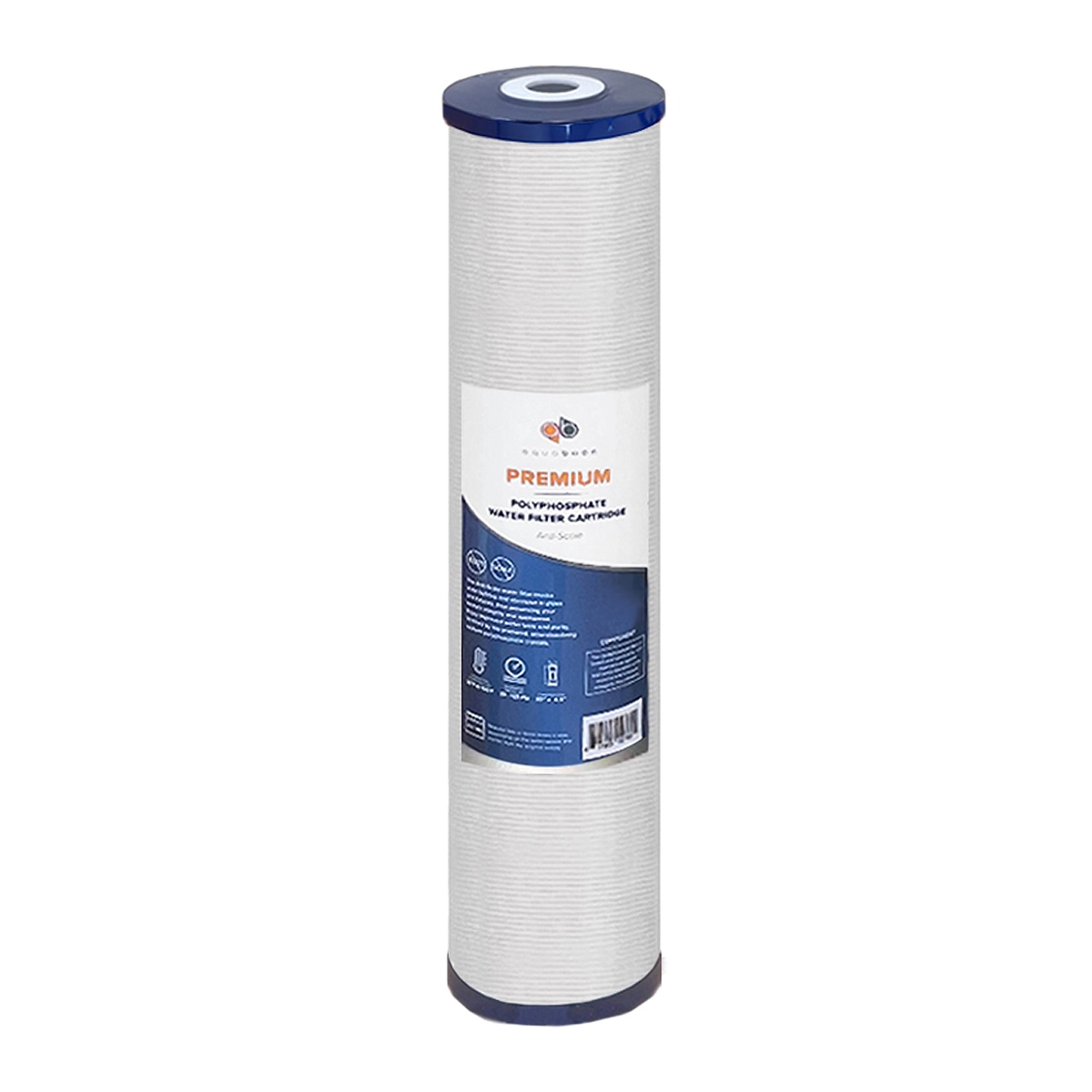 Whole House 20 x 4.5 Inch. Big Blue Polyphosphate Anti Scale Water Filter CartridgeAs low as $74.79
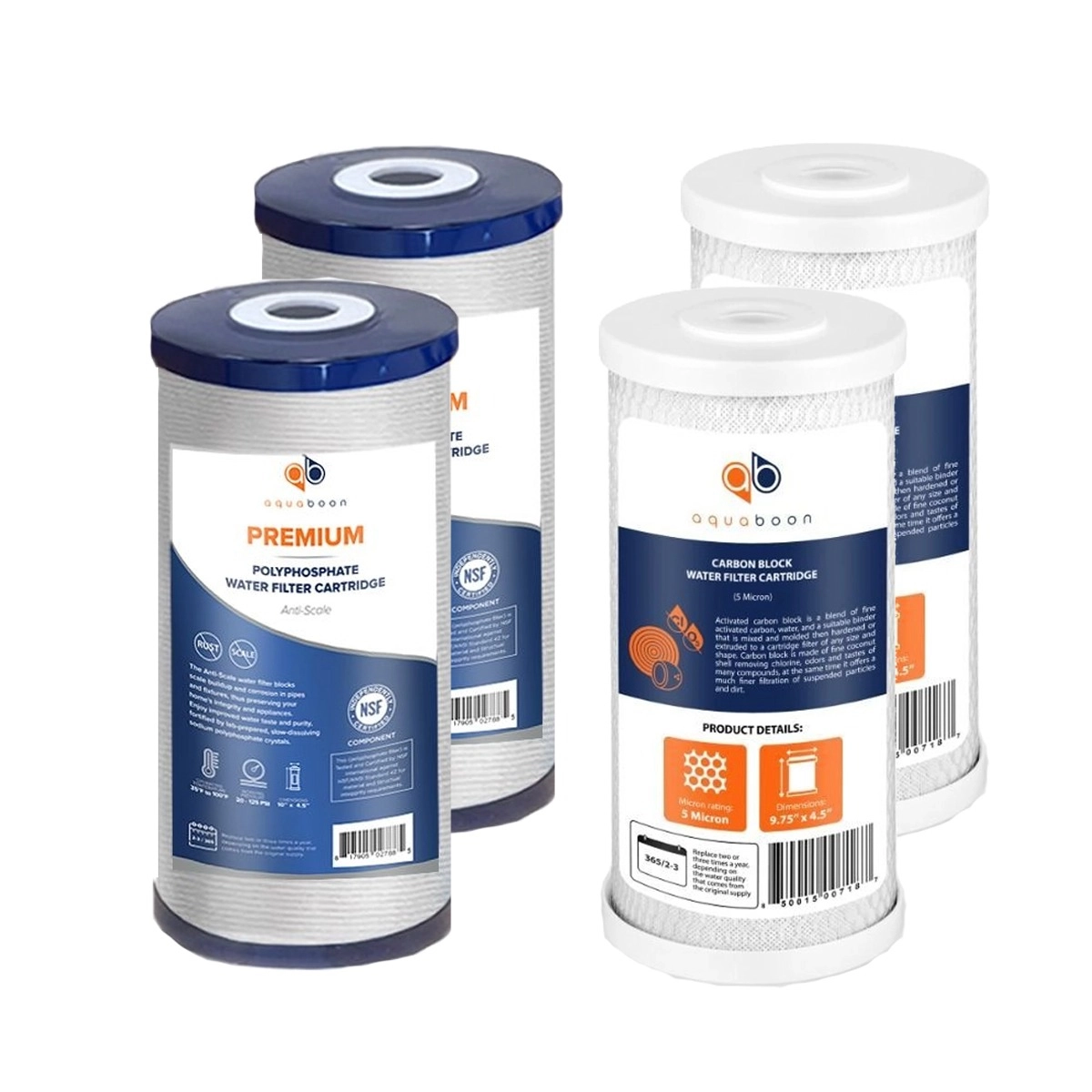
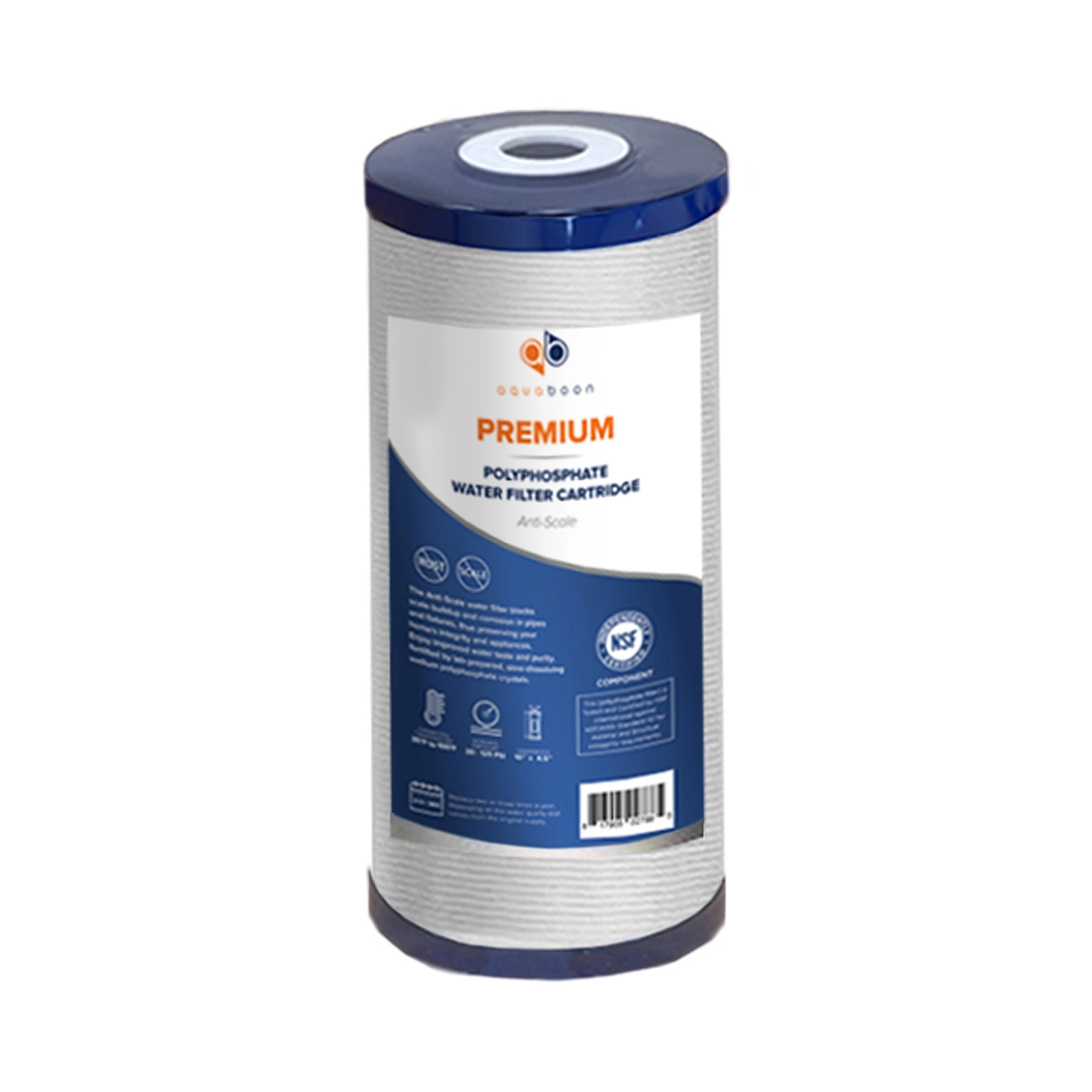 Whole House 10 x 4.5 Inch. Big Blue Polyphosphate Anti Scale Water Filter CartridgeAs low as $34.79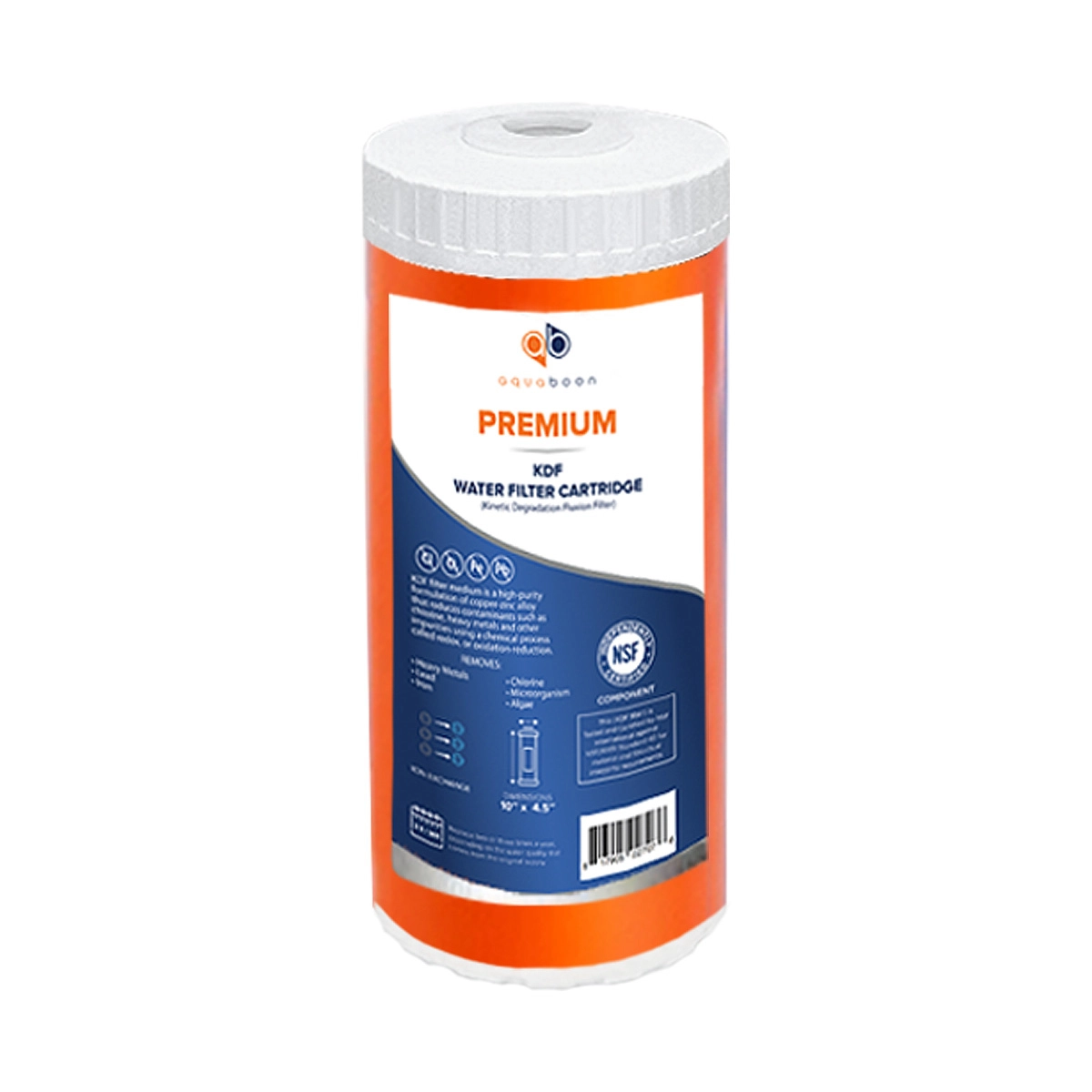

Preventing Future Housing Contamination
Regular maintenance significantly reduces contamination risks. Cleaning housings at every filter change, replacing filters on schedule, and ensuring proper drying before reassembly help maintain safe conditions. Avoid storing removed housings in damp environments, and always protect them from impact and extreme temperatures.
Conclusion
Cleaning sediment filter housings properly helps protect water quality, extend system lifespan, and prevent unnecessary leaks. Gentle cleaning methods, careful O-ring maintenance, and timely replacement when needed are essential for safe system operation.
Neglecting housing maintenance can compromise even the best filtration system. Clean housings and fresh filters work together to deliver consistent water quality and reliable performance.
Filterway offers high-quality replacement sediment filters, durable housings, and compatible components designed for safe reuse and long-term reliability.
Whether you’re performing routine maintenance or preparing a system after downtime, our solutions make it easier to keep your water clean and dependable.
Explore Filterway sediment filters and housing replacements to maintain your filtration system with confidence.
 How to Calculate the Home Water Flow Rate February 7, 2023
 Typical Residential Water Flow Rate November 10, 2022
 Best filters to remove chlorine December 9, 2022
 Why Is My Well Water Brown October 21, 2026
 Does Reverse Osmosis Remove Fluoride October 15, 2026
 Signs Your Well Water Could Be Contaminated October 11, 2026
 Rust Stains From Washing Machine October 5, 2026
 Is School Water Safe to Drink September 28, 2026