


How Shower Water Affects Your Hair (and the Best Routine to Fix It)
Hair care is often approached through products—shampoos, conditioners, and treatments designed to improve texture, shine, and manageability. Yet one of the most consistent factors influencing hair condition is often overlooked: the water used during every wash. Shower water comes into direct contact with hair on a daily basis, and its composition can gradually shape how hair looks and feels over time. Understanding this interaction makes it possible to move beyond short-term fixes and focus on more stable, long-term improvement.
What’s in Shower Water That Affects Hair
Water reaching your home is treated to meet safety standards, but it is not chemically neutral. It often contains minerals and disinfectants that influence how it interacts with hair.
Key components commonly found in shower water include:
- Calcium and magnesium (hard water minerals) — accumulate on the hair surface, making it rough and harder to moisturize
- Chlorine — dries out the hair and can disrupt the scalp’s natural balance
- Sediment and micro-impurities — create a residue that affects how clean and lightweight hair feels
In many regions, water is considered hard, meaning it carries higher levels of calcium and magnesium. These minerals do not rinse away easily and can accumulate on the surface of the hair. Over time, this buildup can create a rougher texture and reduce the hair’s ability to retain moisture.
Chlorine, commonly used in municipal systems for disinfection, plays an important role in water safety. However, repeated exposure during showering can contribute to dryness and may affect both the hair shaft and the scalp environment.
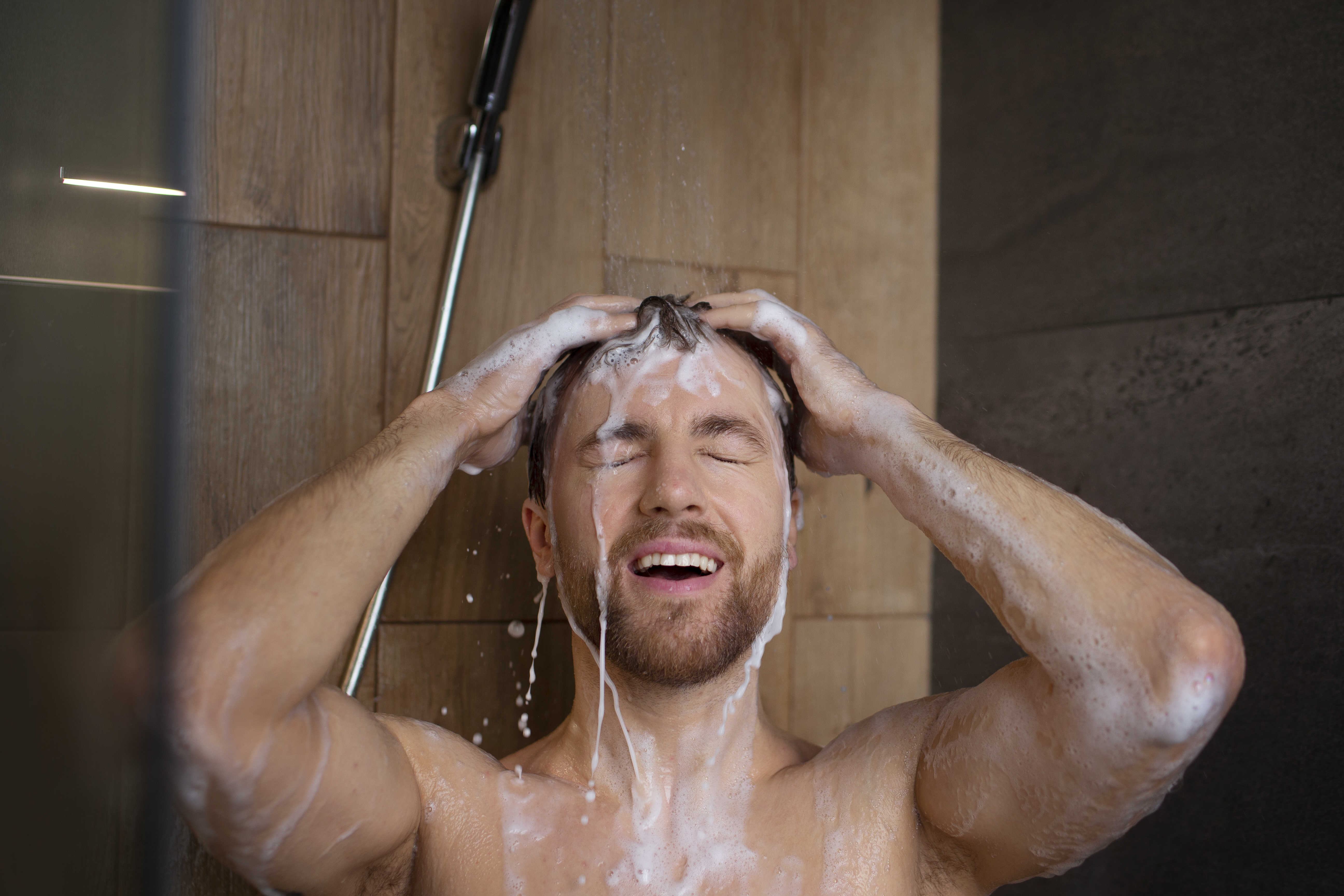
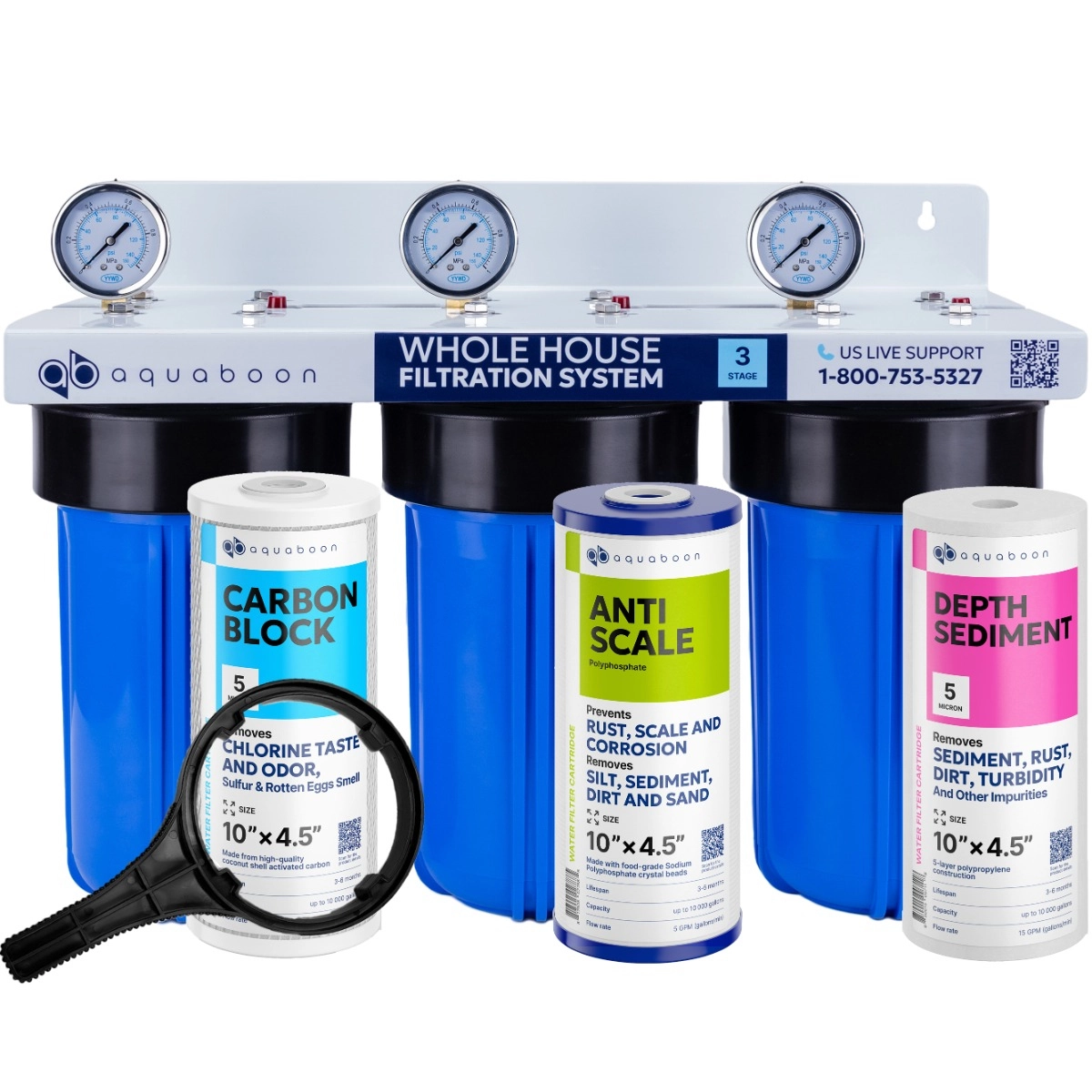
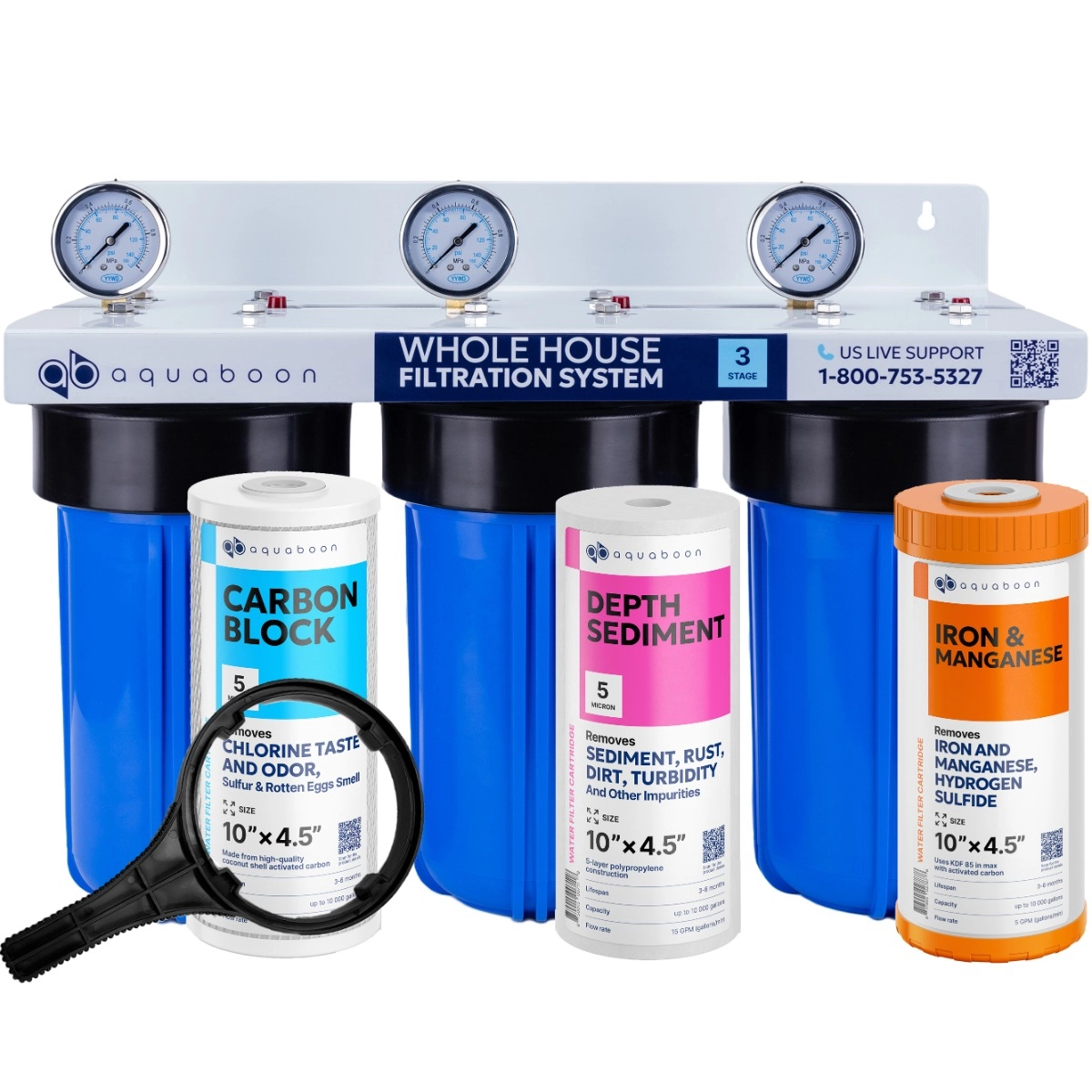
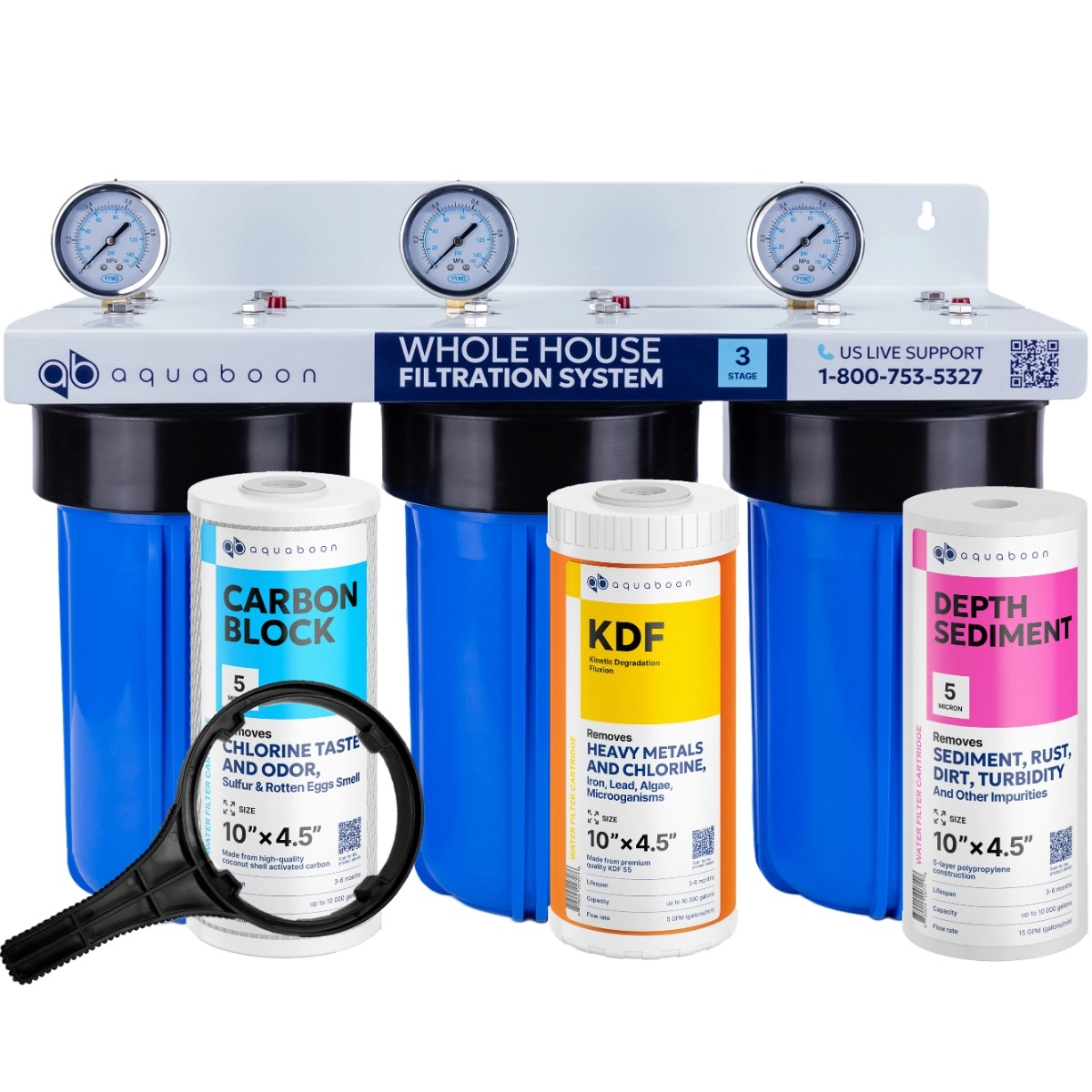
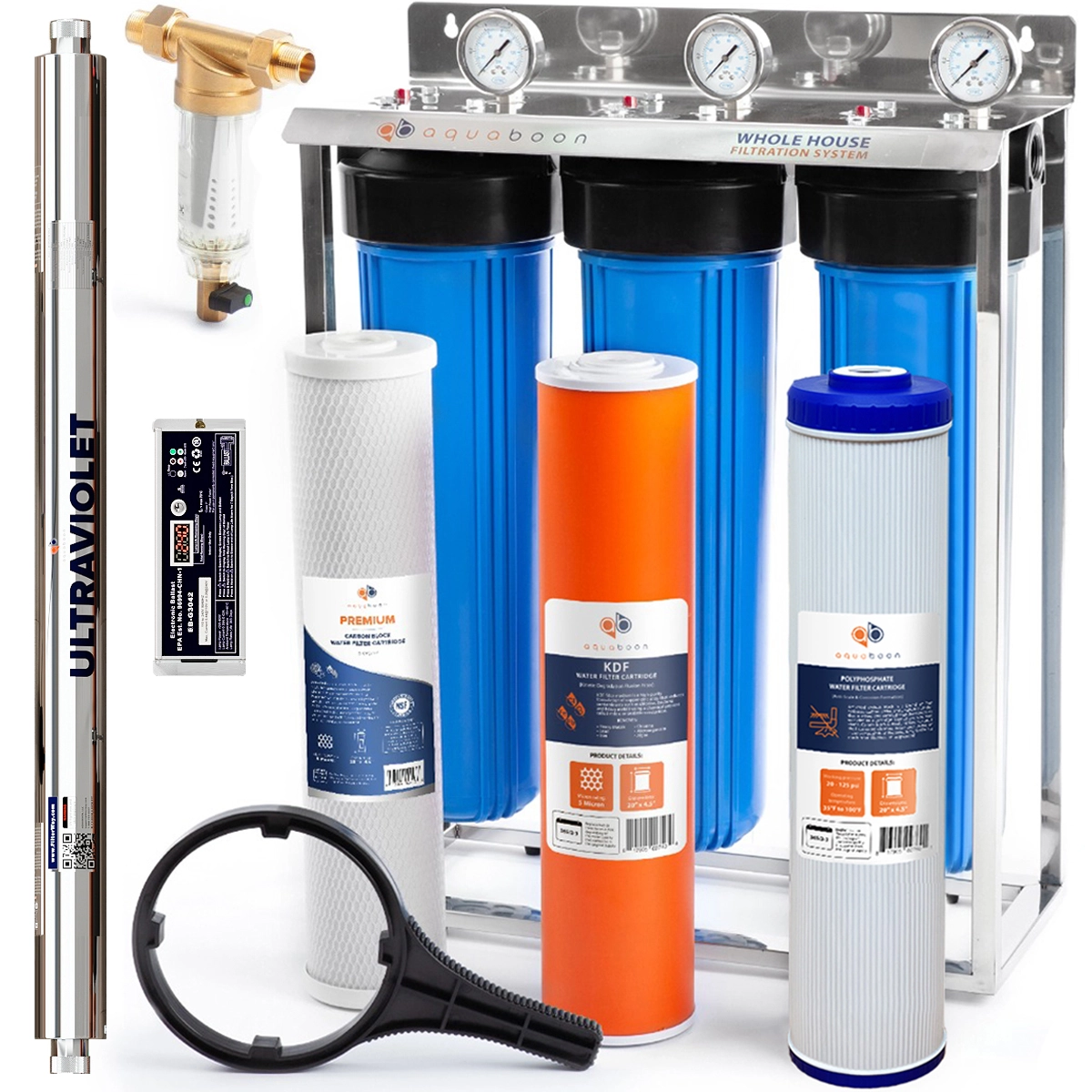
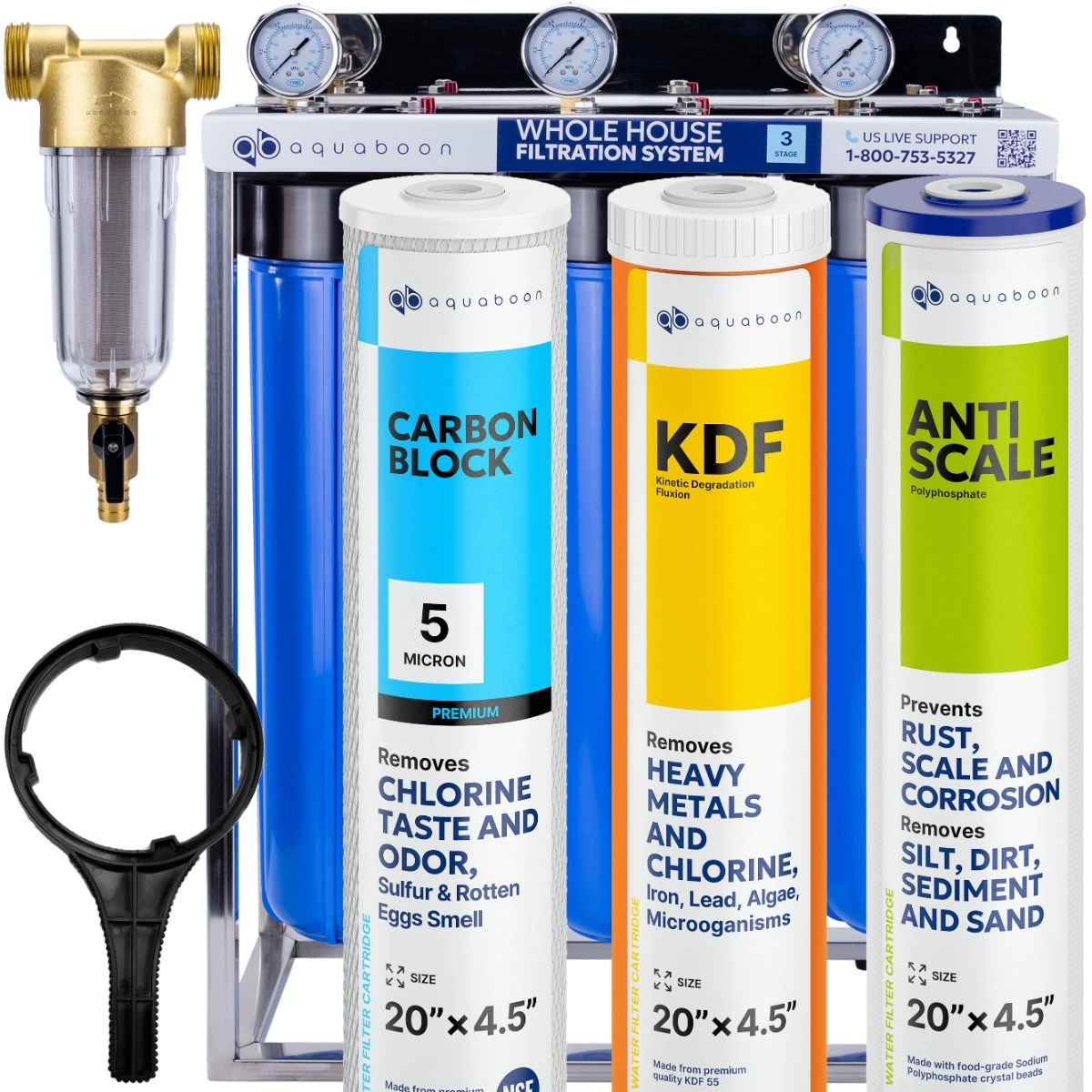
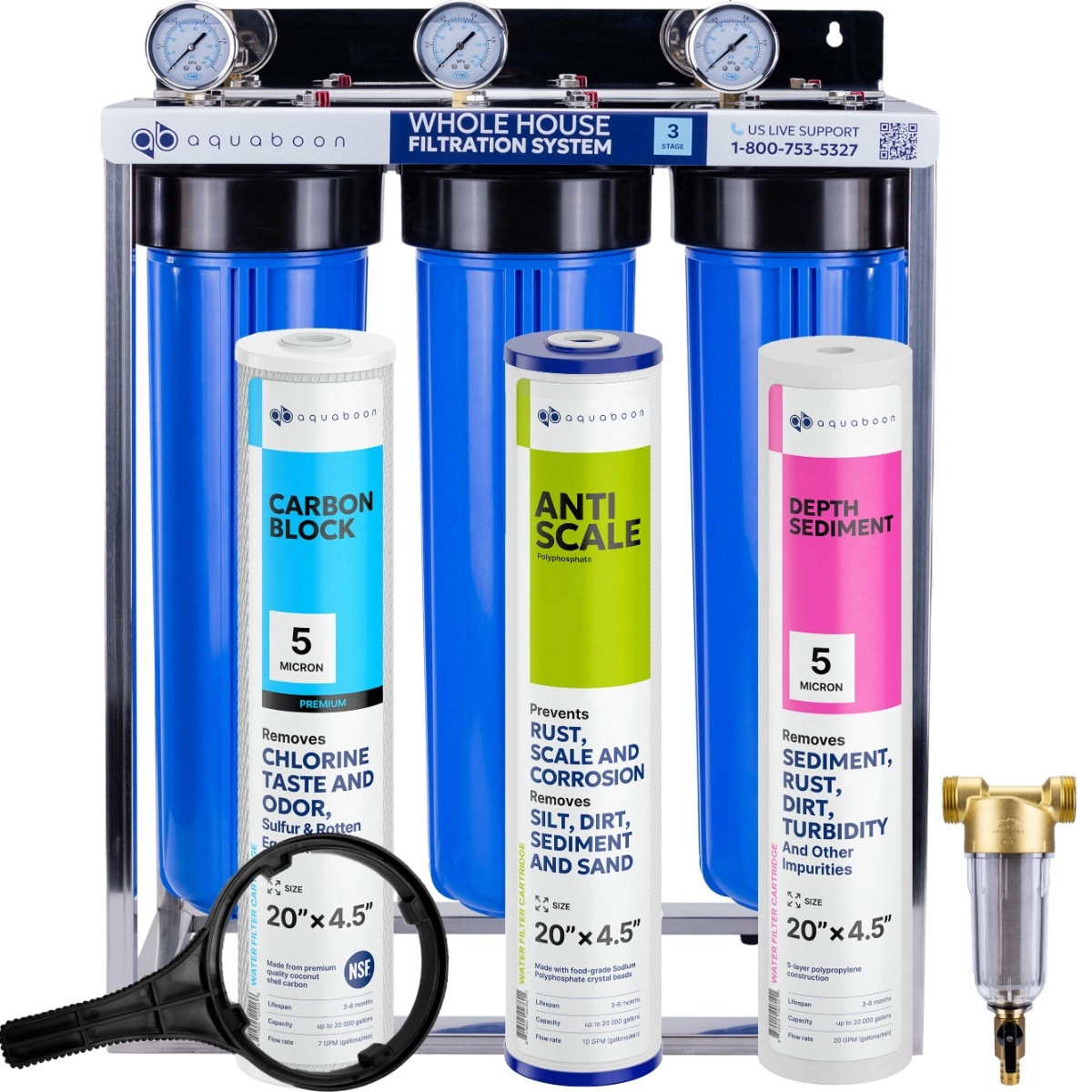
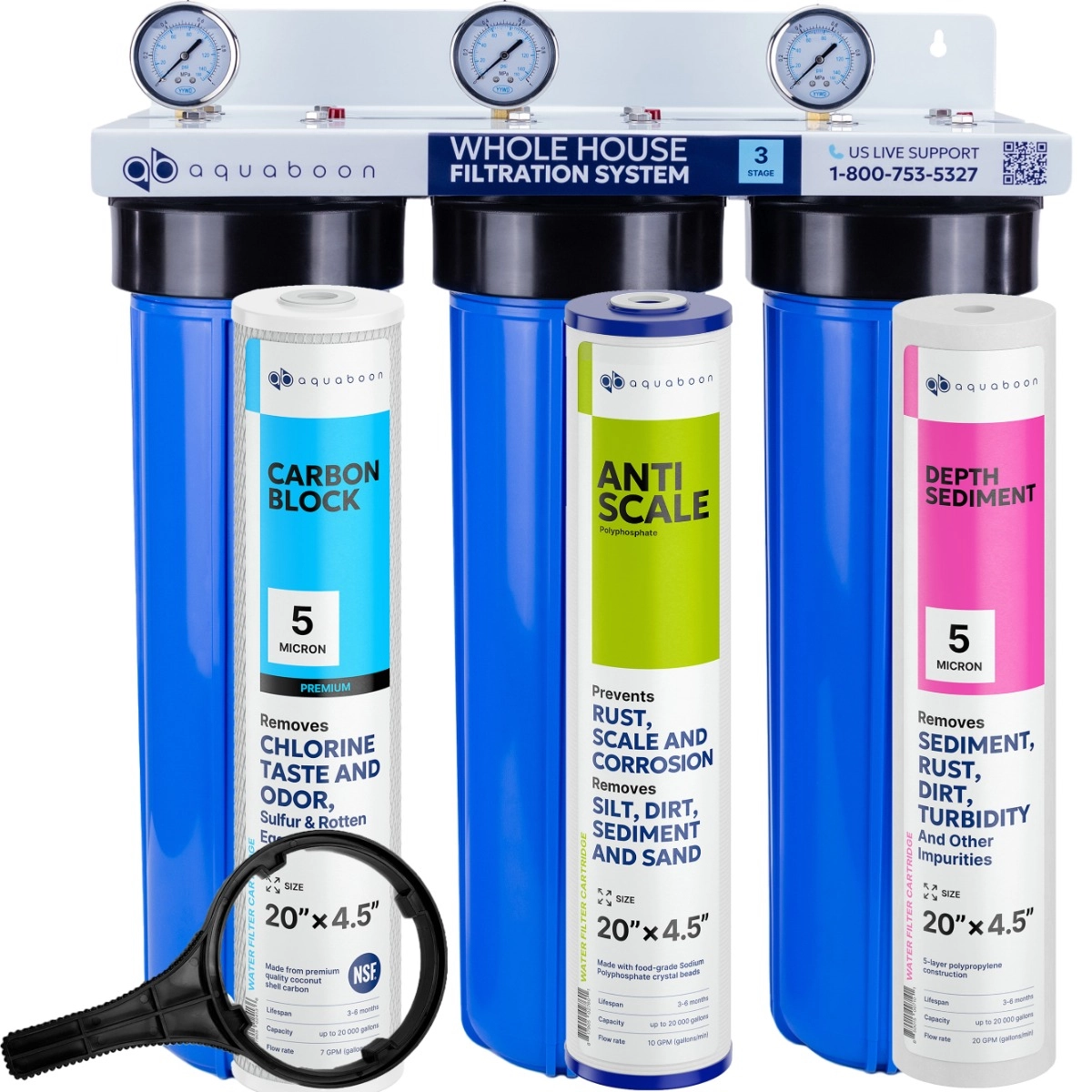
In addition, small amounts of sediment or impurities may be present. While not always visible, these particles can contribute to a layer of residue that interferes with how clean and lightweight hair feels after washing. Beyond these common elements, trace amounts of heavy metals such as iron, lead, or copper may also be present in water systems. Over time, they can contribute to dullness, discoloration, and increased dryness of the hair. This is why heavy metals filtration is becoming an important consideration in modern water treatment, helping to reduce these contaminants and create a cleaner, more balanced environment for both hair and scalp. During a shower, warm water opens the hair cuticle—the outer layer that protects each strand. This allows water to penetrate the hair, but it also increases the interaction between the hair surface and any minerals or chemicals present in the water. Instead of being fully rinsed away, these elements can attach to the hair. With repeated exposure, they form a subtle but persistent layer that affects texture, shine, and overall manageability. Because this process happens gradually, the resulting changes are often attributed to products or routine, rather than the water itself. When water quality begins to influence hair, the effects typically appear as consistent changes rather than sudden issues. Hair may feel dry or stiff even after conditioning. Shine can decrease, leaving hair looking dull or flat. In some cases, hair becomes more prone to frizz or tangling, while in others it may feel heavy or coated, as if it has not been fully rinsed. Another common sign is reduced product performance. Shampoo may not lather effectively, and conditioners may not deliver the expected results. These patterns often indicate that buildup or residue is interfering with how products interact with the hair. Managing the effects of water on hair involves reducing buildup and supporting the hair’s natural balance. The first step is to remove accumulated residue. Using a clarifying shampoo once per week helps break down mineral deposits and product buildup that can collect on the hair over time. This resets the hair surface and improves how it responds to other treatments. Once buildup is reduced, restoring moisture becomes more effective. Hydrating conditioners or masks can help improve softness and manageability, particularly when dryness has been caused by repeated exposure to minerals or disinfectants. Washing habits also play a role. Very hot water can increase stress on the hair cuticle, while thorough rinsing helps prevent residue from remaining on the hair. Over time, simplifying the routine—using fewer, more targeted products—can further improve results as the hair becomes less weighed down. These steps help manage the effects of water, but they do not eliminate the source of the issue. As long as water continues to carry minerals and chemicals, exposure remains constant. Routine adjustments can improve how hair feels and behaves, but they primarily address the symptoms. The underlying cause—water composition—remains unchanged, which means the cycle of buildup and dryness can return over time. For more consistent results, it becomes necessary to look beyond products and consider the quality of the water itself. A more stable approach involves improving water quality before it reaches the shower. Whole-house filtration systems are designed to reduce sediment, chlorine, and other impurities at the point where water enters the home. This helps create a more consistent water environment across all uses, including showering. Water softeners address one of the primary contributors to buildup by reducing calcium and magnesium levels. By limiting these minerals, they help prevent the formation of deposits on hair, as well as on plumbing and appliances. Filterway offers whole house filtration systems and water softeners that improve water quality before it reaches your shower—reducing the minerals and chemicals that contribute to buildup, dryness, and inconsistent results. With fewer impurities in the water, hair is easier to rinse, products perform more effectively, and texture becomes more predictable over time. Instead of constantly adjusting your routine, you start with water that supports it. Hair condition is influenced by more than products alone. Shower water, as a daily and direct exposure, plays a significant role in how hair responds over time. While routines can help manage the effects, lasting improvement often comes from addressing water quality at its source. By making this adjustment, it becomes possible to achieve more consistent, predictable results with less reliance on temporary solutions.
How Shower Water Interacts with Hair
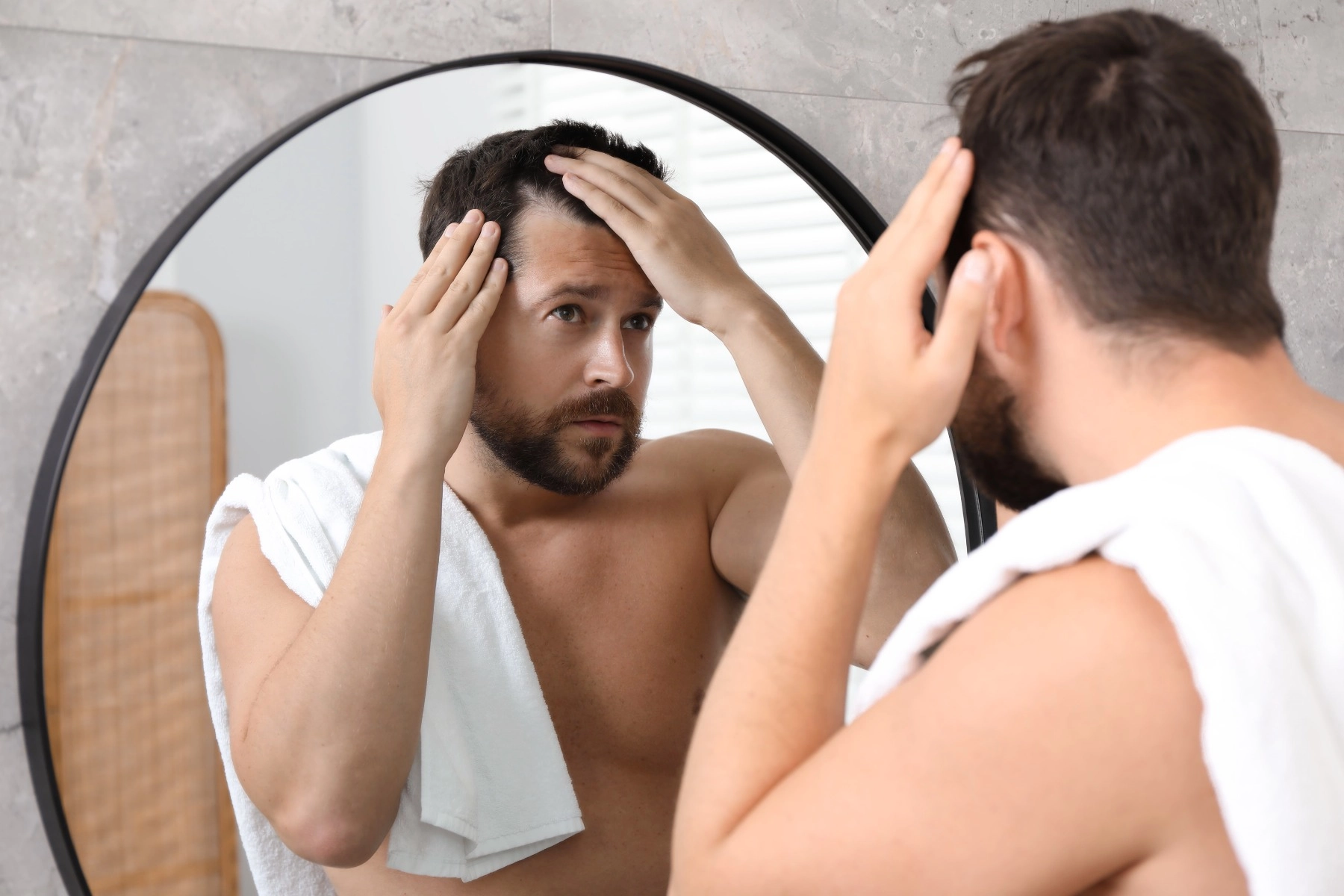
Signs Your Shower Water Is Affecting Your Hair
The Best Routine to Reduce Water-Related Hair Issues
Short-Term Fix vs Long-Term Solution
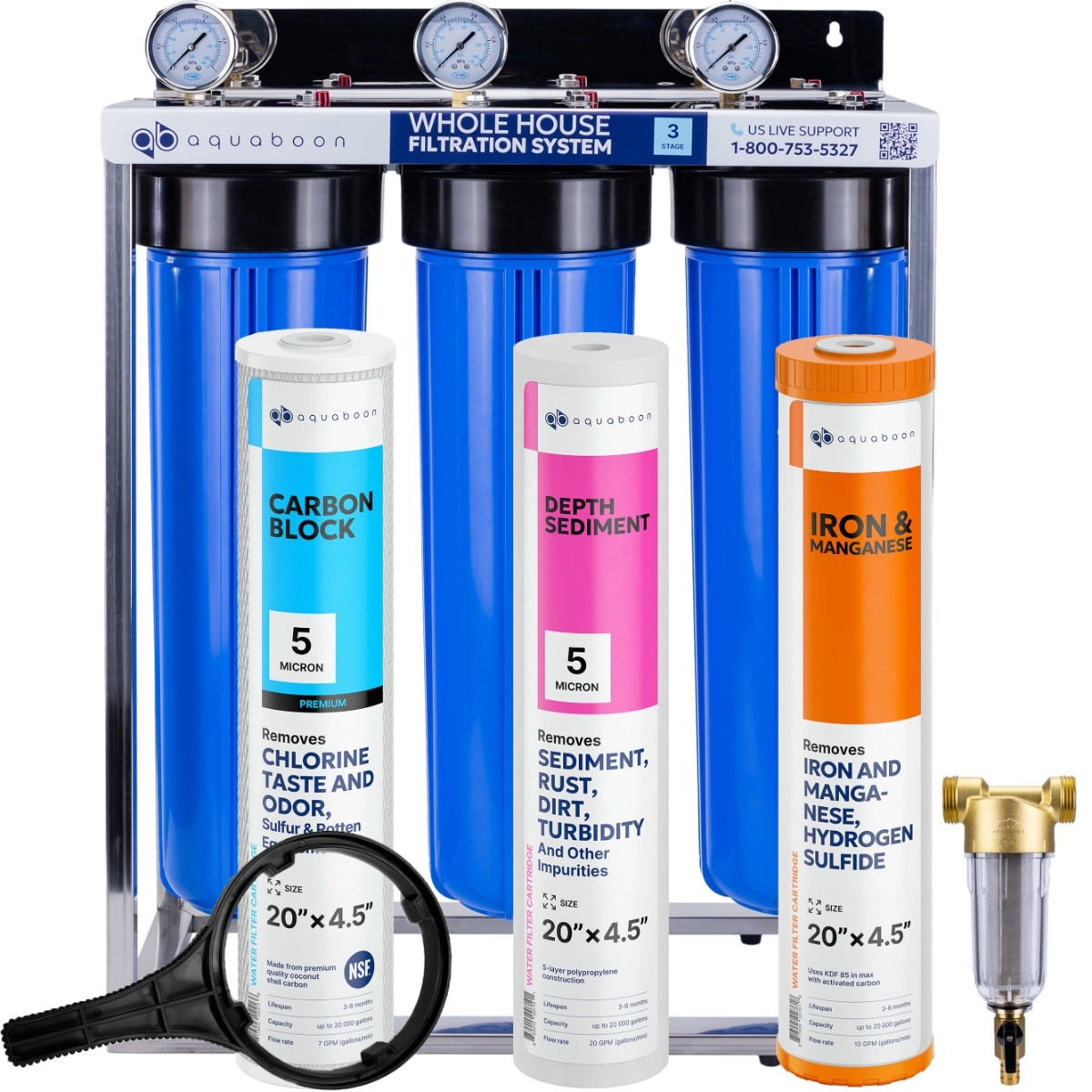
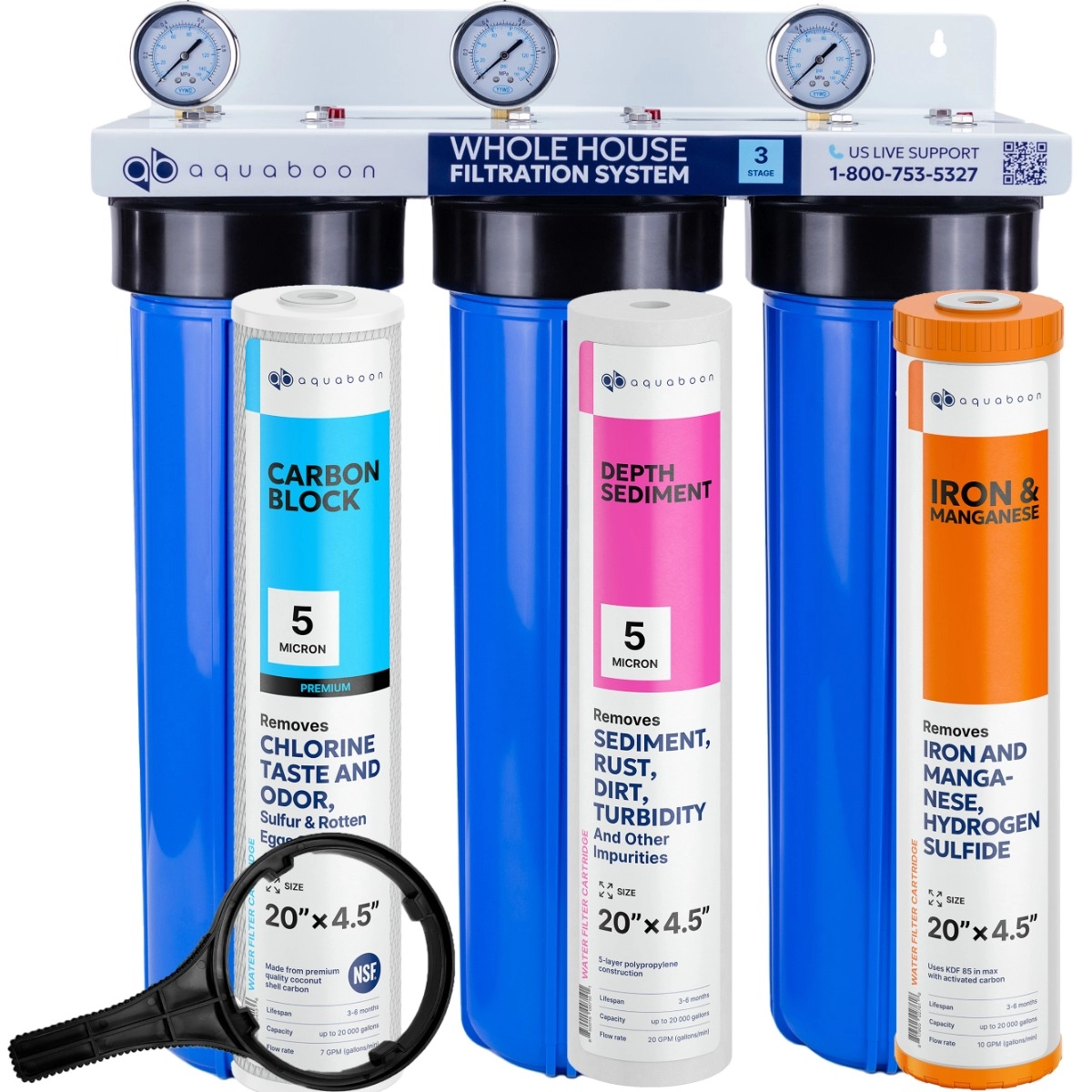
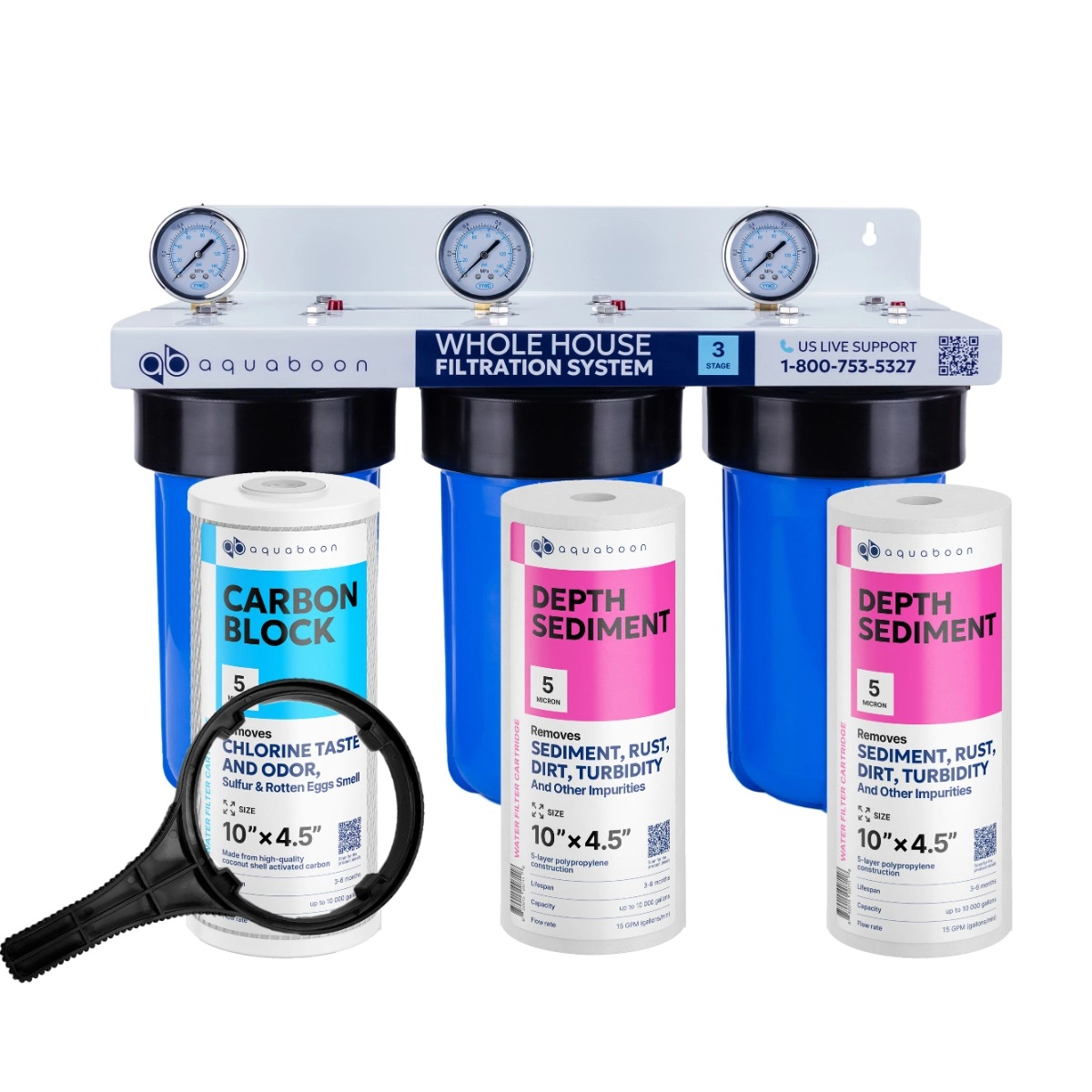
Improving Water at the Source
Water Quality Matters: The Hidden Key to Healthier Hair