


Is Filtered Water Better for Houseplants? What You Need to Know
Water is one of the most important factors in plant care, yet it is often treated as a constant rather than a variable. While light, soil, and fertilizers are carefully selected, the quality of the water used for watering is rarely questioned. However, the composition of that water can directly influence plant health, soil condition, and long-term growth. This raises a practical question: is filtered water actually better for houseplants, or is tap water sufficient?
What’s in Tap Water?
Tap water is treated to meet safety standards for human consumption, but that does not mean it is optimized for plant care. In most cases, it contains disinfectants such as chlorine or chloramine, which are used to control bacteria. It also carries dissolved minerals like calcium and magnesium, especially in areas with hard water.
In addition, depending on the region and plumbing system, tap water may contain small amounts of sediment, metals, or other impurities. While these are typically within safe limits for people, plants respond differently to long-term exposure, especially in controlled indoor environments where water is repeatedly introduced into the same soil.
How Tap Water Affects Houseplants
Over time, the components in tap water can begin to influence both the plant and the soil it grows in. Chlorine, while useful for disinfection, can disrupt beneficial microorganisms that support nutrient cycling in the soil. Without a healthy microbial environment, plants may struggle to absorb nutrients efficiently.
Minerals present in hard water can accumulate with each watering. Unlike outdoor environments where rain can help flush the soil, indoor plants often retain these minerals, leading to gradual buildup. This can change the soil structure and interfere with root function.
Common signs that water quality may be affecting your plants include:
- Browning or yellowing leaf edges
- White crust forming on the soil surface or pots
- Slower growth or reduced vitality
- Leaves that appear dull or stressed despite proper care
These symptoms are often attributed to watering frequency or fertilizer issues, but water composition is frequently an underlying factor.
What Is Filtered Water?
Filtered water is water that has passed through a system designed to remove or reduce unwanted elements. Depending on the type of filtration, this may include chlorine, sediment, certain metals, and other impurities.
The goal of filtration is not to strip water completely, but to create a more balanced and stable composition. This consistency is particularly important for houseplants, where environmental conditions are already limited compared to outdoor settings.
Using filtered water helps create a more controlled growing environment. With fewer chemicals and reduced mineral buildup, soil conditions remain more stable over time. This supports more consistent nutrient uptake and can improve overall plant appearance and growth.
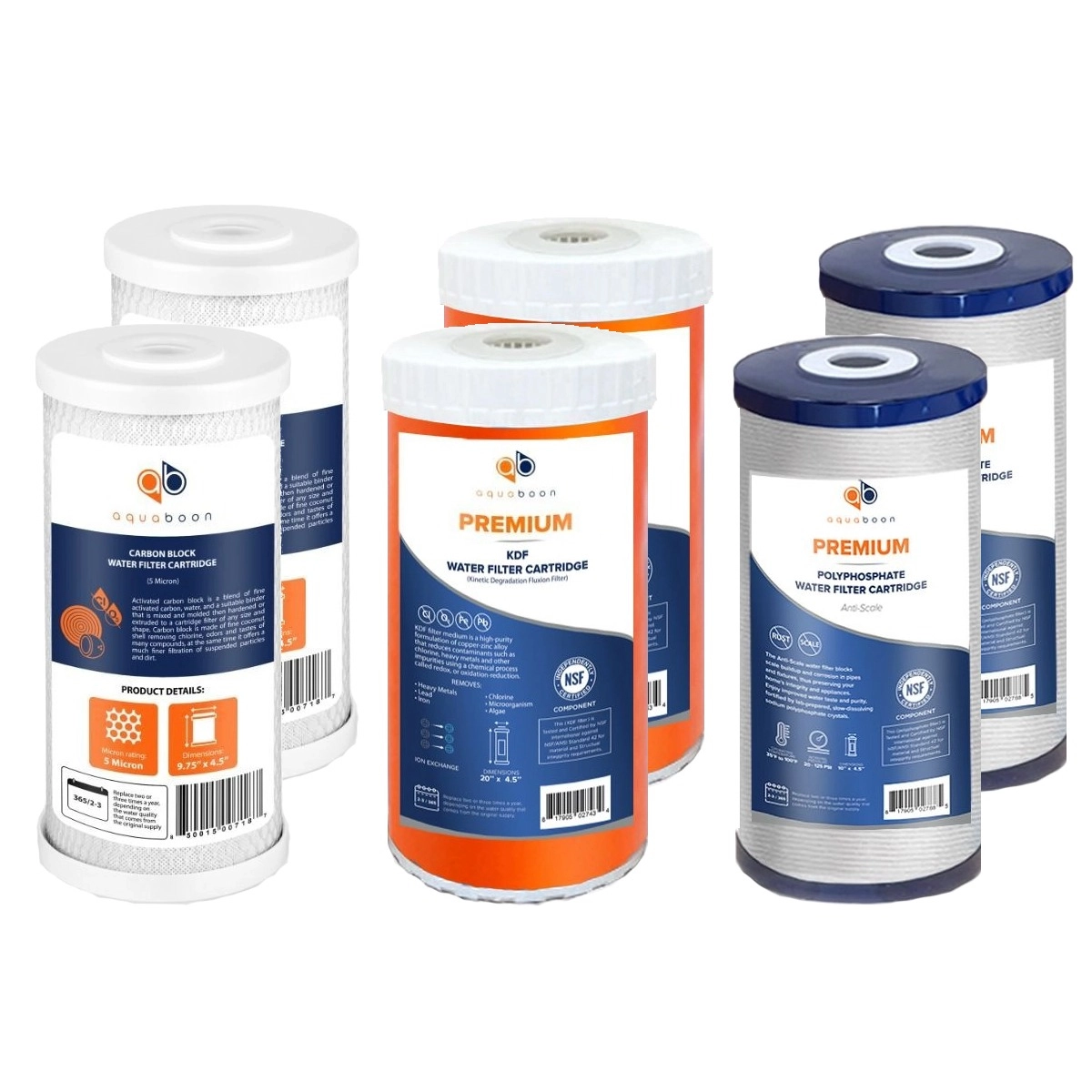
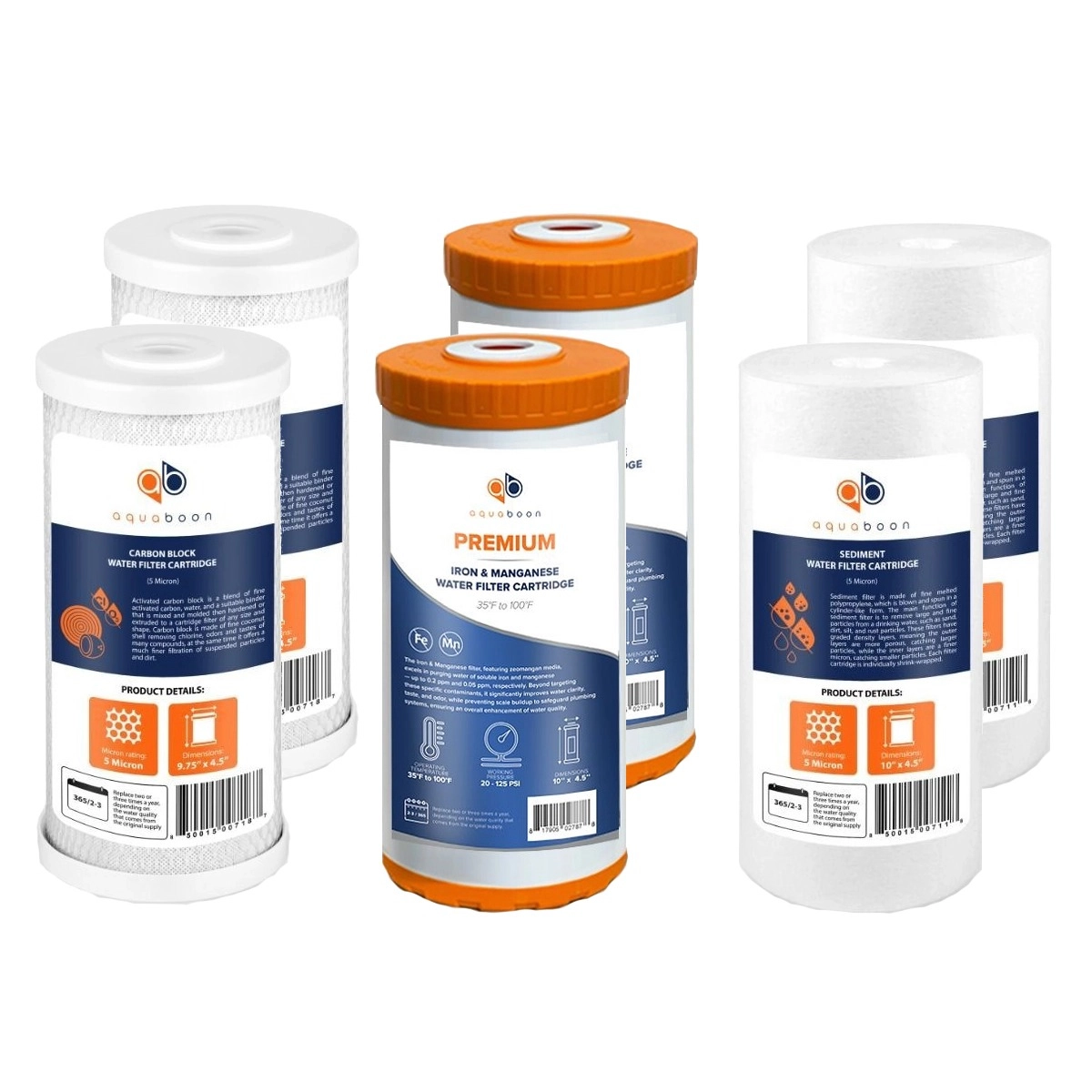
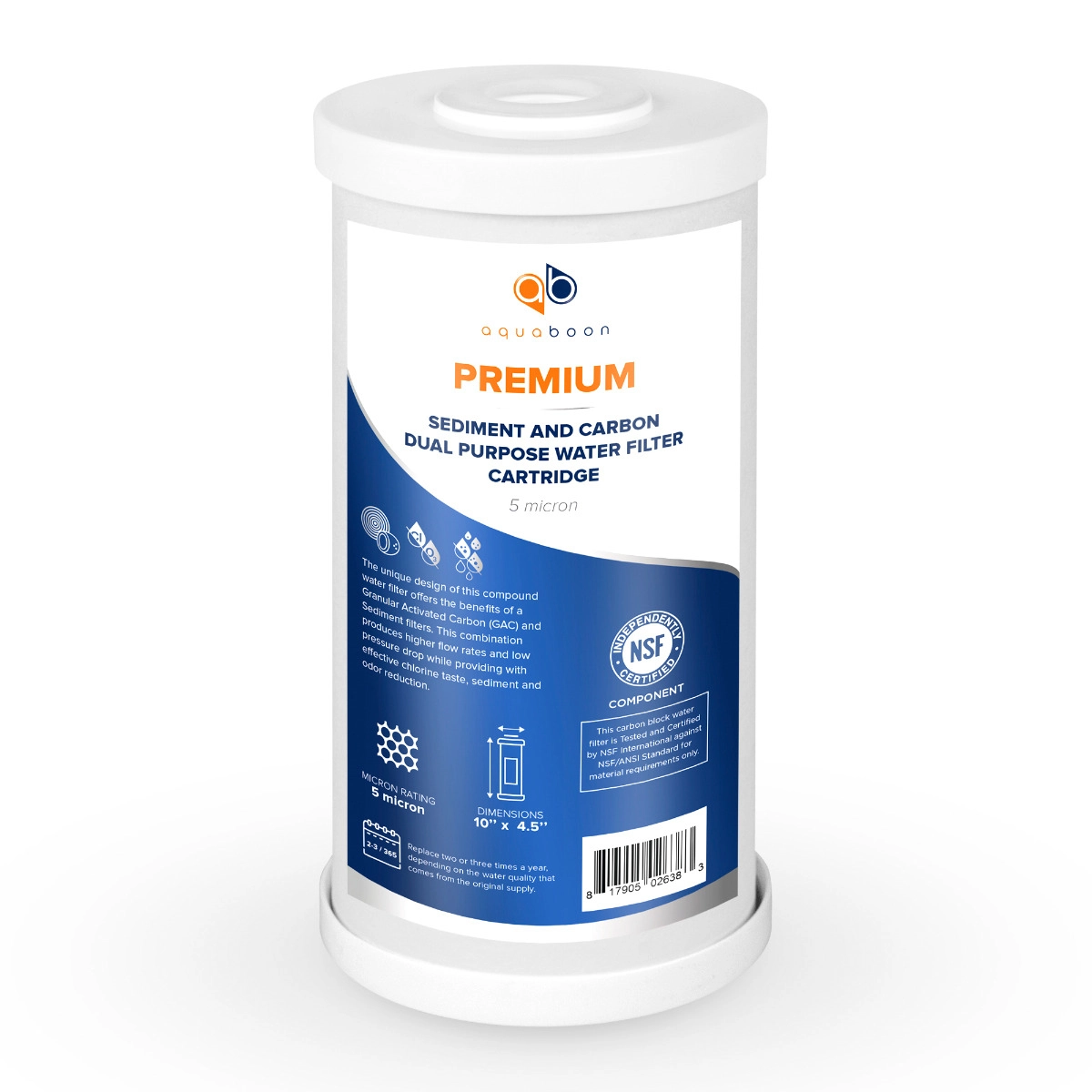
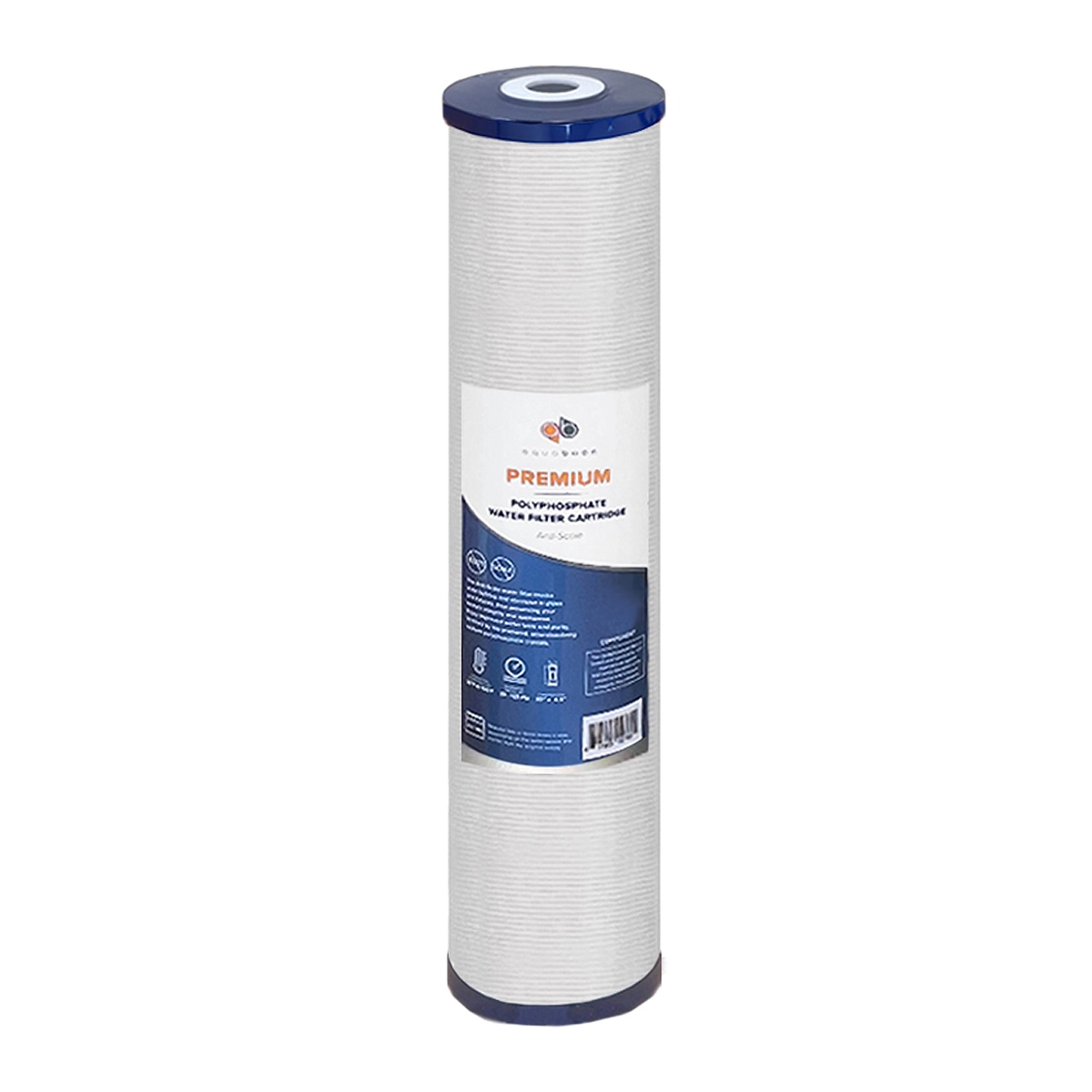
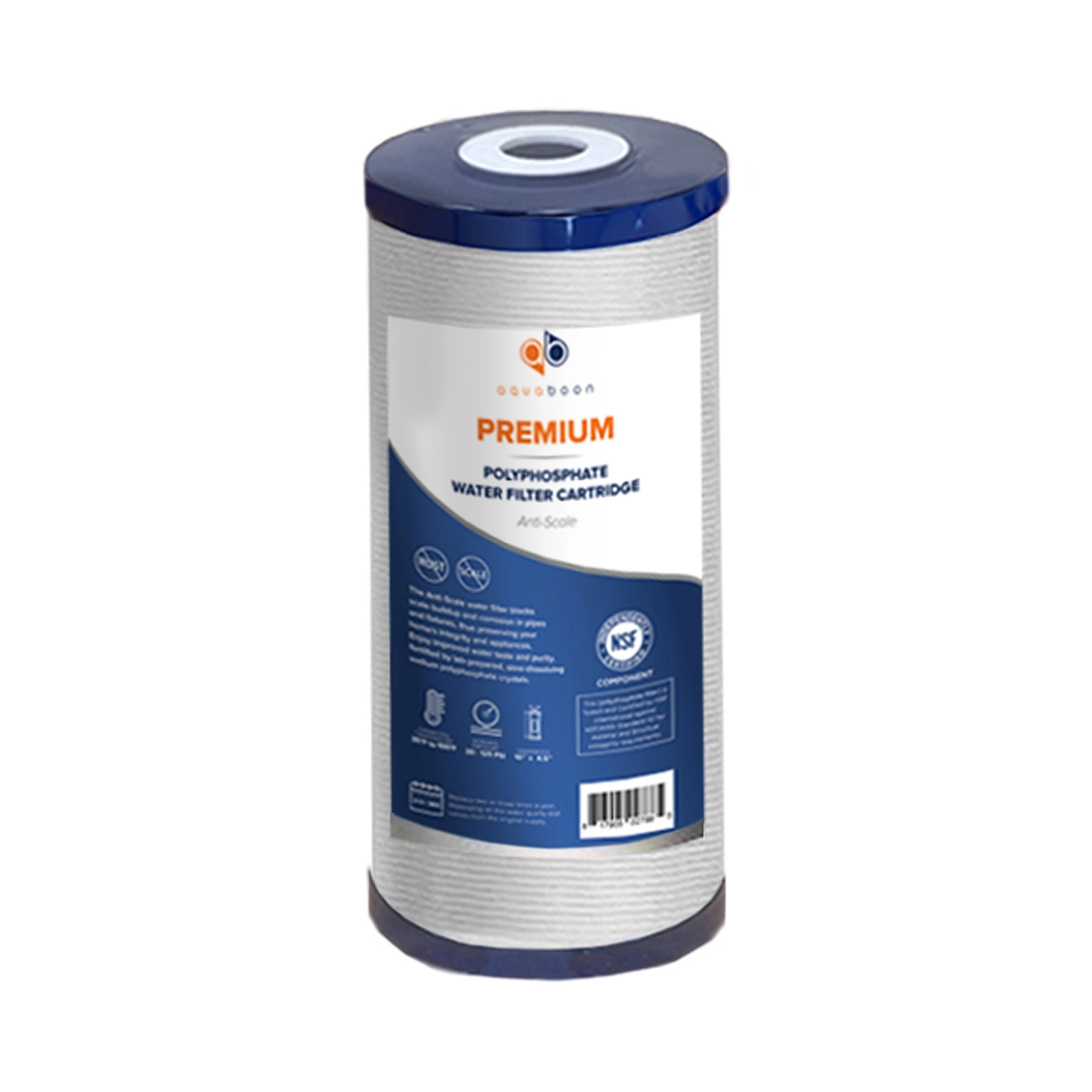
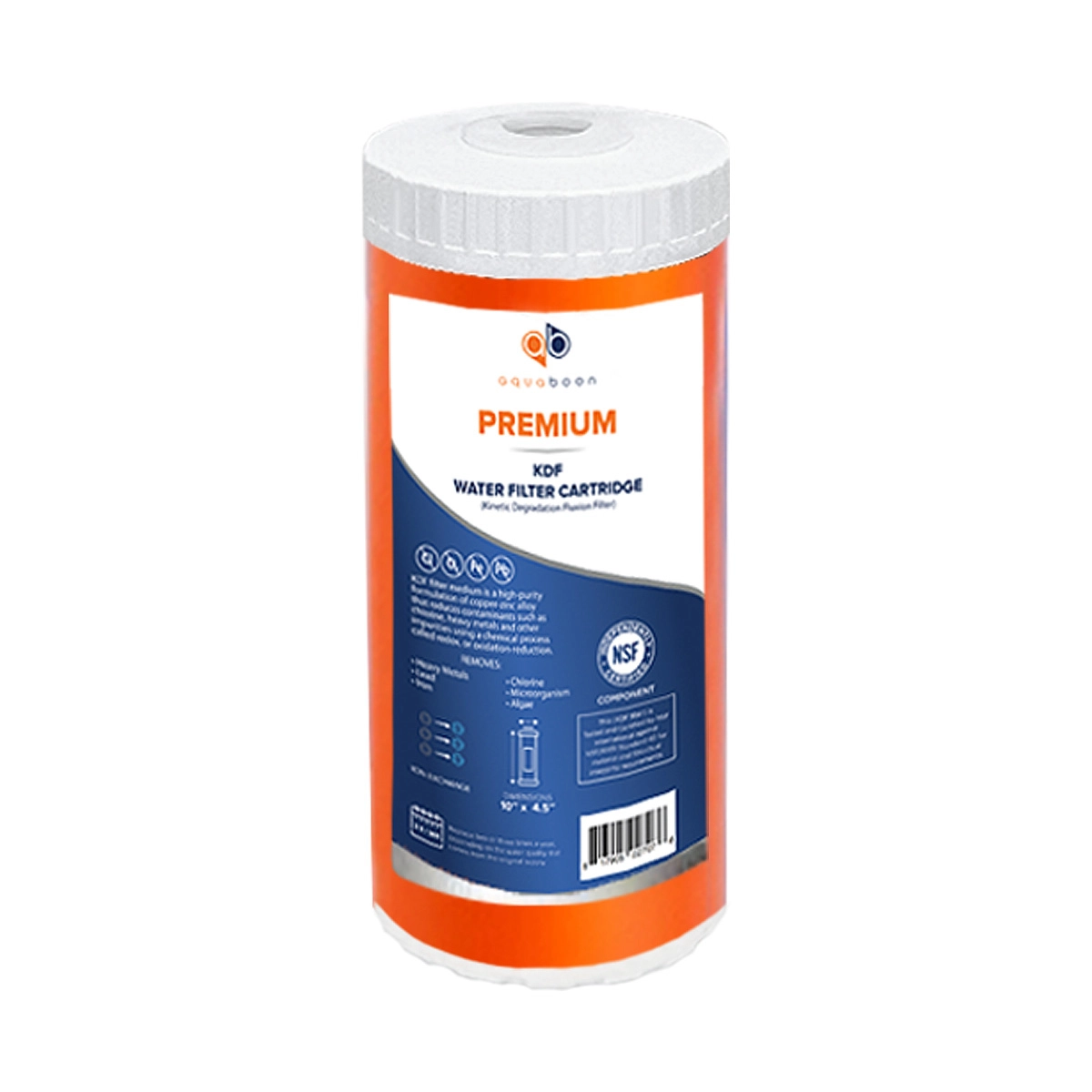
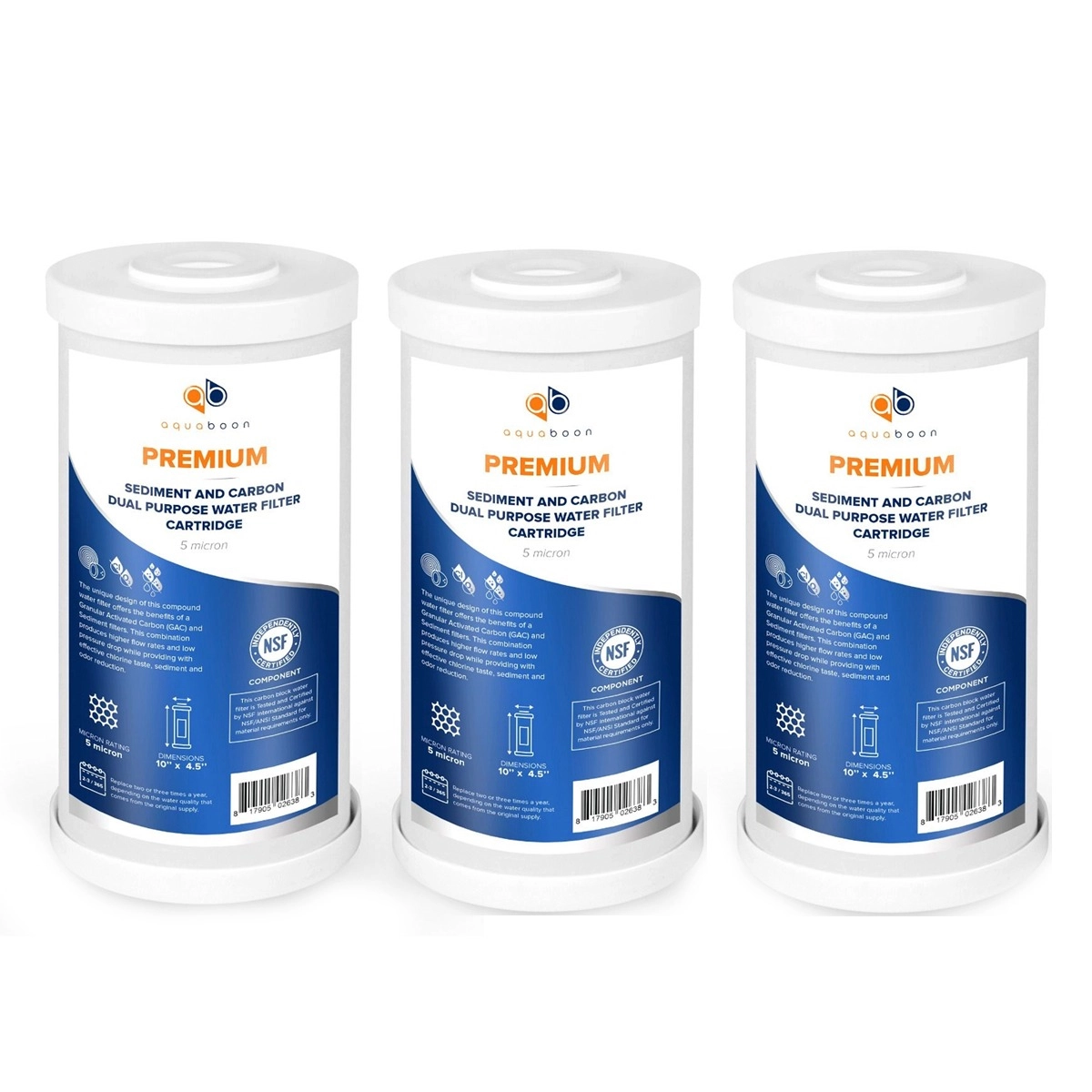
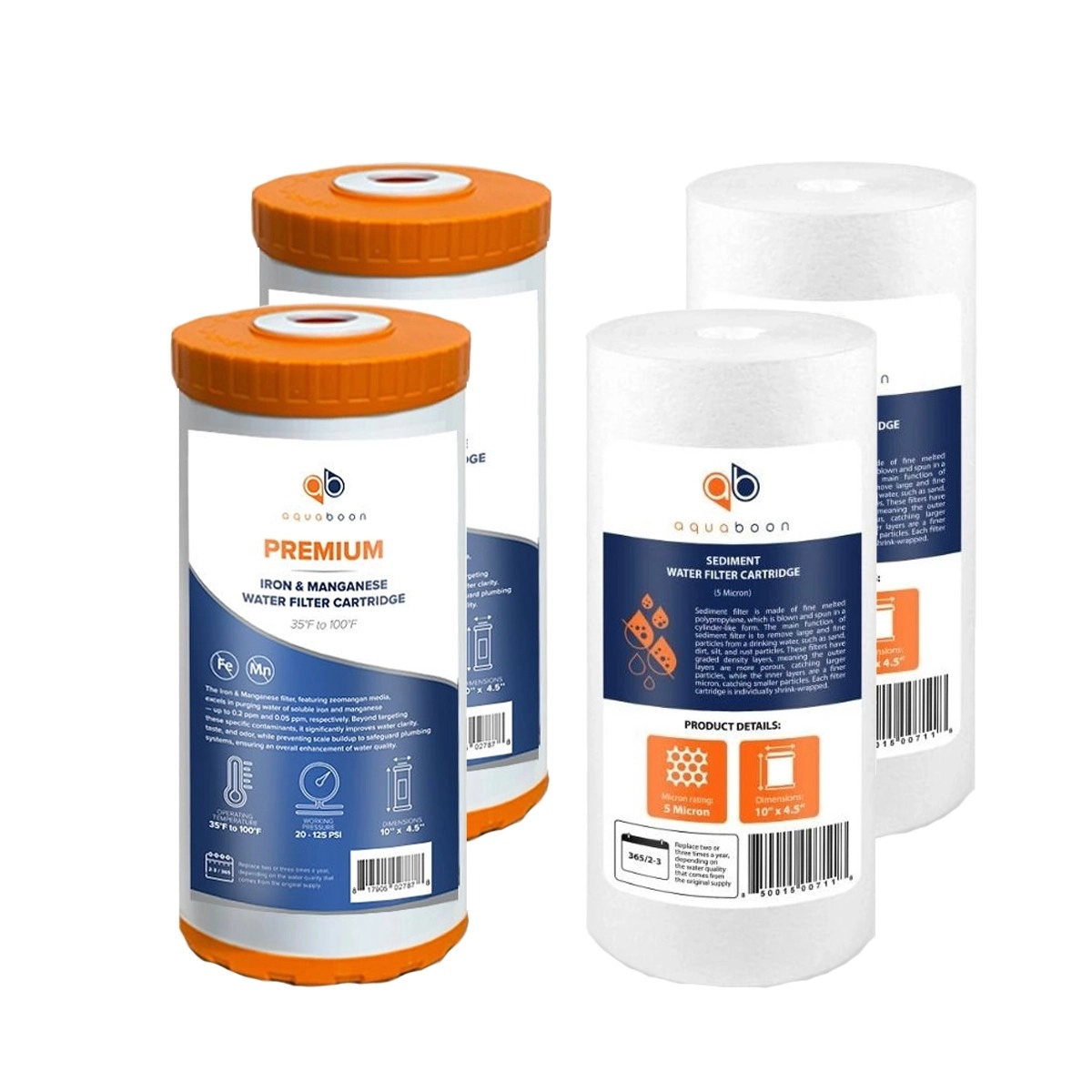
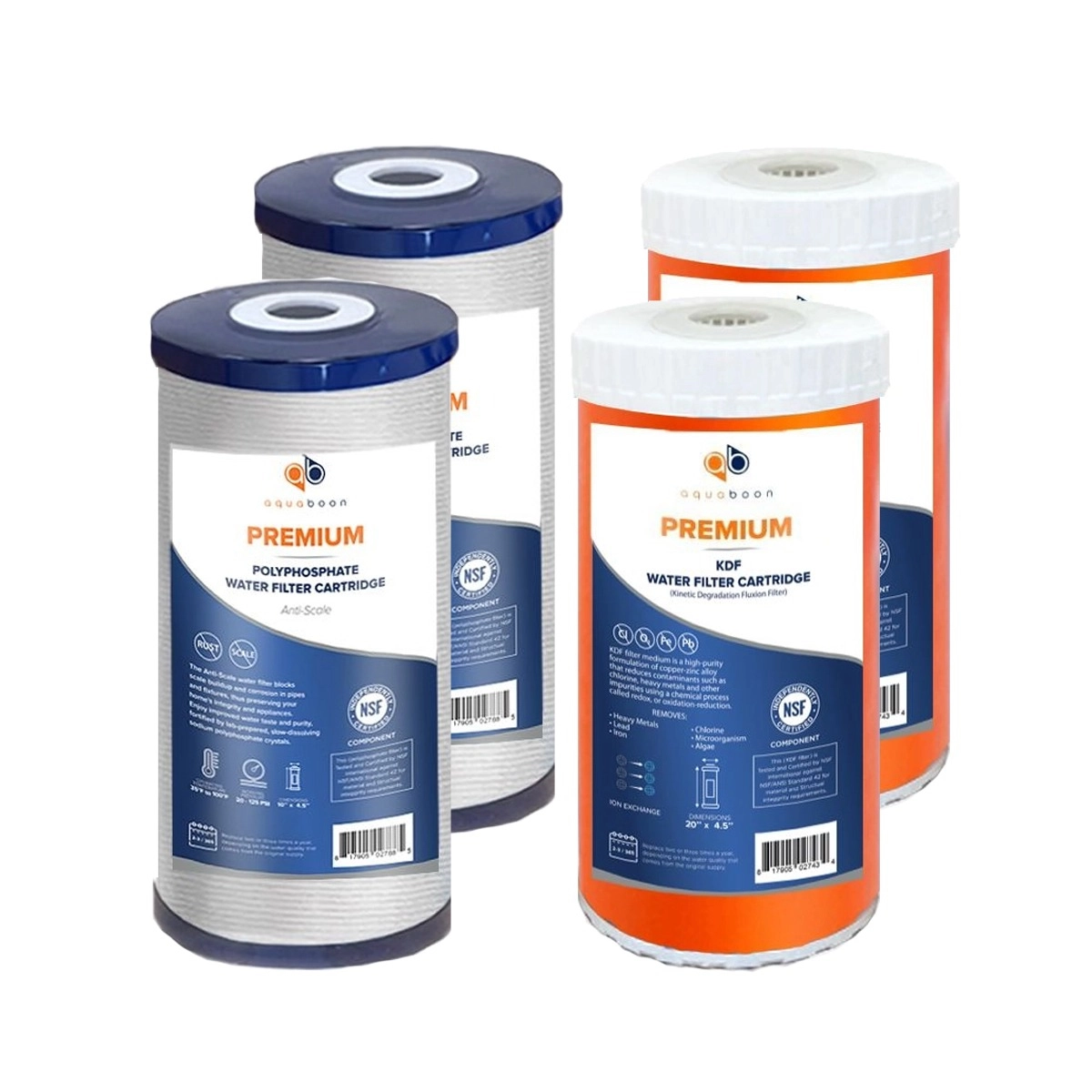
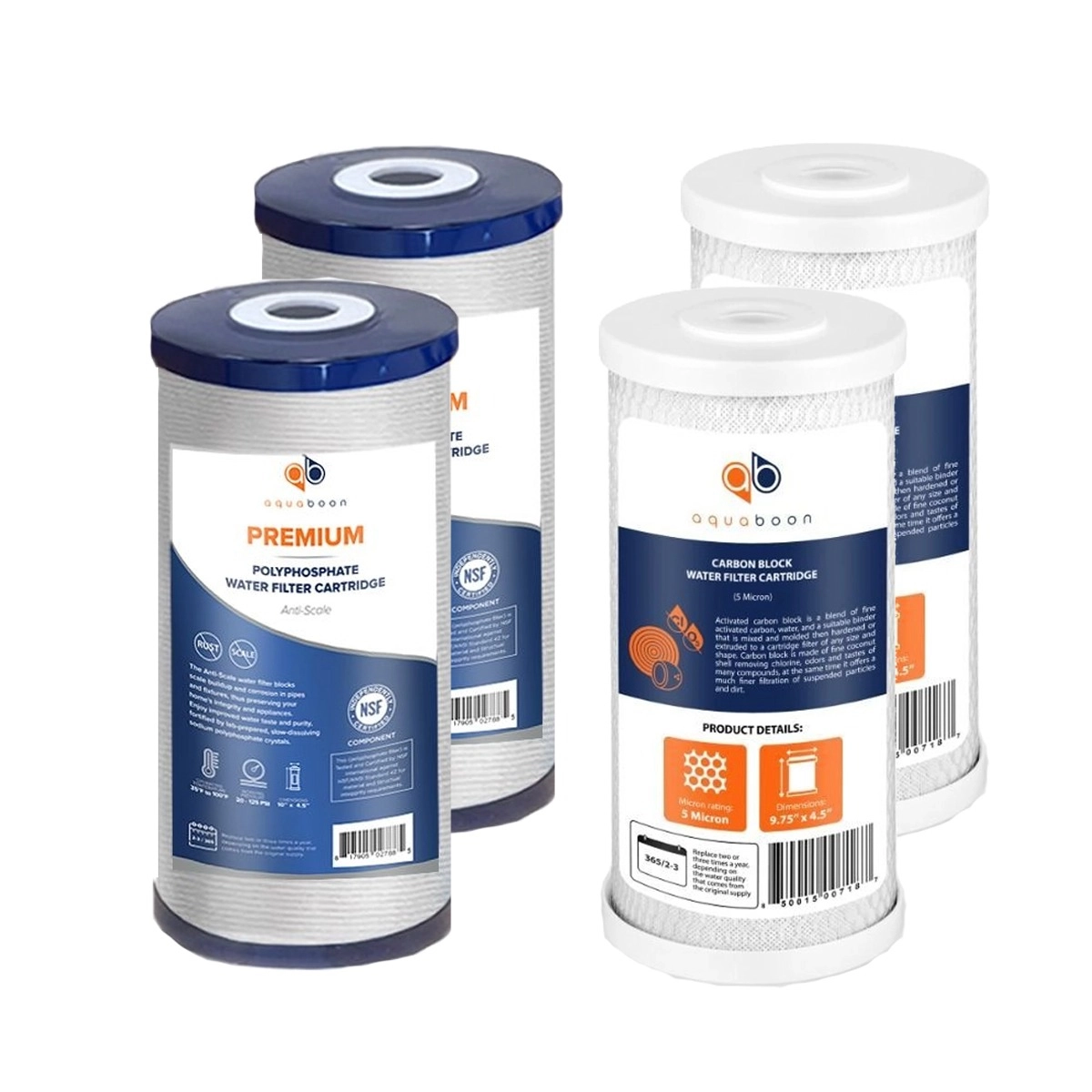
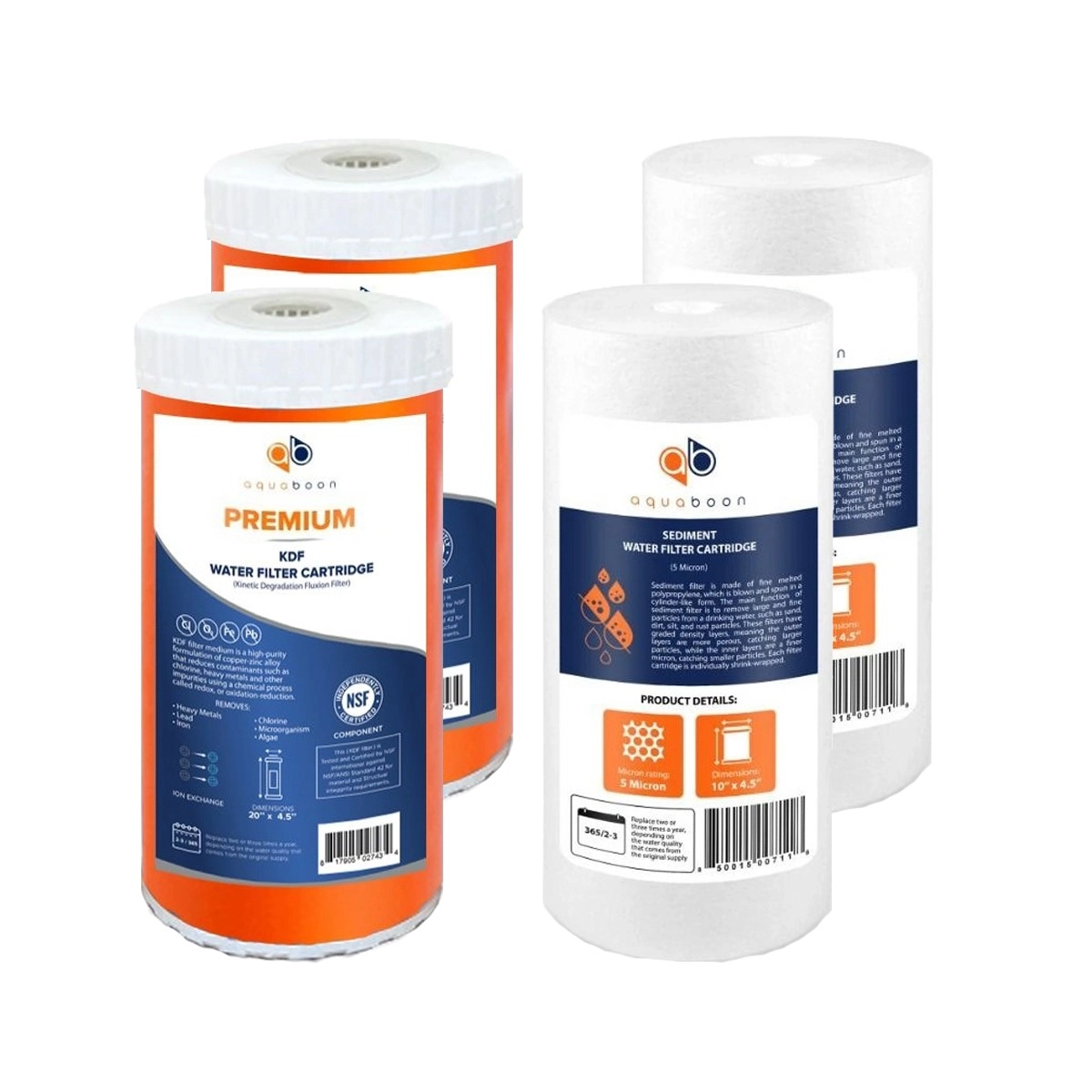
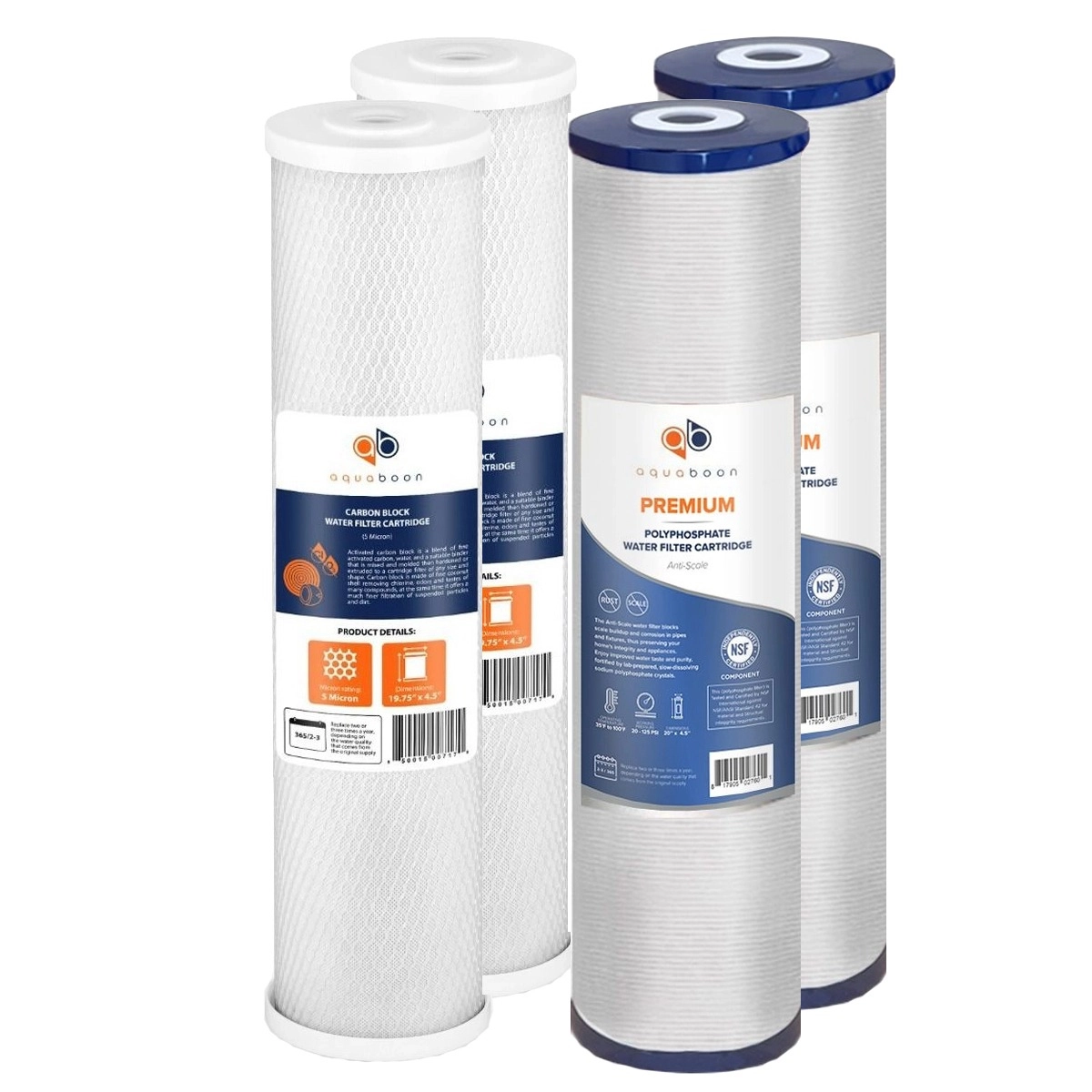
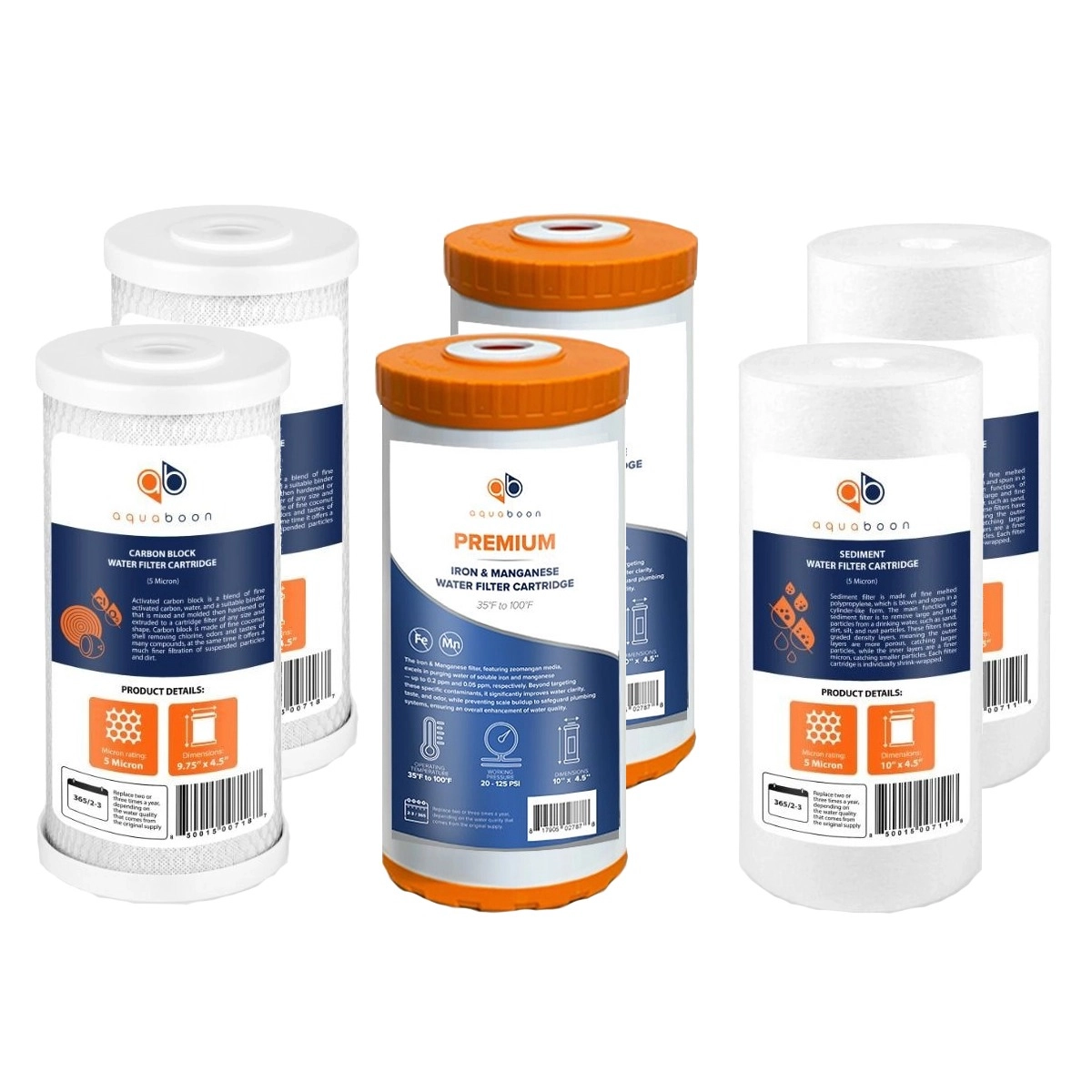
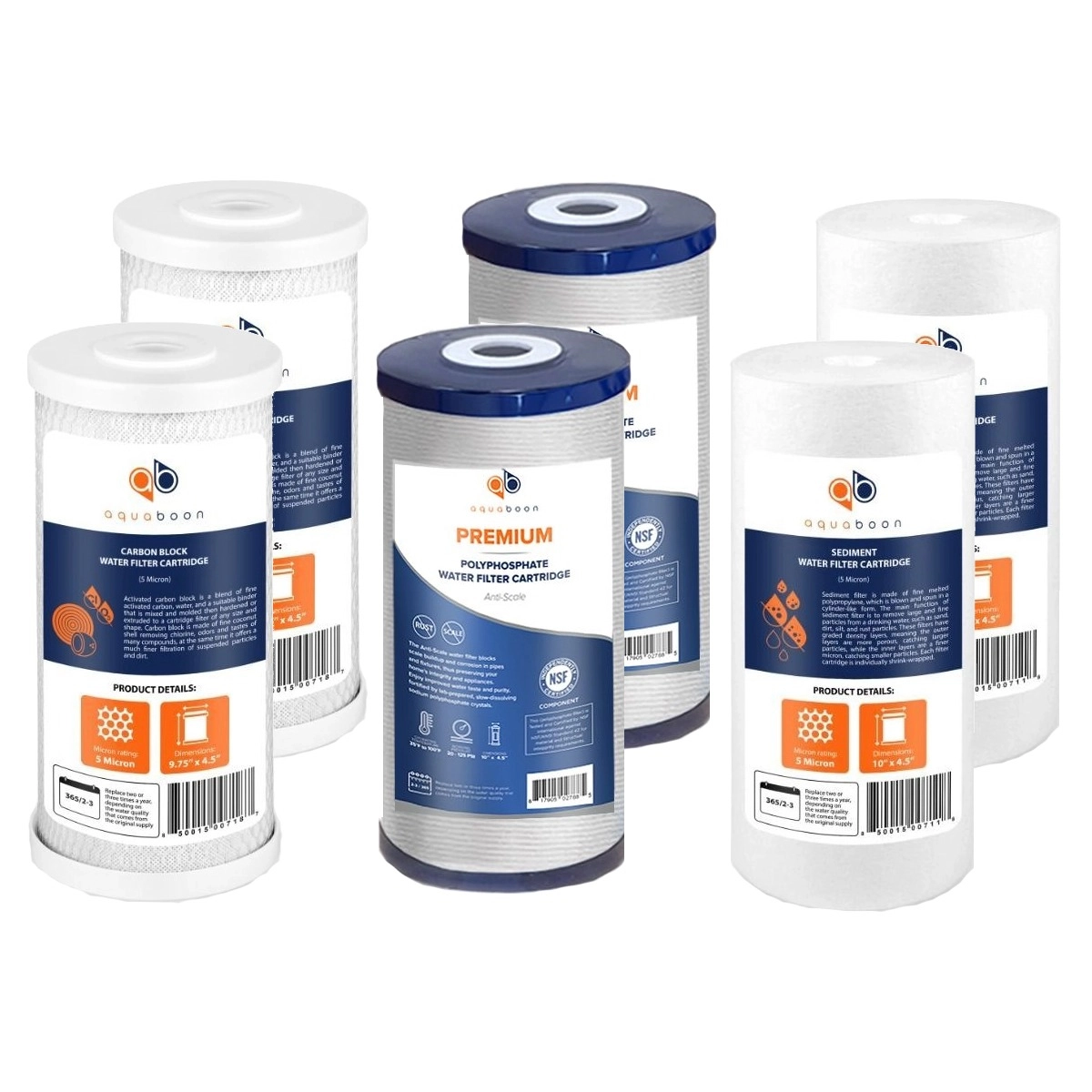
Not all plants react the same way to water quality. Some species are more sensitive and show signs of stress more quickly. Plants such as calatheas, ferns, and other tropical varieties are known to respond strongly to chlorine and mineral content. Filtered water is also more beneficial in environments where tap water contains higher levels of dissolved minerals. In areas with hard water, buildup occurs faster, making filtration more impactful. In such cases, water softeners can help reduce excess minerals and improve overall water quality for both plants and household use. Homes with older plumbing systems may also benefit from filtration due to additional impurities introduced by pipes. For indoor plants, consistency matters. Instead of adjusting water manually, filtration at the point of entry creates stable conditions every time you water. Filterway whole house systems use a multi-stage approach to reduce sediment, chlorine, and common impurities before water reaches your plants. This helps prevent soil buildup, supports healthier roots, and keeps growth more consistent over time—without extra effort. With 1-stage, 2-stage, and 3 stage water filter systems, you can choose a setup that fits your water conditions and improve results across your entire home. If you want a long-term, low-maintenance solution for better plant care, Filterway systems provide a practical upgrade. Explore your options on Filterway and create a more consistent water environment for your plants and your home.

When Filtered Water Makes the Biggest Difference
A More Reliable Approach to Water Quality