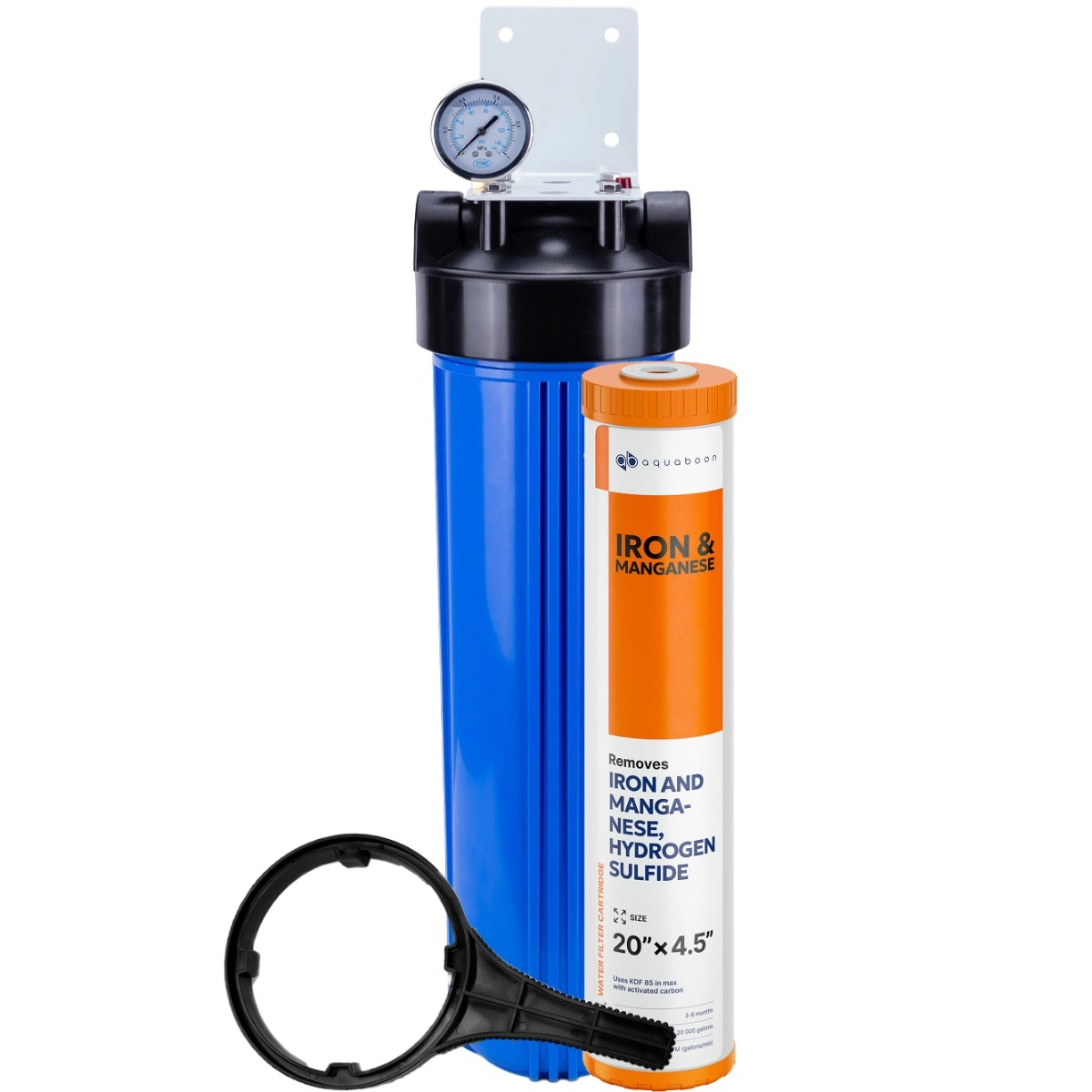




How to Size a Whole-House System Based on Household Water Usage
Sizing a whole-house filtration system is one of the most critical steps in ensuring proper performance. An undersized system leads to pressure drops and poor filtration, while an oversized system increases costs without adding value. The correct size depends on how much water your household uses and how quickly it needs to flow.
Why Sizing Matters
Water filtration systems must handle both volume and flow rate to operate effectively under real household conditions. It is not enough for a system to simply filter water—it must do so consistently, even during peak usage when multiple fixtures are running at the same time. If demand exceeds system capacity, performance declines immediately, leading to pressure drops, uneven flow, and reduced filtration efficiency. Over time, this mismatch can also increase wear on system components and shorten filter lifespan.
Key Factors to Consider
- Number of bathrooms
- Simultaneous water usage
- Type of appliances
- Water source (well vs municipal)
These factors determine the required flow rate.
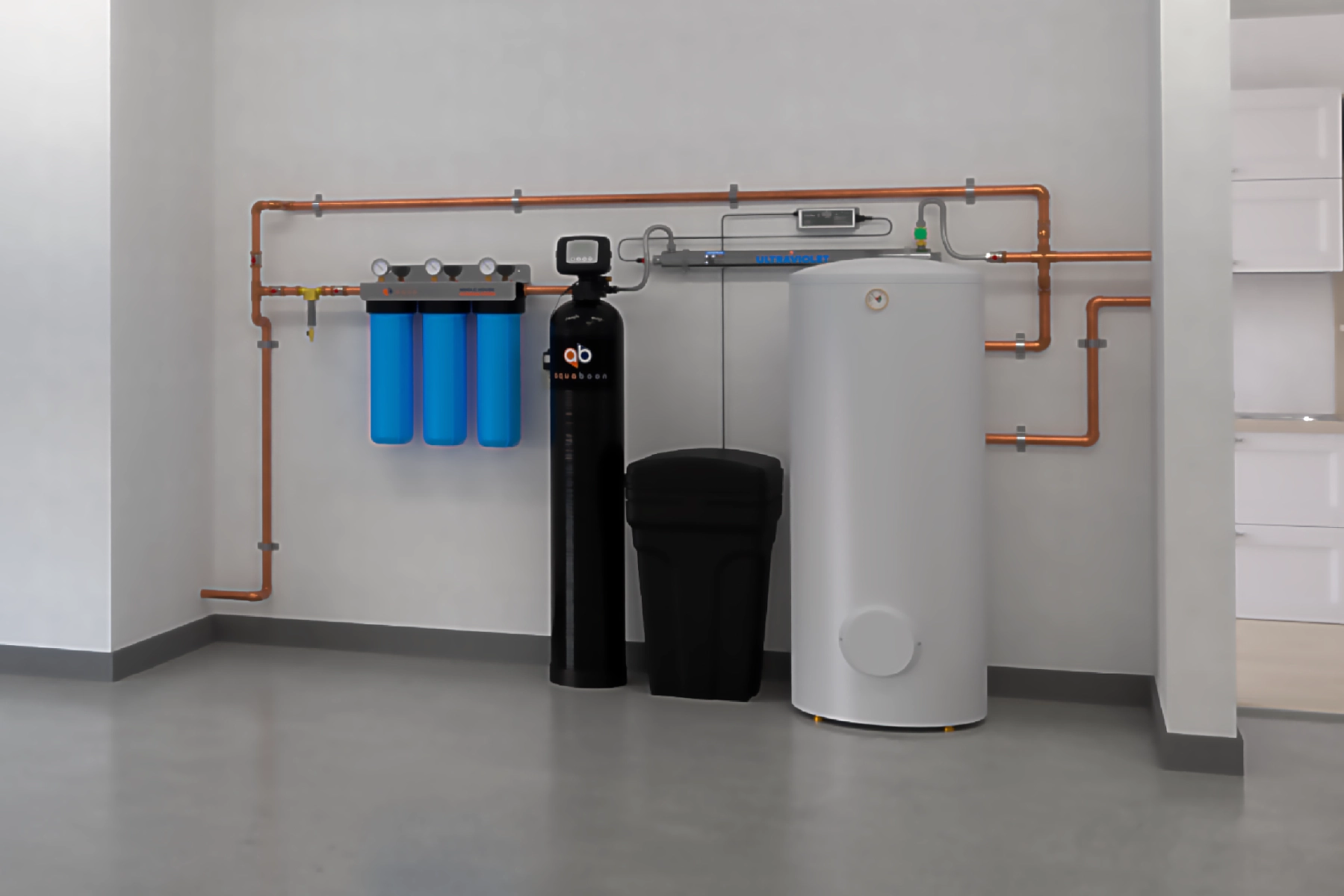
Flow Rate vs Capacity
Flow rate refers to how much water moves through the system at a given moment, while capacity reflects how much water the system can effectively treat over an extended period. These two parameters work together and must be carefully aligned with actual household demand. A system with sufficient capacity but inadequate flow rate may struggle during peak usage, while a system with high flow but limited capacity may require frequent maintenance and filter replacements.
Both must be balanced to avoid restrictions, pressure drops, and inconsistent filtration performance. Understanding how these factors interact in real conditions is essential, which is why it is important to evaluate your household water usage and estimate peak demand before selecting a system.
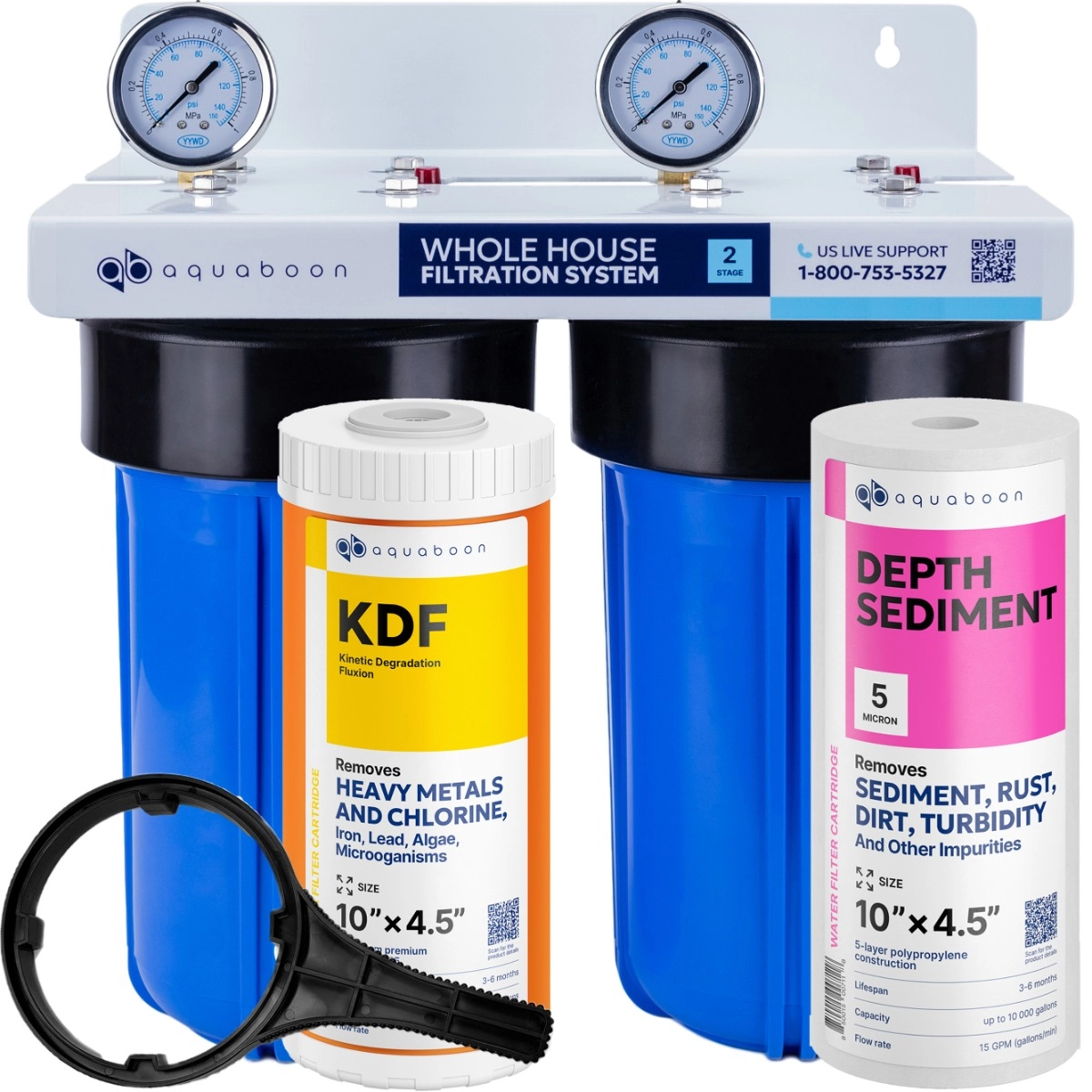
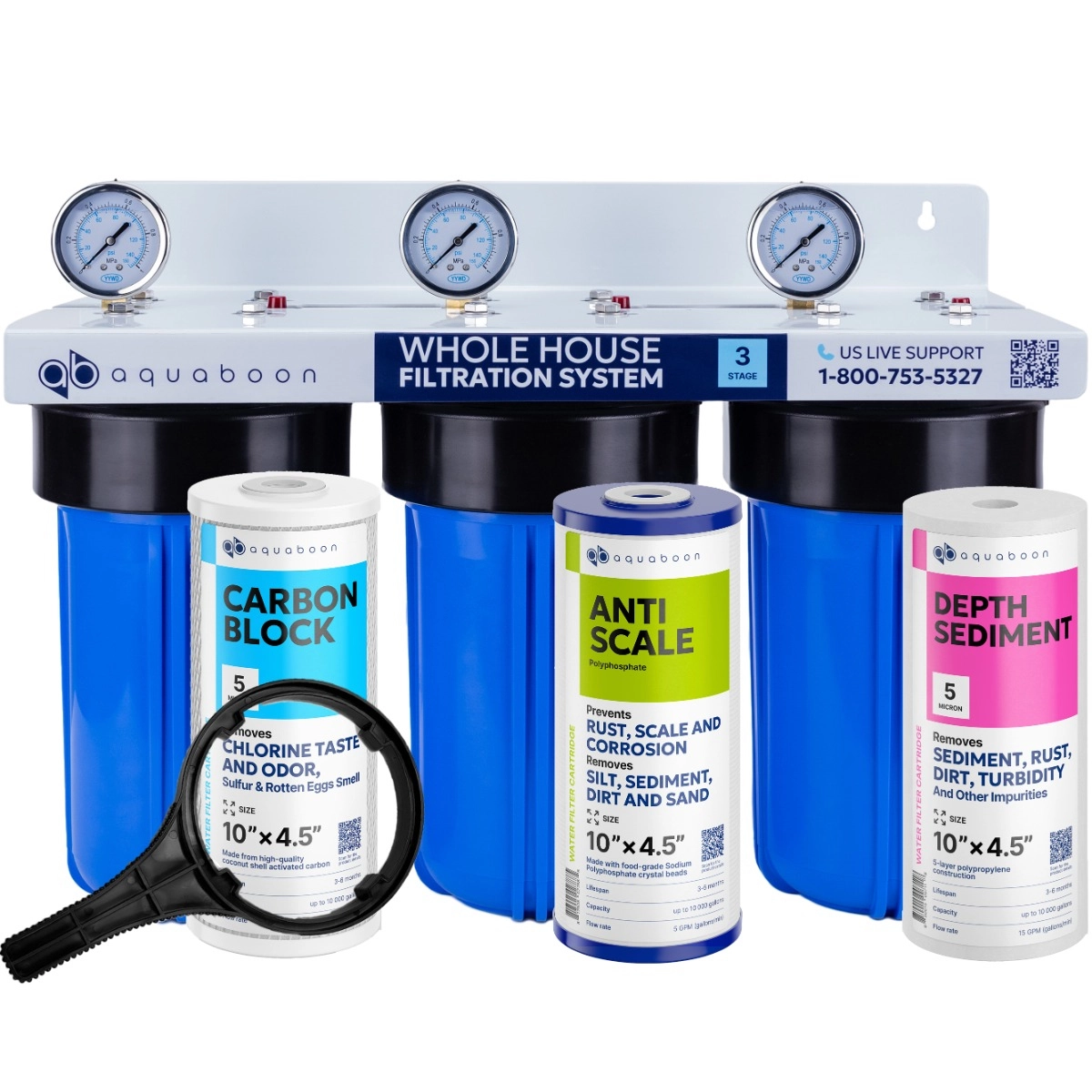
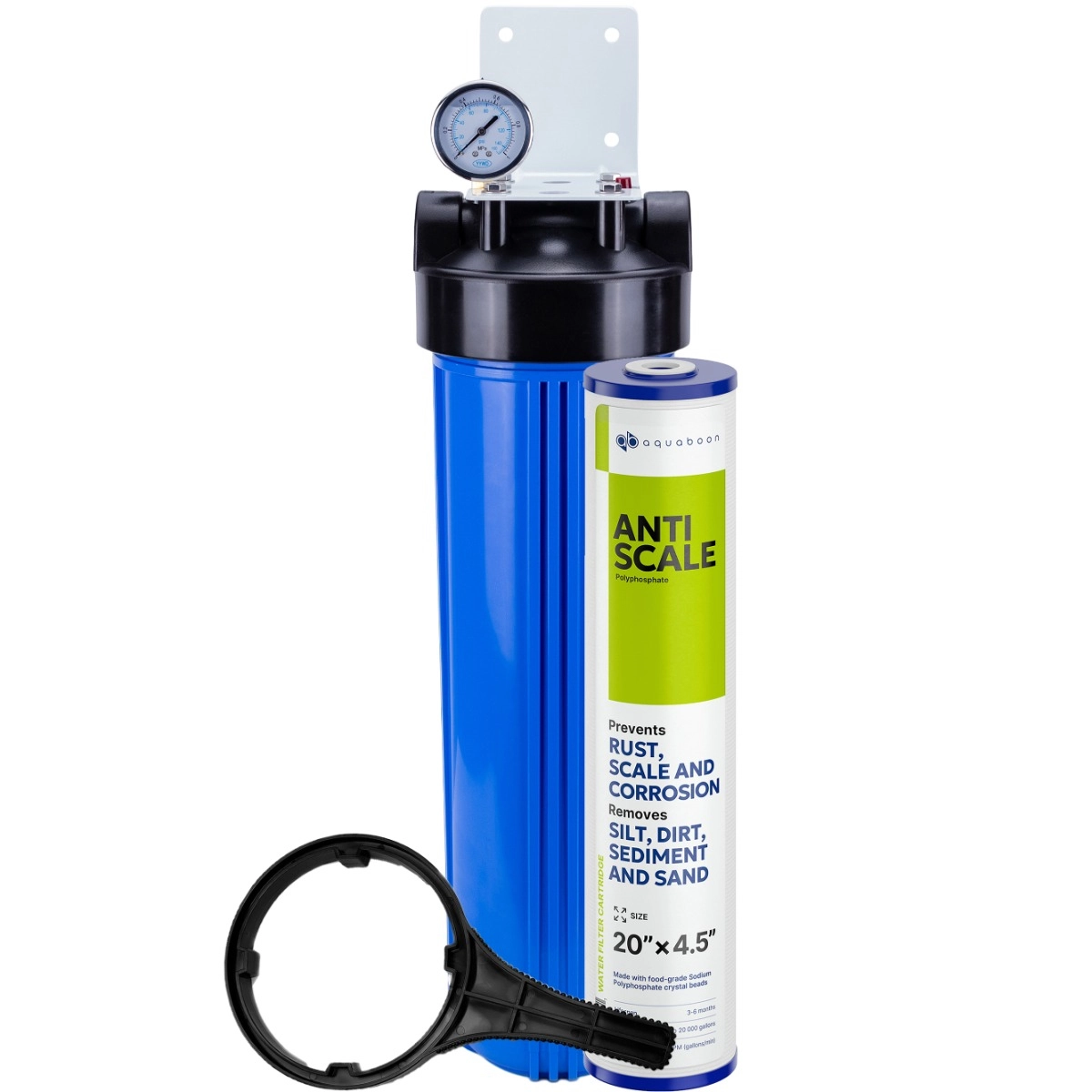
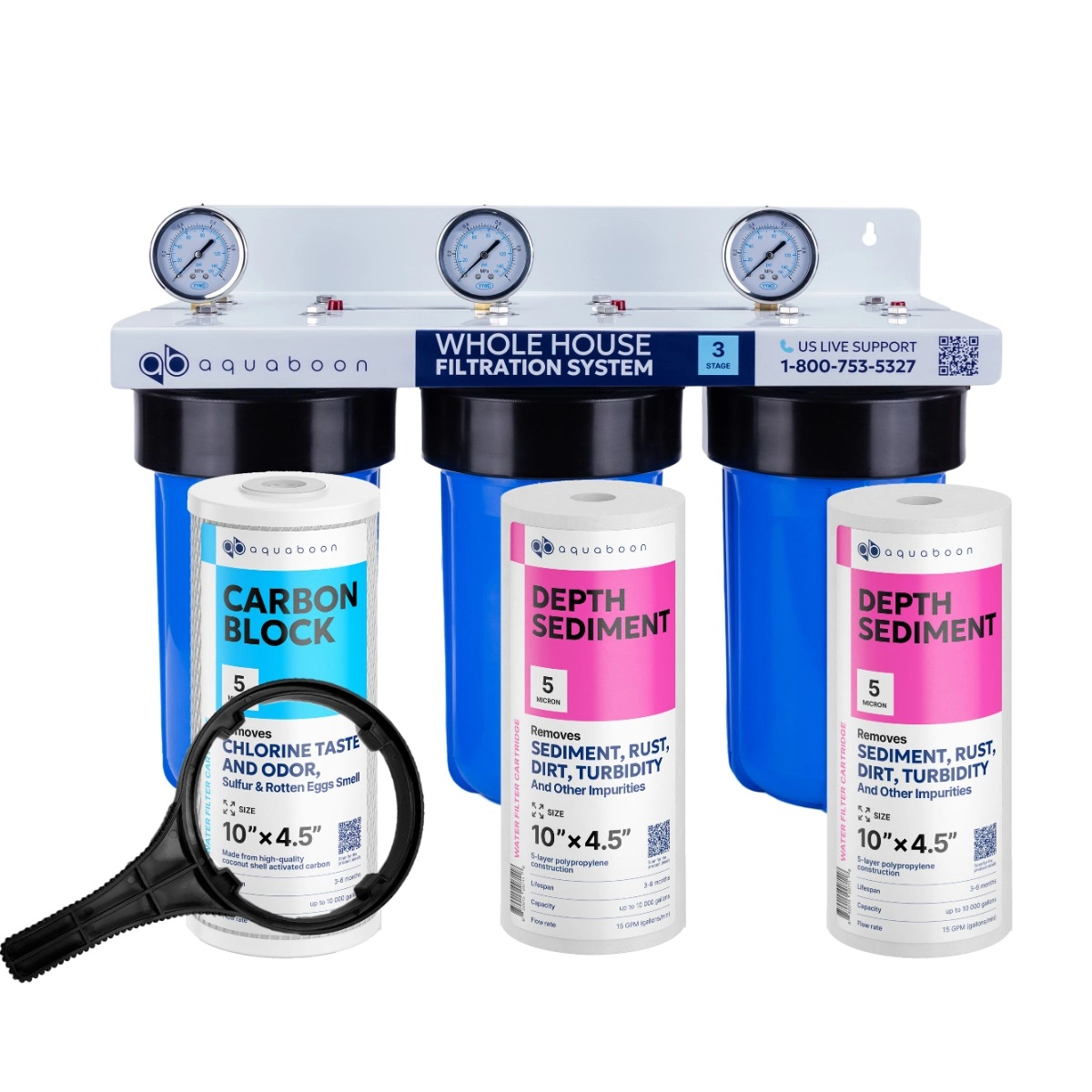
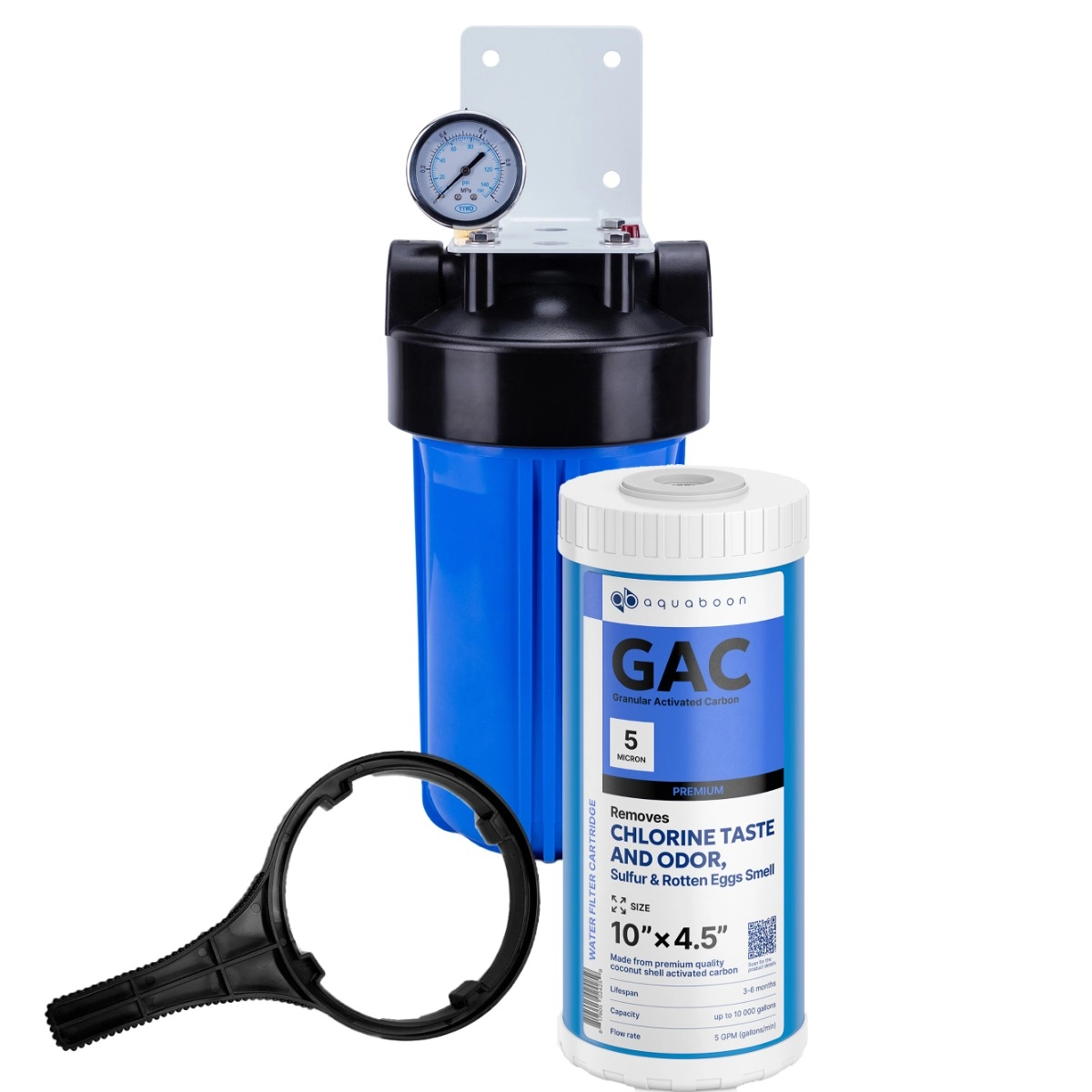
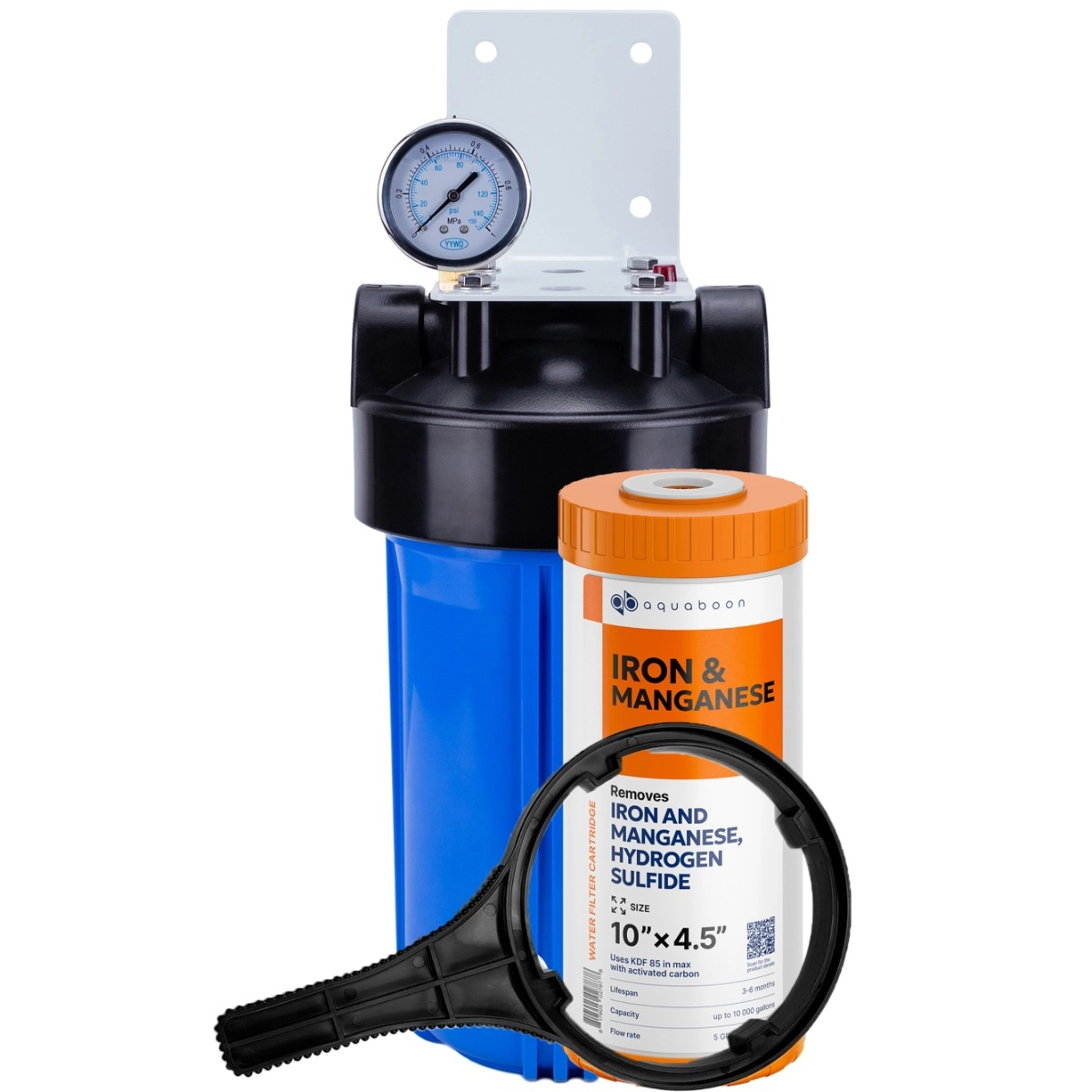
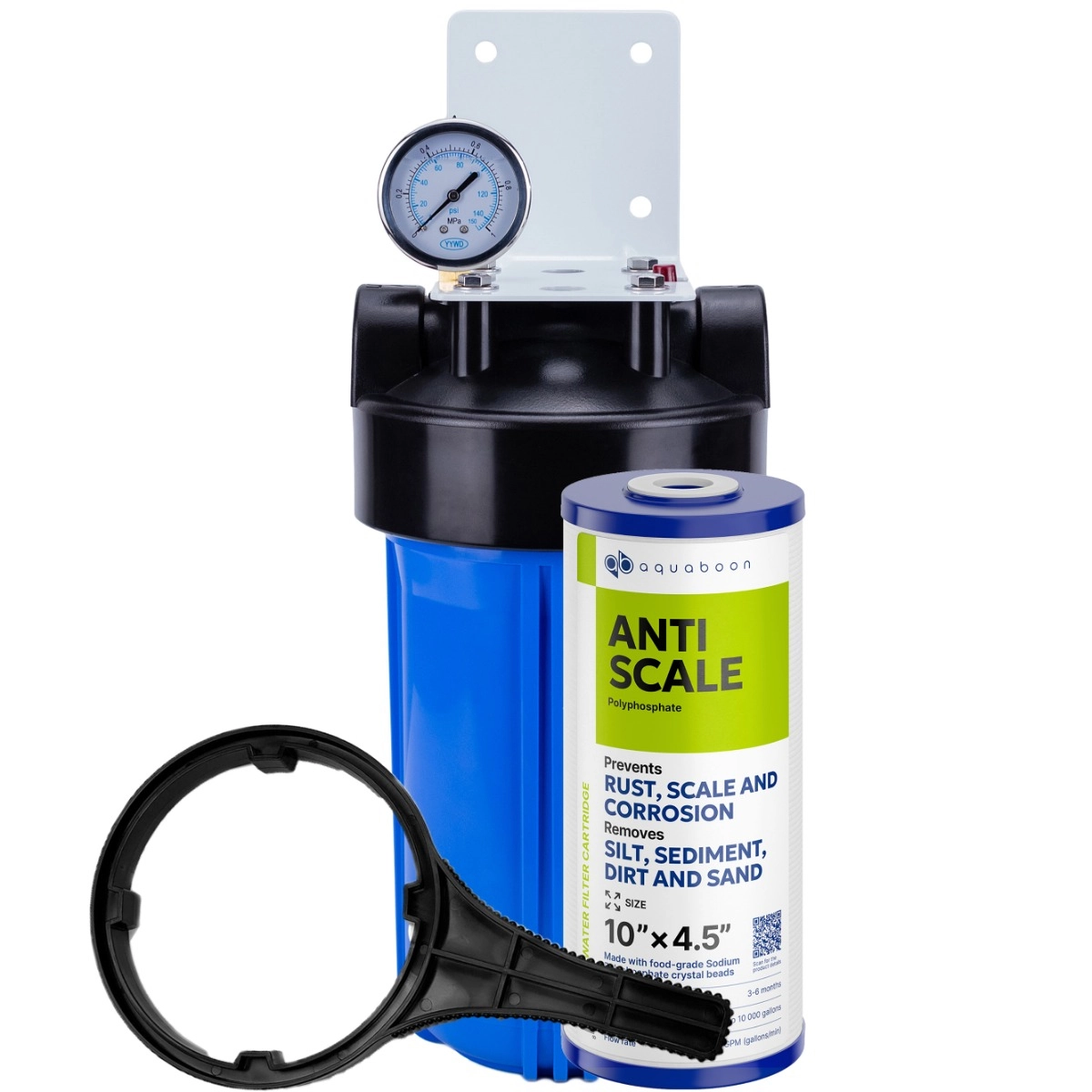
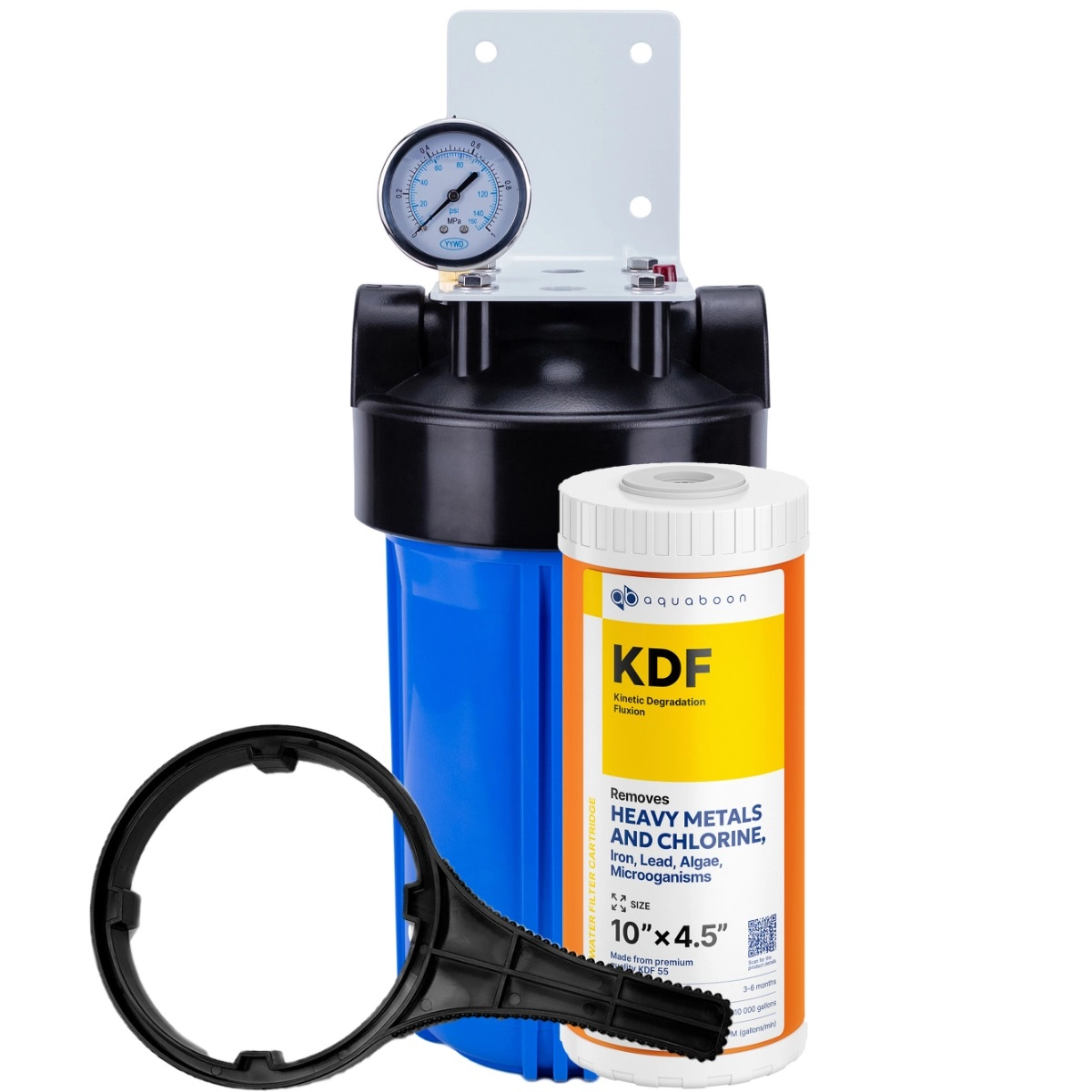
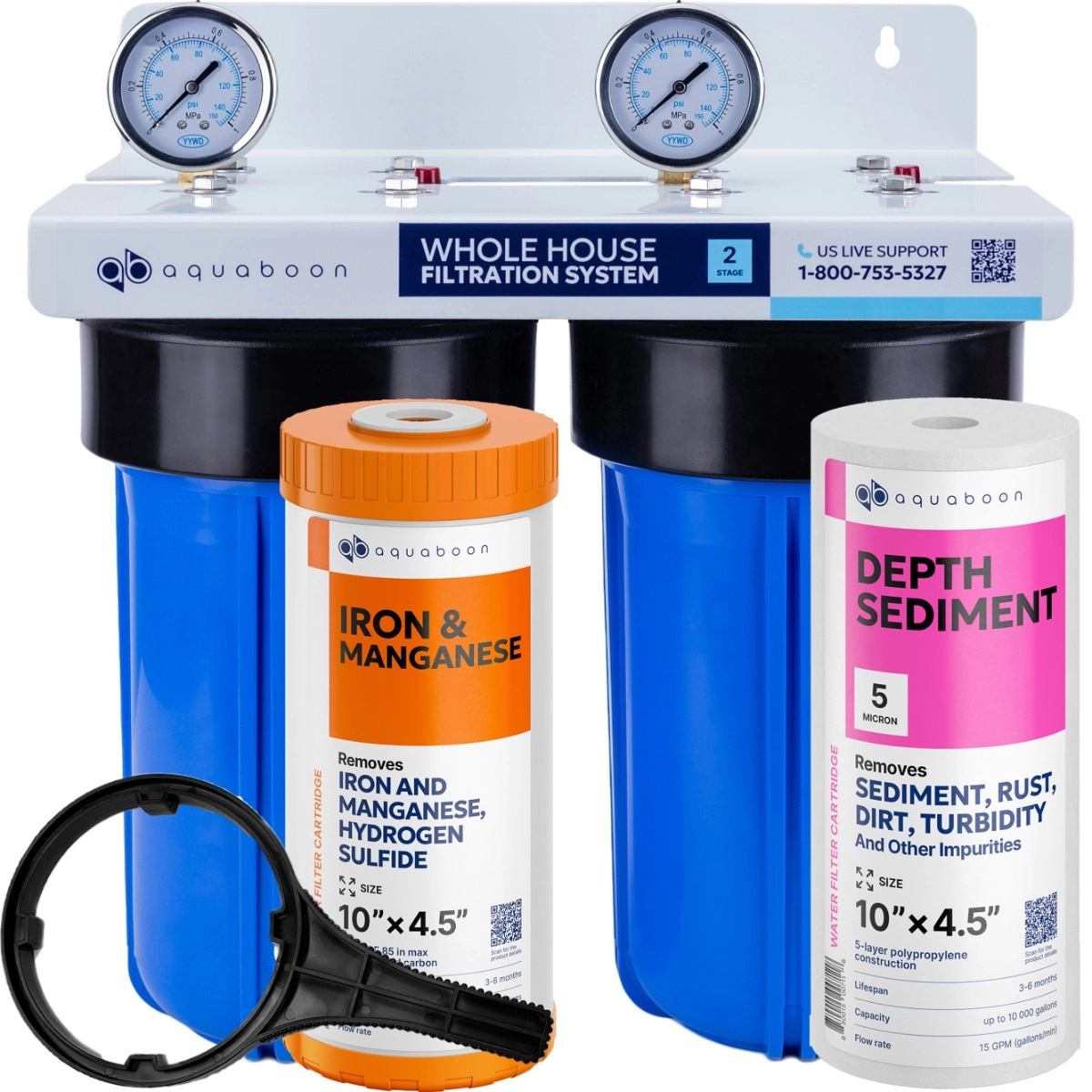
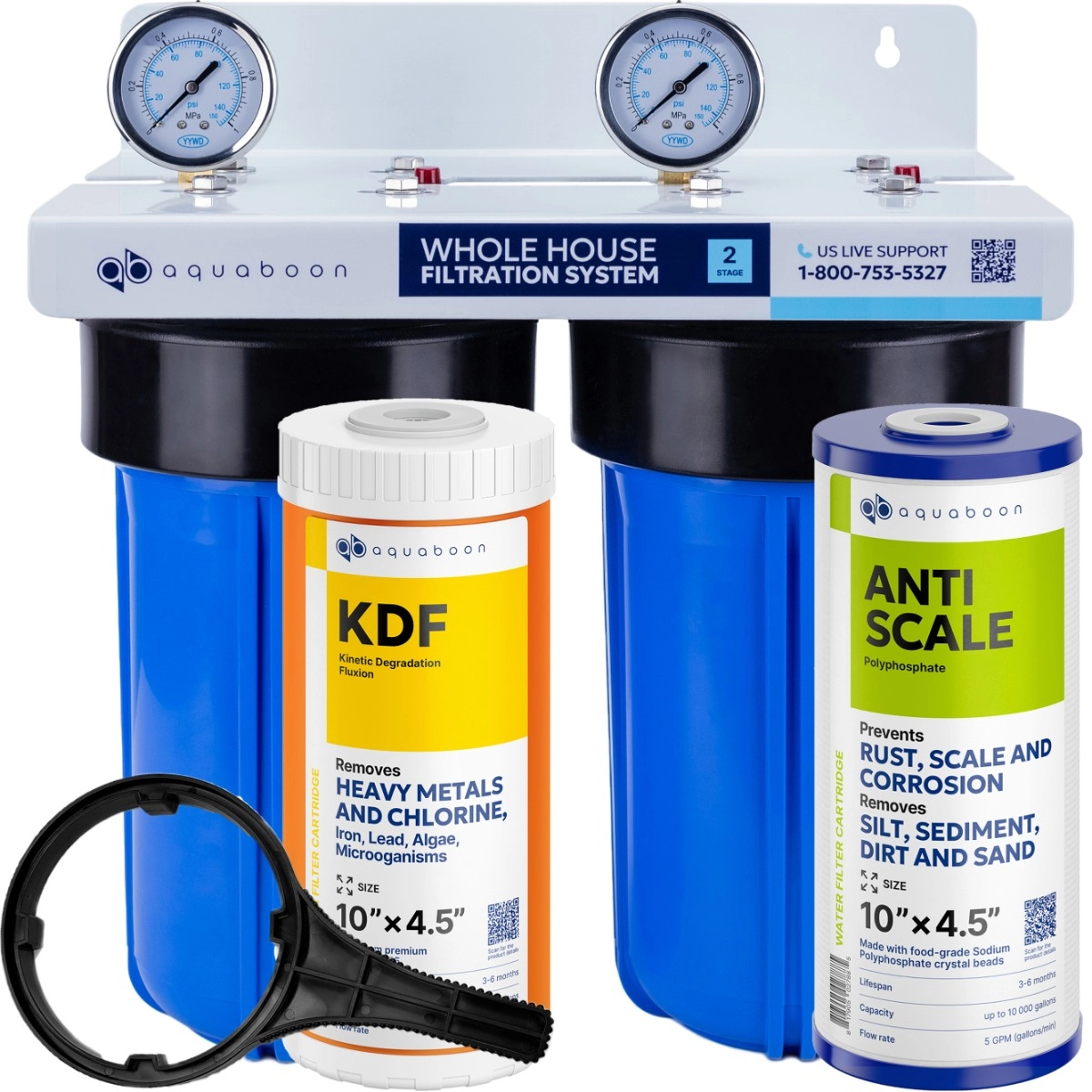
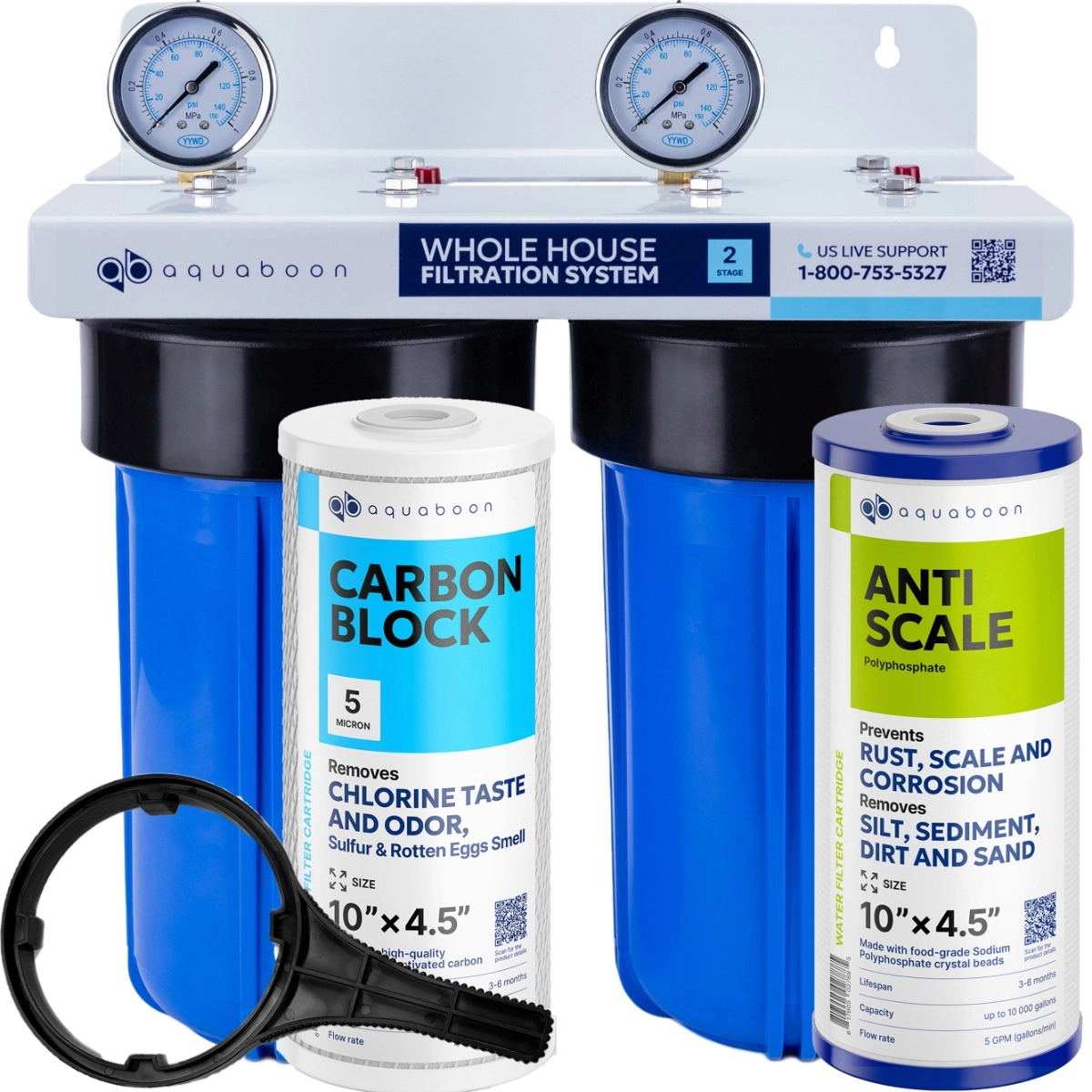
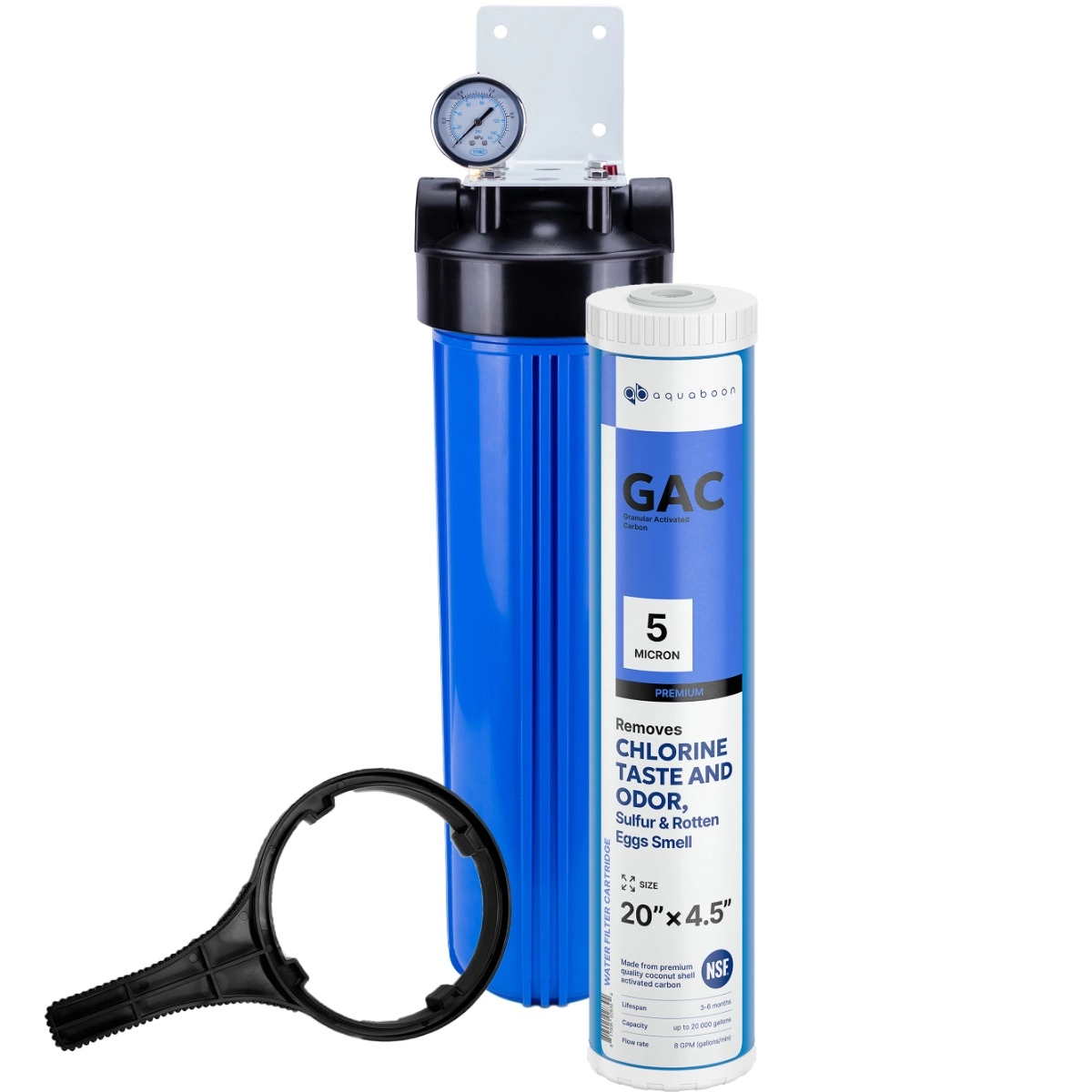
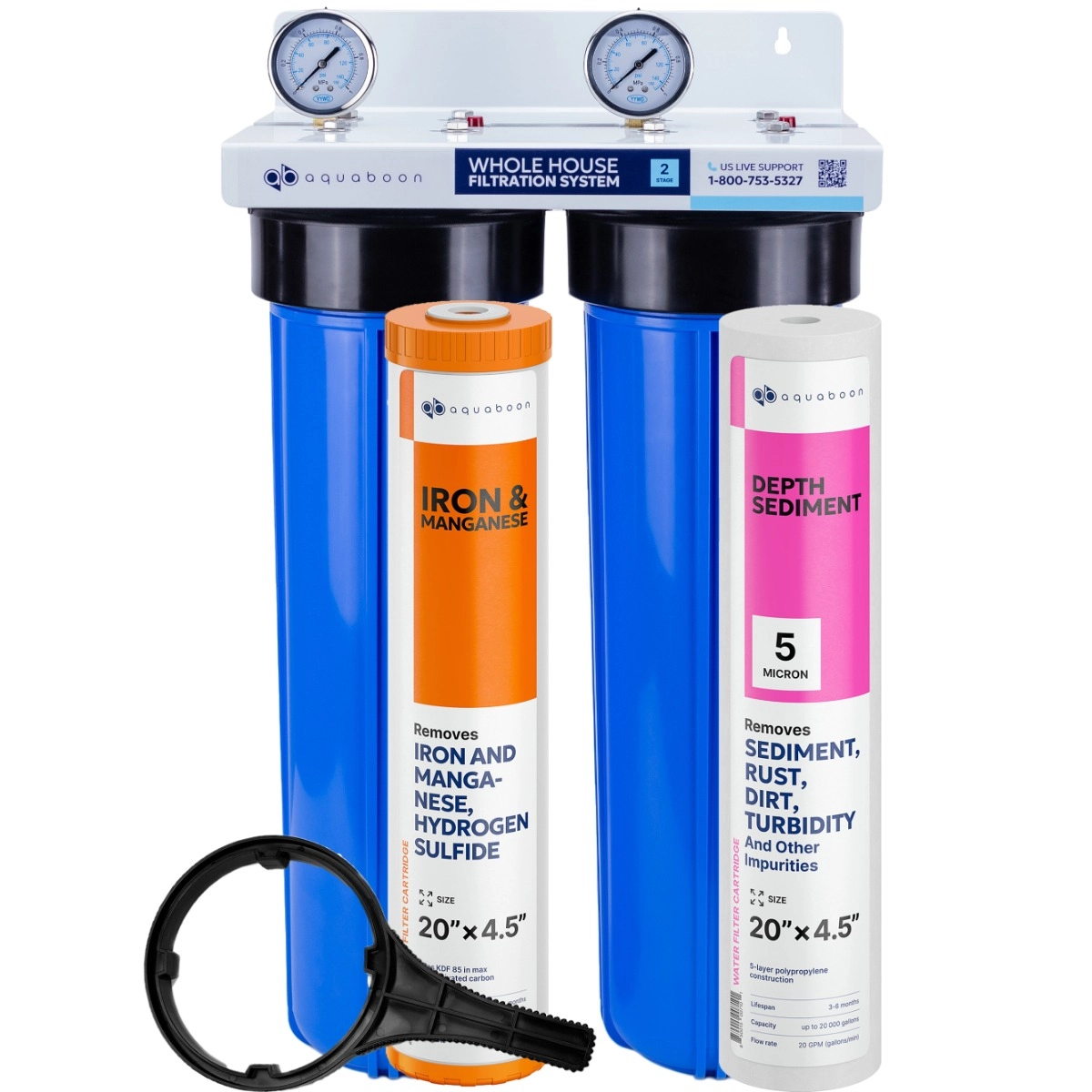
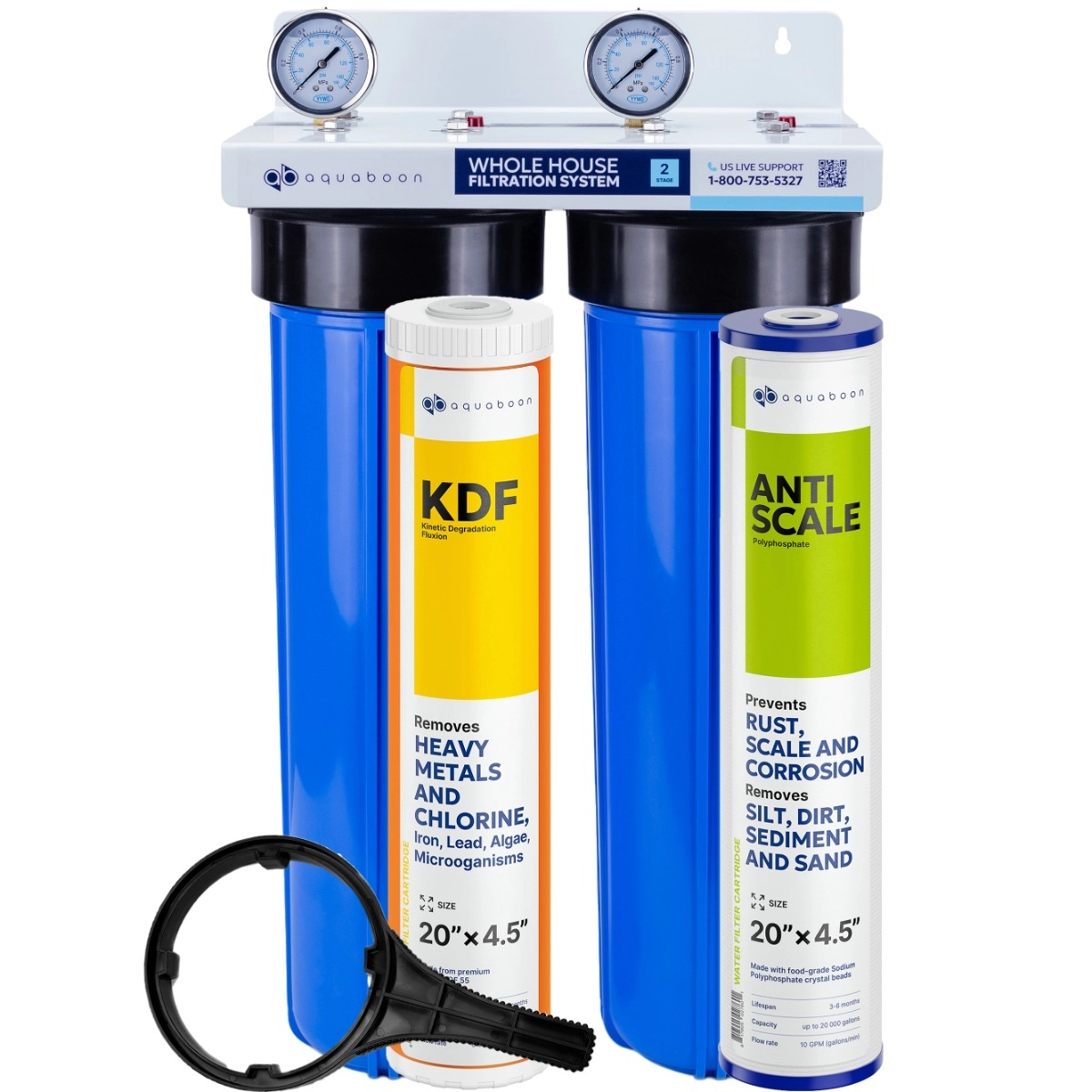
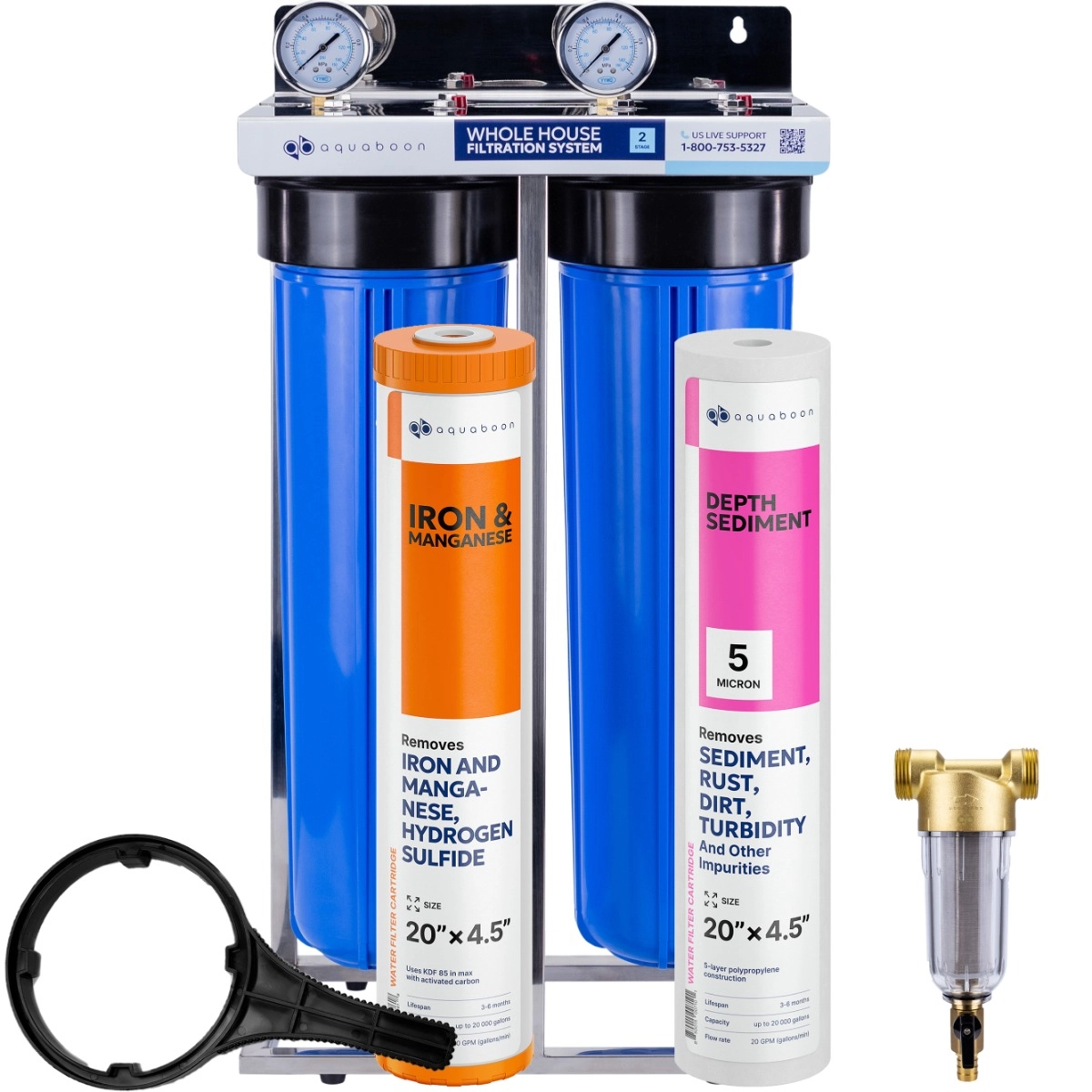
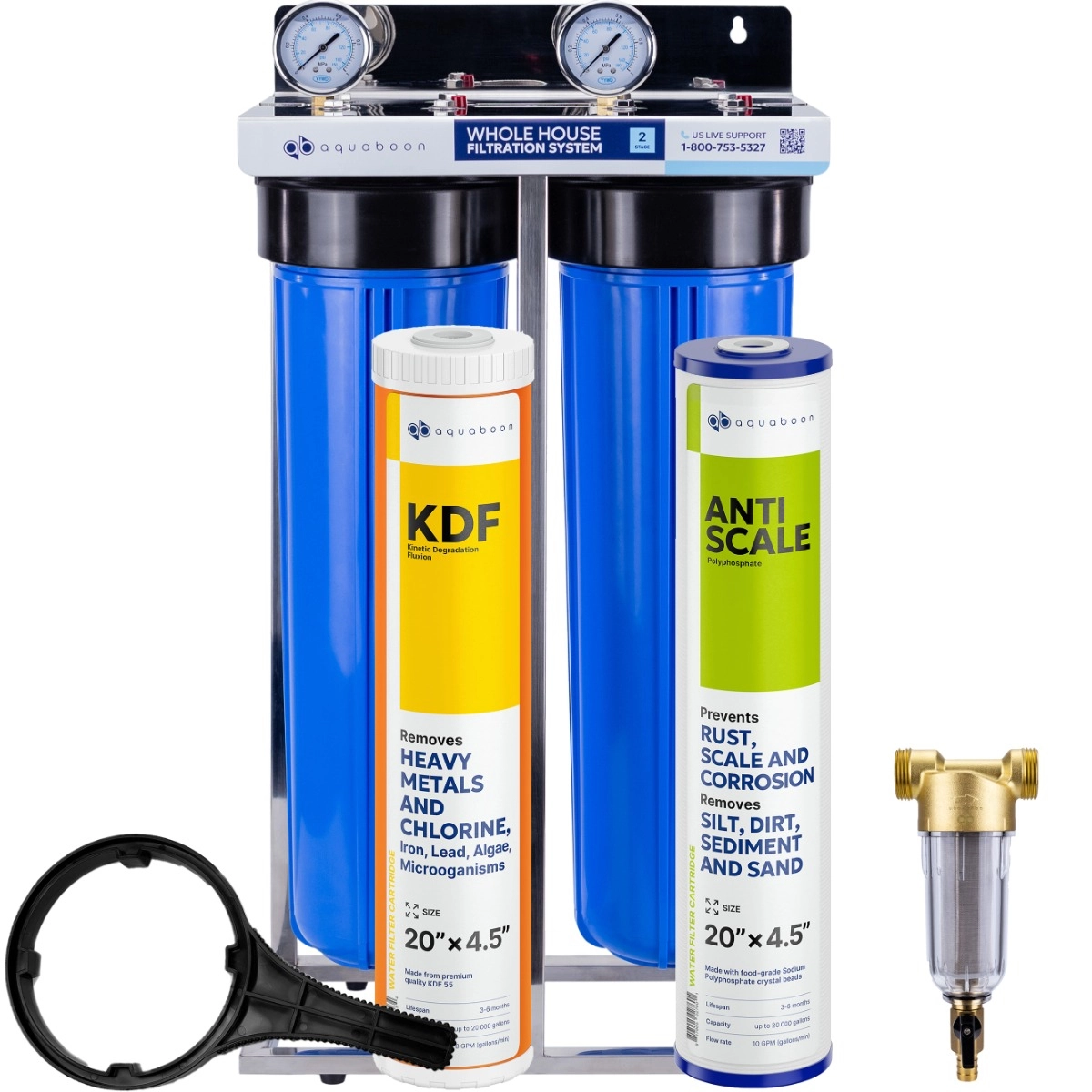
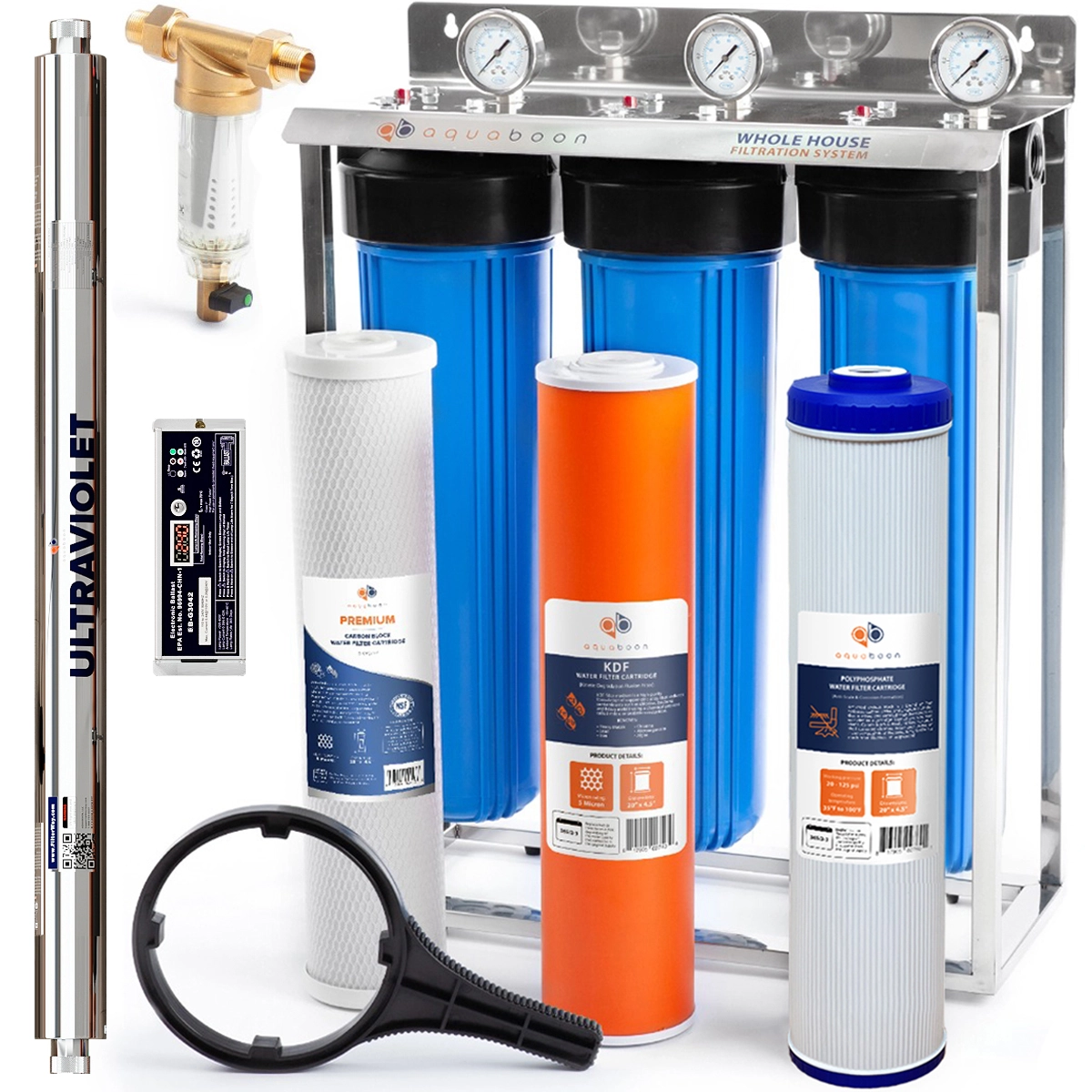
A typical home may use multiple fixtures at the same time. Showers, washing machines, and faucets all contribute to peak demand. General guideline: These errors lead to underperformance and early replacement. Larger filter housings provide higher flow rates and longer filter life by accommodating more filter media and reducing flow resistance. This allows the system to handle higher water demand without significant pressure loss, making it suitable for households with multiple simultaneous water uses. Smaller systems may work effectively for limited usage or smaller households, where peak demand is lower and fewer fixtures operate at the same time. However, under higher demand, such systems can struggle to maintain stable pressure and consistent filtration performance. Over time, this can lead to faster wear, more frequent filter changes, and reduced overall efficiency. Filterway whole-house systems are designed with optimized flow capacity, ensuring stable pressure even during peak usage. Proper sizing ensures that filtration does not interfere with daily routines. This ensures both performance and longevity. Sizing a whole-house system is not about selecting the largest option available, but about accurately matching flow capacity to your household’s peak water demand. When properly sized, the system maintains consistent filtration performance without pressure drops, even during simultaneous use across multiple fixtures. This balance reduces strain on filters, extends their lifespan, and minimizes maintenance frequency while preserving stable water pressure. Over time, a correctly sized system operates efficiently and reliably, ensuring consistent water quality without the need for constant adjustments or premature upgrades. For systems designed to deliver stable flow and dependable filtration, explore whole-house solutions at Filterway.
Estimating Household Demand
Common Sizing Mistakes
System Types and Sizing
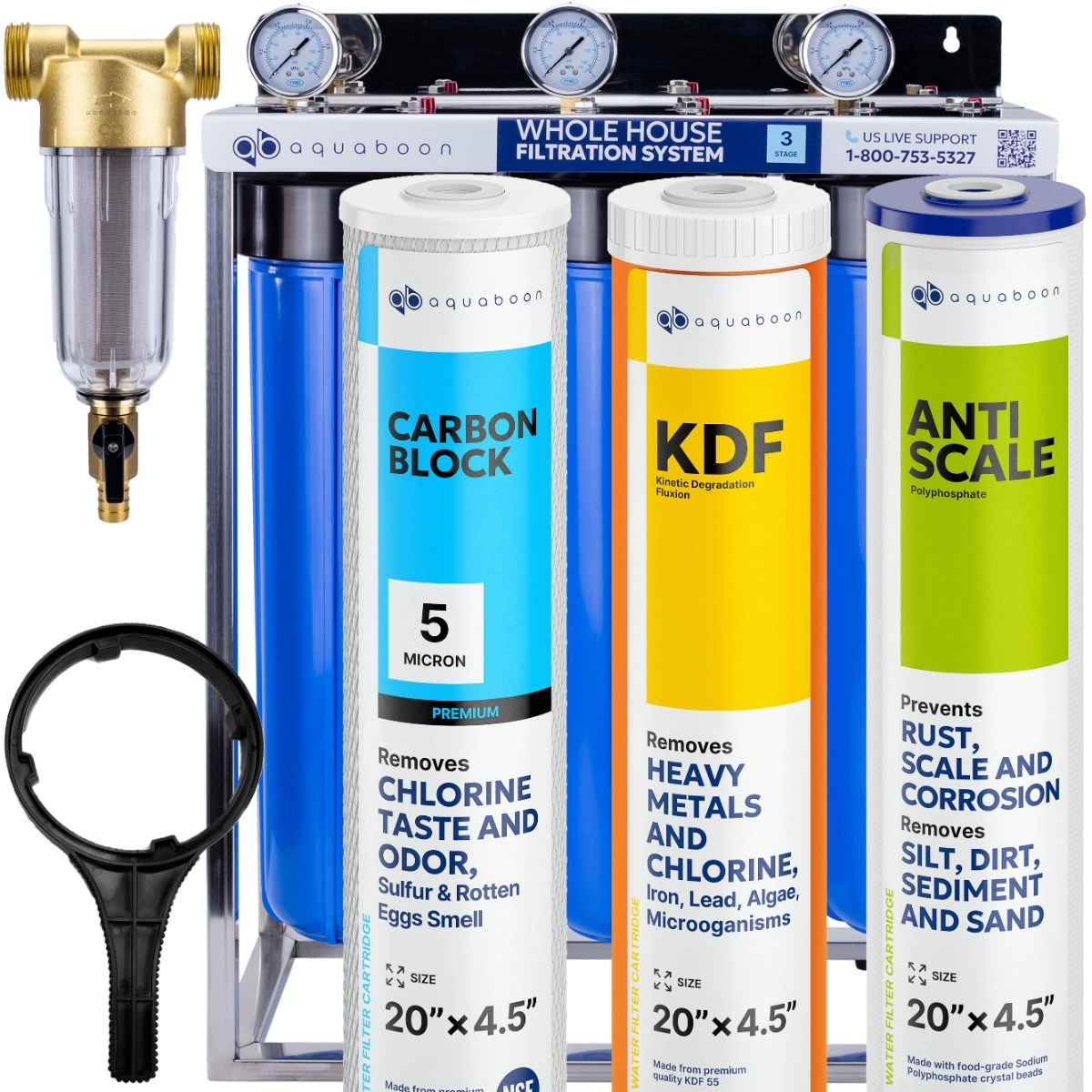
Filterway System Advantage
Practical Sizing Approach

Efficient Sizing for Long-Term Performance