


Whole-House vs Under-Sink Filtration: Which Solves Your Problem Faster?
When water quality issues appear, most homeowners focus on symptoms: bad taste, visible particles, or unpleasant odors. However, the real decision is not just what to fix, but where to fix it. Water enters your home through a single point and then distributes across multiple outlets. This creates two fundamentally different approaches to filtration—treating the entire system or treating a single use point. Understanding this distinction is what determines how quickly and effectively your problem is resolved.
What You Are Actually Solving
Water issues typically fall into two categories. The first affects the entire household, such as sediment in pipes, chlorine odor in showers, or staining on fixtures. The second is limited to consumption, where the main concern is the safety or taste of drinking water.
If the issue exists in multiple areas, solving it at one faucet will not eliminate the root cause. This is where system-level thinking becomes critical.
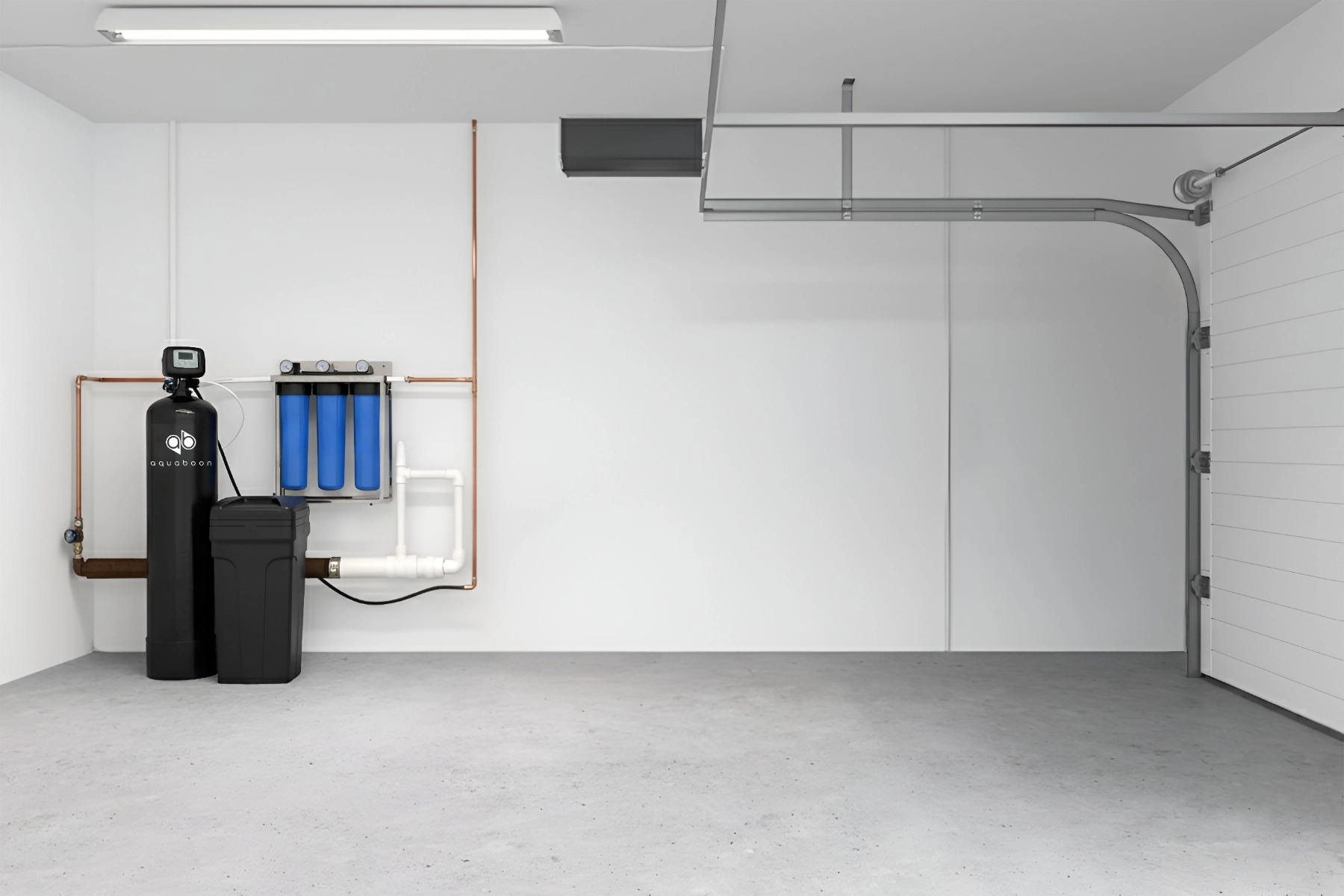
Whole-House: Fix the Source
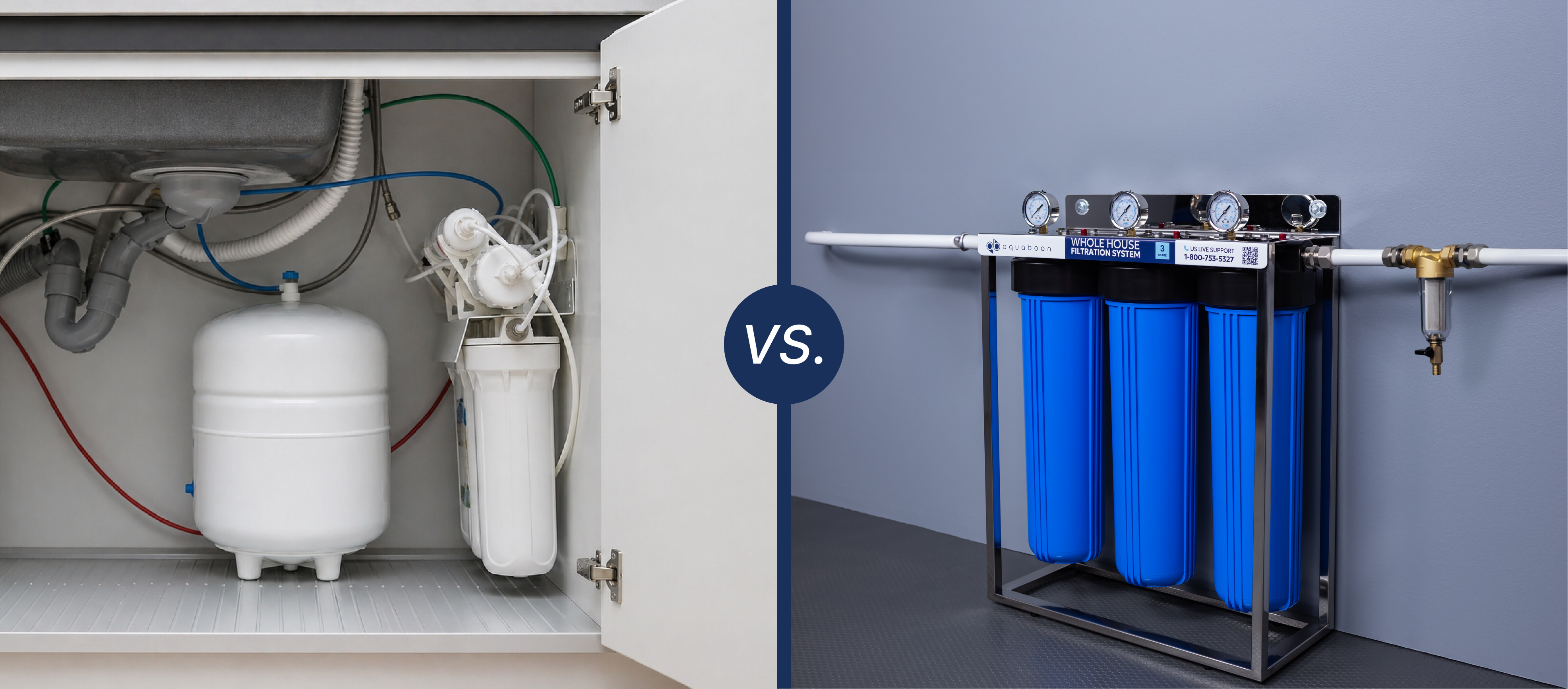
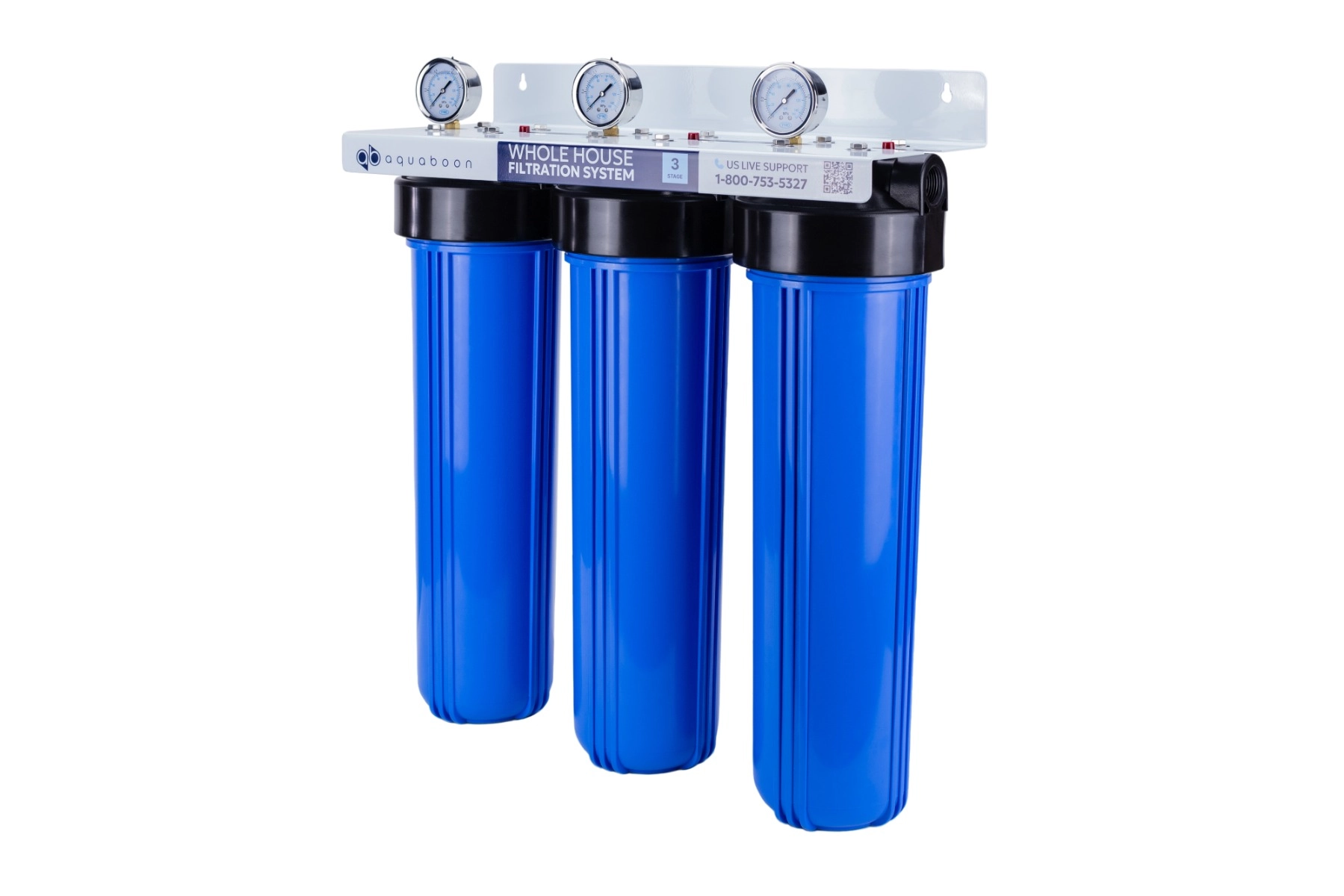
A whole-house system is installed at the entry point of your water supply. This means every drop of water is treated before it reaches your plumbing system. Instead of managing problems individually, the system removes contaminants at the earliest stage.
Best for:
- Sediment across multiple taps
- Chlorine affecting showers and laundry
- Protecting pipes, heaters, and appliances
Because filtration happens before distribution, improvements are immediate and consistent across the home.
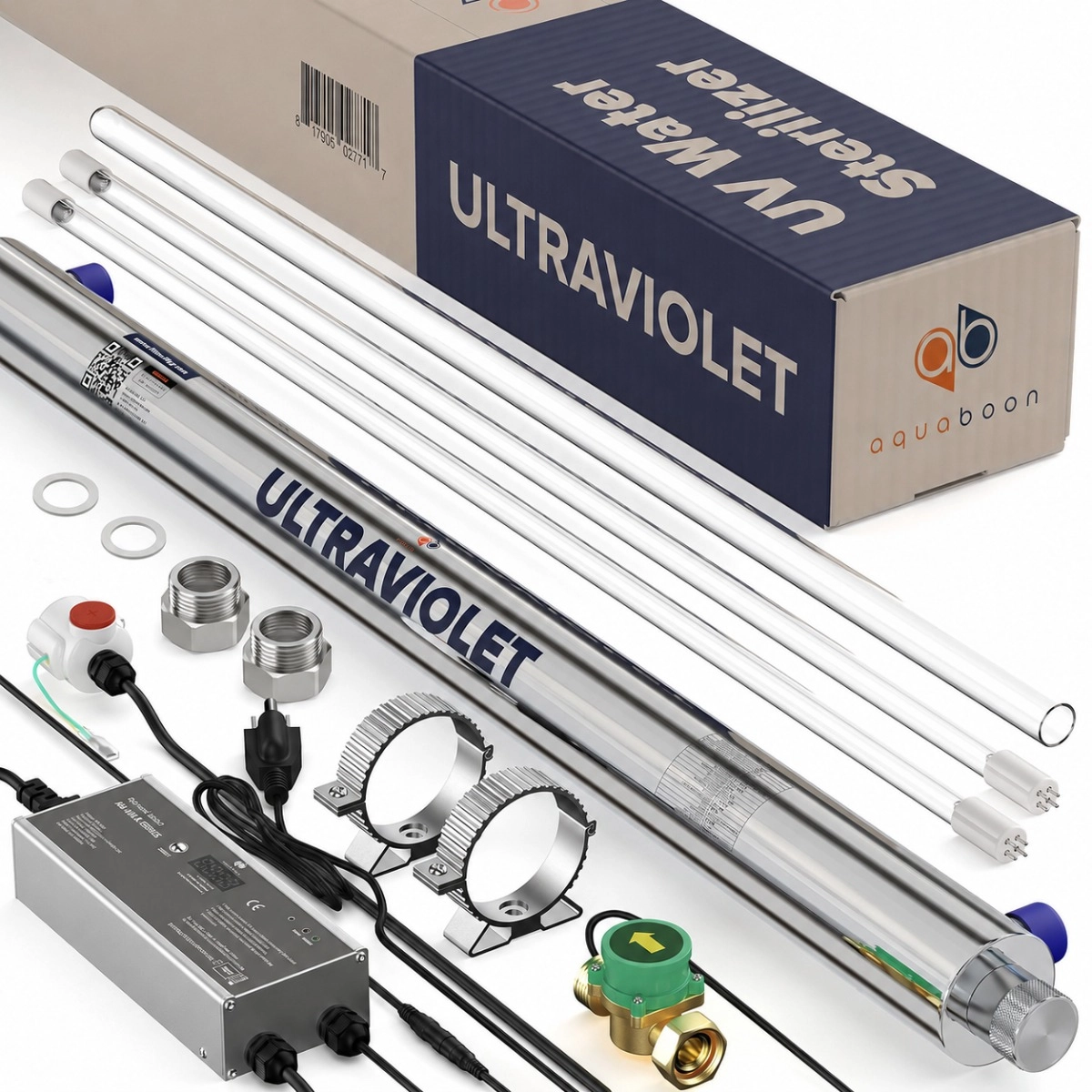
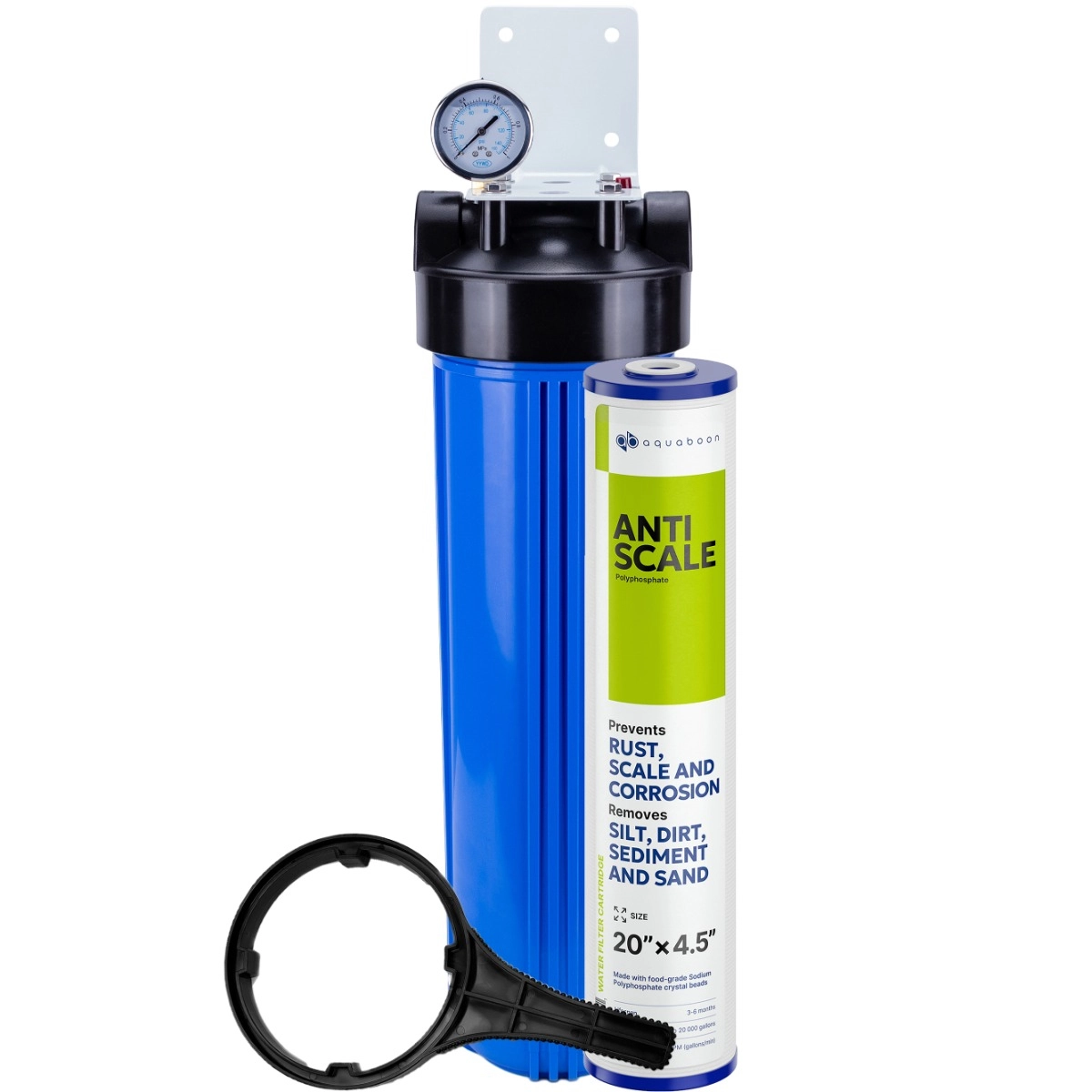
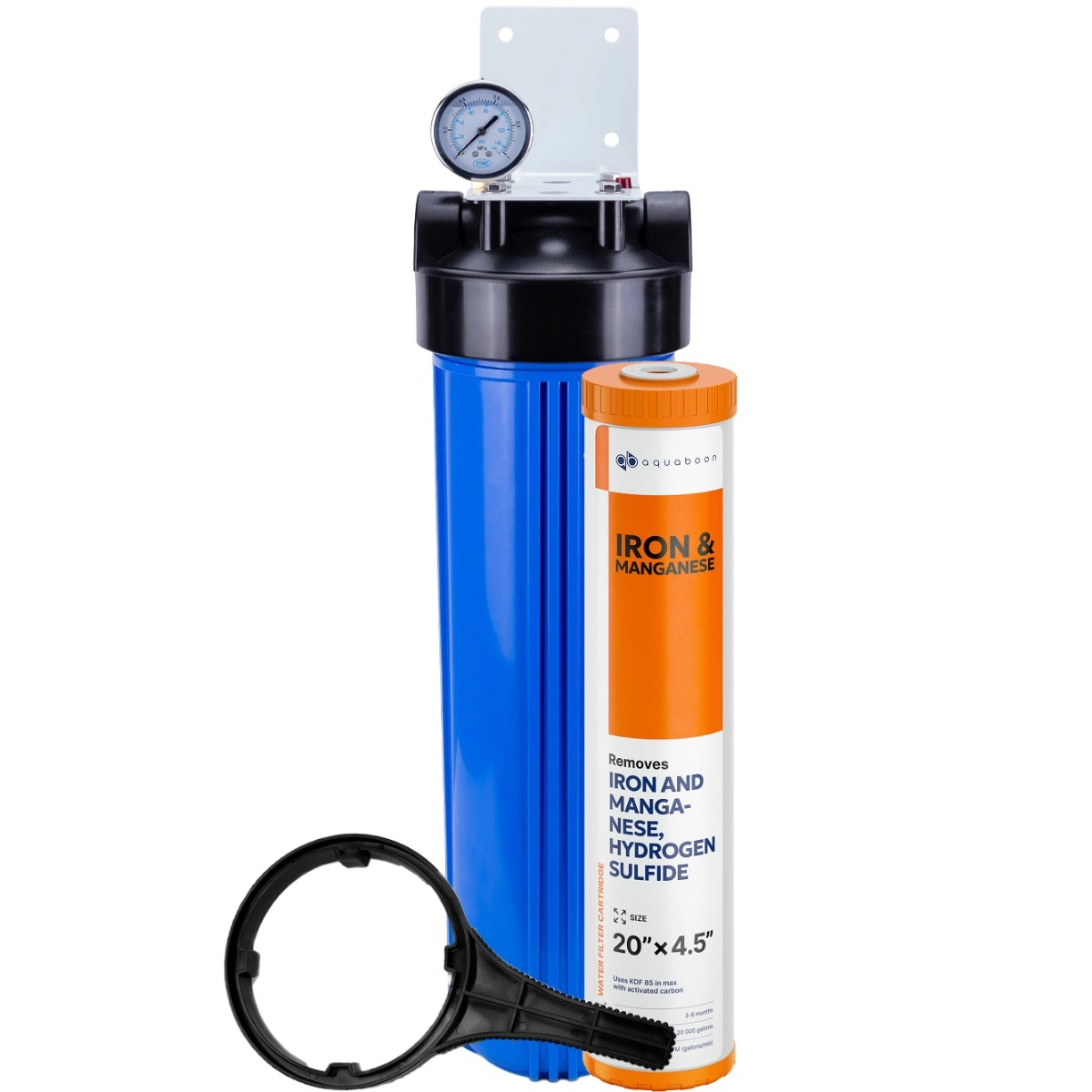
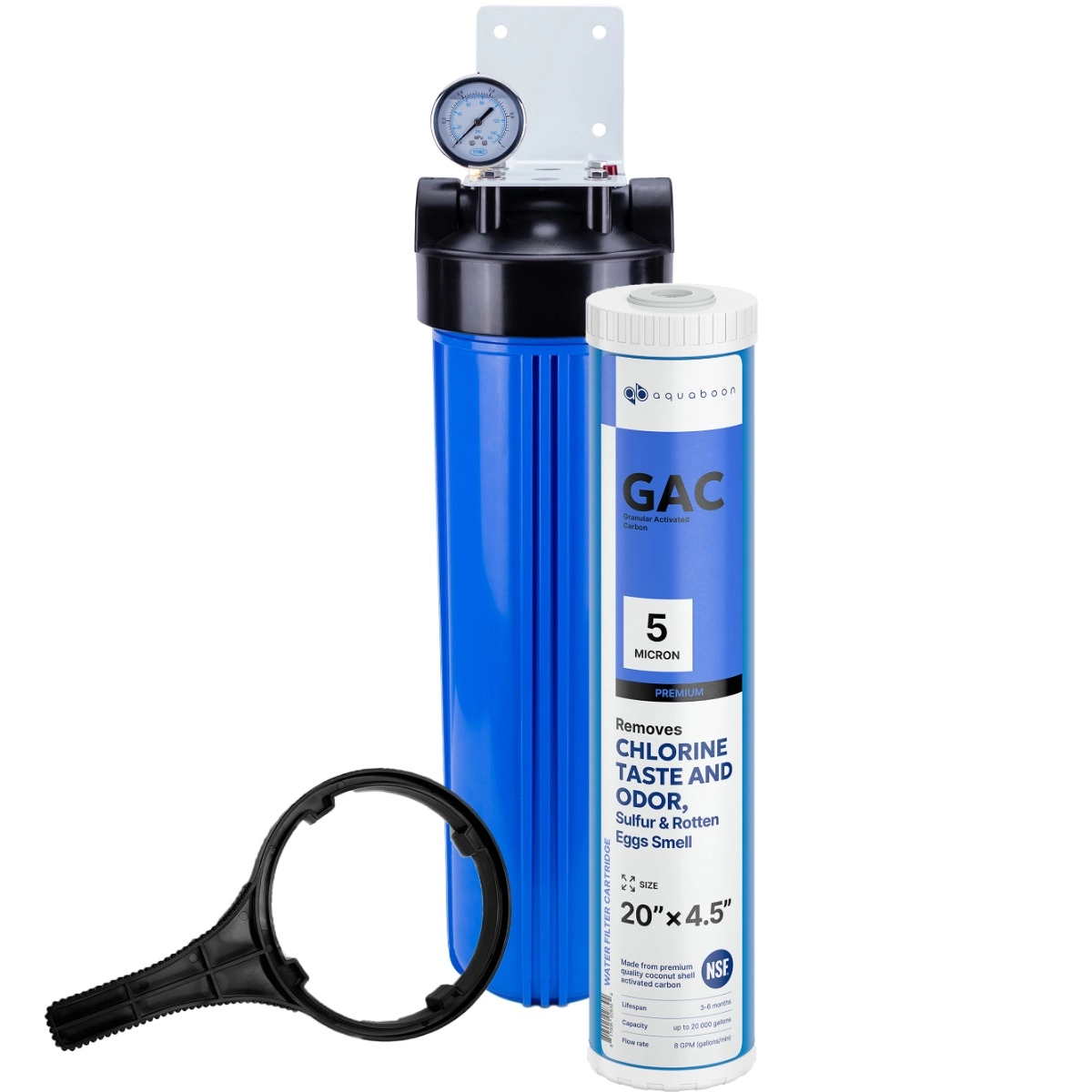
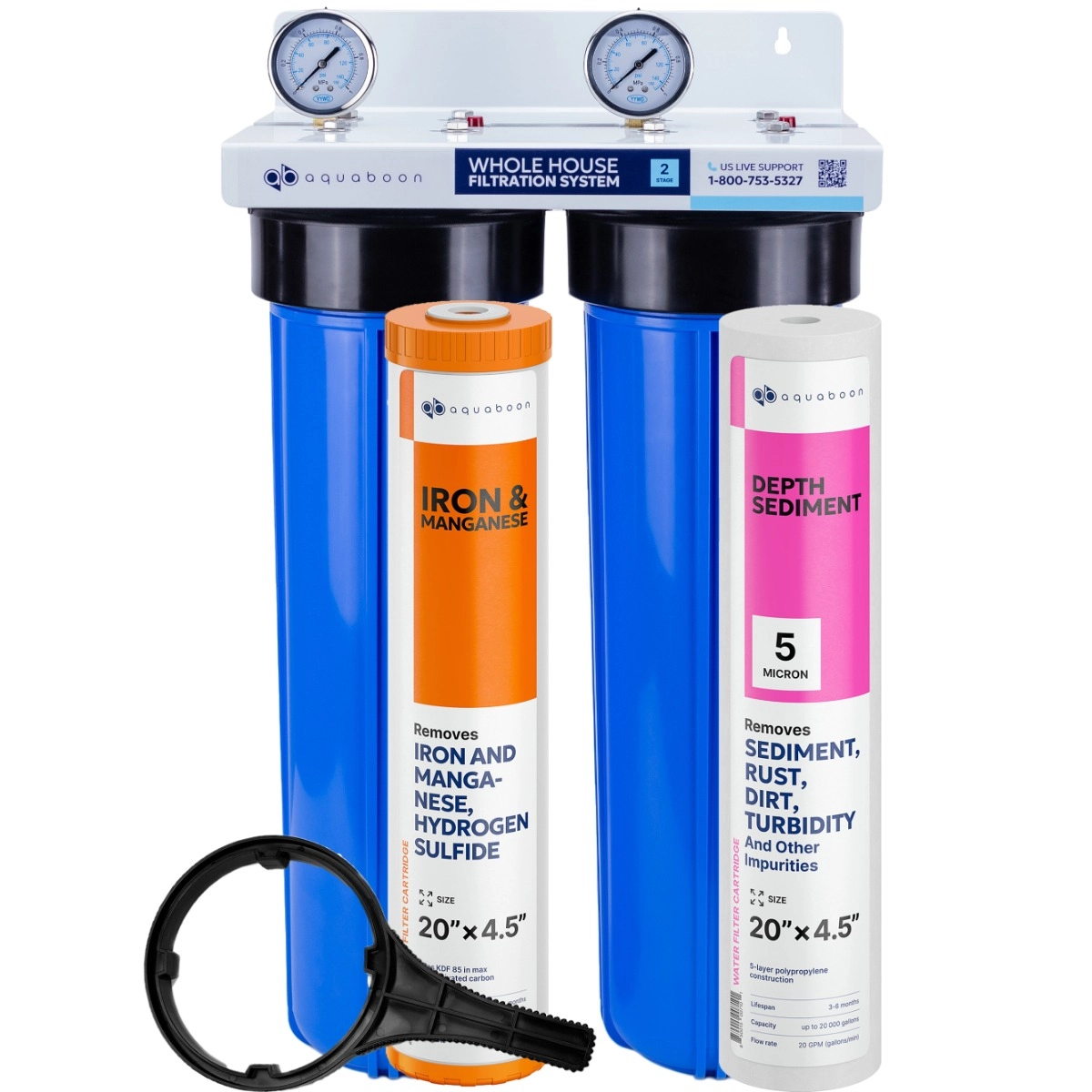
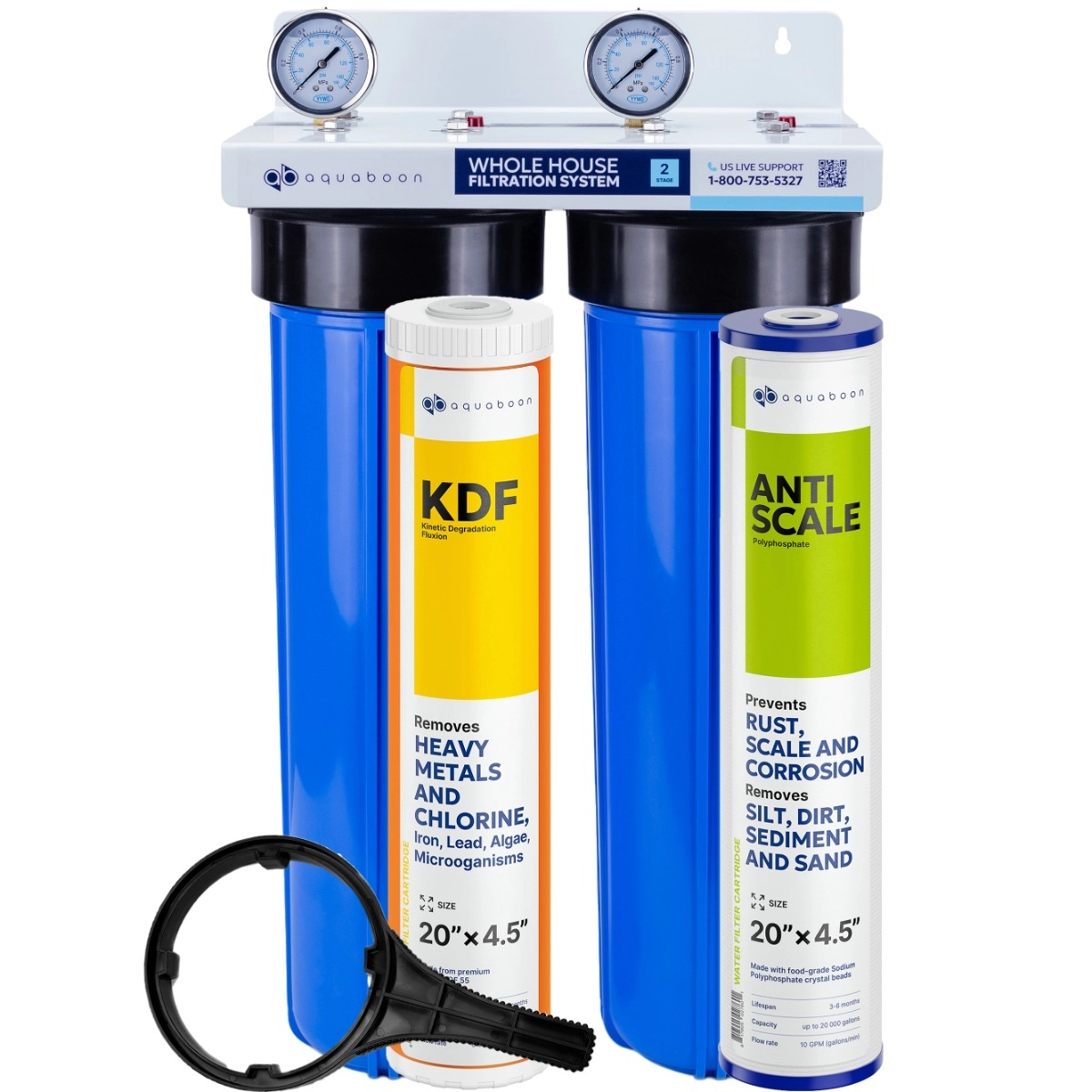
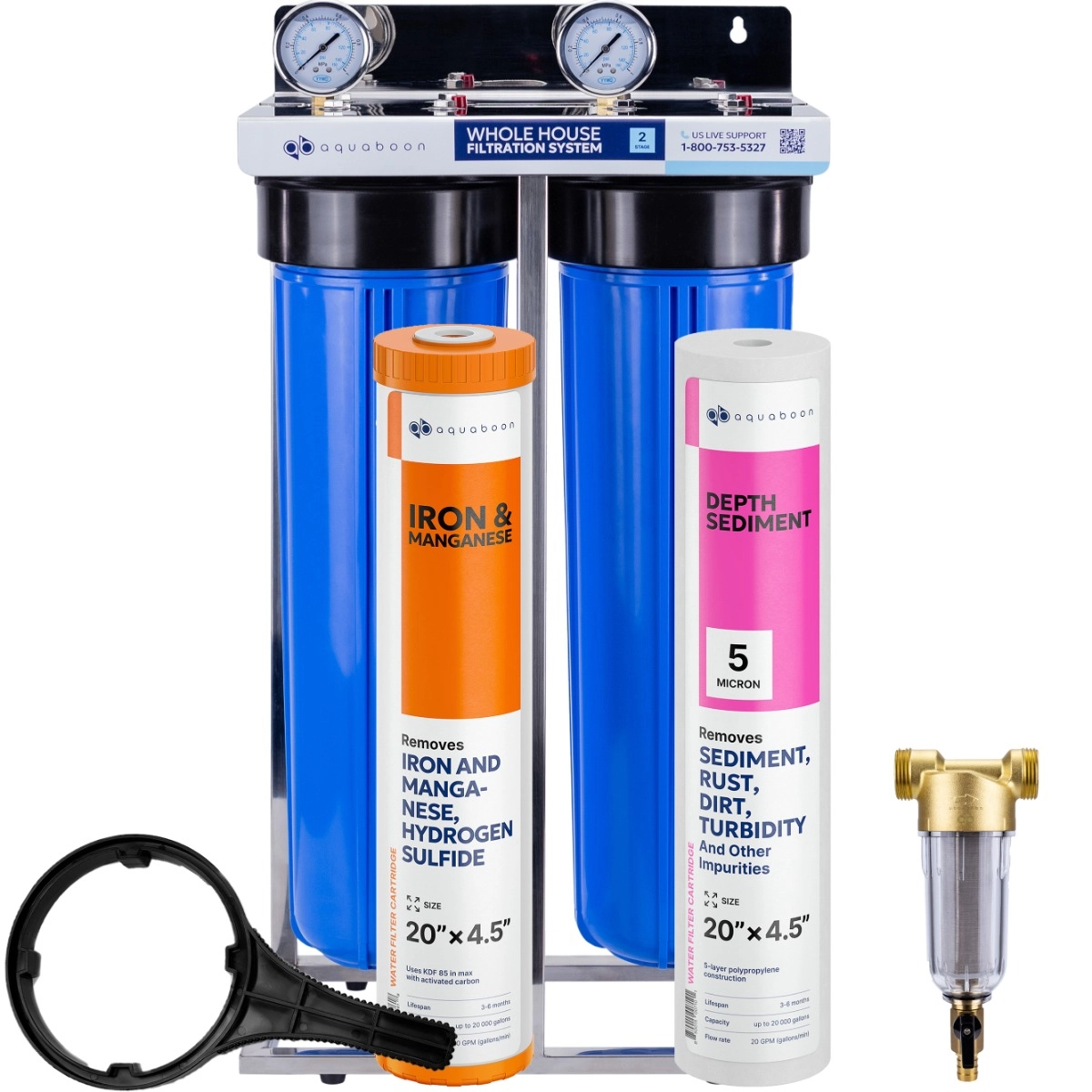
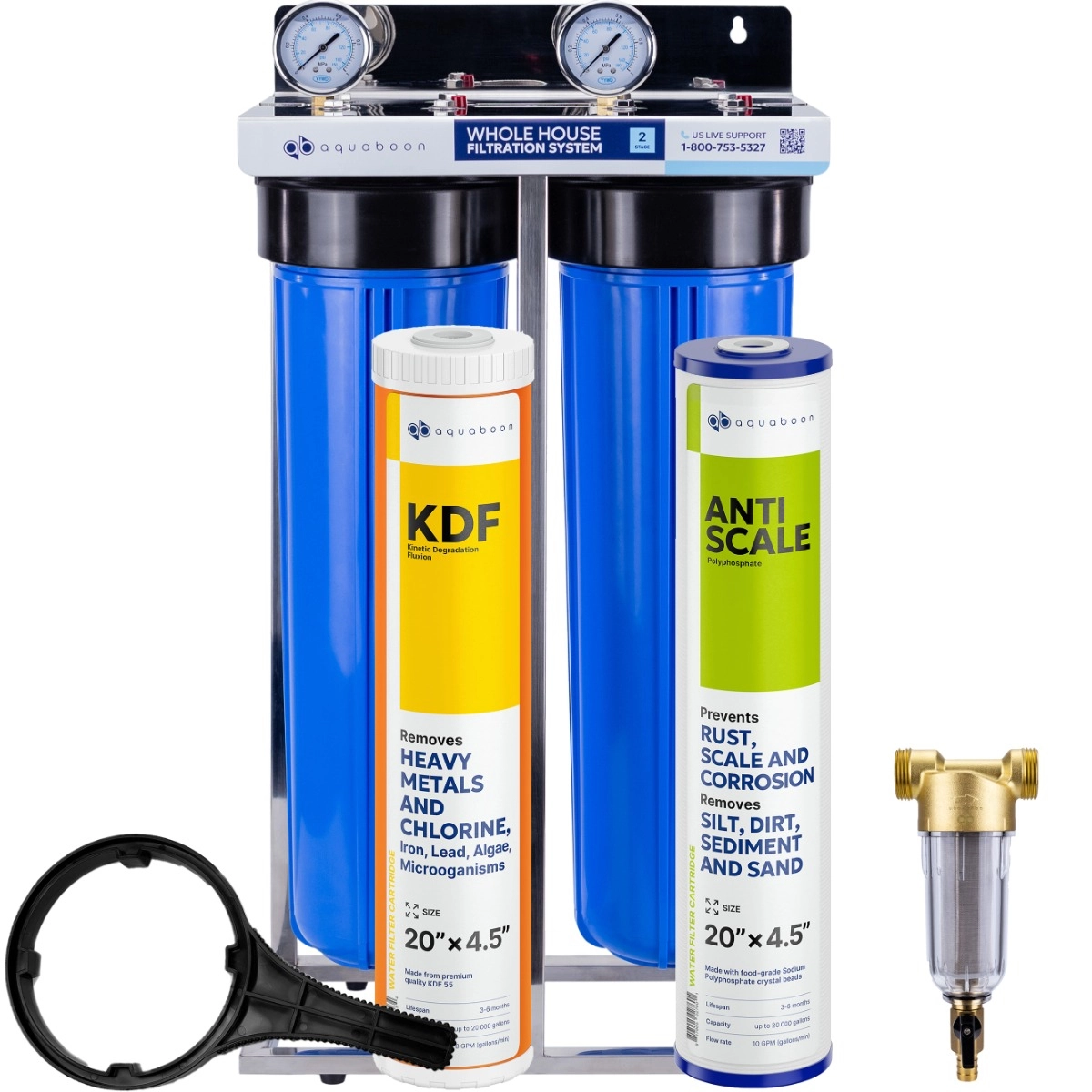
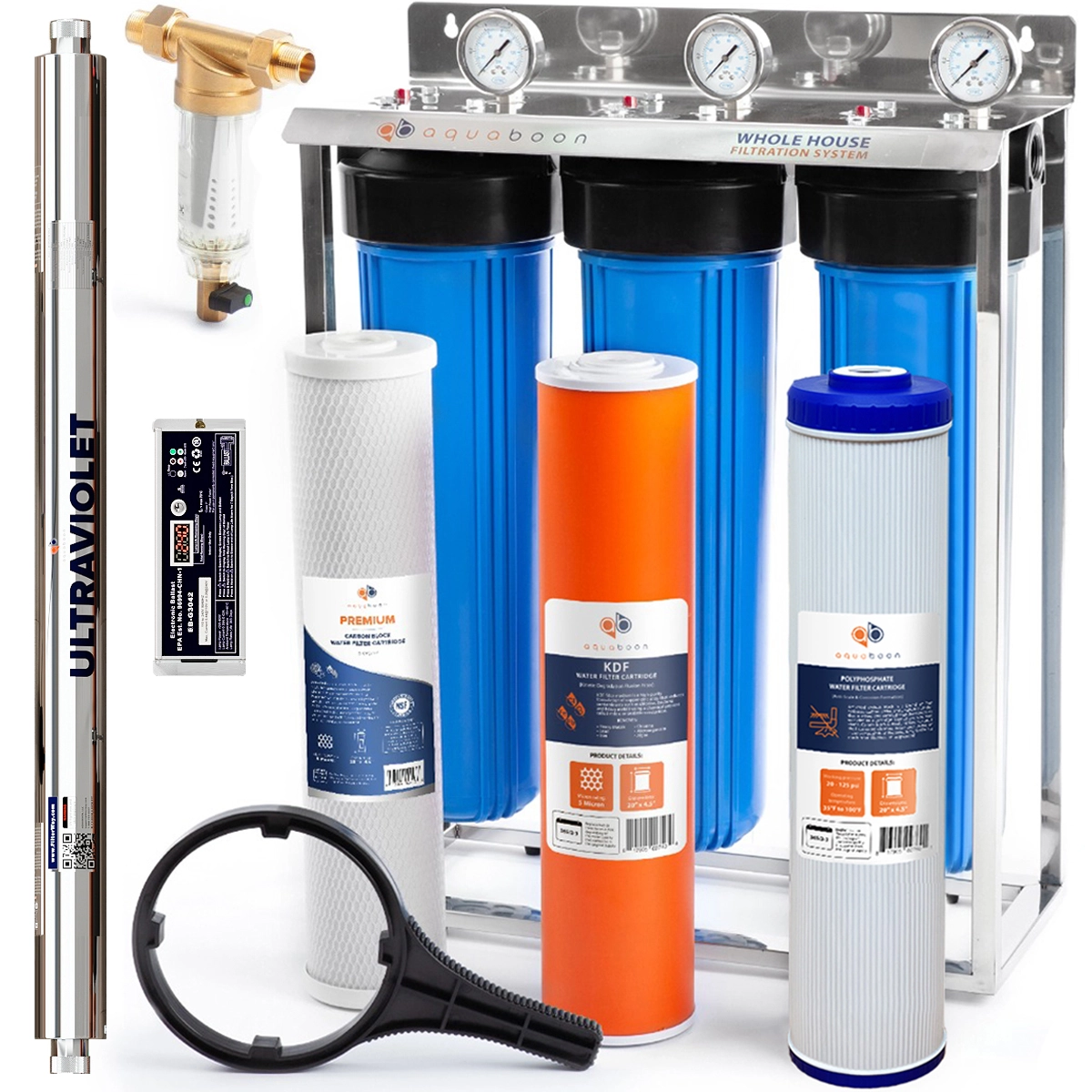
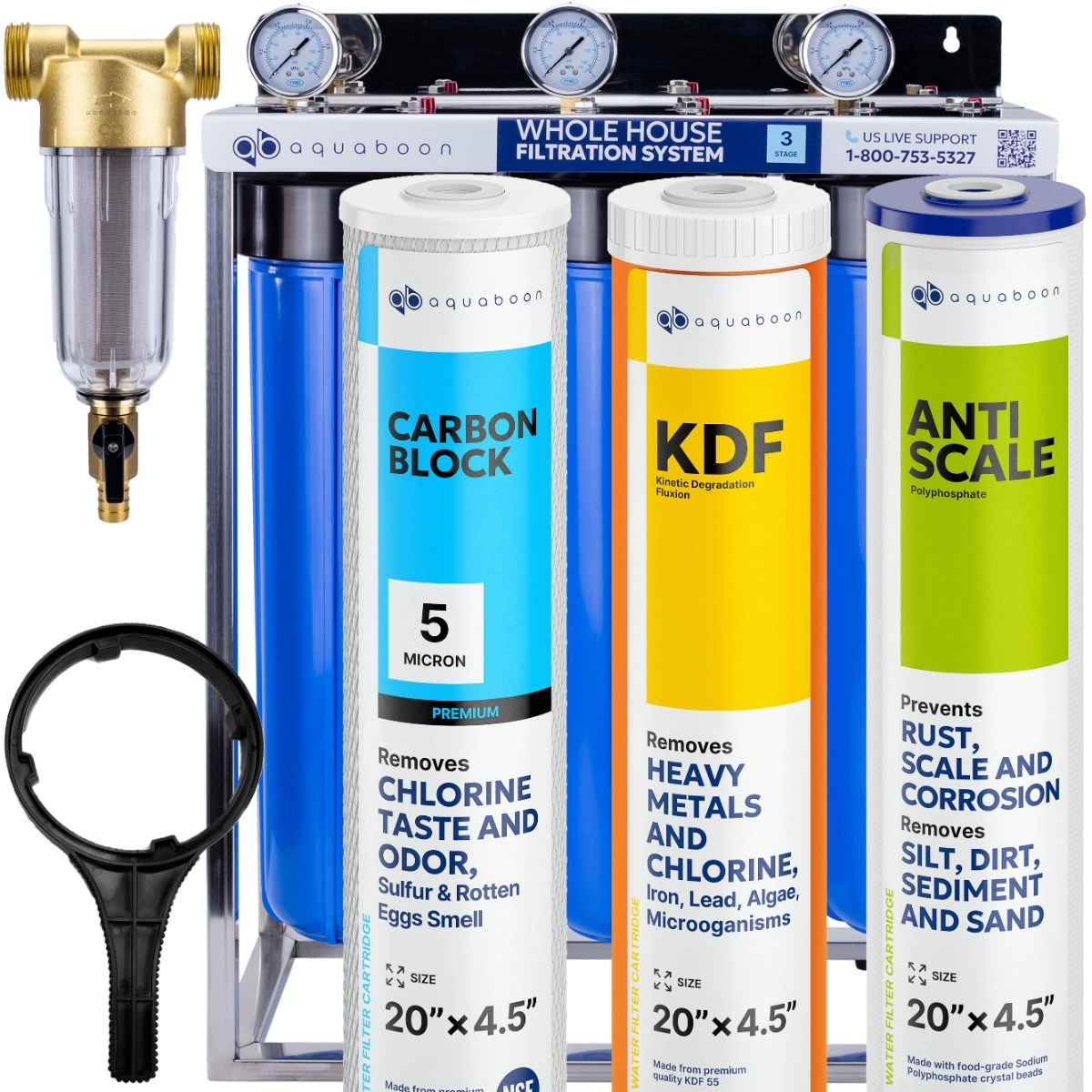
Because filtration happens before distribution, improvements are immediate and consistent across the home. Filterway offers a complete range of whole-house solutions designed to match different water conditions and household needs. This includes 1-stage systems for basic sediment control, 2-stage systems for combined sediment and chlorine reduction, and 3-stage systems for more advanced filtration setups, such as adding carbon or specialty media for deeper purification. For homes dealing with hard water, Filterway also provides water softeners that help prevent scale buildup, extend appliance life, and improve overall water feel. In cases where microbial safety is a concern, UV lamps can be integrated into the system to neutralize bacteria and viruses without adding chemicals. This modular approach allows you to start with a basic setup and expand into a full water treatment system as needed, ensuring that your filtration system evolves with your water conditions rather than requiring a complete replacement. Under-sink systems are installed directly at the point of use, typically in the kitchen. They are designed to improve water specifically for drinking and cooking, often using advanced filtration methods like reverse osmosis. Best for: This approach is faster to install and requires less initial investment, but it does not address system-wide issues. The concept of “faster” depends on scope. Under-sink systems are faster to install, but whole-house systems are faster in resolving multi-point problems. If your issue affects multiple areas, solving only one point delays the overall resolution. Under-sink systems are often chosen because of lower upfront cost. However, if additional filtration is later required for other areas, the total cost increases over time. Whole-house systems, while more expensive initially, reduce the need for multiple separate solutions. Whole house systems are engineered to maintain strong water pressure while delivering consistent filtration, which is critical for whole-house applications. This avoids the common issue of performance loss in poorly sized systems. These mistakes often lead to upgrades or replacements within a short period. This layered approach is increasingly common in modern homes. The fastest solution is not determined by installation time but by how effectively the system addresses the scope of the problem. Under-sink filtration is efficient for targeted needs, while whole-house systems provide a complete solution when water quality affects the entire home. Choosing correctly from the start reduces costs, improves performance, and ensures consistent water quality in every part of the household.
Under-Sink: Fix the Output
Speed vs Impact
Cost vs Long-Term Efficiency
Common Mistakes
Practical Decision Framework
Solve the Problem, Not Just the Symptom