


Cross-Threading, Over-Tightening, and Housing Damage: Installer Errors to Avoid
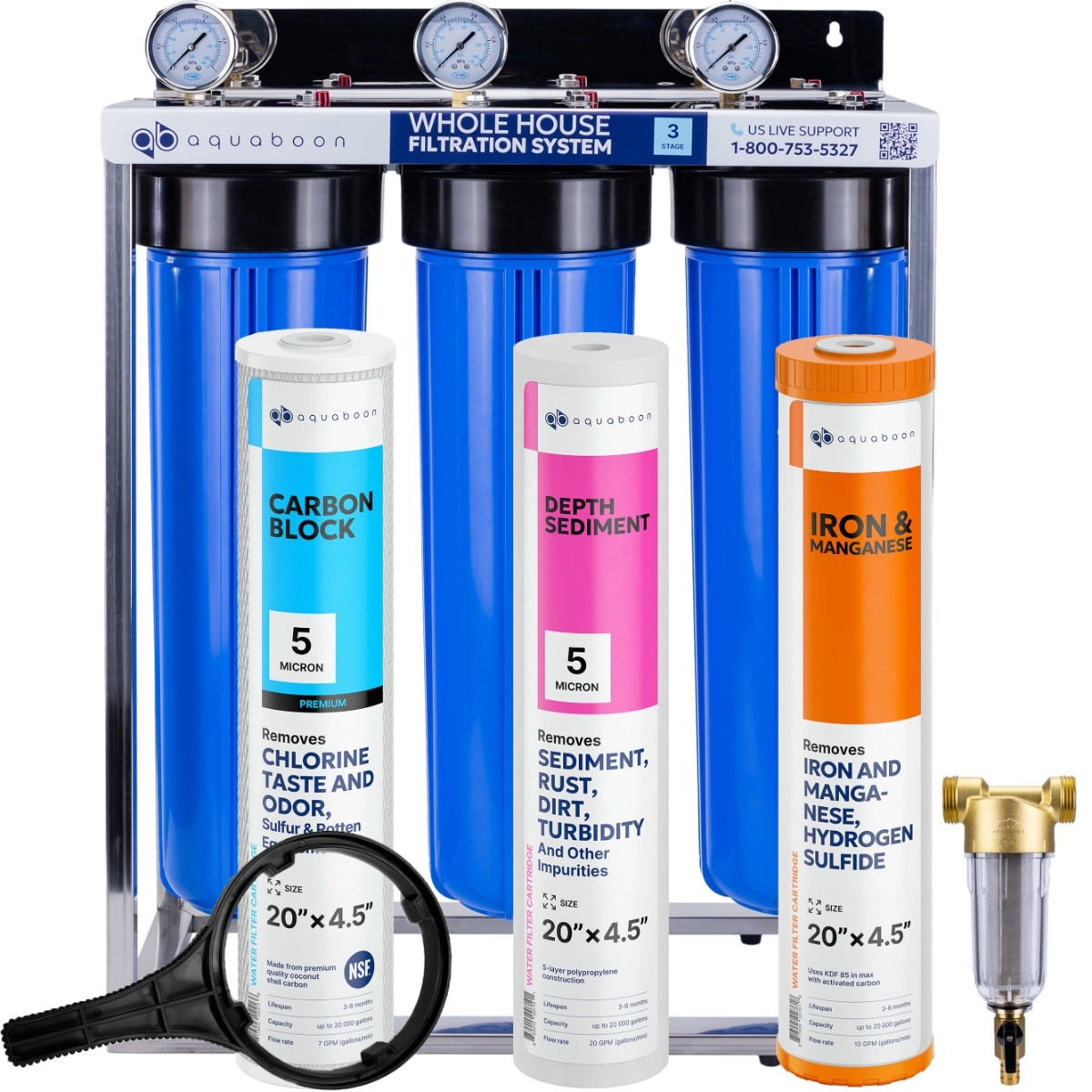
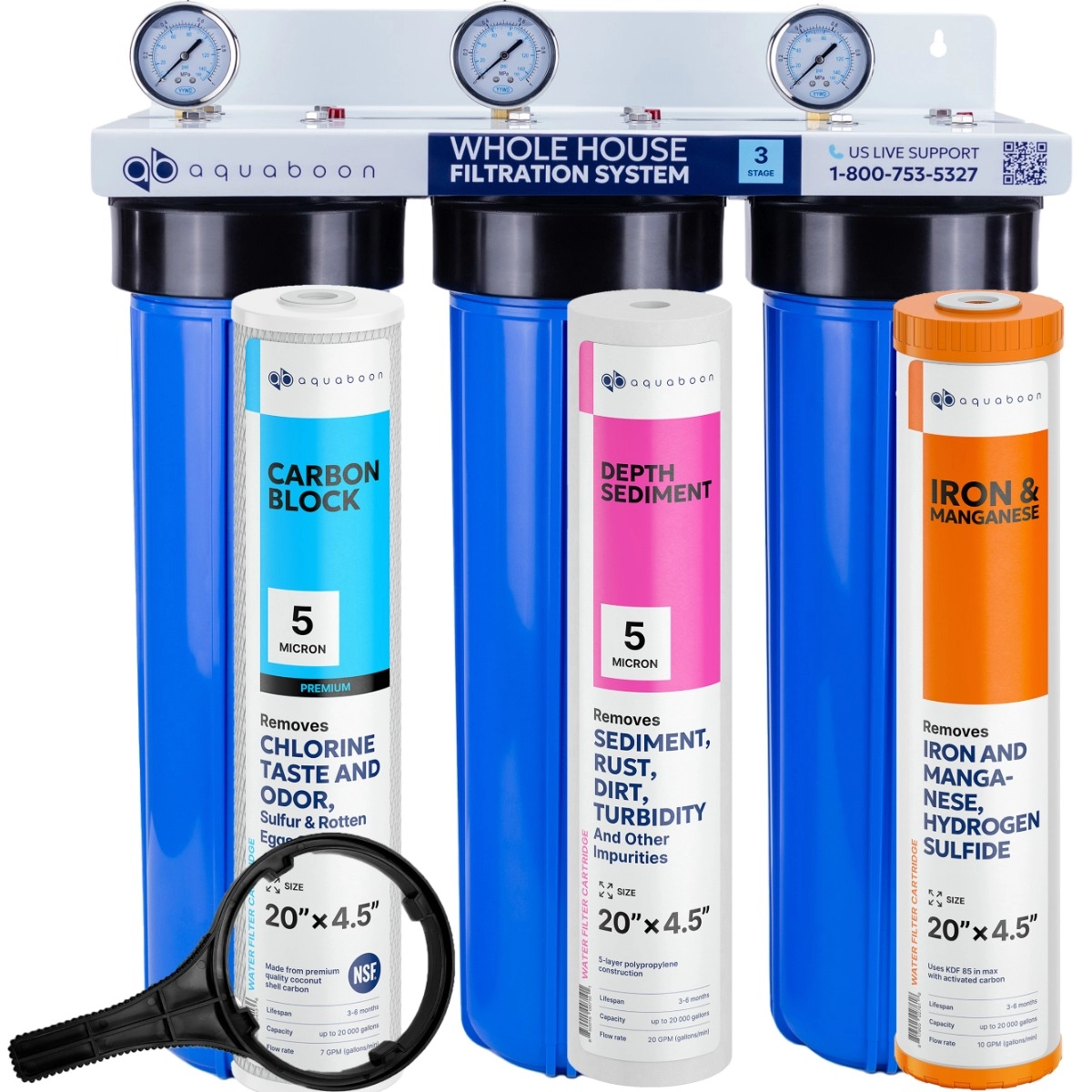
Whole-house and point-of-entry water filtration systems are designed to operate reliably under constant pressure for many years. In practice, however, a significant number of leaks, cracked housings, and seal failures are not caused by defective components but by avoidable installation errors. Among the most common are cross-threading, over-tightening, and improper handling of filter housings.
These mistakes often do not cause immediate failure. Instead, they weaken system components gradually, leading to leaks or housing damage weeks or even months later. Understanding how these errors occur and how to prevent them is essential for maintaining a safe, leak-free filtration system.

Cross-Threading: A Small Misalignment With Serious Consequences
Cross-threading occurs when the housing sump is not aligned correctly with the housing cap and the threads engage at an angle. Instead of threading smoothly into place, the plastic threads scrape across one another, permanently damaging the connection. This typically happens when installation is rushed, visibility is poor, or resistance is ignored.
Even minor cross-threading prevents proper O-ring compression. The housing may feel tight initially, but the seal will be uneven, allowing slow leaks to develop over time. In many cases, a cross-threaded housing also becomes increasingly difficult to remove during future maintenance, increasing the risk of cracks or breakage.
Correct installation begins by threading the housing on by hand. A useful technique is to rotate the housing slightly counter-clockwise until the threads settle into position, then begin tightening clockwise. If resistance feels uneven or abrupt, the housing should be backed off and realigned rather than forced.
Over-Tightening: Why More Force Leads to Failure
Over-tightening is one of the most common and damaging installer mistakes. Many assume that tightening the housing as much as possible will prevent leaks. In reality, filtration housings are engineered to seal through O-ring compression, not excessive mechanical force.
Applying too much torque places constant stress on the housing body and threads. Over time, this stress can cause hairline cracks that may not be visible until the system is under full pressure. Over-tightening also deforms O-rings, flattening or twisting them so they can no longer seal properly.
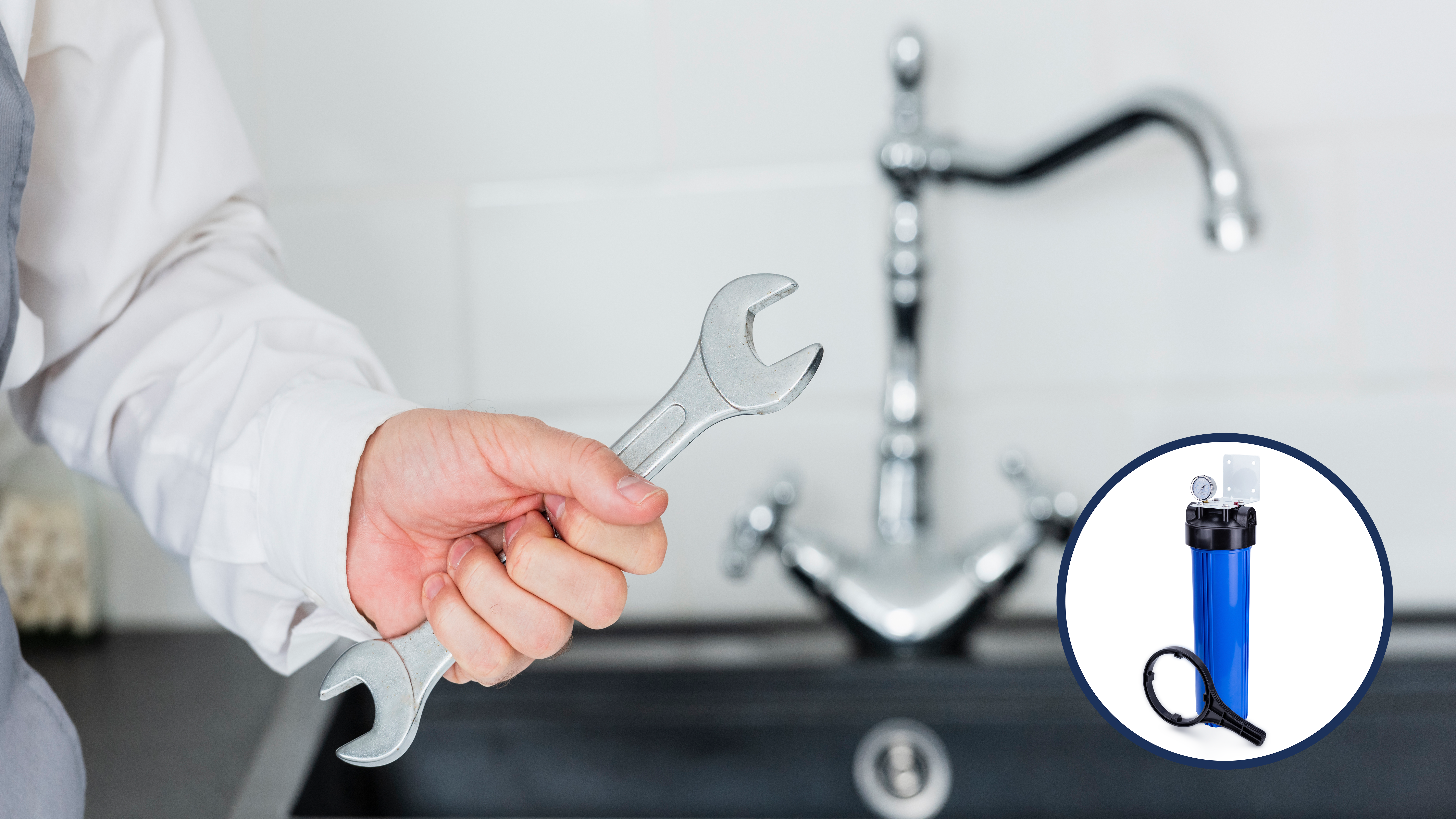
Proper tightening involves hand-tightening the housing until it is snug and evenly seated. A housing wrench may be used only for a minimal final adjustment if necessary. Tools such as pipe wrenches, pliers, or leverage extensions should never be used, as they dramatically increase the risk of housing damage.
O-Ring Errors That Lead to Leaks
The O-ring is a small but critical component of every filter housing. Many post-installation leaks are caused not by the housing itself, but by O-ring issues. Installing a dry O-ring, allowing debris to stick to it, twisting it during assembly, or using the wrong size can all compromise the seal.
At every filter change, the O-ring should be removed, cleaned, and inspected. Signs of flattening, cracking, or brittleness indicate that replacement is necessary. Applying a light coating of food-grade silicone lubricant helps the O-ring seat properly and reduces friction during tightening.
Ignoring O-ring maintenance often leads installers to compensate by tightening the housing further, which increases the likelihood of housing damage rather than solving the leak.
Housing Damage Caused by Handling and Installation Conditions
Filter housings are pressure vessels, and their longevity depends heavily on how they are handled and installed. Dropping a housing, exposing it to freezing temperatures, or cleaning it with very hot water can weaken the plastic structure and reduce its pressure resistance.
Housing damage can also occur when plumbing is misaligned. Rigid pipes that are forced into position place continuous mechanical stress on the housing threads and body. Supporting plumbing independently and ensuring proper alignment significantly reduces long-term strain on the system.
How to Avoid These Installer Errors
Most housing damage can be prevented by following a few essential practices when installing or maintaining a whole house water filtration system.
- Thread housings by hand to ensure proper alignment and avoid cross-threading.
- Never force resistance during installation. If the housing does not turn smoothly, stop and realign it.
- Tighten only until the housing is snug, avoiding excessive force that can stress threads and plastic components.
- Clean and lubricate the O-ring at every filter change to maintain proper sealing and reduce friction.
- Inspect housings regularly for early signs of stress, cracks, or deformation.
Taking a few extra minutes during installation and maintenance can prevent leaks, system failure, and costly water damage later.
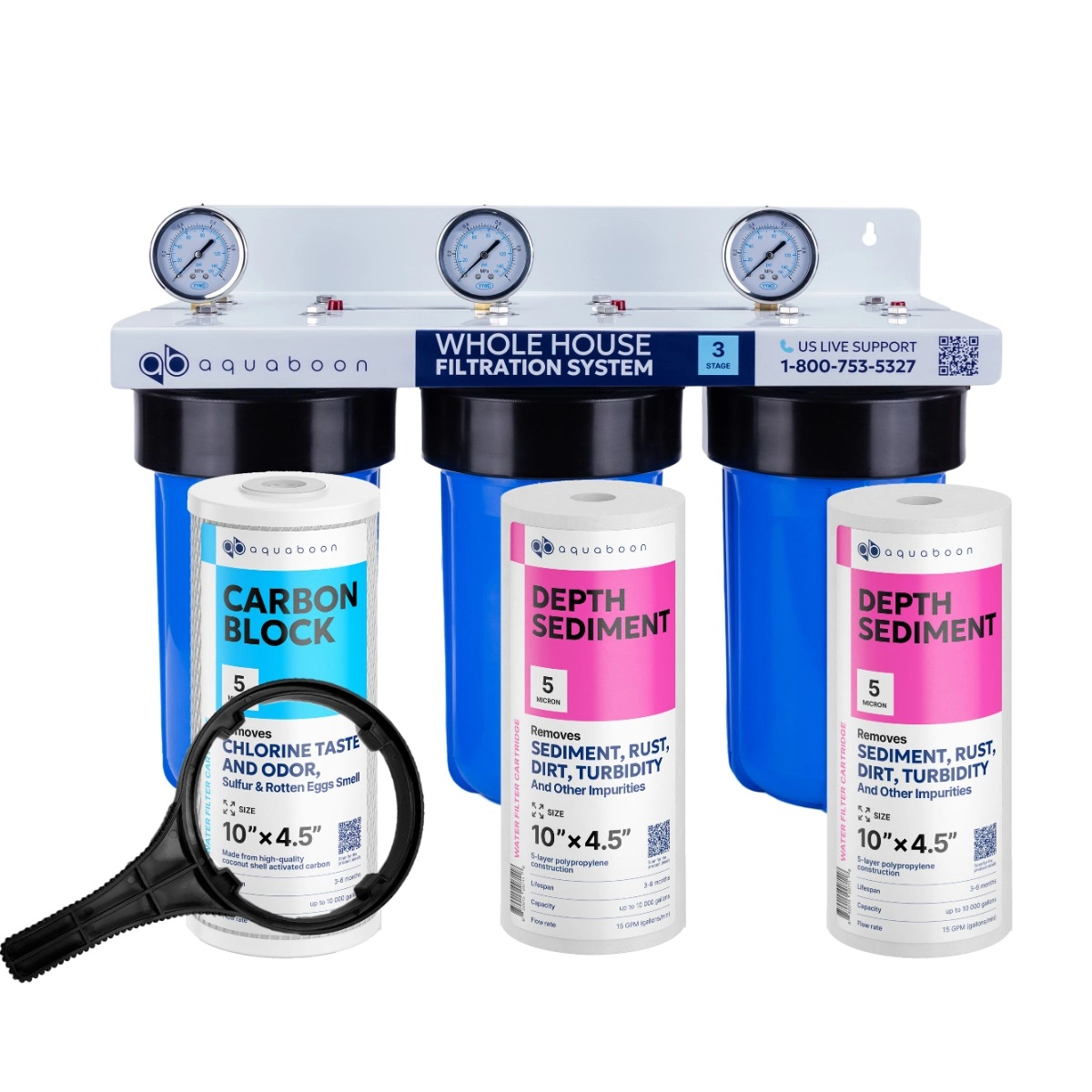
Cross-threading, over-tightening, and improper housing handling are among the most common causes of filtration system failure. These issues are installer-related, not product defects, and are largely preventable with proper technique and attention to detail. Avoiding excessive force, maintaining O-rings correctly, and handling housings with care can dramatically extend system lifespan and ensure safe, reliable operation. Housing damage and leaks often appear long after installation errors occur, making them difficult and expensive to correct. Using the right techniques and high-quality replacement components is the best way to protect your system. Filterway offers durable filter housings, compatible replacement parts, and expert guidance to help homeowners and installers avoid common installation mistakes. Whether you’re installing a new system or servicing an existing one, Filterway solutions help ensure long-term reliability and leak-free performance.
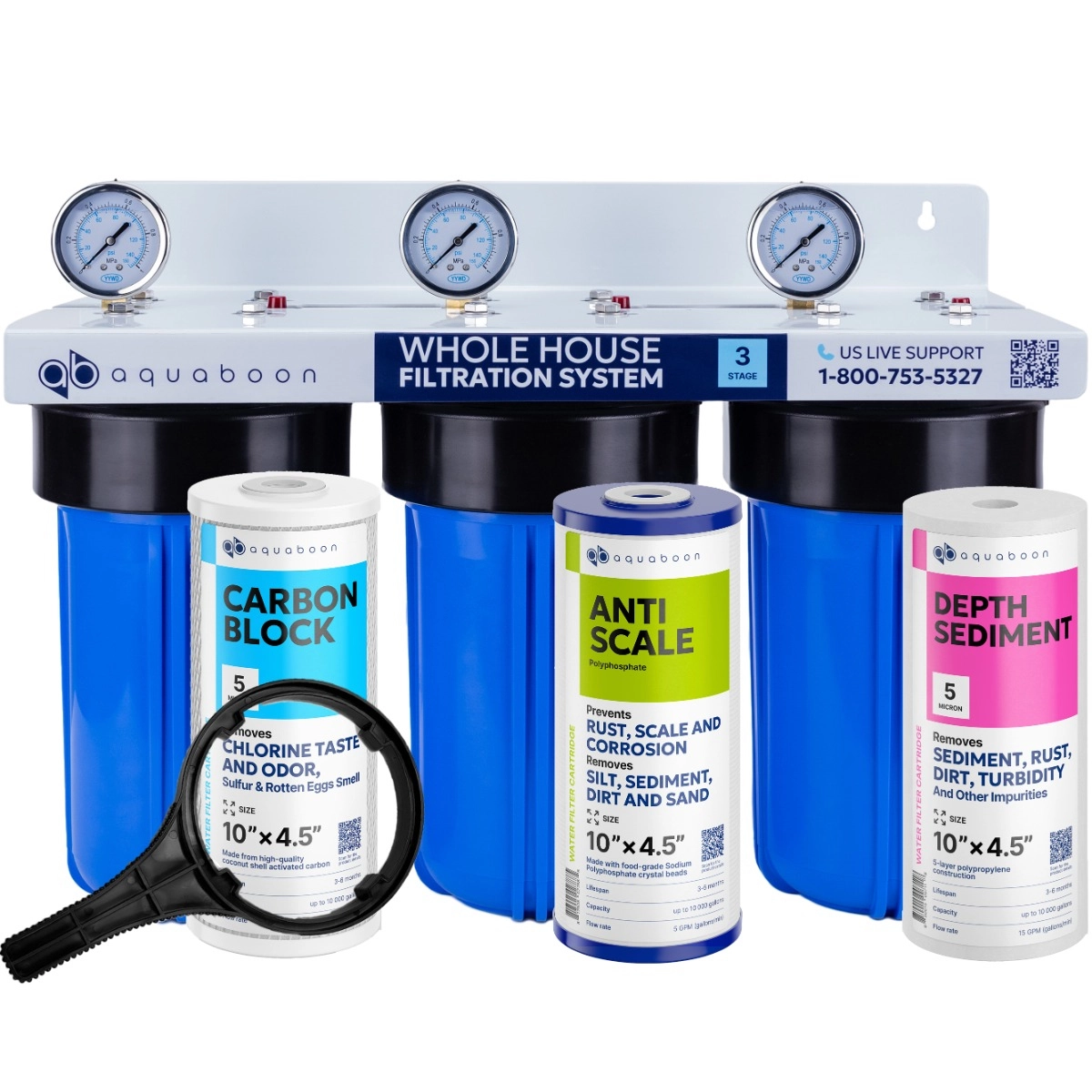
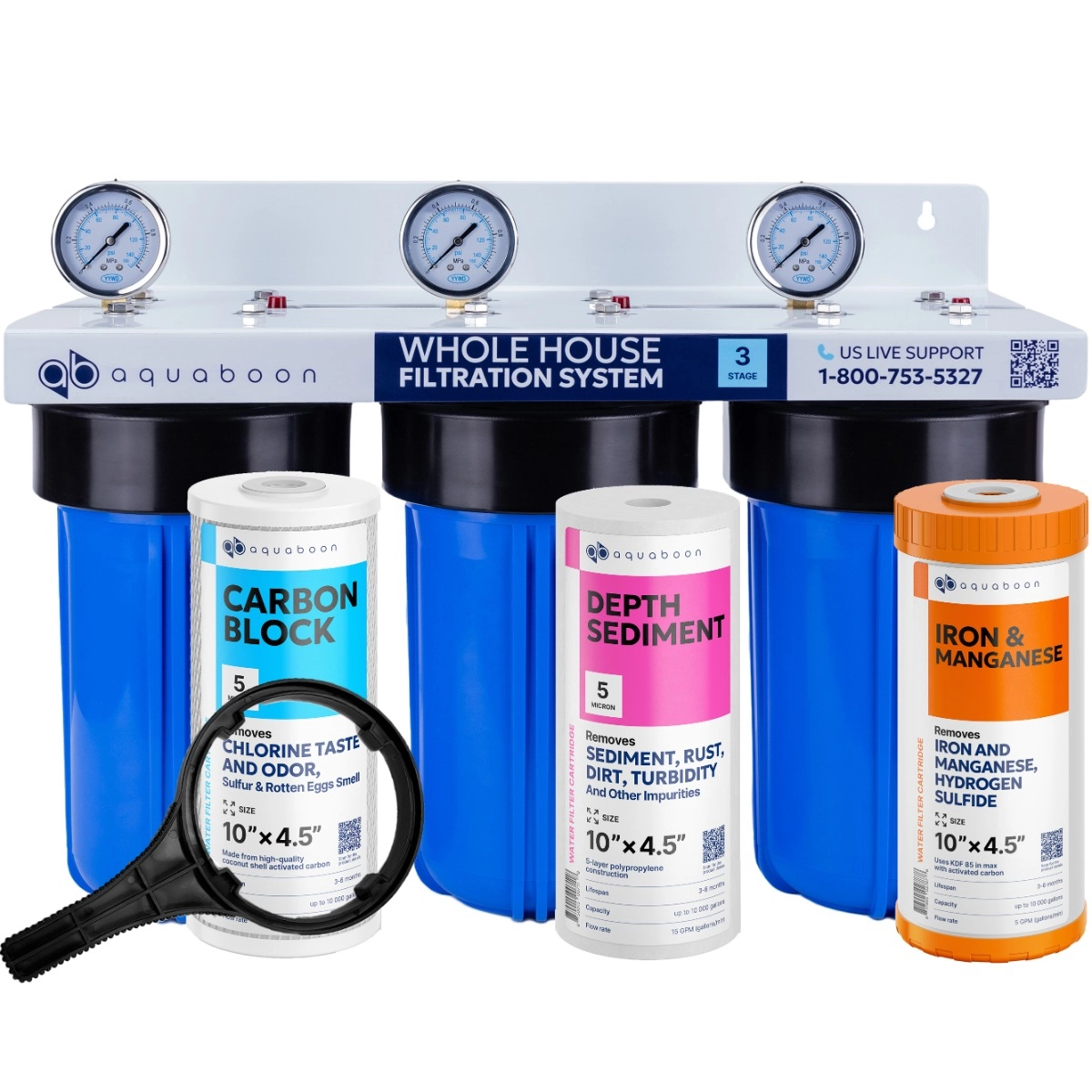
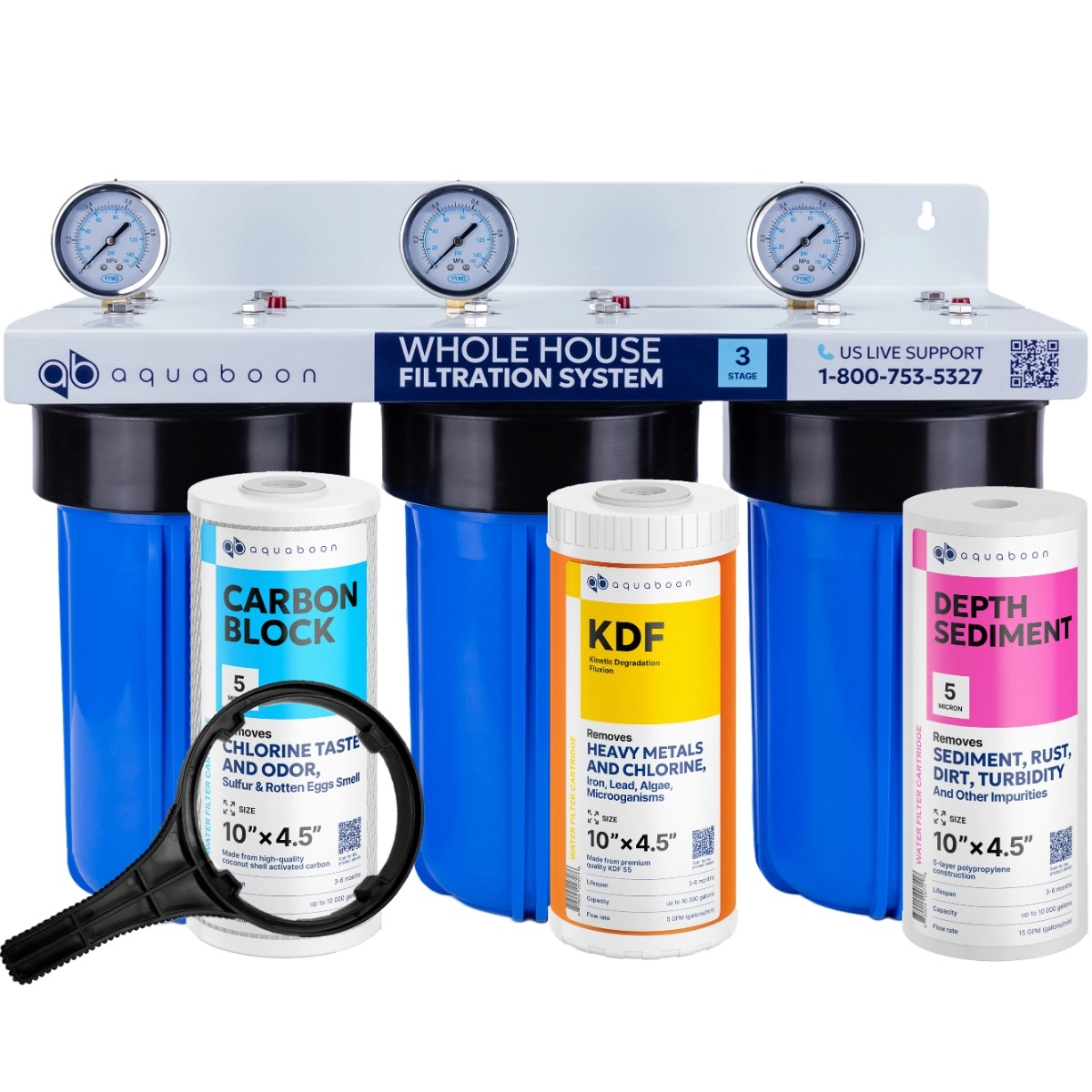
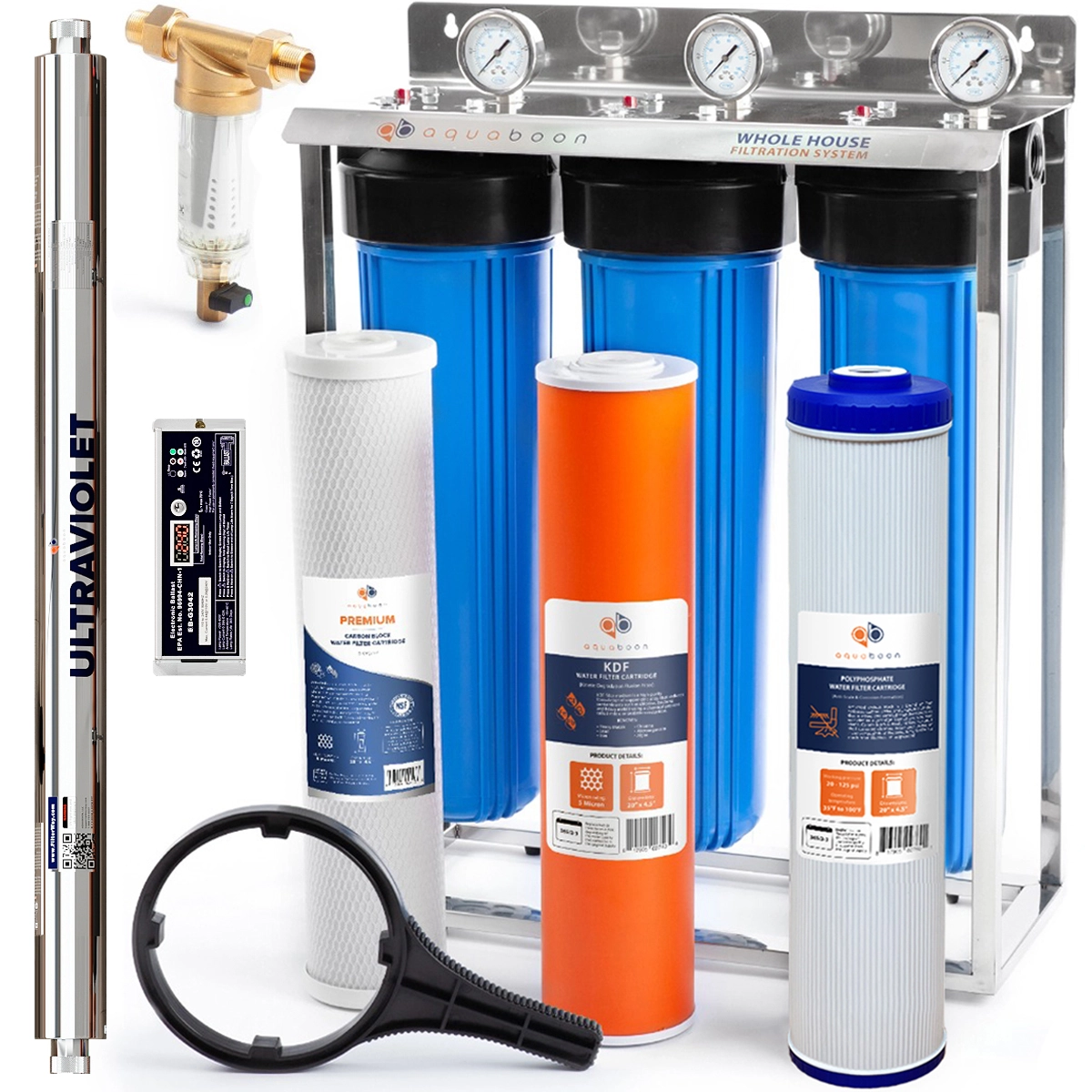
Protect Your Filtration System From Preventable Damage