



Choosing the Right Micron Rating: Too Fine vs Too Coarse
Micron rating is one of the most important yet frequently misunderstood aspects of water filtration. It directly determines what particles a filter can remove, but selecting the wrong rating can either make filtration ineffective or reduce system performance. The goal is not to choose the smallest micron level available, but to find the correct balance between filtration strength and water flow.

What Micron Rating Means
A micron is a unit of measurement used to define particle size. The lower the micron rating, the smaller the particles the filter can capture. While this seems straightforward, real-world performance depends on how this rating interacts with water conditions.
Too Coarse: When Filtration Fails
If the micron rating is too high, the filter is only capable of capturing larger particles while allowing finer contaminants to pass through unnoticed. At first glance, the system may appear to be functioning correctly, but in reality, it fails to address the smaller impurities that significantly affect water quality. This mismatch between filter capability and actual contamination level often leads to disappointing results.
Result:
- Fine sediment remains in water
- Cloudiness and taste issues persist
- Minimal improvement despite filtration
Over time, this can create a false sense of filtration, where the system appears to work but does not deliver meaningful improvement. This often happens when systems are selected without considering actual water quality.
Too Fine: When Performance Drops
Filters with very low micron ratings are designed to capture even the smallest particles, significantly improving filtration precision. However, this increased level of filtration comes with a trade-off: as more contaminants are trapped, the filter media becomes denser and flow resistance increases. In practice, this means that while water may become cleaner, the system itself begins to lose efficiency under real usage conditions.
Result:
- Reduced water pressure
- Faster clogging
- Increased maintenance frequency
Over time, these limitations can outweigh the benefits of ultra-fine filtration, especially if the system is not properly configured. In high-sediment environments, this can lead to constant filter replacements and higher maintenance costs, making the solution impractical for long-term use.
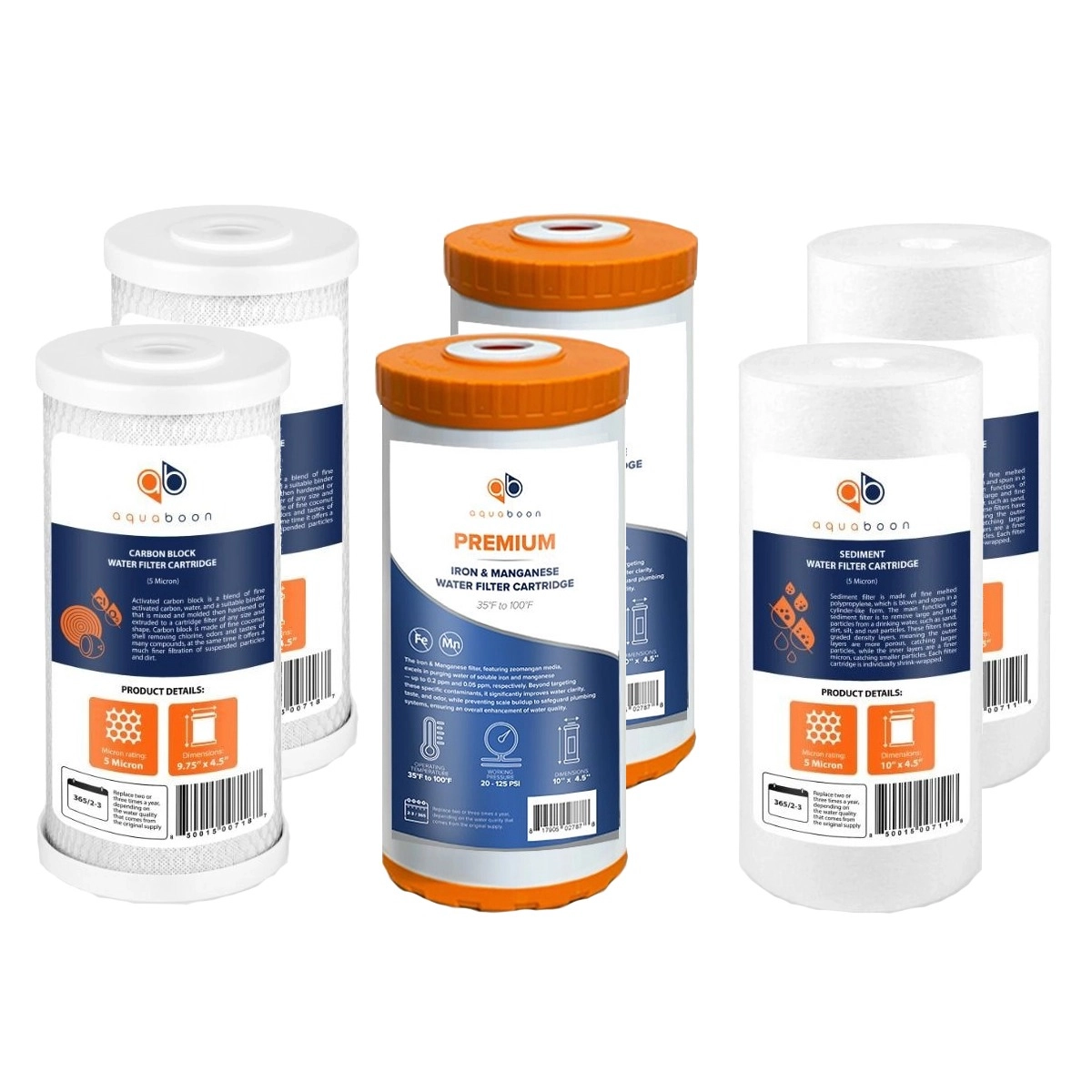
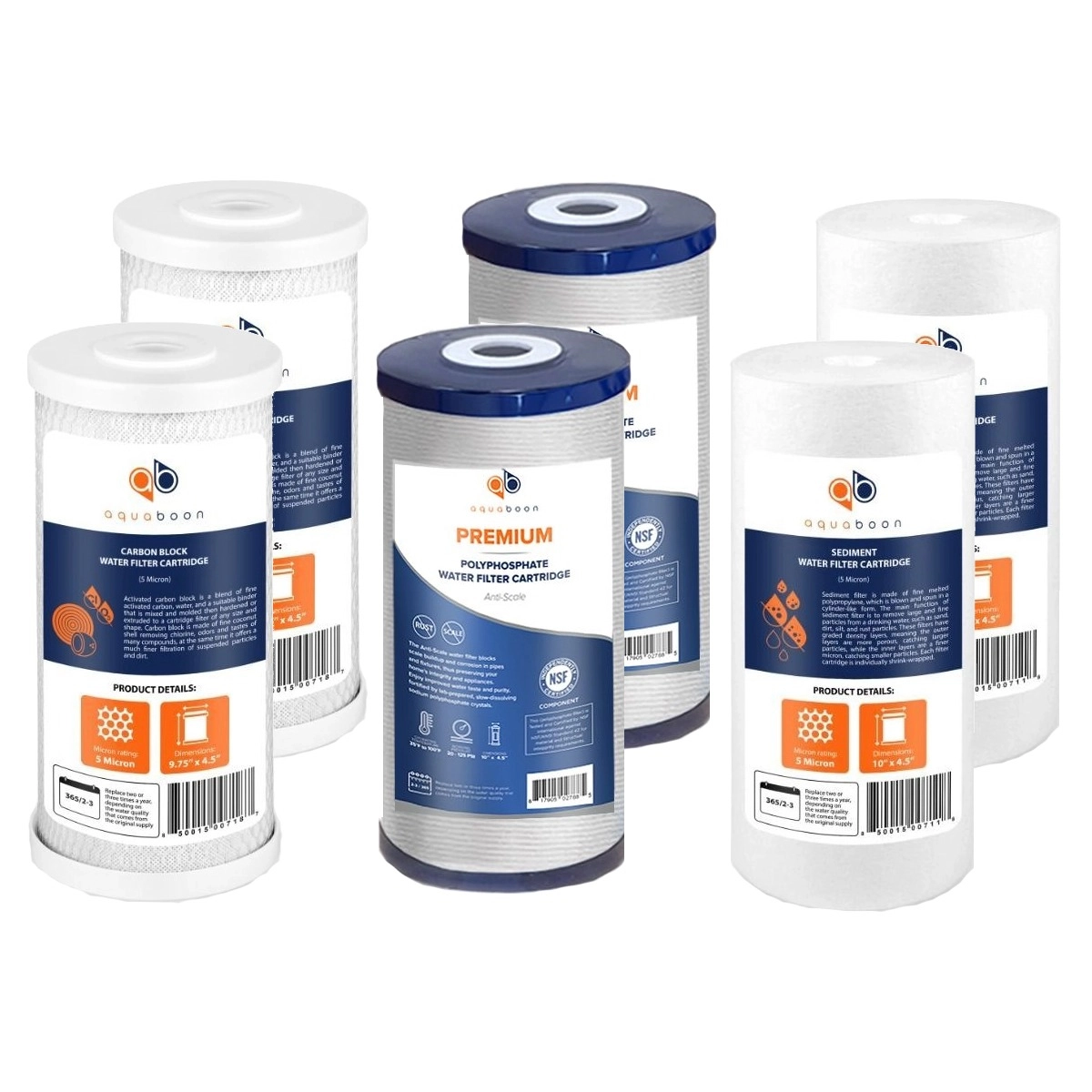
Sediment Filters -
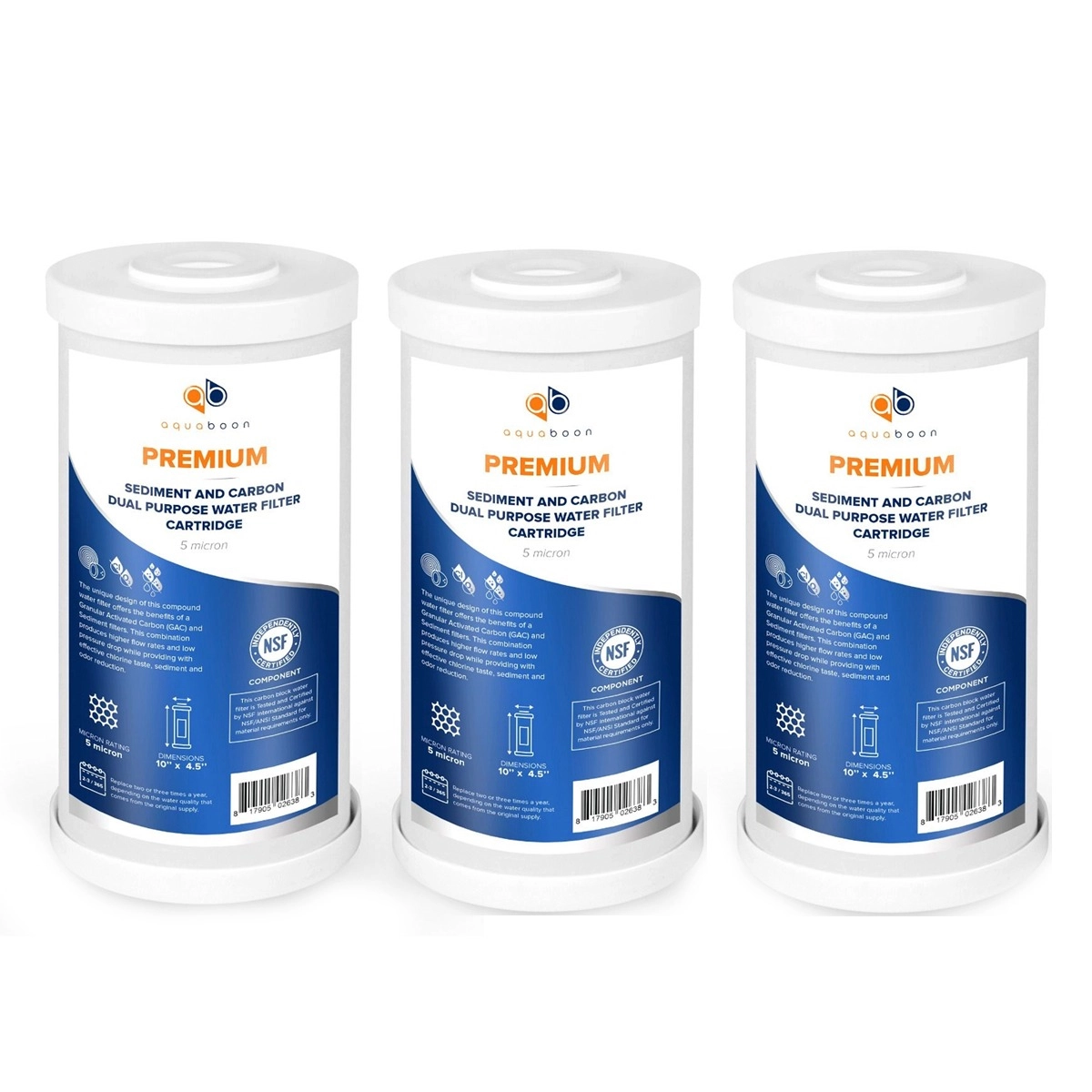
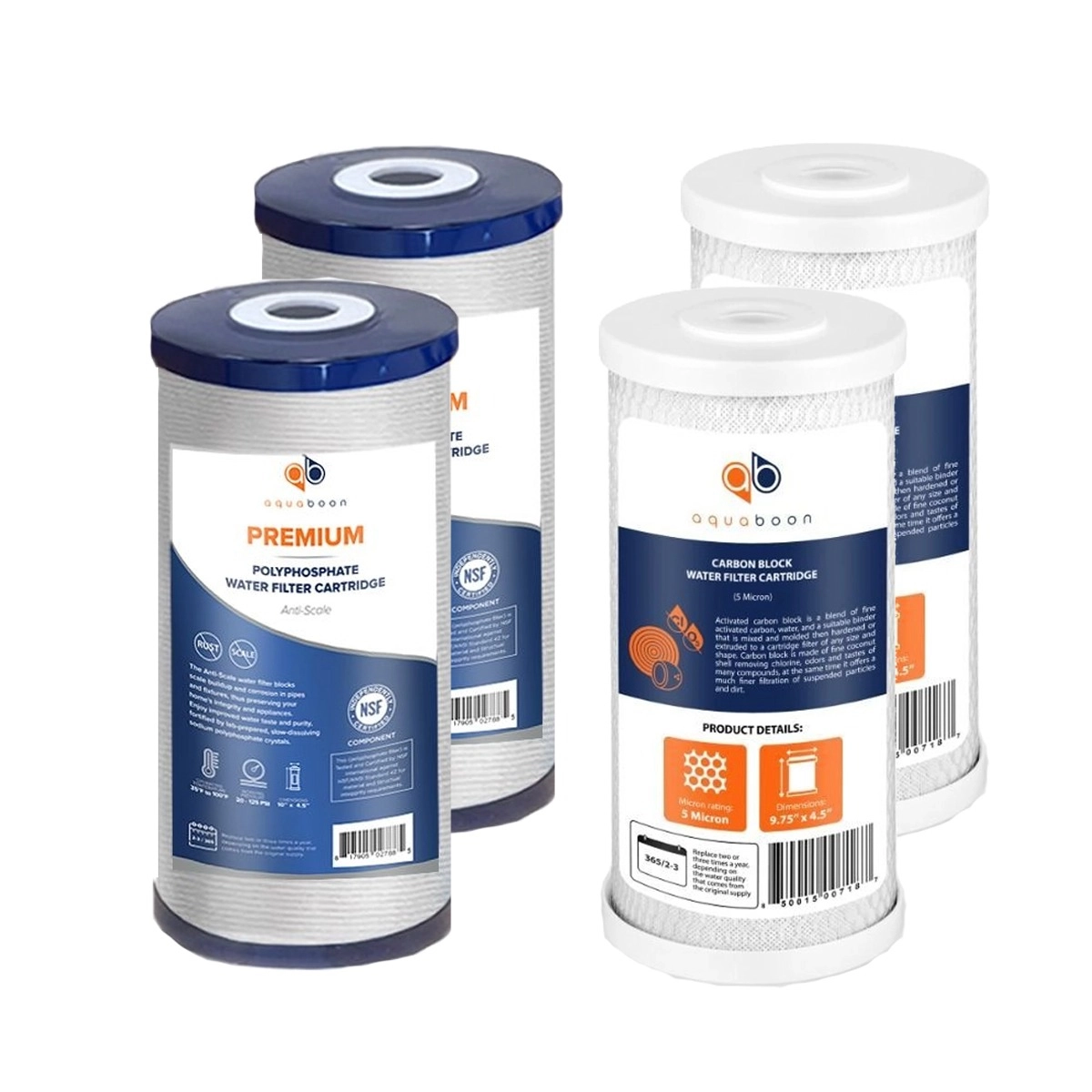
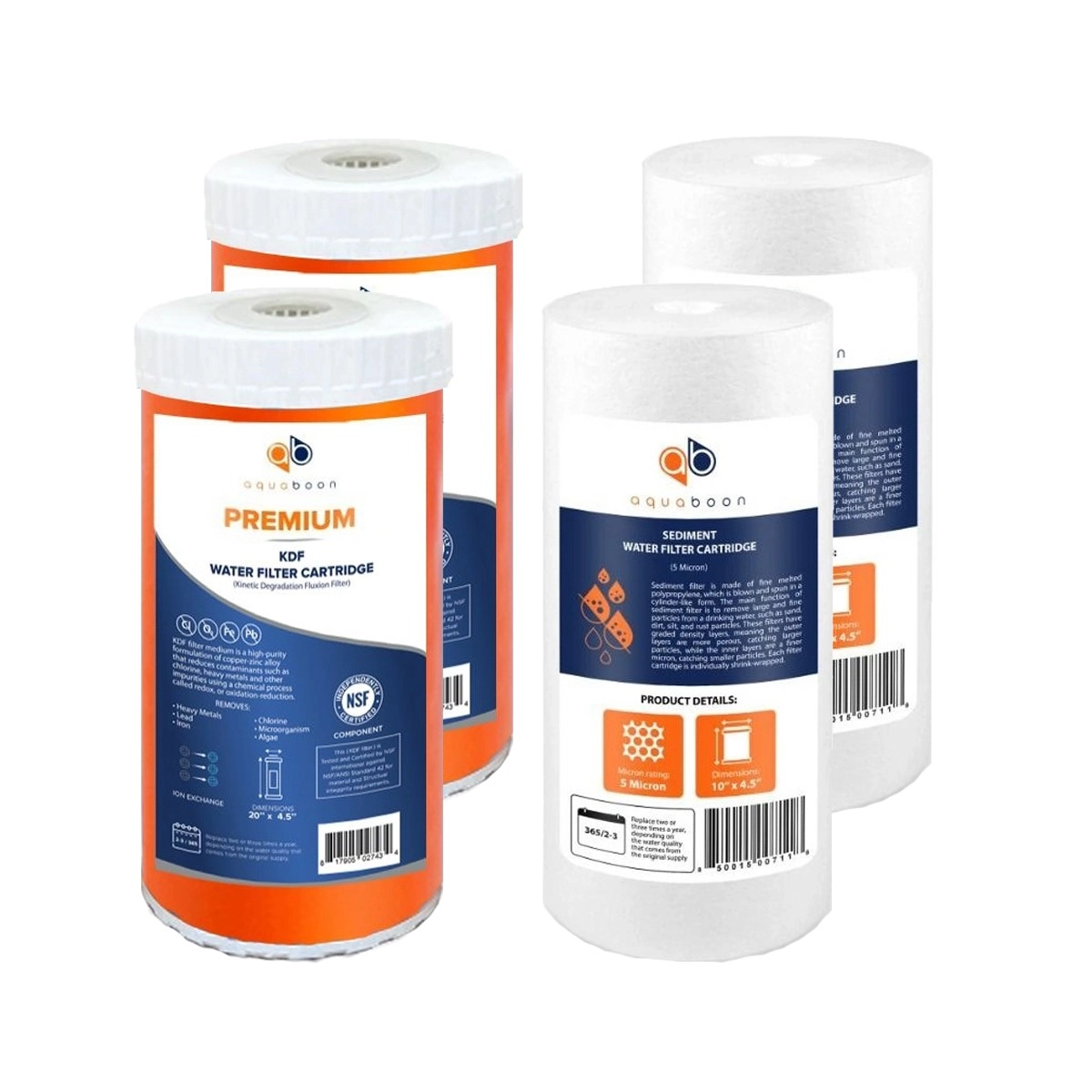
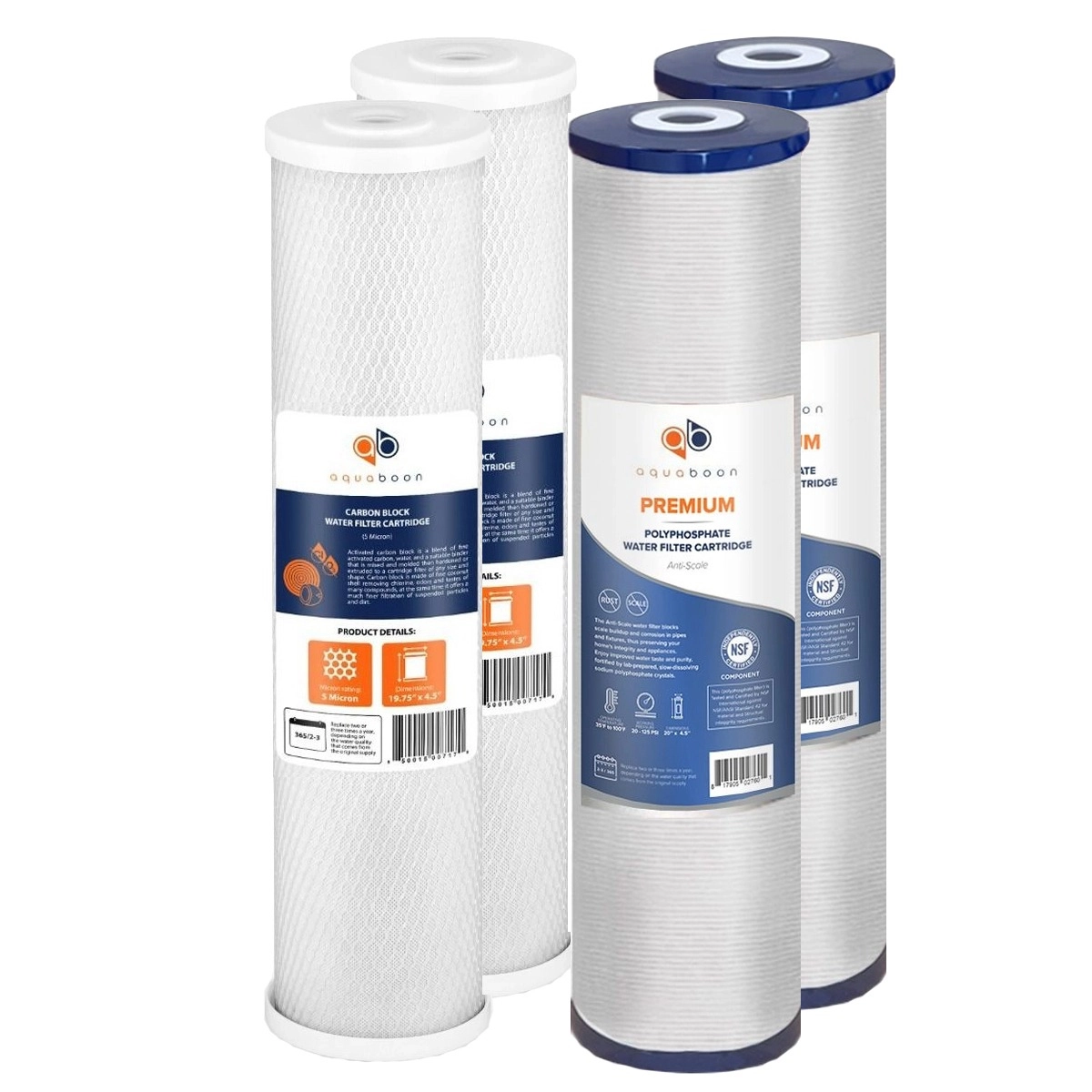
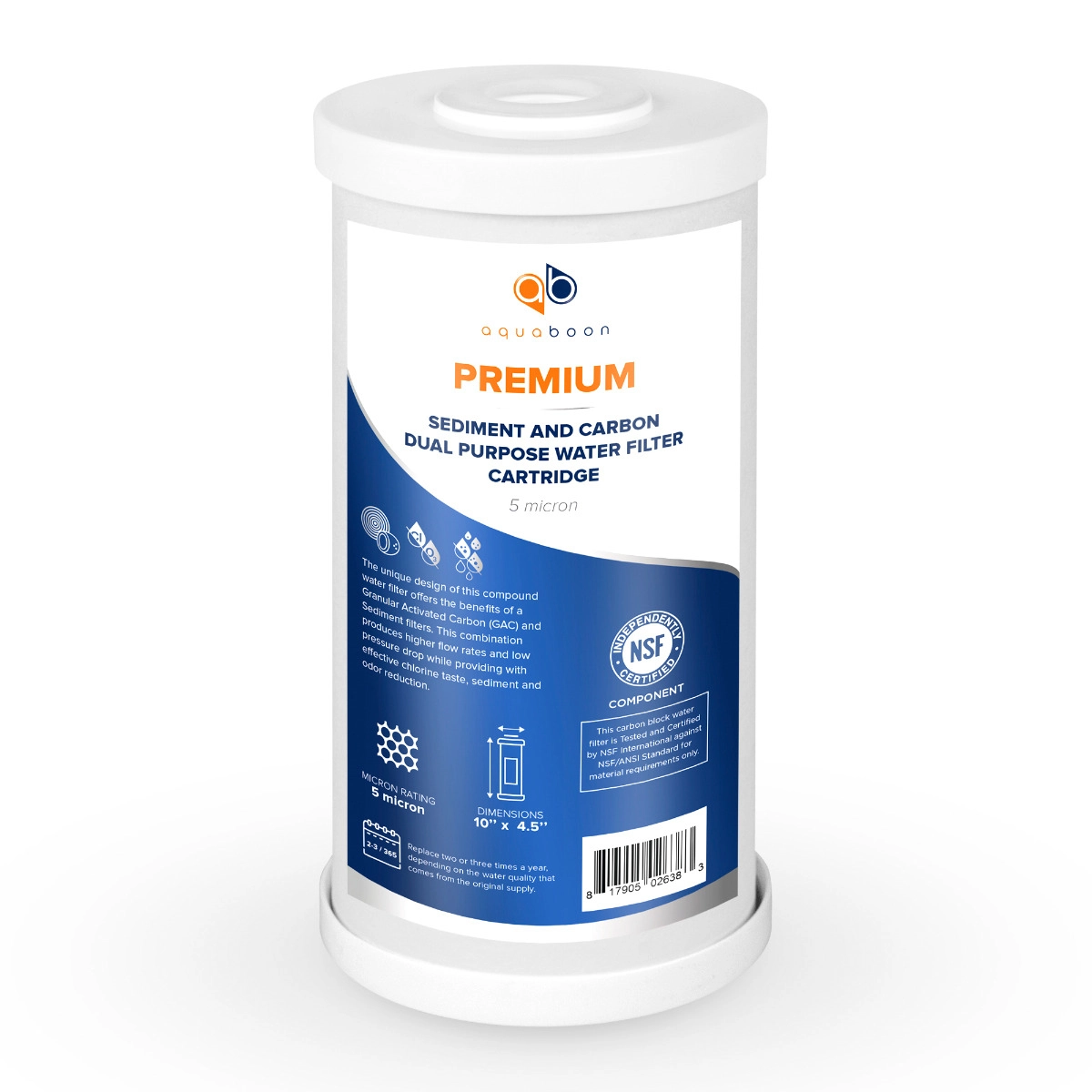 Dual Carbon & Sediment Water Filter Cartridge As low as $15.79
 -
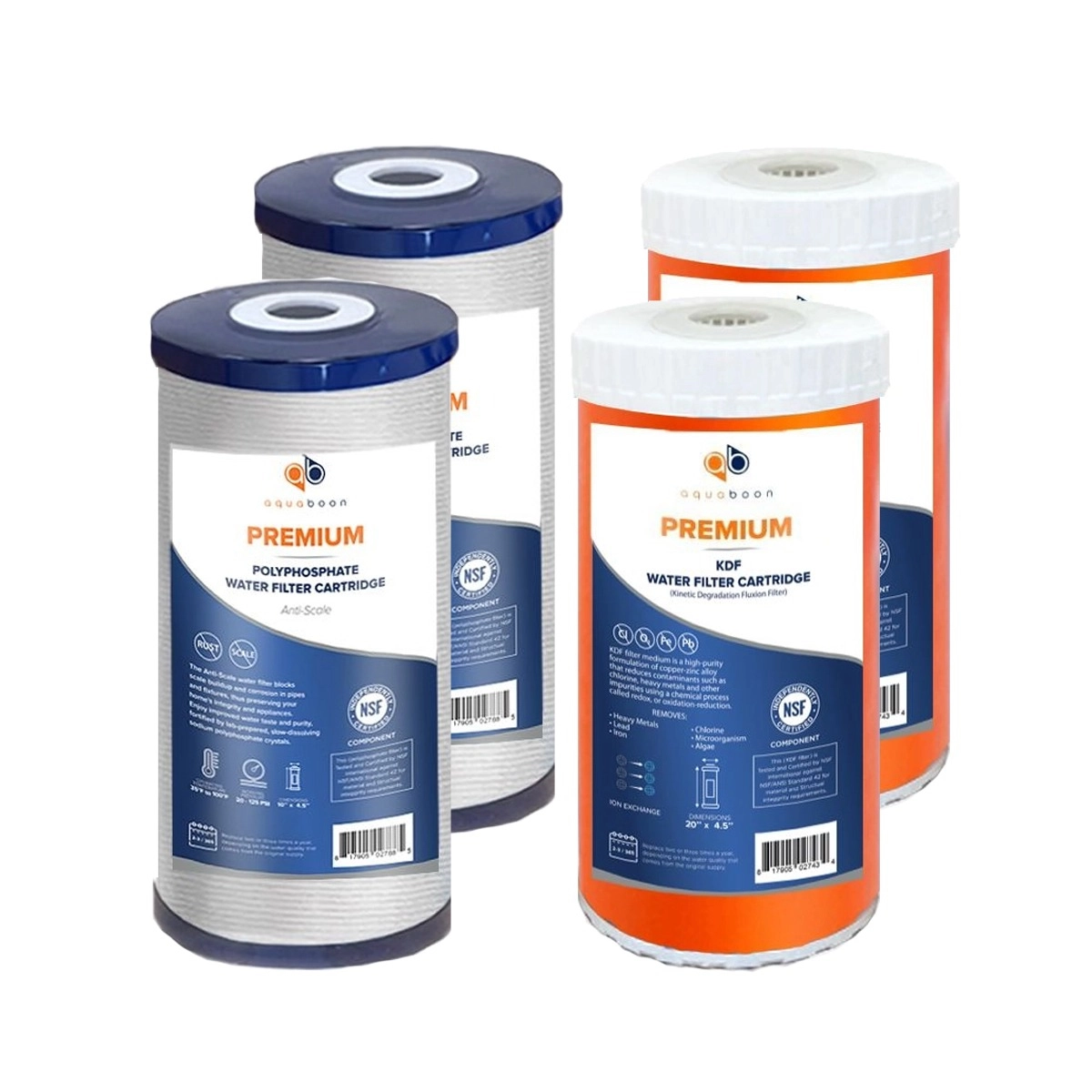
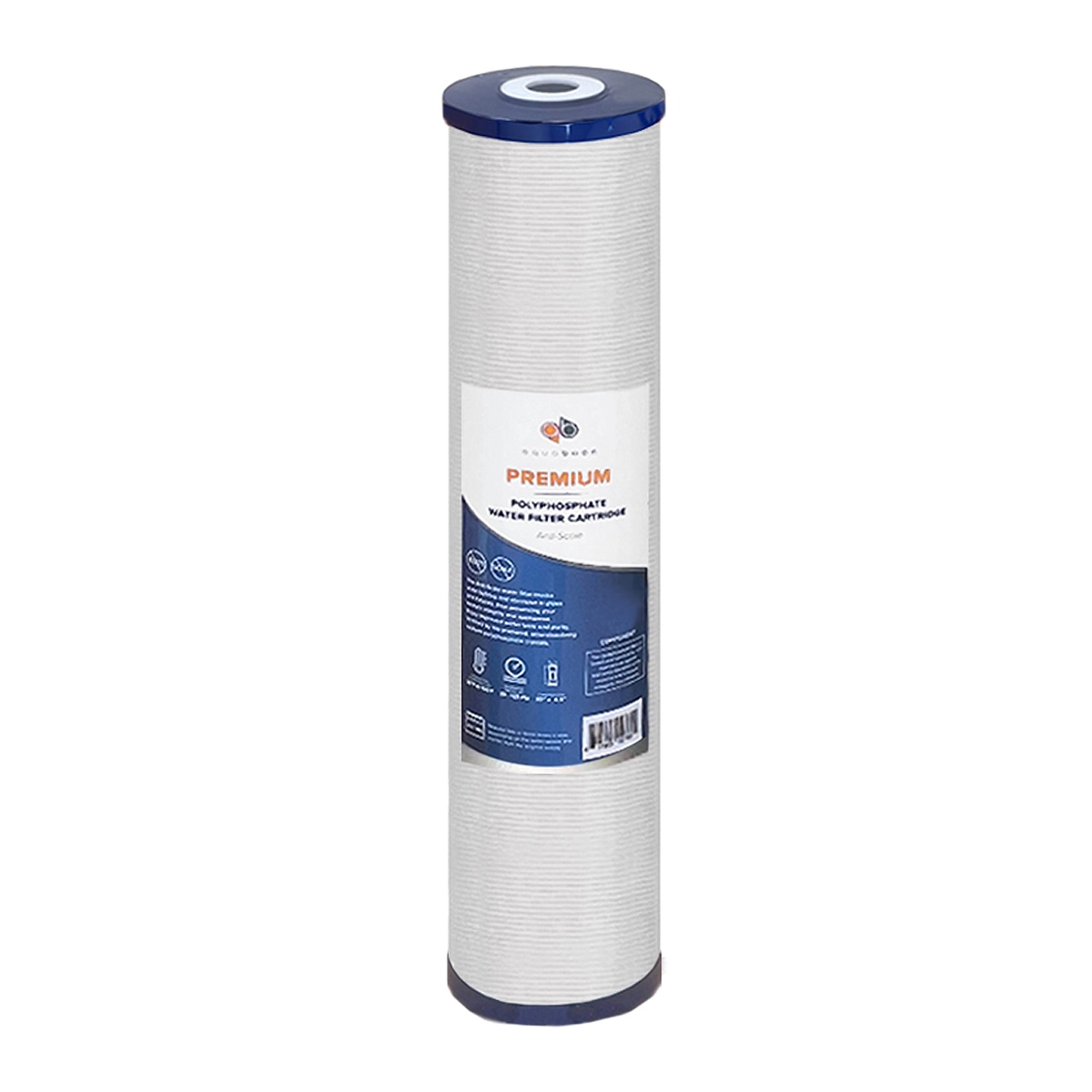 Whole House 20 x 4.5 Inch. Big Blue Polyphosphate Anti Scale Water Filter Cartridge As low as $74.79
 -
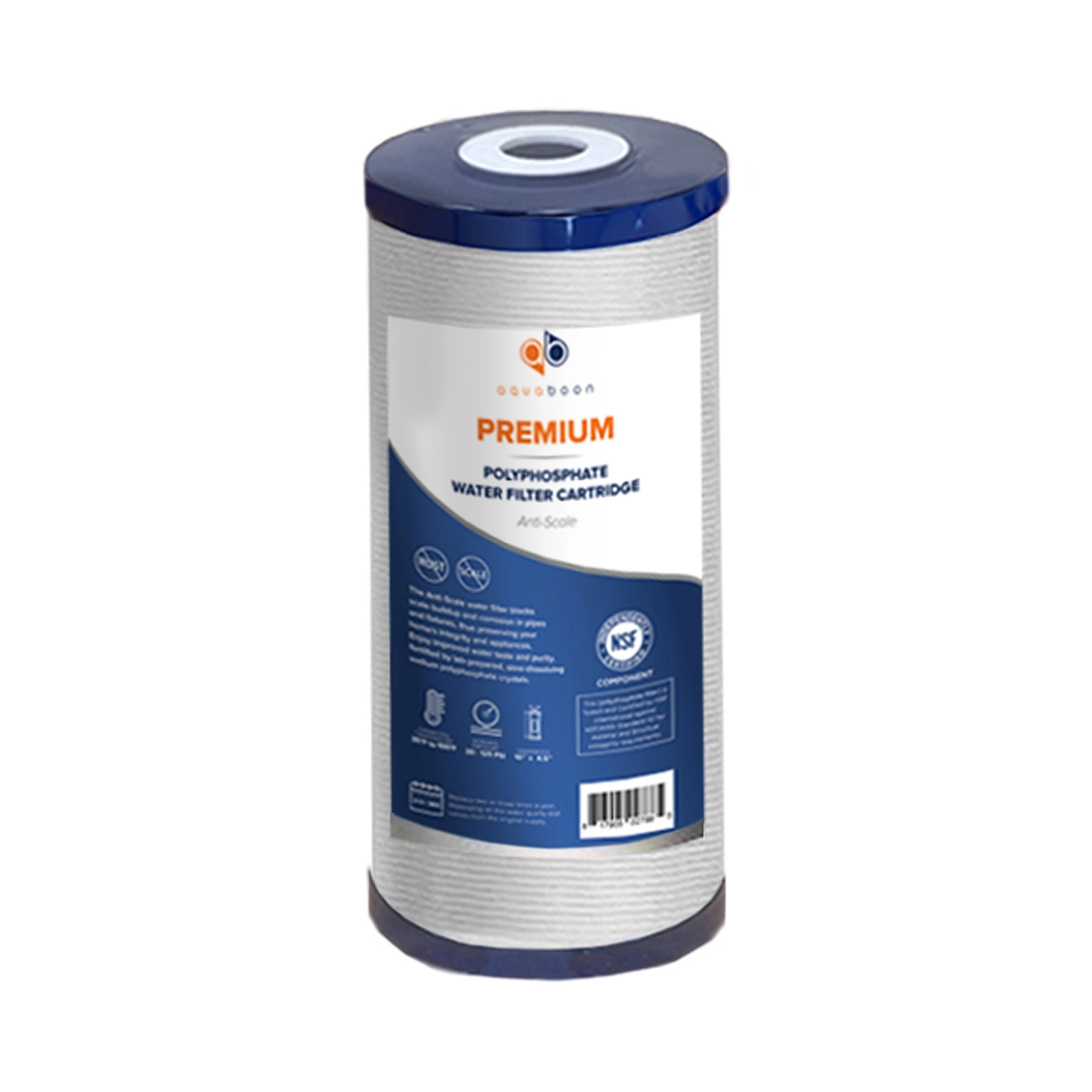 Whole House 10 x 4.5 Inch. Big Blue Polyphosphate Anti Scale Water Filter Cartridge As low as $34.79
 -
-

-
-
-
-
-
-
-
-
-
Why Balance Matters
Effective filtration is not about maximum removal—it is about sustainable performance. A system must filter efficiently while maintaining consistent flow and reasonable maintenance intervals.
Staged Filtration Approach
The most effective systems use multiple filtration stages, each with a different micron rating, to handle contaminants progressively rather than all at once. Instead of relying on a single filter to perform all tasks, staged filtration distributes the нагрузку across several levels, improving both efficiency and durability of the system.
Typical structure:
- First stage: higher micron (captures large particles)
- Second stage: lower micron (refines water quality)
As a result, it not only improves overall water quality but also prevents premature clogging, stabilizes flow performance, and significantly extends the lifespan of the entire filtration system.
Real-World Application
Filtration requirements can vary significantly depending on the source of your water, making a one-size-fits-all approach ineffective. Different water supplies contain different types and concentrations of contaminants, which directly impacts the choice of micron rating and filtration setup.
- Well water: requires higher initial micron to handle heavy sediment
- Municipal water: allows for finer filtration due to lower particle load
In practice, selecting the wrong configuration for a specific water source can either overload the system or reduce its effectiveness. Understanding your water source is essential before selecting a micron rating, as it ensures the system is both efficient and sustainable over time.
Common Misconceptions
There are several widespread misconceptions about micron ratings that often lead to incorrect filter selection. One of the most common beliefs is that a lower micron rating always provides better filtration. While finer filters do capture smaller particles, they can also negatively impact flow rate and require more frequent maintenance if used improperly.
Another misunderstanding is the assumption that a single filter can effectively handle all particle sizes. In reality, attempting to remove both large and microscopic contaminants with one stage leads to faster clogging and reduced system efficiency.
Additionally, many users underestimate the relationship between micron rating and flow performance. The finer the filter, the more resistance it creates, which can significantly affect water pressure and overall usability.
These assumptions lead to poor system performance, unnecessary maintenance issues, and ultimately user dissatisfaction.
Filterway Approach
Filterway systems are designed with balanced micron staging, ensuring that filtration efficiency does not come at the cost of pressure or durability. This approach minimizes maintenance while delivering consistent results.
Practical Guidelines
- Start with your water condition, not product specs
- Avoid extreme micron choices without staging
- Consider long-term maintenance, not just initial performance
The Key to Effective Water Filtration
Choosing the right micron rating is about balance, not extremes. A system that is too coarse fails to improve water quality, while one that is too fine reduces usability. The most effective solution combines multiple stages to deliver both performance and reliability. Proper selection ensures clean water, stable pressure, and long-term efficiency.
 How to Calculate the Home Water Flow Rate February 7, 2023
  Typical Residential Water Flow Rate November 10, 2022
  Best filters to remove chlorine December 9, 2022
  Why Is My Well Water Brown October 21, 2026
  Does Reverse Osmosis Remove Fluoride October 15, 2026
  Signs Your Well Water Could Be Contaminated October 11, 2026
  Rust Stains From Washing Machine October 5, 2026
  Is School Water Safe to Drink September 28, 2026
- Dual Carbon & Sediment Water Filter CartridgeAs low as $15.79 Whole House 20 x 4.5 Inch. Big Blue Polyphosphate Anti Scale Water Filter CartridgeAs low as $74.79 Whole House 10 x 4.5 Inch. Big Blue Polyphosphate Anti Scale Water Filter CartridgeAs low as $34.79
Why Balance Matters
Effective filtration is not about maximum removal—it is about sustainable performance. A system must filter efficiently while maintaining consistent flow and reasonable maintenance intervals.
Staged Filtration Approach
The most effective systems use multiple filtration stages, each with a different micron rating, to handle contaminants progressively rather than all at once. Instead of relying on a single filter to perform all tasks, staged filtration distributes the нагрузку across several levels, improving both efficiency and durability of the system.
Typical structure:
- First stage: higher micron (captures large particles)
- Second stage: lower micron (refines water quality)
As a result, it not only improves overall water quality but also prevents premature clogging, stabilizes flow performance, and significantly extends the lifespan of the entire filtration system.
Real-World Application
Filtration requirements can vary significantly depending on the source of your water, making a one-size-fits-all approach ineffective. Different water supplies contain different types and concentrations of contaminants, which directly impacts the choice of micron rating and filtration setup.
- Well water: requires higher initial micron to handle heavy sediment
- Municipal water: allows for finer filtration due to lower particle load
In practice, selecting the wrong configuration for a specific water source can either overload the system or reduce its effectiveness. Understanding your water source is essential before selecting a micron rating, as it ensures the system is both efficient and sustainable over time.
Common Misconceptions
There are several widespread misconceptions about micron ratings that often lead to incorrect filter selection. One of the most common beliefs is that a lower micron rating always provides better filtration. While finer filters do capture smaller particles, they can also negatively impact flow rate and require more frequent maintenance if used improperly.
Another misunderstanding is the assumption that a single filter can effectively handle all particle sizes. In reality, attempting to remove both large and microscopic contaminants with one stage leads to faster clogging and reduced system efficiency.
Additionally, many users underestimate the relationship between micron rating and flow performance. The finer the filter, the more resistance it creates, which can significantly affect water pressure and overall usability.
These assumptions lead to poor system performance, unnecessary maintenance issues, and ultimately user dissatisfaction.
Filterway Approach
Filterway systems are designed with balanced micron staging, ensuring that filtration efficiency does not come at the cost of pressure or durability. This approach minimizes maintenance while delivering consistent results.
Practical Guidelines
- Start with your water condition, not product specs
- Avoid extreme micron choices without staging
- Consider long-term maintenance, not just initial performance
The Key to Effective Water Filtration
Choosing the right micron rating is about balance, not extremes. A system that is too coarse fails to improve water quality, while one that is too fine reduces usability. The most effective solution combines multiple stages to deliver both performance and reliability. Proper selection ensures clean water, stable pressure, and long-term efficiency.
How to Calculate the Home Water Flow Rate February 7, 2023Typical Residential Water Flow Rate November 10, 2022Best filters to remove chlorine December 9, 2022Why Is My Well Water Brown October 21, 2026Does Reverse Osmosis Remove Fluoride October 15, 2026Signs Your Well Water Could Be Contaminated October 11, 2026Rust Stains From Washing Machine October 5, 2026Is School Water Safe to Drink September 28, 2026