


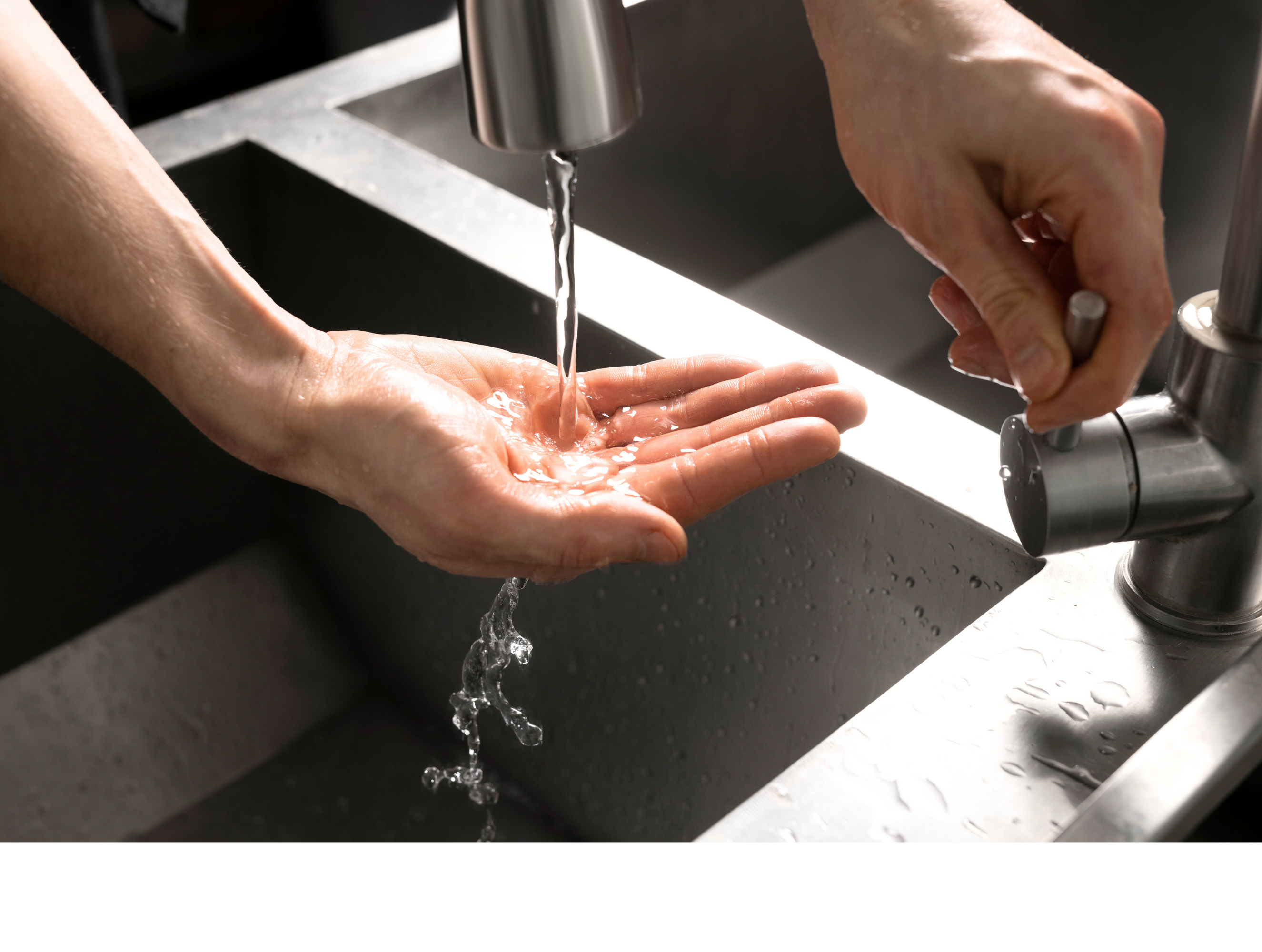
What to Check After Long Periods of Low Water Usage (Seasonal Homes & Guest Houses)
Seasonal homes, vacation properties, and guest houses often experience extended periods of low or no water usage. While this may seem harmless, stagnant water inside plumbing and filtration systems can create hidden problems that affect water safety, taste, odor, and system reliability.
When a property is reopened after weeks or months of inactivity, simply turning the water back on is not enough. Several critical checks should be performed to ensure the filtration system is safe, functional, and not at risk of leaks or contamination.
Why Low Water Usage Can Be a Problem
When water remains stagnant inside pipes and filtration housings, normal circulation stops, creating conditions that can negatively impact water quality and system performance. Over time, several issues may develop:
- Sediment accumulation – particles settle at the bottom of housings and pipes, increasing the risk of clogging and reduced flow.
- Declining disinfectant levels – residual chlorine or other disinfectants dissipate, reducing protection against bacterial growth.
- Microbial activity – stagnant water can encourage the growth of bacteria and biofilm inside plumbing components.
- Carbon media degradation – activated carbon filters may deteriorate internally when exposed to stagnant moisture without periodic flushing.
These problems are often not immediately visible. Water may still look clear, but once regular usage resumes, it can carry unpleasant odors, altered taste, or potential microbial risks.
Initial Visual Inspection Before Restarting the System
Before restoring water pressure, the filtration system should be inspected carefully. Filter housings should be checked for cracks, cloudiness, or signs of stress, especially around threaded connections. O-rings deserve close attention, as extended dryness can cause them to harden, flatten, or lose elasticity.
Filters themselves should be removed and examined. Discoloration, slime, or musty odors are strong indicators that replacement is necessary. Valves, pressure gauges, and fittings should also be checked to confirm they move freely and show no signs of corrosion or leakage.
Filter Replacement: When “Unused” Does Not Mean “Fresh”
One of the most common mistakes after long periods of low usage is assuming filters are still good simply because they were not actively filtering water. In reality, time and moisture alone can degrade filter media.
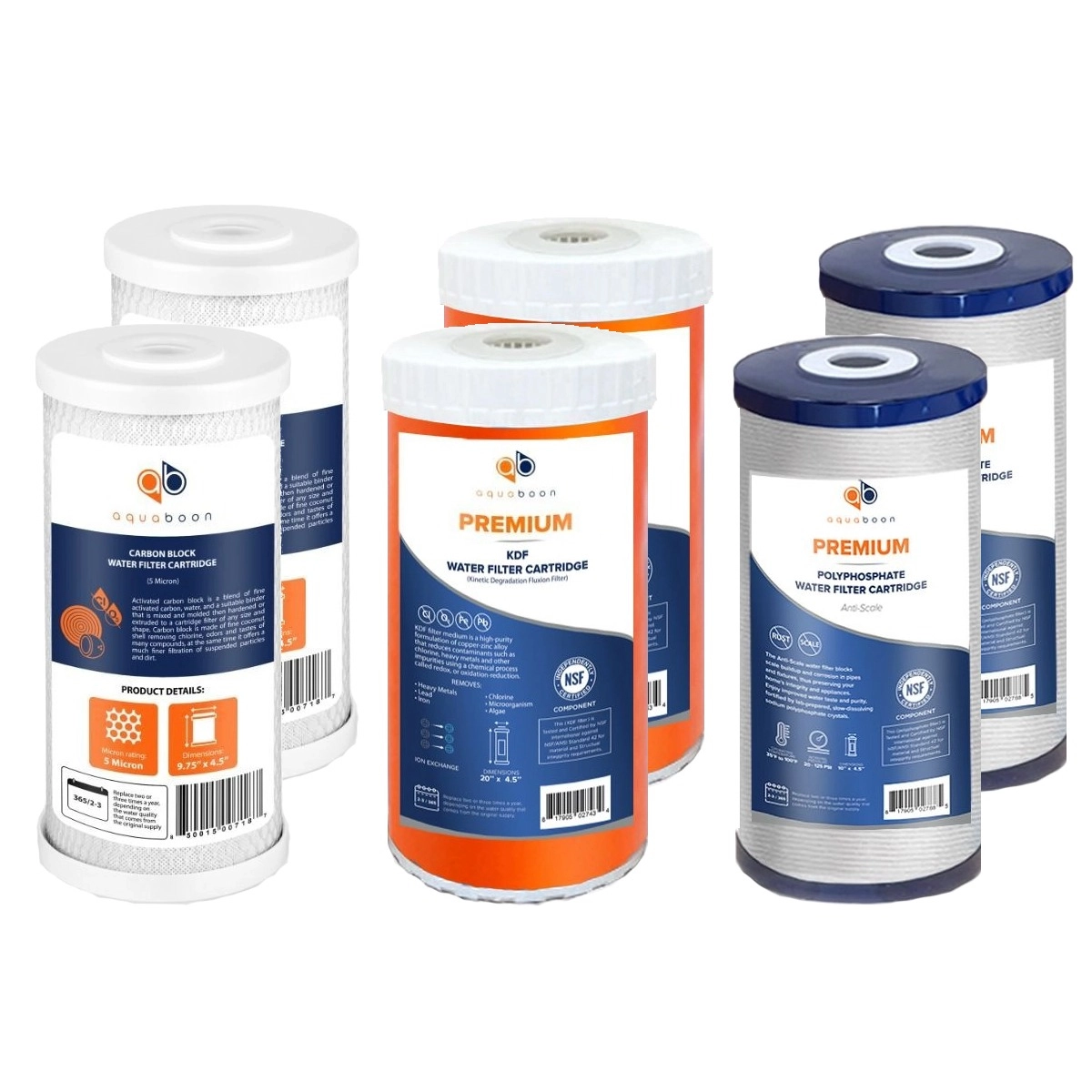
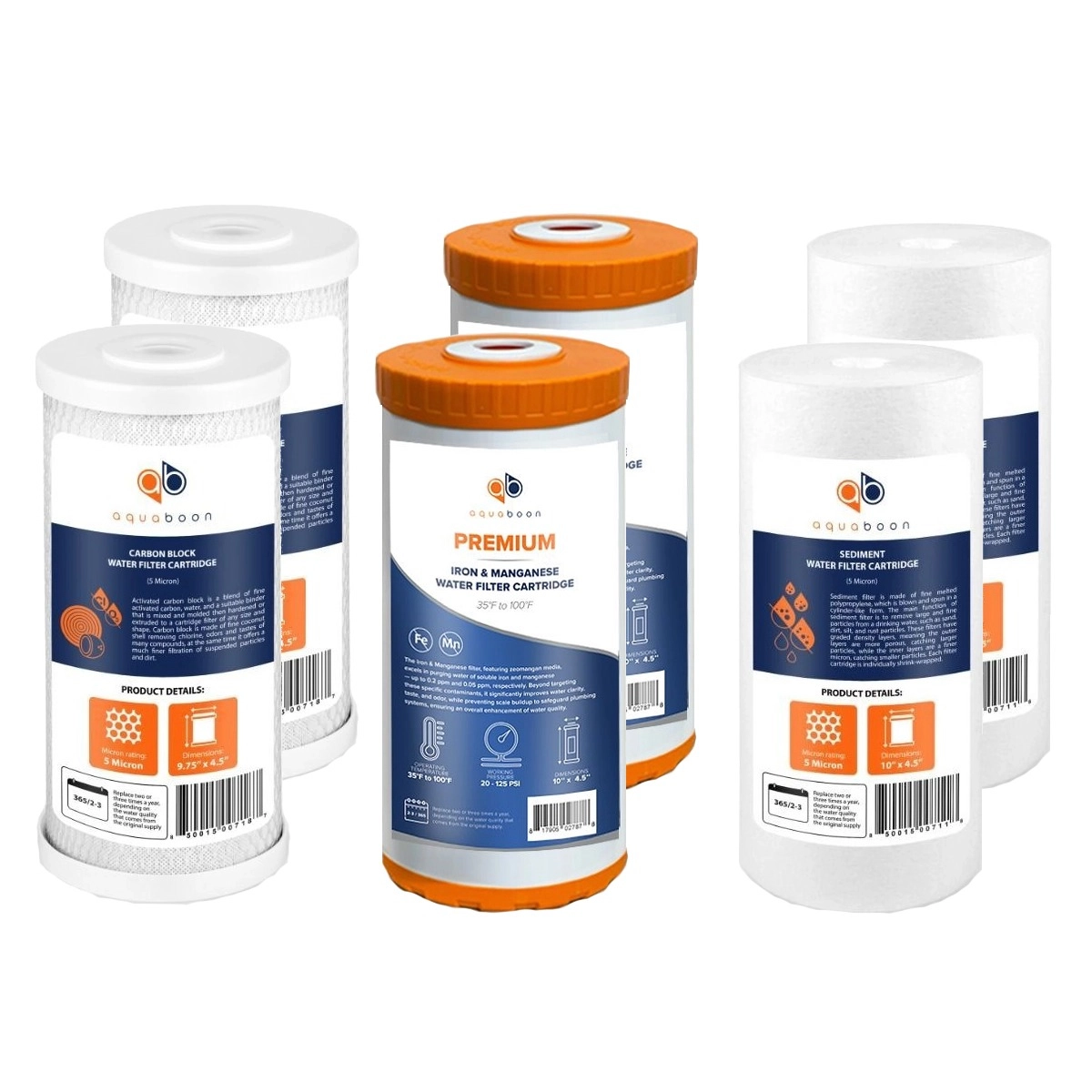
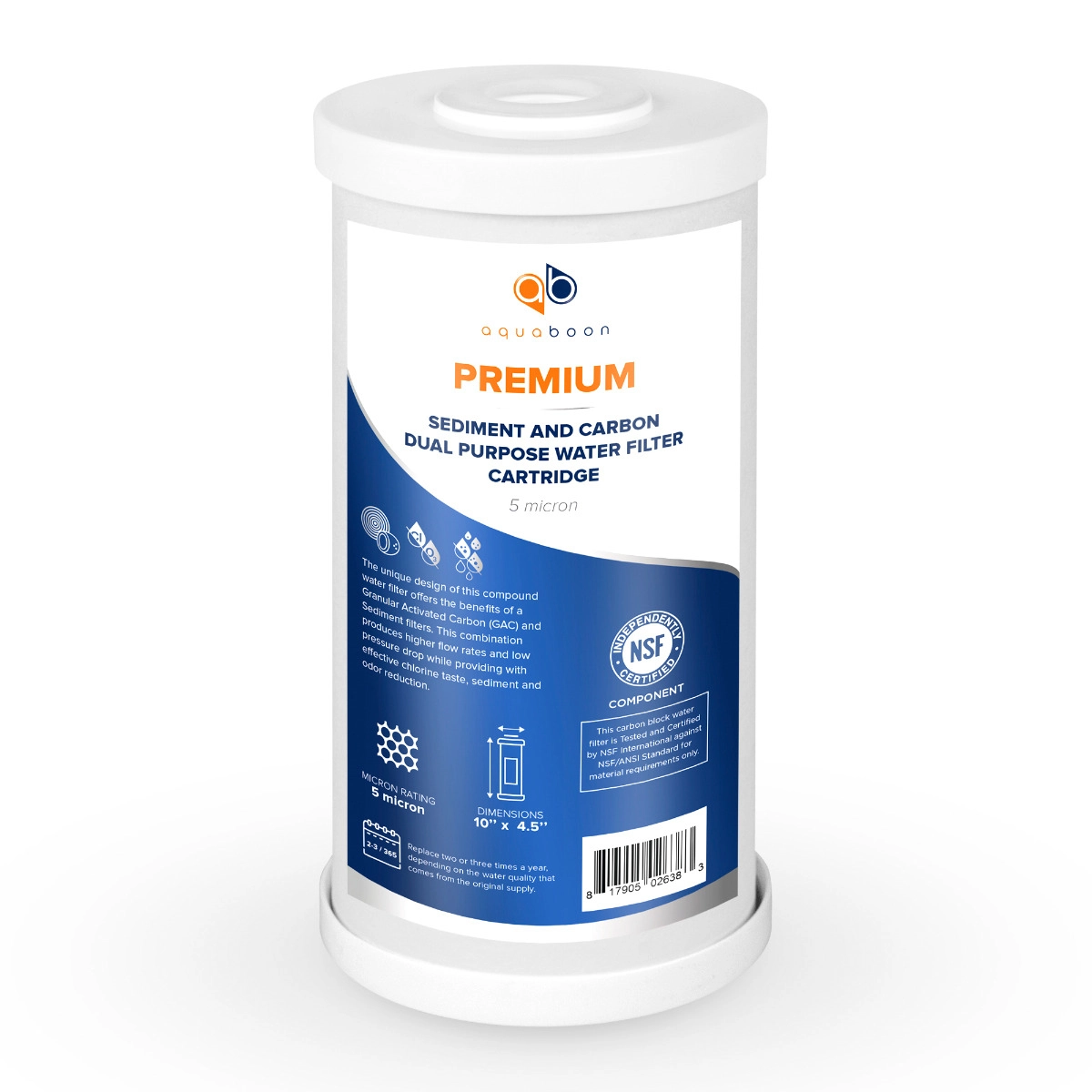
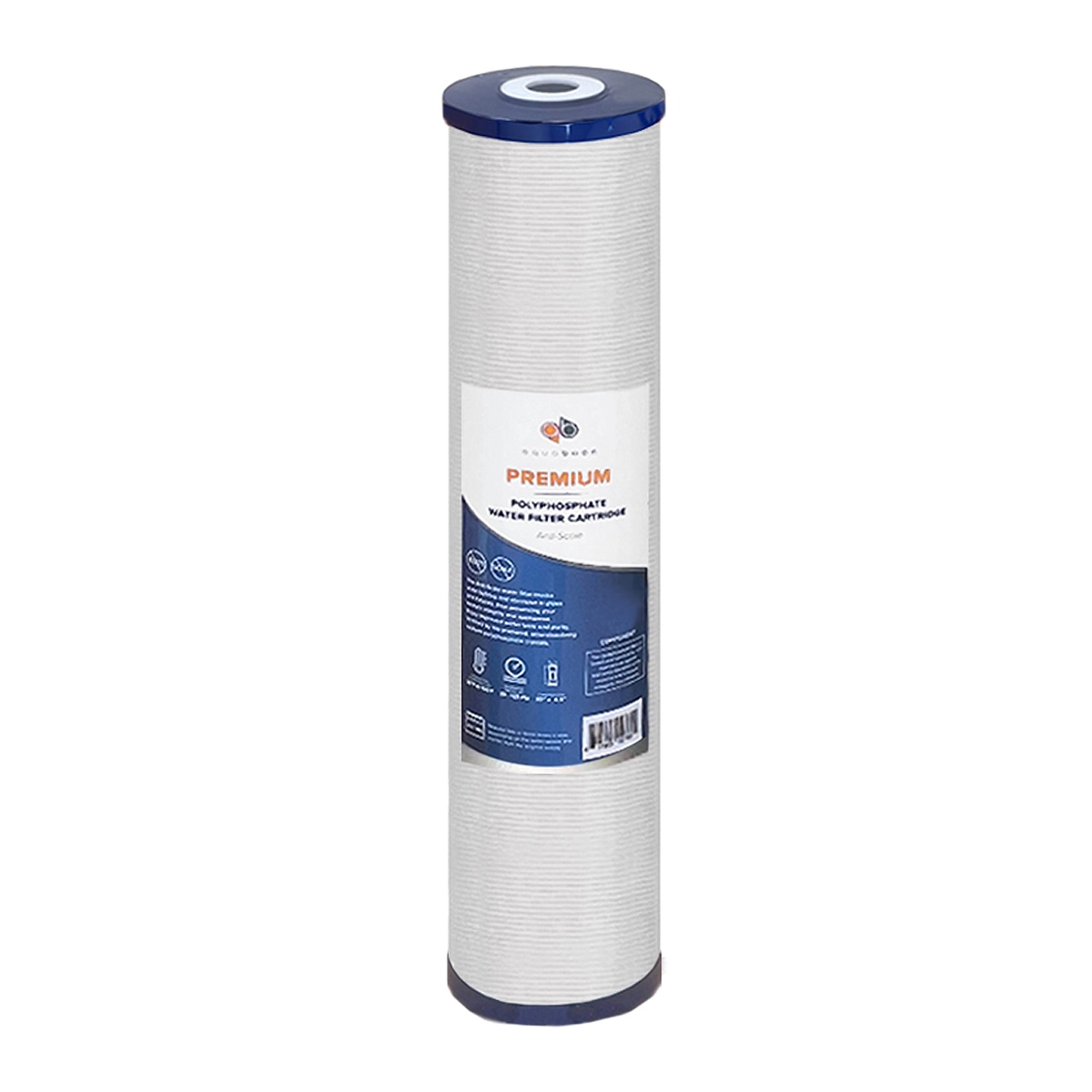
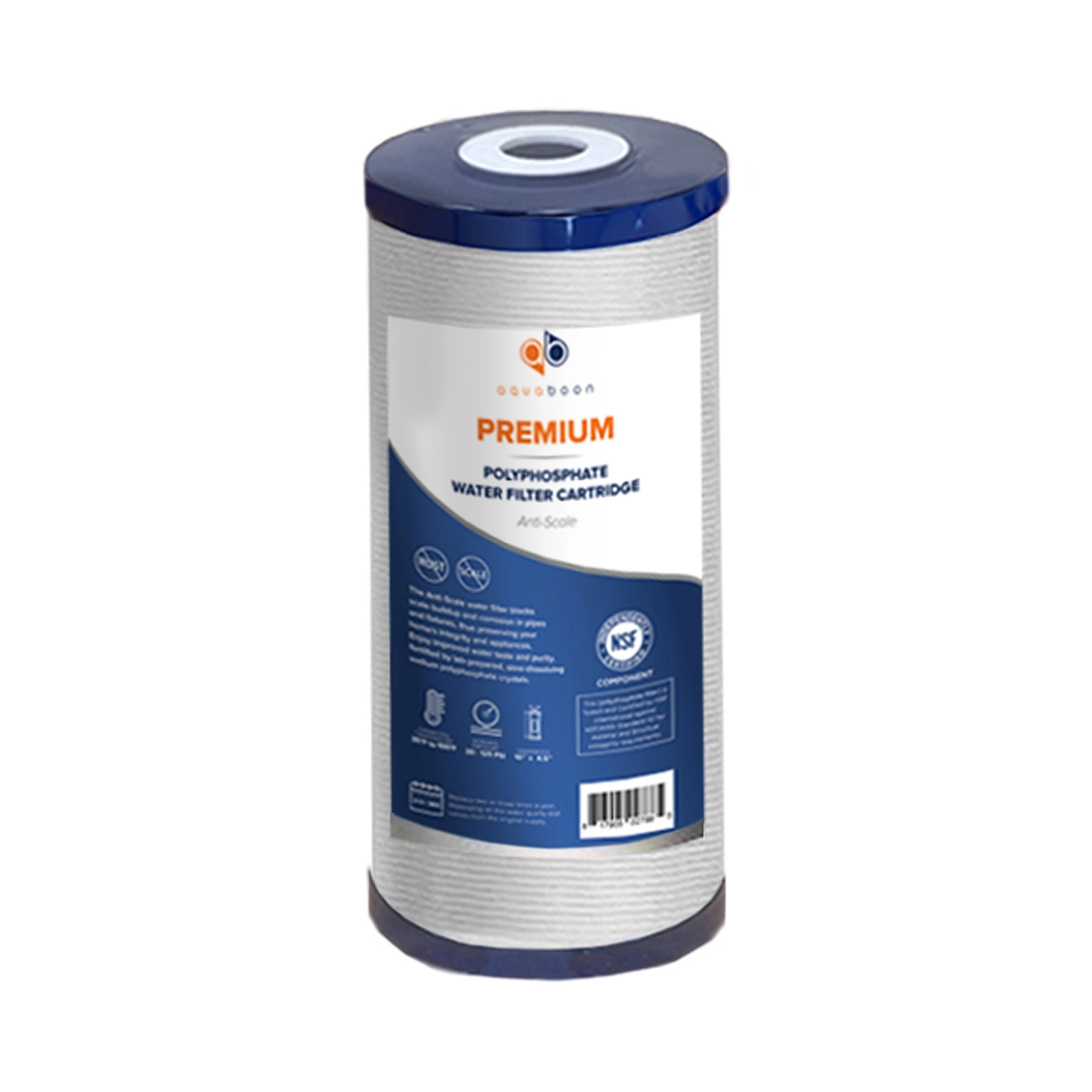
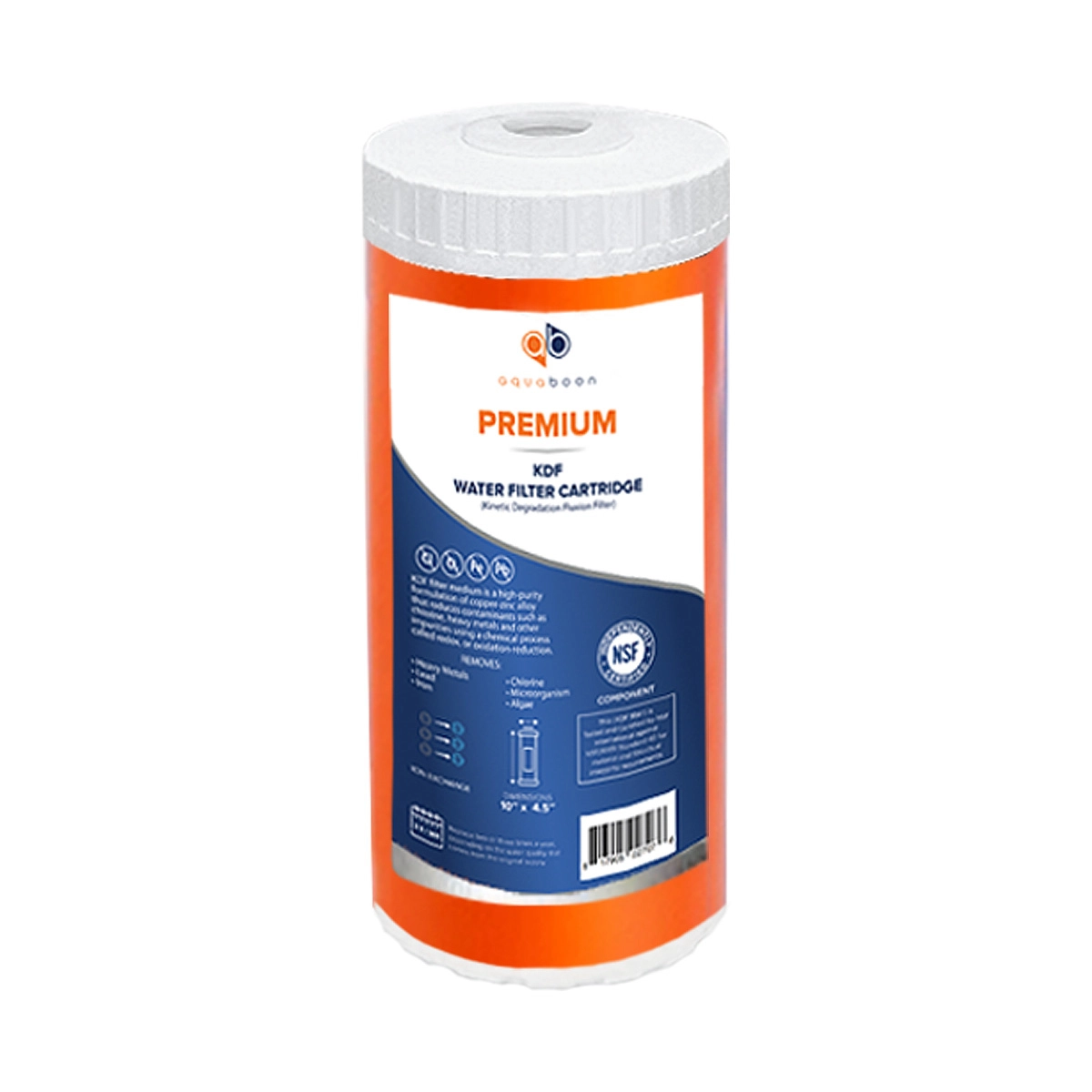
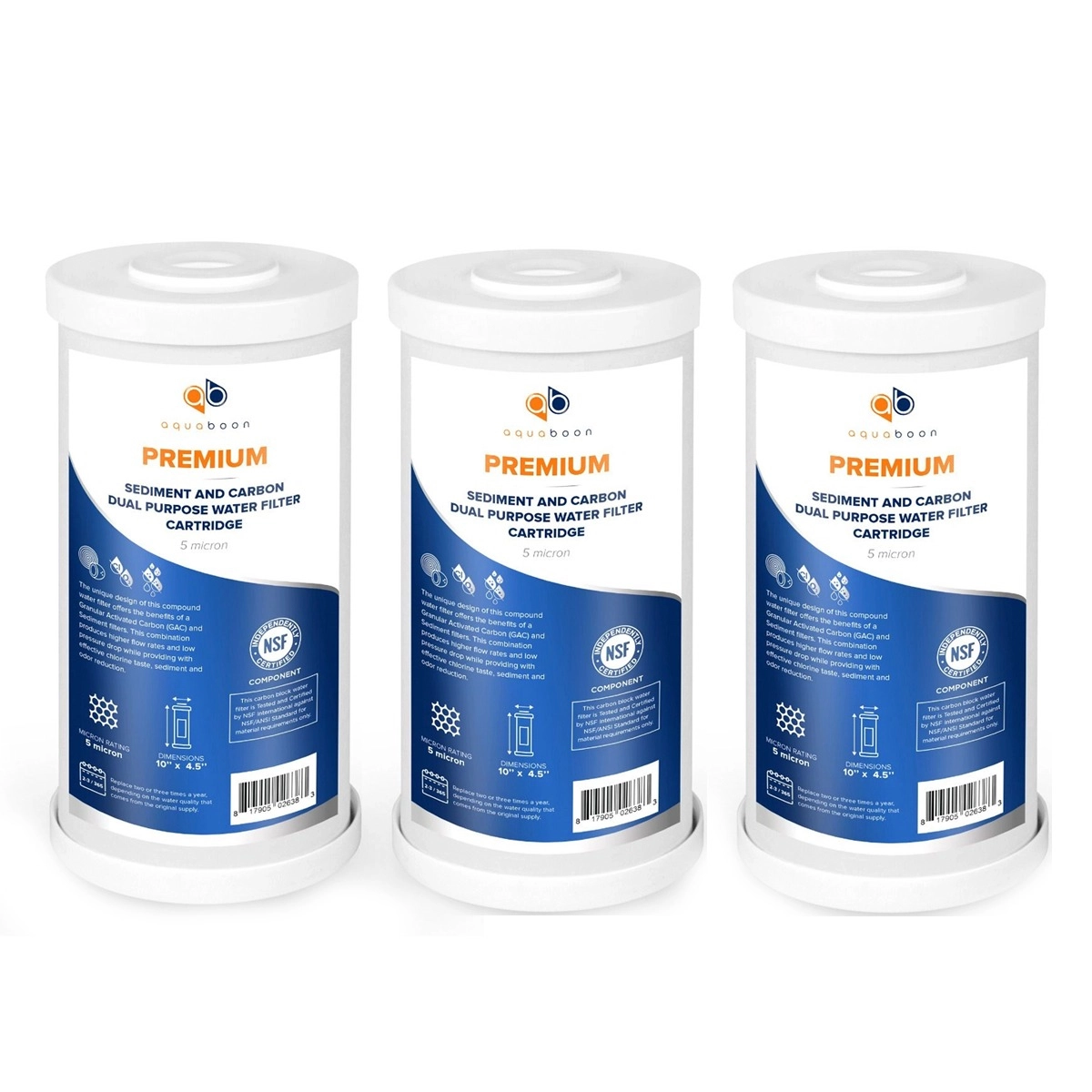
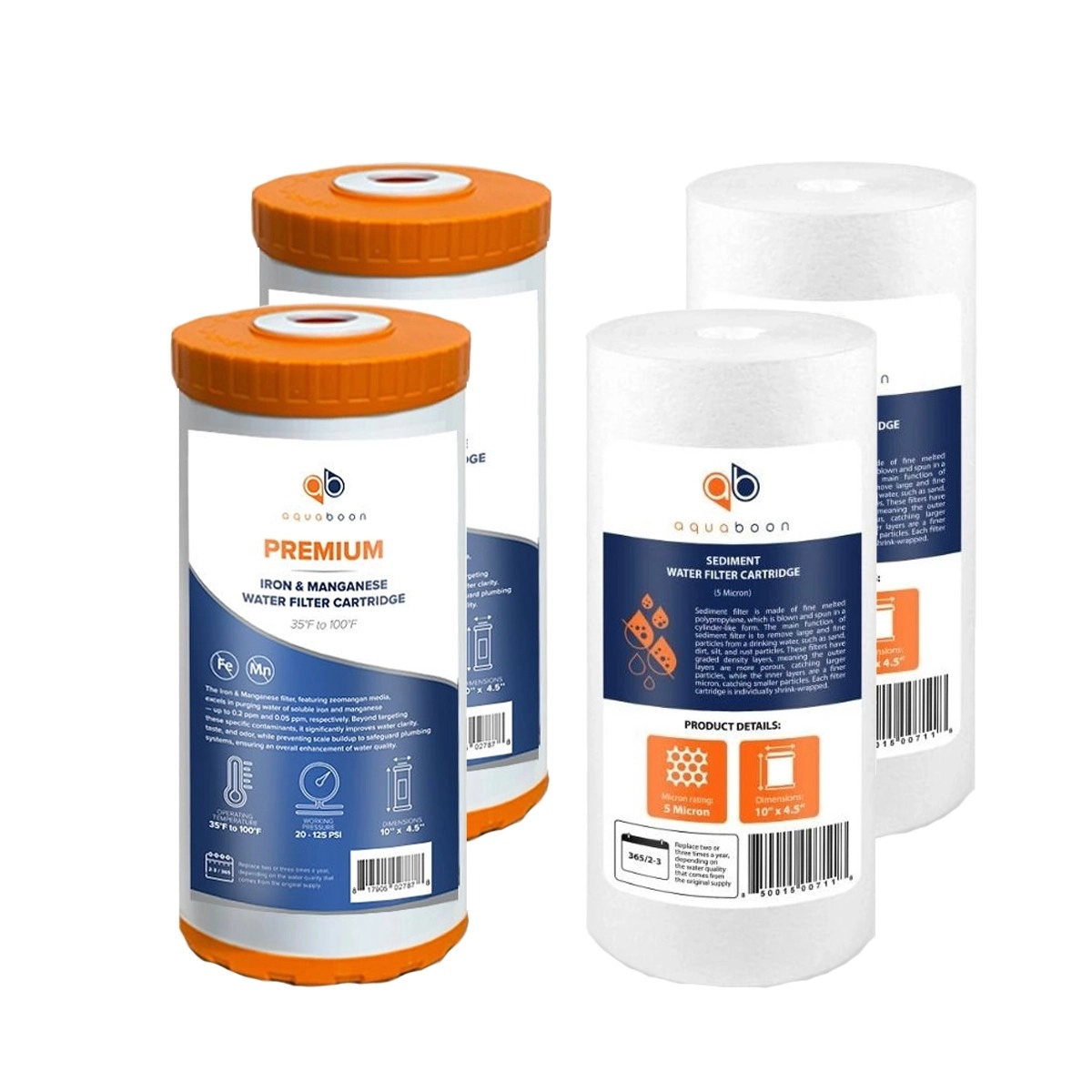
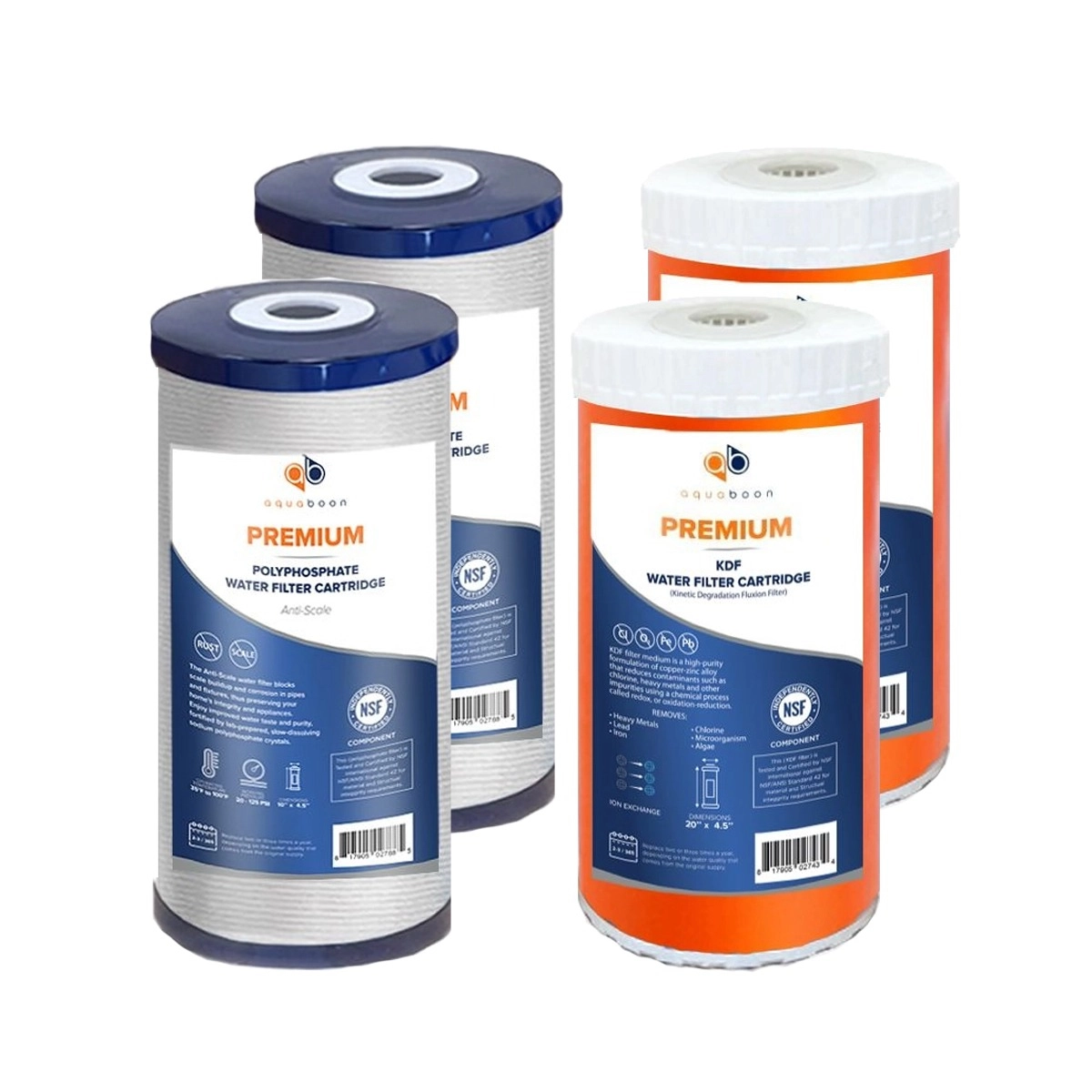
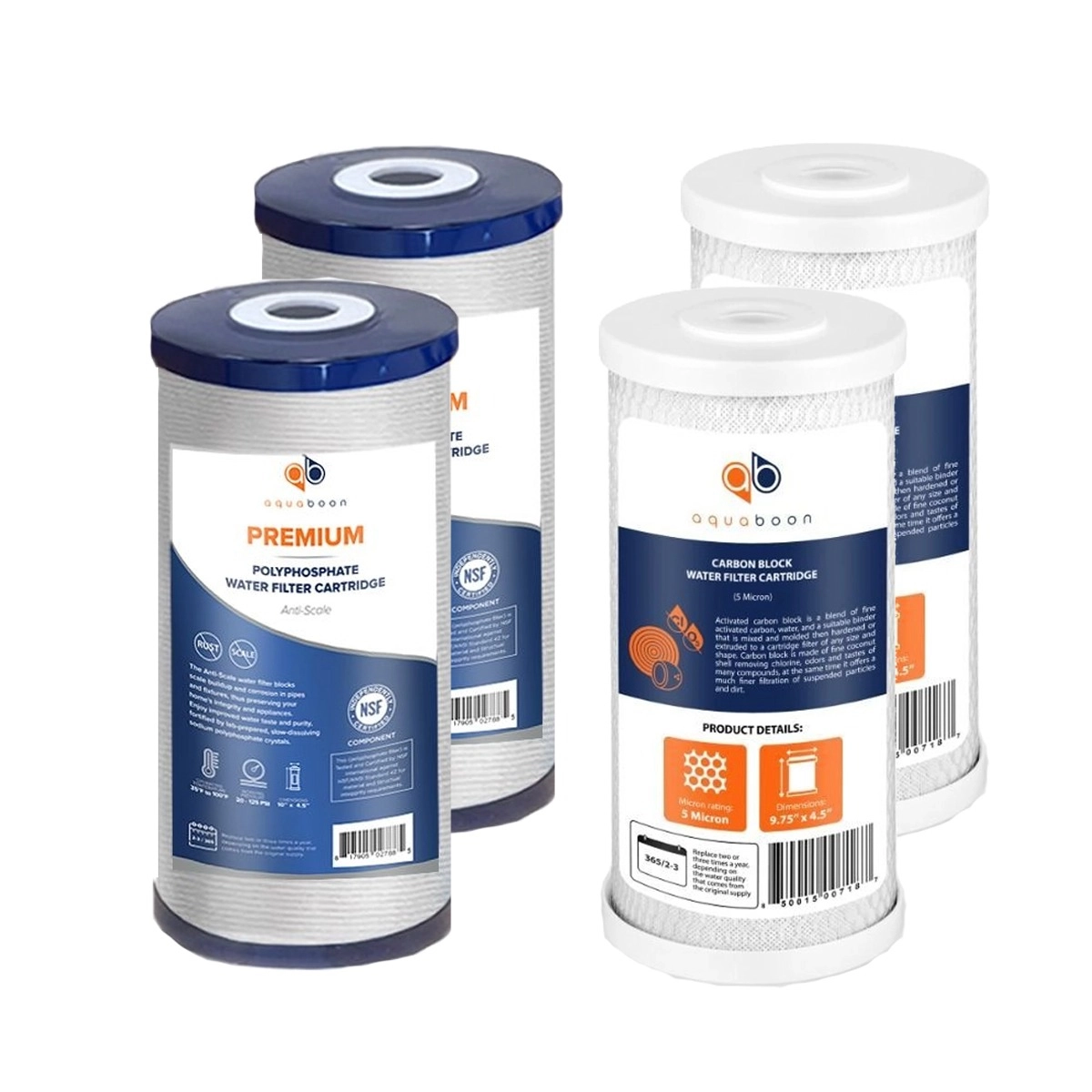
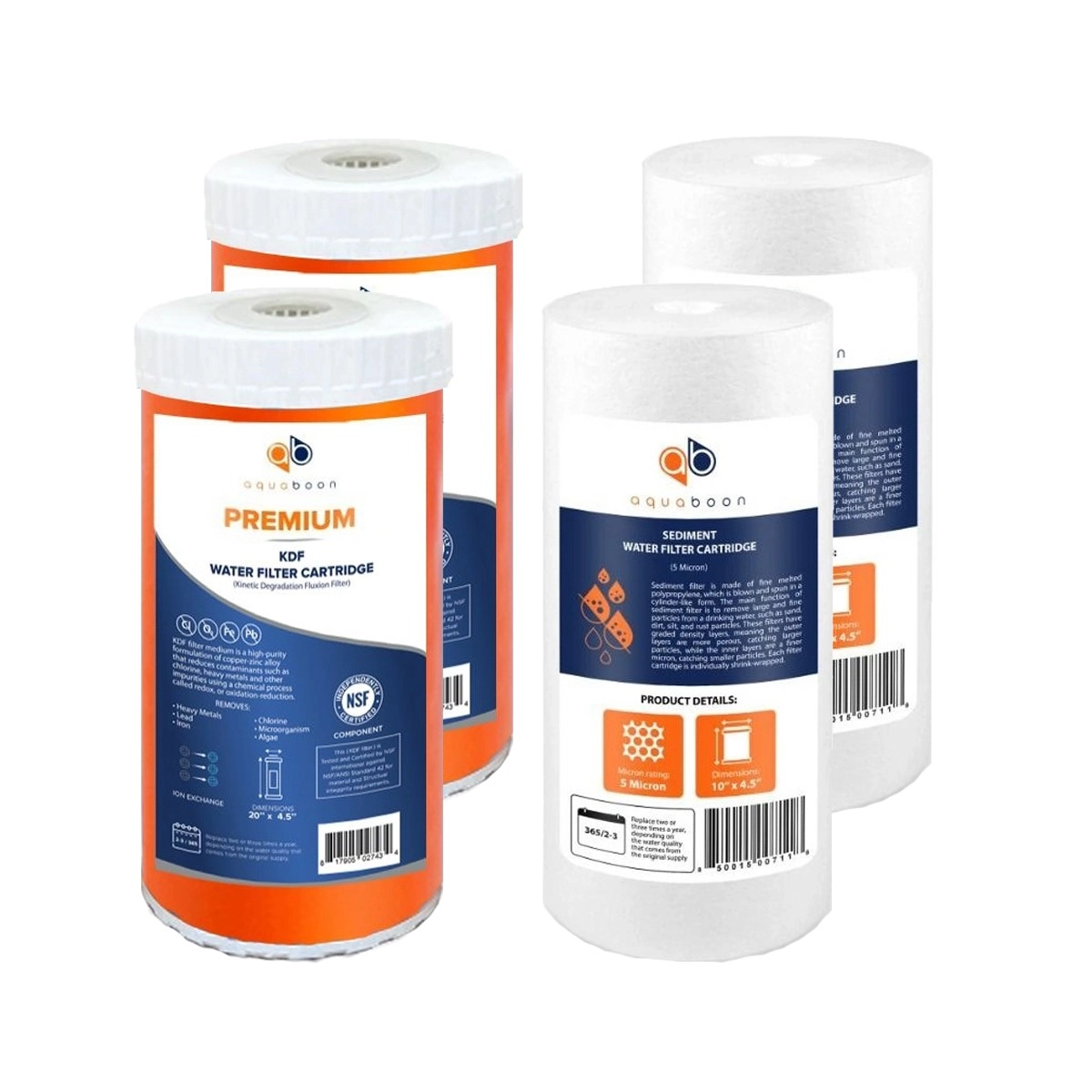
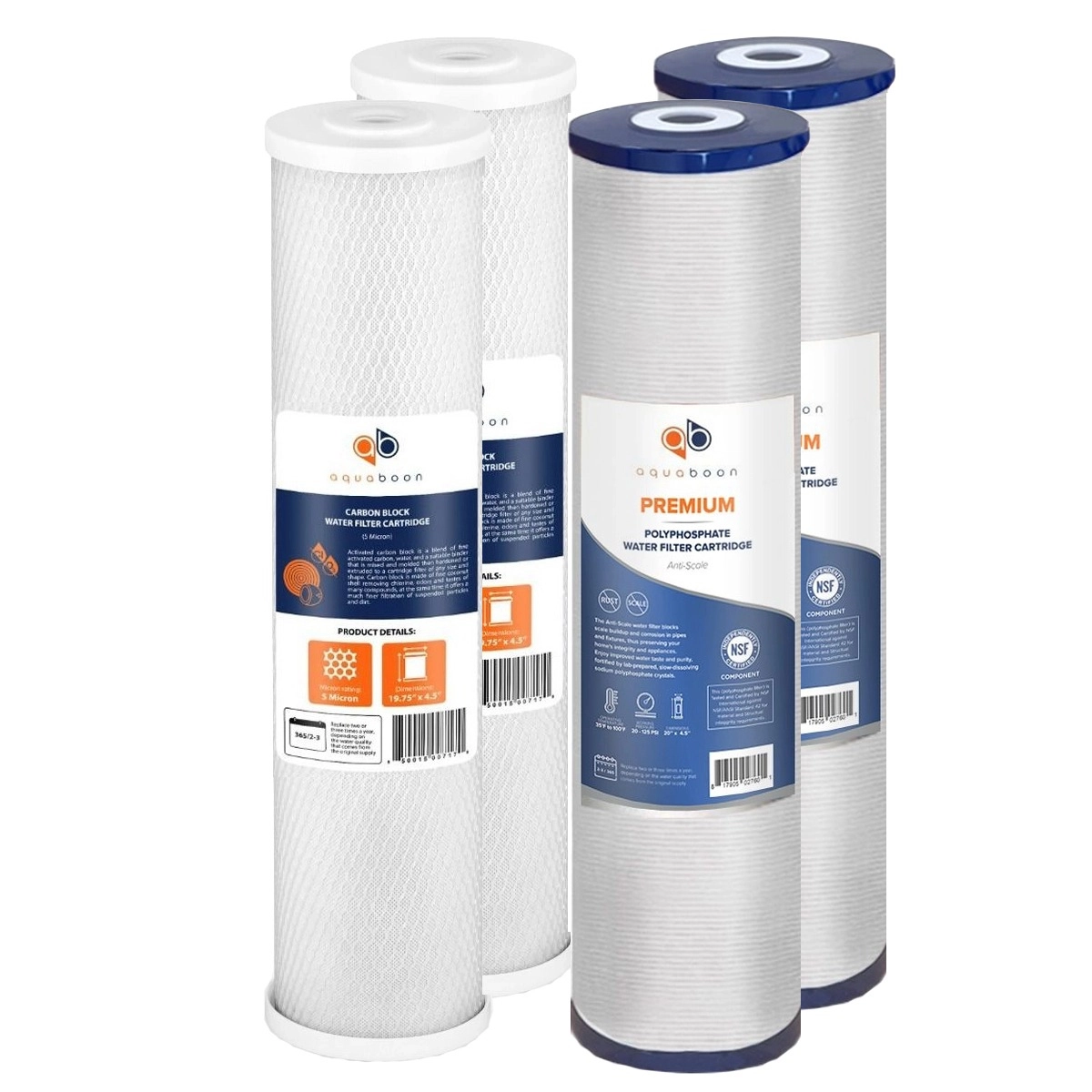
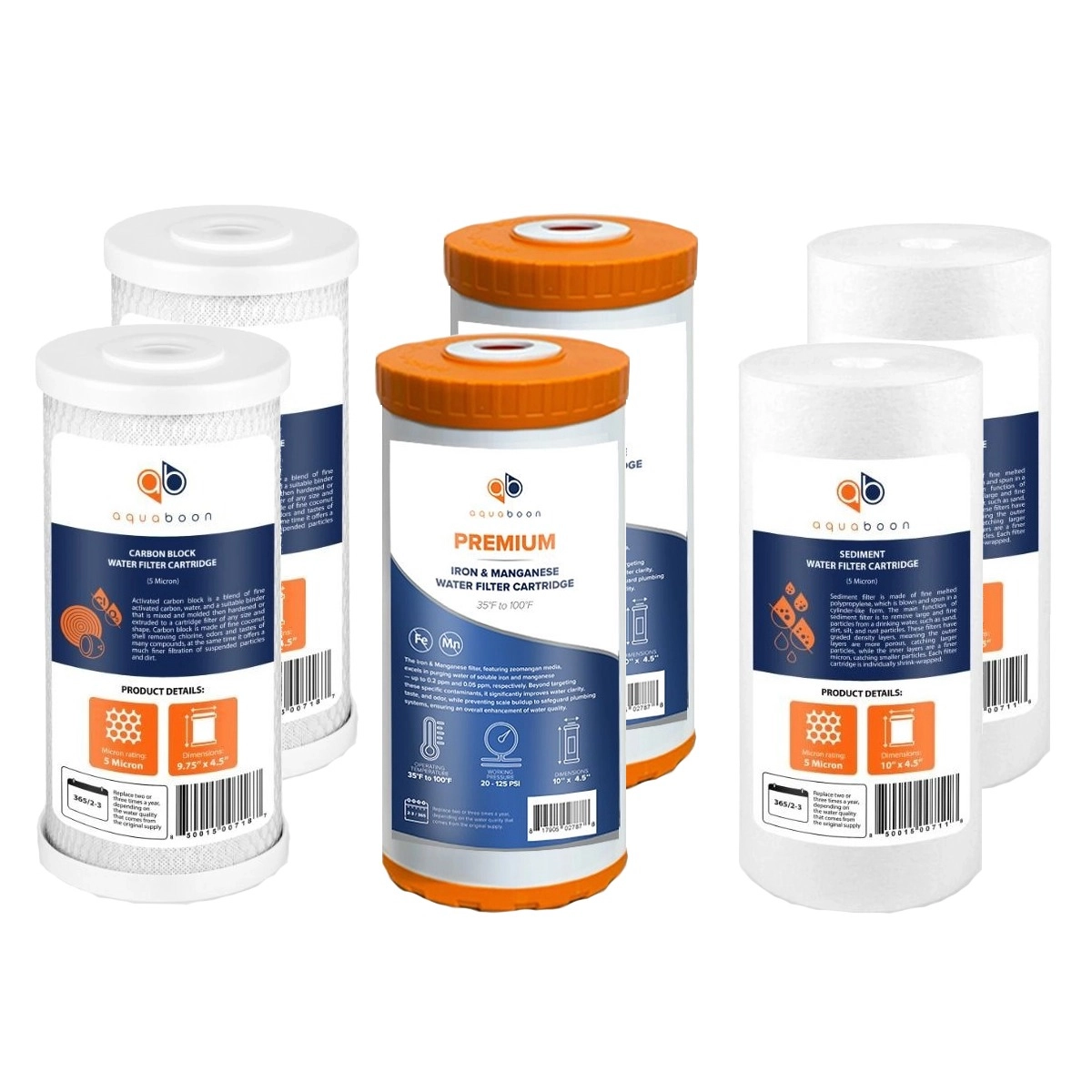
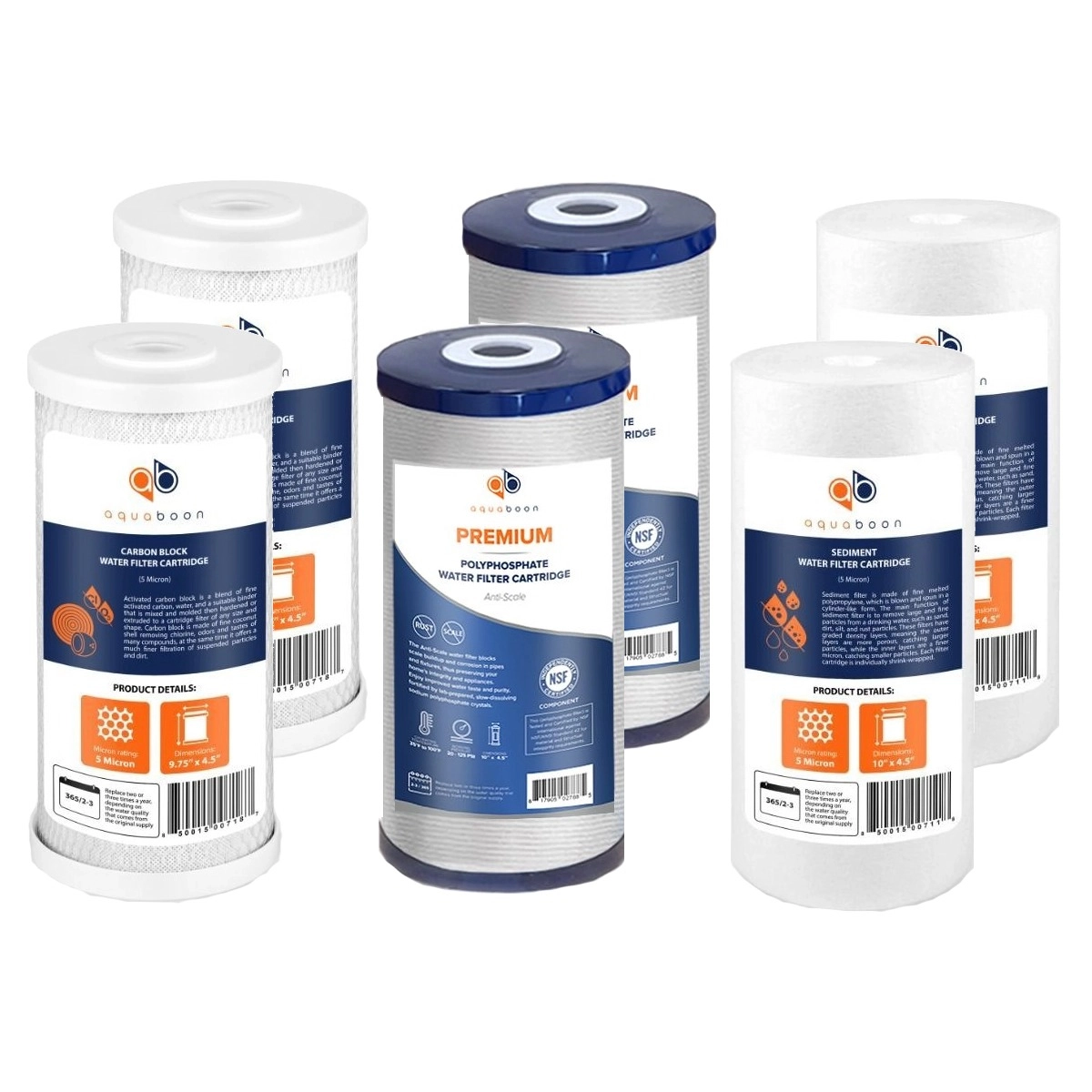
Sediment filters should almost always be replaced before restarting a seasonal system. Carbon filters that have been installed but unused for several months should also be replaced, as their adsorption capacity and hygiene can be compromised even without flow. Specialty filters should be evaluated carefully, but replacement is often the safest option.
Once filters have been replaced and housings reassembled correctly, the system should be restarted gradually. Downstream faucets should be opened before restoring pressure to allow trapped air and stagnant water to exit the system safely. Flushing should continue for at least 10 to 20 minutes, depending on system size and plumbing layout. This process removes old water, dislodged sediment, and any residual odors. Pressure gauges should be monitored during flushing to ensure stable operation and to detect potential leaks early. If unpleasant odor or taste remains after flushing, this usually indicates biological growth within the system. In such cases, flushing alone is not sufficient. All filters should be replaced again, and housings should be thoroughly cleaned before another flush is performed. Persistent issues should never be ignored, as they can indicate contamination that affects water safety rather than just aesthetics. For properties that are regularly left unused, preventative measures can reduce future issues. Replacing filters at the end of the season, shutting off water properly, and scheduling a full inspection before reopening helps protect both water quality and system components. In some cases, seasonal-use maintenance kits or pre-planned filter replacement schedules can simplify the restart process significantly. Seasonal water system issues are easy to overlook—but the cost of ignoring them can be significant. Leaks, degraded filters, and stagnant water problems often appear only after damage has already begun. Filterway helps homeowners and property managers restart filtration systems the right way. From high-quality sediment and carbon filters to durable housings and replacement components, Filterway solutions are designed for reliability after long periods of inactivity. Whether you’re reopening a vacation home, preparing a guest house for visitors, or maintaining a seasonal property, using fresh filters and properly matched components is the safest way to protect your water quality. Explore Filterway replacement filters, housings, and seasonal maintenance solutions to ensure clean, safe water from day one.

Proper System Flushing After Downtime
Dealing With Persistent Odor or Taste Issues
Preventing Problems During Future Periods of Inactivity
Take the Guesswork Out of Restarting Your Water System