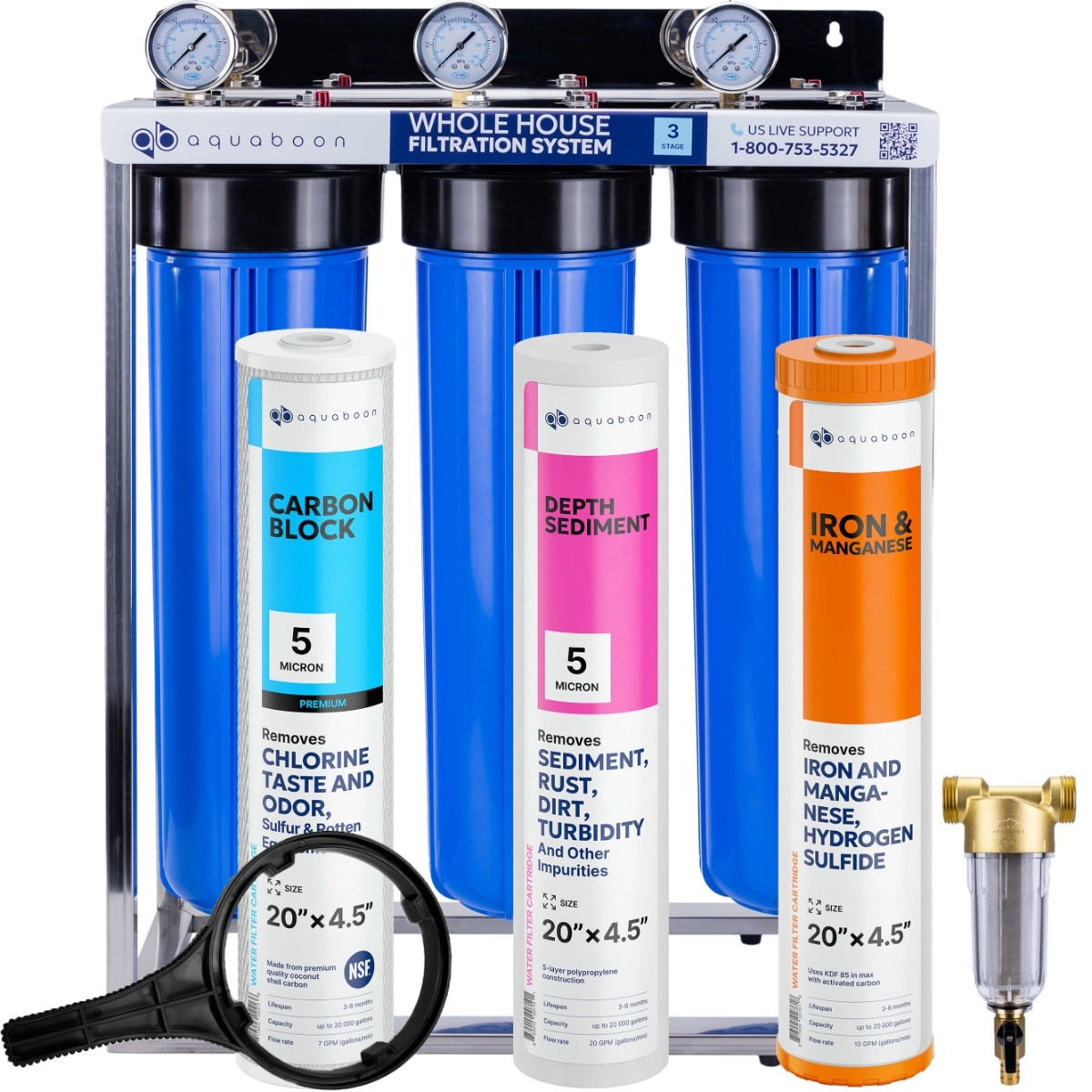




Many homeowners are surprised when well water starts causing problems inside the home. Orange stains in sinks, sulfur odors, cloudy water, sediment buildup, or dry skin after showering are common signs that untreated well water may need additional filtration. Unlike municipal water, private wells are not processed through centralized treatment facilities. That means water quality can vary significantly depending on the region, underground minerals, well depth, seasonal conditions, and plumbing infrastructure.
Choosing the best well water filtration system depends on identifying the specific contaminants and matching them with the correct treatment method. It doesn't take long to discover that a proper water filtration system for well water has to deal with several problems at once, not just one. Some homes mainly struggle with sediment, while others deal with iron, bacteria, or hard water scale.
Which is exactly the concern the CDC highlights when it comes to private wells — regular testing is the only way to know what's actually in your water.
Learn more from the CDC on well water testing.
Why Well Water Creates More Filtration Challenges Than City Water
Well water is naturally exposed to minerals, organic material, and underground contaminants. Unlike city water systems that follow municipal treatment standards, private wells rely on homeowners to monitor and maintain water quality.
Depending on the location, well water may contain sediment, iron, manganese, sulfur, hardness minerals, or bacterial contamination. Some homeowners notice a metallic taste or rotten egg smell, while others experience clogged fixtures, appliance scale buildup, or cloudy water.
Even neighboring homes can have completely different well water conditions because groundwater composition changes from one property to another. That is why there is no universal filtration setup that works for every household.
For many families, installing whole-house treatment equipment becomes the most practical way to improve daily water quality, protect plumbing systems, and reduce maintenance problems throughout the home.
The First Step: Test Your Well Water Before Buying Any Filter
One of the most common mistakes homeowners make is buying filtration equipment before testing the water.
Without knowing what contaminants are present, it is difficult to choose the correct system.
A professional water analysis or certified home test can help identify:
- Sediment levels
- Iron and manganese
- Sulfur compounds
- Hardness minerals
- Bacteria
- pH imbalance
- Heavy metals
Testing helps determine whether the home needs basic sediment filtration, softening equipment, UV disinfection, or a multi-stage setup. Taste is usually the first thing people notice — but a good water filter for well water needs to handle far more than flavor alone.
Common Well Water Problems and the Filters That Solve Them
Different contaminants require different treatment methods. In many homes, combining several filtration stages provides the most effective results.
Sediment and Cloudy Water
Sediment particles can enter the water supply through sand, silt, rust, or aging pipes. Sediment filters help reduce visible particles before they reach plumbing fixtures and appliances. Many homeowners use replacement water filters cartridges to maintain stable filtration performance over time.
Iron and Orange Stains
Iron is one of the most common well water complaints. High iron levels may leave orange stains on sinks, laundry, and bathtubs. Specialized iron filtration systems or oxidation-based treatment methods are often used to reduce staining and metallic taste.
Rotten Egg Smell
Hydrogen sulfide gas creates the sulfur smell that many homeowners describe as «rotten eggs.» Carbon filtration, oxidation systems, and aeration methods are commonly used to reduce unpleasant odor.
Hard Water and Scale
Hard water contains elevated calcium and magnesium levels that can create scale buildup inside plumbing systems and household appliances. Water softeners help reduce hardness and improve overall water comfort.
While EPA drinking water standards don't legally apply to private wells, they're still the most reliable benchmark for what's considered safe.
See EPA's national primary drinking water regulations.
Bacteria and Microorganisms
Some private wells may require UV disinfection systems to address bacterial contamination. UV treatment is often combined with sediment filtration to improve system effectiveness.
Drinking Water Purification
Many households install a reverse osmosis (RO) system under the kitchen sink specifically for cooking and drinking. By using a semi-permeable membrane, this setup eliminates microscopic dissolved solids, heavy metals, and fluoride that whole-house systems might miss. When it comes to drinking water specifically, reverse osmosis remains the go-to choice — which is why RO systems are so often cited as the best drinking water filter for well water available today.
Whole House vs Point-of-Use Filtration: Which One Makes More Sense?
Whole-house filtration systems treat water as it enters the home. That means showers, faucets, washing machines, and appliances all receive filtered water. This approach is popular among homeowners dealing with sediment, sulfur odor, hardness, or iron contamination throughout the entire property.
Point-of-use filters focus on specific locations, usually the kitchen sink or refrigerator water line.
These systems are commonly used for drinking water purification and cooking applications.
In many homes, the most effective solution combines both approaches. A whole-house setup handles large-scale contaminants, while a dedicated drinking water system provides additional purification at the point of consumption.
Many homeowners exploring whole house filters for well water prefer layered filtration systems that combine sediment reduction, carbon filtration, and specialty media designed for specific water problems. In larger households, the best whole house water filter system for well water is usually a multi-stage setup designed to manage both sediment and dissolved contaminants throughout the entire property.
What Actually Makes a Well Water Filtration System Good?
The best filtration system is not necessarily the most expensive one. Effective performance depends on matching the filtration method with the actual water conditions.
Homeowners should evaluate:
- Water test results
- Flow rate requirements
- Home size
- Maintenance frequency
- Filter lifespan
- Pressure reduction
- Replacement cartridge availability
- Long-term operating costs
Systems designed for private wells also need to handle larger sediment loads compared to many municipal water supplies.
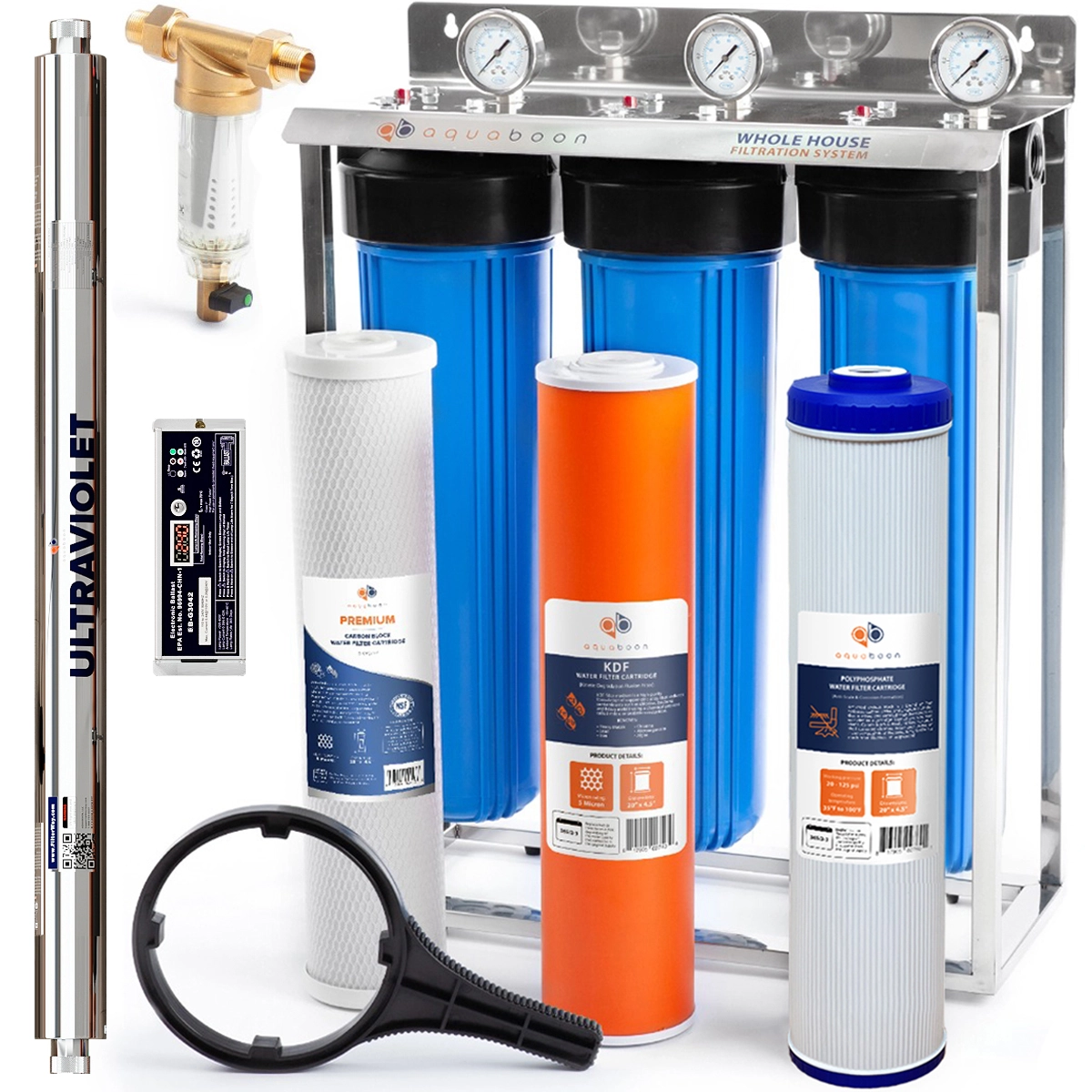
For example, some households prefer durable multi-stage stainless steel systems because they provide better long-term resistance against corrosion and heavy sediment exposure.
Homes with higher contaminant levels may also benefit from a whole house heavy metal water filter designed to address specific dissolved contaminants more effectively.
When comparing products side by side, maintenance cost and filter lifespan usually matter more than the price tag on the box — that's what separates a well water filter that lasts from one that doesn't.

Why Many Homes Use Multi-Stage Filtration Systems
A single filter rarely solves every well water issue. That is why many homeowners install layered treatment systems that combine multiple filtration stages.
A common setup may include:
- Sediment filtration
- Carbon filtration
- Specialty contaminant media
- UV purification
- Water softening
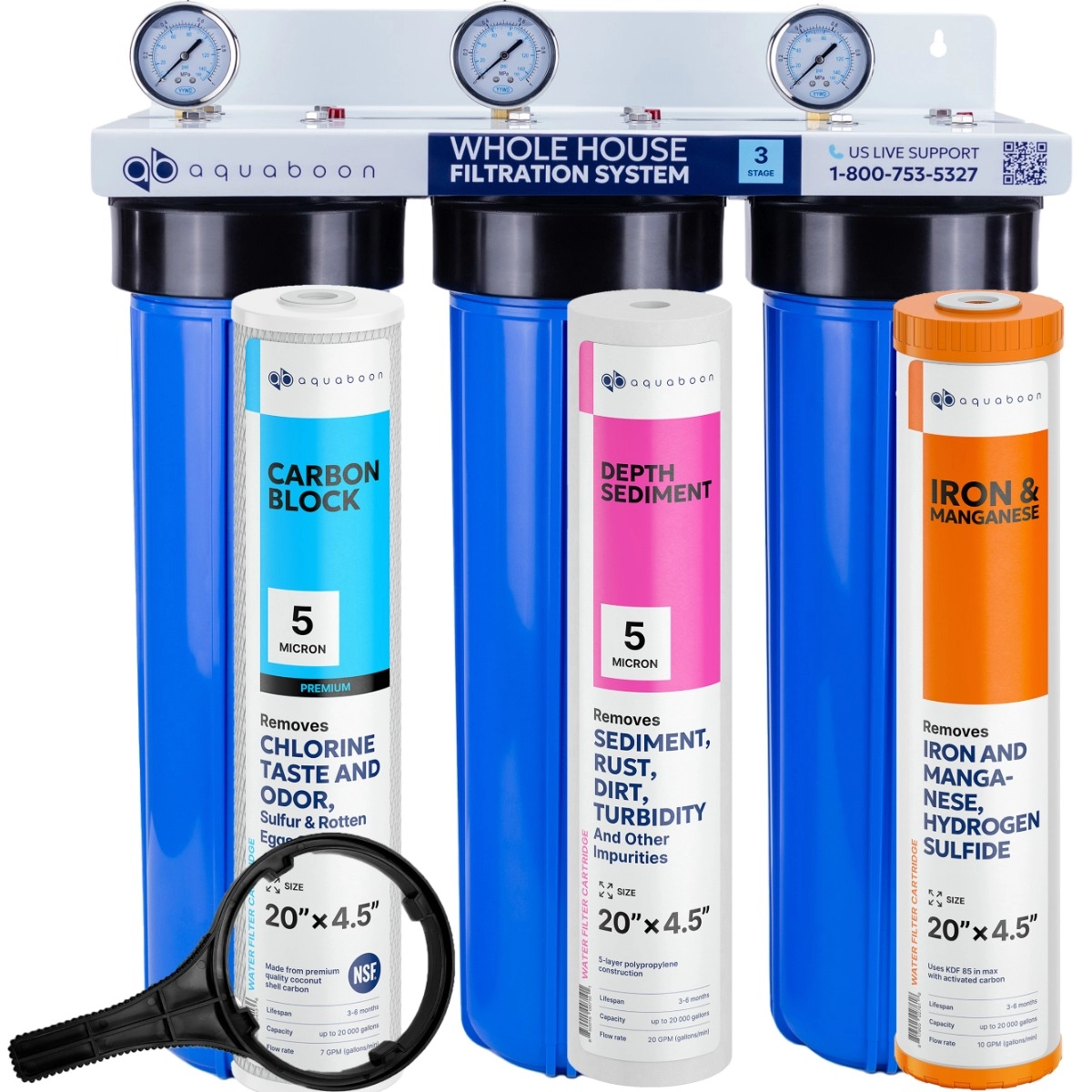
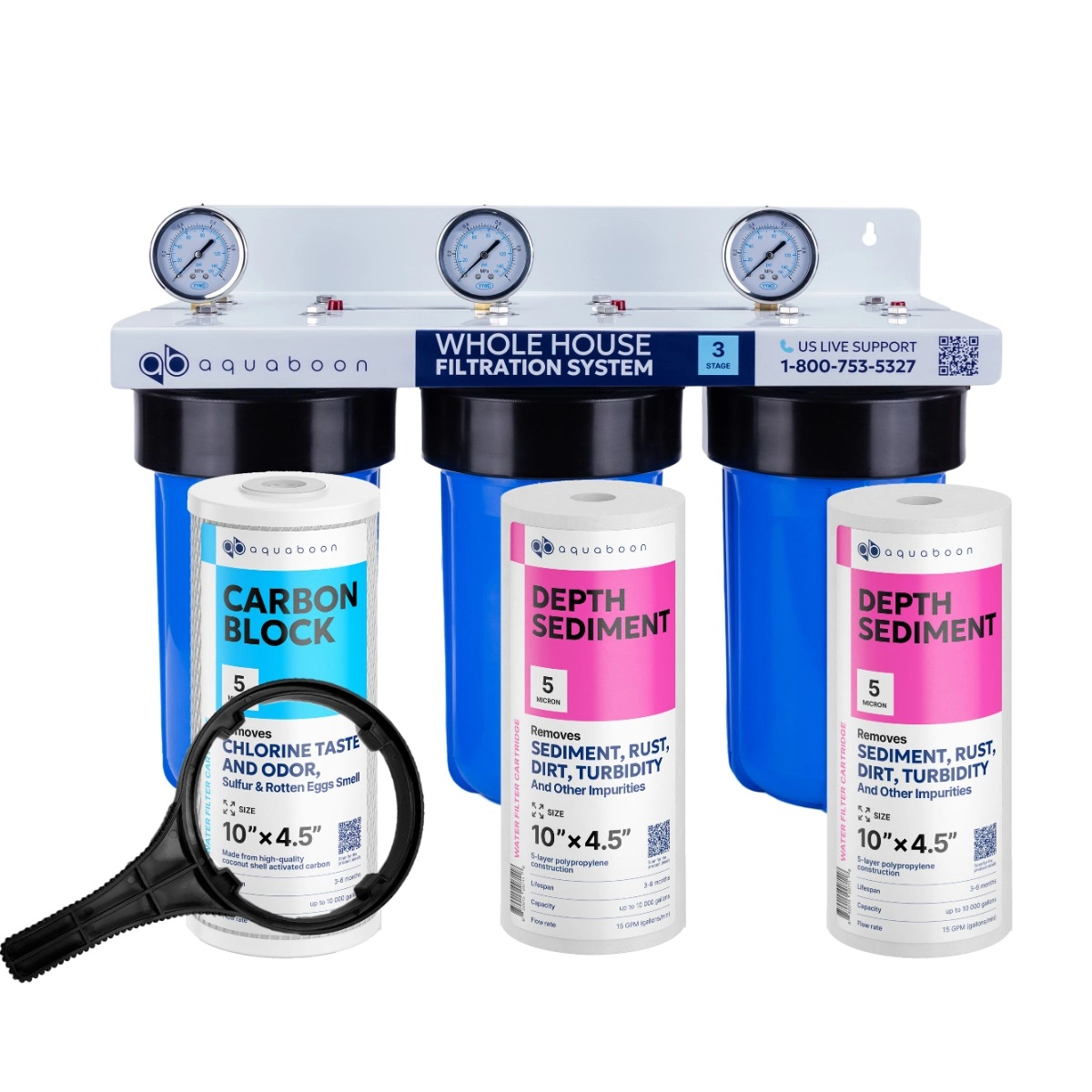
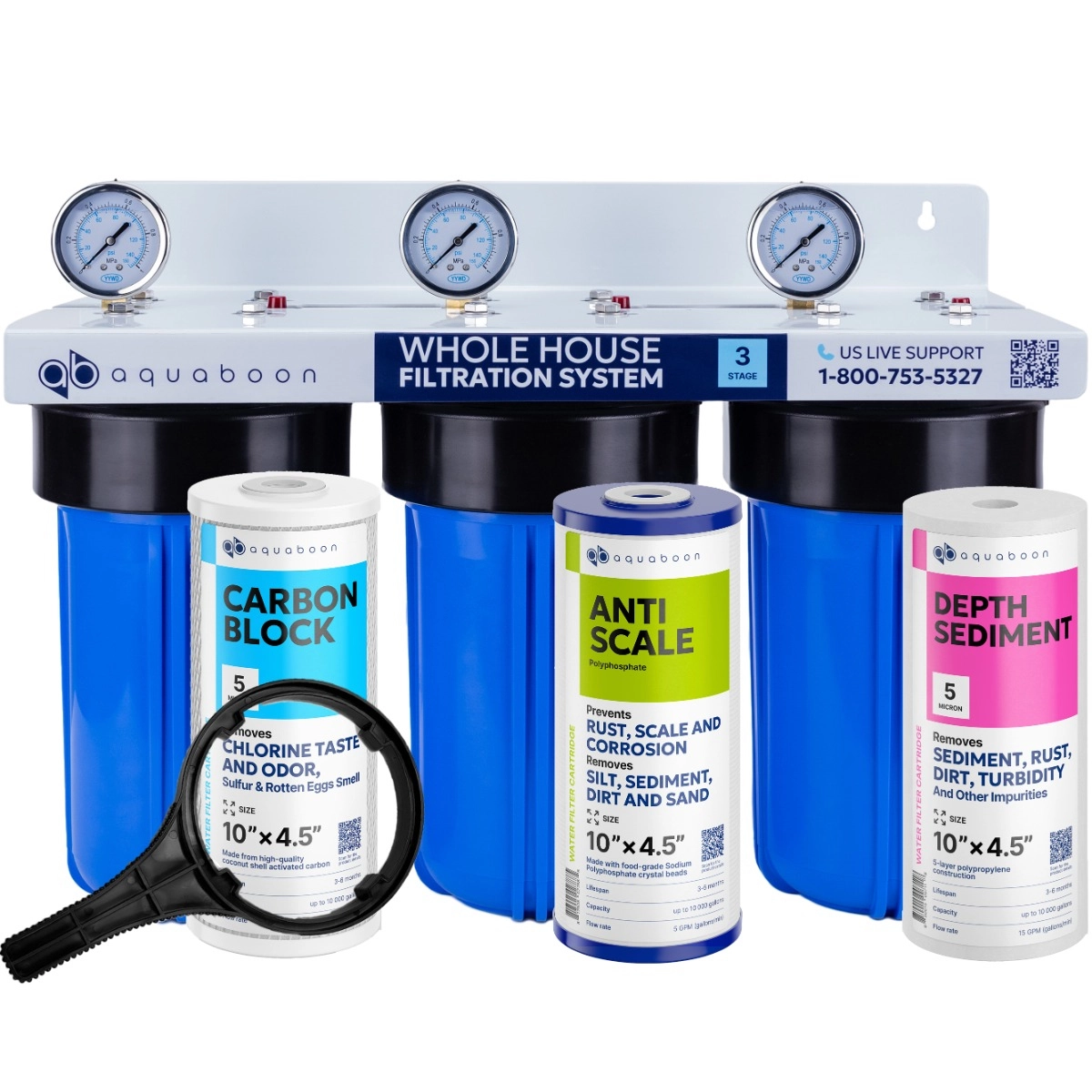
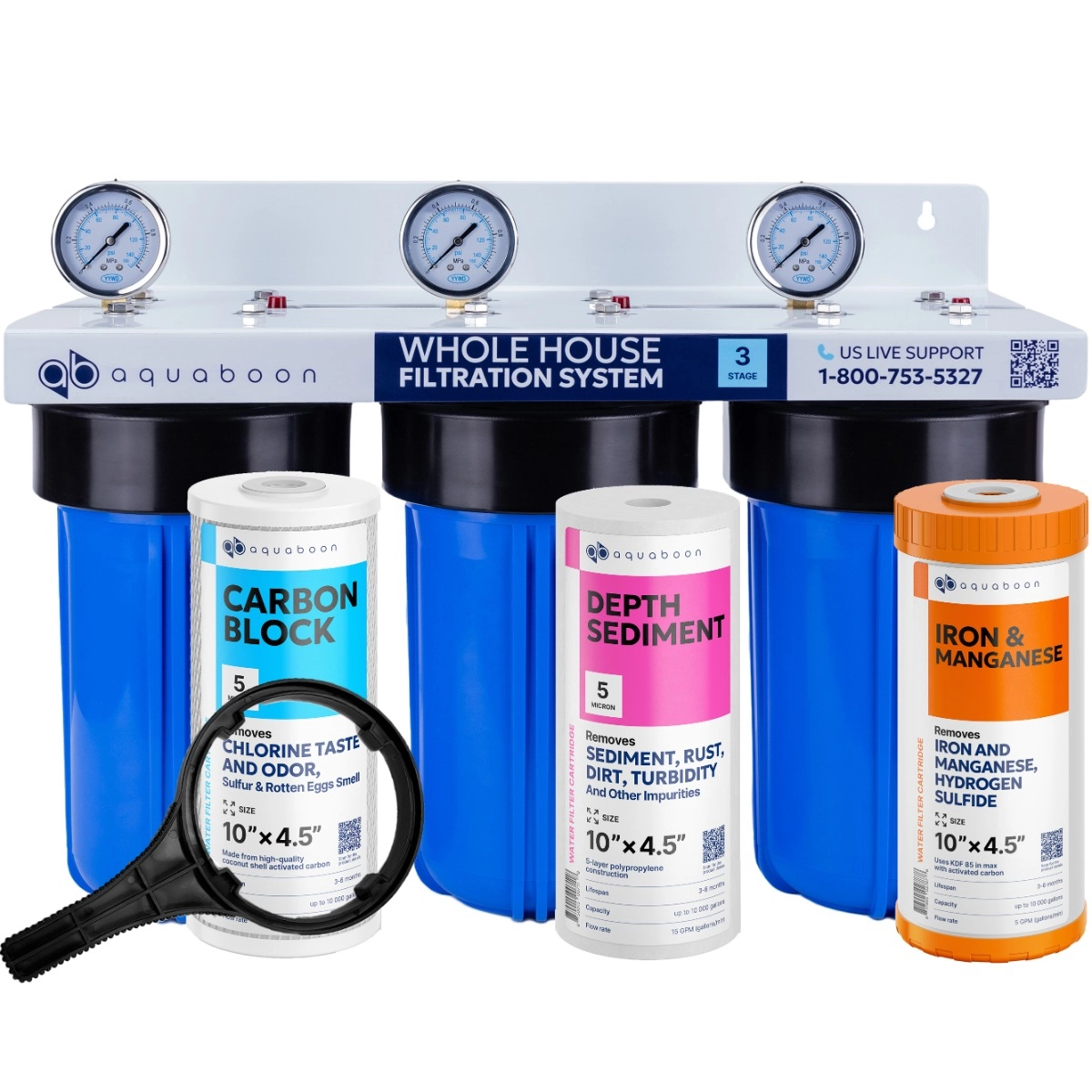
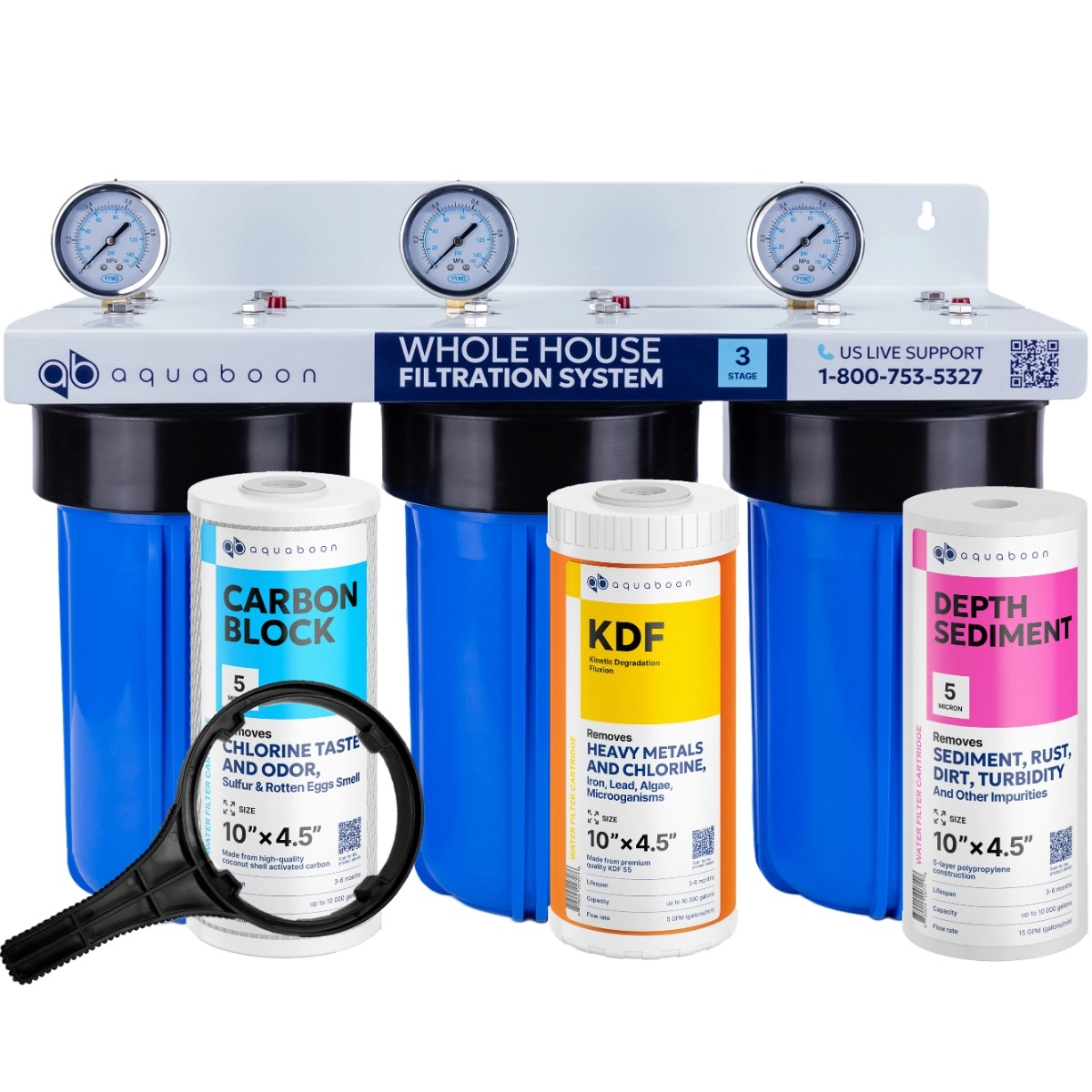
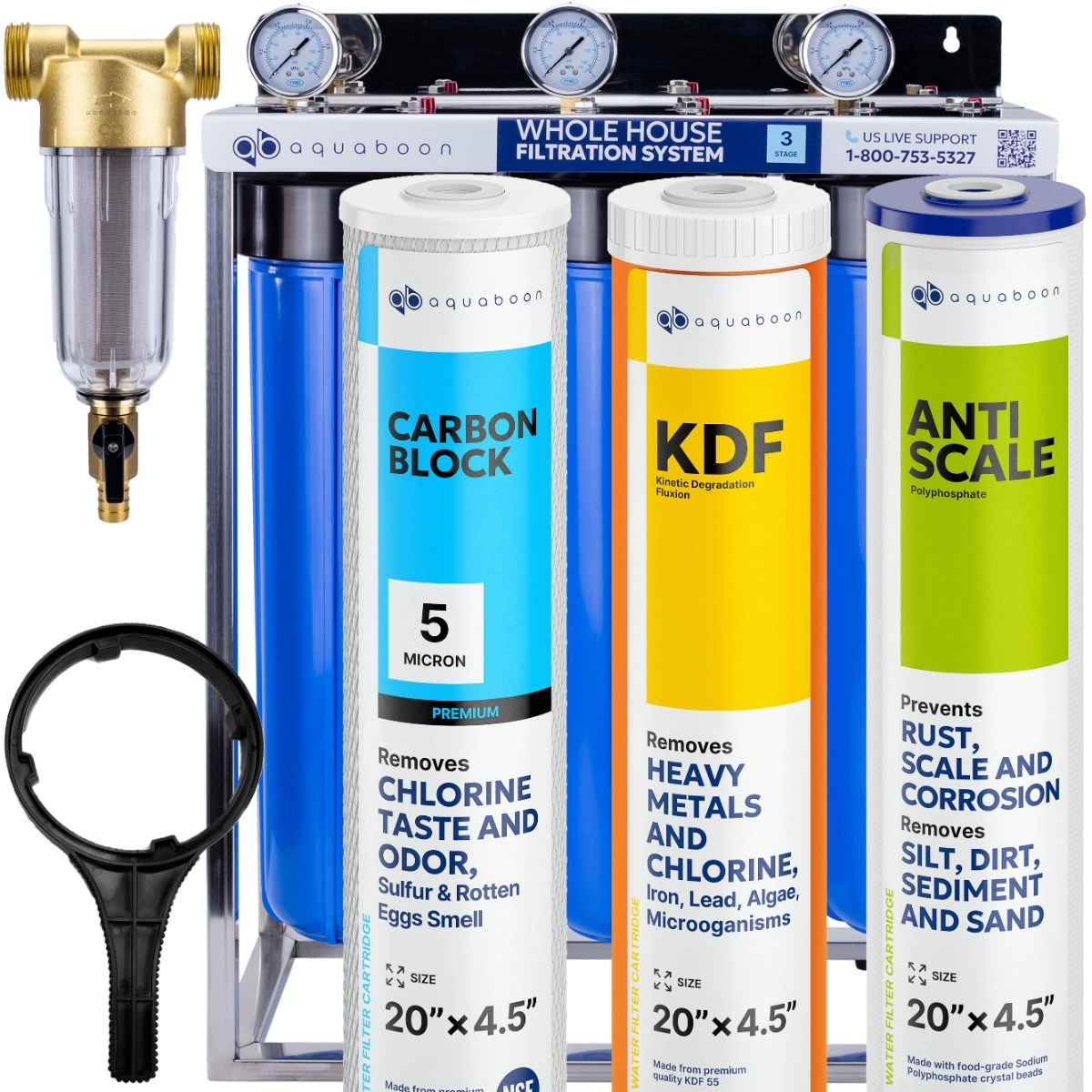
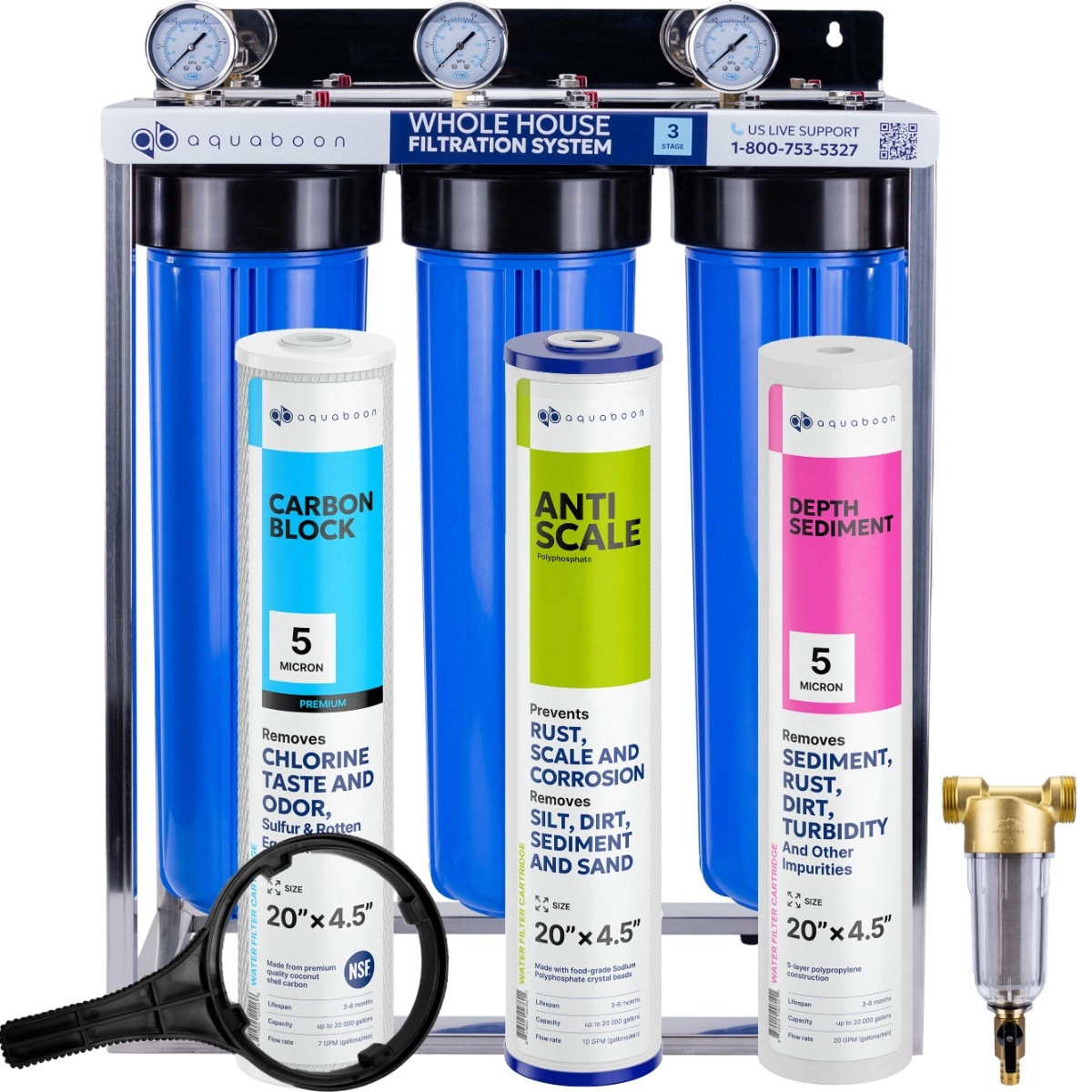
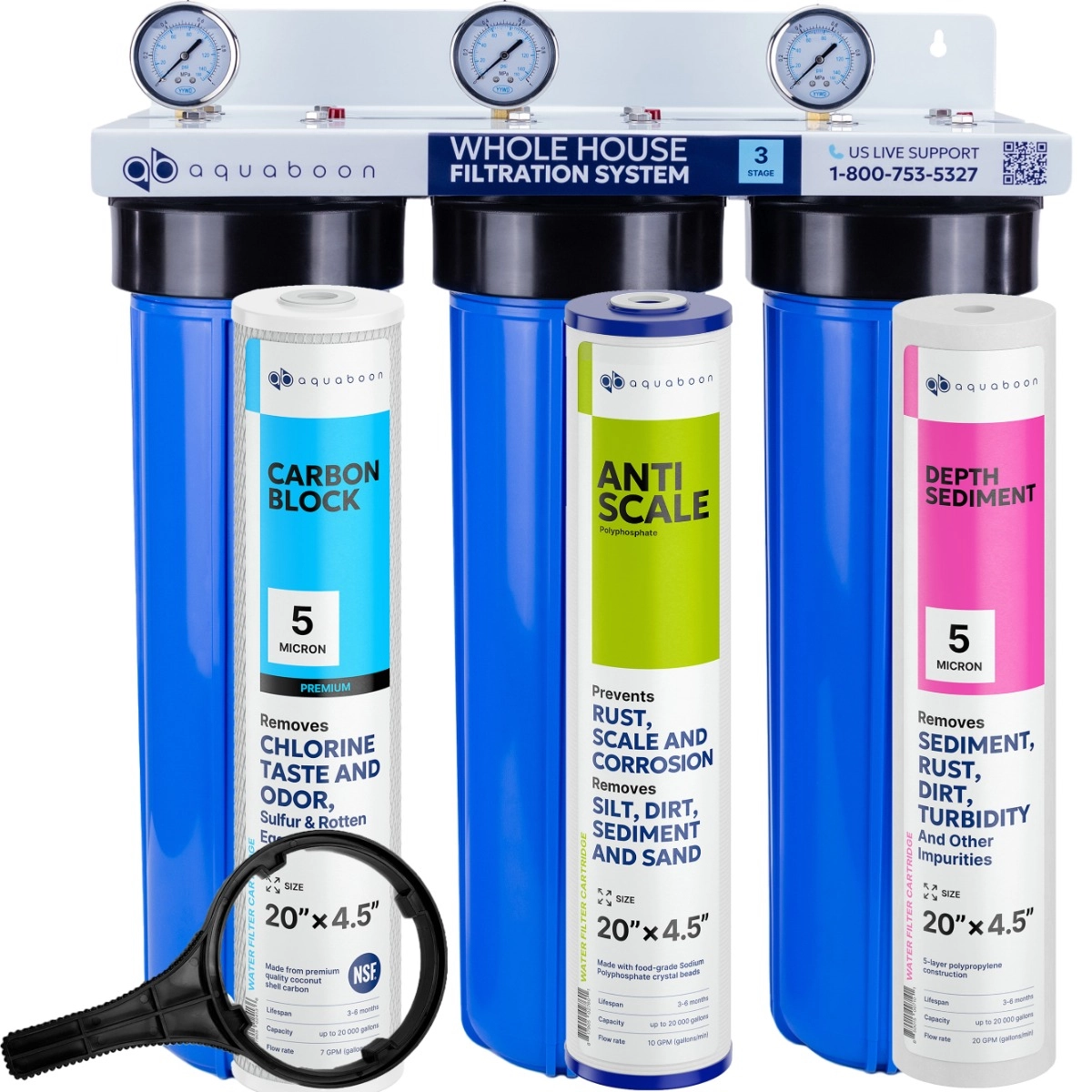
Many modern 3 stages water filter systems are designed to address several common well water problems at the same time.
This approach often improves overall water clarity, odor reduction, and appliance protection.
A whole house well water filtration system also appeals to people who simply don't want to think about water quality in every single room of the house.
Households with broader filtration needs often explore whole house water filters that support customizable multi-stage configurations.
In homes with heavy sediment or multiple water quality issues, the best whole house filter for well water is often one that combines several filtration stages instead of relying on a single cartridge alone.
-
Are Whole House Water Filters Worth It for Well Water?
For many homeowners, whole-house filtration systems provide long-term practical benefits beyond drinking water alone.
Proper filtration may help:
- Improve taste and odor
- Reduce sediment buildup
- Protect appliances
- Extend plumbing lifespan
- Reduce maintenance
- Improve shower and laundry water quality
Homes with severe contamination issues may also benefit from specialized whole house filters for well water that are designed for iron, sulfur, or sediment-heavy water conditions.
While no single system works for every home, properly selected filtration equipment often improves overall comfort and helps reduce water-related maintenance problems across the property.
Every well has a different combination of problems, so the right setup usually depends on what's actually in your water. Here's how to match common well water issues to the right type of system:
Water problem
Which solution is suitable (Setup)
Working principle
High iron and manganese content
(Red streaks, metallic taste, dark sediment)
3-Stage 20" Whole House Water Filtration System by Aquaboon For Iron And Manganese
Oxidizes dissolved iron, converting it into a precipitate, which is then retained by the mechanical filter layer.
Excessive water hardness
(White scale in the kettle, limescale, dry skin)
Aquaboon SoftGuard: 48,000 Grain High-Efficiency Whole House Water Softener System
Softens water using ion exchange - resin granules capture calcium and magnesium, replacing them with sodium. Regeneration is automatic, based on actual water consumption (metered control), which saves salt and water.
Sediment, sand, rust
Polyphosphate - prevents scale formation by binding minerals that cause limescale.
KDF - removes heavy metals, chlorine and bacteria through oxidation-reduction (redox) reactions.
Carbon block - the final stage: removes small particles, chlorine residues and organic impurities, improving taste and odor.
Heavy metals (lead, mercury)
Water passes through KDF media (copper-zinc alloy), where redox reactions occur - heavy metals (lead, mercury) settle on the surface of the granules, changing their chemical state to insoluble, and chlorine and microbial contamination are partially neutralized by the same mechanism.
Chlorine, taste, odor
Carbon Block is a key stage against chlorine and odor: activated carbon adsorbs residual chlorine, organic compounds, and volatile organic compounds (VOCs) that cause unpleasant tastes and odors in water. This stage acts as a final "polishing" filter, making the water not only safe, but also pleasant to the taste.
If your test results show more than one issue — which is common with well water — a multi-stage system like Filterway's 3-Stage Whole House Filtration System often works out cheaper and simpler than combining several separate single-purpose filters.
Choosing the Right Well Water Filter Starts With the Water Itself
There is no universal «best» filter for every private well. The most effective system depends on the specific contaminants, water conditions, and household needs.
For some homes, a sediment and carbon setup may be enough. Others may require UV treatment, softening equipment, or specialized filtration for iron and sulfur removal.
The most reliable approach is to begin with water testing, identify the main water quality concerns, and build a filtration system around those results.
The most reliable results tend to come from a water filter system for well water that combines two or three stages rather than relying on a single cartridge.
Frequently Asked Questions About Well Water Filtration Systems
What is the best whole house water filter for well water?
The best system depends on the contaminants found in the water. Many homes use multi-stage whole-house filtration systems that combine sediment filtration, carbon media, softening, or specialty treatment for iron and sulfur reduction.
Do I need a filtration system if my well water looks clean?
Yes. Many well water contaminants are invisible and may not affect appearance immediately. Water testing can identify bacteria, heavy metals, hardness minerals, or dissolved contaminants that are not visible to the eye.
How can I test my well water quality?
Homeowners can use certified laboratory testing or professional water analysis services. Testing helps identify sediment, bacteria, iron, sulfur, hardness, and other contaminants that influence filtration system selection.
Can a water softener improve well water quality?
A water softener primarily reduces hardness minerals such as calcium and magnesium. While it does not remove every contaminant, it can help reduce scale buildup and improve water comfort throughout the home.
Is a sediment filter necessary for well water systems?
In many homes, sediment filtration is one of the most important first stages. Sediment filters help reduce sand, silt, rust, and particles that may damage plumbing fixtures or filtration equipment.
How do I choose the right size water filter for my home?
Filter size depends on household water usage, flow rate requirements, contaminant levels, and the number of bathrooms or appliances using water simultaneously. Larger homes often require higher-capacity filtration systems.
 How to Calculate the Home Water Flow Rate February 7, 2023
 Typical Residential Water Flow Rate November 10, 2022
 Best filters to remove chlorine December 9, 2022
 Does Reverse Osmosis Remove Fluoride October 15, 2026
 Signs Your Well Water Could Be Contaminated October 11, 2026
 Rust Stains From Washing Machine October 5, 2026
 Is School Water Safe to Drink September 28, 2026
 Easy Ways to Make Fruit Infused Water at Home September 21, 2026