


Whole House Water Filtration Systems


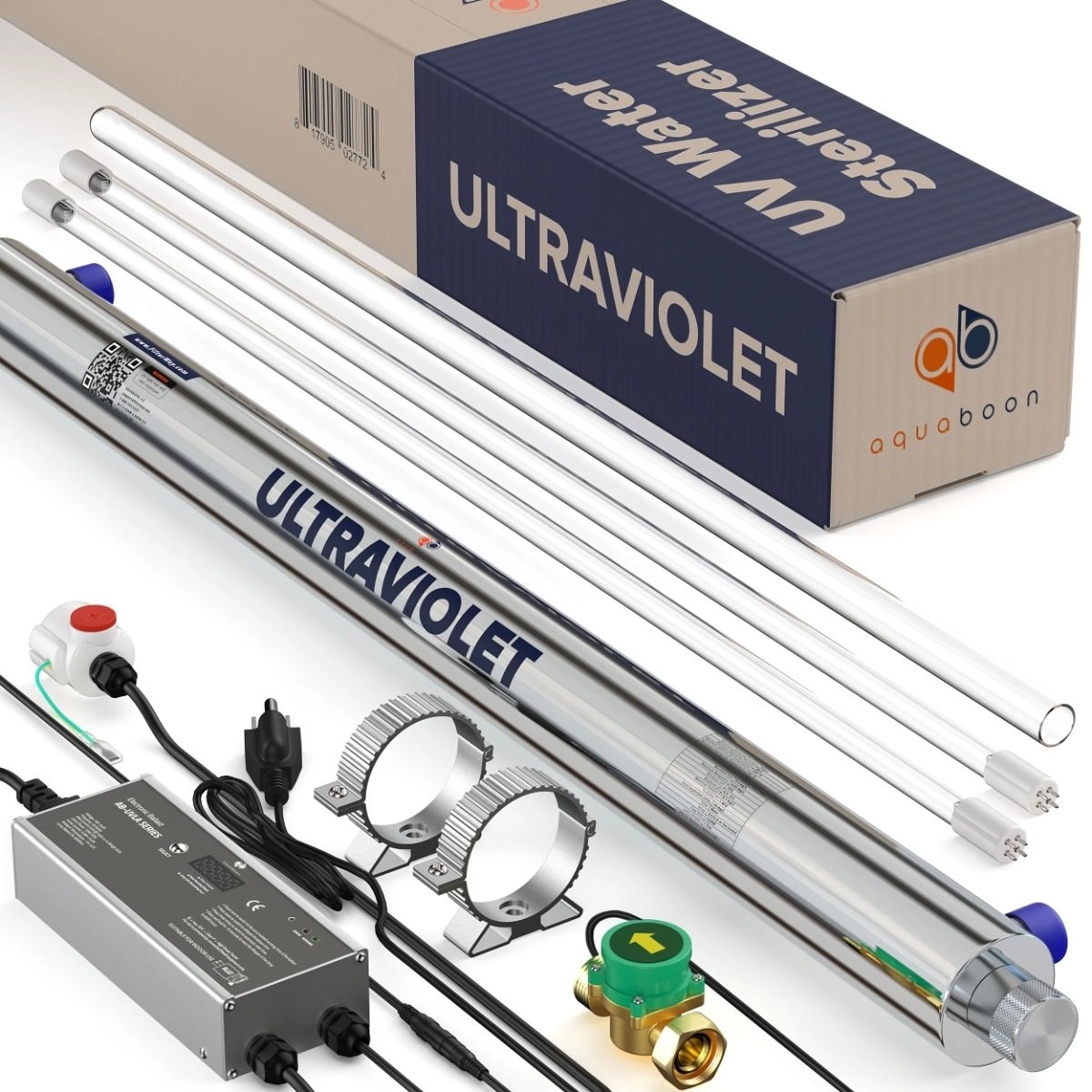
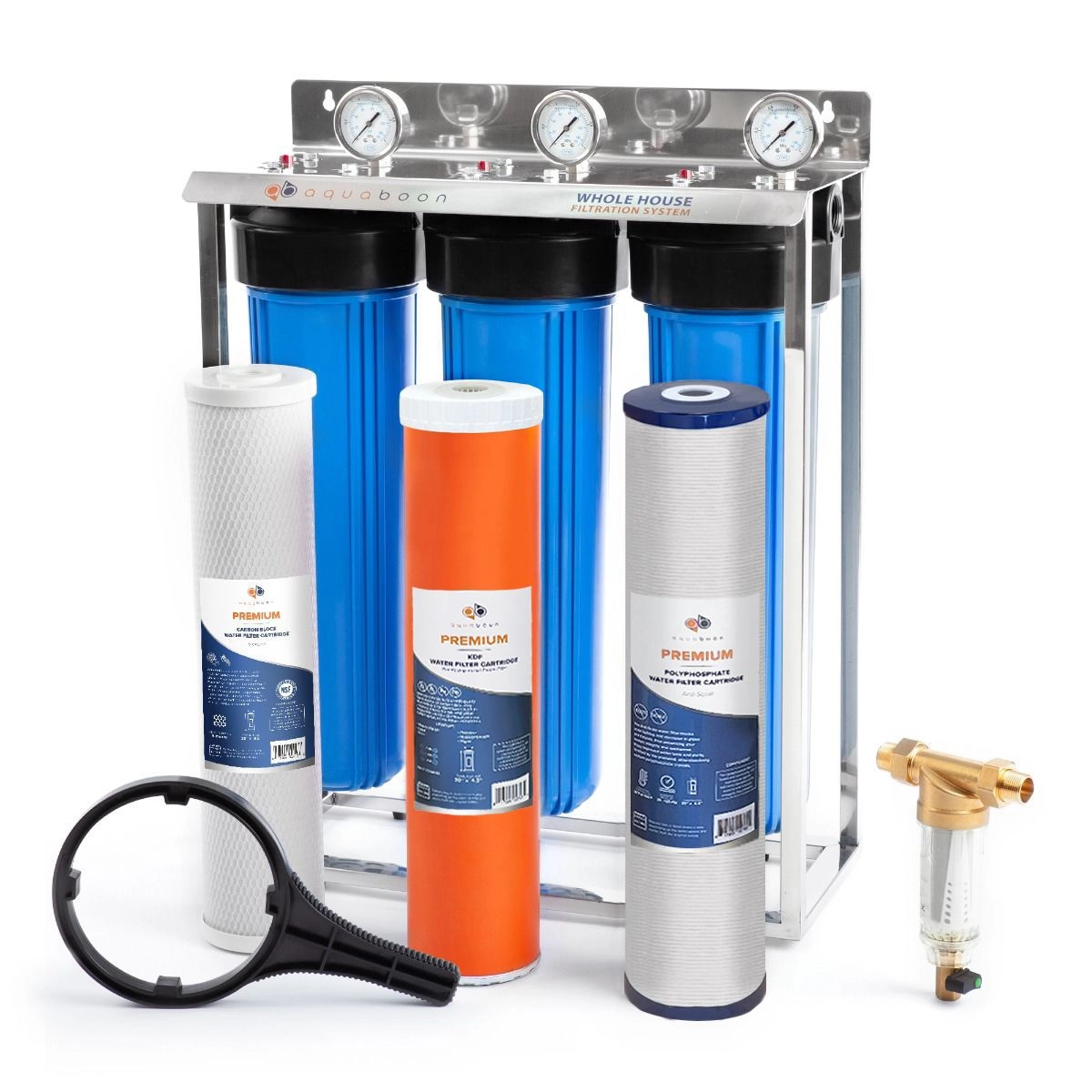
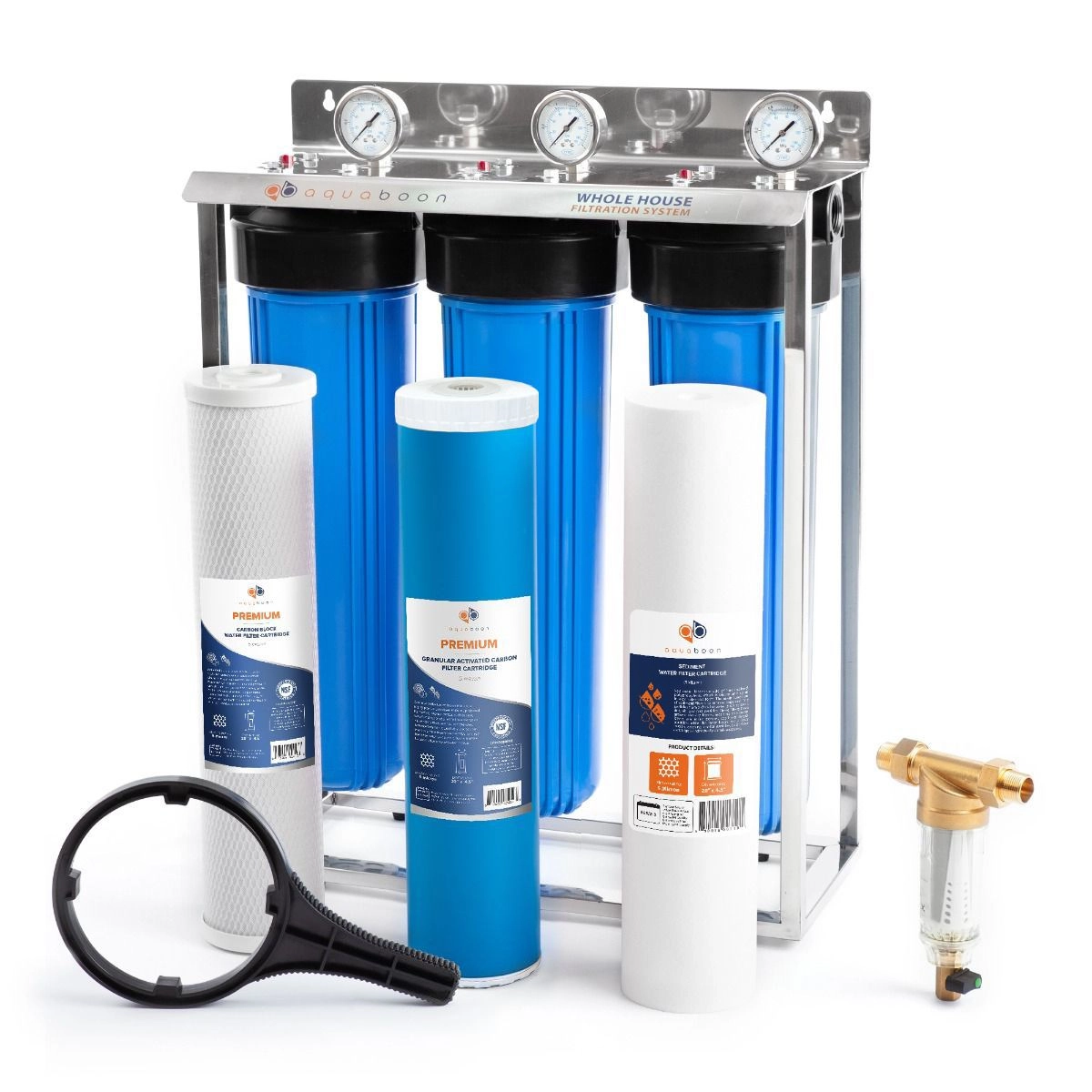
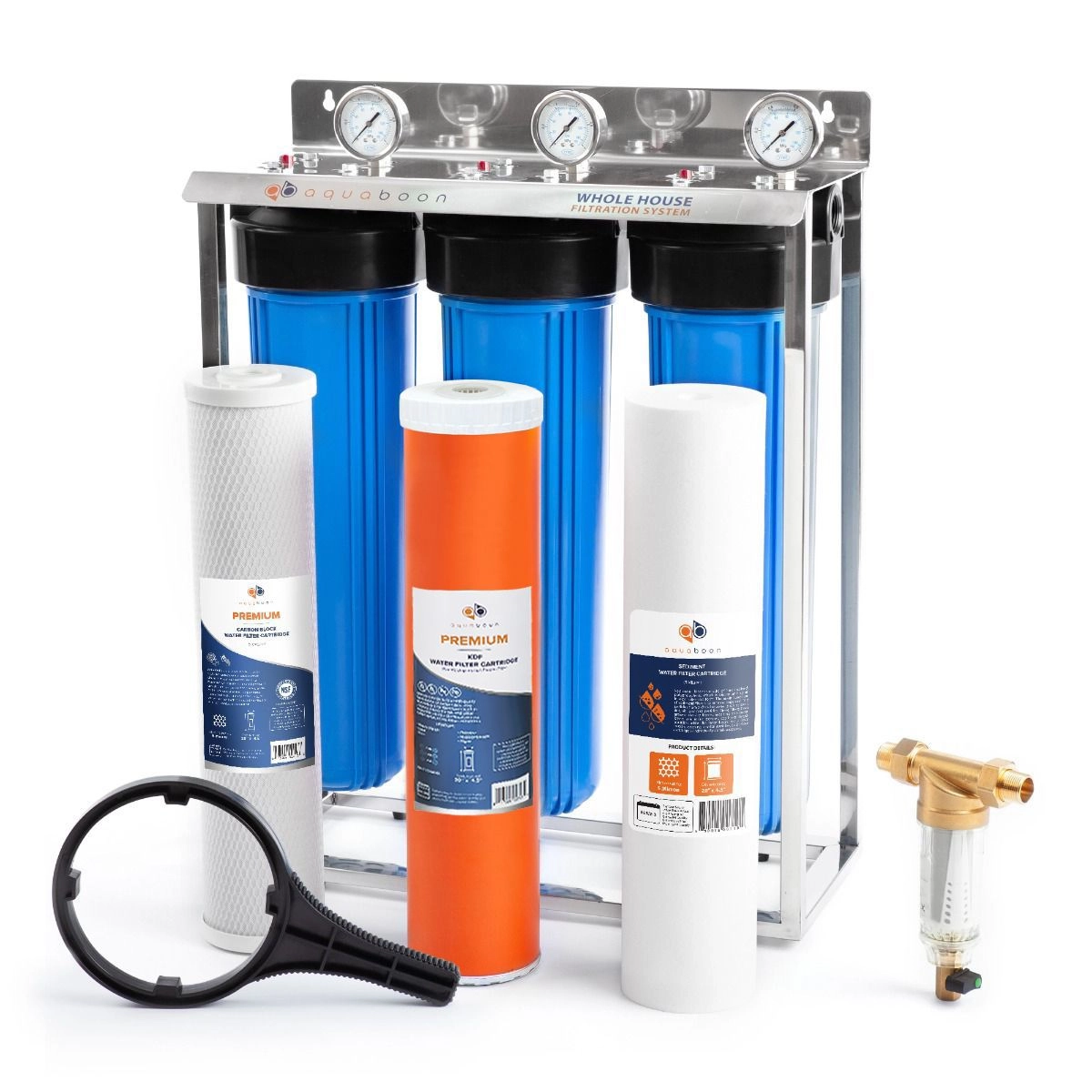
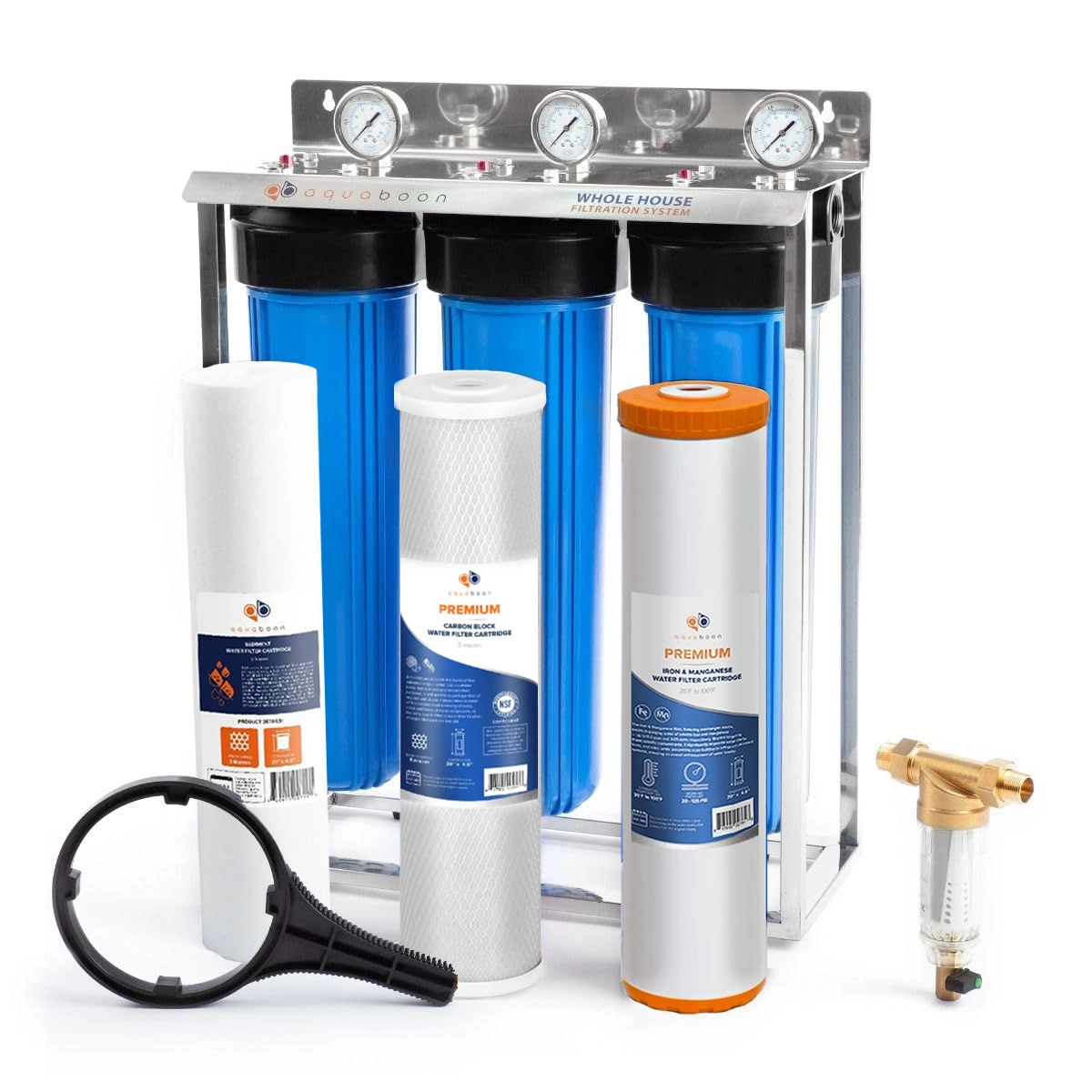
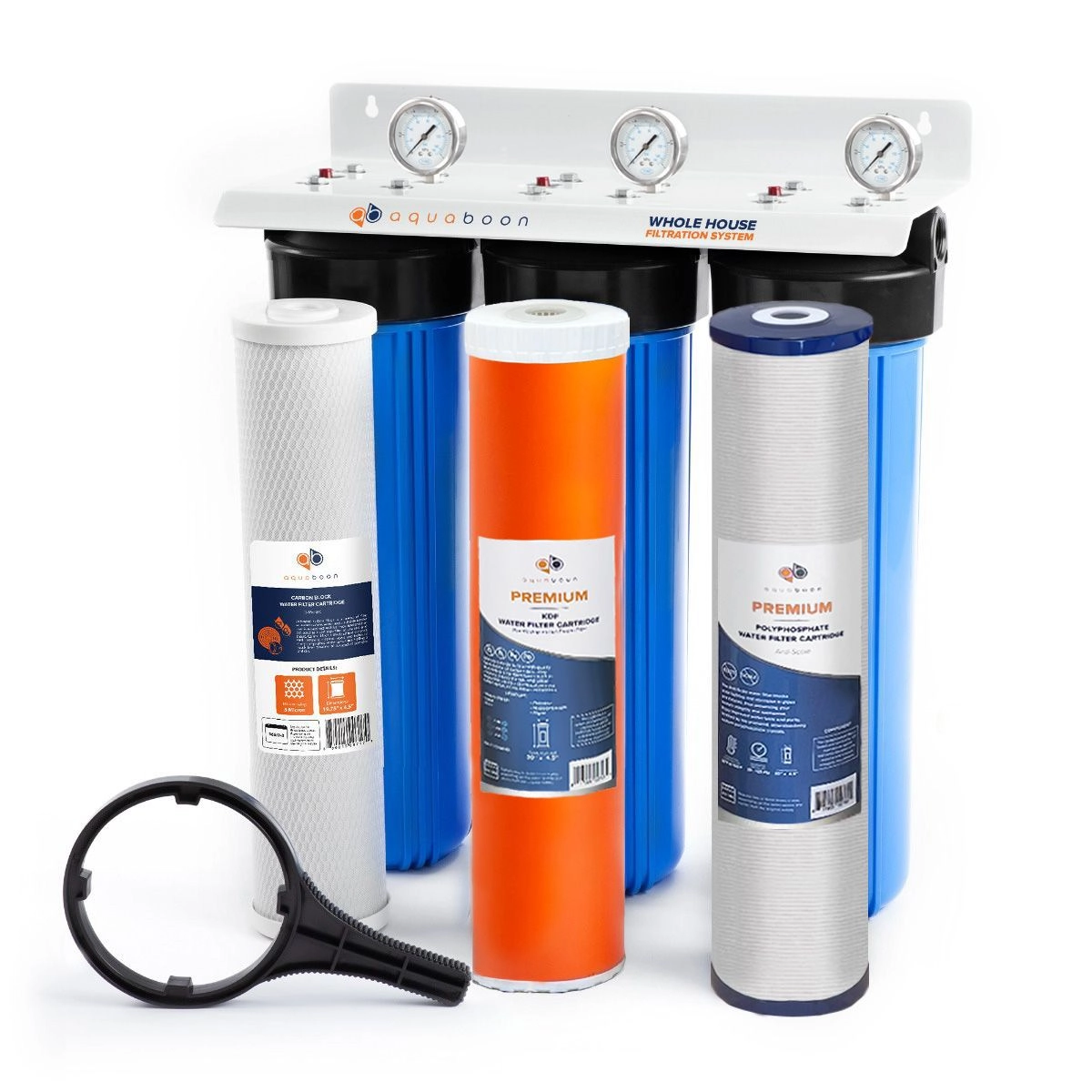
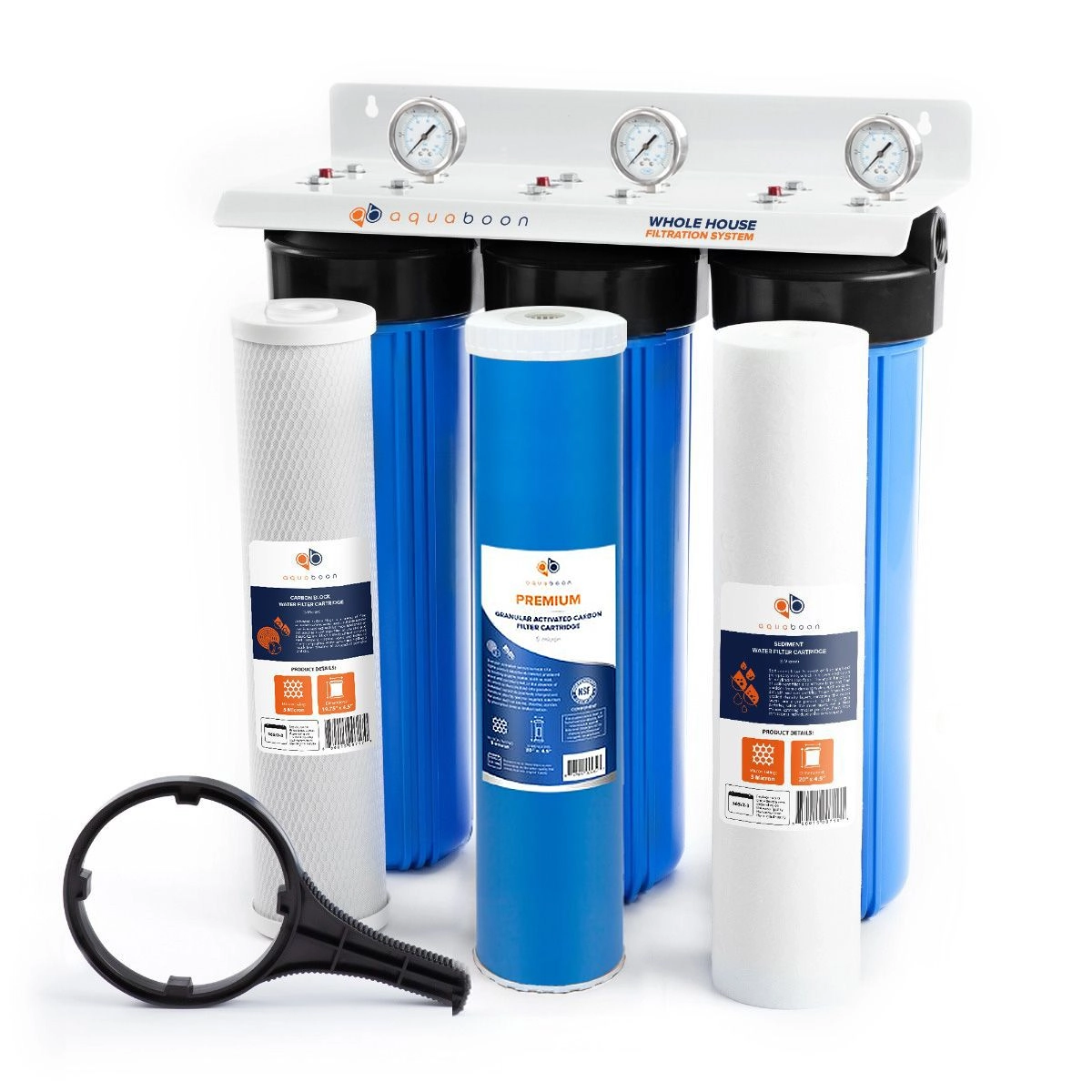
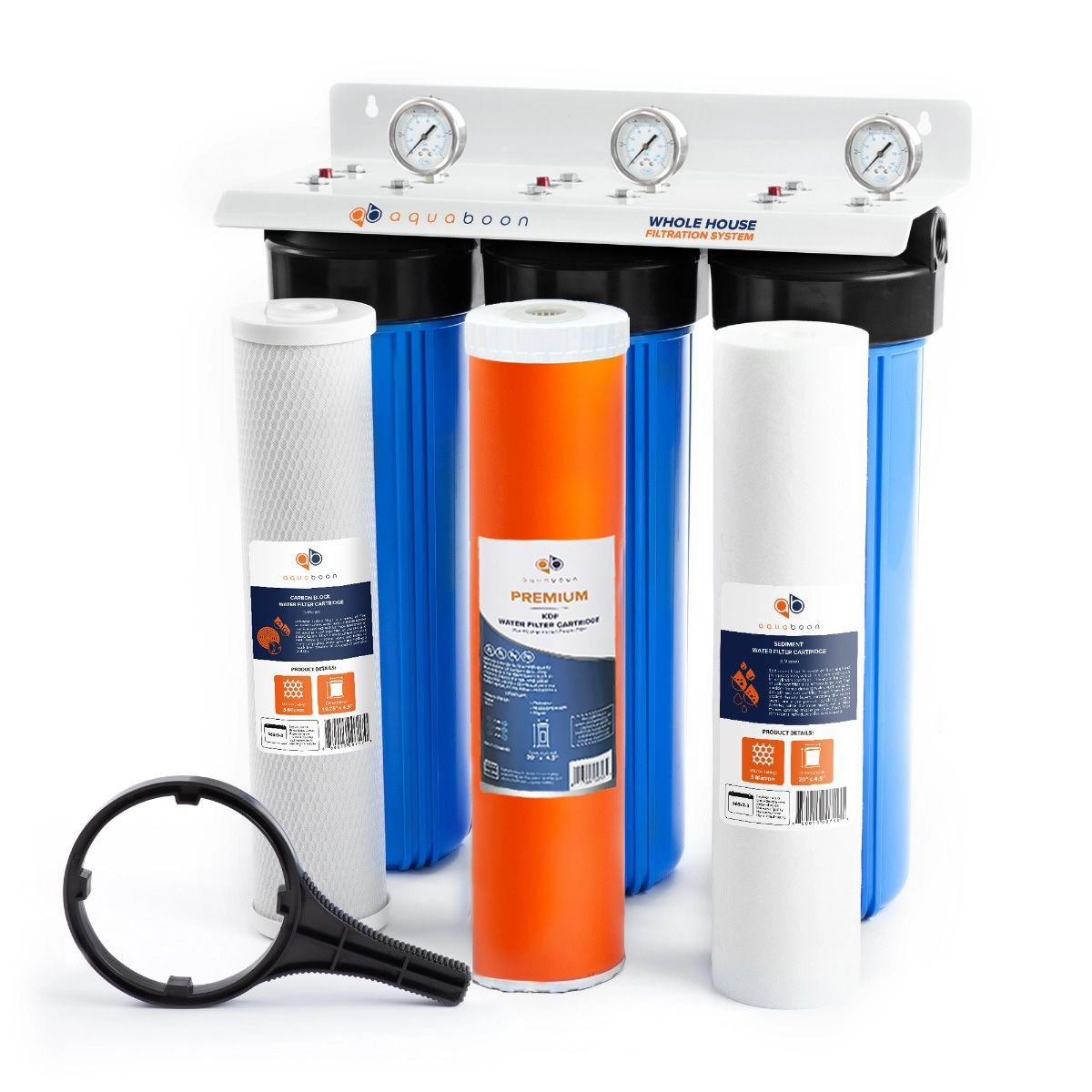
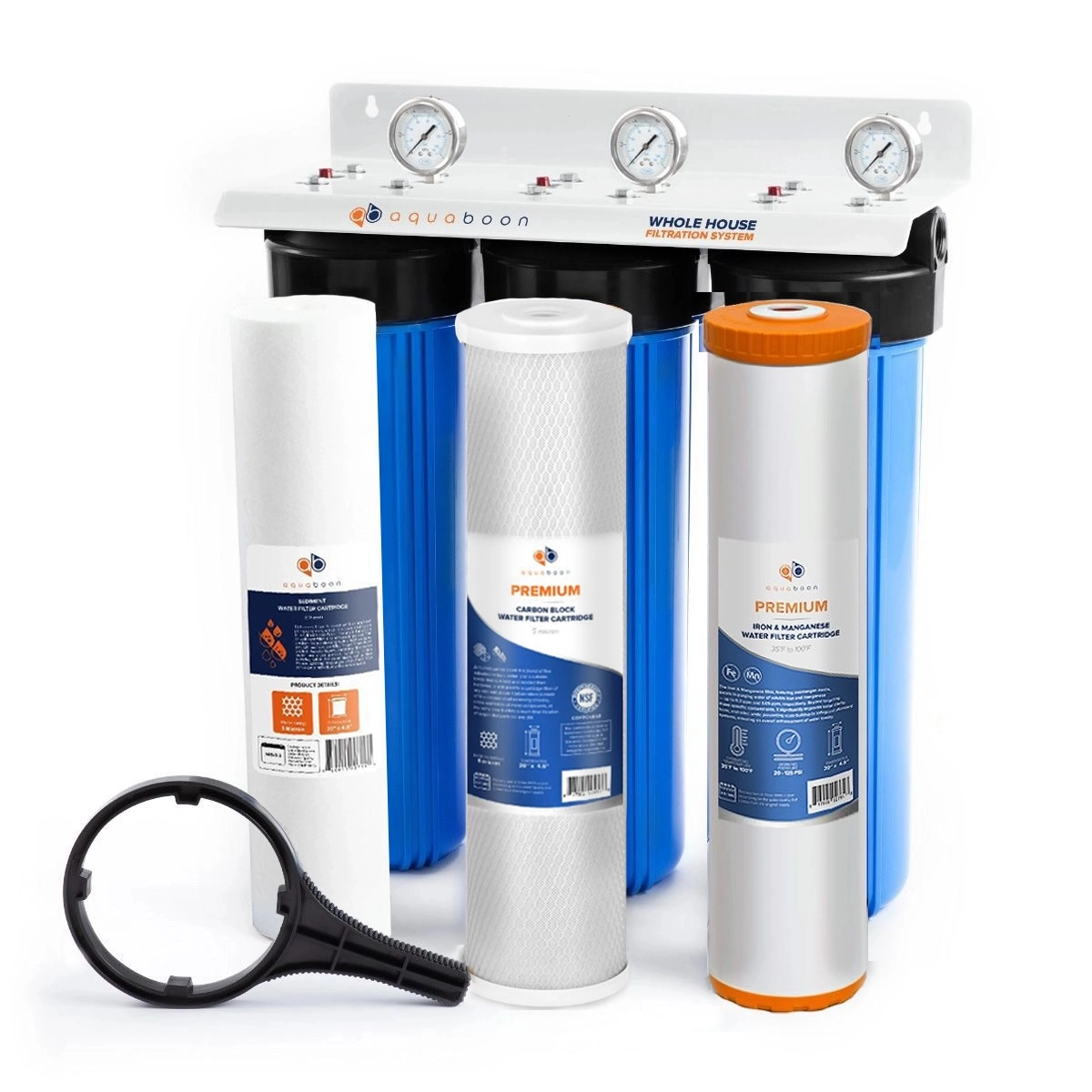
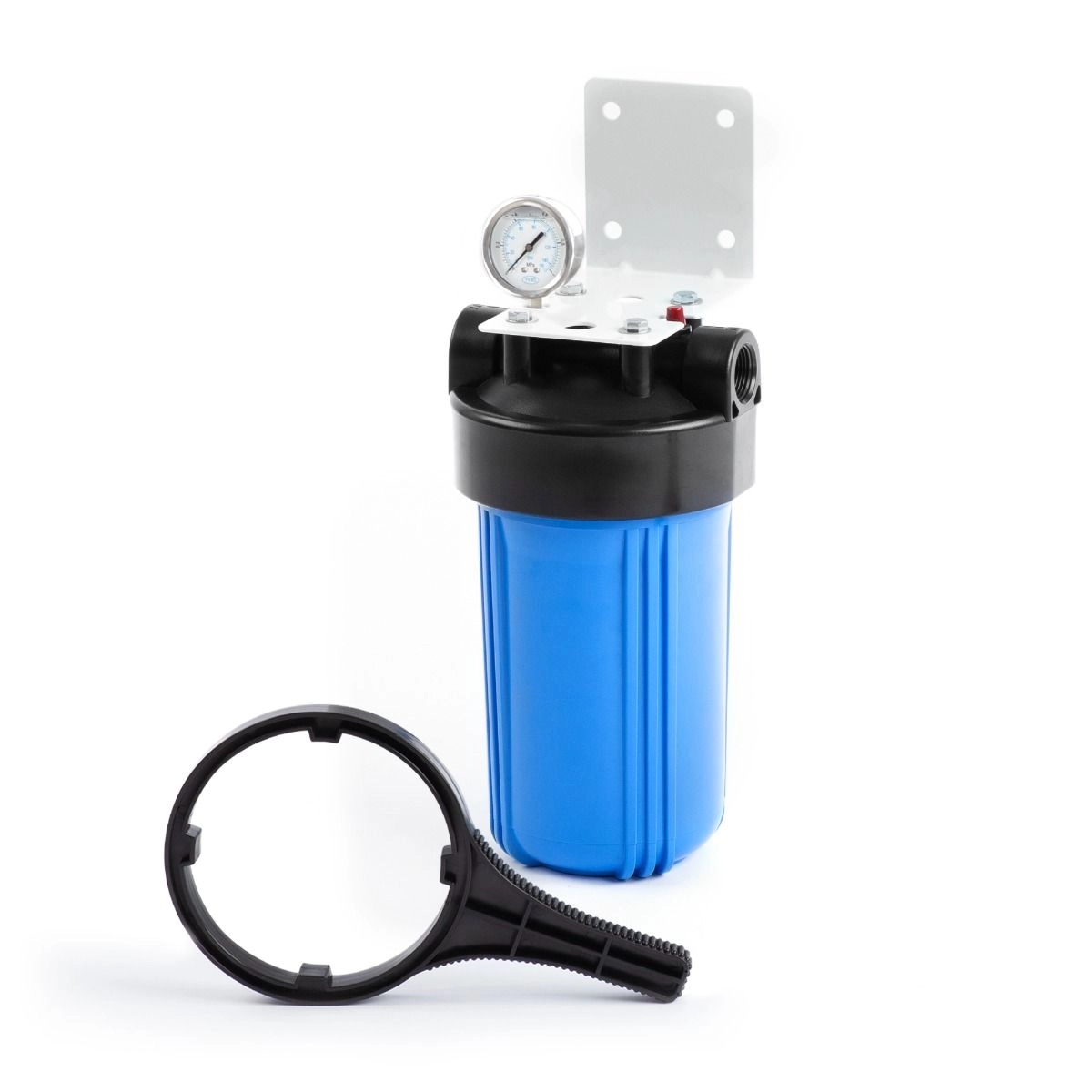
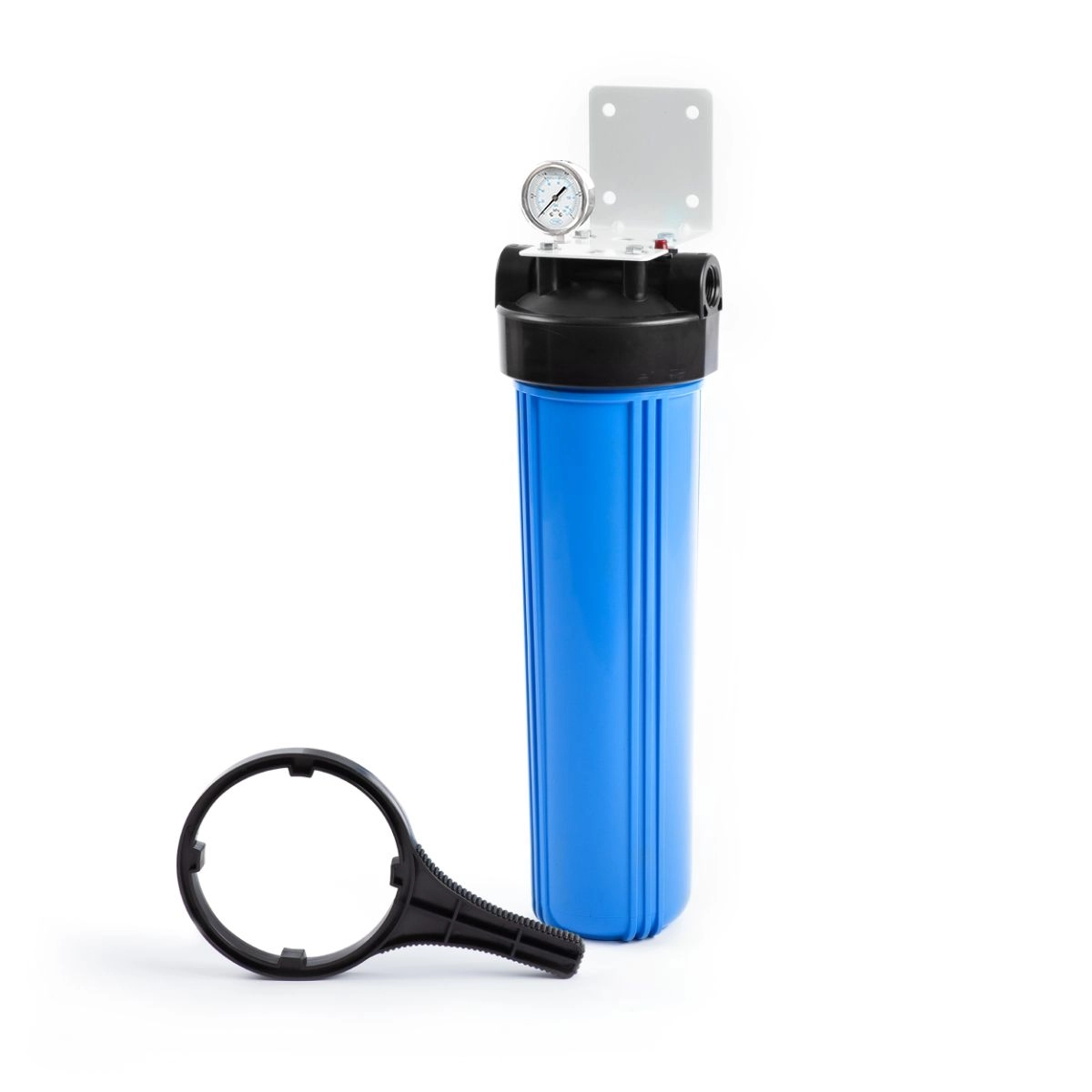
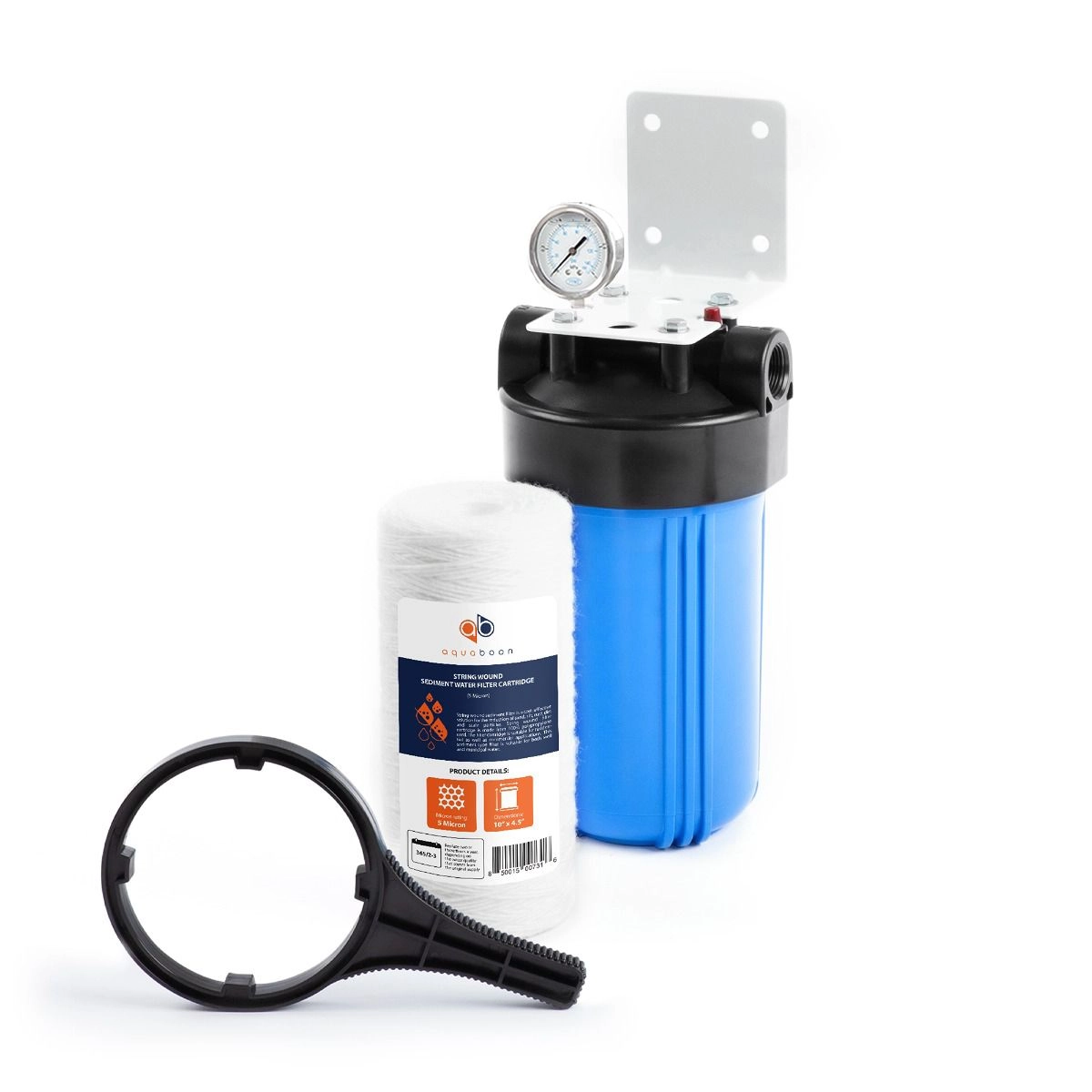
A whole house water filter is a comprehensive solution designed to remove contaminants from the water supply at its point of entry into your home. Unlike point-of-use filters, such as those found on faucets or in refrigerators, a whole house water filtration system from FilterWay ensures that every tap in your home delivers clean and safe water. This includes water used for drinking, cooking, bathing, and laundry, providing a consistent level of water quality throughout your household.
Our 1-stage, 2-stage, and 3-stage systems are tailored to solve a wide range of water quality issues:
- 1-stage systems focus on basic filtration, removing sediment, rust, and larger particles. These systems are ideal for homes with relatively clean municipal water.
- 2-stage systems enhance filtration by combining sediment removal with carbon filters, which reduce chlorine, odors, and chemical contaminants, improving water taste and overall safety.
- 3-stage systems provide the most advanced filtration, addressing multiple water issues simultaneously. They typically include sediment filters, carbon filters, and specialized filtration stages designed for heavy metals, bacteria, or hard water.
Water Quality Problems Solved by Whole House Filtration Systems
Water quality problems can differ depending on the water source, regional conditions, and the state of household plumbing systems, which is why choosing the right filters for house water is essential. Municipal and well water may contain chlorine, hard minerals, sediment, metals, or chemical impurities that affect safety and comfort.
FilterWay’s whole house filtration systems effectively tackle a wide range of water quality issues, ensuring your home has clean and safe water for all uses. Our filtration solutions address the following problems:
- Chlorine Taste & Odor – Removes chlorine and other chemical contaminants that affect the taste and smell of water.
- Hard Water – A water softener helps reduce the effects of hard water, preventing scale buildup and protecting your skin, hair, and appliances.
- Heavy Metals Filtration – Eliminates harmful metals such as lead, mercury, and cadmium to ensure safe water consumption.
- Iron & Manganese Filtration – Prevents staining, metallic tastes, and unpleasant odors by removing excess iron and manganese.
- Pesticides & Herbicides– Reduces agricultural and industrial contaminants that can seep into your water supply.
- Scale Prevention – Our anti-scale filtration system minimizes scale buildup, extending the lifespan of plumbing and household appliances.
- Sediment Removal – Captures dirt, rust, and other particles to improve water clarity and prevent clogging in your system.
- Sulfur Odor Elimination – Neutralizes hydrogen sulfide, which causes a rotten egg smell in water.
- Well Water Treatment – Addresses common well water concerns, including bacteria, sediment, and mineral imbalances.
With FilterWay's advanced solutions, you can enjoy clean, high-quality water throughout your home, customized to address your unique water treatment needs. Whether you are dealing with sediment, chemical contaminants, or more complex water quality issues, we have the right system for you.
These systems are particularly advantageous for homeowners seeking a convenient, centralized method to improve water quality. By addressing contaminants at the source, you can enjoy consistent benefits across all water outlets, eliminating the need for multiple smaller filters.
How Does a Whole House Water Filter Work?
A whole house water filter treats water as it enters your home’s main water line, providing centralized filtration for every outlet. Each filter for household water works through a multi-stage process designed to remove different types of contaminants and ensure consistent water quality throughout the home.
The filtration process typically includes the following stages:
- Sediment pre-filtration – captures large particles such as dirt, sand, rust, and silt, protecting downstream filtration components and plumbing.
- Carbon filtration – reduces chlorine, volatile organic compounds (VOCs), and chemical contaminants that negatively affect taste and odor.
- KDF (copper-zinc) media – helps remove heavy metals like lead and mercury while inhibiting the growth of bacteria and algae.
- Post-filtration stage – traps remaining fine particles to ensure clear, clean water at every tap.
Some advanced systems also include UV sterilization, which neutralizes bacteria and microorganisms, and a salt-free water conditioner to minimize scale buildup that can damage pipes and household appliances. This multi-stage approach ensures water is not only clean, but also safe, stable, and comfortable for everyday use.
Types of Whole House Water Filters
Whole house water filters come in various configurations to suit different needs and water sources. Sediment filters are ideal for removing large particles, protecting other components, and improving efficiency. Carbon filters effectively remove chlorine, chloramines, and organic chemicals, enhancing water taste and odor. UV filters neutralize bacteria, viruses, and microorganisms, making them especially beneficial for homes with well water.
Each type of filter addresses specific issues, so selecting the right one for your home starts with understanding your water’s composition. For example, households using municipal water often prioritize chlorine and lead removal, while well water users might focus on eliminating bacteria and sediment.
Benefits of Using Water Filtration Systems
Filtered water offers numerous advantages that extend beyond basic consumption. By reducing harmful contaminants, these systems contribute to better health and an enhanced quality of life for your family.
Filtered water is gentler on the skin and hair, reducing irritation and dryness caused by chlorine and other chemicals. When combined with a water softener, it further prevents the effects of hard water, such as dryness, soap scum buildup, and scale deposits. Clothes washed in filtered and softened water retain their colors longer and feel softer due to the absence of harsh minerals.
Additionally, a whole house water filtration system, especially when paired with a water softener, can save money over time by reducing the need for bottled water, extending the lifespan of appliances, and lowering maintenance costs associated with plumbing repairs caused by mineral buildup. A water softener specifically helps prevent scale accumulation in pipes, water heaters, and other household fixtures, ensuring long-term efficiency.
Another benefit is the peace of mind that comes with knowing your water is safe for pets, plants, and even cooking. Cleaner, softened water leads to better-tasting beverages and meals, as the natural flavors of ingredients aren’t masked by chlorine, hard minerals, or other impurities.
How to Choose the Right Whole House Water Filtration System
Selecting a suitable water filtration system may seem complicated at first, but the decision becomes much clearer when you focus on a few practical considerations. One of the most important factors is system capacity — it should align with your household’s daily water consumption while maintaining stable water pressure. Since most systems are measured in gallons per minute (GPM), understanding your home’s typical water flow helps avoid performance issues.
It is equally important to choose a system designed to address the specific contaminants present in your water, whether that includes chlorine, heavy metals, or iron. A professional or at-home water test can provide valuable insight and help identify which issues should be prioritized.
Homeowners should also avoid common pitfalls, such as skipping water analysis, underestimating maintenance needs, or selecting a system that is undersized for the home. Consistent upkeep, including timely filter changes, plays a key role in preserving filtration performance and long-term system reliability.
Why Homeowners Choose Whole House Water Filter Systems
Homeowners choose whole house water filtration systems as a practical and convenient way to manage water quality across the entire household. A centralized high quality water filter for home removes daily uncertainty and eliminates the need for multiple separate filtration solutions. Instead of managing different filters for individual areas, one water filter solution for home provides clarity, consistency, and easier control over the entire water supply.
From a homeowner’s perspective, this approach offers clear advantages:
- No need to decide which tap is safe for drinking or cooking
- One system controls all water used in the home
- No separate solutions for the kitchen, shower, washing machine, or other appliances
- Fewer maintenance and service points to manage
- Stable water quality throughout the year, regardless of seasonal changes
- Simpler diagnostics and faster troubleshooting if issues occur
For homeowners who value simplicity, predictability, and long-term convenience, a whole house water filtration system becomes a smart, centralized infrastructure choice rather than a collection of temporary fixes.
Transform Your Home with Clean Water
Investing in a whole house water filter is a smart choice for families seeking comprehensive water quality improvement. With models tailored to both city and well water, these systems provide reliable performance and long-lasting benefits. Explore the wide range of options available at FilterWay to find the perfect solution for your home.
Clean water is not just a convenience—it’s a necessity. By upgrading your home’s water supply with a whole house filtration system, you’re taking an important step toward ensuring the health and well-being of your household.
Common Questions About Domestic Water Treatment Systems
What is the difference between a domestic water treatment system and point-of-use filters?
A domestic water treatment system is installed at the main water entry point and treats all water used throughout the home. In contrast, point-of-use filters work only at a single location, such as a kitchen faucet or refrigerator. Whole house water filtration purification systems provide a centralized and consistent approach, eliminating the need for multiple separate filters in different areas of the home.
Do domestic water purification systems require frequent maintenance?
Most modern systems are designed for low and predictable maintenance. An in home filtration system typically requires periodic filter replacements based on water usage and local water conditions, rather than constant attention. Because everything is centralized, maintenance is easier to track and manage compared to handling several individual filters.
How long does installation of a filtration in house system usually take?
Installation time depends on the home’s plumbing layout, but in most cases, a filtration in house system can be installed within a single day. Once installed, the system works automatically in the background, requiring no daily interaction from the homeowner.
Can a whole house filtration system be combined with other water treatment solutions?
Yes, many homeowners choose to combine a whole house filtration system with additional water home solutions, such as water softeners or specialty treatment units. This integrated approach allows the system to address multiple water quality concerns while maintaining a single, streamlined setup.
Are whole house water systems customizable for specific household needs?
Absolutely. A whole house system can be configured as a tailored water filter solution for home, based on household size, water source, and specific concerns. This flexibility makes centralized filtration suitable for a wide range of homes, from small residences to large households with higher water demand.