

Replacement Water Filter Cartridges

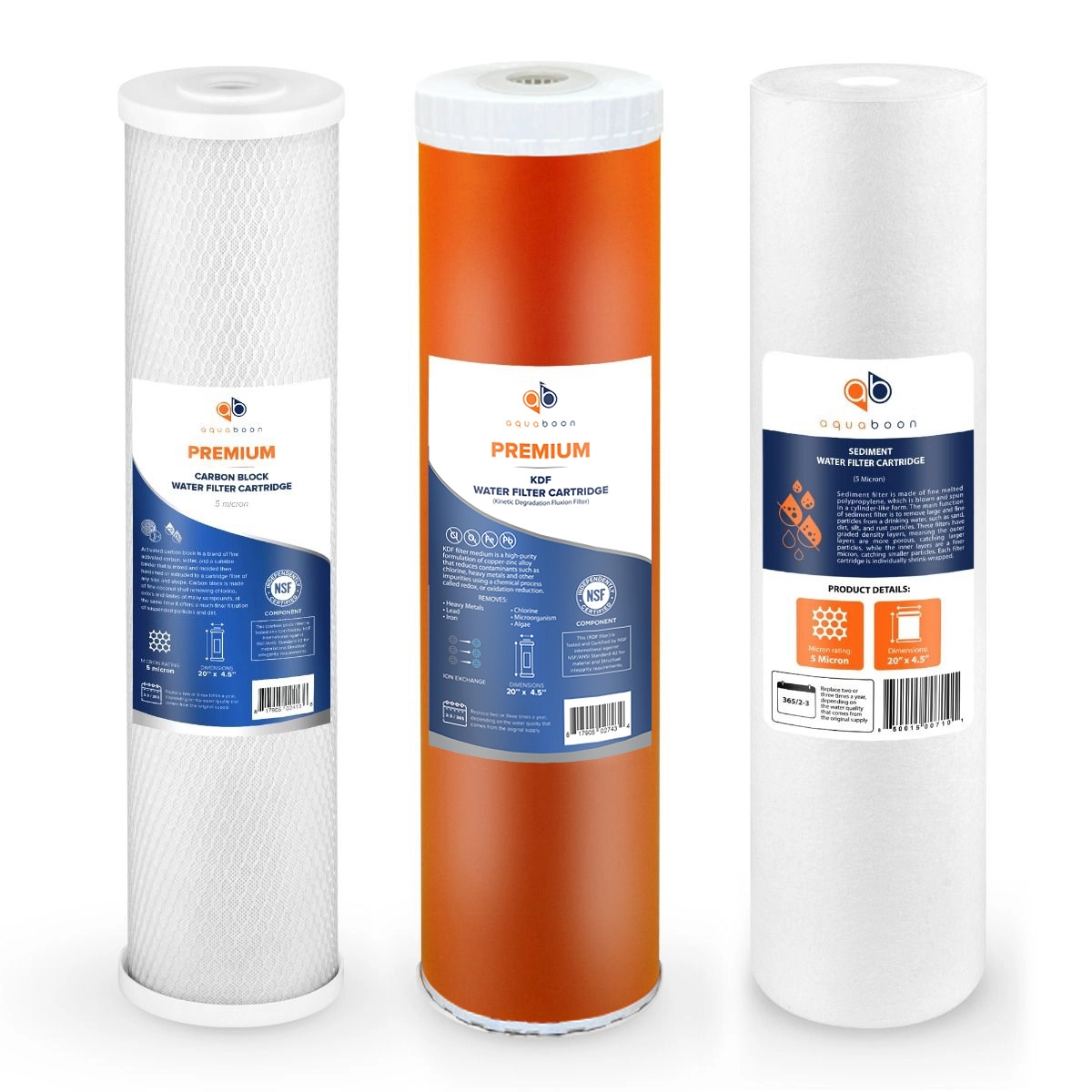
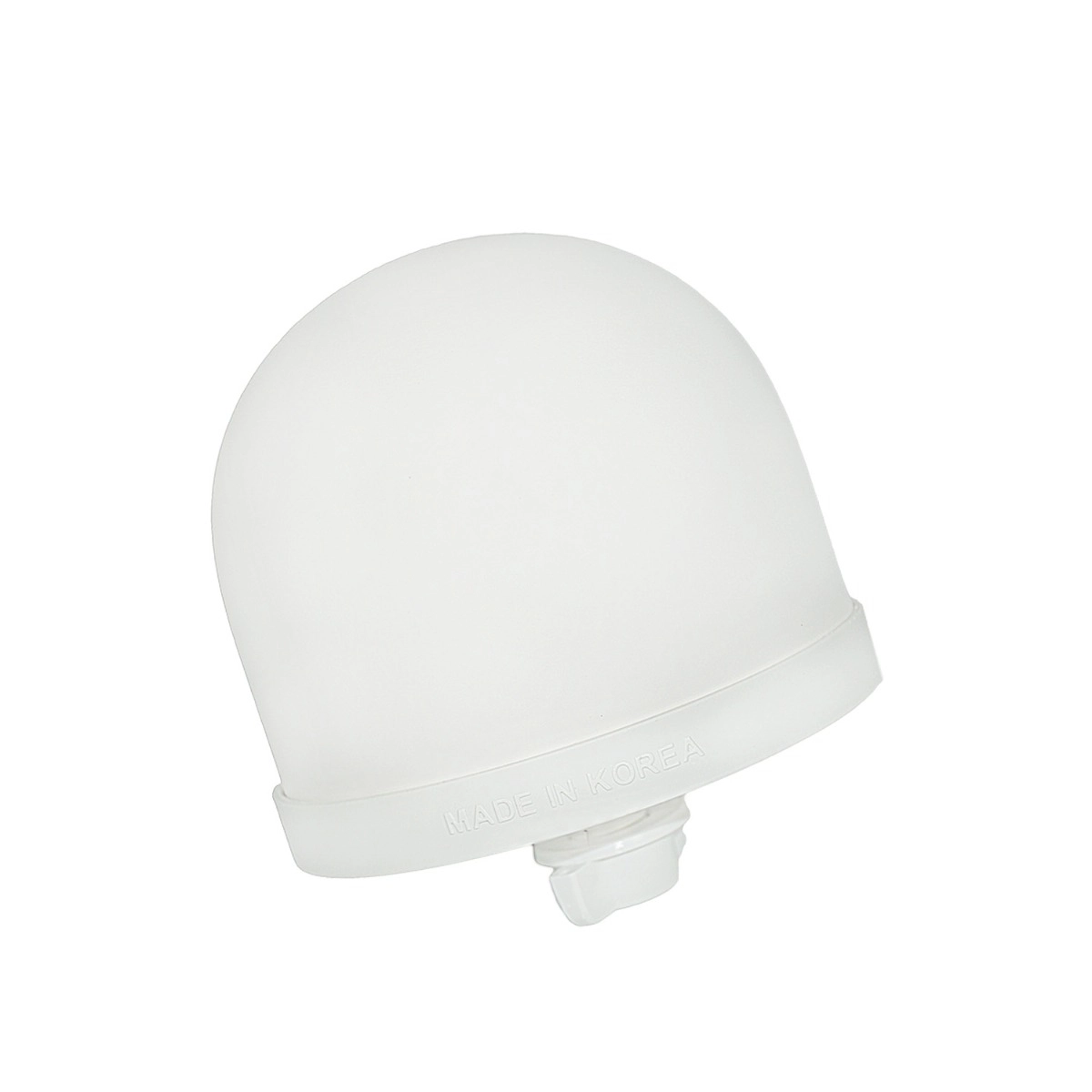
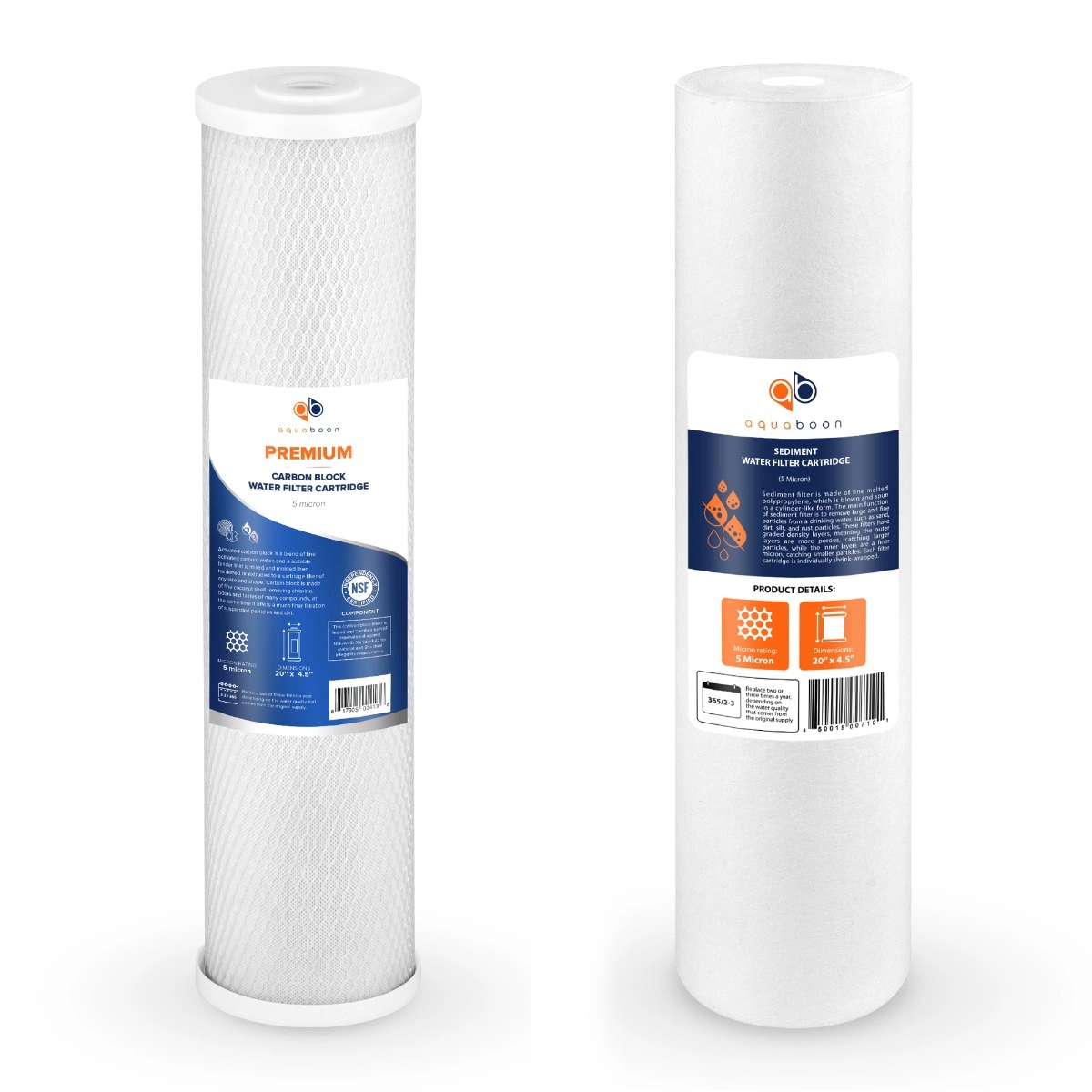
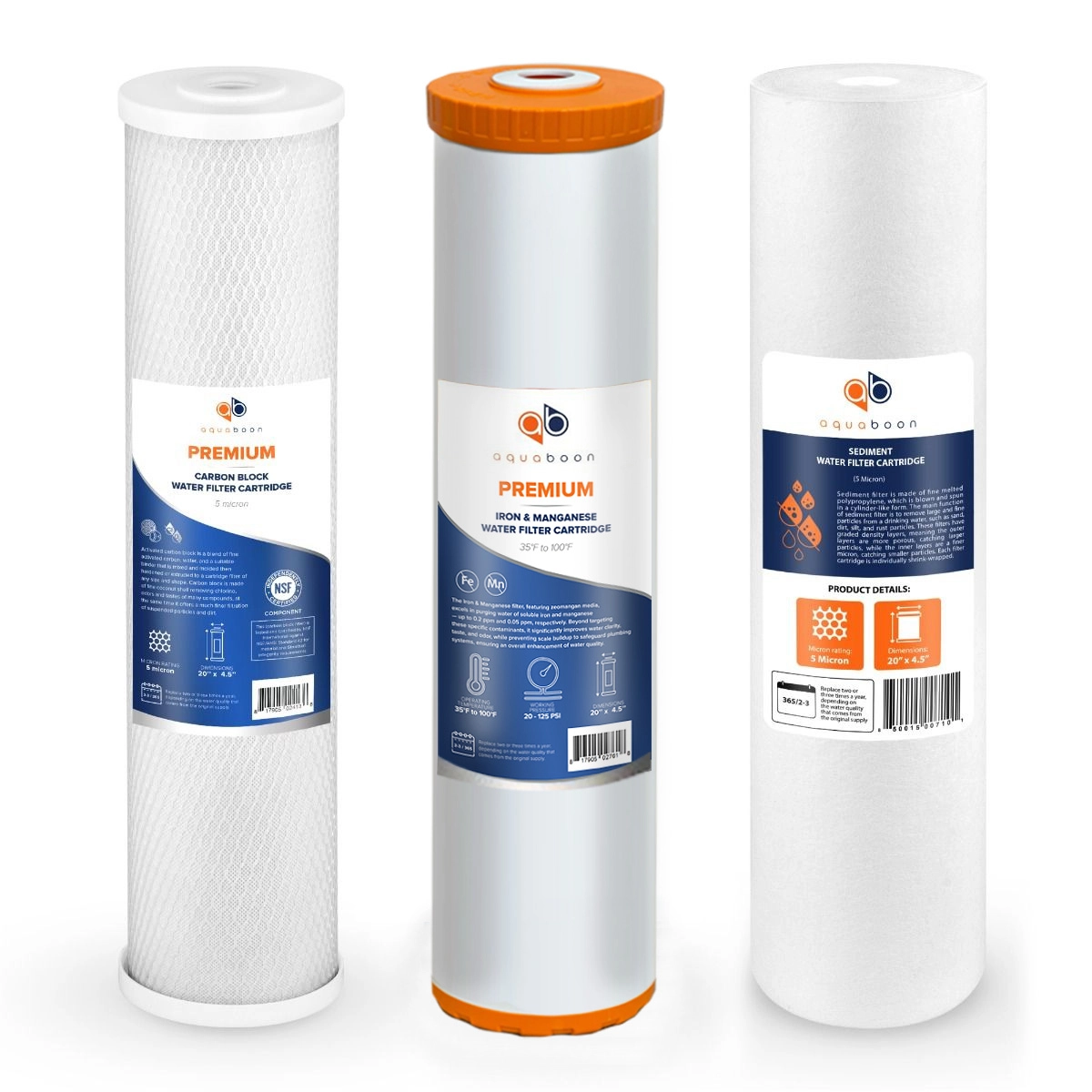
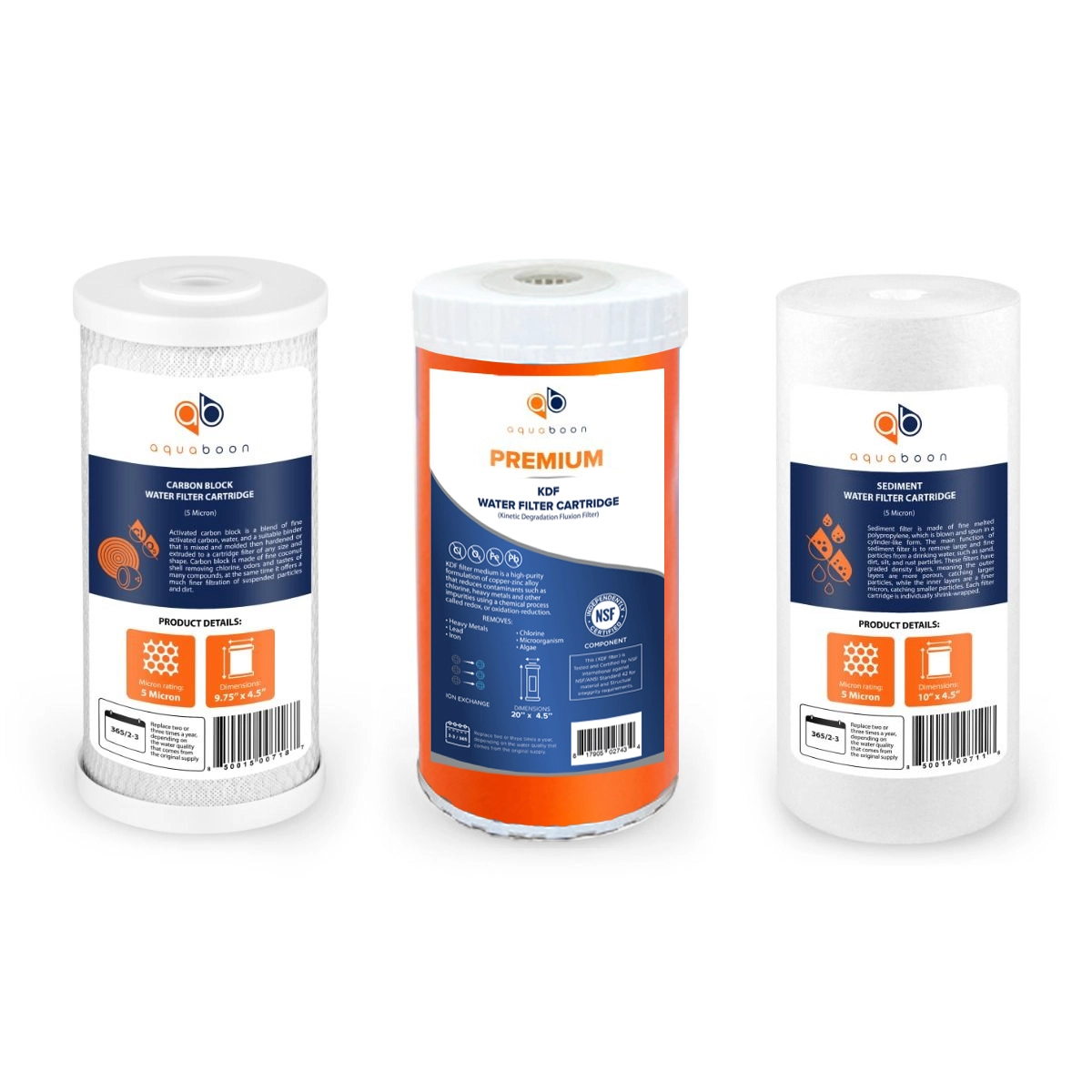
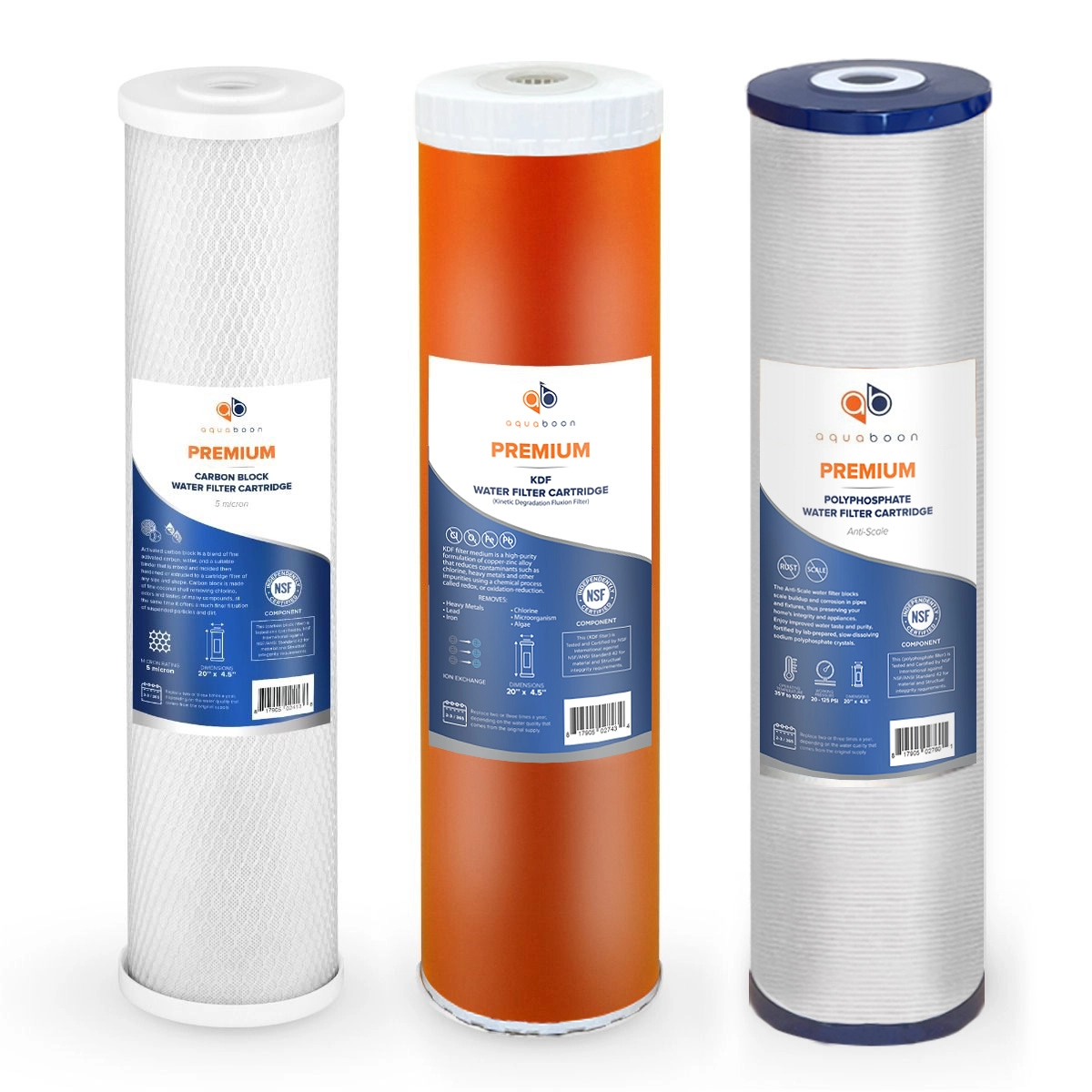
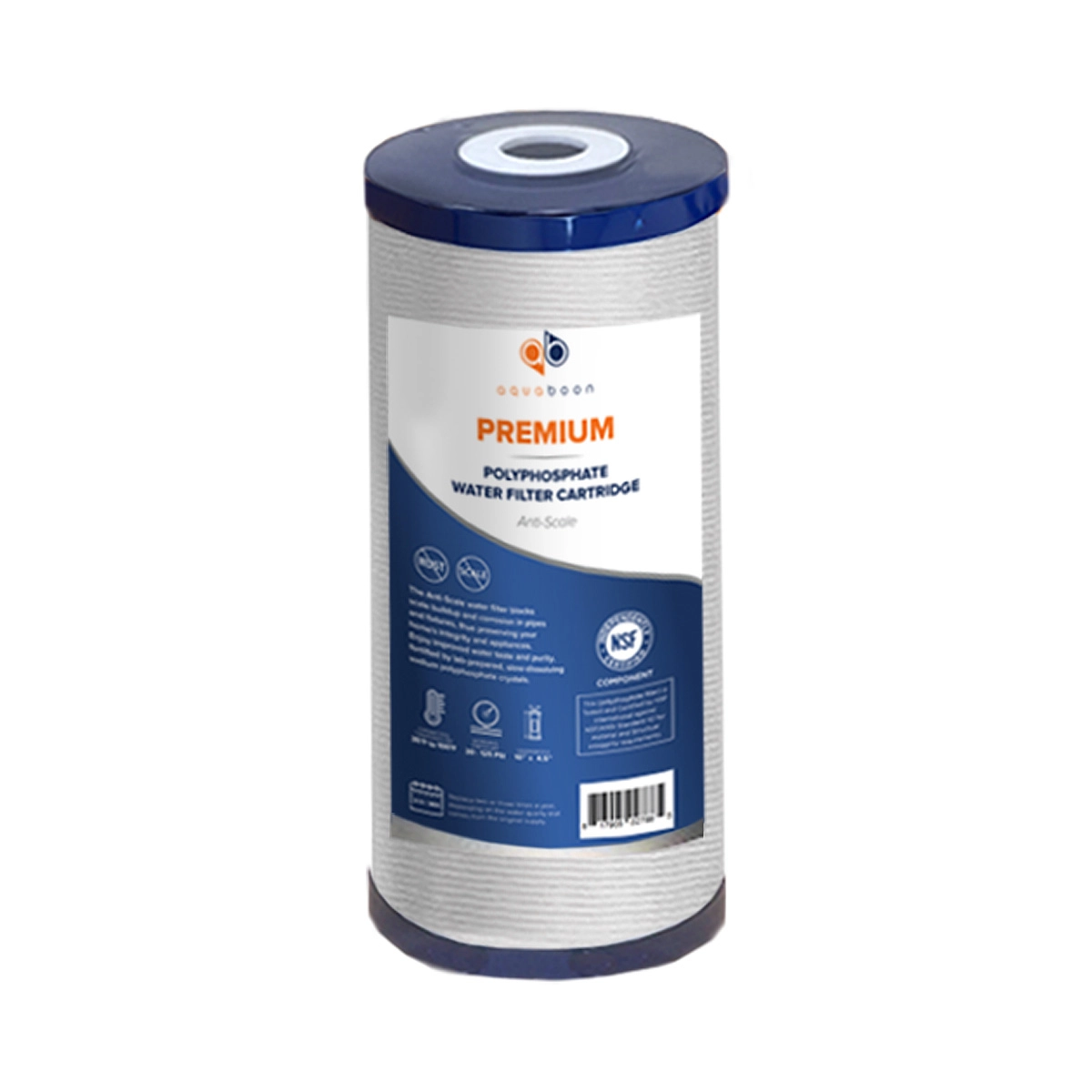
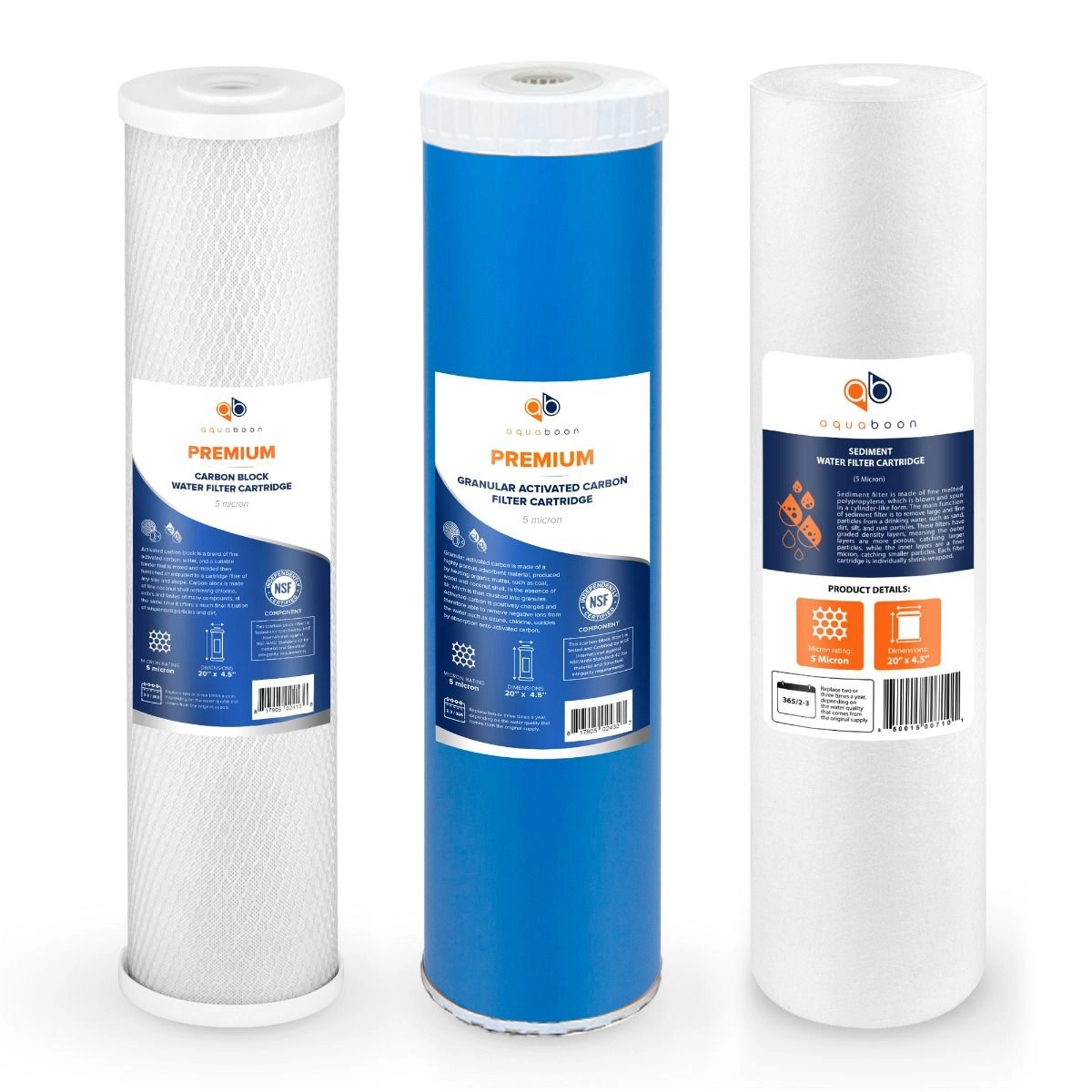
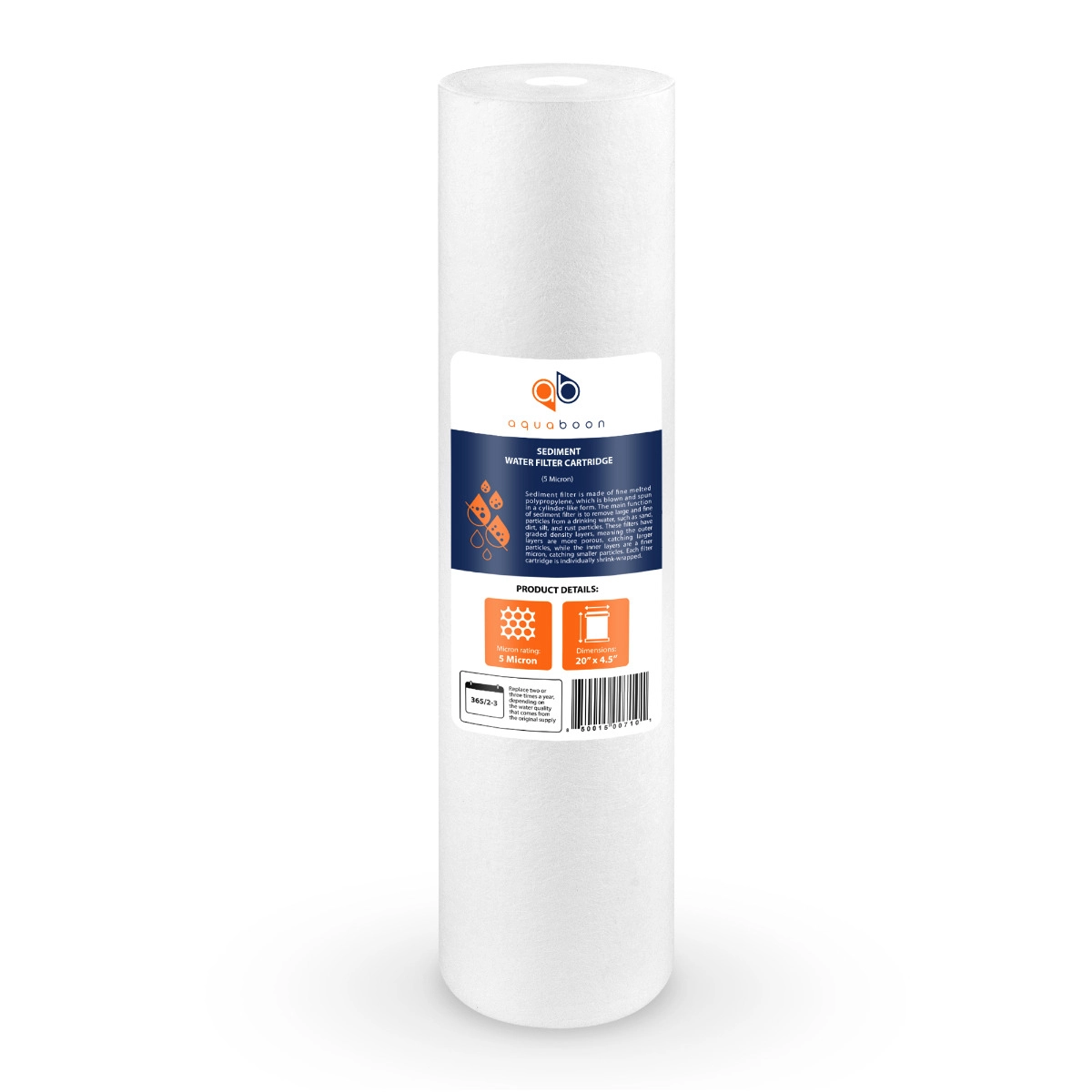
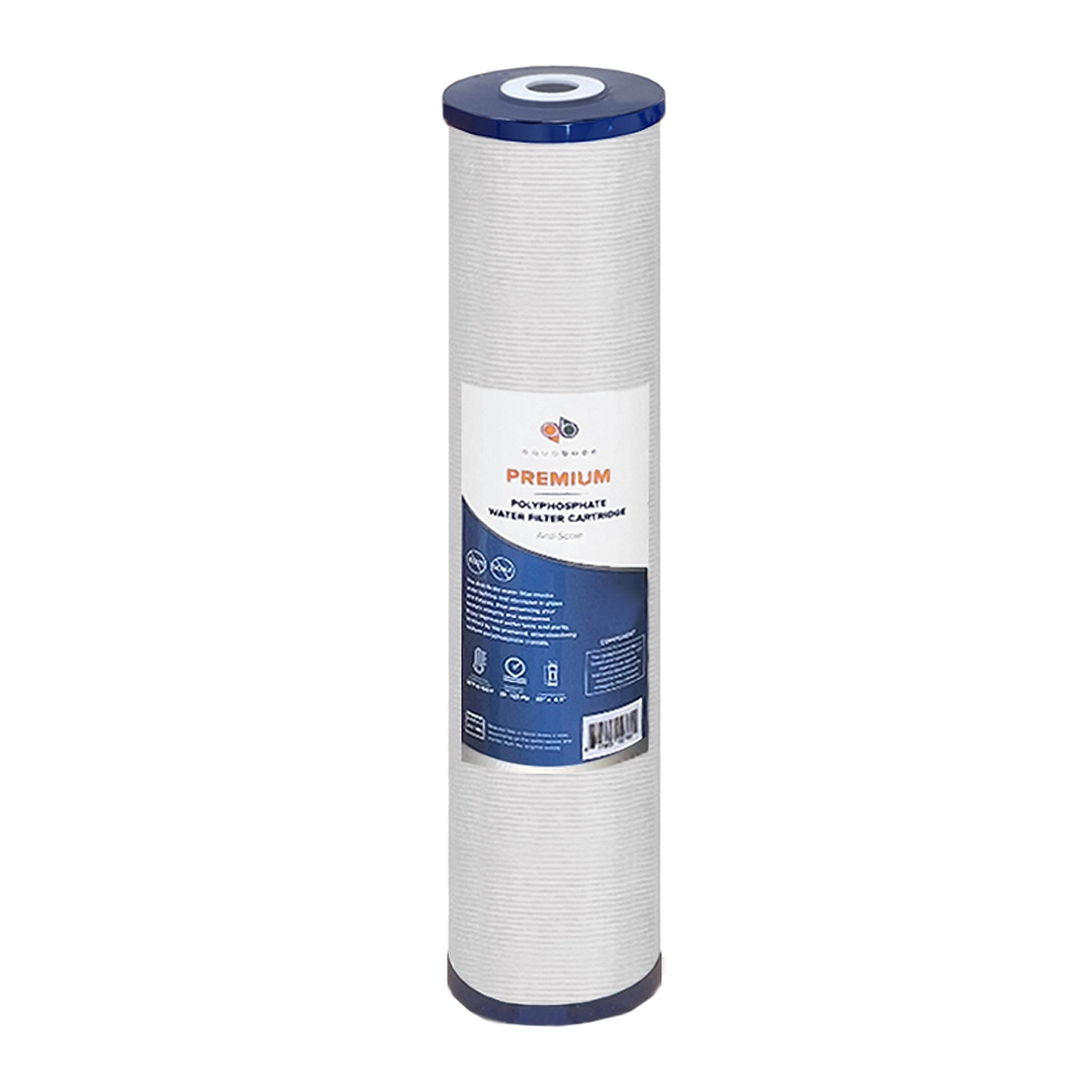
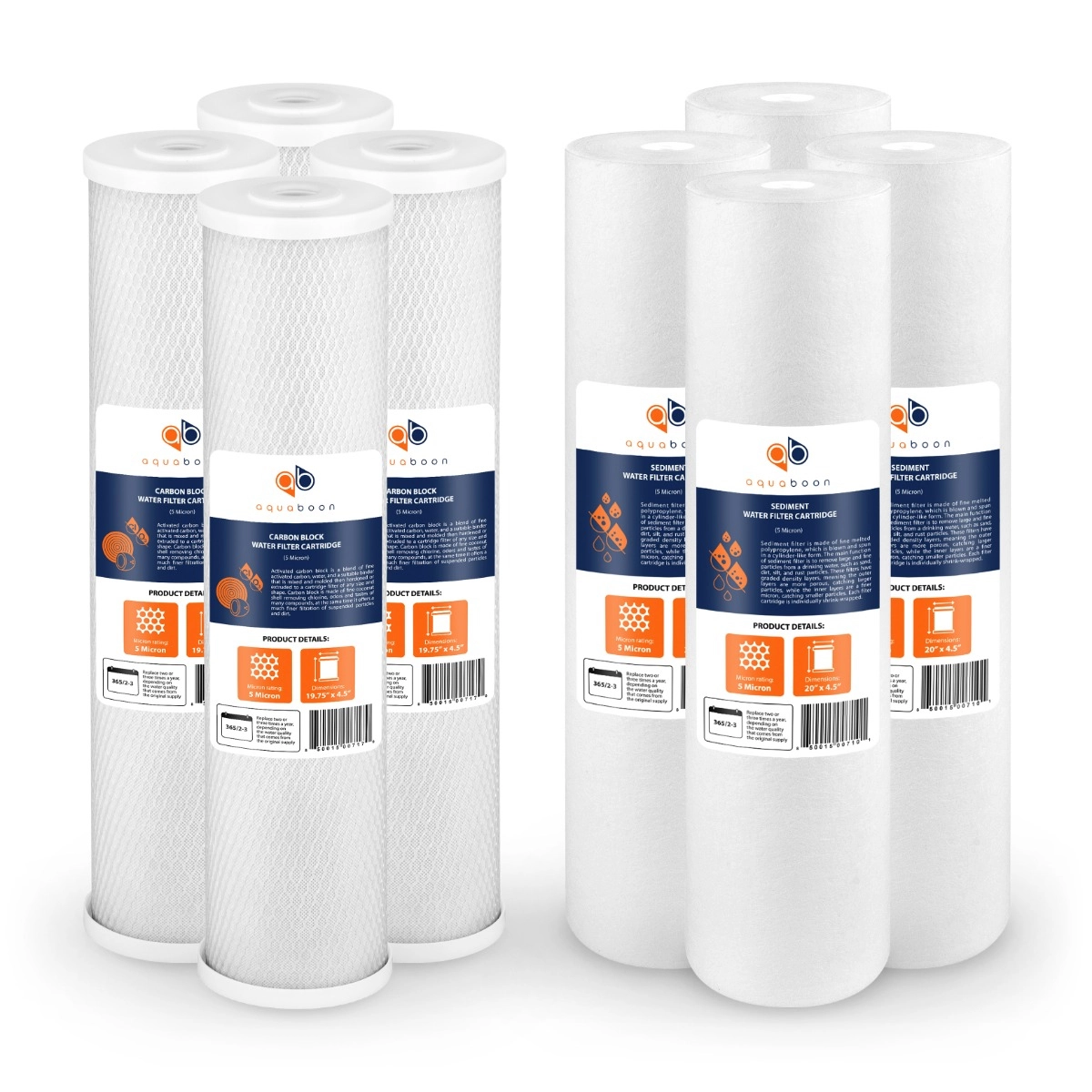
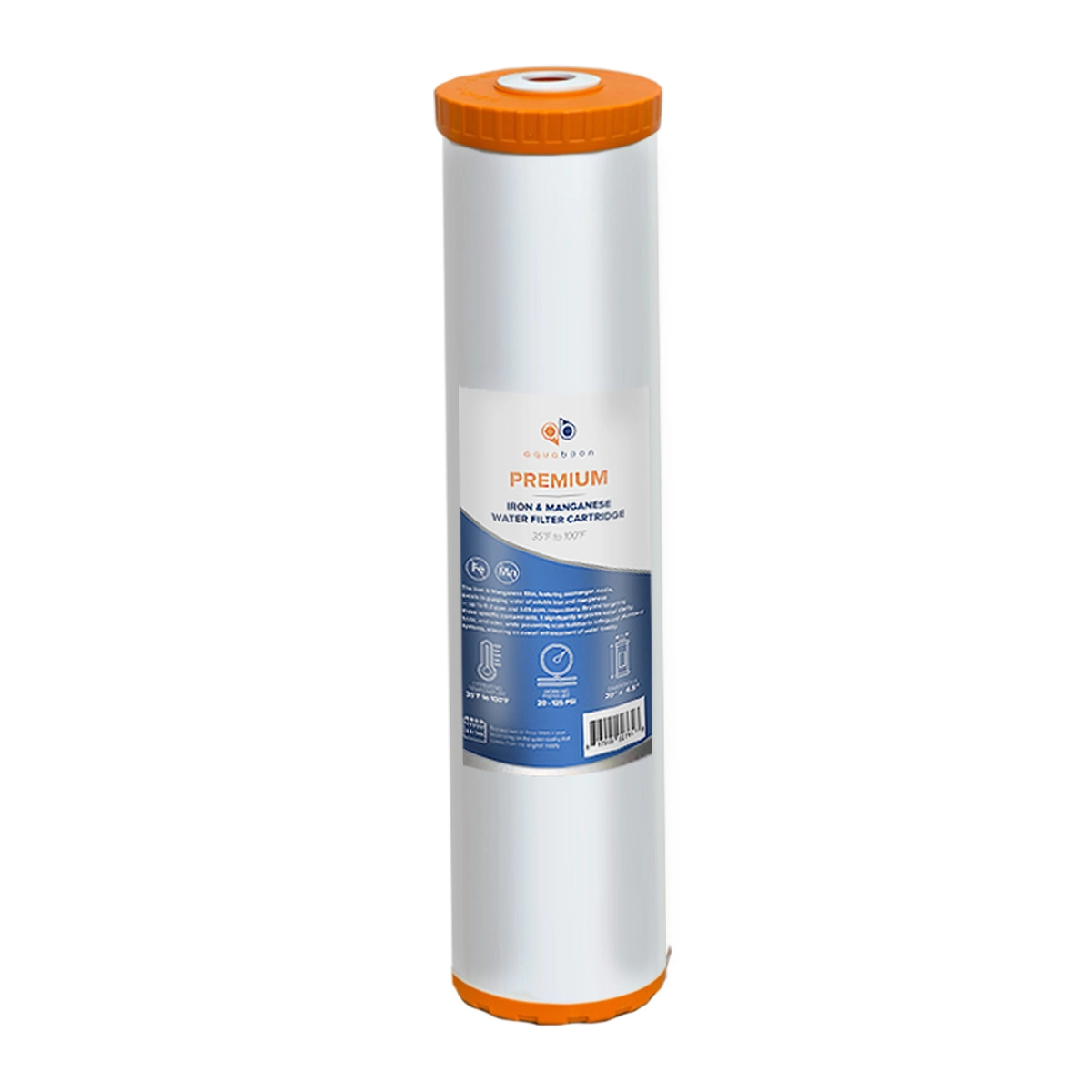
Shop replacement water filter cartridges for 10-inch and 20-inch Slim Line and Big Blue housings, plus compatible inline and reverse osmosis systems. FilterWay offers sediment, carbon, KDF, specialty cartridges, and replacement sets for different water concerns. Compare sizes, micron ratings, and specifications before ordering, with free shipping available within the continental United States.
How to Choose the Right Replacement Cartridge for Your Water Filter
The best replacement cartridge for water filter systems matches the housing, connections, flow requirements, and water concern. Find the model number on your old filter, or measure its length and diameter.
Check the micron rating: a 1-micron filter traps finer particles than a 5-micron option but can clog sooner. Choose sediment media for particles, carbon for chlorine taste and odor, or specialty media for a tested concern.
Common water filter cartridge sizes are listed below. Dimensions are nominal; actual cartridge dimensions and end-cap designs can vary.
|
Cartridge size (inches) |
Common application |
Сompatible options |
|
2.5 × 10 |
Slim Line, under-sink and some RO prefilters |
|
|
2.5 × 20 |
Slim Line, higher-capacity applications |
|
|
4.5 × 10 |
10-inch Big Blue whole-house housings |
|
|
4.5 × 20 |
20-inch Big Blue, higher-flow systems |
Before buying a water filter replacement cartridge, check its seals, end configuration, pressure rating, and compatibility. Physical fit alone does not ensure proper treatment.

Cartridge Water Filters: Types and Uses
A cartridge water filter captures particles or treats specific substances through its media. No single water filter cartridge reduces every contaminant; match the type to test results and documented claims.
Sediment Filters
Sediment filter replacements: Made from spun polypropylene, these cartridges act as a barrier against sand, rust, silt, and scale. Available in various micron ratings (from 1 to 50 microns), they are essential pre-filters protecting your plumbing and finer downstream filters.
Pleated Sediment Filters
Pleated sediment filters: Featuring a folded design, these cartridges offer a significantly larger surface area. They provide higher flow rates, lower pressure drop, and can often be washed and reused, making them ideal for high-water-usage homes or well water systems.
Granular Activated Carbon (GAC)
Granular activated carbon filters (GAC): Filled with loose activated carbon granules, these are highly effective at reducing chlorine, volatile organic compounds (VOCs), and foul tastes or odors. Perfect for under-sink systems and refrigerators.
Carbon Block Filters
Carbon Block Filters: Compressed carbon blocks that offer dual action—they trap fine sediment while providing maximum chlorine and chemical reduction.
KDF Filters
KDF filters (Kinetic Degradation Fluxion): Utilizing a high-purity copper-zinc formulation, KDF media uses redox reactions to eliminate heavy metals (lead, mercury), control scale, and prevent microbial/bacterial growth inside the filter. Often combined with carbon to extend cartridge life.
Reverse Osmosis Membranes
Reverse osmosis cartridges (RO) Membranes: The ultimate filtration level, removing up to 99% of dissolved solids (TDS), heavy metals, fluoride, and microscopic impurities.
Inline Filters
Inline cartridges: Compact, self-contained filters with quick-connect fittings. Designed specifically for direct installation in refrigerators, ice makers, and coffee machines to improve beverage taste.
Iron and Manganese Filters
Iron and manganese cartridges target certain well-water metals; results depend on their chemical form and concentration.
Polyphosphate Filters
Polyphosphate cartridges help control scale; they do not remove hardness minerals.
|
Type |
Primarily reduces or controls |
Best suited for |
Planning interval* |
|
Sediment |
Sand, rust particles, silt |
Prefiltration |
3–6 months |
|
Pleated |
Suspended particles |
Higher-sediment supplies |
3–6 months |
|
GAC |
Chlorine taste and odor |
Drinking-water systems |
3–6 months |
|
Carbon block |
Chlorine; fine particles |
Drinking water, prefiltration |
3–6 months |
|
KDF |
Certain metals, chlorine |
Targeted multi-stage systems |
6–12 months |
|
RO membrane |
Dissolved solids |
Reverse osmosis drinking water |
Around 2 years |
|
Inline |
Taste and odor (carbon models) |
RO post-filter/compact systems |
6–12 months |
|
Iron/manganese |
Targeted dissolved metals |
Tested well-water problems |
3–6 months |
|
Polyphosphate |
Scale formation |
Appliance and plumbing protection |
3–6 months |
Intervals are general planning estimates, not universal product lifespans. Follow each cartridge's rated volume, service instructions, and actual water conditions.

How Long Do Water Filter Cartridges Last?
Water filter cartridge replacement frequency depends on the cartridge type, contaminant loading, daily consumption, and manufacturer-rated capacity. Sediment and carbon cartridges commonly require attention every three to six months, while some inline and specialty filters have longer schedules. Residential RO membranes often last around two years when adequately protected by prefilters.
|
What affects service life |
What it means for replacement |
|
Water quality |
Sand, iron, or high chlorine loads may exhaust media sooner. |
|
Water usage |
Higher daily flow reaches the rated gallon capacity faster. |
|
Cartridge design |
Media volume, micron rating, and treatment method affect capacity. |
|
System condition |
Poor pretreatment can shorten downstream filter or membrane life. |
For the longest-lasting replacement filters, compare rated capacity and manufacturer intervals—not cartridge size alone. Record installation dates, monitor pressure and RO TDS trends, and replace cartridges at their rated limits even if water tastes normal.
Signs It Is Time to Change Your Filter
A clogged or exhausted filter may restrict flow or lose effectiveness. Watch for five signs:
- Drop in water pressure: Faucets slow down or refrigerator dispensers take longer to fill.
- Change in taste or odor: Chlorine, metallic, or musty notes return after filtration.
- Visual cloudiness: Sediment, rust tint, or visible particles reappear in the water.
- Rapid scale buildup: Mineral deposits form more quickly on kettles, fixtures, or dishes; check whether your anti-scale media needs attention.
- System alerts: A filter-change indicator or maintenance notice appears.
For sudden water changes, especially from wells, test the water rather than assuming replacement will solve the problem.
Why Regular Filter Replacement Matters
Timely filter replacements help your system work as designed. Sediment media gradually fills with captured particles, which can reduce pressure and strain downstream filtration. Carbon media has a finite adsorption capacity; once exhausted, it may no longer provide its rated reduction of taste, odor, or specific contaminants.
Replacing prefilters on schedule can help protect an RO membrane and maintain consistent water production. Whole-house sediment cartridges also limit particulate buildup in valves and water-using appliances. Where mineral scale is the concern, use suitable anti-scale treatment rather than expecting an ordinary sediment cartridge to soften water.
Replacing water purification filters also provides a chance to inspect seals and fittings. Follow flushing instructions; maintenance is not a substitute for water testing.
Replacement Cartridge Prices and Sets
Water cartridges vary in cost by media, size, and pack quantity. Current FilterWay examples include sediment cartridges from about $9, carbon block cartridges from about $16, KDF cartridges from about $47, and RO membranes around $43 — $52. Prices vary by product and can change.
To buy water filter cartridges for a multi-stage system, compare replacement sets against individual cartridges. Sets start around $18 for selected configurations. FilterWay offers free shipping within the continental U.S.; Alaska, Hawaii, and U.S. territories are excluded.
Why Buy Replacement Cartridges at FilterWay
FilterWay helps you shop by filter size, model, brand, and water concern, making it easier to check compatible replacements across multiple brands. Selected products carry NSF/ANSI certifications; verify the exact model and certification claim on its product page or in the NSF database.
Access warranty forms and review shipping terms before ordering. Unsure about compatibility? Contact FilterWay with your filter's model number and dimensions.
Replacement Water Filter Cartridges FAQ
What are replacement filter cartridges?
Replacement filter cartridges are removable elements containing sediment, carbon, KDF, or specialty media. They fit compatible housings or sealed inline units. Replacing them at their rated limits helps maintain the intended flow and treatment performance.
How often should I replace my water filter cartridge?
Many sediment and carbon cartridges need replacement every three to six months; some inline models last six to twelve months, and RO membranes often last around two years. Follow rated capacity and manufacturer instructions; heavy use or dirty water may shorten these intervals.
How do I know which replacement cartridge fits my system?
Find the model number, then check length, diameter, seals or fittings, micron rating, and filter media. Even standard sizes are not universally interchangeable. Ask FilterWay to check compatibility if the model or measurements are unclear.
How much do replacement water filter cartridges cost?
Costs depend on media, size, and quantity. Selected sediment cartridges start near $9, carbon block options near $16, RO membranes around $43, and KDF options around $47. Sets can simplify ordering several stages together. Check current product prices before checkout.
Which replacement filters last the longest?
There is no universal winner. RO membranes often last longer than sediment or carbon prefilters, but they serve different purposes. Compare rated capacity, water conditions, and maintenance requirements. Longer life does not necessarily mean better treatment.
Can I use a cartridge from a different brand in my system?
Sometimes. Standard cartridges may be cross-compatible if seals, connections, flow ratings, and treatment requirements match. Proprietary housings may require specific filters. Always verify model-specific compatibility before purchasing, especially if the system has certified contaminant-reduction claims.
Can I clean or reuse a filter cartridge?
Most sediment, carbon, inline, and specialty cartridges are disposable. Some pleated filters can be rinsed and reused if their instructions allow it. Washing spent carbon does not restore adsorption capacity. Never reuse damaged or contaminated elements.
What do the numbers on a water filter mean?
Numbers may describe size (10 × 2.5 inches), particle rating (5 µm), or RO output (75 GPD). Other codes identify models. Micron ratings describe particle capture, not chemical removal. GPD states production under specified conditions.
Are all cartridge filters the same?
No. Cartridge filters differ in size, media, flow, and treatment purpose. Sediment filters capture particles, carbon targets taste and odor, RO membranes reduce dissolved substances, and polyphosphate media controls scale. Choose based on system specifications and your water concern.