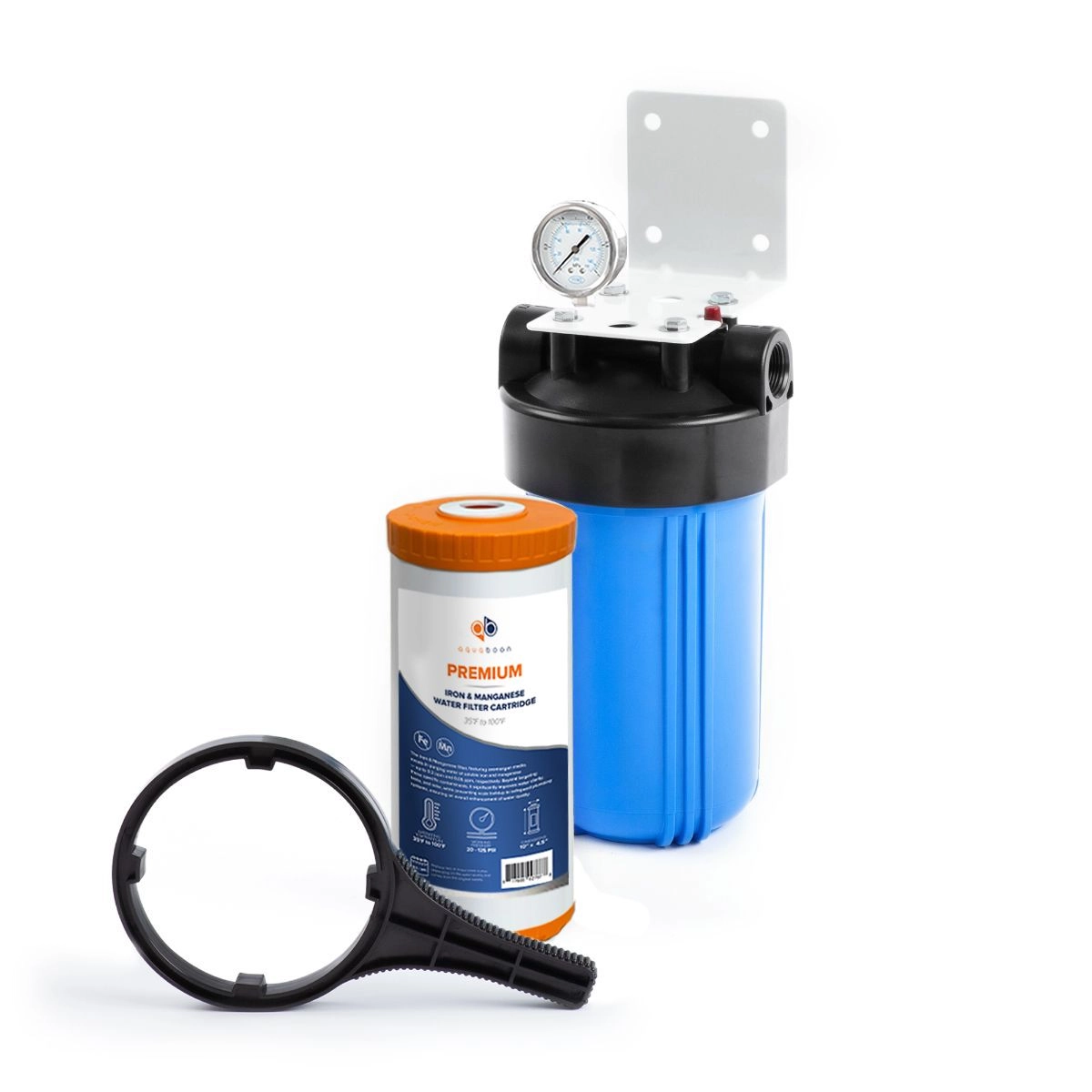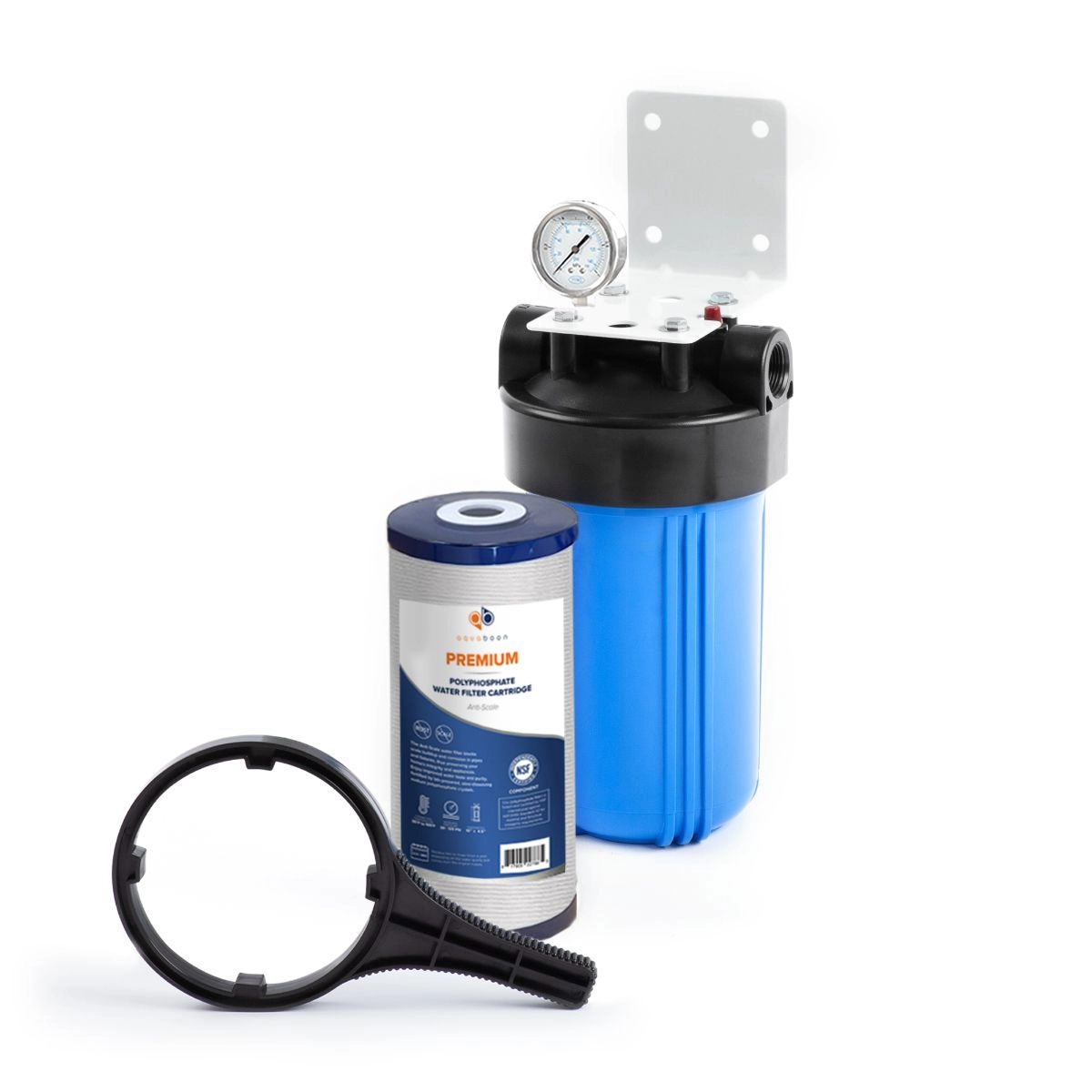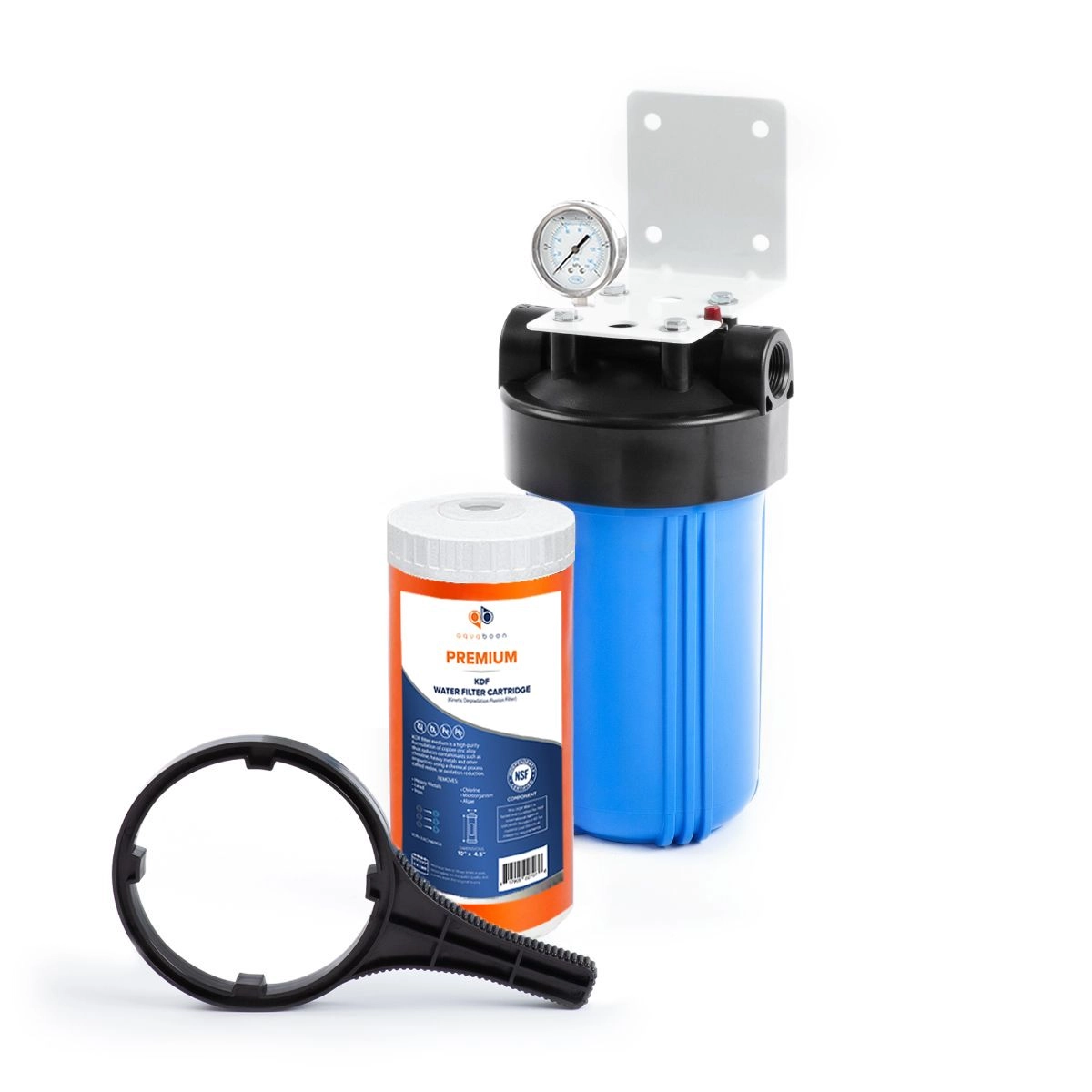




What Is Pre-Filtration?
Pre-filtration is the process of removing large particles before water enters the primary filtration or softening system. A whole house sediment filter acts as the first line of defense, capturing dirt, rust, sand, and silt. Instead of letting these contaminants overwhelm carbon cartridges or softener resin, the sediment filter prepares water for finer treatment.
Why Sediment Filters Are Essential Before the Main System
Adding a Filterway sediment filter before your main unit provides multiple benefits:
- Micron staging for efficiency: Coarse filters (50–20 micron) catch larger particles, while finer filters (5–1 micron) polish water before it reaches carbon or softeners.
- Protecting carbon blocks: Carbon cartridges clog quickly without pre-filtration. A pre filter for water filtration system ensures they filter chemicals and taste/odor, not sediment.
- Extending softener lifespan: Resin beds last longer when sediment is removed before ion exchange.
- Preventing pressure drop: Sediment buildup inside the main system reduces flow. Pre-filters maintain steady water pressure.
- Lower costs: Sediment filters are inexpensive compared to constant replacement of carbon blocks or resin.
Signs You Need a Pre-Filter
Consider installing a water sediment filter if you notice:
- Visible dirt, sand, or rust in your tap water.
- Carbon cartridges clogging or needing replacement faster than expected.
- Water softener resin fouling or reduced efficiency.
- Declining water pressure in your plumbing.
- Well water or older plumbing systems with high sediment levels.
Choosing the Right Sediment Filter & Micron Staging
The effectiveness of pre-filtration depends on choosing the right type and micron staging:
- Types:
- String wound: Durable choice for heavy well water.
- Pleated: Cleanable and reusable for high-flow applications.
- Melt-blown: Consistent, disposable option for everyday use.
- Micron staging:
- 50–20 micron → First stage, removes coarse sand and grit.
- 10–5 micron → Middle stage, catches fine rust and dirt.
- 1 micron → Final polish, protects RO membranes, carbon, or resin.
This staged approach prevents fine filters from clogging too quickly and balances flow with protection.
Housing Placement & System Design
Correct housing placement is just as important as the filter itself:
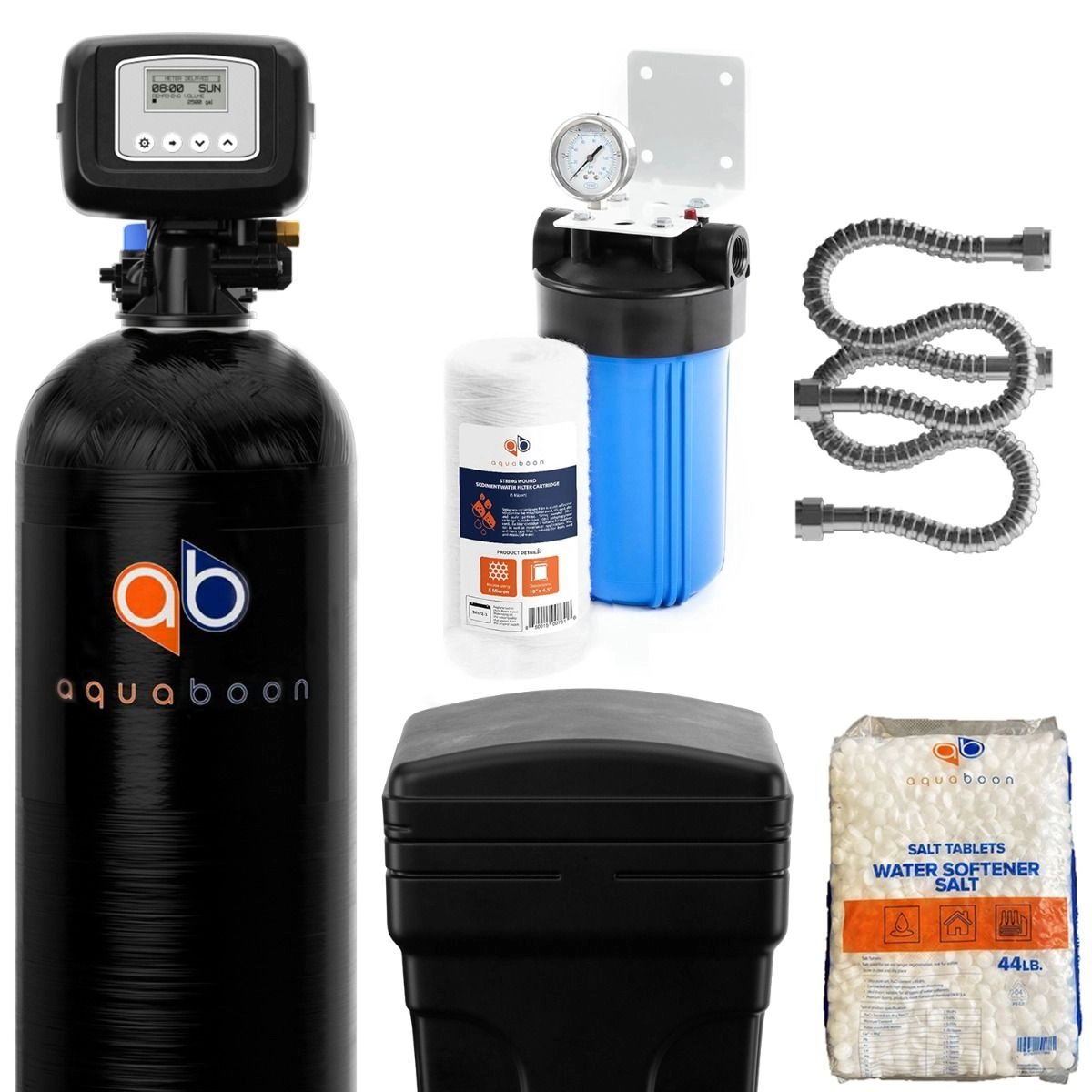
- Whole house systems: Place the sediment pre filter housing before carbon filters and softeners, ideally right after the main water line entry.
- Multi-stage systems: Arrange housings in descending micron order (coarse → fine) to prevent early clogging.
- Softener setups: Always install a sediment filter upstream of the softener to protect the resin bed.
- RO systems: Use a sediment filter as the first stage before carbon blocks and the membrane.
Proper housing placement ensures every component works at maximum efficiency.
How Pre-Filtration Extends the Life of Your Main System
With correct micron staging and housing placement:
- Carbon filters last 2–3× longer since they only target chlorine, chemicals, and odors.
- Softeners regenerate less often and resin lasts longer without sediment fouling.
- RO membranes stay protected against clogging.
- Maintenance costs drop since sediment cartridges are cheaper and easier to replace than main filters or resin.
Whole House Systems-

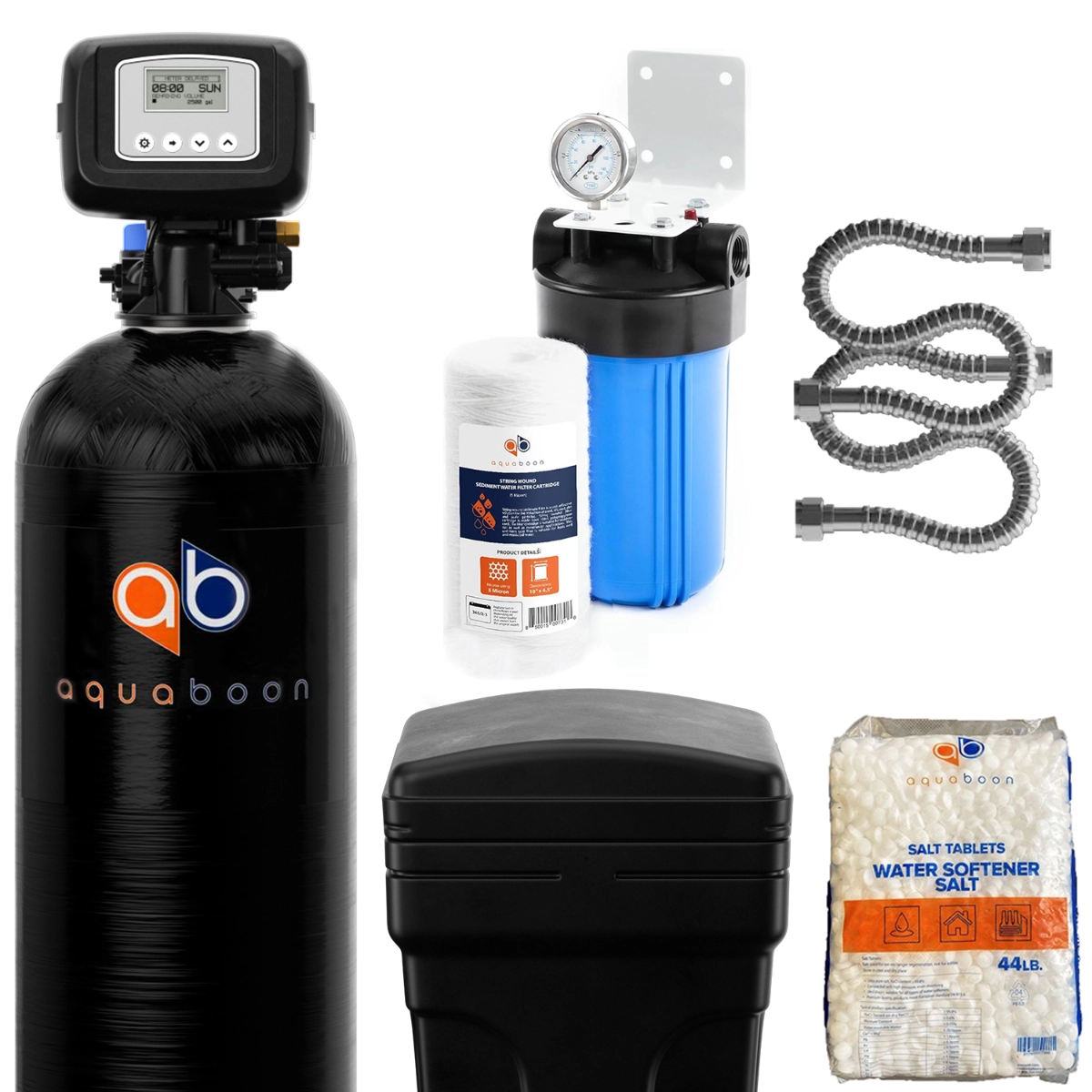
Filterway Recommendations & Best Practices
At Filterway, we recommend using a Filterway sediment filter as a foundation for every system. Whether you’re installing a whole house sediment filter or point-of-use pre-filtration, following best practices makes all the difference:
- Stage filters from coarse to fine for balanced performance.
- Place housings in the correct order: sediment → carbon → softener → RO/UV.
- Replace sediment filters every 3–6 months depending on water quality.
- Select micron ratings based on water source: higher for well water, finer for municipal water.
Explore our full range of sediment filters — from string wound to pleated and melt-blown designs — all compatible with major housings and engineered to provide lasting protection for both residential and commercial water systems.
Conclusion
A strong water system doesn’t begin with carbon, RO, or softening — it begins with pre-filtration. By staging sediment filters correctly, protecting carbon blocks and softeners, and placing housings in the right sequence, you build a system that lasts longer, performs better, and saves money. Start with a Filterway sediment filter, and every stage after will thank you.
 How to Calculate the Home Water Flow Rate February 7, 2023
 Typical Residential Water Flow Rate November 10, 2022
 Best filters to remove chlorine December 9, 2022
 Carbon Block vs GAC Filters – Differences and Performance March 26, 2026
 What Happens If You Don’t Replace Water Filters on Time February 26, 2026
-