


Why Your Water Pressure Drops After Filter Replacement (And How to Fix It)
Replacing a water filter is supposed to improve water quality, not reduce water flow. Yet many homeowners notice a sudden drop in water pressure immediately after installing a new filter. This can affect showers, faucets, and appliances, making it feel like something went wrong during installation.
In most cases, low water pressure after filter replacement is not a serious plumbing issue. It is usually caused by normal system behavior, filter selection, or minor installation details that are easy to correct. Understanding why this happens helps you fix the problem quickly and avoid unnecessary service calls.
This article explains the most common reasons water pressure drops after replacing a filter and what you can do to restore normal flow safely.
What Causes Water Pressure to Drop After Replacing a Filter?
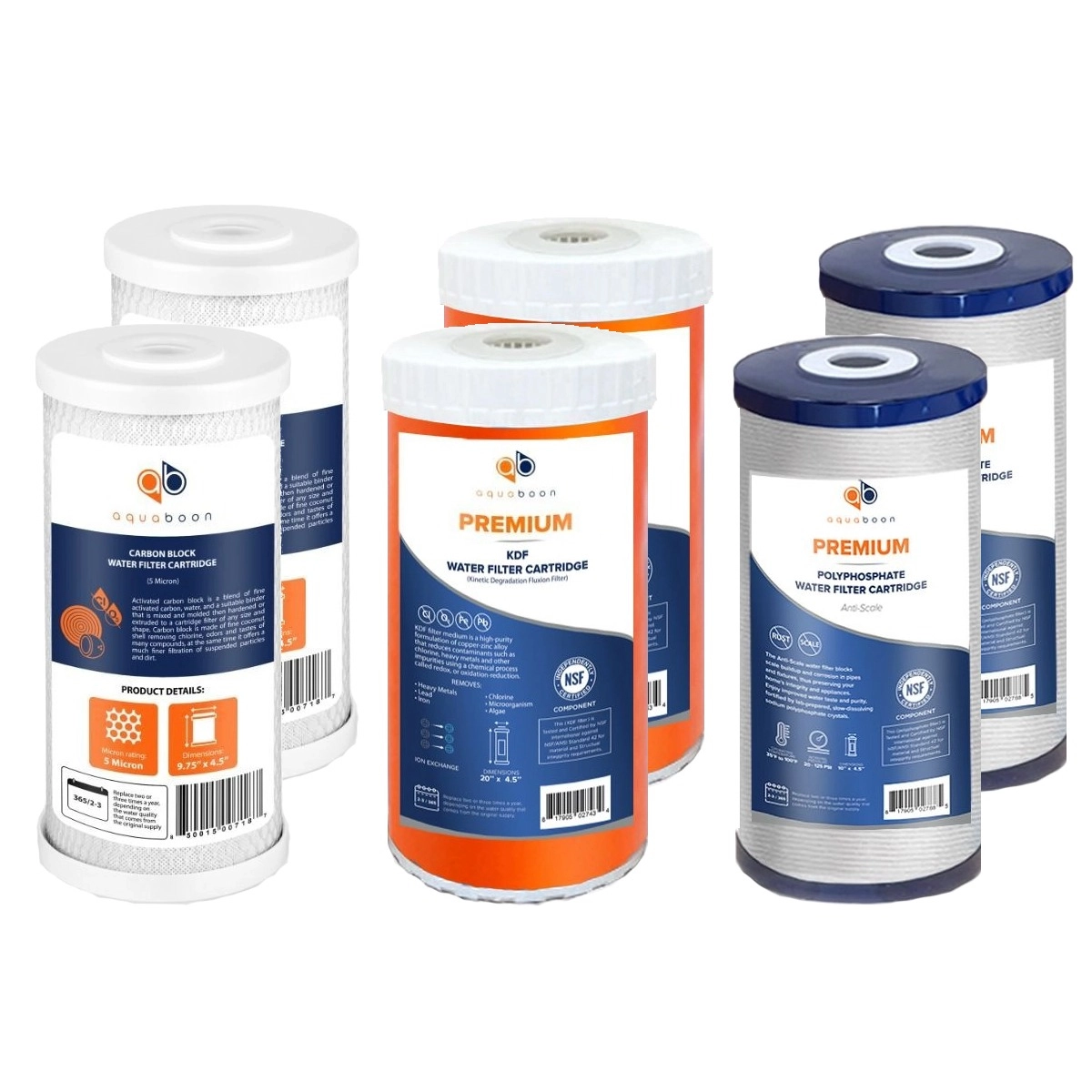
A water filter works by restricting flow just enough to trap sediment, chlorine, and other contaminants. When a new filter is installed, especially one with a fine micron rating, this resistance can be more noticeable than expected.
Some pressure reduction is normal during the first hours after installation. New filters may contain trapped air or carbon fines that need to be flushed out before flow stabilizes. In properly sized systems, this temporary drop usually resolves on its own.
However, a significant or persistent pressure drop often points to one of a few common issues: a filter that is too restrictive for the system, incorrect installation, or debris that has shifted inside the plumbing. These causes apply to whole house systems, under-sink filters, and reverse osmosis systems alike, although the symptoms may appear differently at each fixture.
Identifying whether the pressure loss is normal or a sign of a problem is the first step toward fixing it correctly.
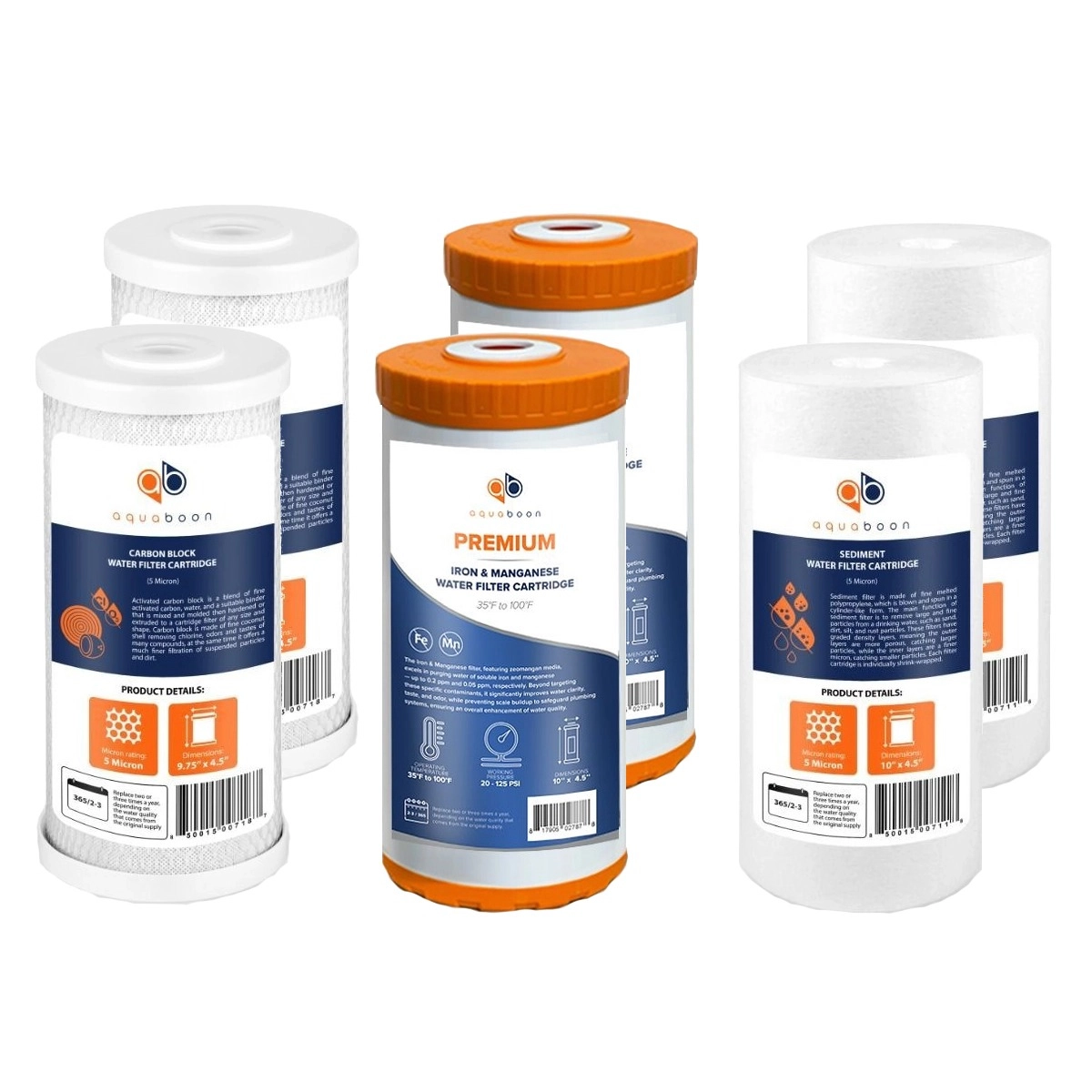
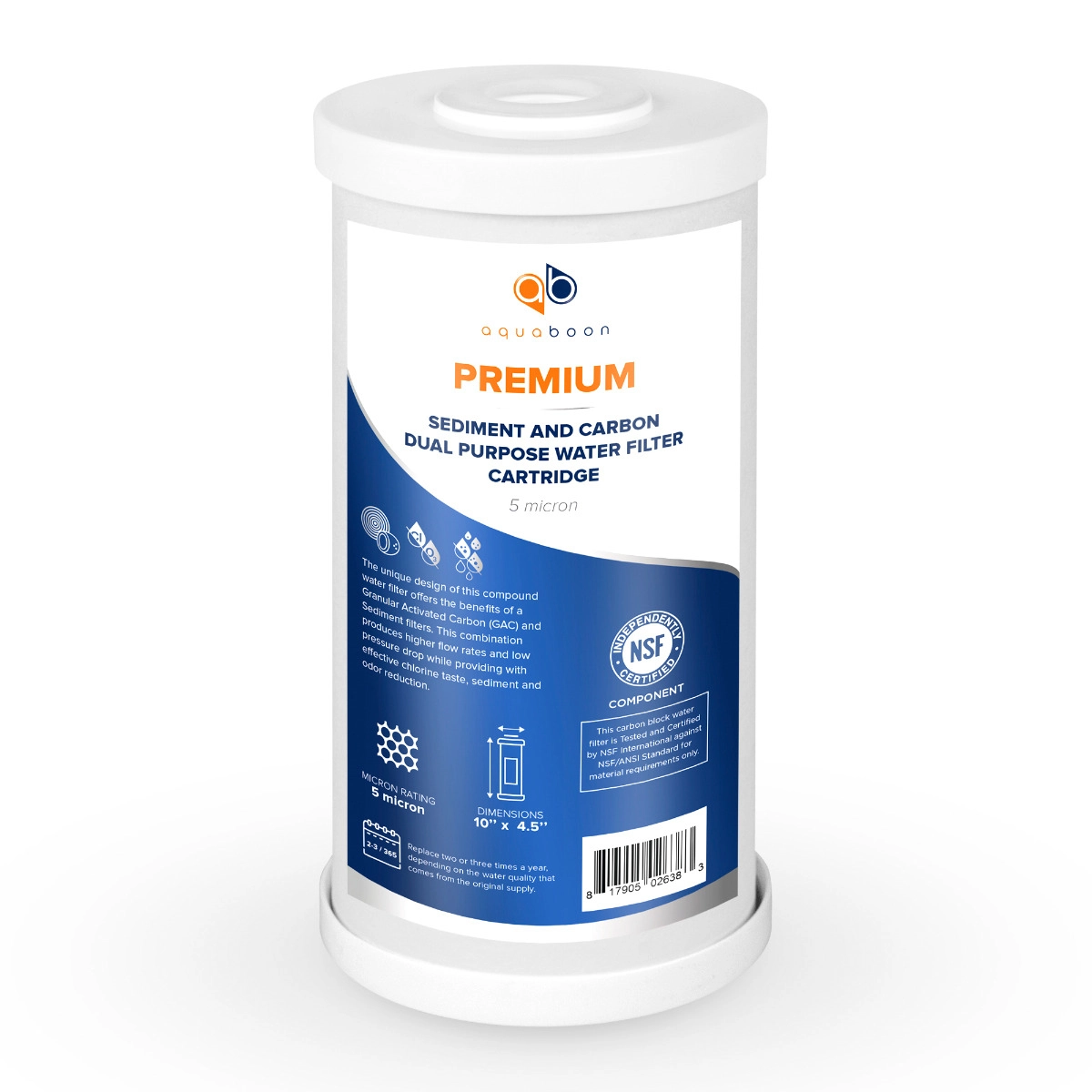
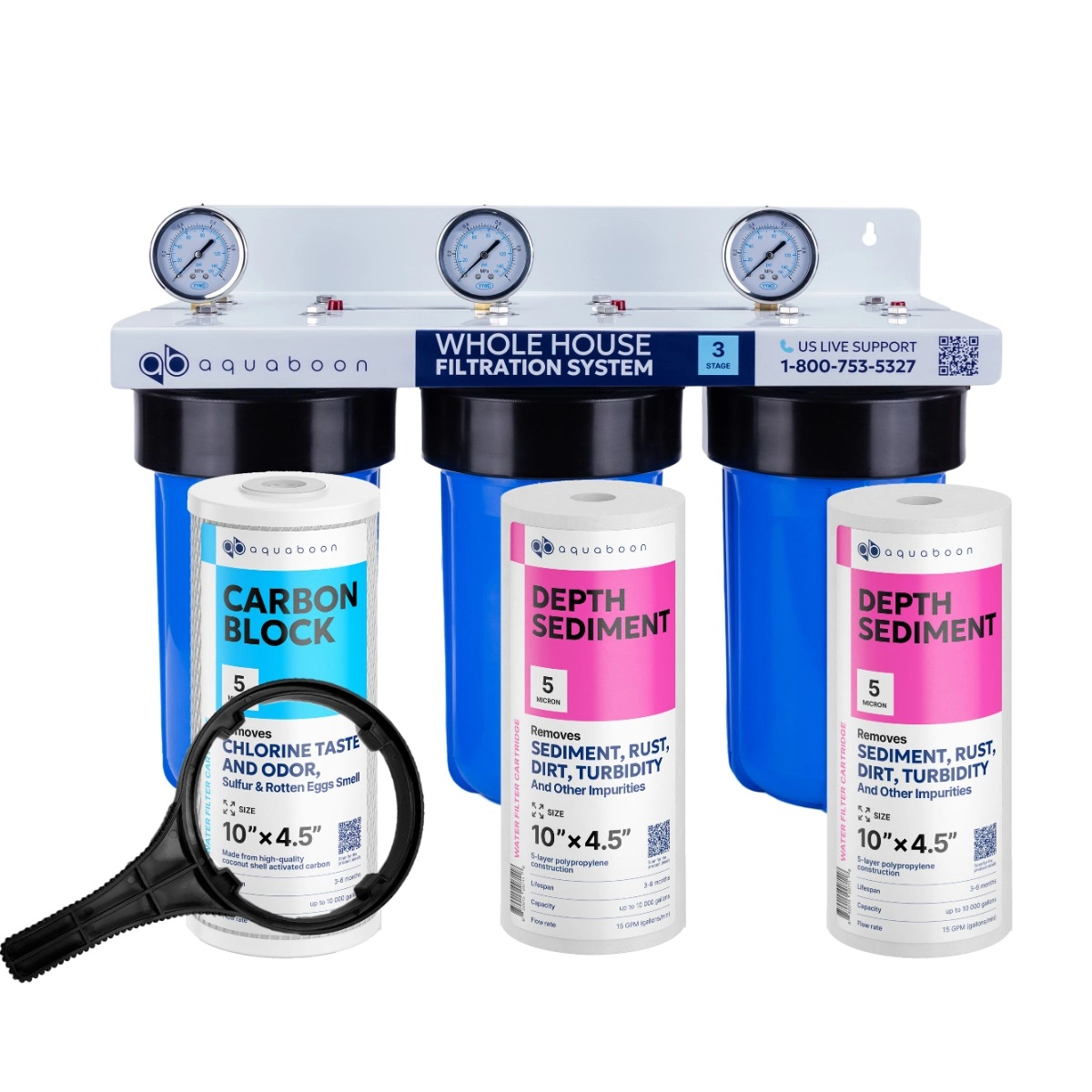
In most cases, low water pressure after replacing a filter is caused by one or more practical factors rather than a defect in the system. The solution depends on the cause, but most pressure issues can be resolved with a few basic checks. Start by flushing the filter properly. After installation, run cold water through the system for several minutes. Whole house systems may require flushing at multiple fixtures to fully remove trapped air and carbon fines. Follow the manufacturer’s recommended flush time for the specific filter type. Next, verify filter compatibility and size. Confirm that the micron rating and flow capacity match your system and household water demand. For whole house systems, higher micron ratings or staged filtration often provide better pressure balance than a single fine filter. If pressure remains low, shut off the water and reinstall the filter. Check that the cartridge is seated evenly, the flow direction arrow is correct, and the housing is hand-tightened only. Inspect the O-ring, clean it if necessary, and apply food-grade silicone lubricant before reinstalling. If pressure is low only at certain fixtures, clean faucet aerators and showerheads. Remove any visible sediment or debris, then reinstall. This step alone often restores normal pressure when the rest of the system is functioning properly. A slight pressure drop during the first 24 to 48 hours after filter replacement is usually normal, especially with carbon-based filters. During this period, air escapes from the system and filter media settles into place. Pressure should stabilize after proper flushing. If water flow gradually improves, no further action is needed. Low pressure is more likely a problem if it remains consistently reduced, worsens over time, or affects the entire house despite correct installation. In these cases, the filter may be too restrictive for the system, improperly sized, or installed incorrectly. Preventing pressure problems starts with choosing the right filtration setup. Using proper micron staging, such as a sediment filter followed by a carbon filter, helps maintain flow while protecting filter performance. Replacing filters on schedule is equally important. Allowing filters to clog beyond their recommended lifespan increases resistance and reduces pressure over time. Finally, always match filters to your household’s water usage. Systems with multiple bathrooms, appliances, or irrigation needs require higher flow capacity to maintain consistent pressure. In most cases, pressure stabilizes within a few hours after flushing. Some systems may take up to 24 hours. Yes. Carbon block filters generally provide finer filtration and create more flow resistance than granular activated carbon filters. Only if the filter is too restrictive for the system or installed incorrectly. Proper sizing prevents permanent pressure loss. It can be. Persistent pressure loss after installation may indicate a filter that is clogging quickly due to water quality or improper micron selection. A drop in water pressure after filter replacement is usually caused by normal system behavior, filter selection, or installation details rather than a serious problem. In many cases, proper flushing and simple checks are enough to restore normal flow. Choosing the right micron rating, installing filters correctly, and maintaining them on schedule helps ensure consistent water pressure and reliable filtration performance over time. Not sure which filter is right for your system? Check your filter specifications or consult a Filterway water filtration specialist to ensure proper flow and long-term performance.

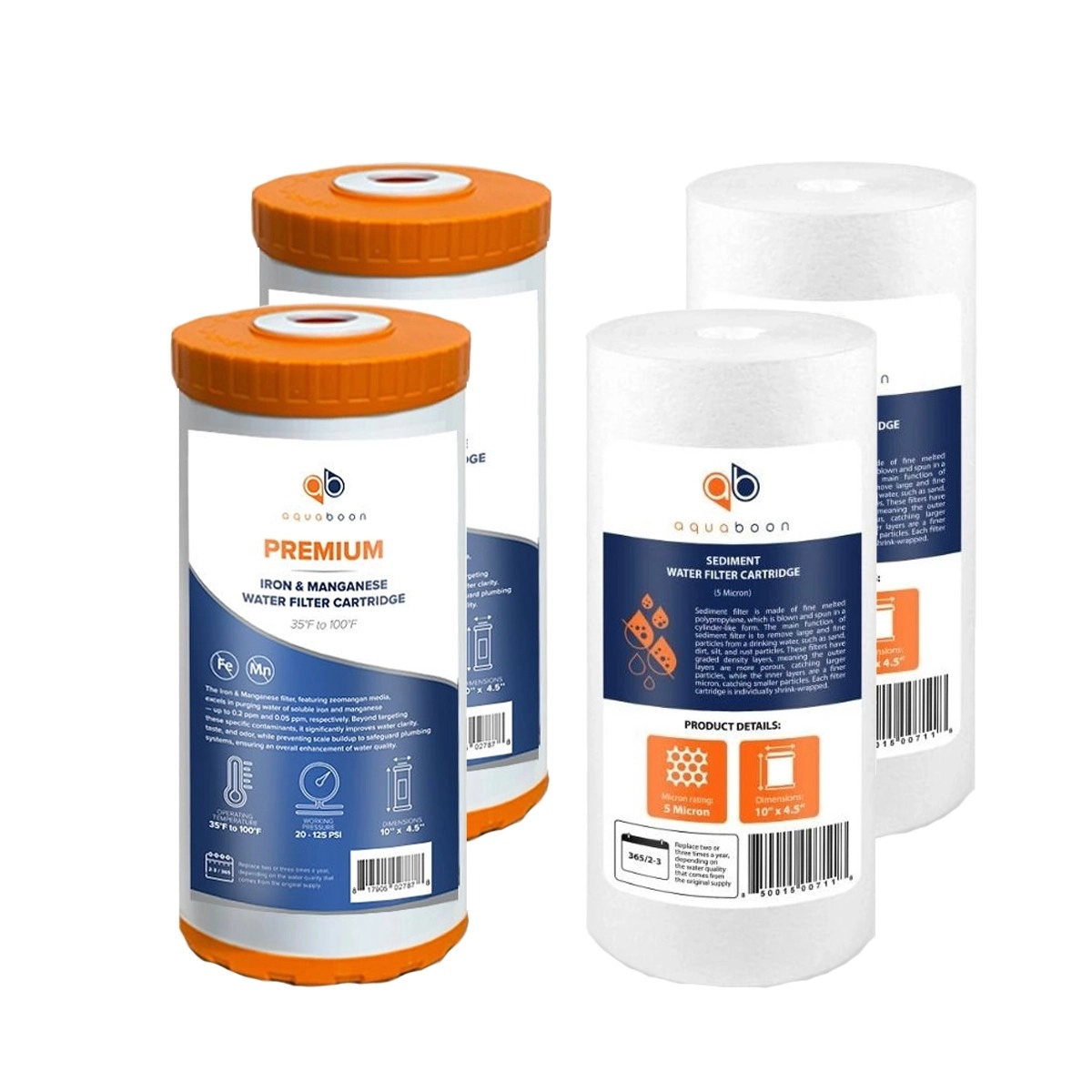
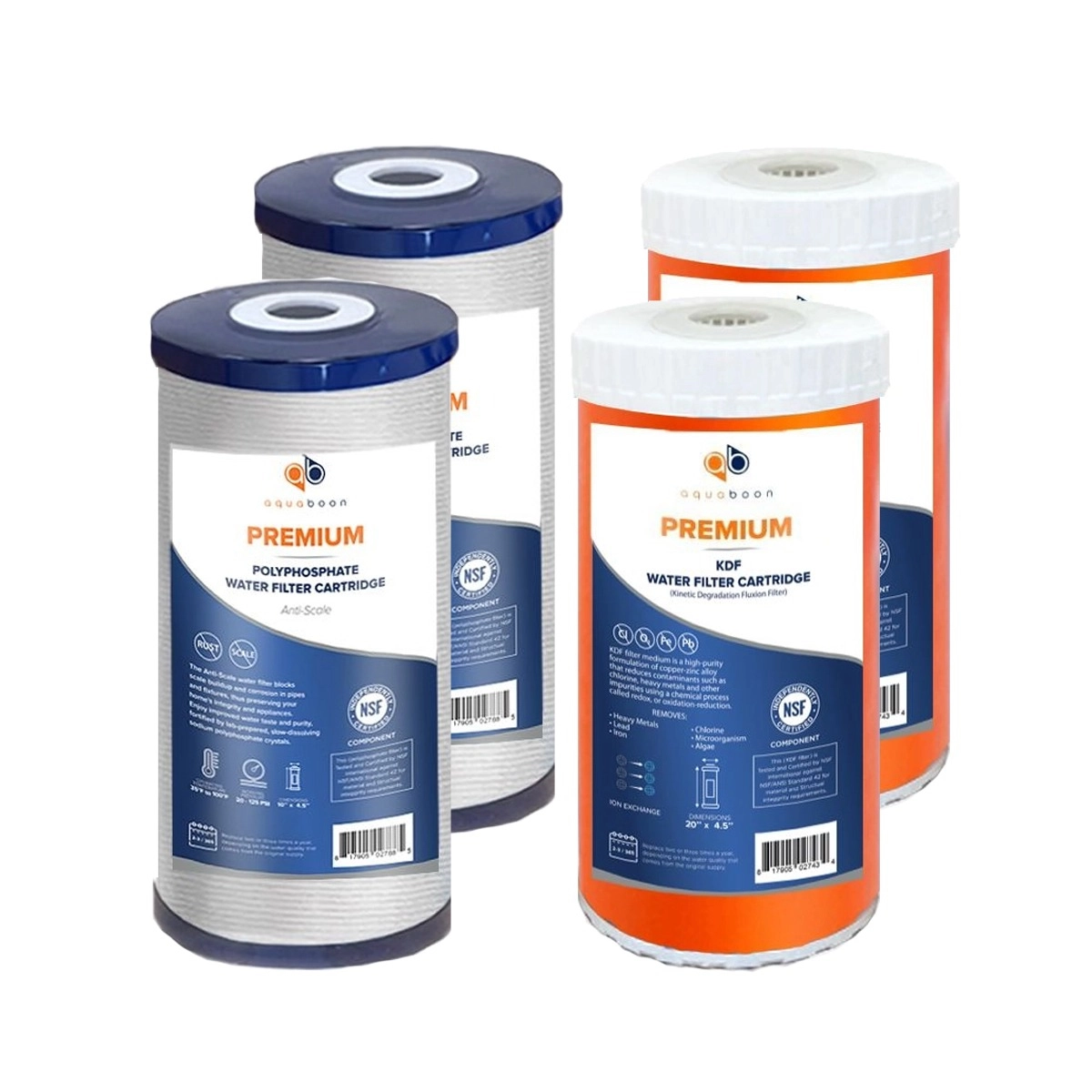
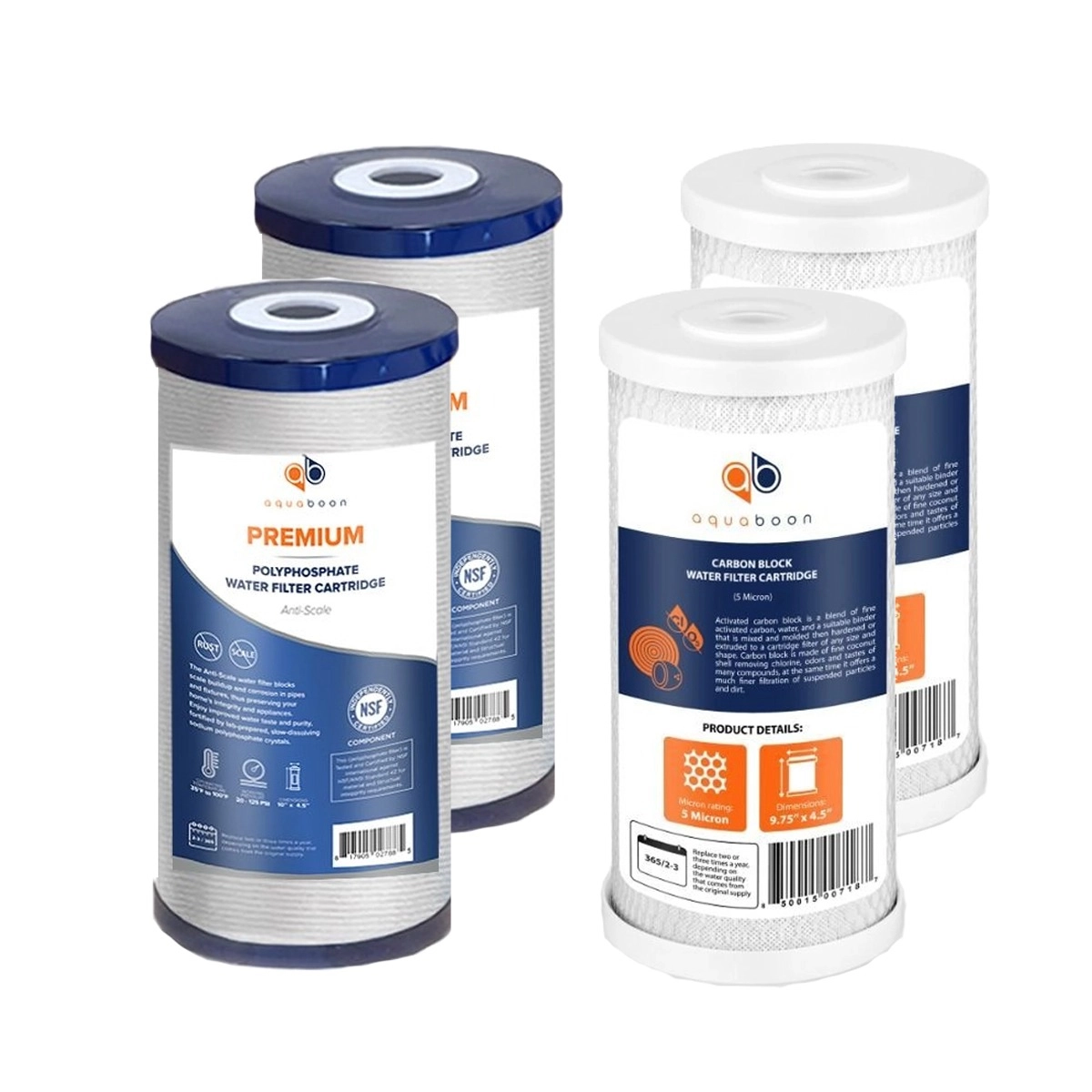
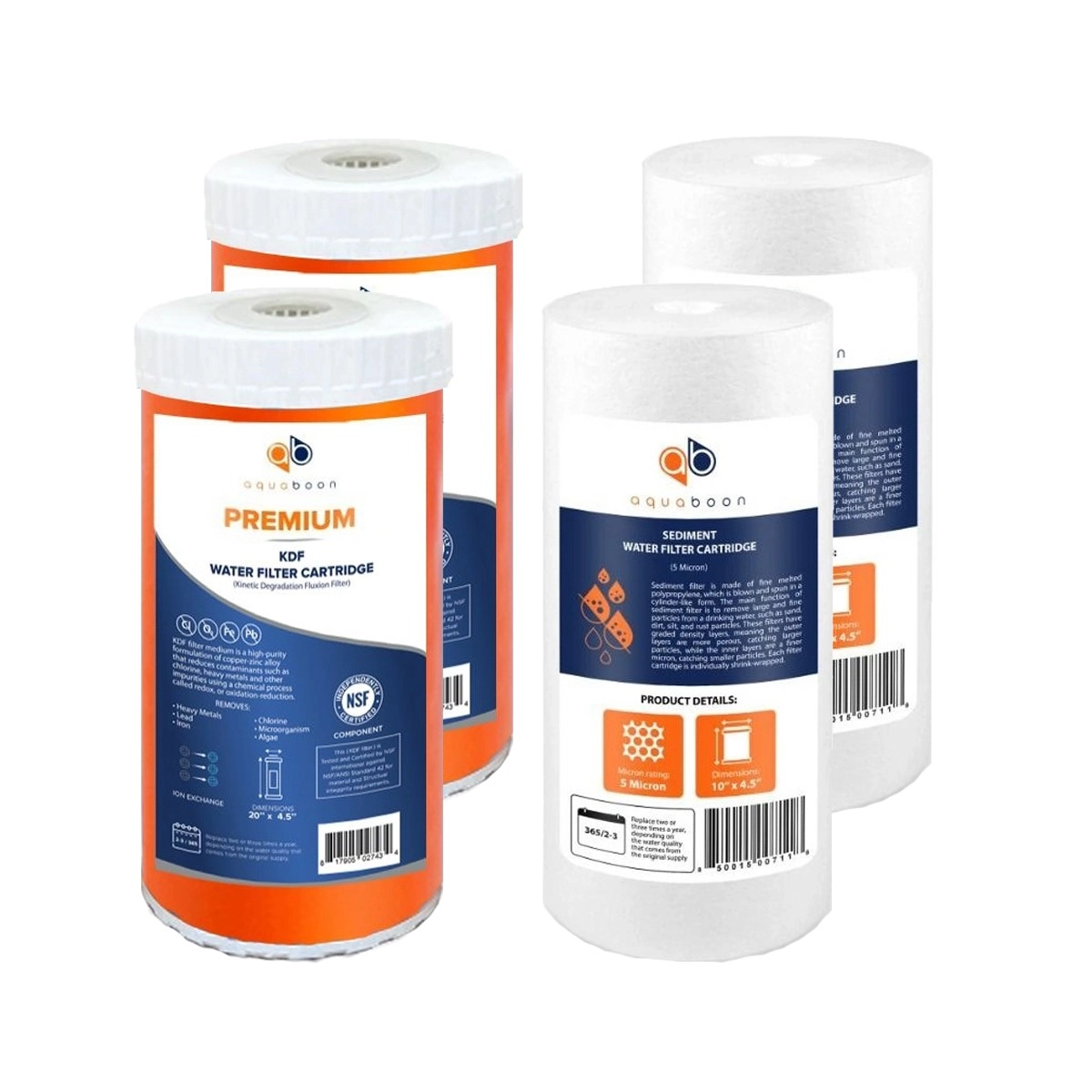
Common Reasons for Low Water Pressure After Filter Replacement
How to Fix Low Water Pressure After Installing a New Filter
When Low Water Pressure Is Normal - And When It’s a Problem
How to Prevent Water Pressure Issues in the Future
Frequently Asked Questions
How long does it take for water pressure to return to normal after replacing a filter?
Do carbon block filters reduce pressure more than GAC filters?
Can a new filter permanently lower water pressure?
Is low water pressure a sign of a clogged filter?

What Low Water Pressure After Filter Replacement Really Means