




Filter Change Frequency by Water Source: City, Well, or Mixed Supply
How often filters need to be replaced depends heavily on the source of your water. City water, well water, and mixed or blended supplies each place different mechanical and chemical demands on filtration systems. These differences directly affect filter lifespan, flow consistency, and long-term system performance.
Understanding how your water source behaves helps prevent premature clogging, loss of filtration effectiveness, and unnecessary strain on system components.
How Water Source Affects Filtration Demand
The type of water entering a home directly determines how hard a filtration system has to work. Different sources carry different combinations of chemical treatments and physical contaminants, which change the overall load on filters and influence how quickly they reach their effective limits.
City (municipal) water is treated with disinfectants such as chlorine or chloramine to control bacteria and pathogens. While this water typically contains less visible sediment, it places continuous chemical stress on carbon filters. Over time, carbon media becomes saturated internally as it absorbs disinfectants, even if the filter appears clean and water pressure remains stable.
Well water places a heavier mechanical load on filtration systems. It commonly contains higher levels of sediment, sand, silt, iron, manganese, and dissolved minerals. These contaminants physically clog sediment filters more quickly and can lead to gradual pressure loss, uneven flow, and increased wear on downstream filters if replacements are delayed.
Mixed or blended water supplies combine characteristics of both city and well water. Water quality may shift depending on seasonal changes, municipal blending, or switching between sources. This variability creates inconsistent filtration demand and often shortens replacement intervals, as filters must handle both chemical exposure and physical debris.
How Contaminants Affect Filter Lifespan
Different contaminants degrade filters in different ways:
- Sediment physically blocks filter media, reducing flow and increasing pressure drop as particles accumulate.
- Chlorine and chloramine exhaust carbon filters internally, reducing their ability to improve taste, odor, and chemical removal even before flow is affected.
- Iron and minerals accelerate clogging, contribute to scale buildup, and increase overall system strain.
Because these processes happen gradually, reduced performance is not always immediately obvious without monitoring pressure or replacement schedules.
General Replacement Guidance by Water Source
Filter replacement timing should reflect the actual conditions of the water entering the home, not just visual appearance or fixed timelines. Using properly selected replacement filter cartridges designed for specific water conditions helps maintain stable flow, protect system components, and ensure consistent filtration performance.
In city-water systems, filters are primarily stressed by continuous exposure to chlorine or chloramine. Even when water looks clear and pressure appears normal, carbon filters can reach their effective limit internally. Replacing filters on schedule is essential to maintain chemical reduction, protect downstream components, and preserve water taste and odor quality.
In well-water systems, filters face greater physical demand. Sediment filters often fill faster due to sand, rust, and mineral particles. Delayed replacement can lead to gradual pressure loss and uneven flow throughout the home. These systems typically require more frequent monitoring and shorter replacement intervals, especially in households with higher water usage.
Homes using a mixed or blended supply experience fluctuating water quality, which makes filter wear less predictable. Because both chemical and sediment loads may vary, replacement schedules should be more conservative. Monitoring pressure changes, flow consistency, and visible filter condition becomes more important than relying on fixed timelines alone.
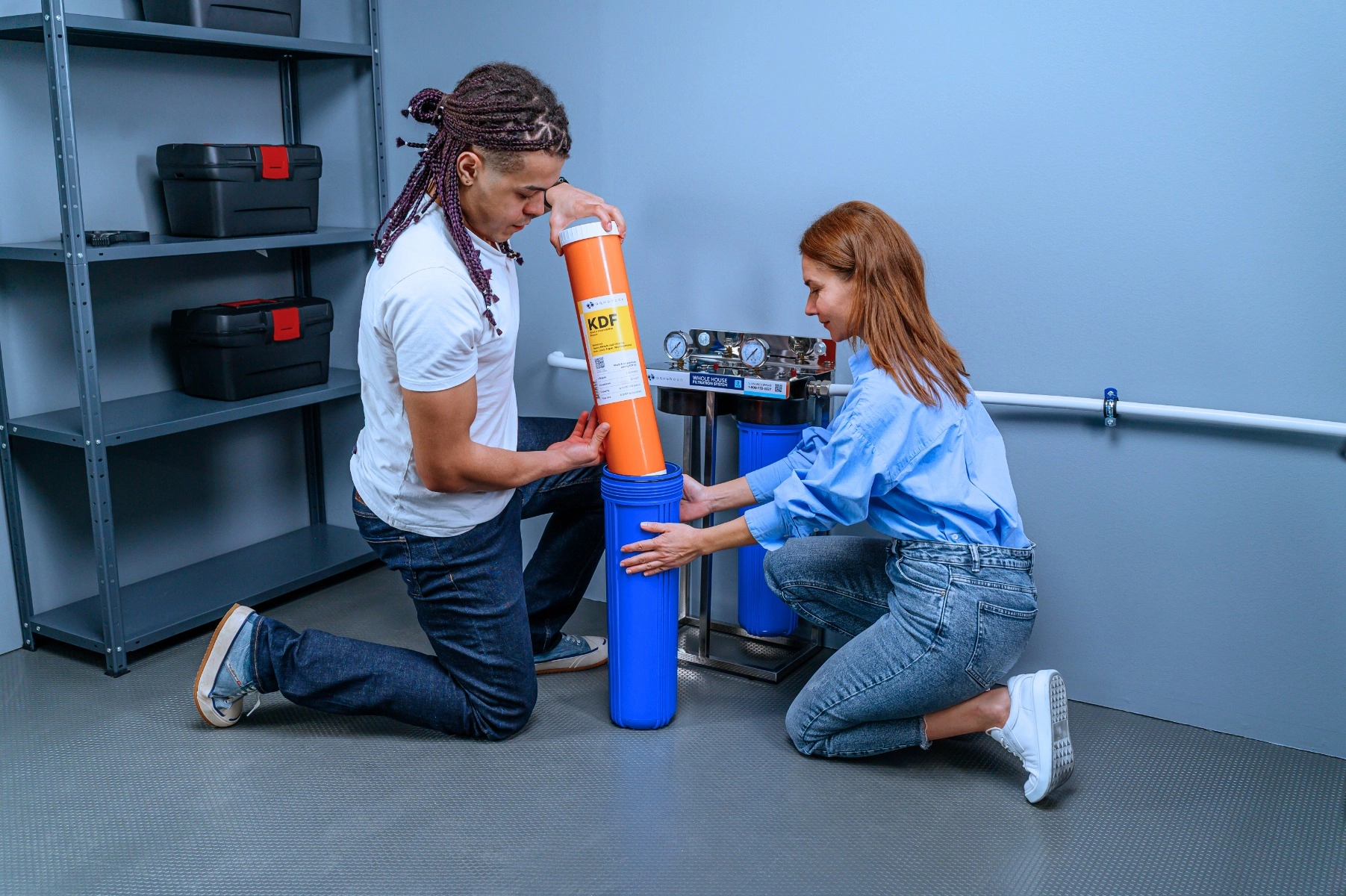
Aligning Filter Replacement with Water Source Conditions
Water source plays a major role in how long filters last and how consistently a filtration system performs. Matching filter replacement frequency to city, well, or mixed supply conditions helps maintain stable flow, effective contaminant reduction, and long-term system reliability. Choosing quality filters designed to handle varying water conditions ensures your filtration system continues to perform as intended across changing supply demands. Filterway filters are engineered to handle varying water sources and changing contaminant loads, helping homeowners maintain consistent performance and reliable filtration regardless of supply conditions.