



This guide is intended for simple self-repairs. However, if you feel unsure about handling repairs yourself, we recommend contacting a professional plumber to avoid further damage.
What You'll Need Before Starting
Make your repair faster and easier by gathering these tools and supplies ahead of time:
- Filter wrench
- Food-grade silicone grease
- Teflon tape (plumber’s tape)
- Replacement O-ring
- Clean cloths or paper towels
- Flashlight (to spot tiny cracks)
1. Troubleshooting the O-Ring: A Common Water Filter Leak Source
Why It Matters: The O-ring forms a tight seal between the filter housing and cap. If the O-ring is cracked, misplaced, or missing, water can escape.
How to Fix a Leaking Water Filter O-Ring:
- Turn off the water supply and relieve system pressure.
- Use a filter wrench to open the housing carefully.
- Remove the O-ring and inspect for flattening, cracks, or dirt buildup.
- Rinse the O-ring and the groove with clean water.
- Apply food-grade silicone grease to the O-ring before reinstalling.
- If the O-ring shows any damage, replace it with the exact match for your system.
Tip: Always keep a spare O-ring ready.
Filterway offers a high-quality replacement O-ring designed to fit most standard filtration systems - shop here.
2. Identifying Cracks in the Filter Housing or Cartridge
Why Water Filters Crack:
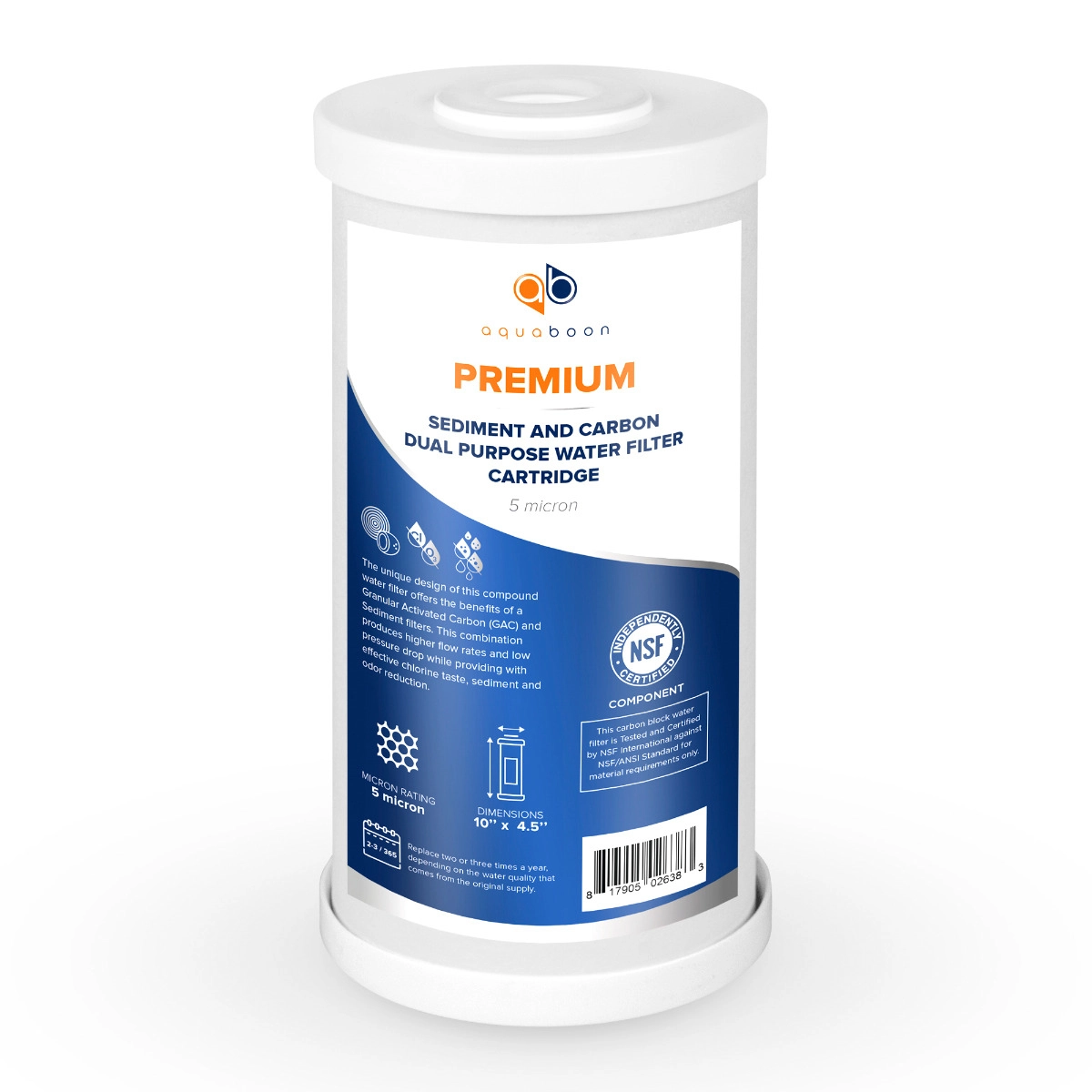
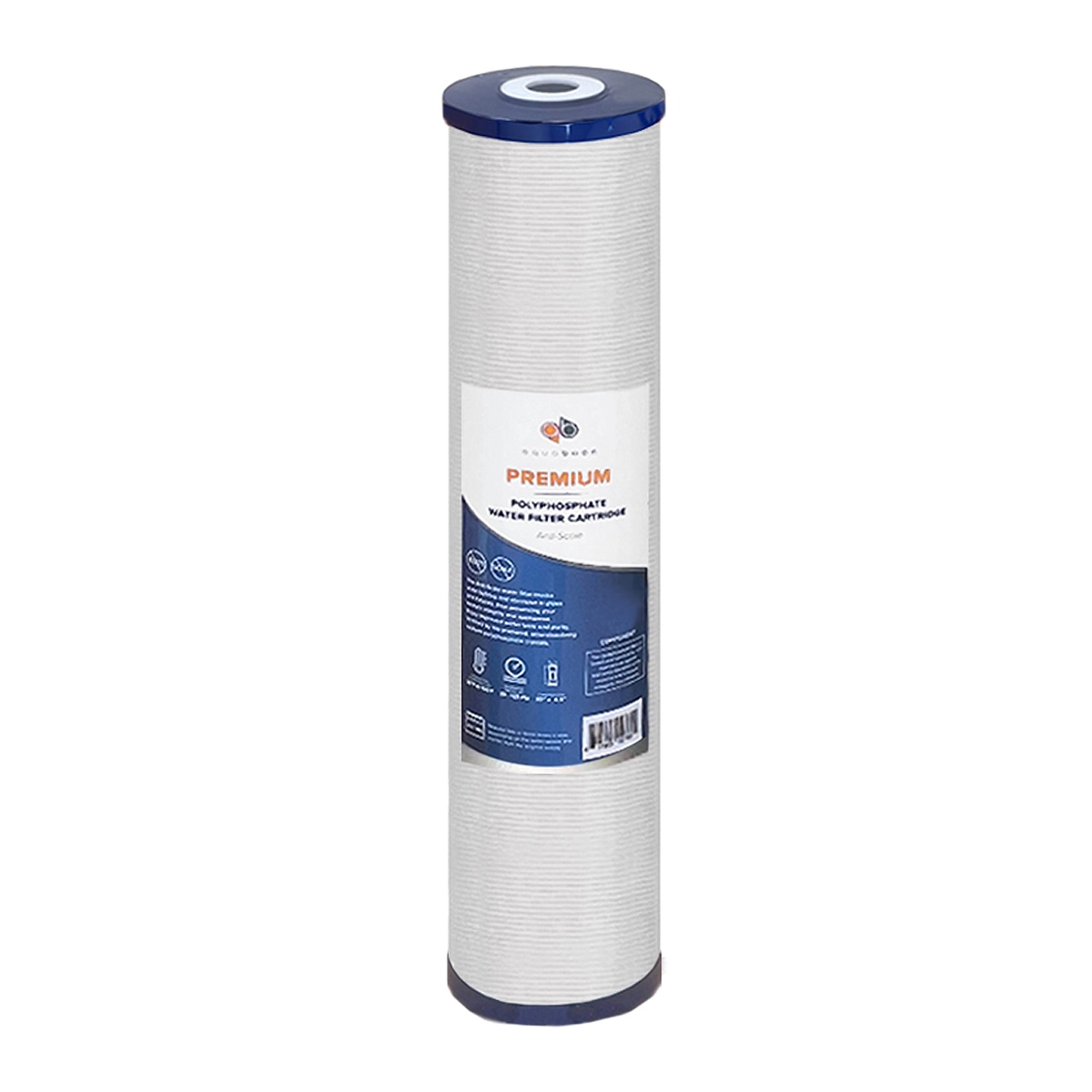
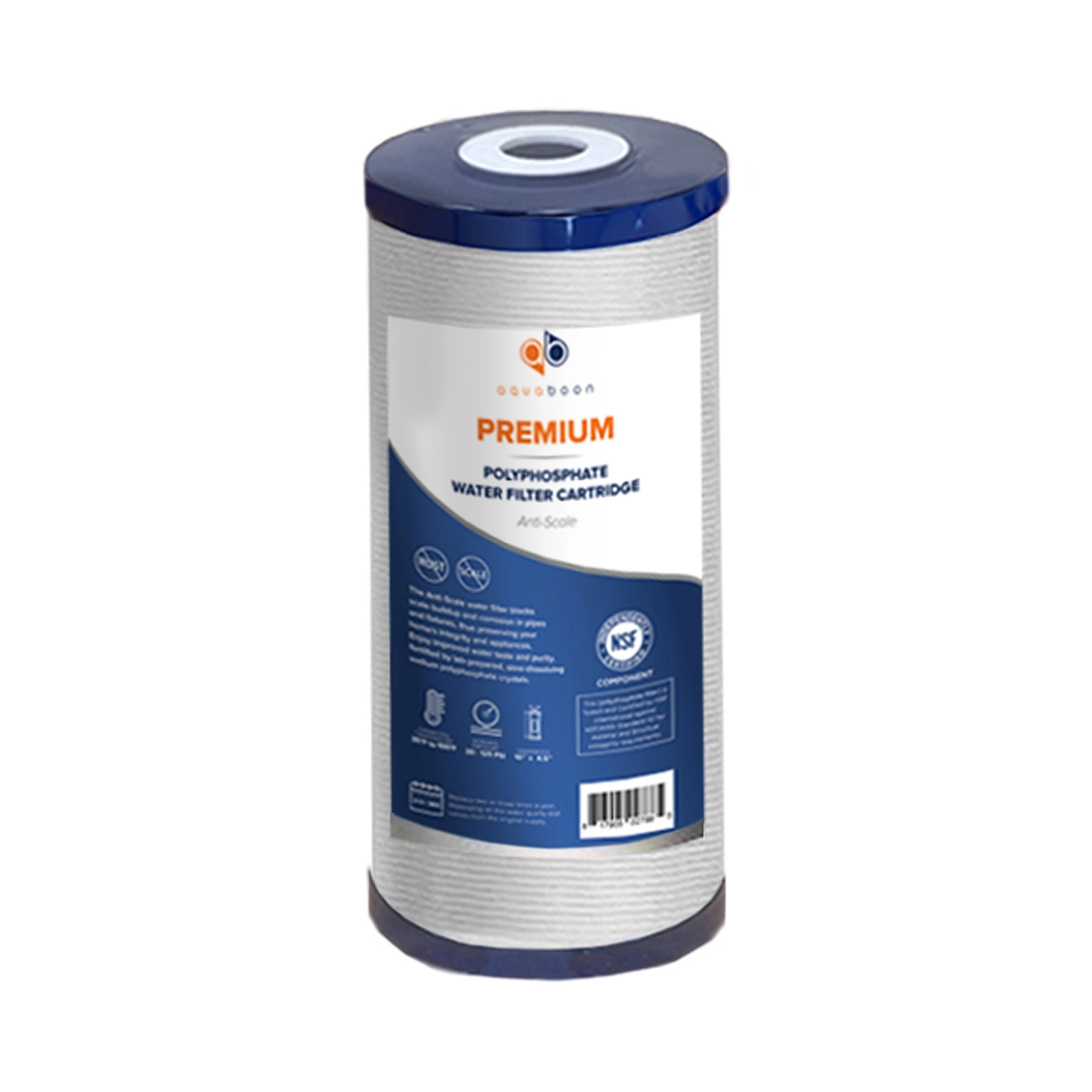
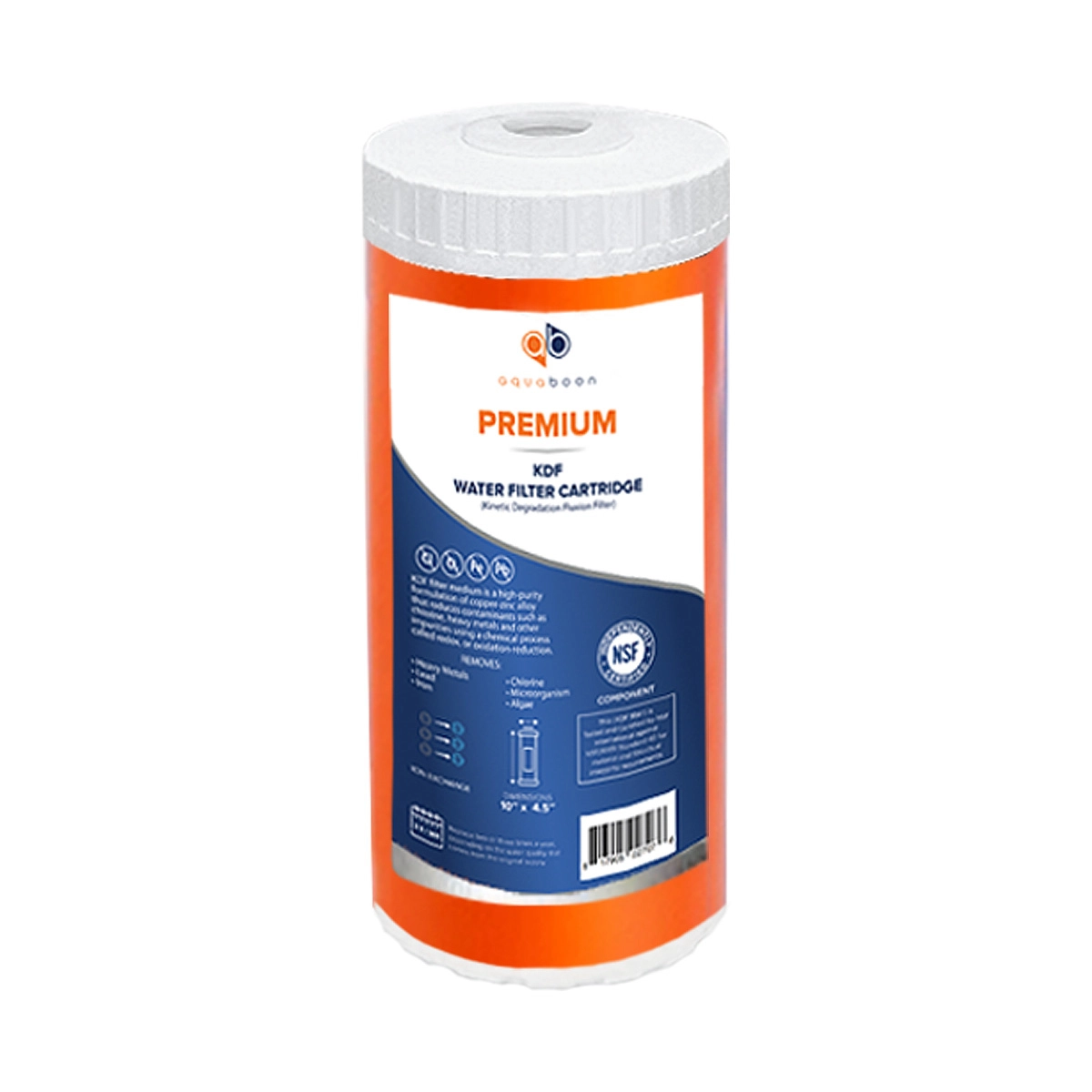
Cracks in the housing or the filter cartridge itself can happen due to:
- Over-tightening during installation
- Freezing temperatures causing material expansion
- Physical impacts or shipping damage
- Aging plastic material
How to Fix or Handle Cracks:
- Turn off the system and inspect the filter housing and cartridge closely.
- Look for visible fractures, even small hairline cracks.
- Important: If you find a crack, do not continue using the filter. Cracks can worsen quickly and cause serious water leaks.
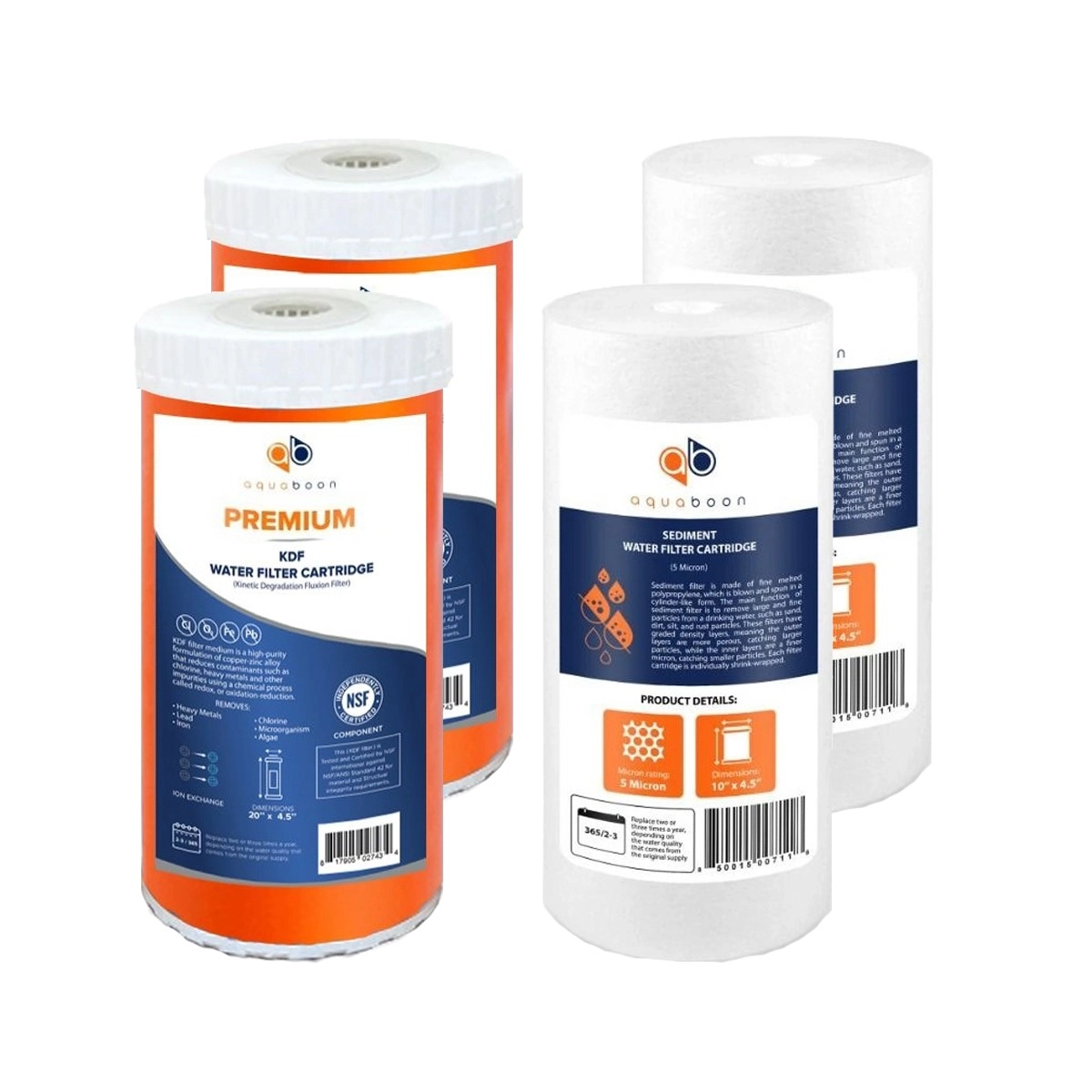
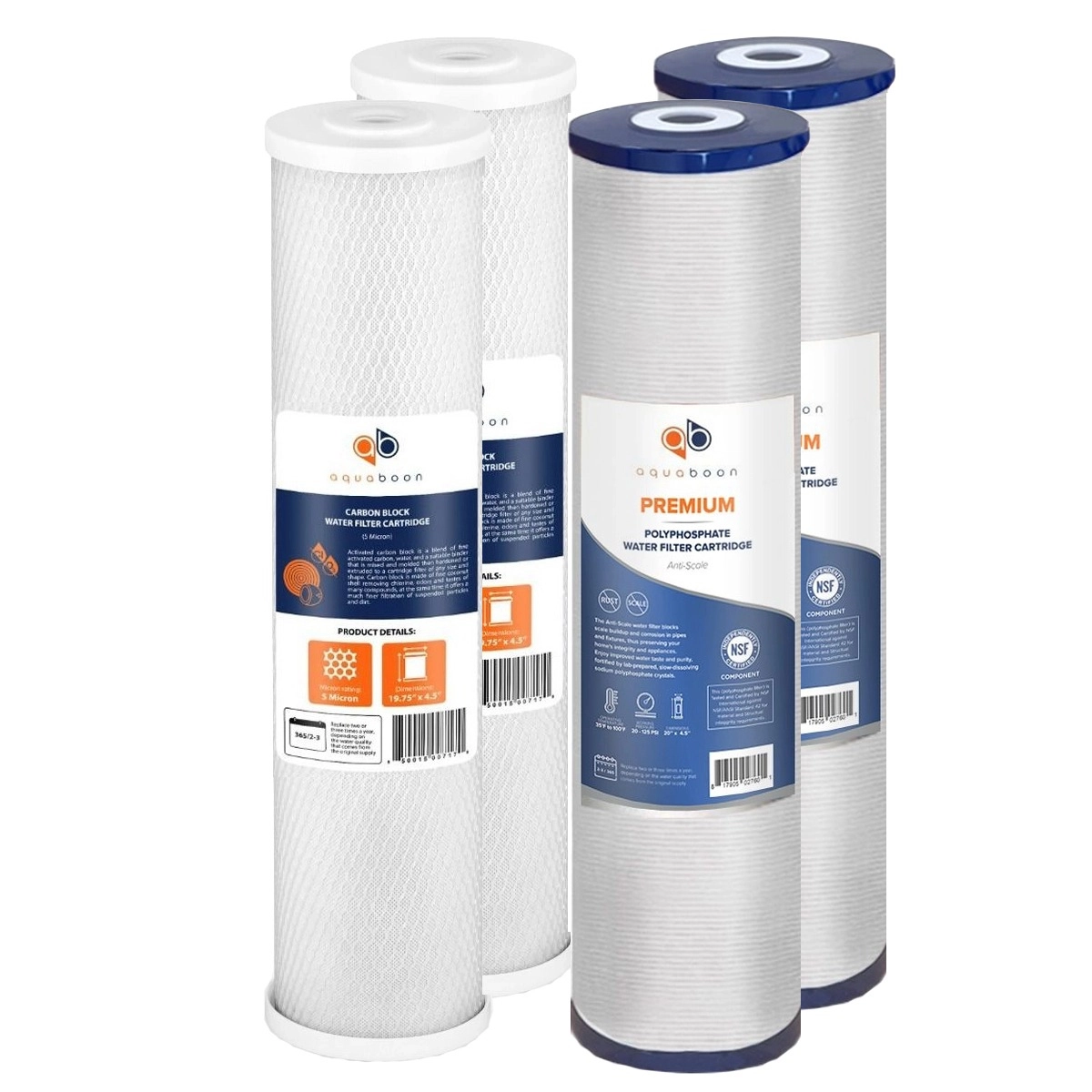
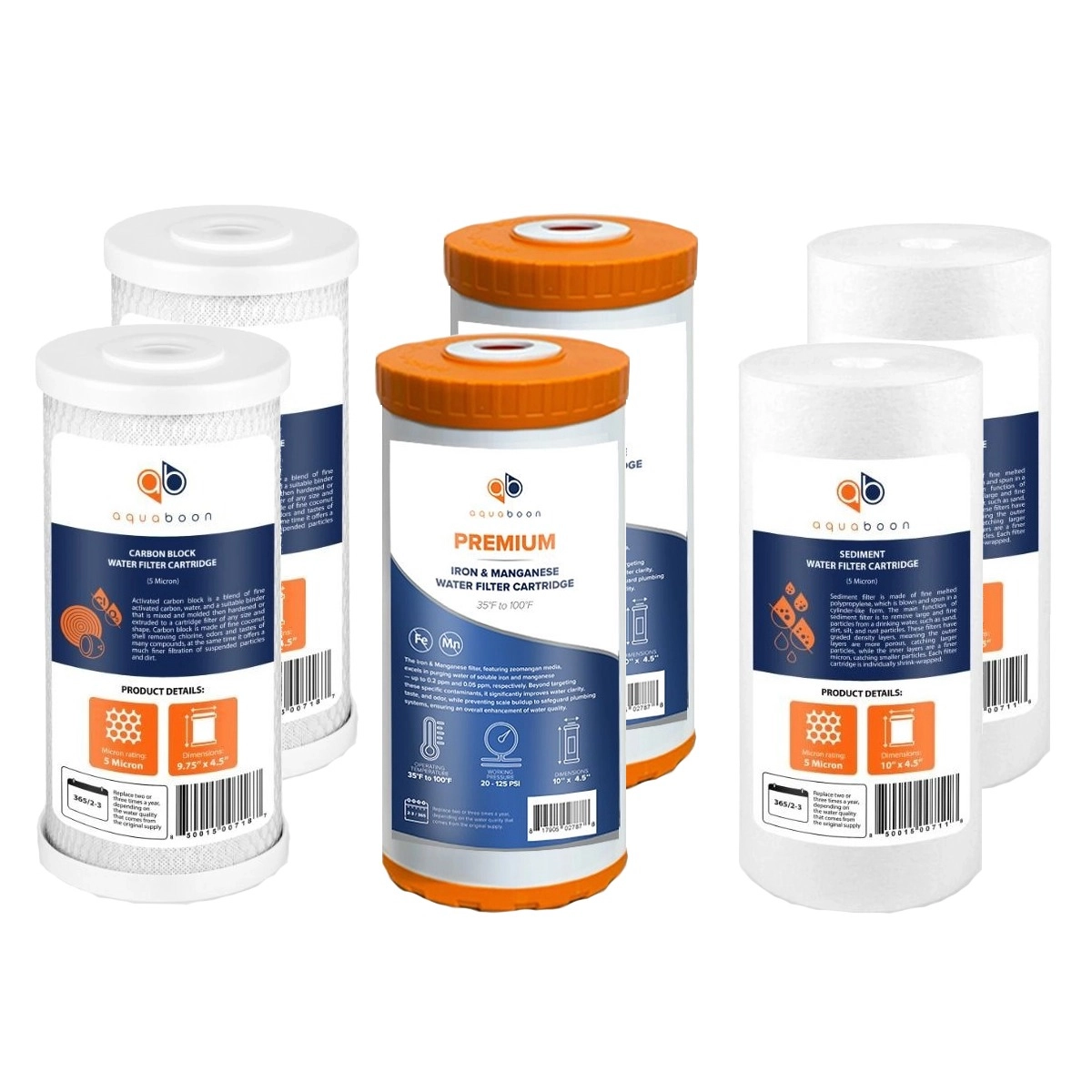
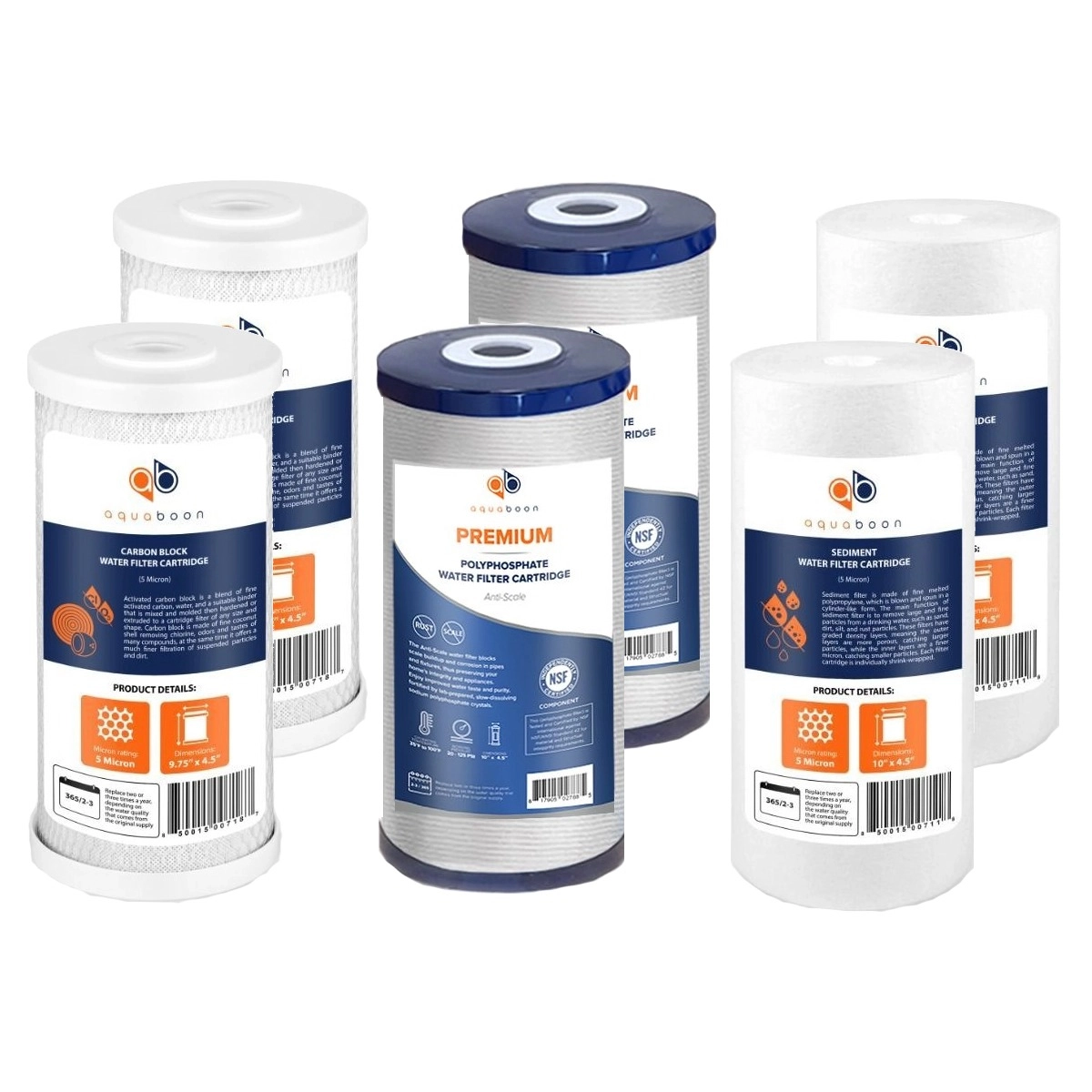
- Immediate Action: Replace the cracked housing or cartridge with a new one.
- Temporary fixes like plumbing epoxy are unreliable and should not be used for drinking water systems.
Tip: Always hand-tighten filter housings — never overtighten — and protect outdoor systems with insulation if you live in a cold climate.
Tip: Always use connectors compatible with your system (e.g., ¾" NPT or 1" NPT sizes for whole house systems). To make sure your leak repair lasts: If you've repaired O-rings, connectors, and replaced any cracked parts but the system continues leaking, it could be a sign of deeper internal damage. In that case, stop using the system and consult a professional plumber immediately. Maintaining your water filtration system helps avoid leaks and extends its life. If you’re unsure which part you need or need additional assistance, you can always reach out to Filterway Customer Support via [email protected] — we’re here to help you find the right solution!

3. Fixing Connector and Fitting Leaks
Why Fittings Leak:
Leaks at pipe joints or connectors usually result from:
How to Repair a Connector Leak:
Avoid These Common DIY Mistakes
Final Step: Confirm Your Leak Repair
When to Call a Professional
Keep Your Water Filter Leak-Free
Filterway offers a complete range of replacement O-rings, filter housings, and installation accessories — making it easy to keep your system running smoothly.