



How Water Pressure Affects Filter Performance (and What Low Pressure Really Means)
Key Takeaways
Optimal pressure is essential for consistent water flow and filtration efficiency.
Low pressure often indicates clogged filters or installation issues rather than system failure.
Monitor your gauges—a pressure drop of more than 10–15 psi signals it’s time for filter replacement.
Aquaboon filters and systems are designed to maintain high flow rates, helping homeowners enjoy steady, clean water without interruption.
If you’ve ever turned on your tap and noticed a weak trickle instead of a steady stream, you’ve likely experienced low water pressure. While it may seem like a minor inconvenience, low water pressure can actually affect much more than your shower experience—it can impact the performance of your entire water filtration system.
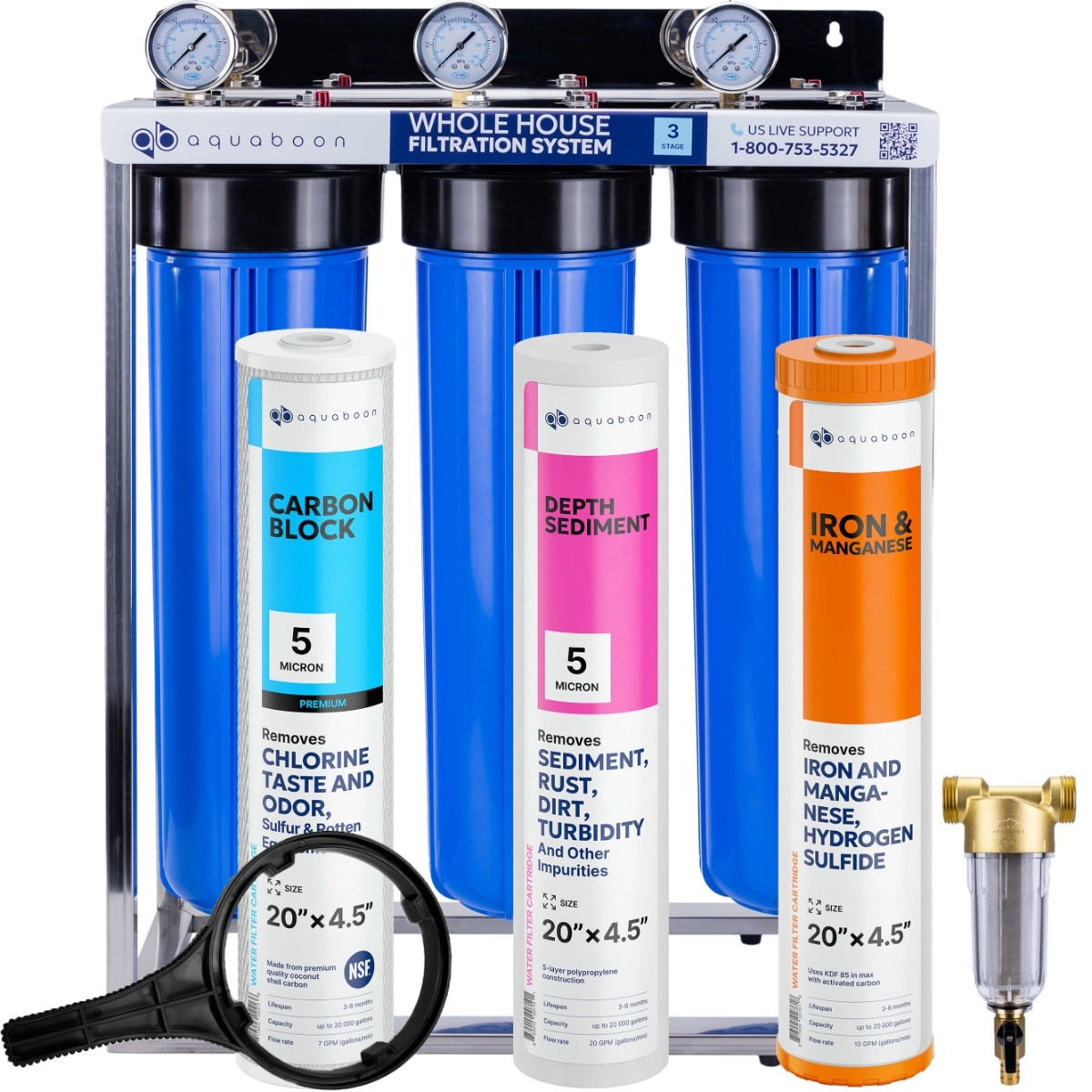
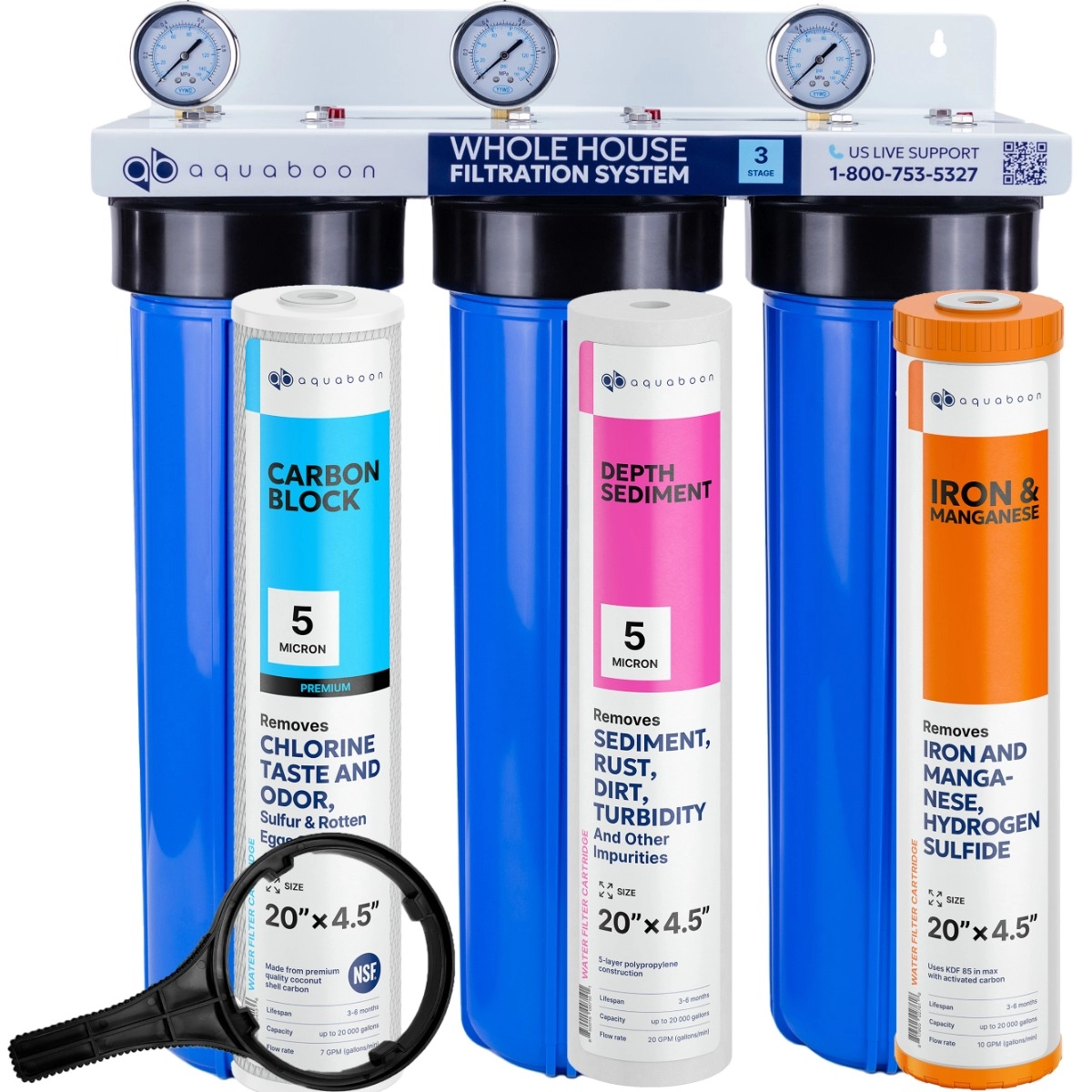
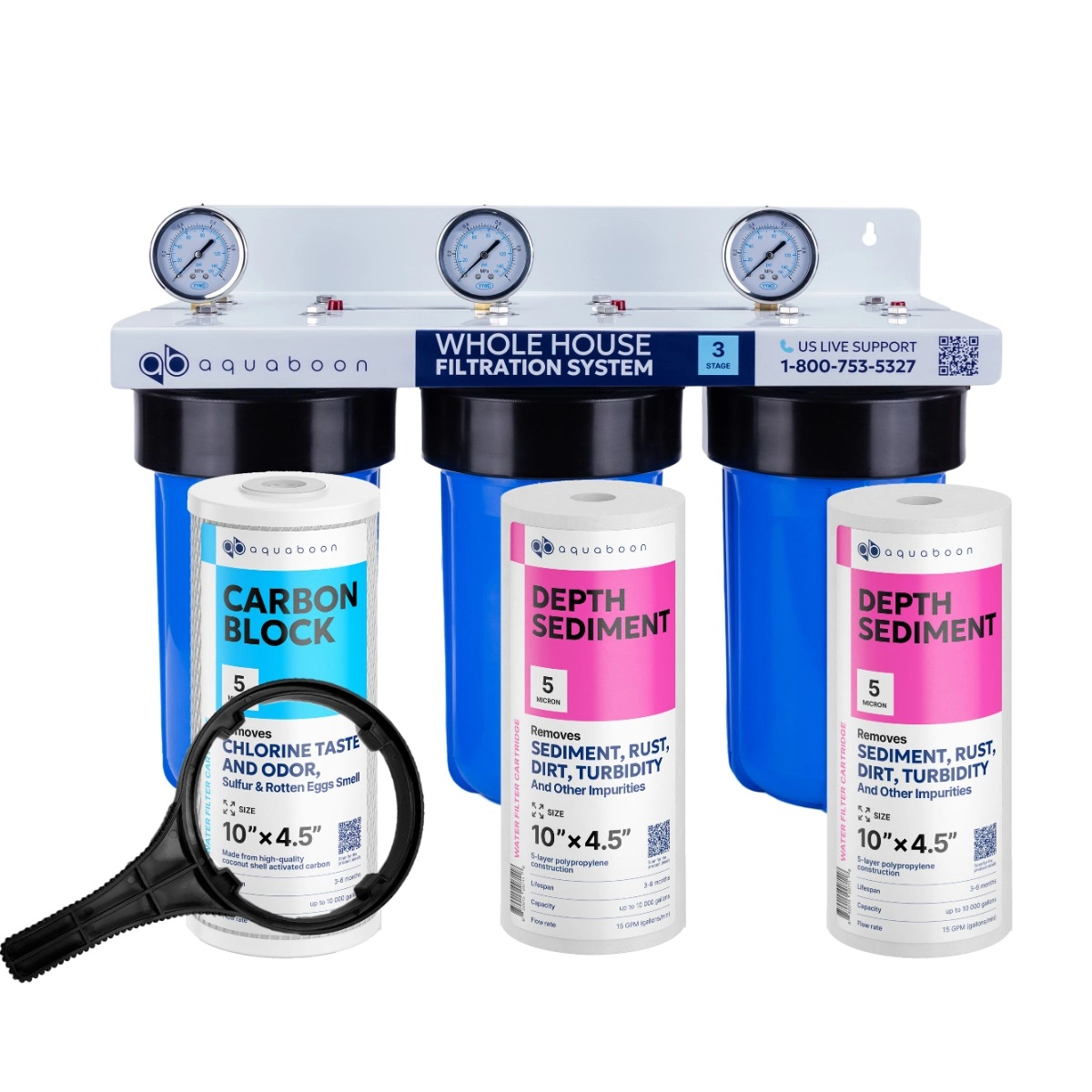
Whether you use an Aquaboon whole house filtration system or individual Aquaboon filters, maintaining the right pressure is crucial for consistent flow, proper filtration, and long-term system health. Understanding how pressure interacts with your filter setup can help you avoid unnecessary maintenance, costly replacements, and inefficient water usage.
Why Water Pressure Matters in Filtration Systems
Water pressure is the driving force that pushes water through filter cartridges, membranes, and media. Every filtration stage—from sediment to carbon to reverse osmosis—relies on consistent pressure to function effectively.
For sediment and carbon filters, pressure ensures that water flows evenly through the media, allowing contaminants like rust, chlorine, and dirt to be trapped efficiently.
In multi-stage or whole house systems, adequate pressure guarantees that all faucets and appliances receive filtered water without performance drops.
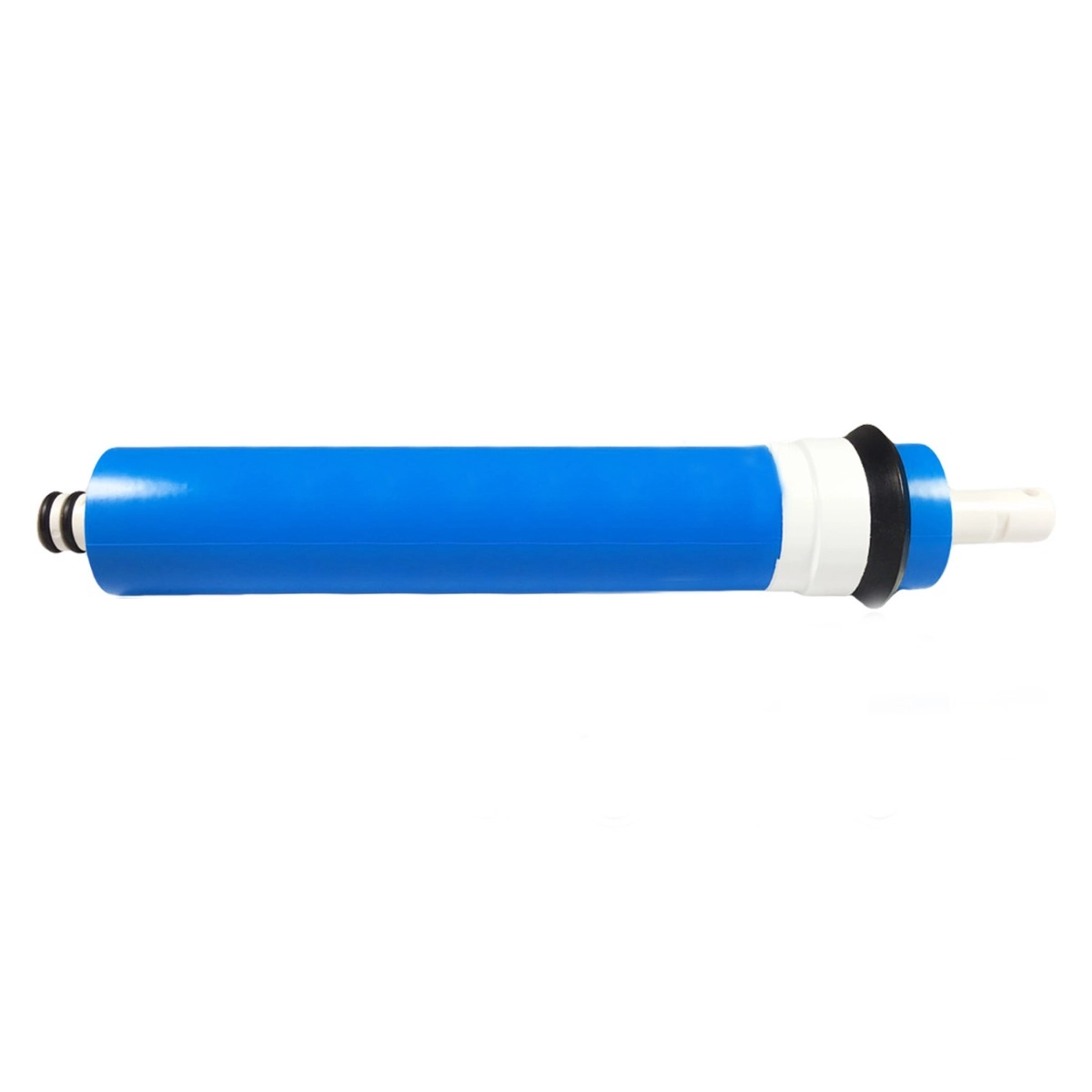
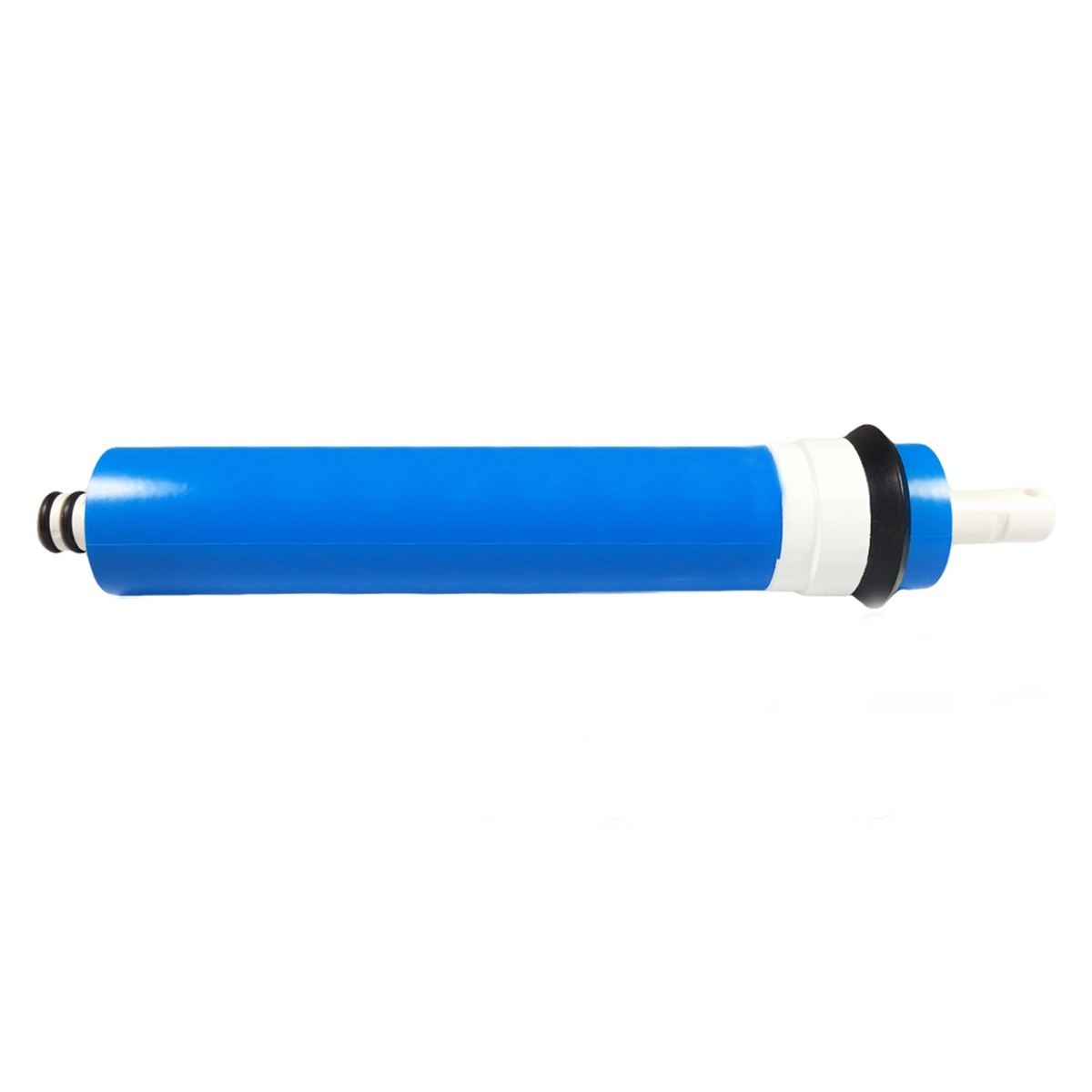
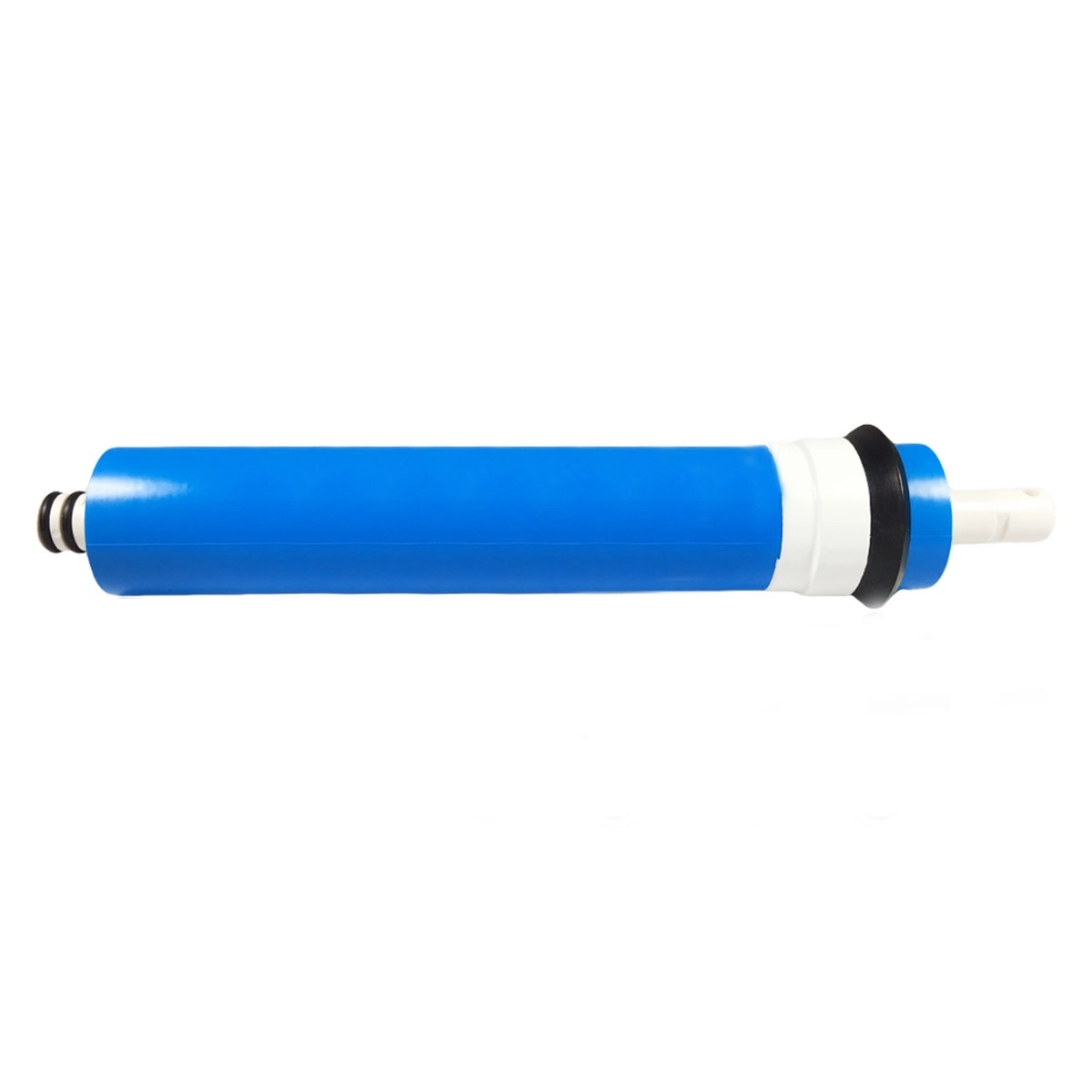
In reverse osmosis (RO) systems, pressure is even more critical because it must overcome the natural osmotic barrier to push water through the RO membrane.
Simply put: without proper pressure, even the best filtration technology can’t perform as designed.
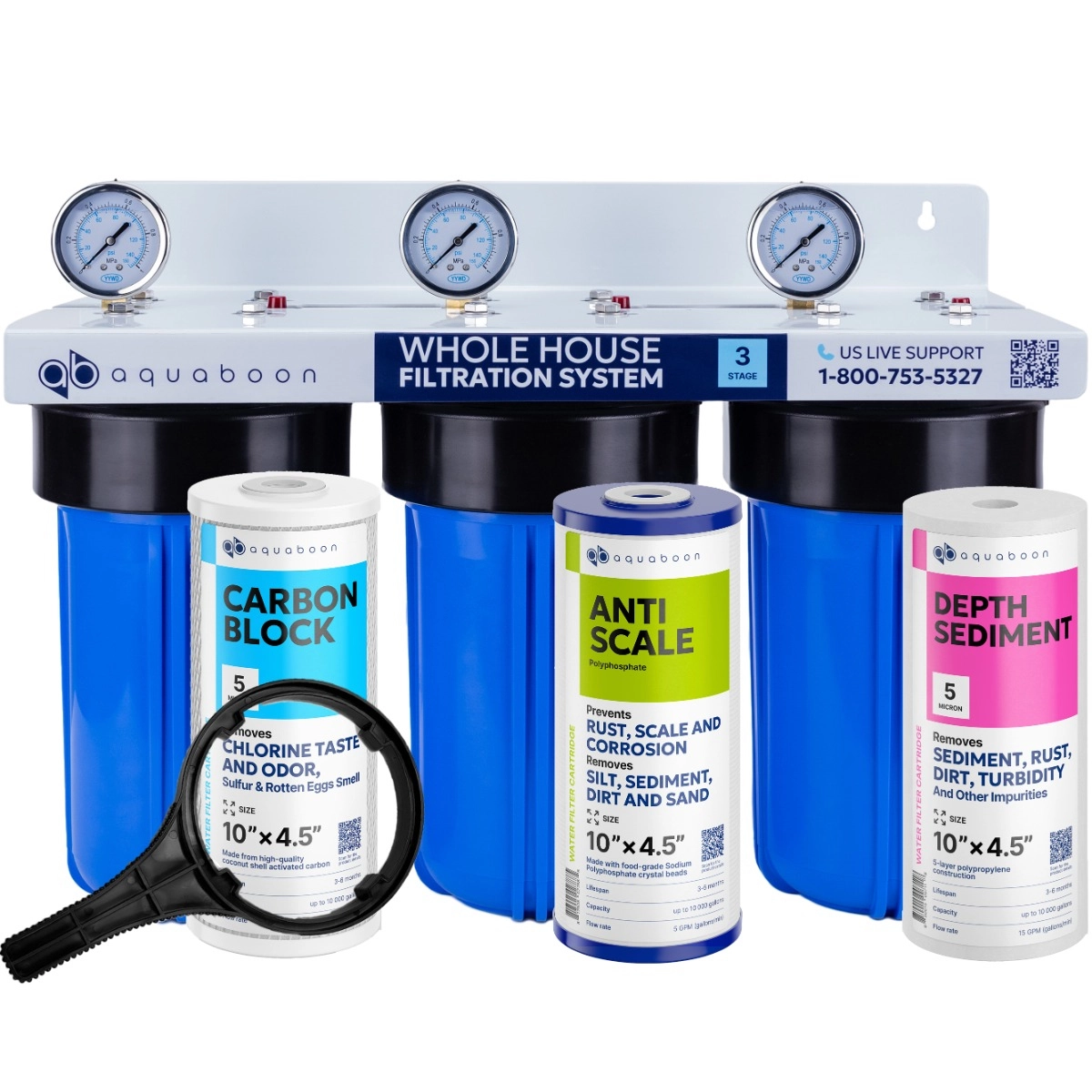
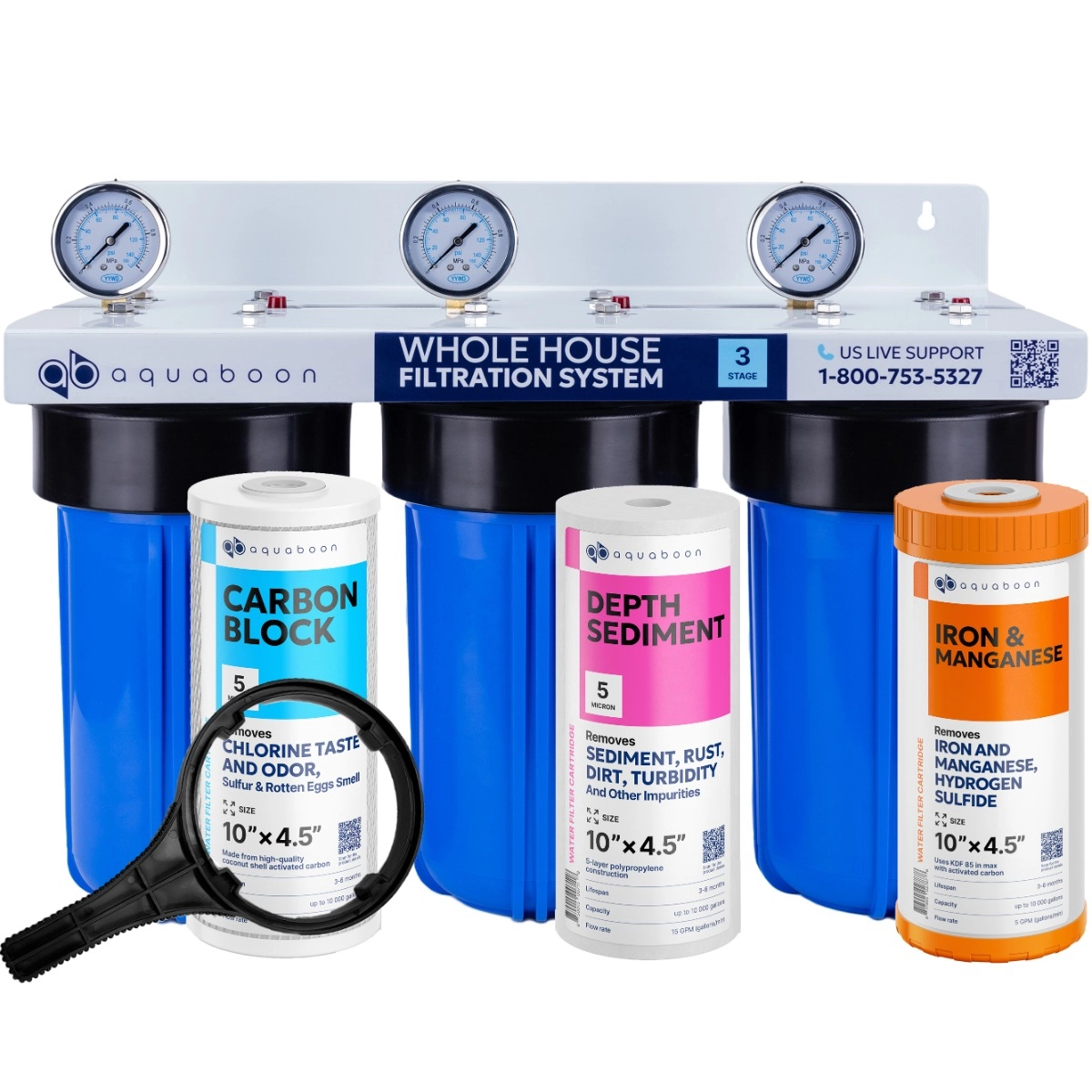
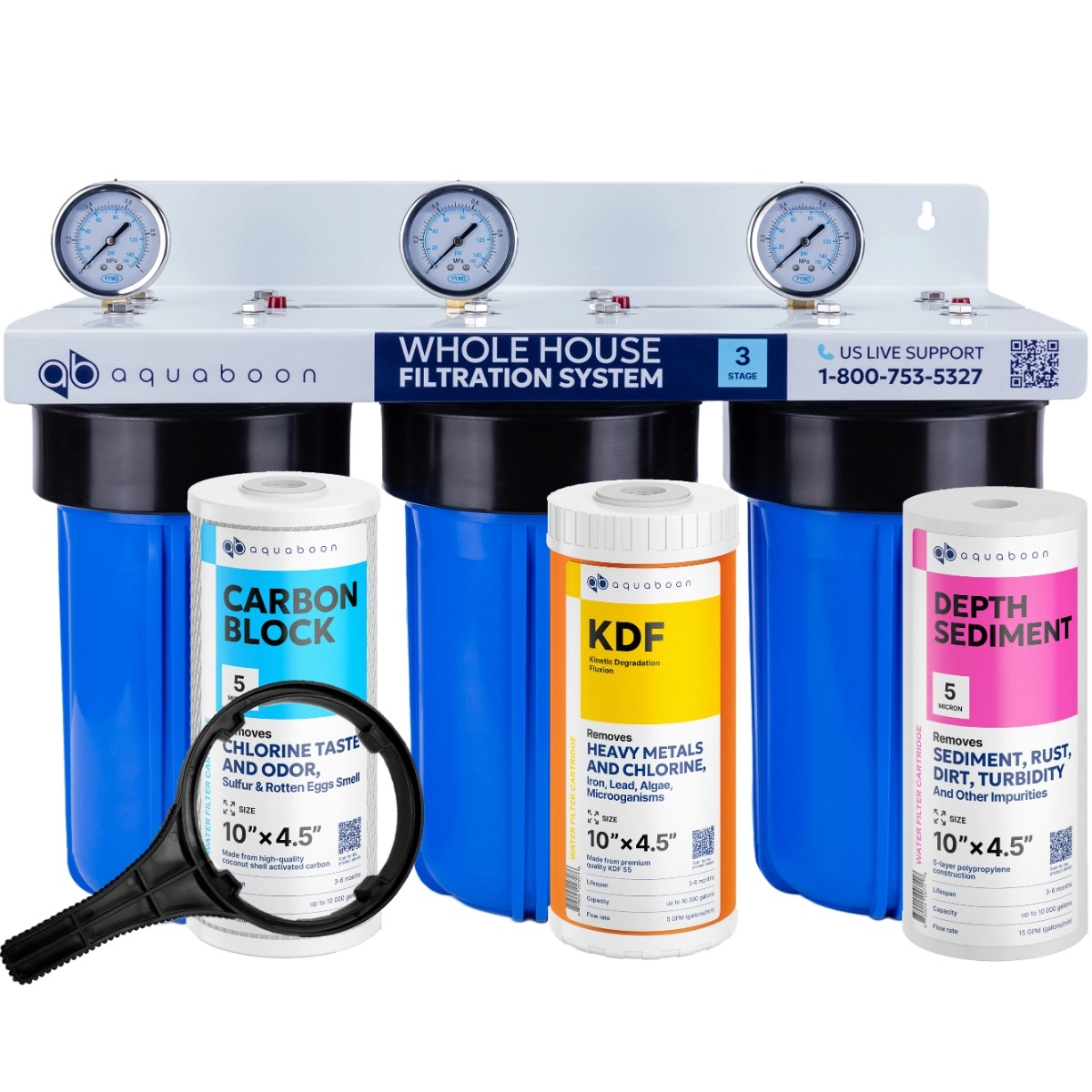
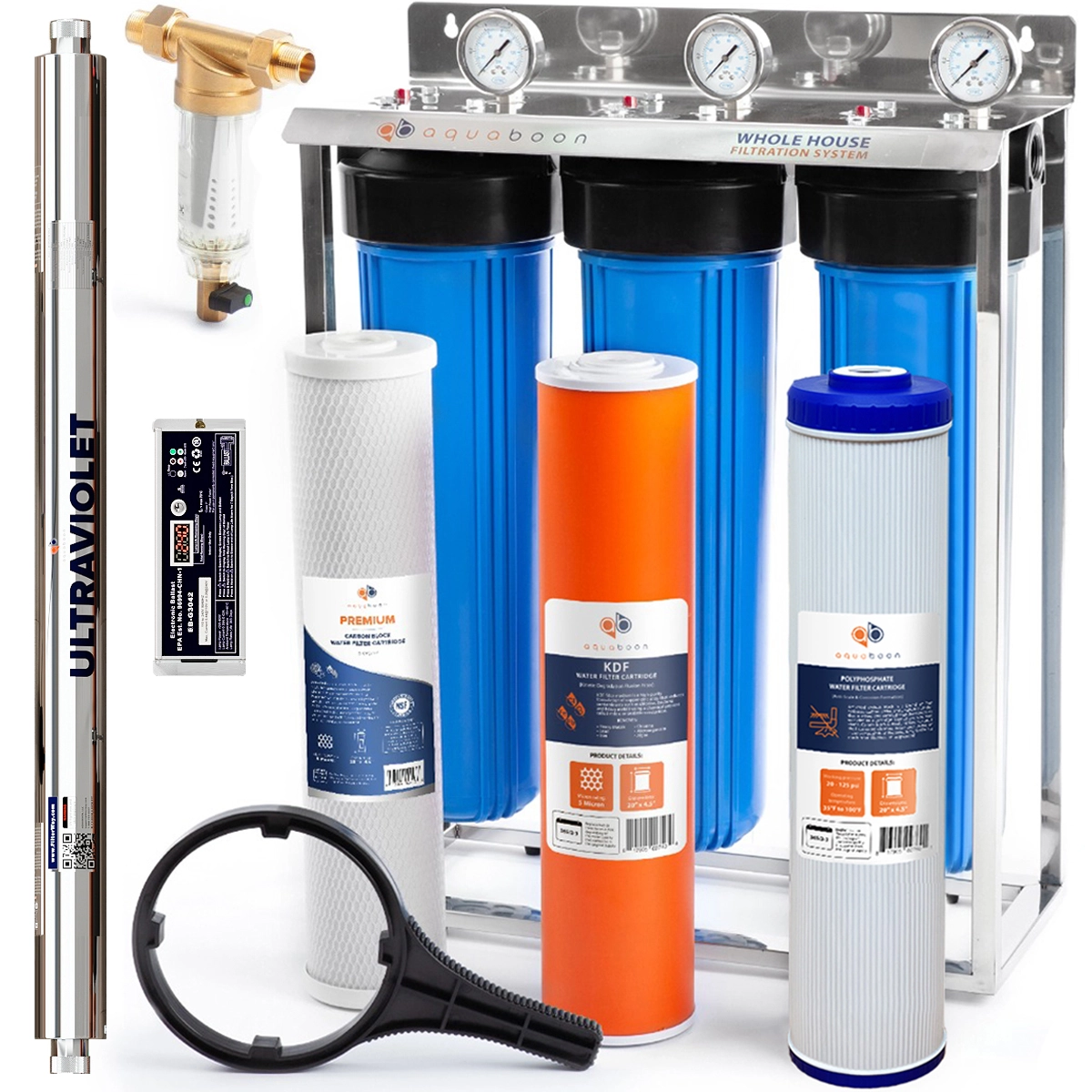
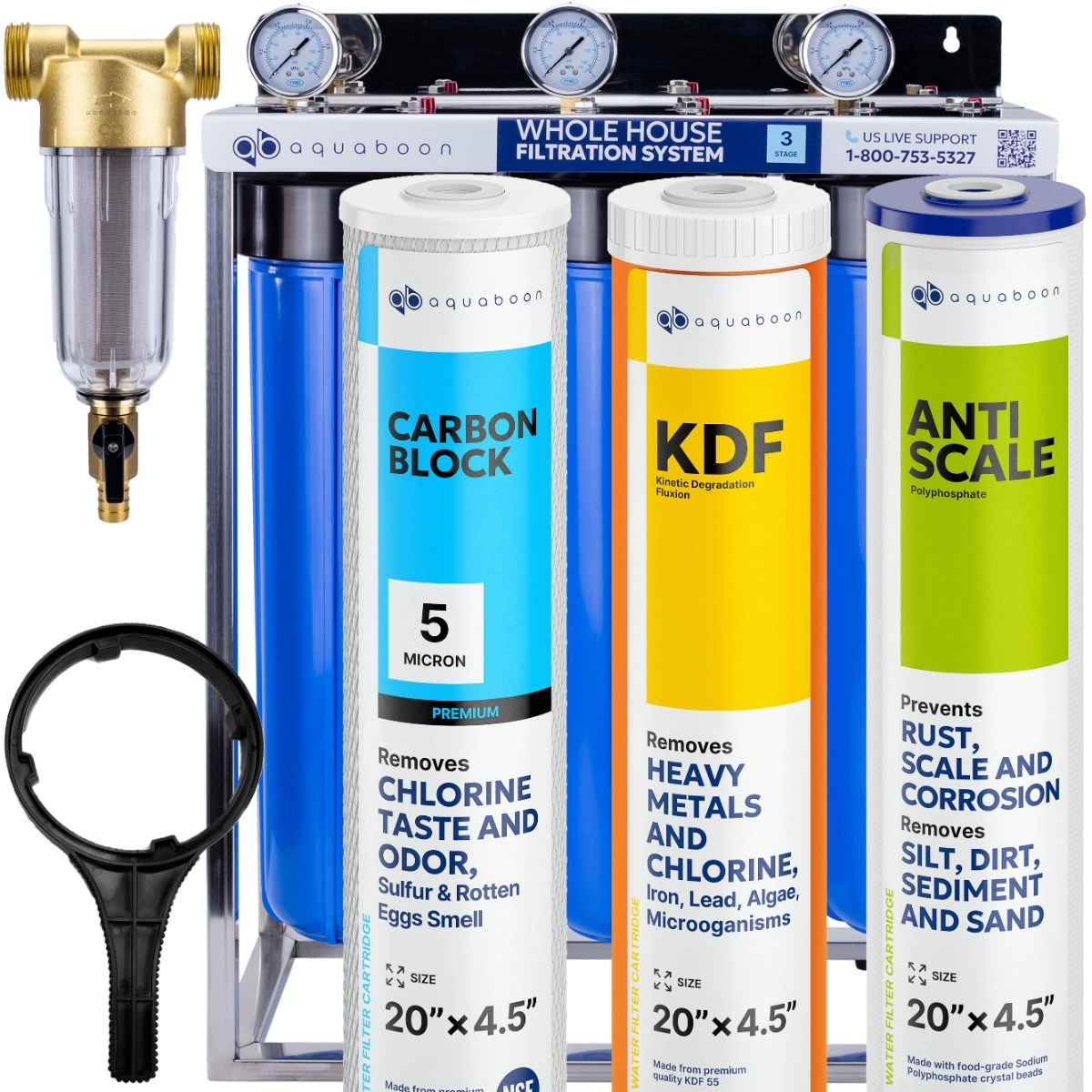
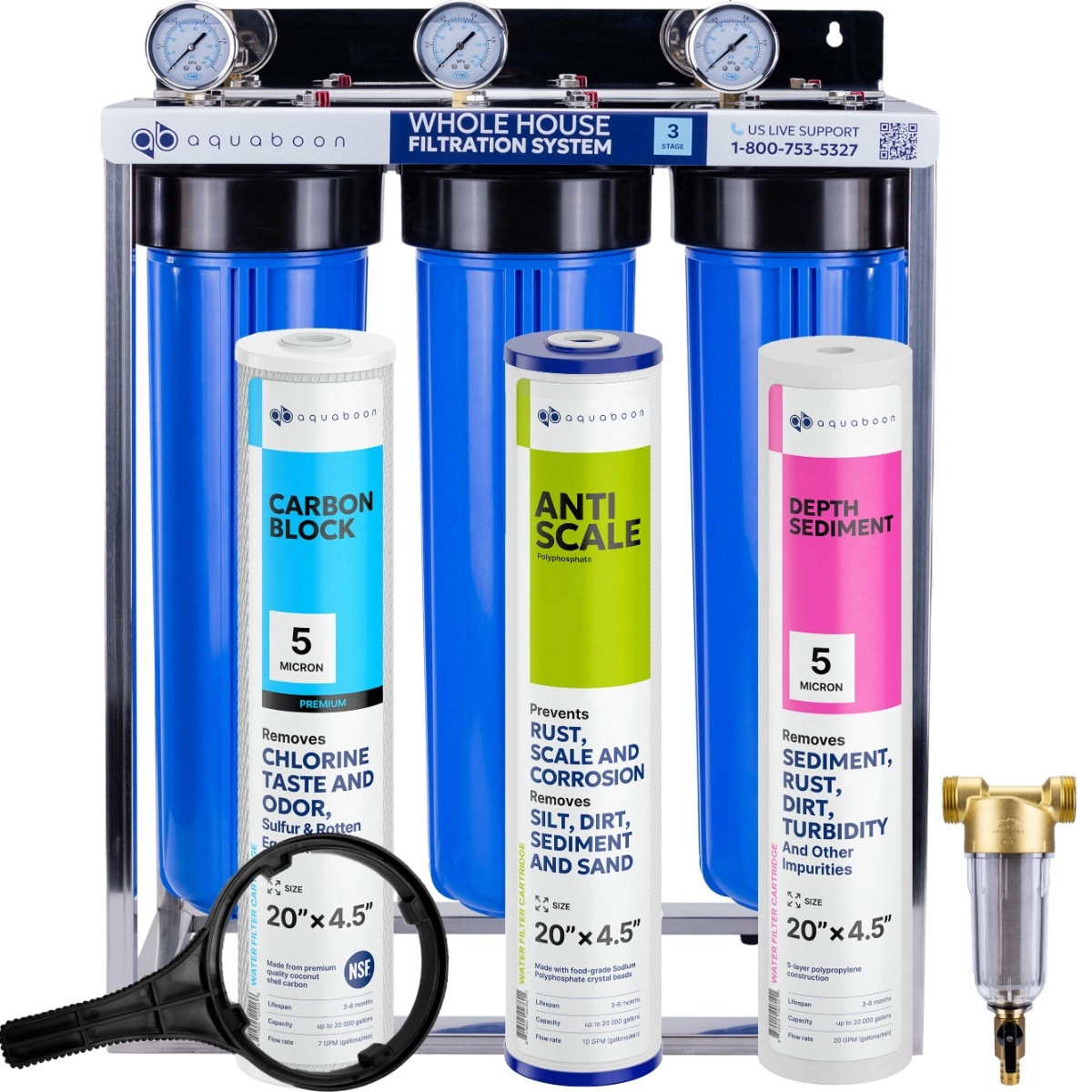
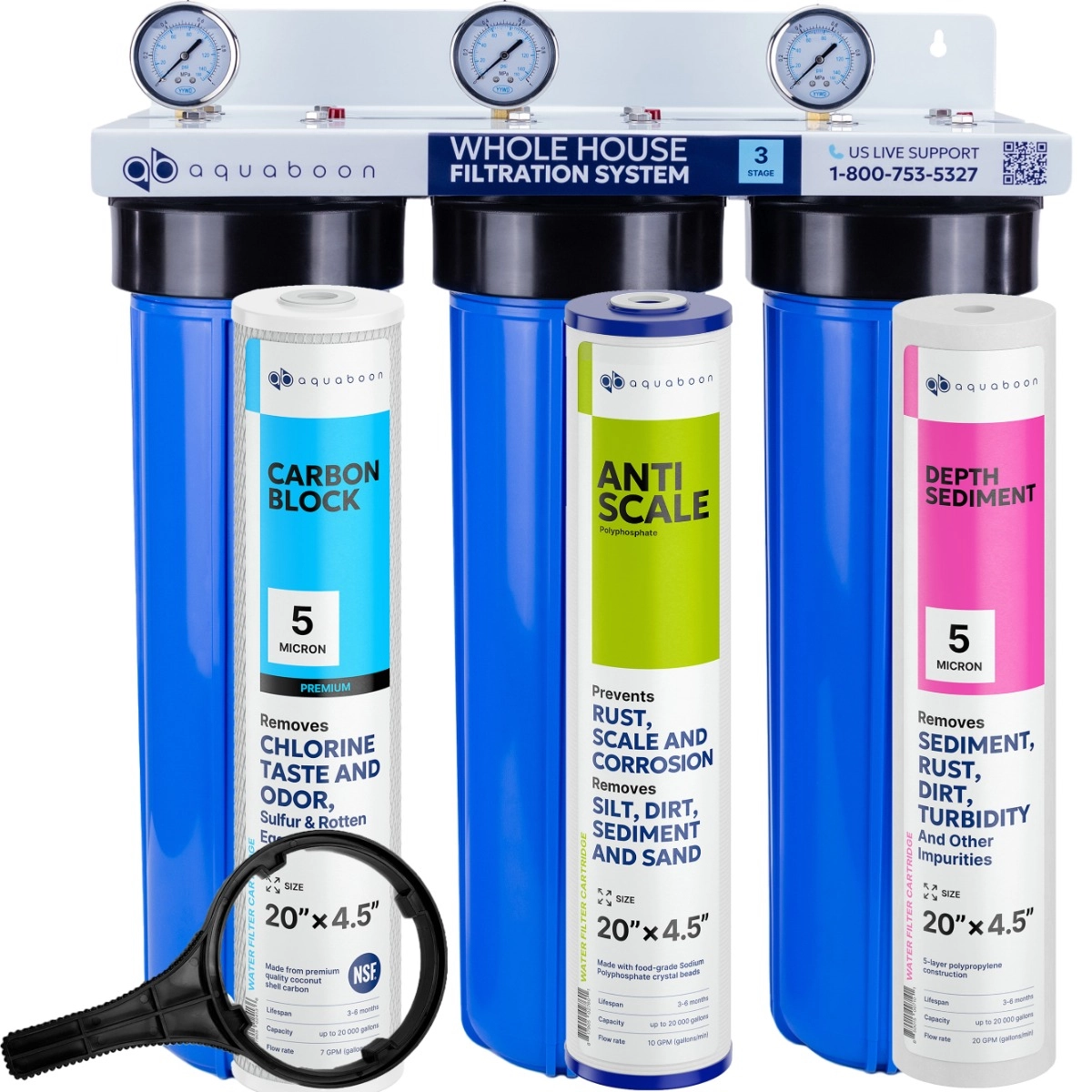
Most whole house water filtration systems operate optimally within a pressure range of 40 to 80 psi (pounds per square inch). Below 40 psi, water may flow too slowly through filters, reducing overall output. Above 80 psi, the system can experience stress, leading to leaks or damage to housings and cartridges. For reverse osmosis systems, ideal inlet pressure typically ranges from 50 to 65 psi. If your pressure is below this range, a booster pump may be necessary to maintain proper flow through the RO membrane. Low water pressure doesn’t always indicate a plumbing issue—it can also signal that your filtration system needs attention. When filters become clogged or saturated with contaminants, they create resistance to flow, reducing pressure across the system. Here’s what low pressure might mean: 1. Clogged Sediment Filter: Over time, sediment filters trap sand, rust, and silt. As the pores fill, water can’t pass through easily, causing a noticeable drop in pressure. 2. Carbon Block Saturation: Carbon filters can become dense with trapped chlorine, organic compounds, and other chemicals, reducing flow rates. 3. Scale or Mineral Buildup: In hard-water areas, calcium and magnesium deposits can accumulate inside pipes or fittings, restricting water flow. 4. Improper Filter Sizing: Using filters with smaller micron ratings (e.g., 1 micron instead of 5) improves filtration but can slow flow in systems not designed for such restriction. 5. Pressure Regulator Issues: Many homes have pressure regulators that control incoming pressure from the main line. A faulty or misadjusted regulator can cause pressure drops. When pressure falls below the system’s operational threshold, several performance issues can arise: Incomplete Filtration: Low flow means water spends too much time in contact with the filter media. While that might sound good, it can actually reduce effectiveness by creating uneven filtration and channeling inside the cartridge. Reduced Water Output: Appliances such as washing machines, dishwashers, and showers may receive insufficient water, affecting their performance. Premature Wear: Pumps and valves work harder to compensate for low flow, shortening their lifespan. Customer Confusion: Users may think the filter “isn’t working” when the real issue is restricted pressure rather than filtration failure. Maintaining optimal water force ensures your Aquaboon filters can do their job efficiently—delivering clean, safe water without sacrificing convenience. This is the most frequent cause. Sediment and carbon cartridges should be replaced according to the manufacturer’s schedule—typically every 3 to 6 months, depending on water quality and usage. If pipes are too narrow or fittings are not sealed properly, pressure loss can occur between stages. Always check connections for leaks or obstructions after installing or replacing filters. Public water systems sometimes experience force variations during maintenance or high-demand periods. If your pressure drops intermittently, the issue may be external. Homes with private wells often experience inconsistent pressure due to pump cycles or tank malfunctions. Installing a constant pressure system can stabilize flow. After filter replacement, trapped air bubbles can restrict water movement. Bleeding the system properly after installation usually resolves this. Don’t wait until the water slows to a trickle. Follow the replacement schedule printed on your Aquaboon filter packaging or system manual. Using a sediment pre-filter before carbon stages can also extend overall system performance. Most Aquaboon whole house systems come with dual pressure gauges—one before and one after the filters. These help monitor water force drop across the system. If the difference exceeds 10–15 psi, it’s time to replace your filters. A small leak or loose fitting can drastically reduce pressure. Check all housing connections, O-rings, and tubing for signs of leakage or air intrusion. If household pressure remains low even with clean filters, the regulator may need calibration or replacement. Setting it within the 50–70 psi range often restores normal flow. For homes with naturally low incoming water force — common in multi-story houses or well systems—a booster pump can significantly improve system performance, especially for reverse osmosis units. After changing filters, run water for several minutes to clear air and carbon fines. This helps restore steady pressure and ensures no trapped air pockets remain. Although low water force is usually the more common concern, excessively high force can be just as harmful. When pressure consistently rises above 80 psi, it can lead to cracked housings, displaced O-rings, and leaks at various fittings. Over time, elevated pressure also wears down faucet aerators and appliance valves, reducing their lifespan. Installing a pressure-reducing valve is a simple and cost-effective way to protect both your filtration system and your home’s plumbing from unnecessary strain. Aquaboon whole house systems are engineered to balance performance and durability. Their design includes: High-flow housings that minimize restriction even at lower pressures. Pressure relief buttons to release trapped air during cartridge replacement. Dual pressure gauges to monitor pressure differential and identify clogs early. Durable brackets and stainless-steel stands to ensure stable installation even in high-flow environments. By combining efficient design with quality materials, Aquaboon systems deliver consistent pressure and reliable filtration throughout your home. Water pressure is more than just a matter of comfort—it’s a vital part of your filtration system’s performance. Keeping it within the recommended range ensures your water stays clean, your appliances run smoothly, and your system lasts for years. Whether you’re troubleshooting low flow or planning a system upgrade, Aquaboon’s whole house filtration systems provide a smart, reliable solution for maintaining ideal water pressure and peak filtration performance. If you’re ready to improve your home’s water quality, explore certified filtration options from Filterway and choose a system designed to support consistent pressure and long-term performance.
The Ideal Water Pressure Range
What Low Water Pressure Really Means
The Chain Reaction of Low Pressure
Common Causes of Low Pressure in Filter Systems
Clogged or Overdue Filters
Improper Installation or Piping
Municipal Supply Fluctuations
Well System Limitations
Air Trapped in the System

How to Fix and Prevent Low Water Pressure
Replace Filters Regularly
Check Your Pressure Gauge
Inspect for Leaks or Loose Fittings
Adjust or Replace the Pressure Regulator
Install a Booster Pump (if needed)
Flush the System After Maintenance
When High Pressure Becomes a Problem
How Aquaboon Systems Help Maintain Ideal Pressure
Keeping Your System Efficient with the Right Pressure