



Understanding NSF Certifications: What They Tell You About Filter Quality
When it comes to water filters, every product seems to promise the same thing: cleaner, safer, and better-tasting water. But not every filter actually delivers on those claims. That’s why independent certifications matter.
One of the most trusted names you’ll see in this space is NSF. Those three letters stand for a globally recognized organization that sets rigorous standards for product safety and performance.
Understanding what NSF certification means can help you make informed choices when selecting filters for your home. It’s not just another label - it’s a sign that the product has been thoroughly tested to ensure it works as advertised and is safe for long-term use.
What Is NSF Certification?
NSF stands for National Sanitation Foundation, an independent public-health organization founded in 1944. Today, known as NSF International, it develops standards, tests products, and certifies materials across industries such as food safety, plumbing, and water treatment.
In simple terms, when a filter is NSF certified, it means it has passed strict third-party testing.
NSF laboratories verify three essential aspects of a filter’s quality:
- Material safety: Ensures no harmful substances are released into the water.
- Performance: Confirms that the filter actually reduces the contaminants listed on its packaging.
- Durability: Tests the system’s ability to handle everyday water pressure without leaks or cracks.
This independent verification gives consumers confidence that the product meets high industry standards - not just marketing promises.
Why NSF Certification Matters for Your Home
Your home’s water supply can contain more than just water. Chlorine, sediment, metals, and other impurities can sneak into your daily routine - from the glass you drink to the food you cook. A good filter can remove many of these unwanted elements, but only if it’s built and tested properly.
That’s why certifications like NSF matter so much. They help you separate verified quality from unverified claims.
A certified filter provides benefits such as:
- Peace of mind: Independent testing confirms the product’s safety and effectiveness.
- Reliable performance: You know the filter reduces what it claims to.
- Health protection: Certified materials ensure clean, non-toxic contact with your water.
- Long-term trust: NSF-approved products are monitored regularly, not just tested once.
When you see the NSF mark, it’s more than a logo - it’s a symbol that the product was held to the highest possible standard of verification.
Common NSF Standards Explained Simply
NSF certification isn’t one single test - it includes a range of standards, each focused on different aspects of water treatment.
Here are the most common ones you may notice on water-filtration products:
- NSF/ANSI 42: Improves water’s aesthetic qualities like taste, odor, and clarity, often through chlorine reduction.
- NSF/ANSI 53: Focuses on contaminants that affect health, including lead, VOCs, and cysts.
- NSF/ANSI 44: Applies to water-softening systems that remove minerals such as calcium and magnesium.
- NSF/ANSI 55: Tests UV systems designed to neutralize microorganisms.
- NSF/ANSI 58: Covers reverse-osmosis systems that remove a wide range of dissolved impurities.
- NSF/ANSI 401: Addresses newer “emerging” contaminants, such as certain pharmaceuticals and pesticides.
You don’t need to memorize the numbers - just know that each one confirms the filter has been tested for specific functions. Seeing an NSF mark with any of these standards means the product has proven it performs as claimed.
How to Know if a Filter Meets Trusted Standards
When looking at water filters, you’ll often see labels and symbols suggesting a product has been tested for safety or performance. The NSF mark is one of the most recognized - but what matters most is understanding what it represents.
A filter that carries an official certification has been evaluated by an independent organization, not just by the manufacturer itself. This means its performance claims have been verified, and the materials that touch your water are proven safe.
As a general rule, it’s best to choose filters from brands that clearly mention recognized testing standards or certifications and are transparent about how their products are evaluated. Even if a product doesn’t show an NSF logo, it may still follow similar testing processes through other accredited laboratories.
The key is clarity and honesty. You should be able to tell what the filter is designed to do and how that performance has been verified. Certifications like NSF exist to help consumers identify products that meet higher safety and quality standards - giving confidence that your water is truly being filtered the way it should.
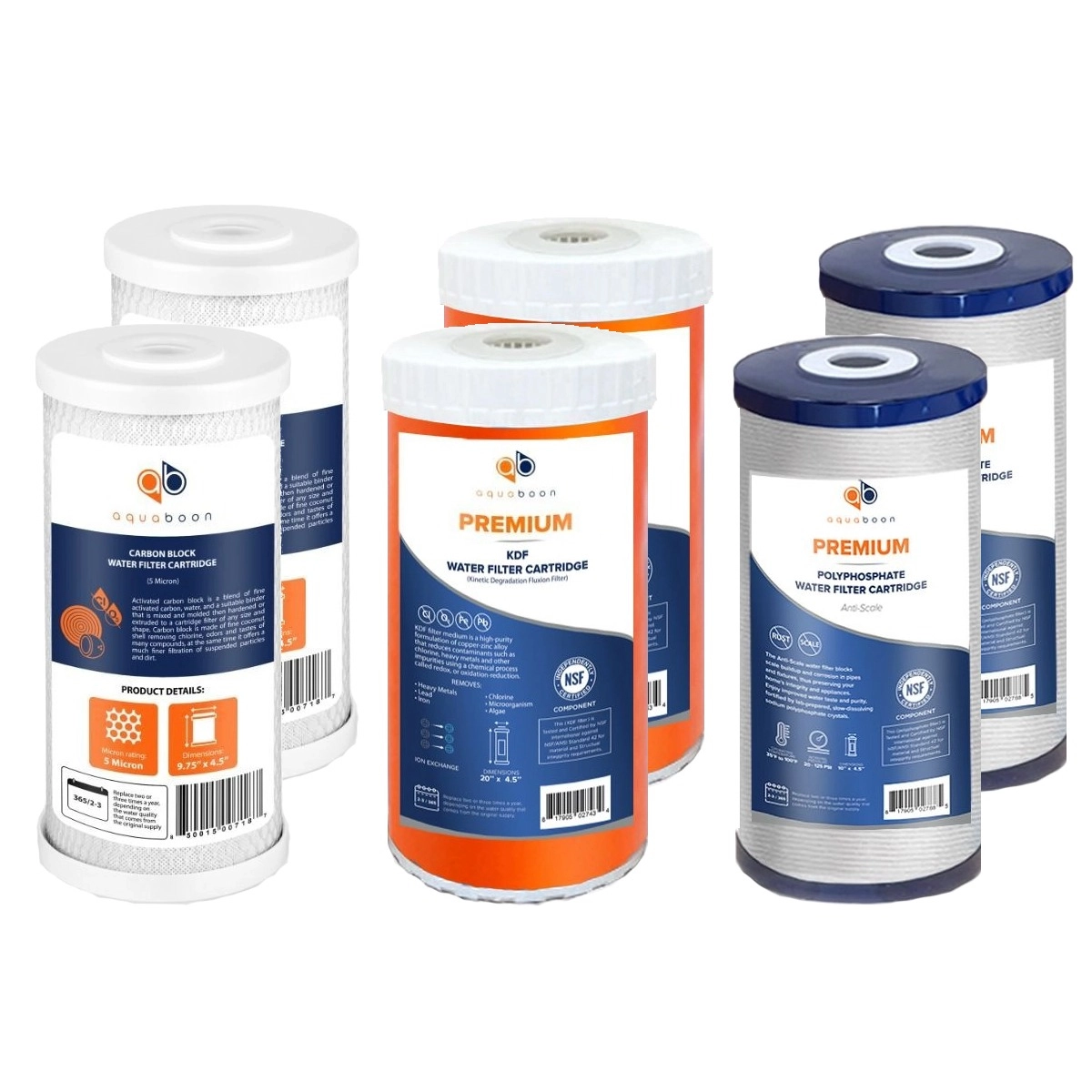
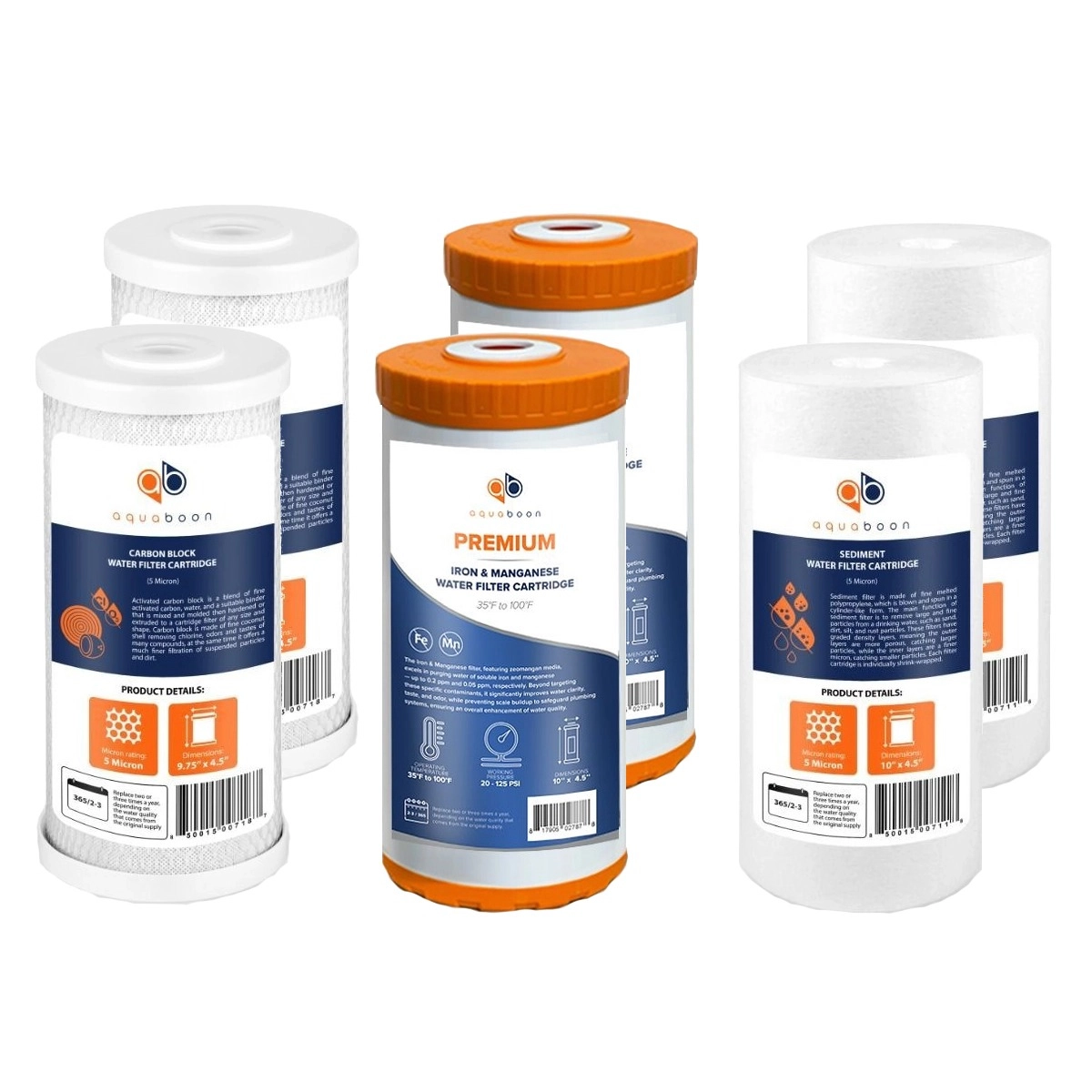
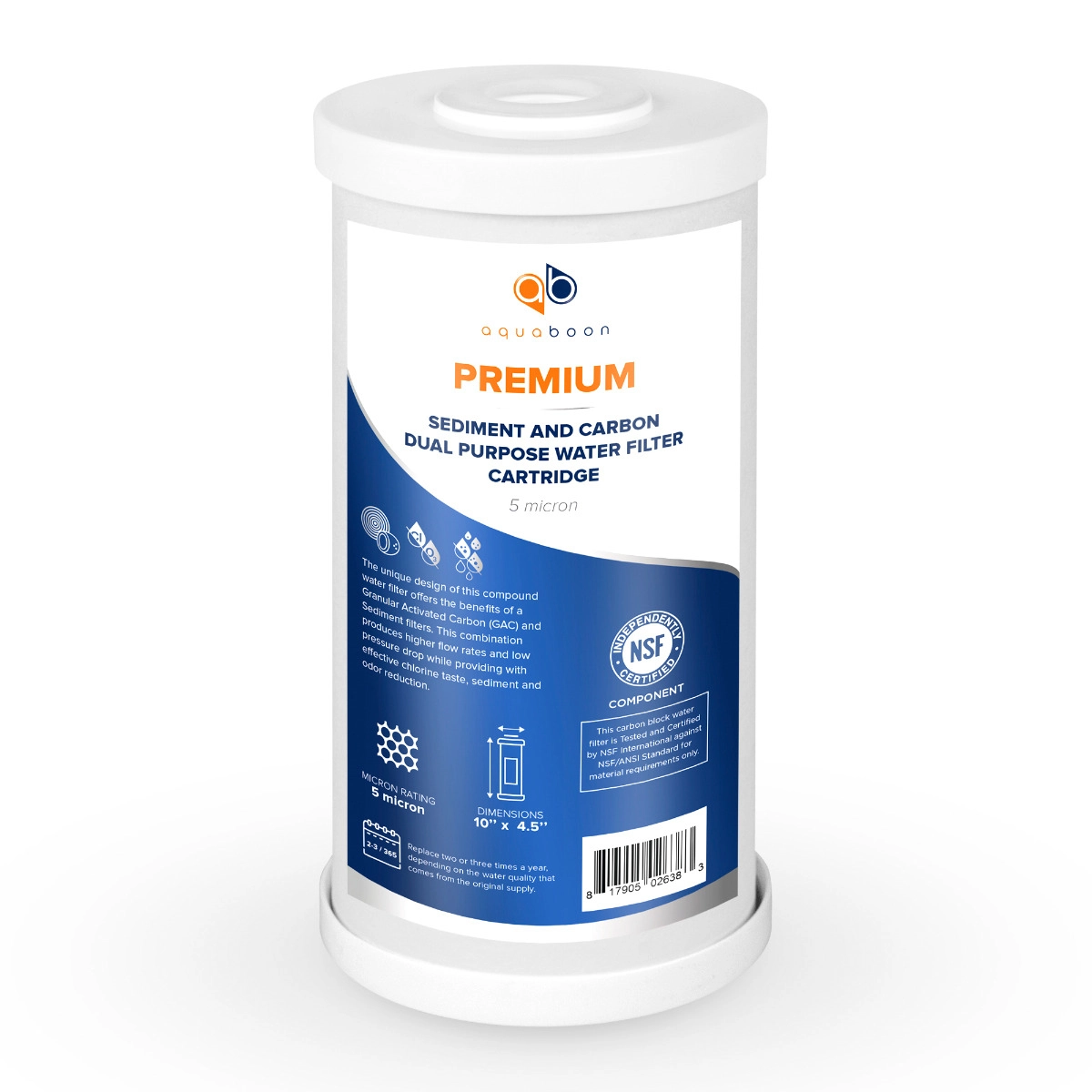
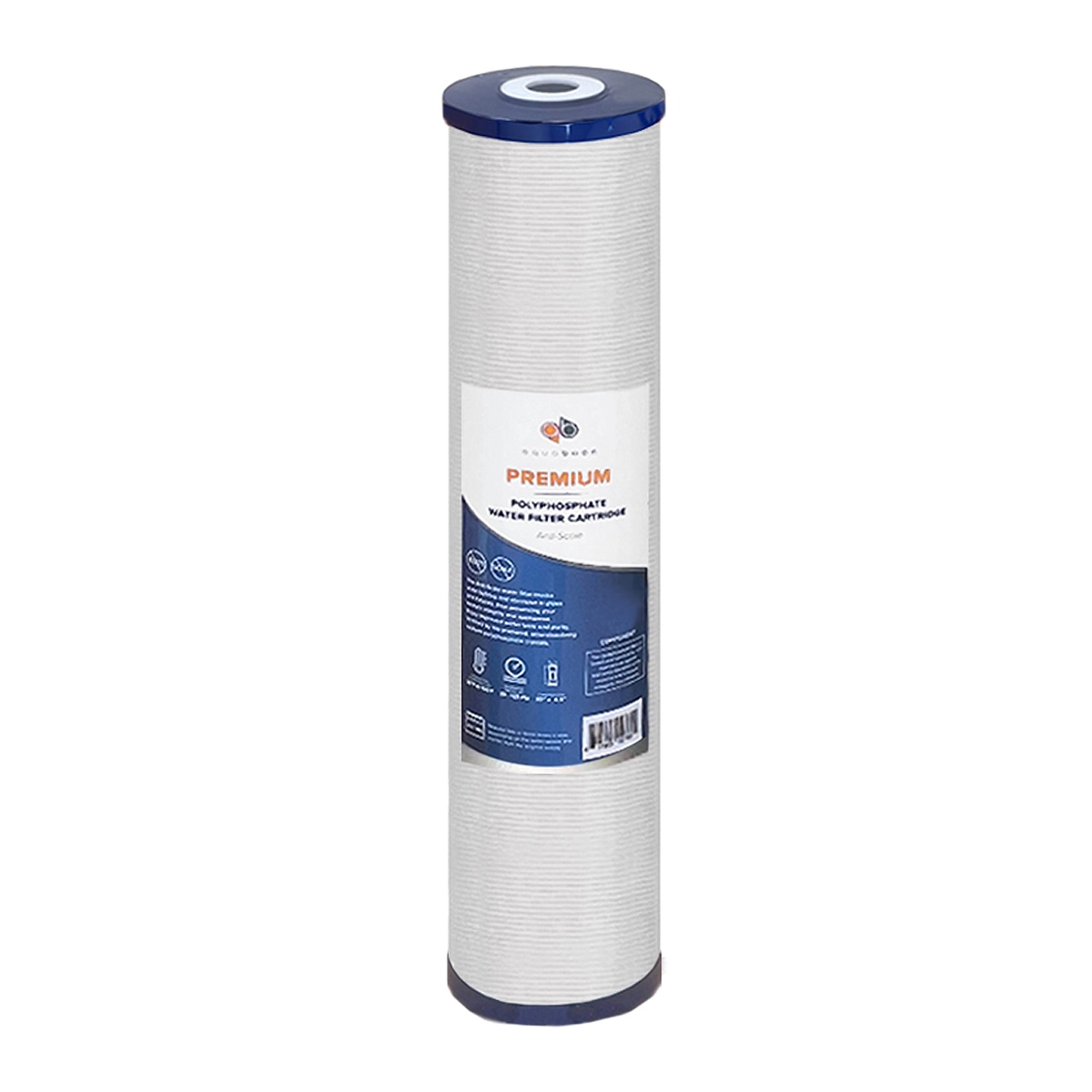
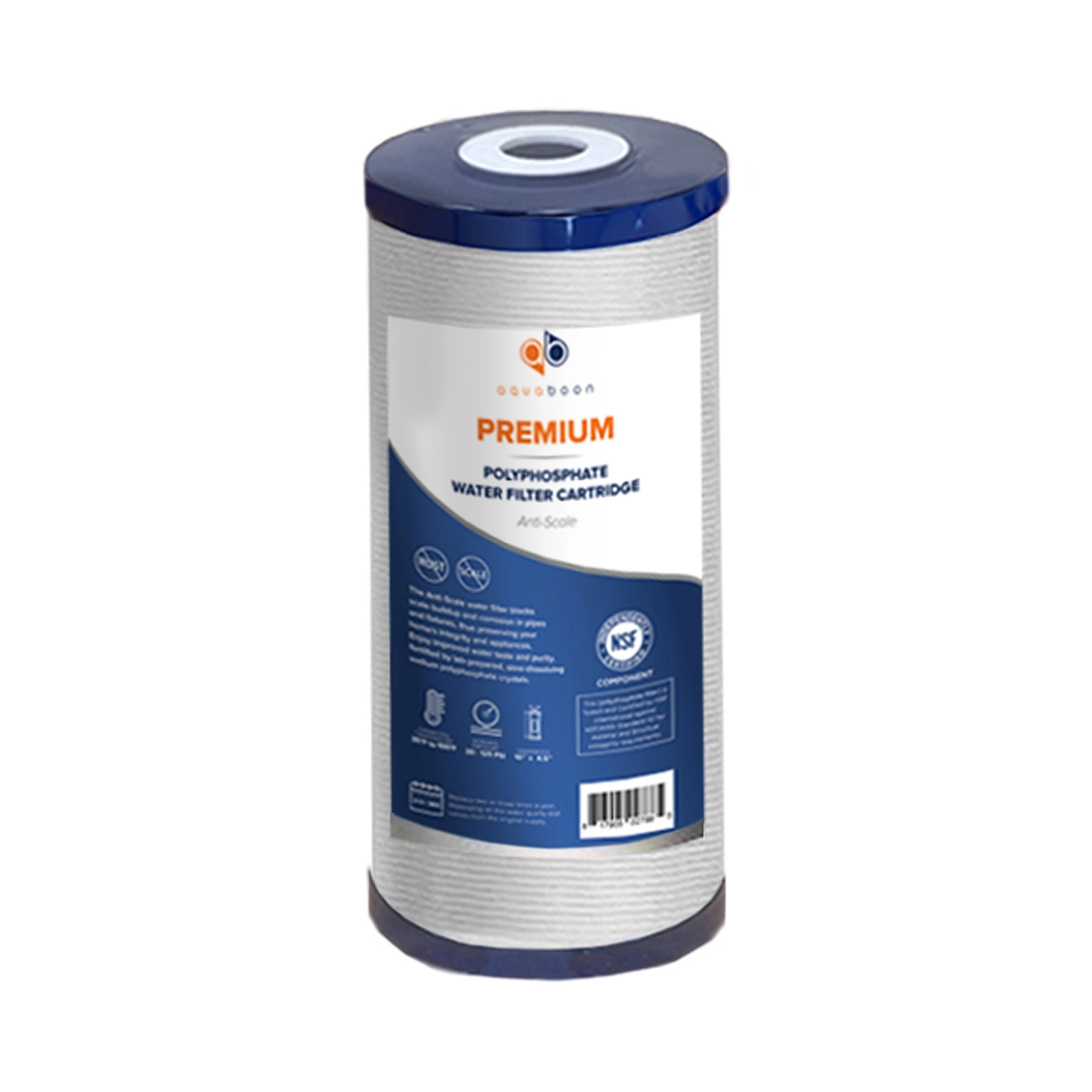
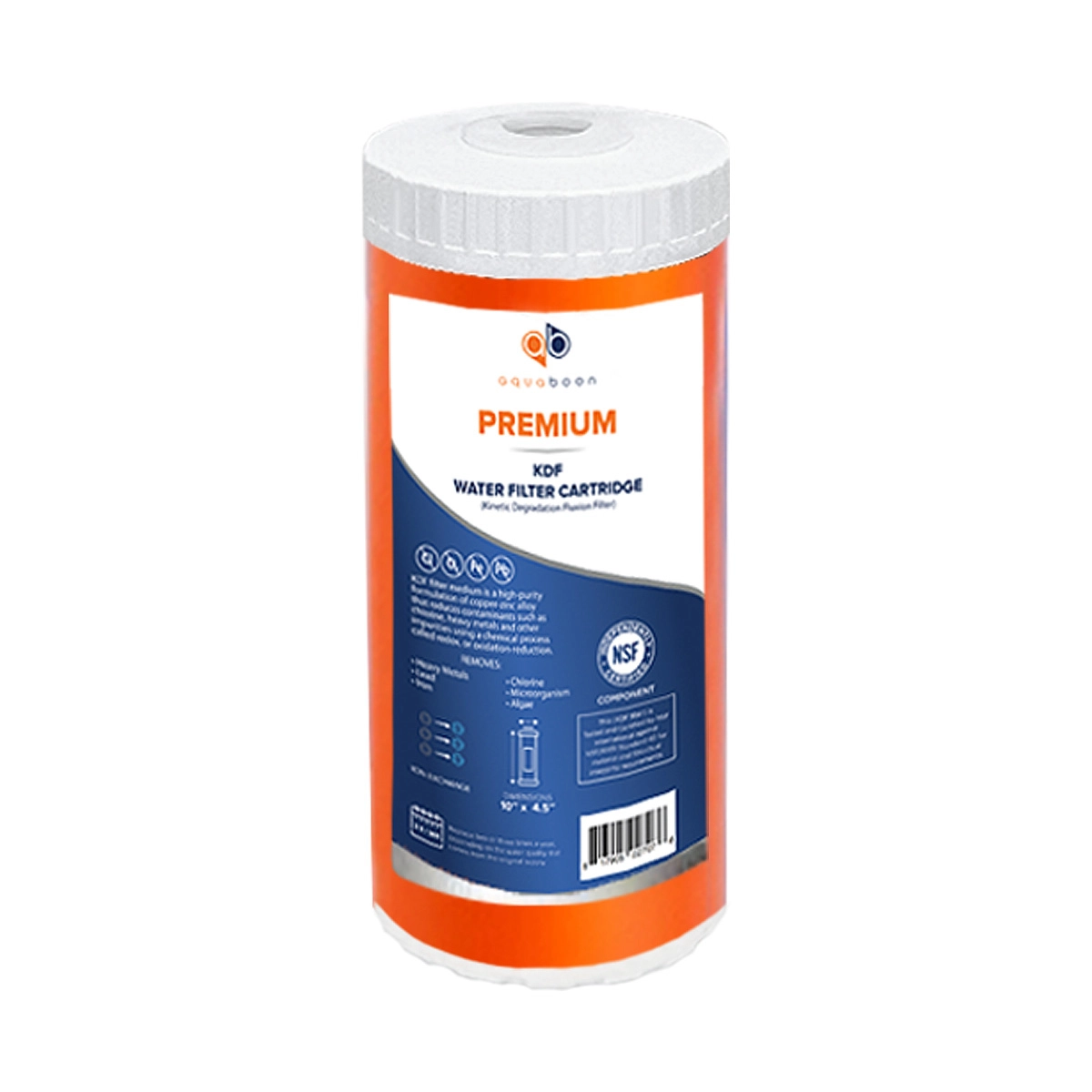
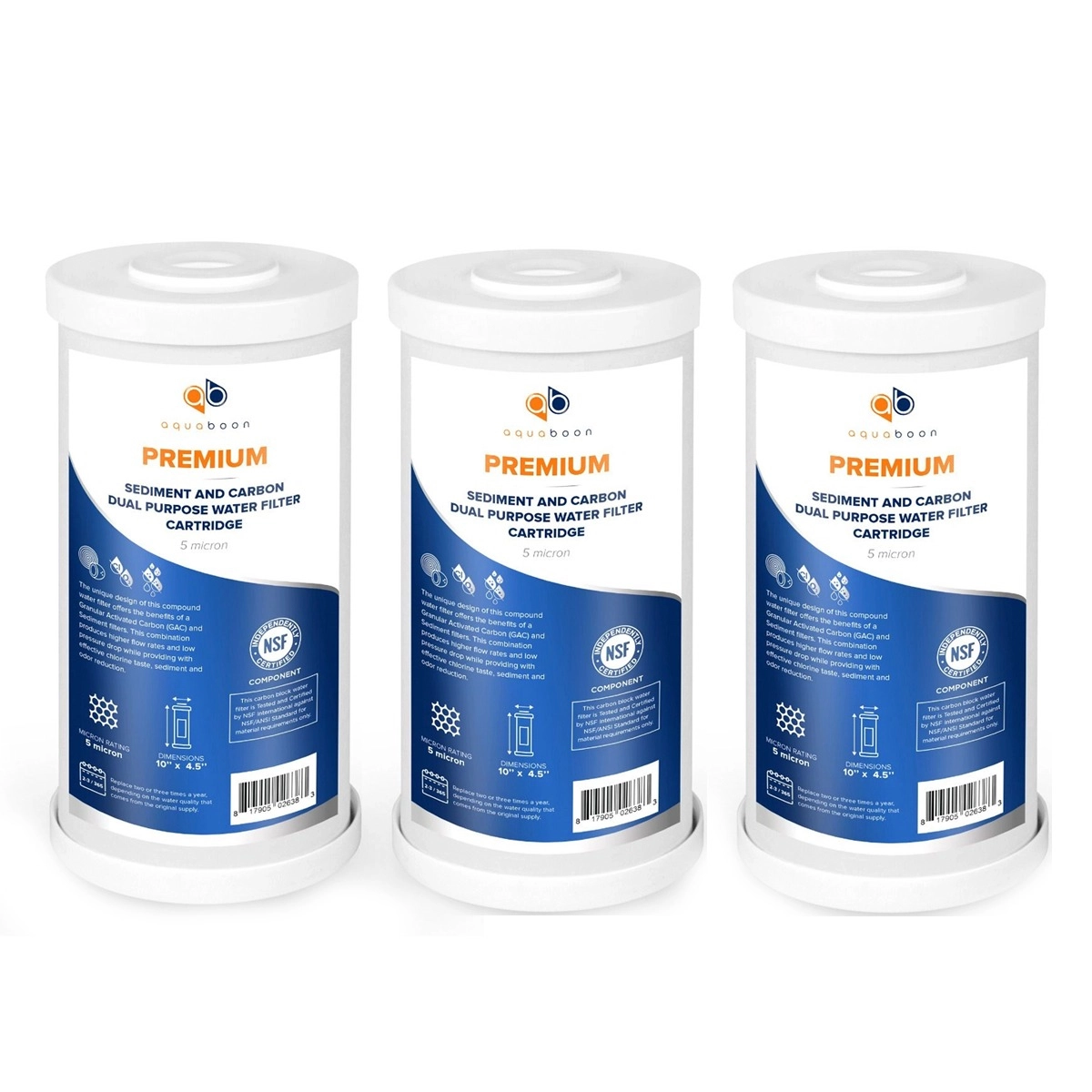
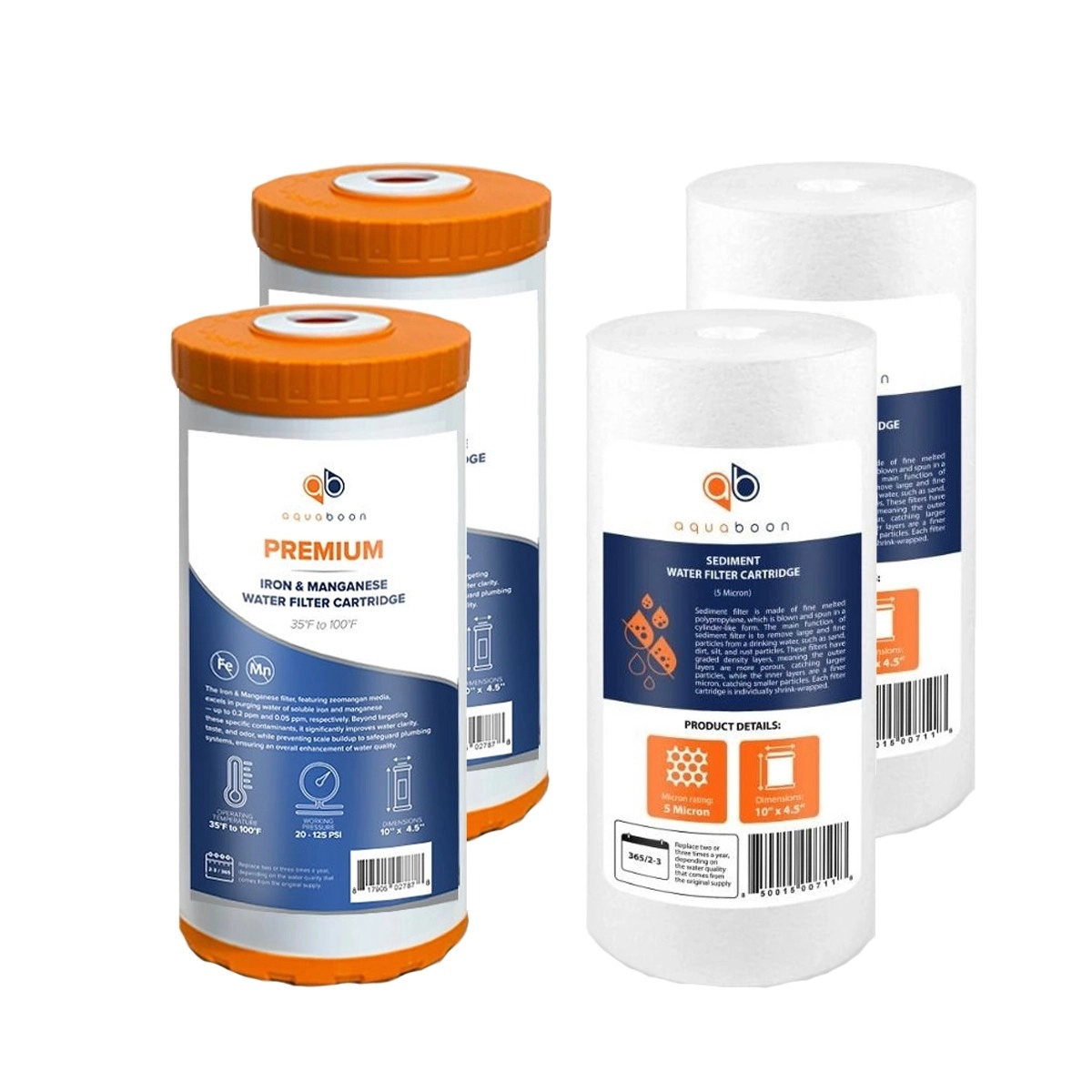
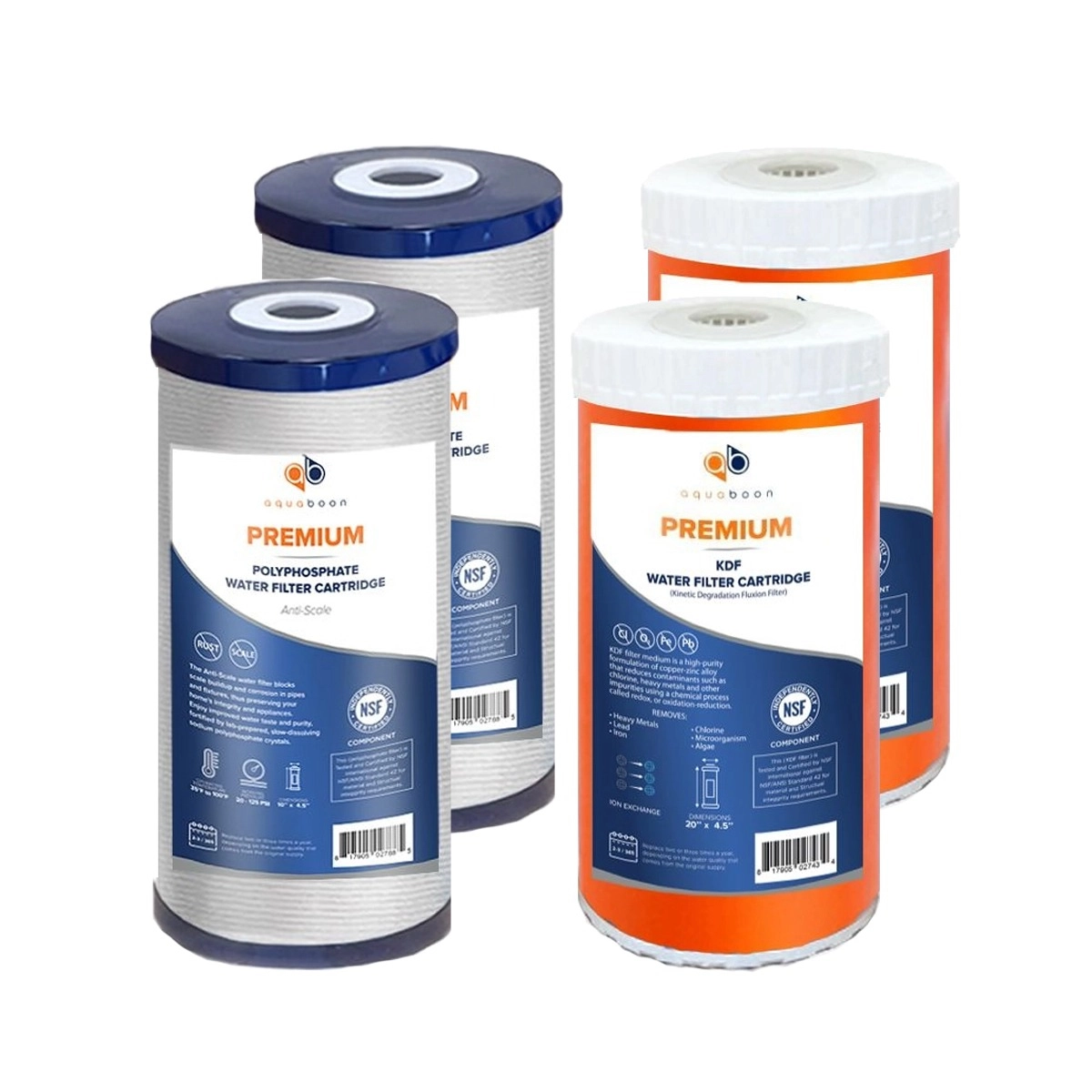
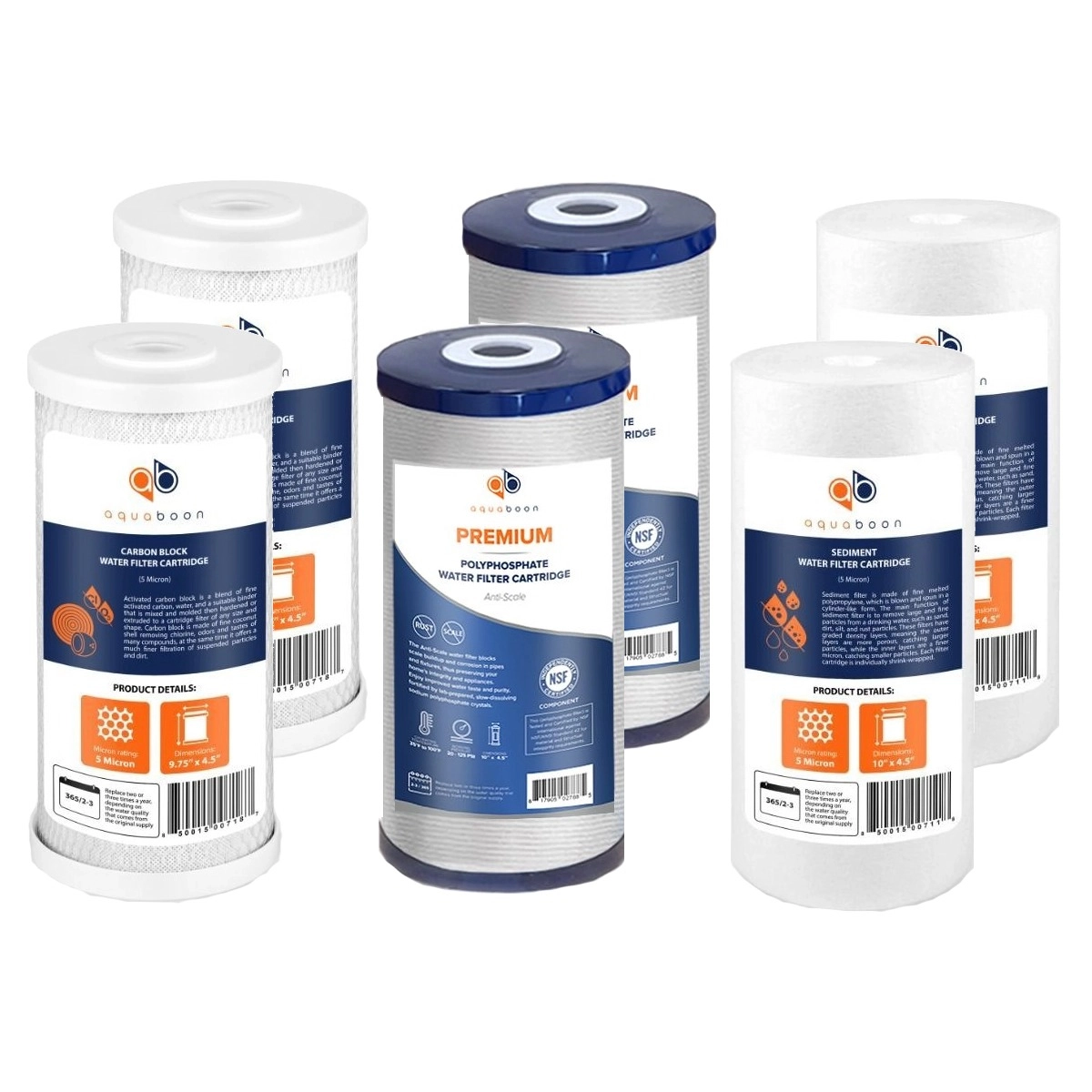
Earning NSF certification isn’t a quick or simple task. It’s a long, detailed process designed to ensure consistency and integrity. Here’s what happens behind the scenes: Because certification involves continual oversight, consumers can trust that a certified filter remains reliable throughout its production life - not just on the day it was approved. Small filters under your sink or on your countertop help with taste and odor, but whole-house systems protect your entire home’s water supply. These systems handle much larger volumes and higher pressure, so structural reliability becomes even more critical. Certification helps confirm that these systems are designed for consistent, long-term performance. It verifies that the housings can withstand daily use, the seals won’t leak, and the filtration media are safe for continuous contact with water. Whether you’re filtering for drinking, bathing, or cleaning, knowing that your system has been evaluated by a recognized standard adds another layer of assurance. Even when full-system certification isn’t available, choosing components - such as sediment or carbon cartridges - that meet NSF or equivalent standards is a smart step toward safer, better-quality water. The best filter for you depends on your water source and goals, but there are a few simple principles that apply to everyone: Choosing trusted products and maintaining them properly ensures that your filtration system continues delivering the quality you expect. Clean water is one of life’s essentials, and the quality of your filtration system directly impacts your health and comfort. NSF certification simplifies the process of finding products you can rely on. It represents decades of expertise, scientific testing, and a commitment to public safety. When you choose filters that follow recognized standards, you’re not only improving taste and clarity - you’re ensuring that every drop flowing through your home is as safe and pure as possible. So next time you’re comparing filters, look beyond the marketing claims. Check whether the product has been tested, certified, and verified by an independent authority. Because when it comes to your family’s water, trusted standards make all the difference. If you’re ready to choose a filter you can trust, explore certified options from Filterway that meet verified NSF standards and ensure long-term water quality.

What the Certification Process Involves

Why Certification Is Important for Whole-House and Drinking Systems
How to Choose a Trustworthy Filter
Verified Quality Makes All the Difference