


Hard water is a common problem affecting a larger percentage of American households. The exact numbers differ from one research to another but typically range between 80% to 90%.
While hard water may not be linked to adverse health effects, many homes struggle with the plumbing and cleaning inconveniences it brings.
This article focuses on the hidden cost of hard water damage, sharing in-depth what problems you can expect and what you can do to prevent them.
What are hard water and its signs?
Water considered hard contains minerals, especially calcium, and magnesium—the more the mineral content, the higher the hardness levels.
So, how do you know that you have problems with water hardness?
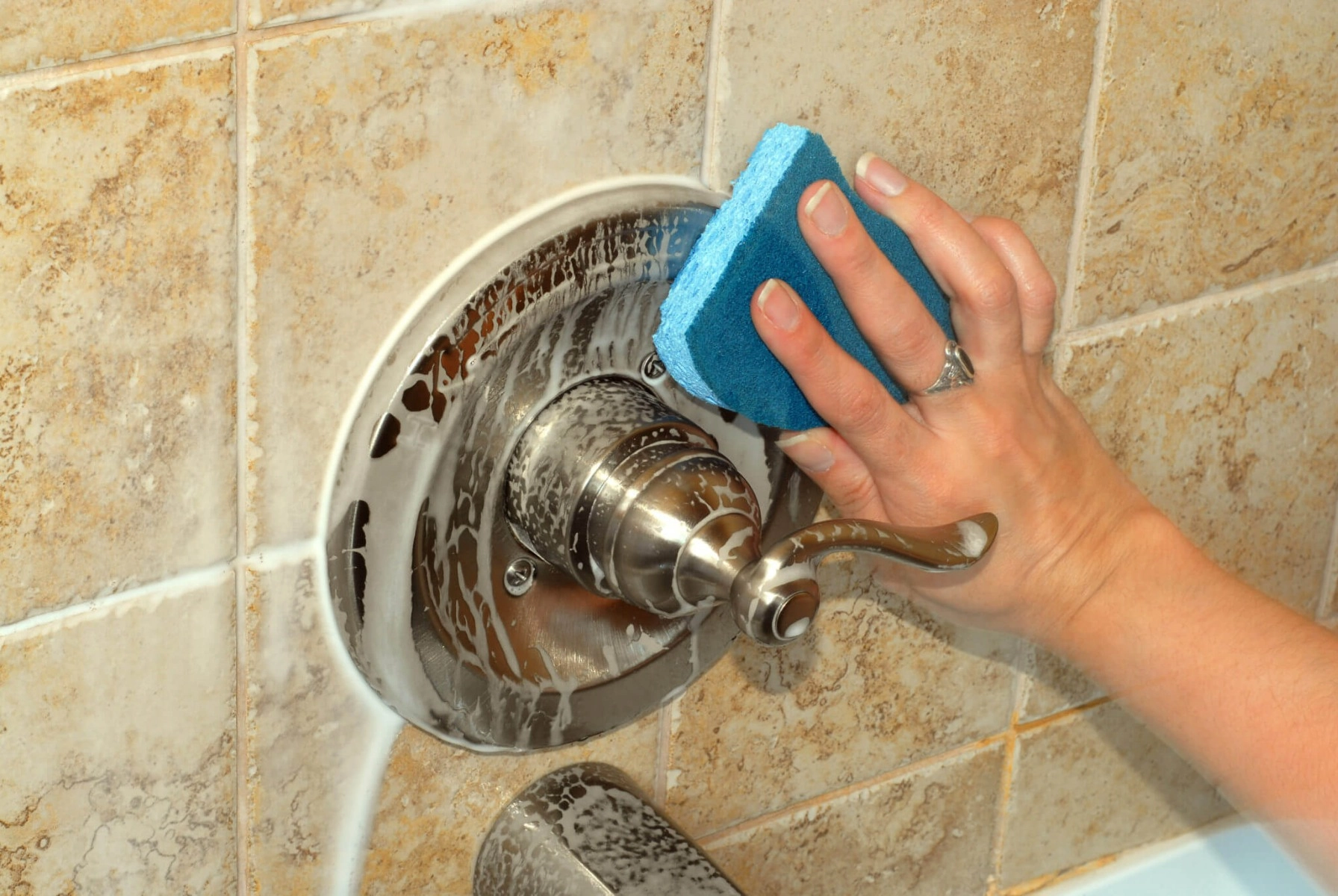
The first sign of hard water is mineral deposits on the faucets or your dishes. Your soap will also not lather well, and you will notice residue on your hands after washing with soap.
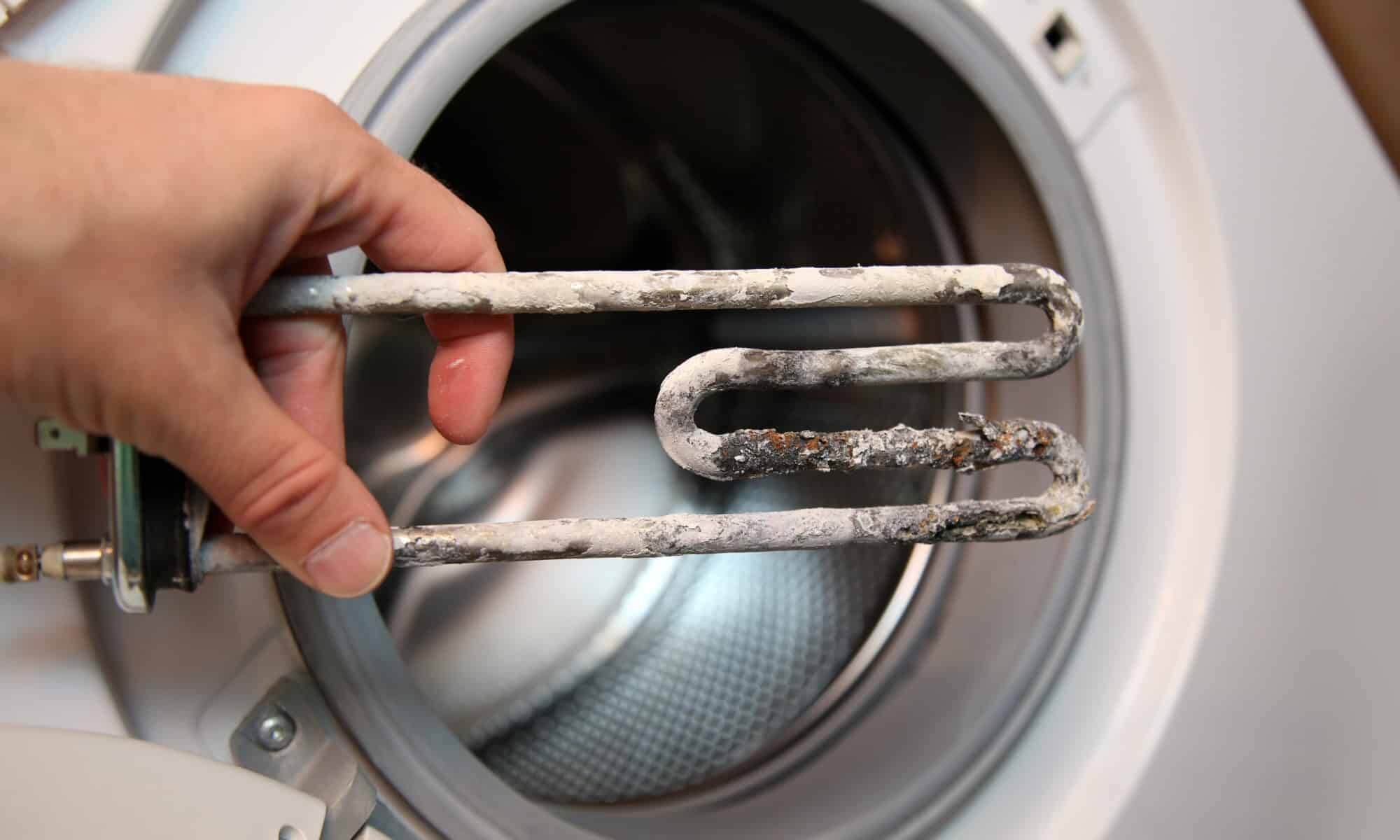
Additionally, your hair might feel grimy, your clothes rough, and your household appliances will have limescale buildup.
Why is hard water a problem?
As much as the water contains essential minerals, you are better off eating dairy and pumpkin seeds to keep your calcium and magnesium levels at the recommended levels.
So, why do you need to get rid of hard water?
For starters, municipal and well water packed with minerals can cause your skin to dry out and itch. Secondly, it leaves soap scum on clothes, making them dingier and rough.
If you are yet to install house water filtering systems, you will also experience an unpleasant taste when hydrating. In addition, appliances such as the showerhead, washing machine, and coffee maker will have a limescale buildup, causing them to break down faster.
Furthermore, since soap does not lather well due to the high mineral contents, you end up using more water while cleaning, which can be expensive.
-
What is the hidden damage caused by hard water?
Homeowners must understand the hidden costs of hard water. That way, they can take the necessary measures, including reading the complete beginner’s guide to water filters to better understand how to prevent hard water.
If you are wondering what hard water causes, you have come to the right place.
One of the costly inconveniences of prolonged use of hard water in our homes is the need to replace home appliances sooner rather than later. For example, when limescale builds up in dishwashers, heaters, and washing machines, it reduces their life expectancy by half! Considering a dishwasher’s average life is ten years, hard water damage may be what sends you to the electronics shop in search of another one only five years after purchase.
Another hidden damage is the minerals might also corrode pipes and clog them, forcing you to call in plumbing experts. Even if unclogging is done and pipe replacements are made, you will incur plumbing expenses again when the issues reoccur unless you adopt a preventive measure, such as installing a filtration system.
More Problems You Can Face with Hard Water
Hard water doesn’t just harm your pipes or heating systems — it also disrupts your everyday routines around the home:
- Laundry Troubles: Fabrics lose their softness and brightness, leaving clothes feeling rough and faded after multiple washes.
- Soap and Detergent Inefficiency: The minerals in hard water reduce soap’s ability to lather, forcing you to use more detergent for the same cleaning results.
- Dull Dishes and Glassware: White film or chalky spots often remain on dishes and glasses, making them appear dirty even when freshly washed.
- Impact on Skin and Hair: Frequent contact with hard water can strip away natural moisture, leaving your skin dry and your hair brittle or lifeless.
How much does the hard water damage cost?
The hard water damage cost you incur depends on various factors, including the number of appliances affected.
If, for instance, you need to replace your dishwasher, washing machine, water heater, or coffee machine - even if not all at once - your bank account will definitely cry foul.
On the other hand, if your piping system is affected, the expenses incurred depend on the severity of the problem. For example, do you only need unclogging services, or will the plumbers replace the entire system?
Ways to prevent hard water damage
Luckily, there are various ways to prevent the unpleasant consequences of hard water damage. They include the following:
Boil water
A DIY solution that can sort out your hard water problem at home is boiling. This is a straightforward process that promotes safer and tastier hydration.
To do this, you only need to boil the water, then wait a couple of minutes for it to cool down. Once it’s at room temperature, decant the water, leaving the mineral deposits at the bottom behind.
However, note that this is a process perfect for temporary hardness. Therefore, you must consider more sophisticated solutions if you have a permanent hardness problem.
Maintenance measures
Preventive maintenance practices such as routinely removing limescale buildup can help minimize hard water damage. Also, use distilled vinegar to clean fixtures susceptible to scale and remove those unsightly marks on your utensils.
Besides, you need to service your appliances annually. An excellent example is calling a professional to clean your heater’s nodes.
Note that these maintenance measures are not fool-proof. You must implement them in conjunction with the hard water solution mentioned below for excellent results.
Buy a water softener
A water softener is one of the best solutions for your mineral problem, leveraging a process called ion exchange to rid the water of its hardness.
Softeners contain resin beads that are negatively charged, so when they come into contact with calcium and magnesium that are positively charged, a chemical exchange happens. They hold on to the minerals and, in turn, release sodium ions, softening the water.
There are numerous types of softeners, and the one to pick depends on various factors, including;
- Your household’s size or water usage,
- Its energy efficiency
- Maximum hardness removal,
- Enhanced performance capabilities,
- Additional contaminant removal
The latter is particularly essential because hard water may contain other toxins that harm our bodies. For these reasons, it's recommended that you use softeners alongside filters for water.
Depending on your chosen water filtration system, you can do away with impurities such as lead, mercury, VOCs, pathogens, and unwanted debris.
Protect Your Home with Filterway’s Hard Water Solutions
Now that you extensively understand how hard water damage your home and its associated costs, you know why putting in place prevention measures is vital.
At Filterway, ensuring you hydrate healthily is what we do best. Our online store sells a wide range of softeners, filters, and purification cartridges that elevate the quality of the water you consume or use for household chores. All our products are genuine and of top-notch quality, effectively barring contaminants from flowing through your faucets.
Take the first step toward better water today —Contact us
FAQ — Hidden Cost of Hard Water Damage
Can hard water increase utility bills?
Yes. Hard water causes mineral buildup in water heaters, pipes, and appliances, making them work harder to perform their normal functions. This reduces efficiency and increases energy consumption, which can lead to higher electricity or gas bills over time.
Can hard water affect laundry and cleaning results?
Absolutely. The minerals in hard water interfere with soap and detergent performance, preventing them from lathering properly. Clothes can become stiff and faded, while dishes, sinks, and showers may develop a cloudy film or soap residue that’s difficult to remove.
How often should I test my water for hardness?
It’s best to test your water at least once or twice a year. If you notice white scale buildup on faucets, dull laundry, or reduced water pressure, you should test it more frequently — about every six months — to monitor changes in mineral content and act early if hardness levels rise.
How can I prevent hard water damage in my home?
Installing a water softener or filtration system designed for hard water is the most effective way to protect your home. Regularly clean and maintain appliances like dishwashers, kettles, and water heaters to prevent scale buildup. Using cleaning products made for hard water can also help reduce residue and keep your home surfaces spotless.