


Hard Water: What is It and How Can It be Treated?
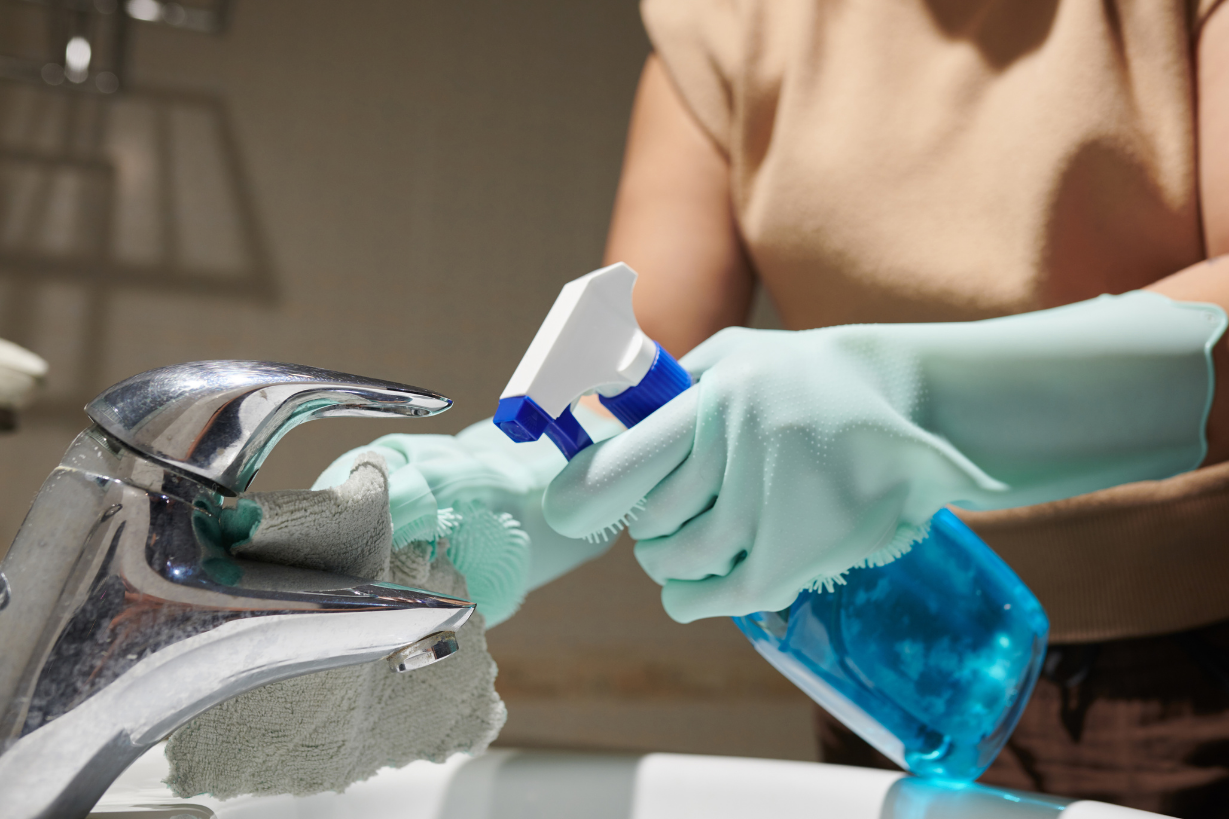
Do you often find mineral stains on freshly washed clothes or notice cloudy white spots on dishes after the dishwasher cycle? Are your faucets collecting buildup, or have your water heaters and showerheads started wearing out more quickly?
If so, you’re likely one of the 90% of U.S. households dealing with hard water.
Hard water is a common issue, yet many people still wonder, what is hard water mean in practical terms. It simply refers to water with high mineral content that can impact your home, appliances, and daily routines.
This article explains what causes water hardness, how to remove it, and whether it can negatively affect your health.
Causes of hardness in drinking water
What are the actual causes behind hard water?
In simple terms, hard water contains elevated levels of dissolved minerals, mainly calcium and magnesium. As water moves through soil and rock during the natural water cycle, it absorbs these minerals before reaching your home. This explains what is hard water mean in everyday use: water with a high mineral load. The degree of hardness is measured by the concentration of dissolved minerals, and when calcium carbonate exceeds 200 mg/L, the water is classified as hard. Although these minerals are not typically harmful to health, they can lead to stubborn residue, scale buildup, and premature wear of household appliances, reducing their efficiency and lifespan.
Water hardness levels
“What is the hardness of water in my area?” - is a question many people ask when they begin noticing issues caused by mineral-rich water. Before choosing the right hard water filter or treatment method, it’s important to understand how hardness levels are defined and measured. Below is a general overview of how water hardness is classified in the United States.
|
Calcium Carbonate mg/l |
Water Hardness Level |
|
0 to 60 mg/L |
soft |
|
61 to 120 mg/L |
moderately hard |
|
121 to 180 mg/L |
hard |
|
more than 180 mg/L |
very hard |
Seeking the services of an independent laboratory that tests for hard water, is the best way to find out the extent of your problem. However, since these tests are often expensive, you can take a DIY approach.
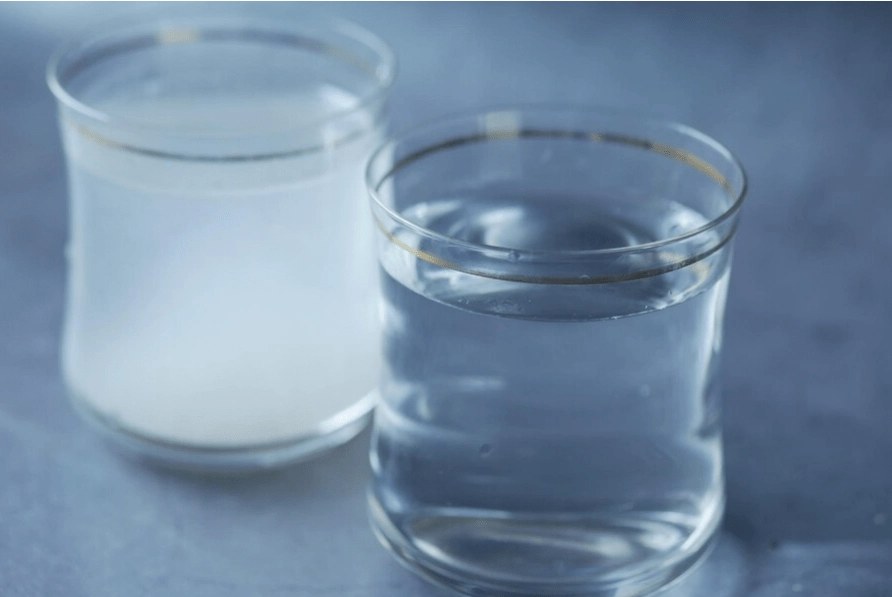
A simple test would be putting some water into a bottle, adding a few drops of any liquid detergent, then shaking the bottle vigorously. If you have clear water and an impressive amount of suds, good news! Your water is soft.
However, if you notice cloudy water with few soap bubbles, it’s only wise to get a hard water filter for house and save yourself the stress of dealing with avoidable plumbing issues.
Why is drinking hard water bad for me?
Generally, there isn’t any substantial evidence that hard water for drinking has detrimental effects on human health. In fact, many experts say that it provides alternative dietary supplements to people with mineral efficiency.
However, what happens when the hardness of water scale goes beyond the 180mg/l mark?
Here are some potential health risks of drinking hard water in excess.
Risk of kidney dysfunction
According to this research, prolonged consumption of hard water could be detrimental to kidney function. Over time, you risk diabetes, renal failure, cerebrovascular disease, and other life-threatening conditions.
Dry skin
Bathing in water with excess calcium and magnesium can cause dry skin. While various skin products that work on dry skin exist, leaving it unattended can cause itchiness and scaling. For people who generally have dry skin, cracking might occur leading to bleeding and skin infections.
Furthermore, using hard water has been associated with an increase in eczema. A Lancet research shows that there were higher cases of Atopic eczema in areas where water has high mineral content. Additionally, another research conducted in Japan concurred with the Lancet report, stating the same findings.
Dry hair
Did you know that hard water can cause hair to break and fray? The excessive minerals are damaging to even the most lustrous hair, making them brittle and causing them to fall off easily.
Apart from destroying the hair follicles, hard water may cause scalp itchiness and lead to dandruff.
And that’s not all!
Water packed in calcium and magnesium has other unpleasant consequences, which include:
- Scale buildup
Mineral deposits on your showerheads, boilers, coffee machines, and other home fixtures/appliances are inevitable if hard water flows through your faucets. Once a buildup occurs, your precious appliances are likely to get damaged.
And if your water use goes beyond culinary activities and into, for instance, gardening, you are likely to notice the stains on the sprinklers. Basically, you will have chalky discolorations wherever the water spills.
- Unpleasant tea/coffee
Using hard water to brew coffee or make your favorite cup of rosemary tea is only a recipe for disaster. The high mineral contents will plague its flavors and you will end up with a dull cup.
- Unsightly glassware
Hard water will leave spots on your dishes and other utensils, needing you to rewash. In this case, purchasing a water filter is a surefire way to eliminate these unwanted minerals and enjoy a better quality of life.
How can I clean and soften hard water?
To eliminate chalky white buildup and remove excess minerals, you need an effective softening method. Many homeowners look for how to remove the hardness of water, especially when scale starts affecting everyday tasks. Others try to reduce hardness of water to protect plumbing, appliances, and fixtures. Fortunately, several proven techniques can significantly improve overall water quality. These methods help you enjoy cleaner, better-tasting water while preventing limescale that shortens the lifespan of household systems. Below are some of the most reliable approaches to softening hard water and keeping your home protected.
Ion-exchange water softening
As its name suggests, this is a water softening technique where a resin sucks in ions that cause limescale and in exchange, release alternative ions that do not compromise the quality of water.
In this case, the resin found inside the water softener is packed with sodium ions and once it traps the calcium and magnesium ions, it will switch them up with the sodium ions.
After numerous purification cycles, the sodium ions will deplete and a regeneration process happens. Here, brine is forced through the resin, flushing out the calcium and magnesium and allowing it to suck in the sodium ions again.
Salt-free water conditioning: Reverse Osmosis (RO)
Salt-free water conditioning is a softening technique that does not use sodium.
A reverse osmosis system falls under this category, leveraging its RO membranes to do away with minerals that cause water hardness. During the purification process, the water is forced through these membranes - which are semi-permeable - stripping it of all minerals including those responsible for hardness.
Due to its robustness, the RO is a preferred whole house water filtration system. That way, families can hydrate well and use household appliances like dishwashers, coffee makers, and washing machines for prolonged periods without worrying about consuming toxins or appliances breaking down.
Salt-free water conditioning: Template Assisted Crystallization (TAC) / Nucleation Assisted Crystallization (NAC)
Template Assisted Crystallization (TAC) is another viable method of how to soft water, without the need for sodium.
Also known as Nucleation Assisted Crystallization (NAC), this hard water filtering method is widely used in limescale treatment. These systems have microscopic sites where crystallization of calcium and magnesium happens, ensuring that the minerals cannot attach to appliances or pipes.
Unlike RO systems, these purifiers do not demineralize the water. So, you will taste the salts when hydrating but you will not experience scale since they cannot stick to showerheads or any other appliances.
Salt-free water conditioning: chelation
Chelation is another water conditioning technique that binds calcium and magnesium ions, making them unable to attach to fixtures. This technology leverages agents such as citric acid to condition the water and prevent a buildup of scale.
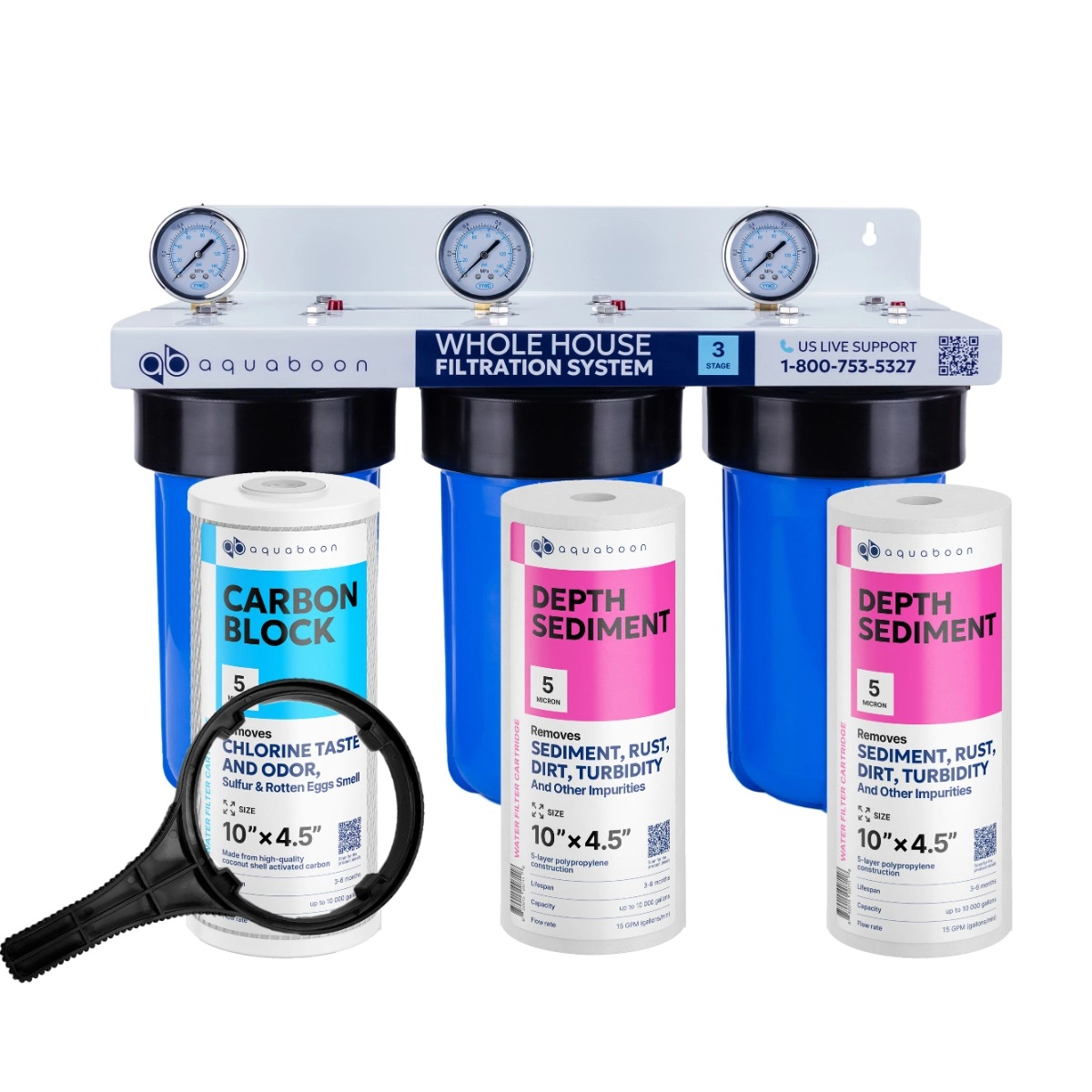
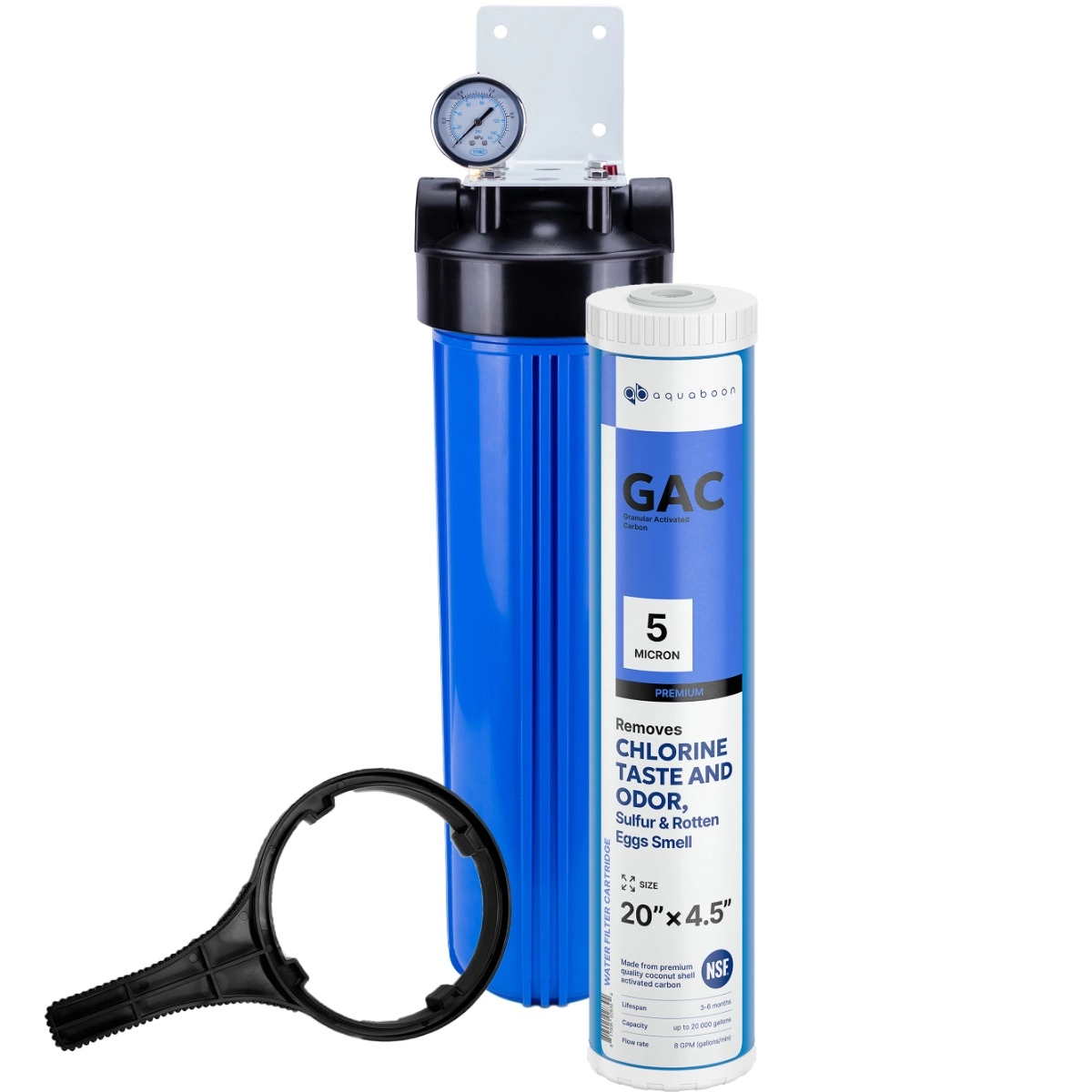
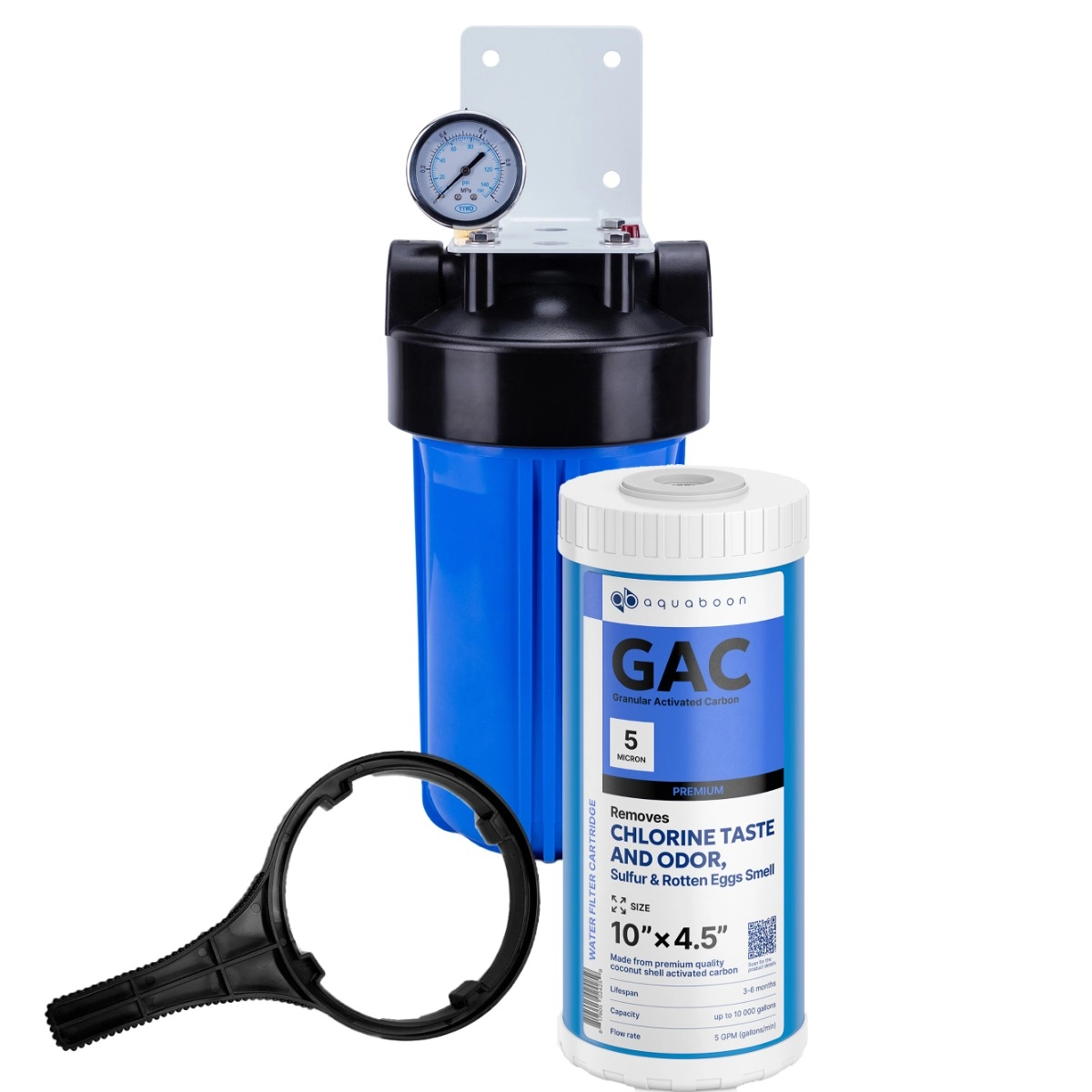
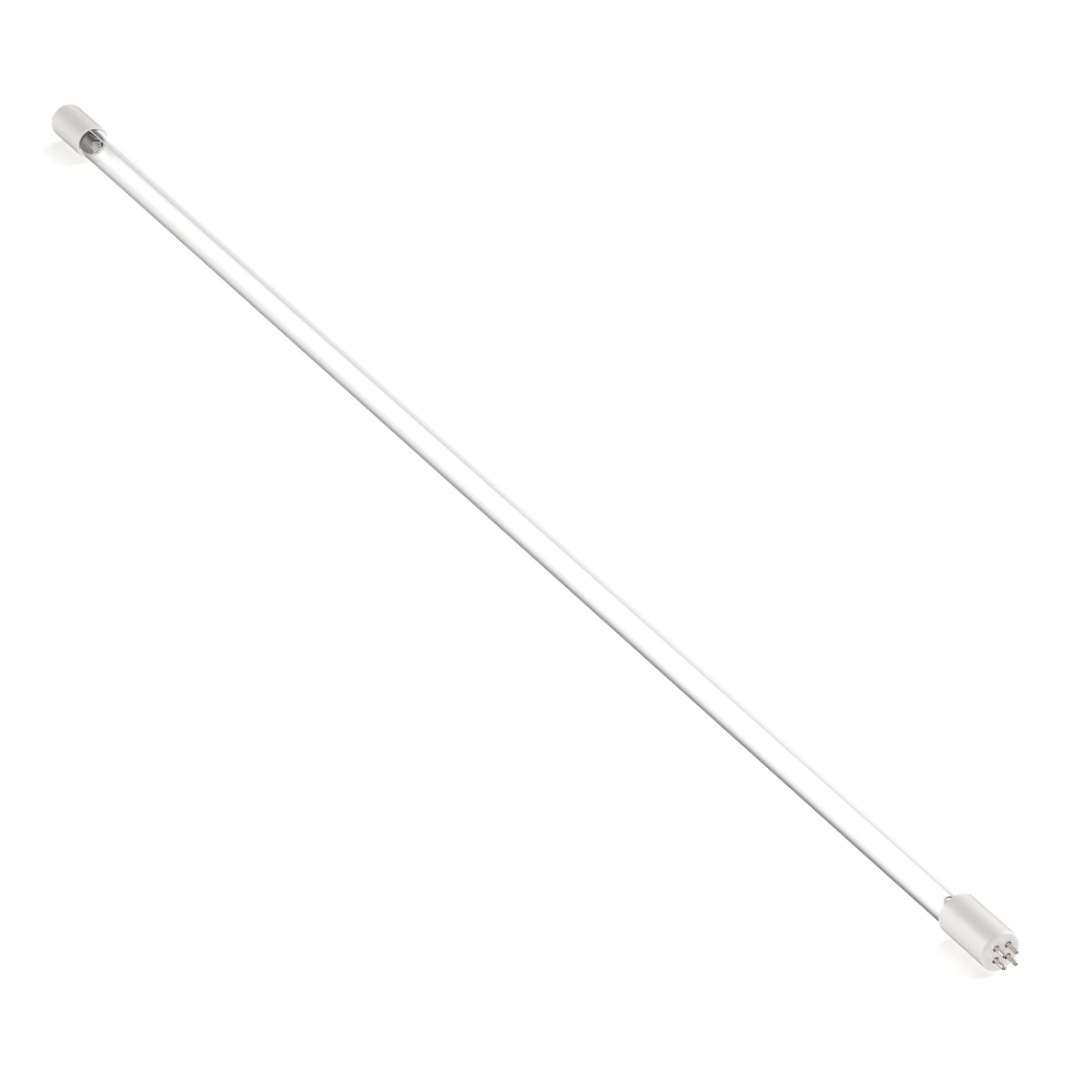
Filtering hard water offers several essential advantages that improve both everyday comfort and the long-term efficiency of your home’s plumbing. When you understand what helps with hard water, it becomes clear that filtration is one of the most effective solutions. By lowering excess calcium and magnesium, a proper system minimizes scale buildup, enhances water taste, and protects appliances from premature damage. Key benefits include: With these advantages, investing in a reliable hard water filter becomes a smart and practical choice for any home. Common signs include white or chalky mineral deposits on faucets, dishes, and shower doors, dry skin or dull hair after bathing, reduced soap lather, and frequent breakdowns of appliances like water heaters or dishwashers. A water test kit or professional water analysis can confirm the exact hardness level. Water softening removes calcium and magnesium ions—typically through ion exchange—resulting in genuinely soft water. Water conditioning, on the other hand, doesn’t remove minerals but changes their structure so they can’t form scale. Conditioning reduces buildup while keeping minerals in the water, whereas softening fully eliminates hardness. Softened water is generally not recommended for plants, especially when softened through sodium-based systems. High sodium levels can lead to soil imbalance and harm root systems. For gardening, it’s best to use unsoftened tap water, filtered water that retains minerals, or harvest rainwater when possible. Maintenance depends on the type of system, water usage, and water quality. Most sediment and carbon filters require replacement every 3–6 months, while reverse osmosis membranes typically last 1–2 years. Whole-house systems may need annual servicing. Following the manufacturer’s schedule ensures optimal performance and protects your plumbing and appliances. Generally, hard water doesn't have debilitating effects on your health. However, it is a nuisance to any homeowner as you will need to constantly call in a plumber to fix blocked faucets and replace damaged showerheads. For these reasons, the importance of finding a filter that effectively sieves out calcium, magnesium, and other excessive minerals cannot be over-emphasized. RO systems provide the protection your household appliances and fixtures need against limescale. They feature multiple filtration stages and are an ideal option for those looking to improve the quality of municipal water and those wondering how to purify well water. At Filterway, our mission is to make sure every part of your home receives clean, dependable, high-quality water. Protecting your appliances is just as important, which is why we offer whole-house filtration systems designed to shield your family from bacteria, minerals, and other contaminants. For anyone wondering how can we remove hardness of water, our range of solutions provides clear, effective answers. We also supply premium replacement cartridges to help you maintain excellent water quality year-round. And if you ever need guidance, our knowledgeable support team is always ready to help you choose the right cartridge for your specific filtration system.
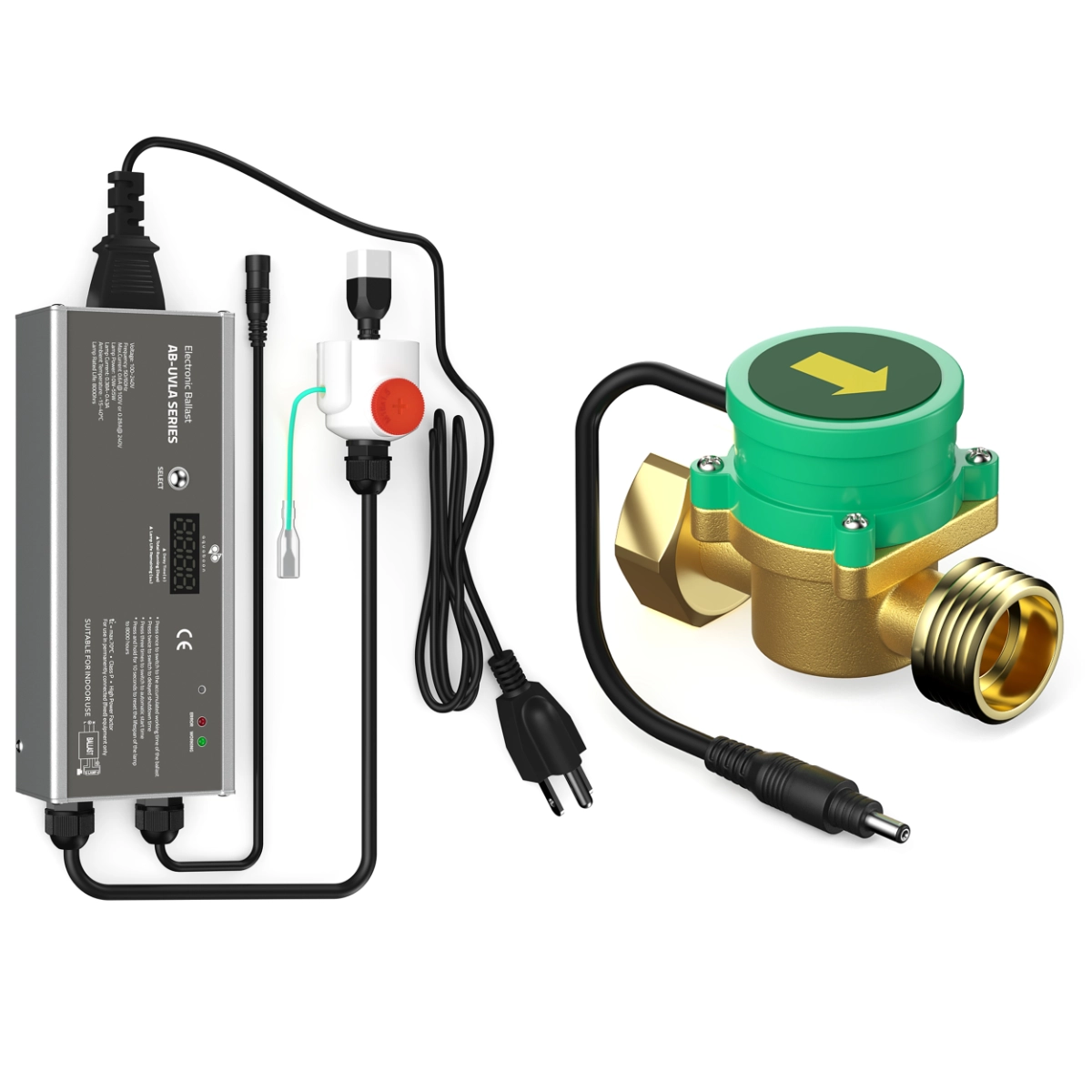
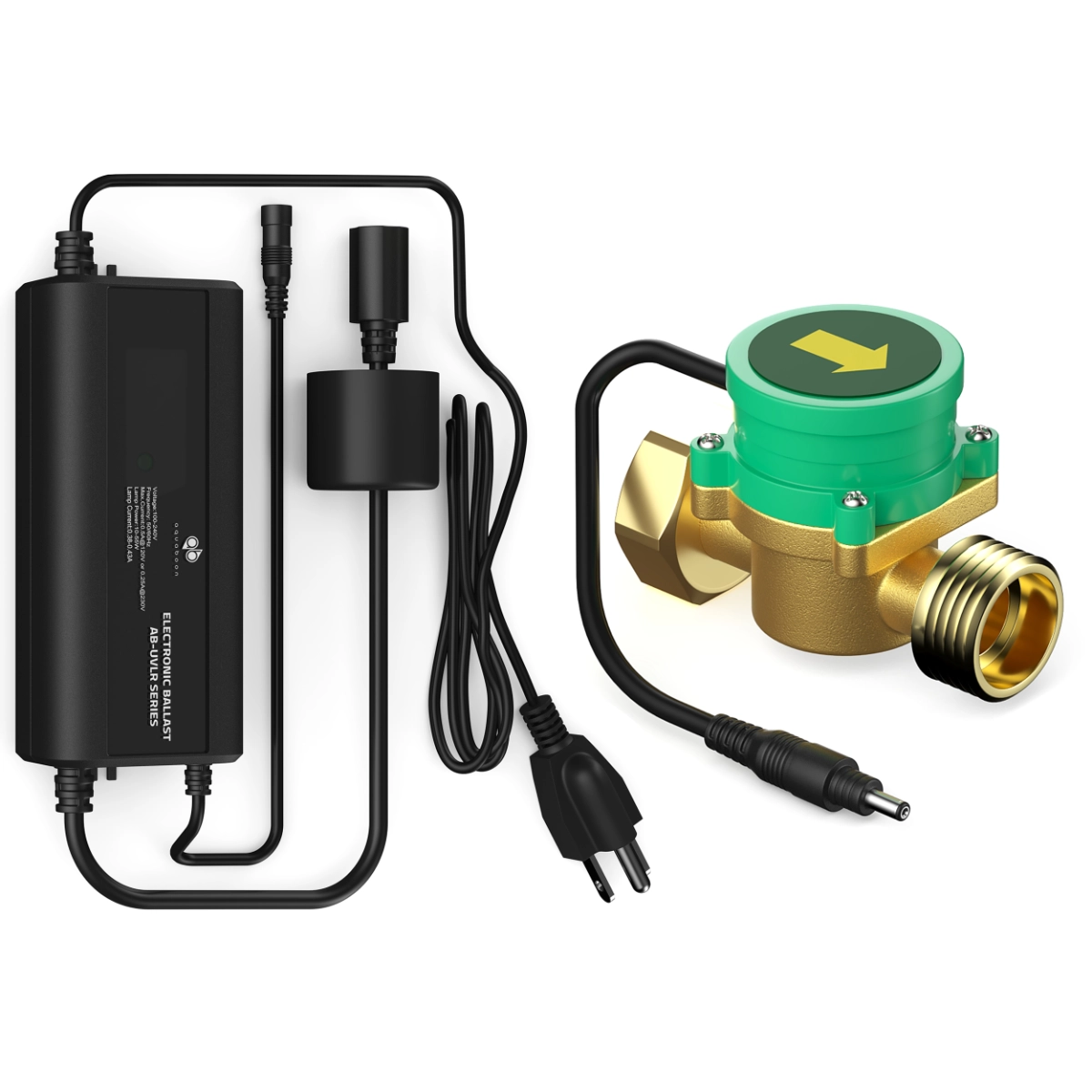
Key Benefits of Filtering Hard Water
FAQ — Hard Water and Filtration
How can I tell if my home has hard water?
What is the difference between water softening and water conditioning?
Can softened water be used for plants and gardening?
How often should household water filtration systems be maintained or replaced?
Choosing the Right Solution for Hard Water