


GAC Filters

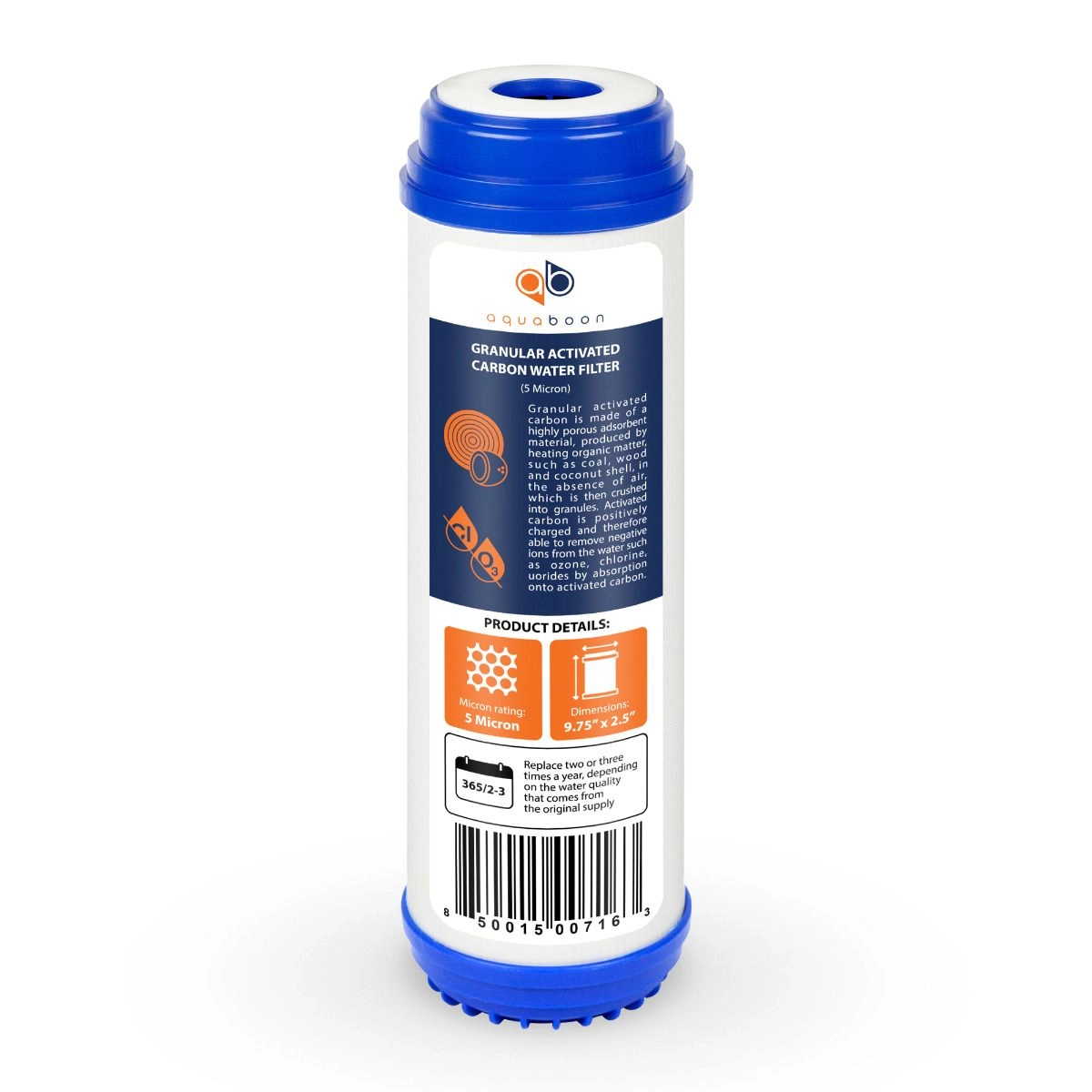
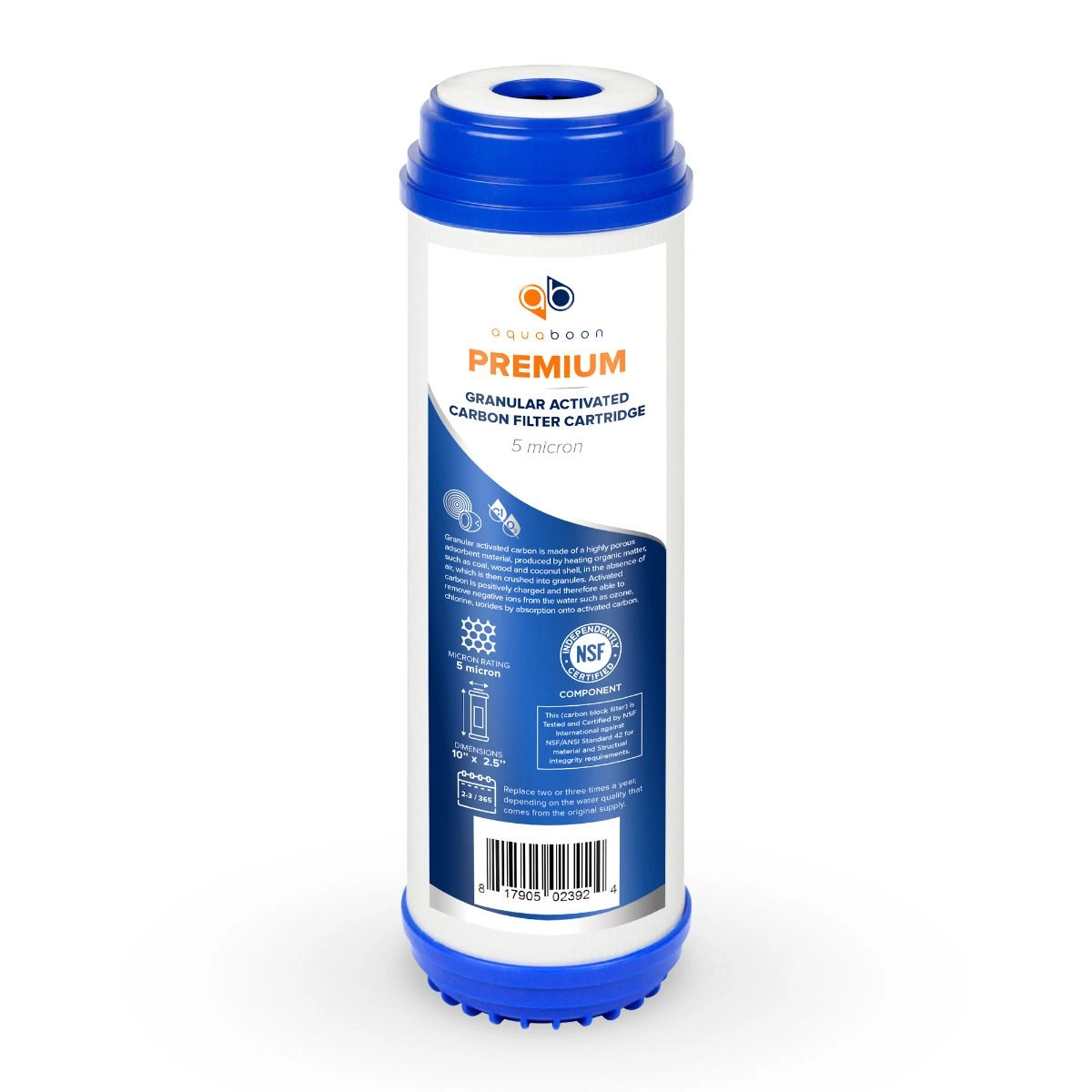
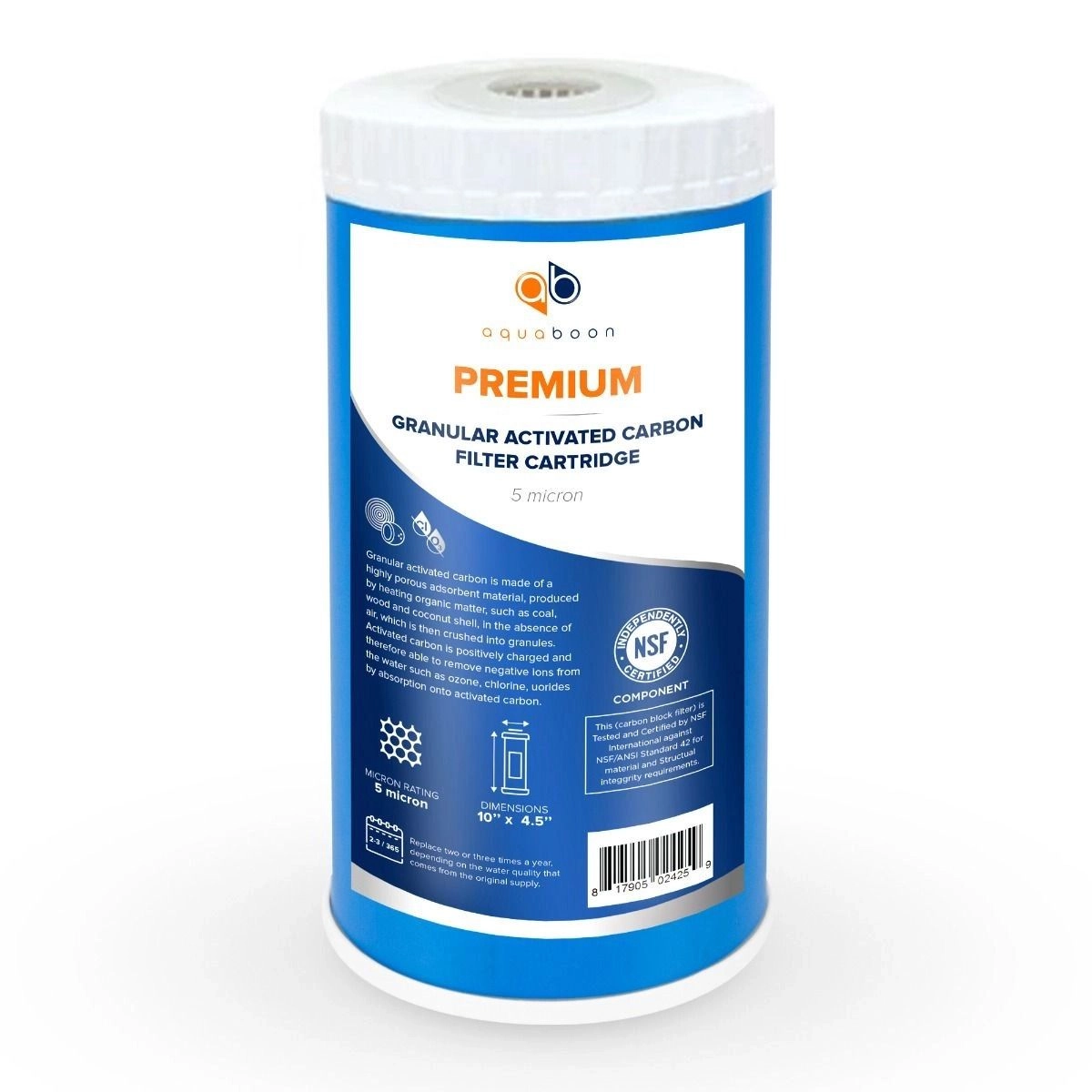
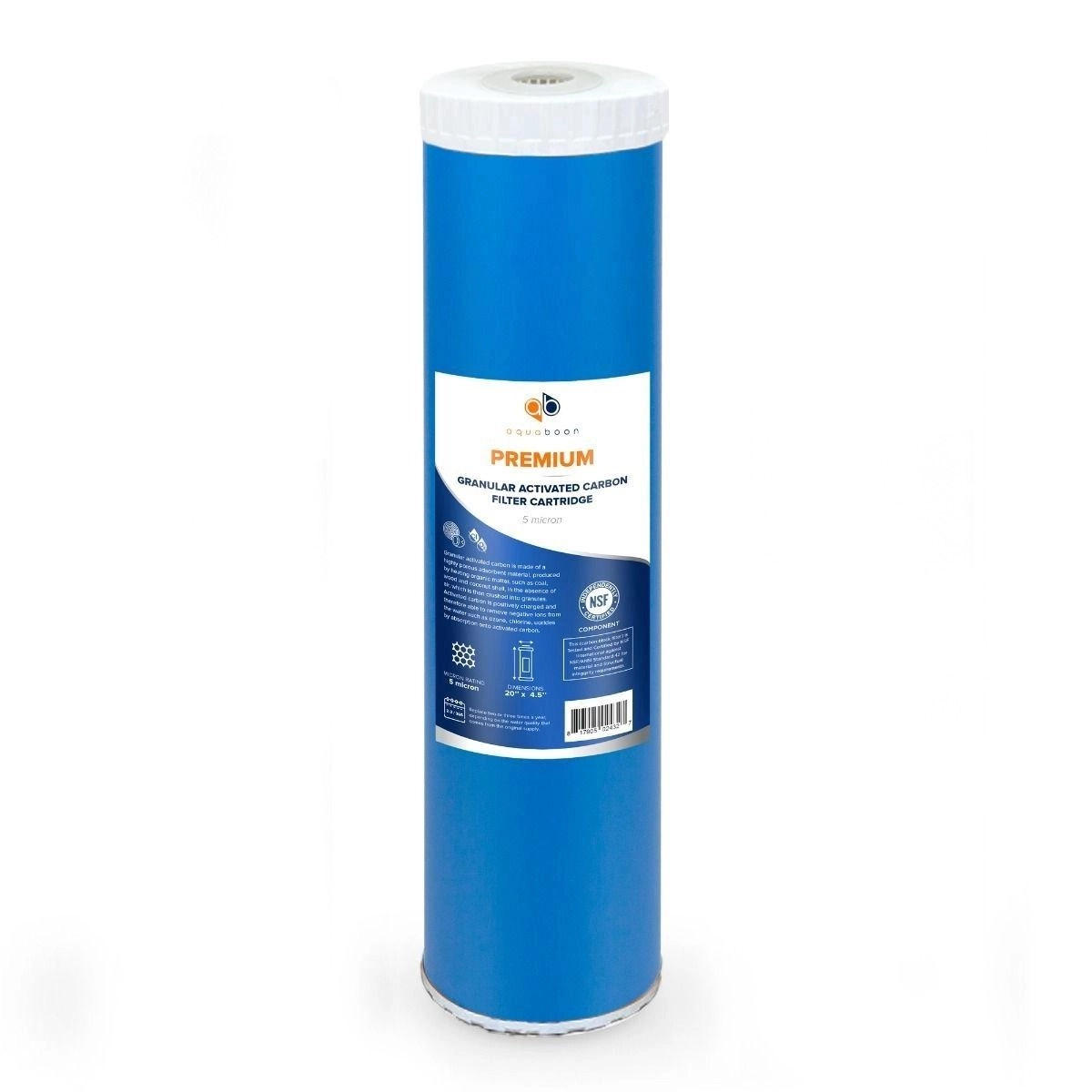
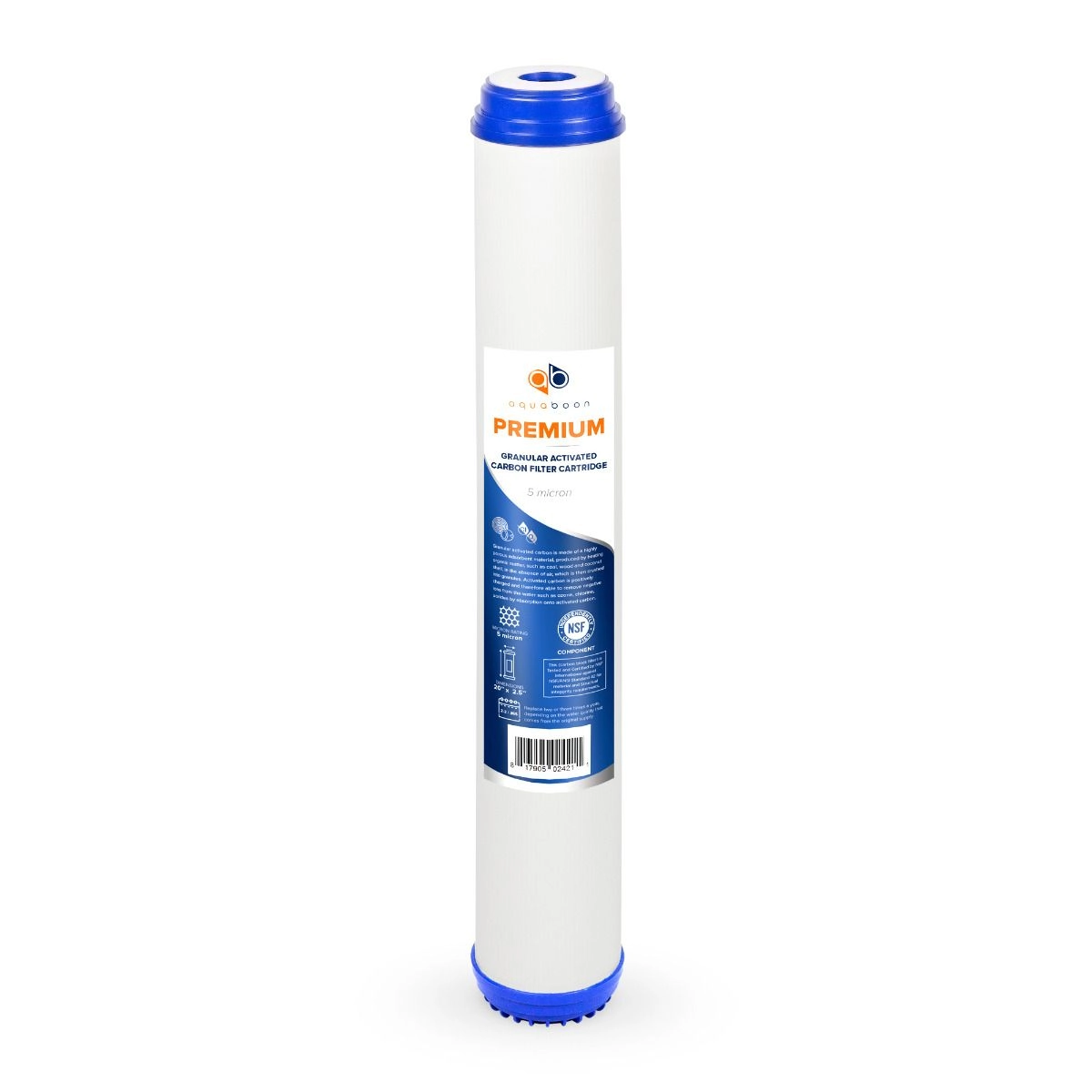
Installing granular activated carbon filters is a surefire step to elevating the quality of water your family enjoys. They are made from coconut shells and other carbon-rich elements, making them the perfect material to trap pathogens and matter that can be found in your water.
A GAC filter effectively gets rid of toxic substances that may cause water to develop a metallic or medicinal taste or have a foul smell.
However, it is particularly vital to note that these systems will not get rid of certain types of pollutants, including but not limited to lead, chromium, iron, mercury, and nitrate. If your water has been tested and found to contain such toxic substances, consider purchasing a reverse osmosis system.
Chemicals that GAC filters remove
Granular activated carbon (GAC) systems are designed to remove chemical contaminants from water, significantly improving its taste and odor. The core principle behind their effectiveness is adsorption — a process in which impurities adhere to the porous surface of carbon. Thanks to its large surface area, a gac filter cartridge can trap a wide range of unwanted substances as water flows through it.
- Chloramines: when treated water flows into a GAC cartridge, the chloramines present get into contact with the activated charcoal. Immediately, a chemical reaction initiates which neutralizes the chlorine and other chemicals used in treatment plants.
- Hydrogen sulphide: This gas causes an unpleasant rotten-egg smell that is easily eliminated with the use of GAC water filter cartridges.
Other dangerous substances that granular activated carbon replacement filters attract are:
- Dissolved organic compounds: These compounds are adsorbed onto the carbon surface, reducing organic contamination that can affect water clarity and safety.
- Trichloroethylene (TCE): A harmful industrial solvent that is effectively removed through adsorption, preventing long-term health risks associated with exposure.
- Tannins: Naturally occurring organic materials that can cause yellow or brown discoloration and affect taste; they are captured by the carbon pores, improving both appearance and flavor.
Overall, a properly selected activated carbon replacement filter helps maintain clean, great-tasting water by continuously removing chemical impurities. For enhanced filtration performance, it is often beneficial to combine carbon systems with specialized media such as KDF water filter cartridges.
Despite being excellent adsorption agents, the cartridge will gradually reach its maximum soaking capability. Its efficacy level will significantly go down, compromising the quality of water.
To keep your decontamination systems functioning as expected, you must switch your cartridges at least twice a year or as per the manufacturer’s recommendations. That way, you can rest assured that the contents in your cup are pure.
Types of GAC Filter Systems
Two types of purification systems use granular activated carbon cartridges. They are:
- Whole-house purification technologies
As their name suggests, these systems ensure that the water in your entire home tastes great, doesn’t have a repulsive smell, and is free from illness-causing bacteria. They are installed at your home’s main water inlet, getting rid of particles and other toxic chemicals before they make their way into your taps or showerheads.
Whole-house purification systems are a favourite of many not only because they produce pure water but also because they eliminate chemicals that may aggravate people with sensitive skin.
- Point-of-use purification technologies
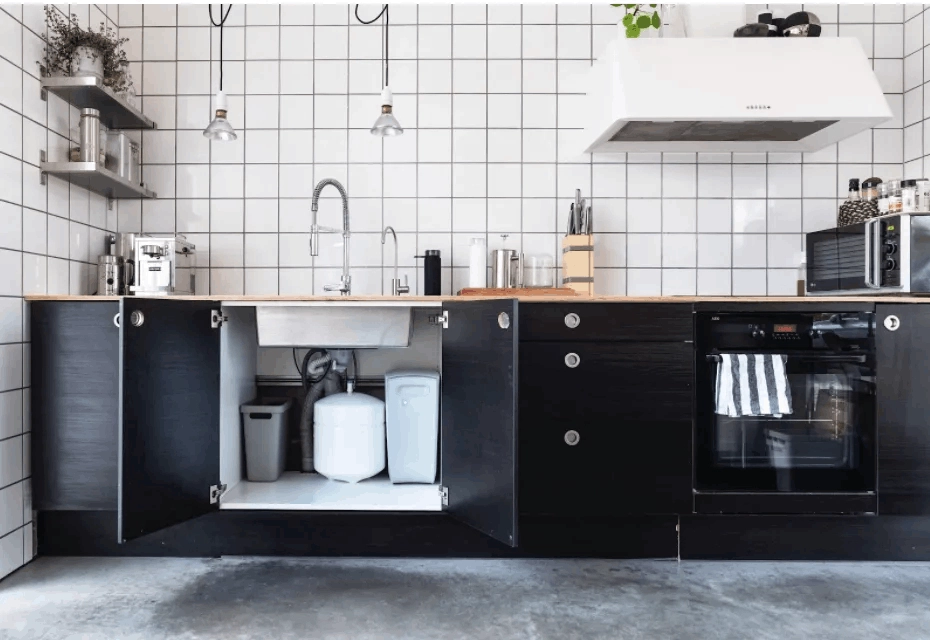
Unlike their whole-house counterparts, these filters are installed at specific points where the user wants decontaminated water. This could be in their bathroom or kitchen. Popular examples include under-the-sink and counter-top water purifiers.
Find the Perfect Replacement Filter for Your System
To buy replacement cartridges for water filter in US, choose Filterway for a wide range of high-quality solutions tailored to both whole-house and point-of-use purification systems. Each cartridge is designed to deliver reliable filtration performance, helping improve water quality, taste, and safety. Whether you're replacing an existing filter or upgrading your system, Filterway offers options to meet your specific needs. Contact us today to place an order or get expert assistance in selecting the right cartridge.
GAC Water Filters FAQs
How does a GAC filter work?
Surface area of carbon heats inside the container, which results in dissolving chemicals contained in water, as they pass through the filter containing granular activated carbon. Porous qualities of the GAC provide chemical absorption, which occurs on the internal surface of activated carbon.
What is the difference between CTO and GAC filters?
Carbon block activated filters have solid blocks of compressed carbon, instead of loose granules which are the main part of GAC filtres. Contaminant removal of carbon depends on the density of carbon in GAC filters, and size of the carbon blocks in chlorine-taste-odor filter.
Does GAC change pH?
Though ash remains in the lattice of GAC structure when it’s initially charred, and due to that pH is being raised. Ash is usually contained in the coal or plant-based raw materials, which are charred and then activated.
What is a GAC water filter?
GAC is a water filter system which is used to remove pesticides from polluted water, and also semi-volatile and volatile organic compounds.