


How to Properly Flush a New Whole House Water Filter
Flushing a new whole house water filter is a critical step after installation that helps remove trapped air, loose carbon particles, and manufacturing residue from the filter media. Skipping this step can result in cloudy water, reduced water pressure, and sediment reaching faucets and appliances.
You should flush a whole house water filter every time you install a new cartridge, after replacing any filter stage, and whenever the system has been shut off for maintenance or plumbing work. Flushing is also recommended if the system has been unused for an extended period, such as after a long vacation.
This guide explains when flushing is required, why it matters for whole house systems, and how to flush a new water filter properly to ensure stable pressure and clean water throughout your home.
Why Flushing a New Whole House Water Filter Matters
Whole house water filters treat all the water entering your home. When a new filter is installed, air enters the housing and plumbing lines, and fine particles from the filter media may be released during initial use. Without flushing, these materials can travel through the system and cause issues at multiple fixtures.
Flushing removes trapped air that can cause sputtering faucets and pressure fluctuations. It also clears carbon fines that may temporarily discolor water or clog faucet aerators and showerheads. Proper flushing allows the filter media to settle into place and ensures the system operates at its intended flow rate.
For carbon-based filters, flushing is especially important to protect appliances such as water heaters, washing machines, and dishwashers from fine particle buildup.
Before using water throughout your home, it’s important to flush the new filter correctly. This process removes trapped air and loose filter media, helps stabilize water pressure, and prevents sediment from reaching faucets and appliances. Follow the steps below to flush a new whole house water filter safely and effectively after installation. Flushing time depends on the type of filter installed. Sediment filters usually require less flushing time, while carbon-based filters need longer to clear loose media. As a general guideline, most whole house water filters should be flushed for 5–15 minutes. Some high-capacity carbon filters may specify flushing by volume rather than time. Always flush until the water runs clear and pressure stabilizes. Even when the filter is installed correctly, simple mistakes during flushing can lead to cloudy water, pressure problems, or unnecessary strain on the system. Avoid the common errors below to ensure your whole house water filter operates properly from the start. If water remains cloudy or pressure stays low after proper flushing, the issue may be related to filter selection or installation. A filter with a very fine micron rating may restrict flow in whole house systems with higher water demand. Persistent issues may also indicate a misaligned cartridge or O-ring. In these cases, shutting off the water and reinstalling the filter usually resolves the problem. If pressure problems continue, the filter may not be compatible with the system’s flow requirements. Flushing a new whole house water filter is a simple but essential step that protects your plumbing, appliances, and filtration performance. It removes trapped air, clears loose particles, and stabilizes water pressure after installation. By flushing every time a filter is replaced and following proper installation practices, you can ensure consistent water flow and reliable filtration throughout your home. Choosing the right filter makes flushing easier and pressure more stable. Explore Filterway whole house water filters matched to real household water demand.
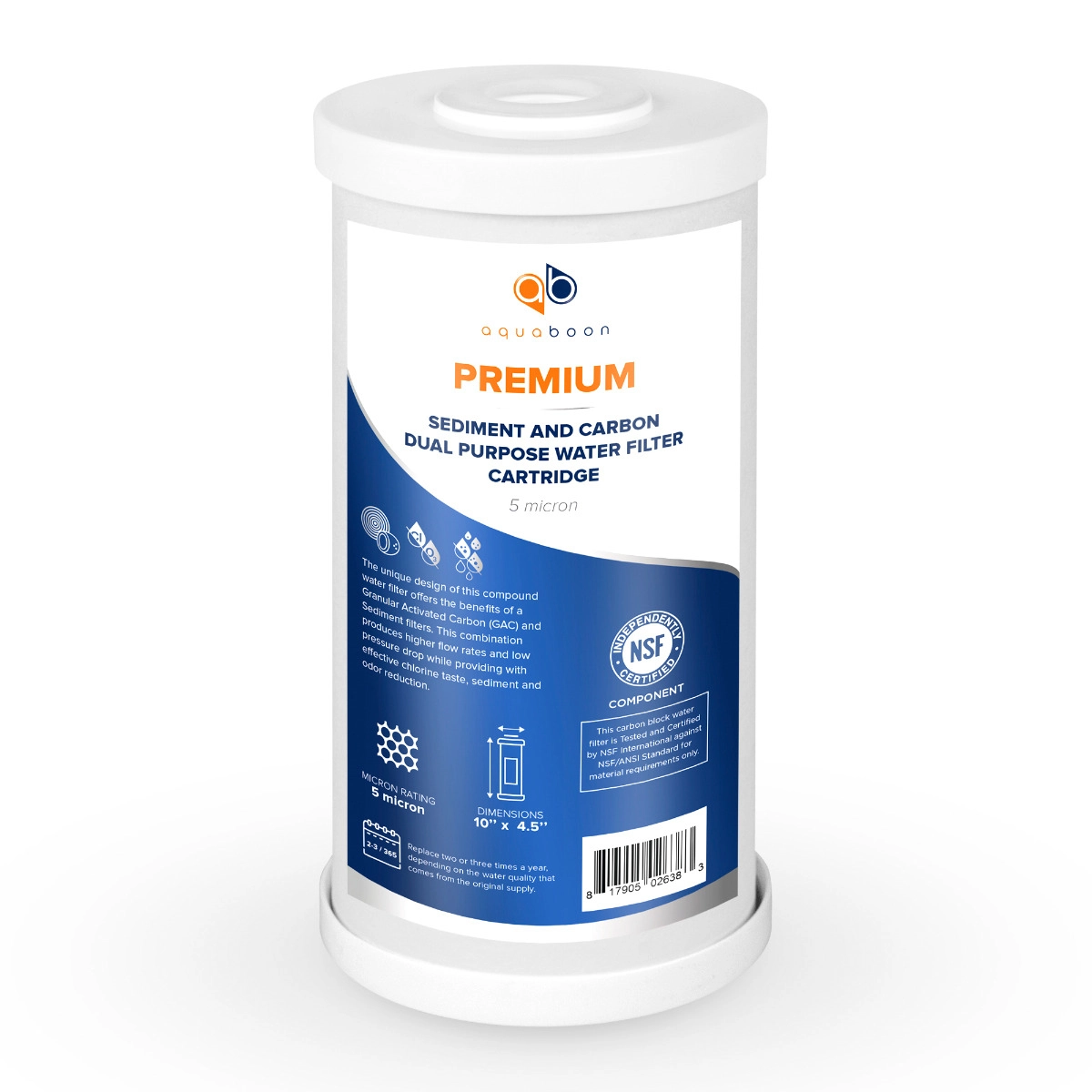
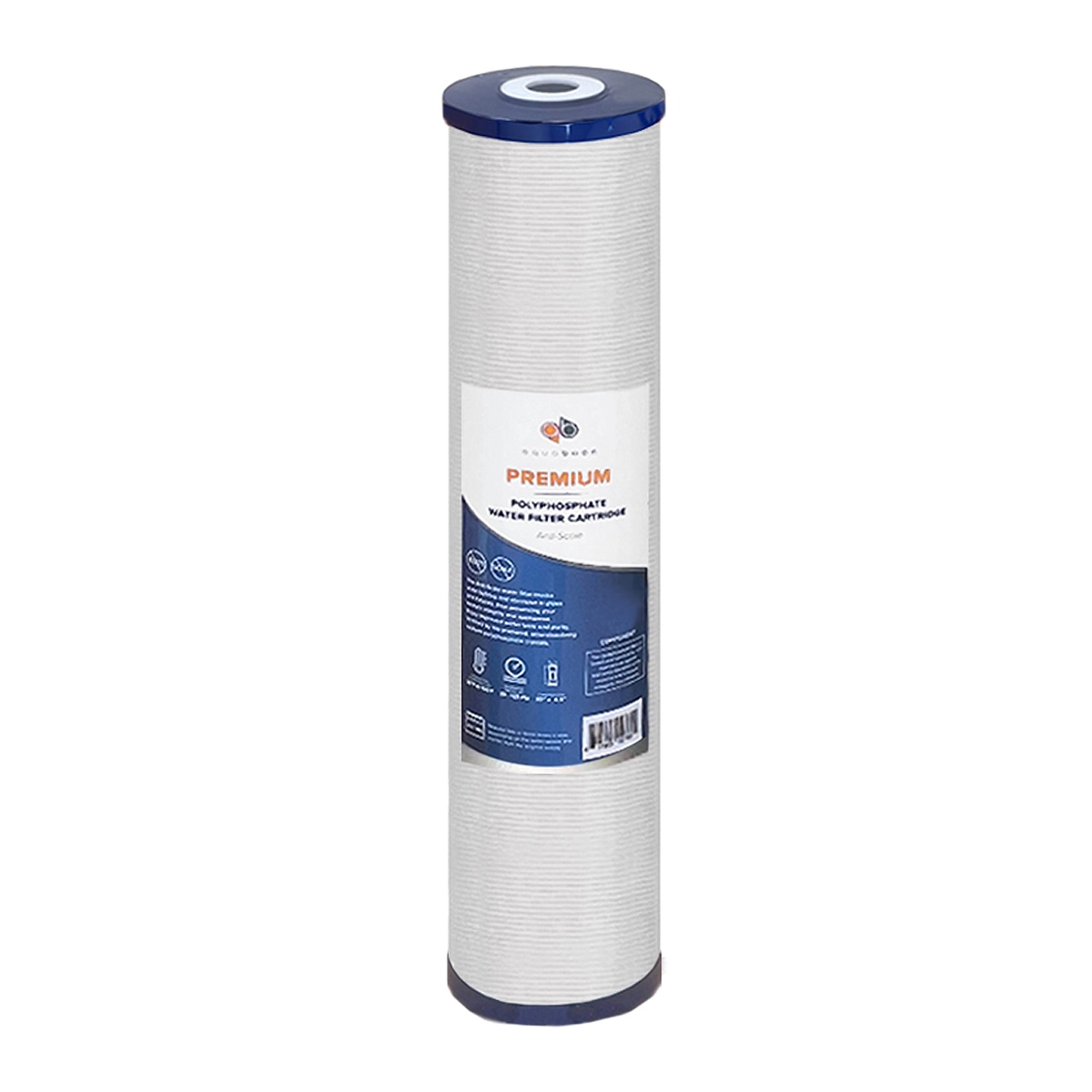
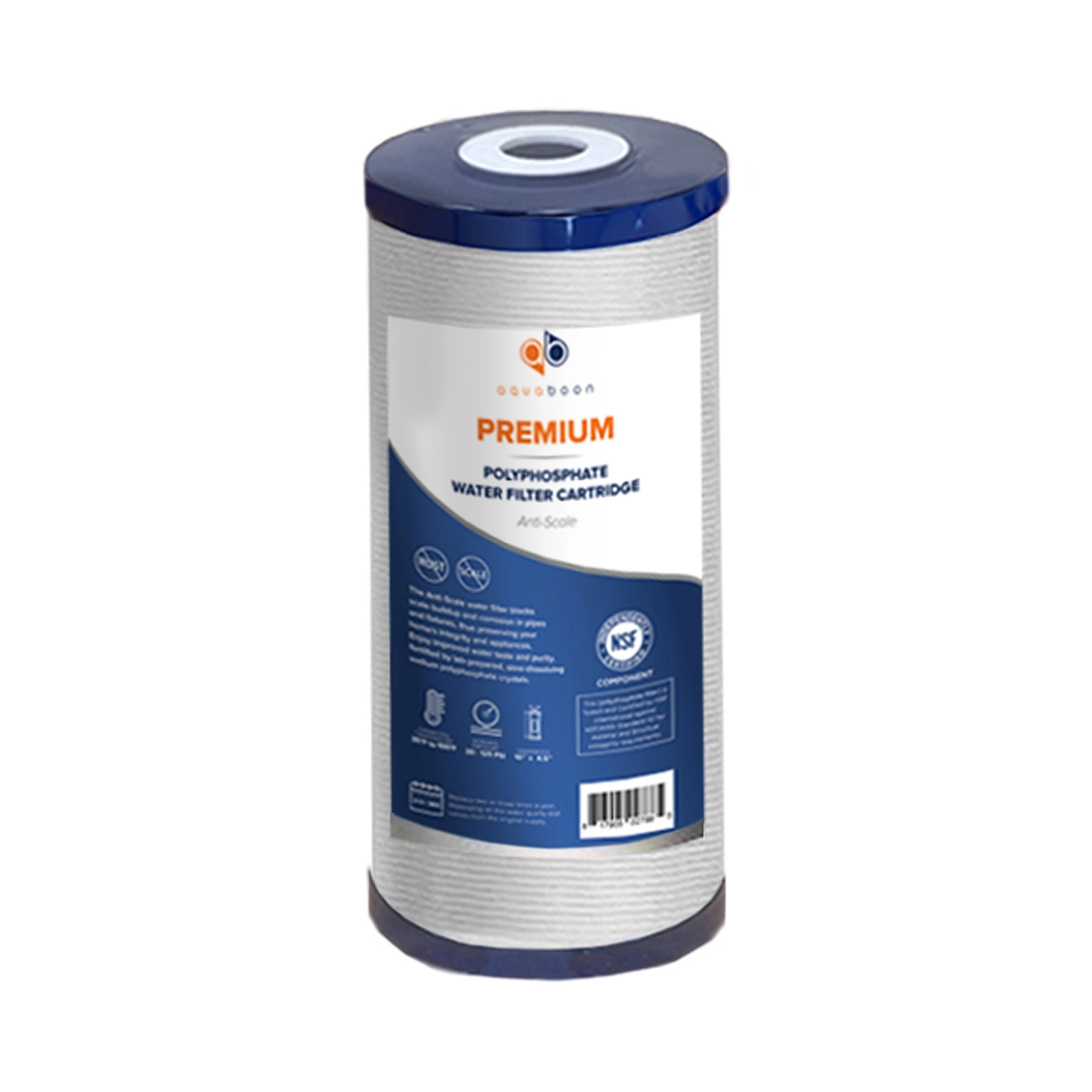
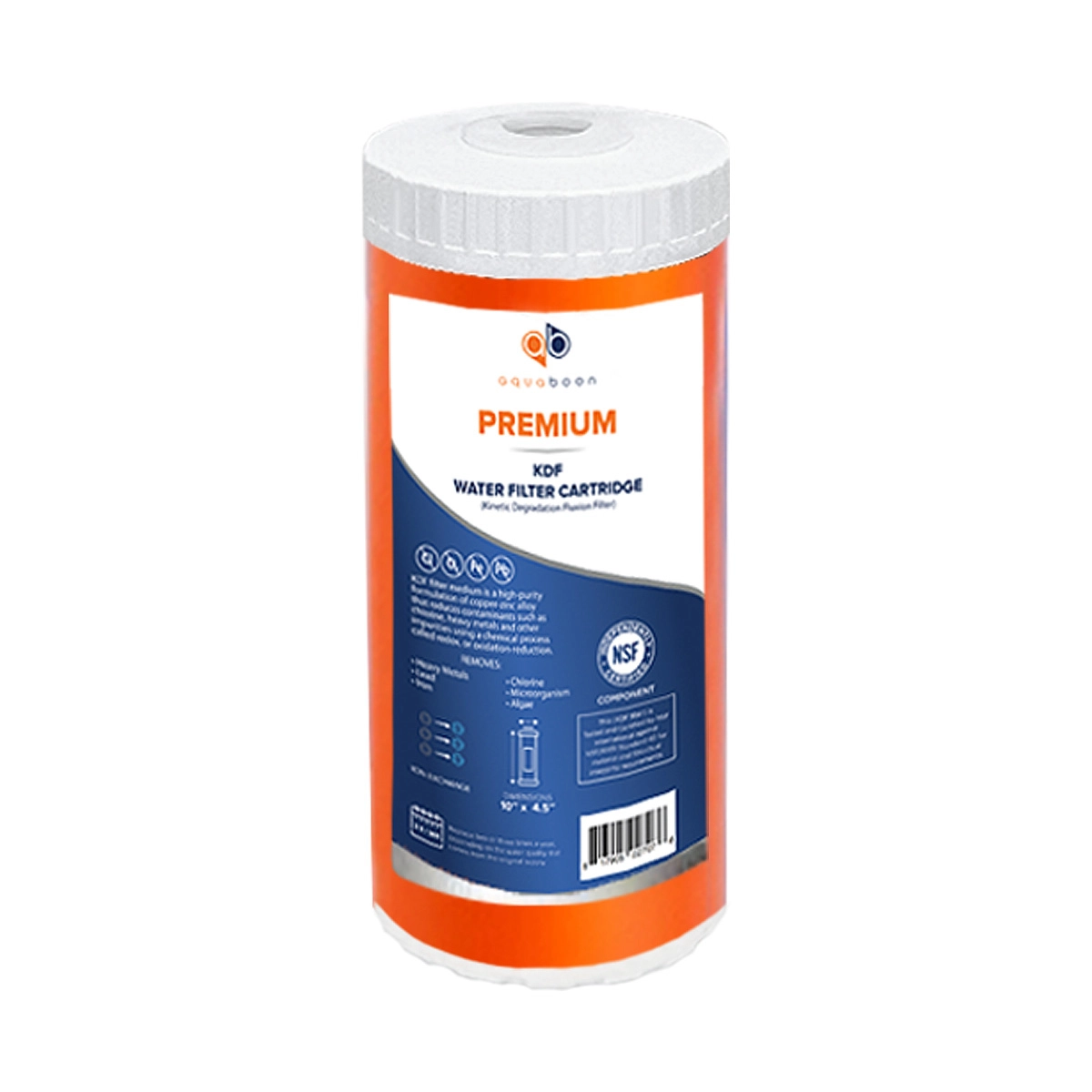

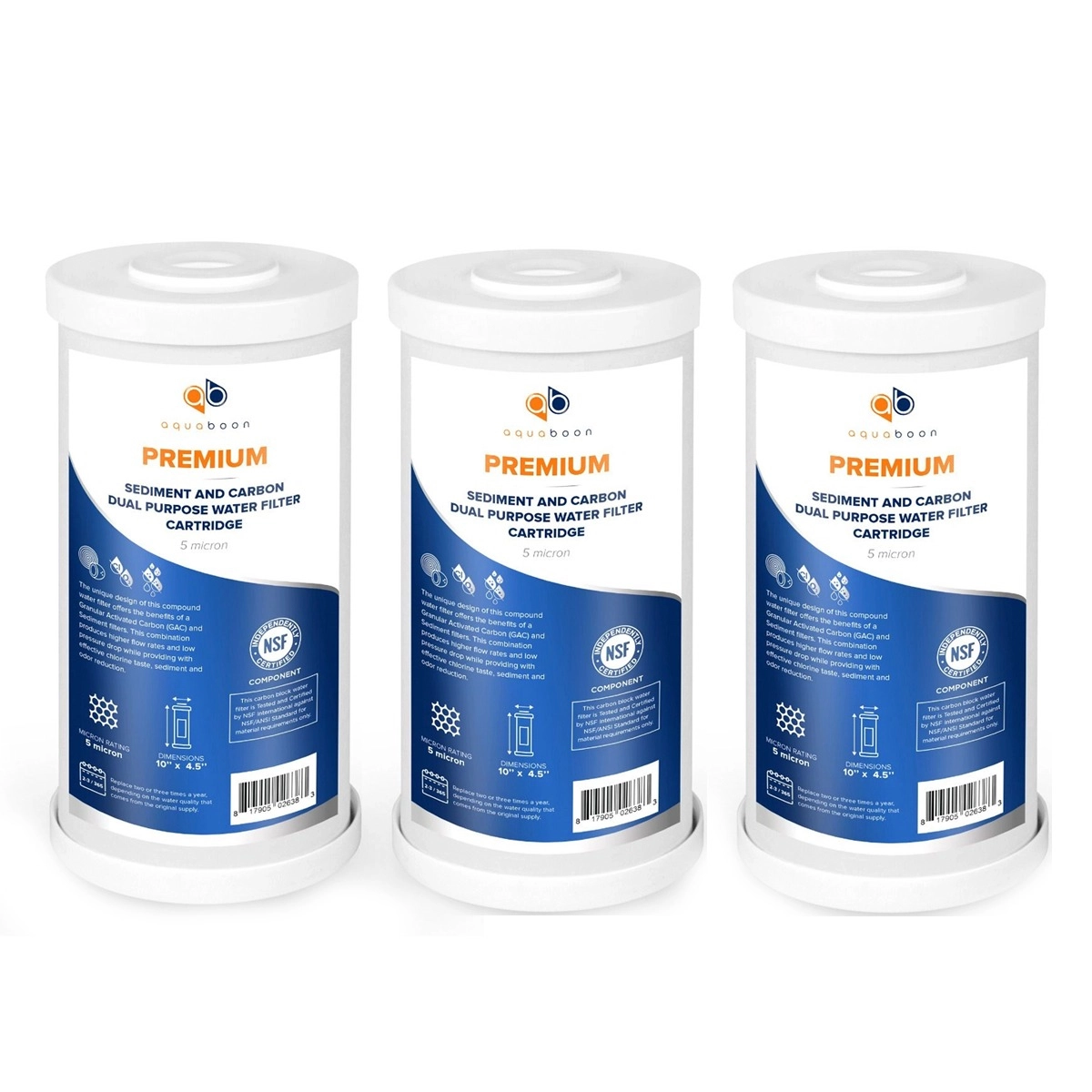
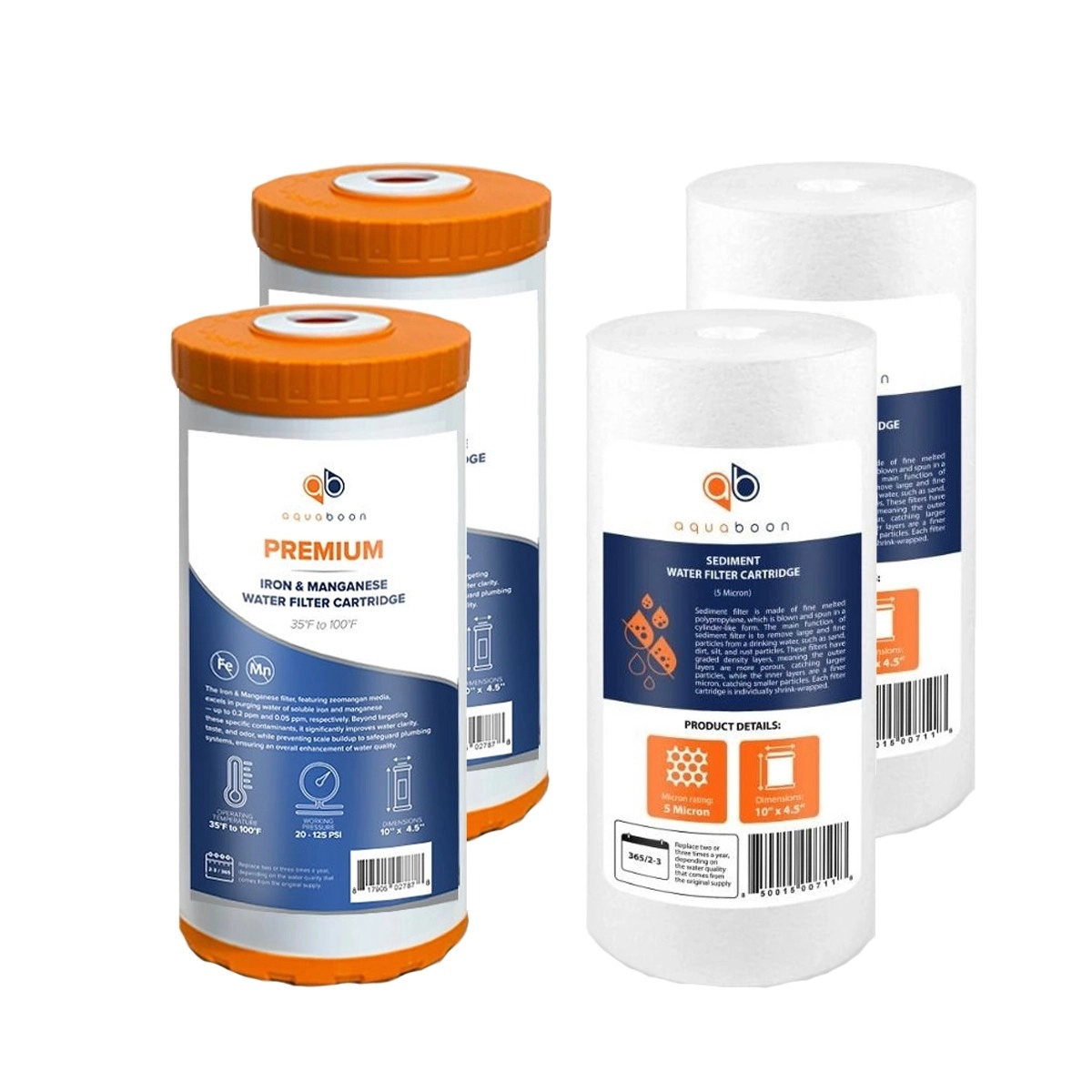
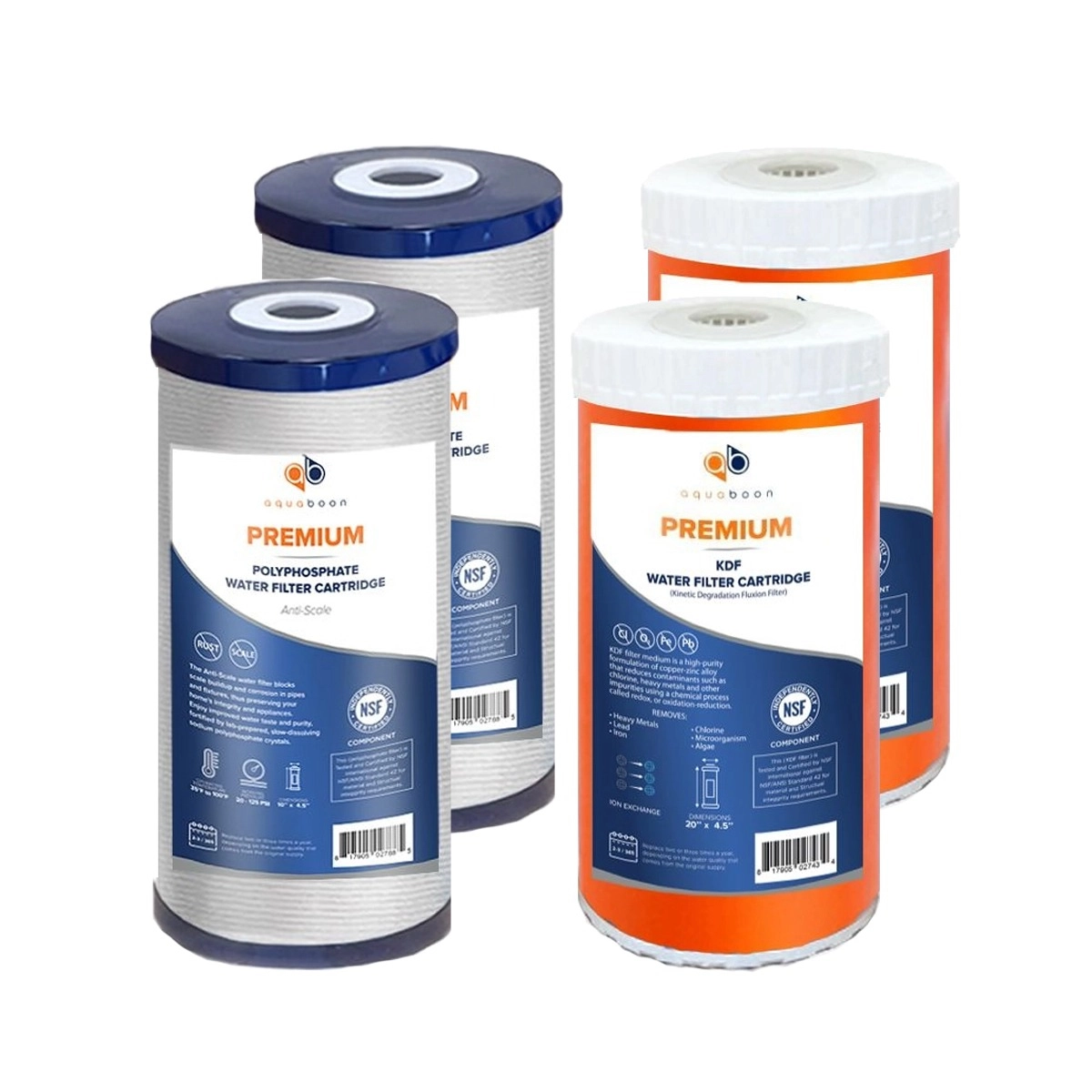
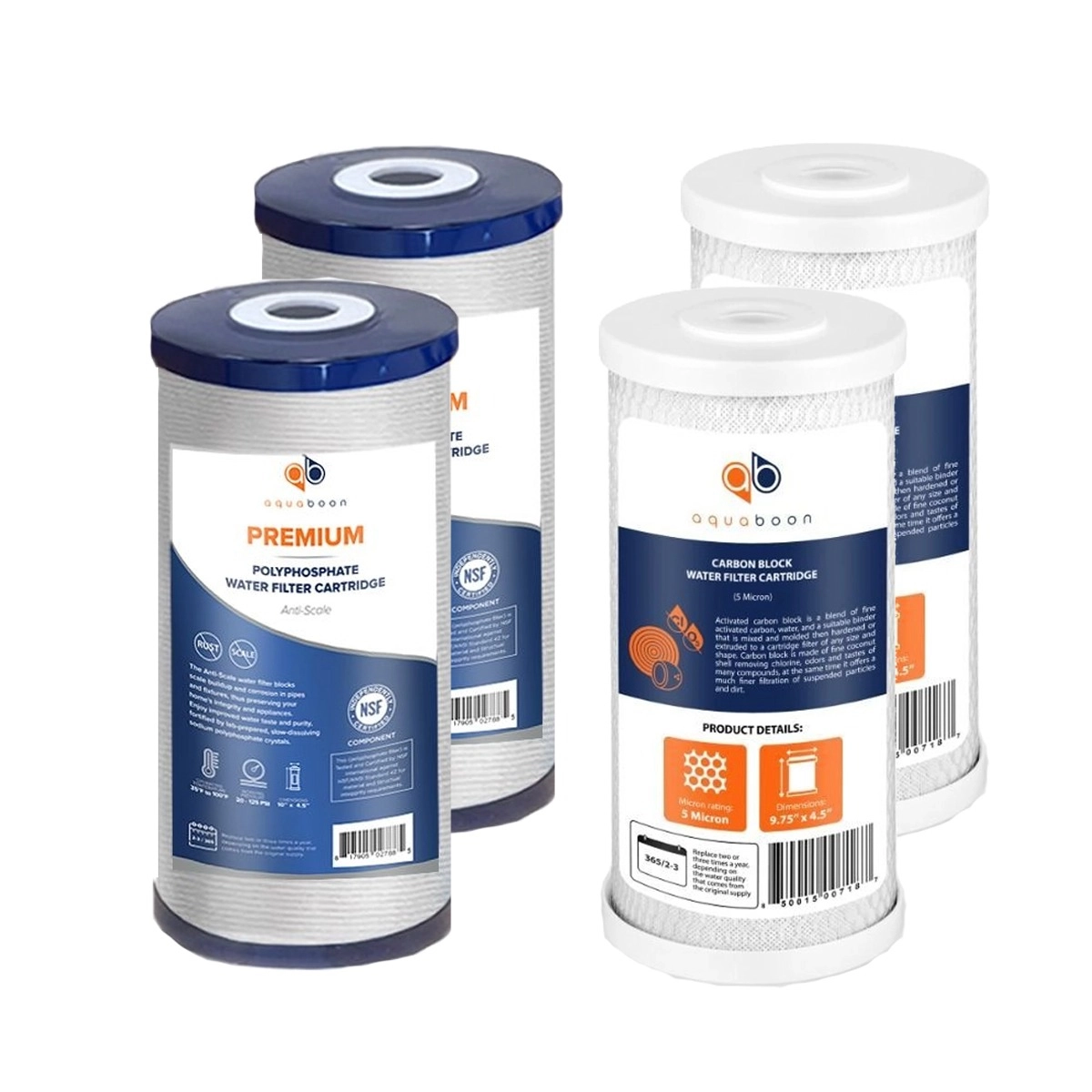
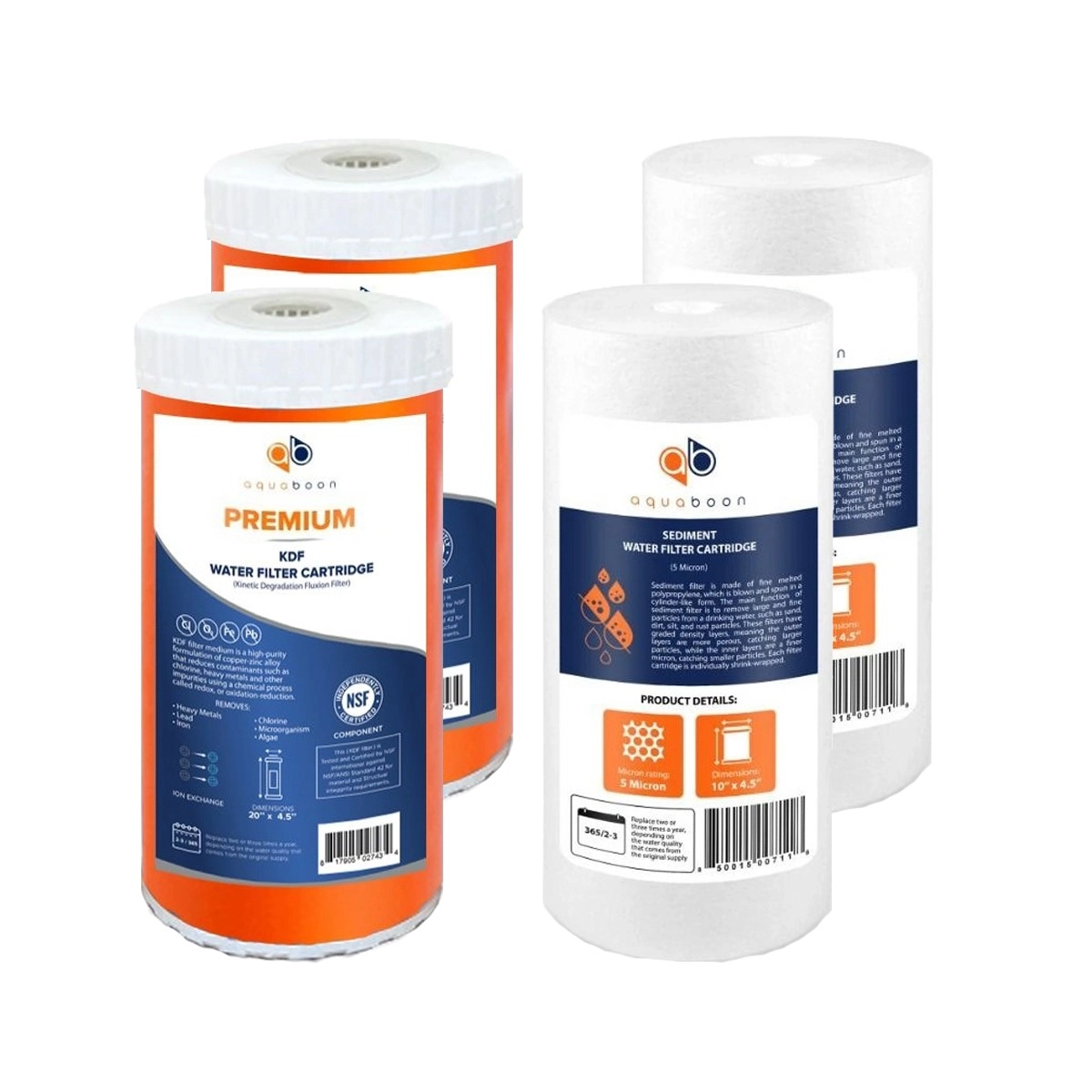
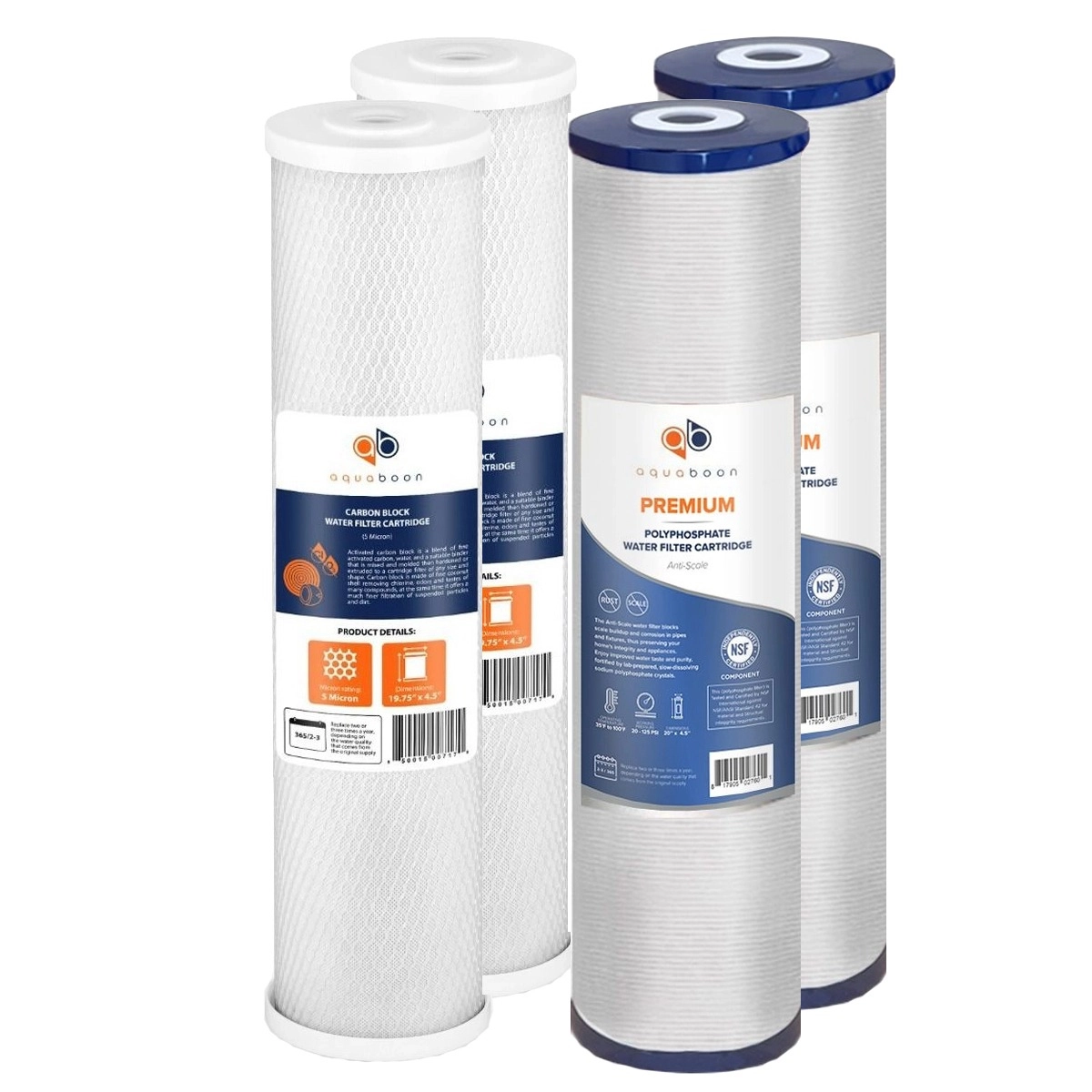
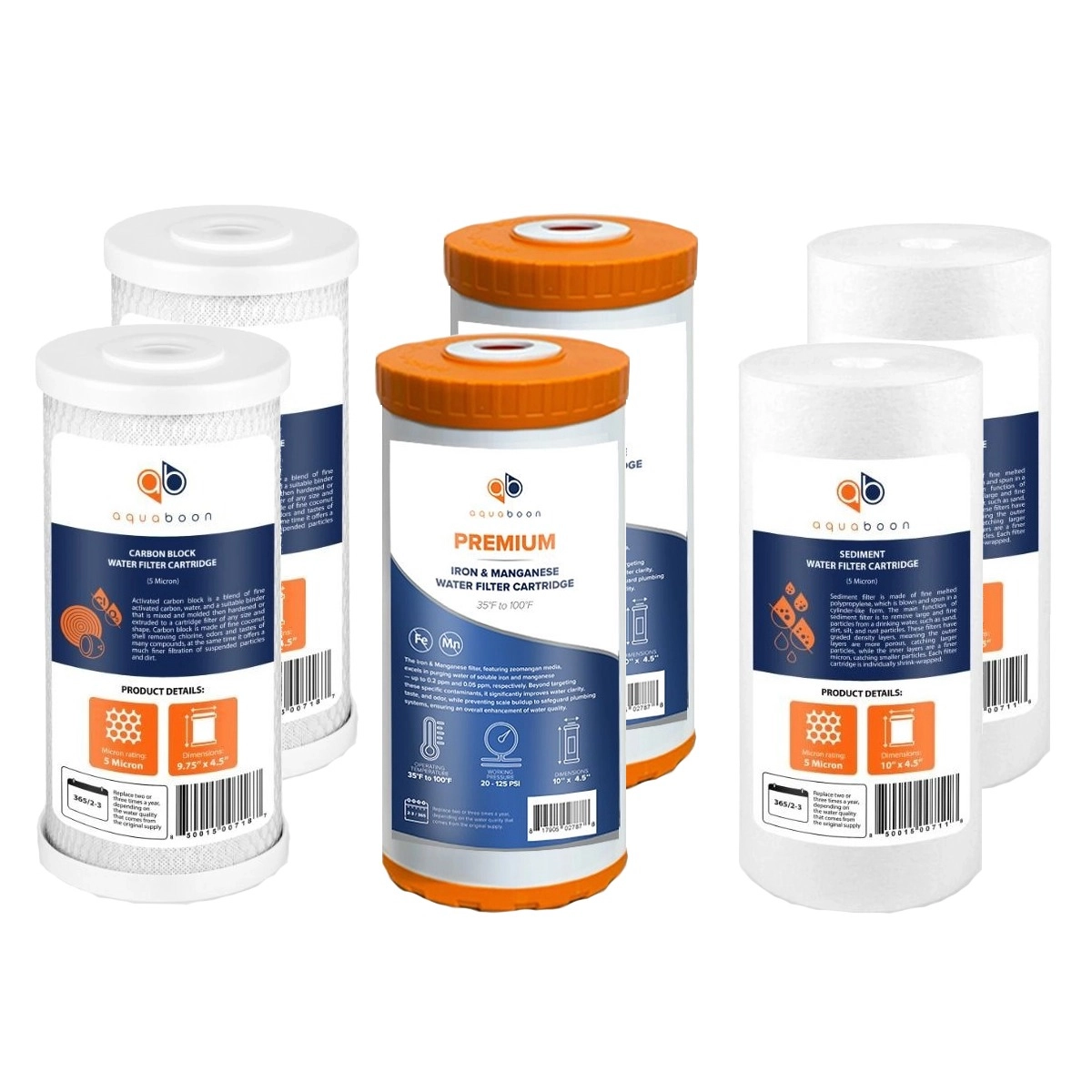
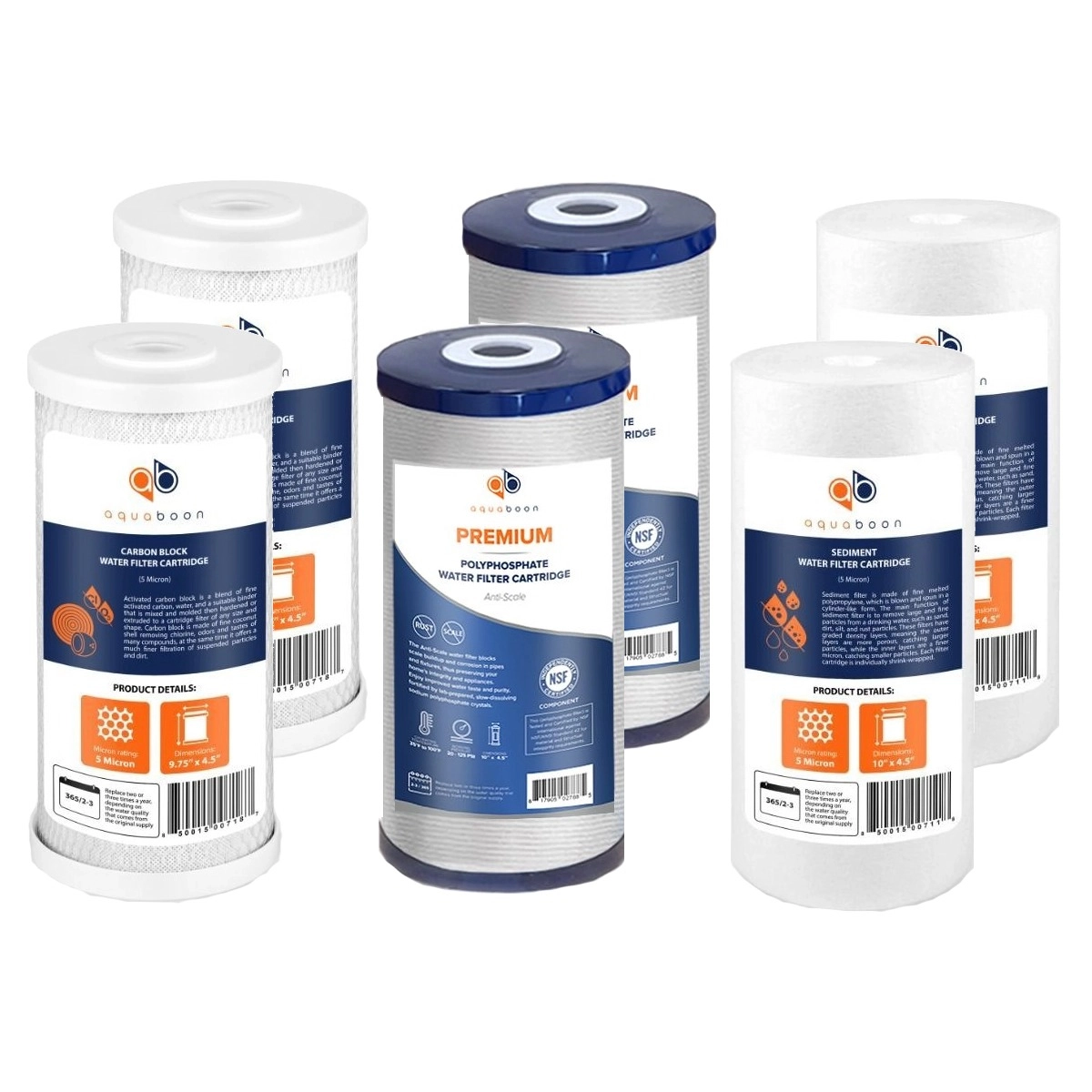
How to Flush a New Whole House Water Filter Properly
Shut off the main water supply to the filtration system. Open a nearby cold-water faucet to relieve any pressure trapped in the lines.
Confirm that the filter cartridge is installed correctly inside the housing. Make sure the cartridge is seated evenly, the O-ring is clean and properly positioned, and any flow-direction arrow matches the direction of water flow. Tighten the housing by hand only.
Gradually open the main water valve. Turning the water on slowly helps prevent pressure surges that could misalign the filter or stress the housing.
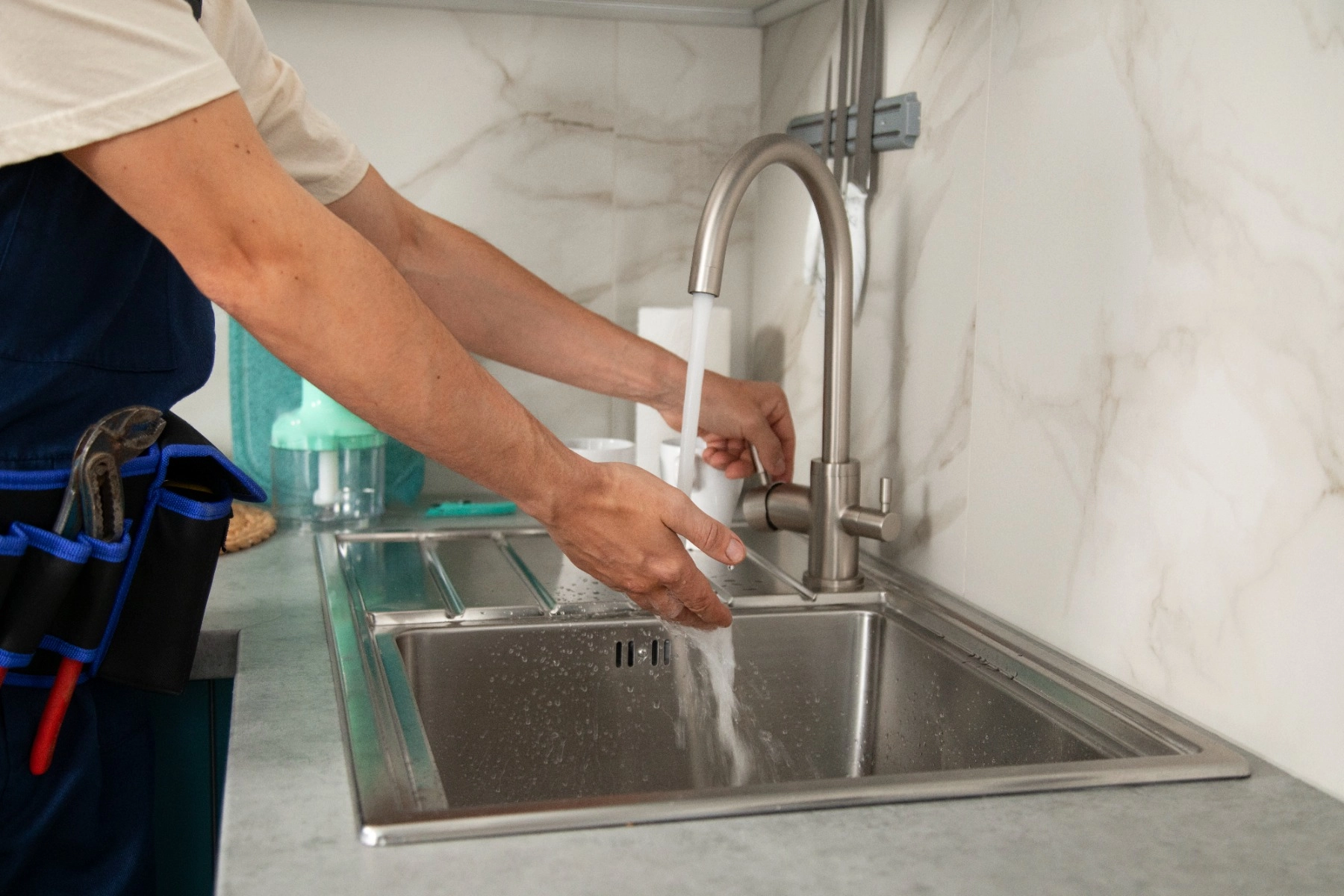
Open the cold-water faucet closest to the filtration system and let the water run continuously. Do not use hot water during flushing, as this can damage the filter media and send particles into the water heater.
After a few minutes, open additional cold-water faucets throughout the house one at a time. This helps remove trapped air and loose particles from the entire plumbing system, not just one line.
Cloudy water, air sputtering, or unusual sounds are normal at first. Continue flushing until the water runs clear, flow is steady, and no air is released from faucets. This typically takes 5–15 minutes, depending on the filter type.
Close all faucets and inspect the filter housing and connections for leaks. If needed, slightly tighten the housing by hand. Confirm that water pressure feels normal at multiple fixtures.How Long Should You Flush a Whole House Water Filter?
Common Flushing Mistakes to Avoid
Hot water can damage the filter media and pull loose particles into the water heater. Always flush a new whole house water filter using cold water only.
Turning the main valve on too fast can create pressure surges that misalign the filter cartridge or put unnecessary stress on the housing.
Air and debris may remain trapped in other parts of the plumbing system, which can lead to pressure issues or sediment buildup later.
Failing to inspect the filter housing and connections can allow small leaks or alignment issues to worsen over time.When Flushing Doesn’t Fix the Problem
Simple Steps That Ensure Clean Water and Stable Pressure