


Carbon Water Filters

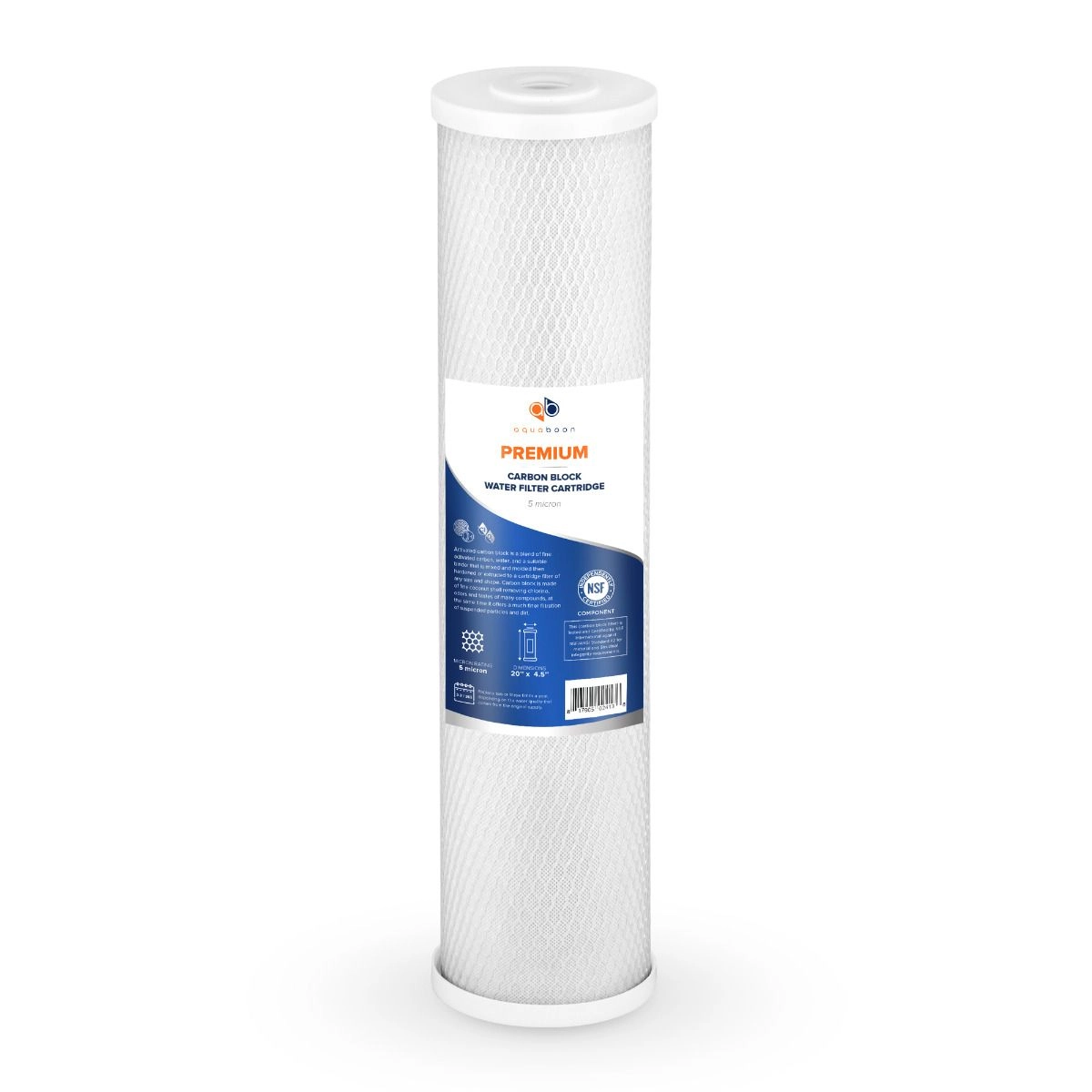
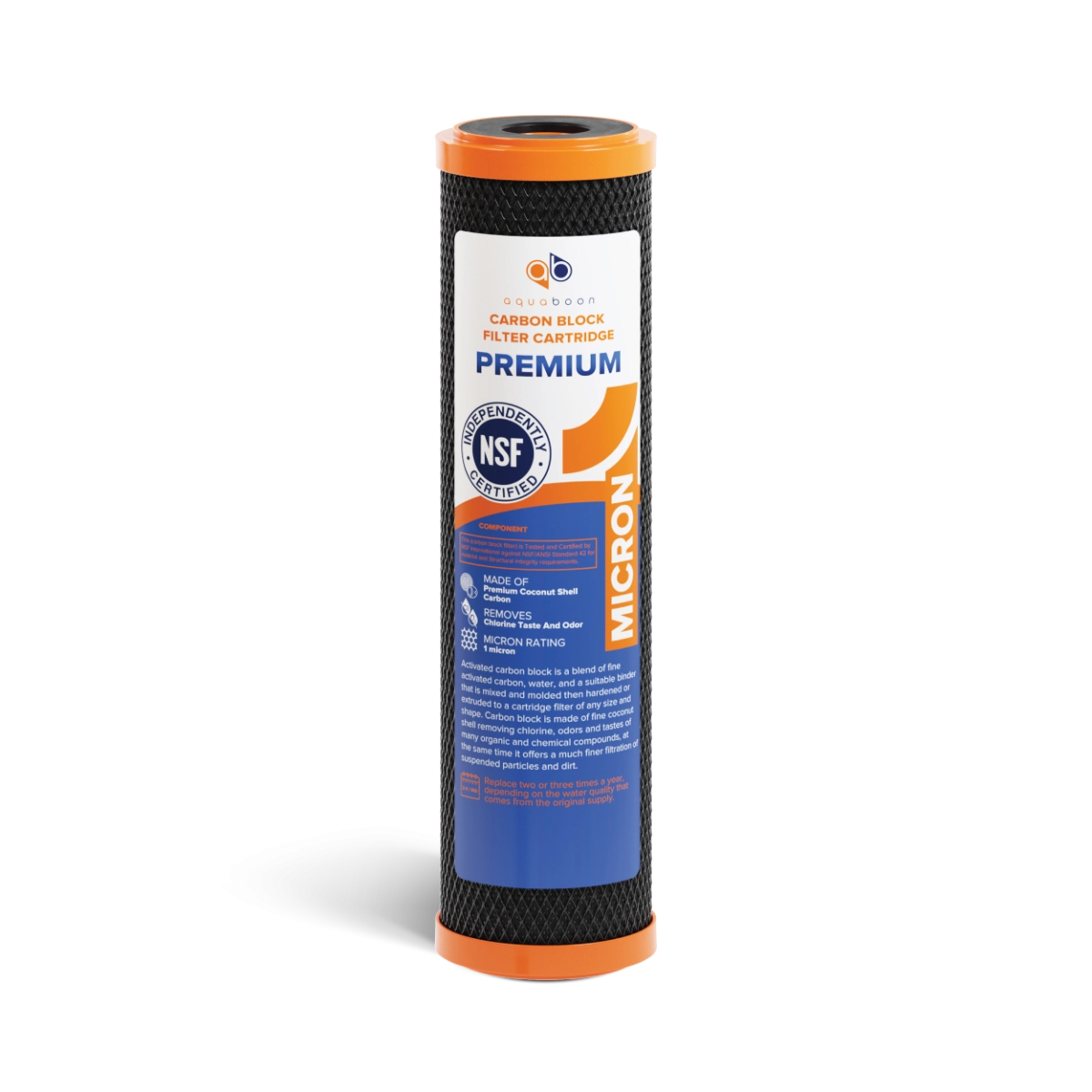
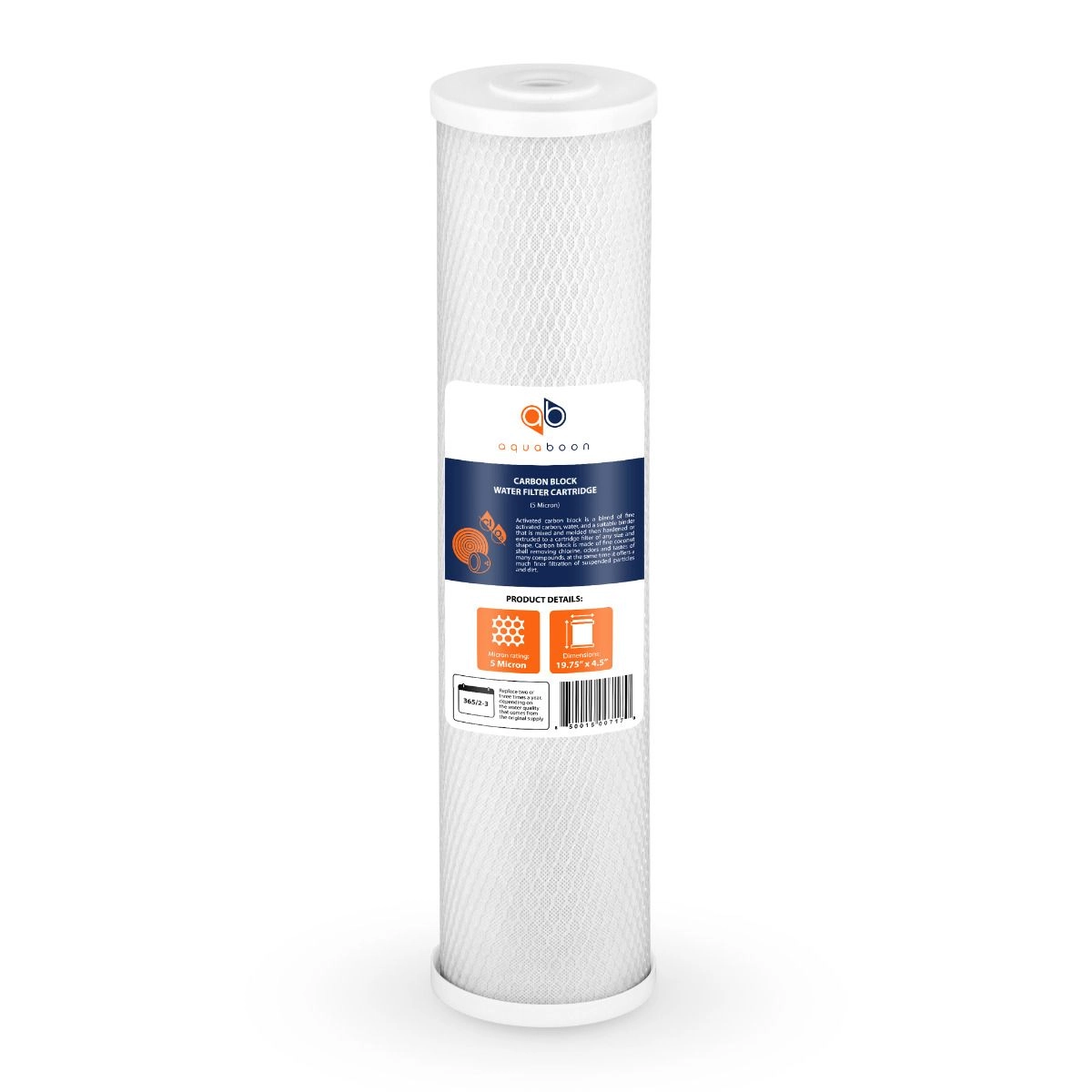
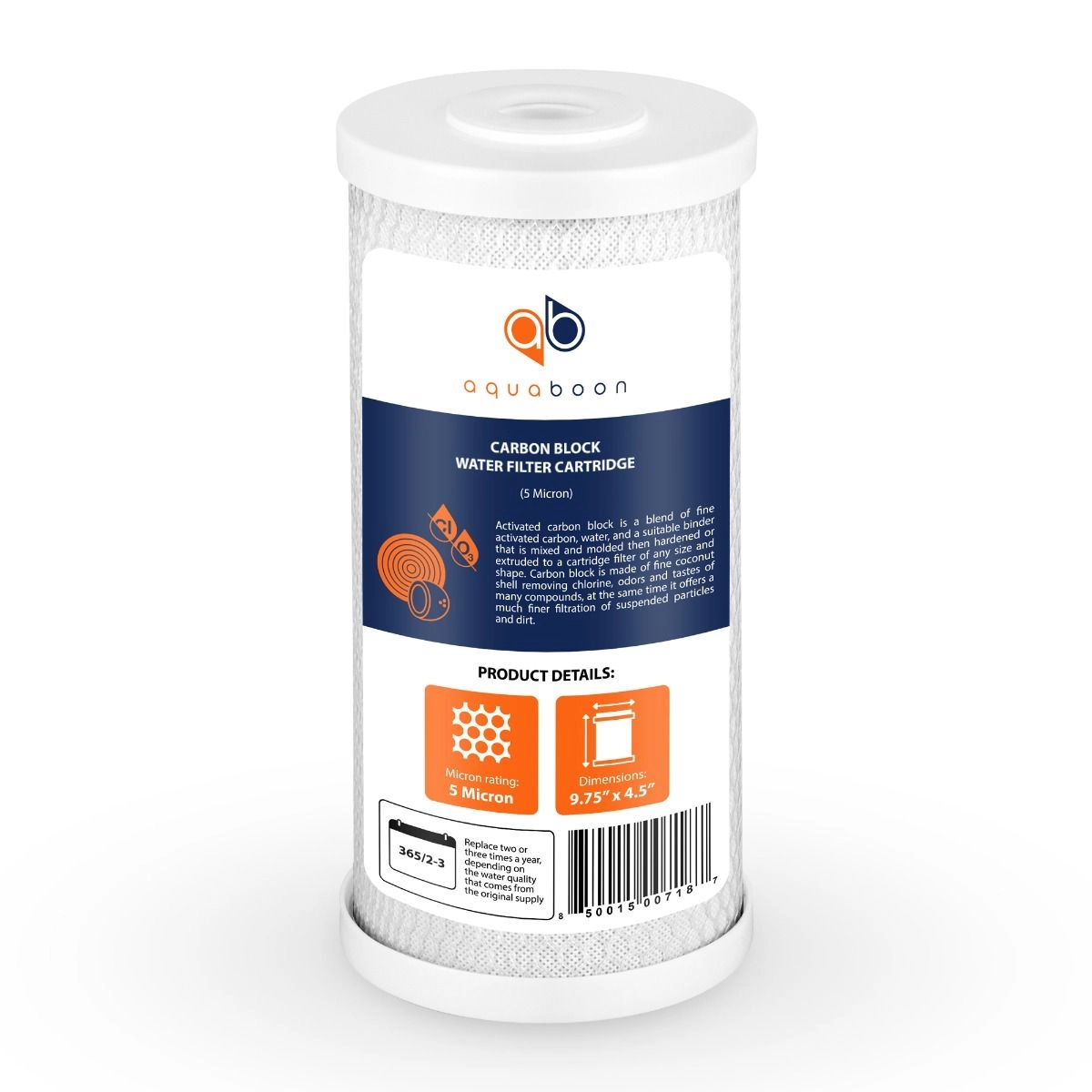
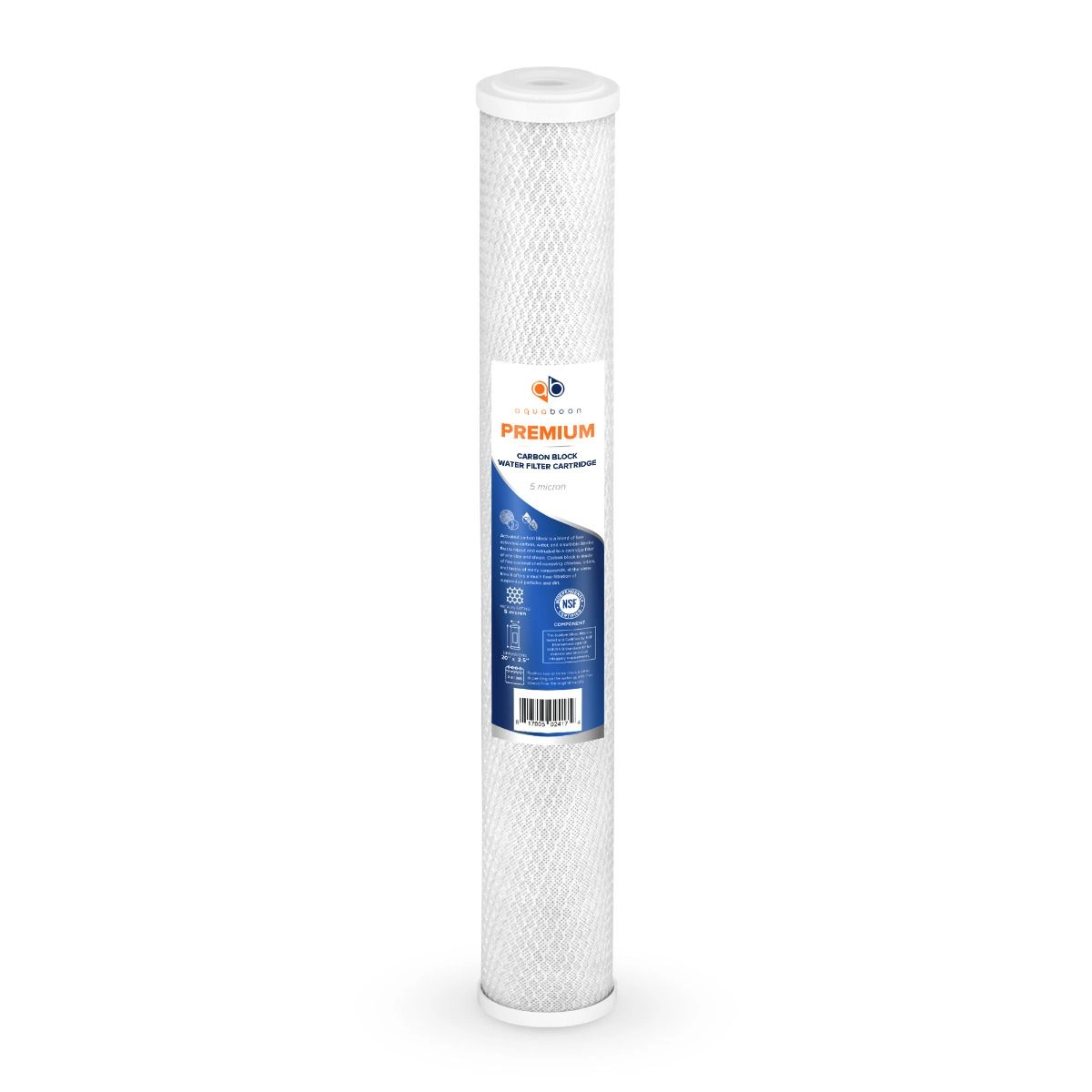
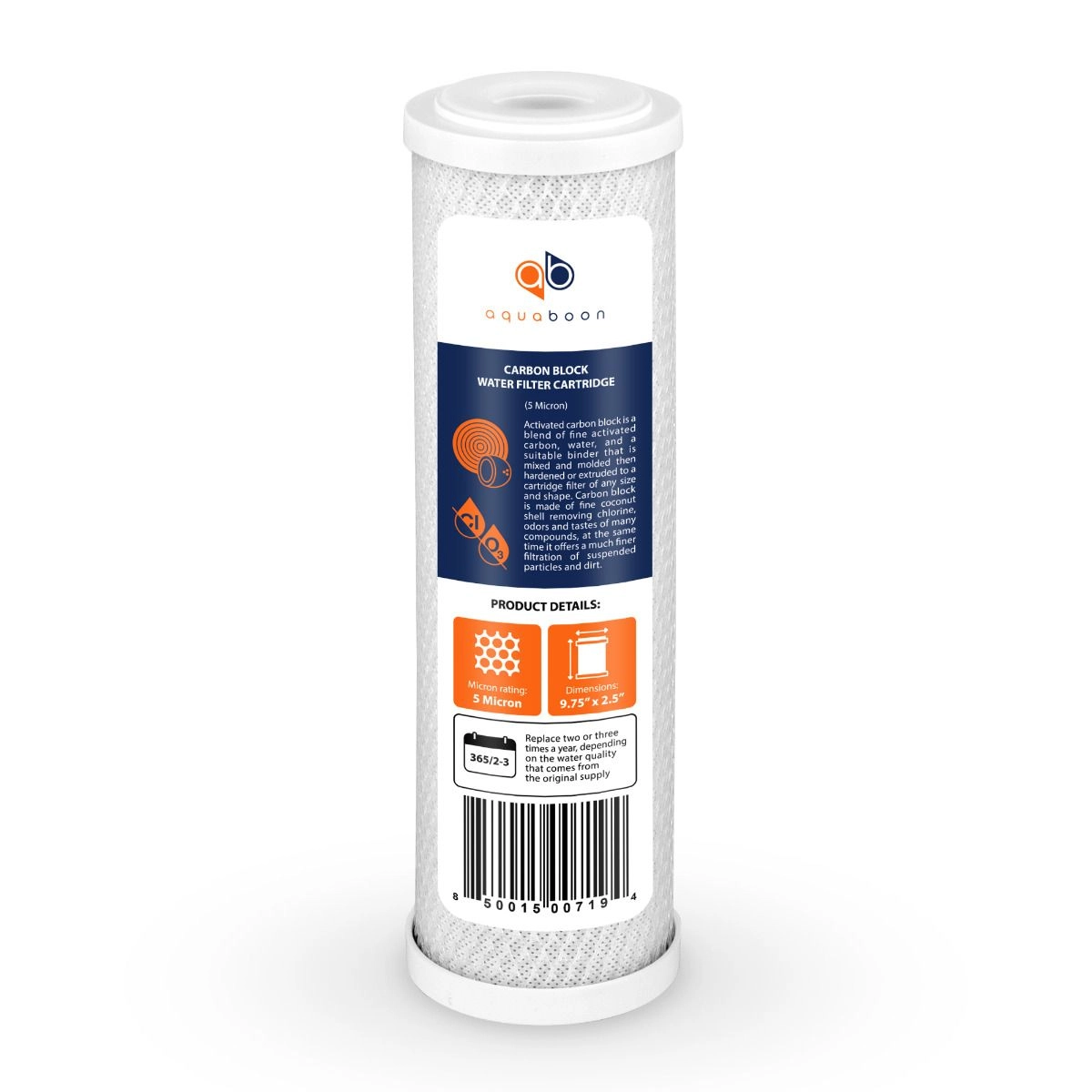
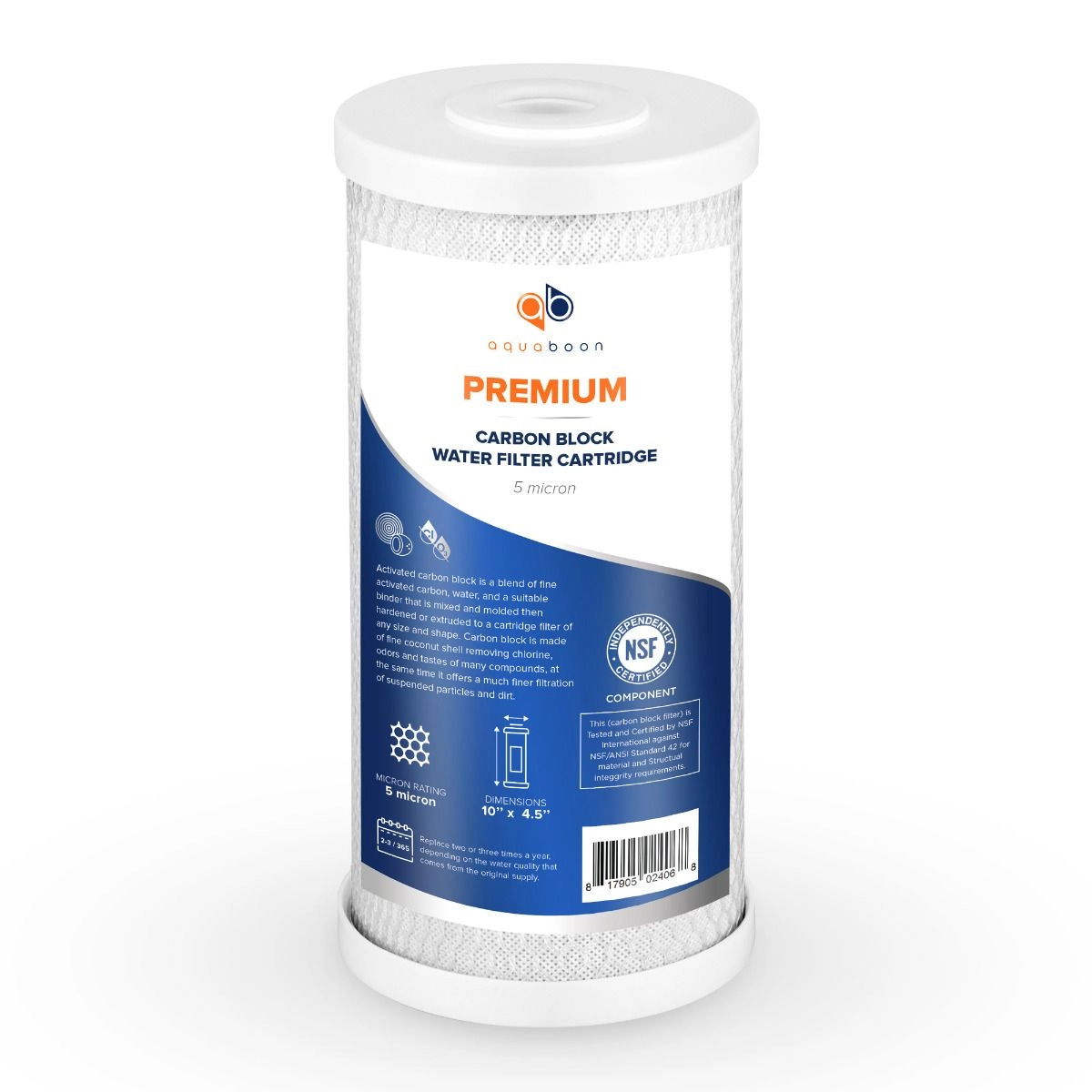
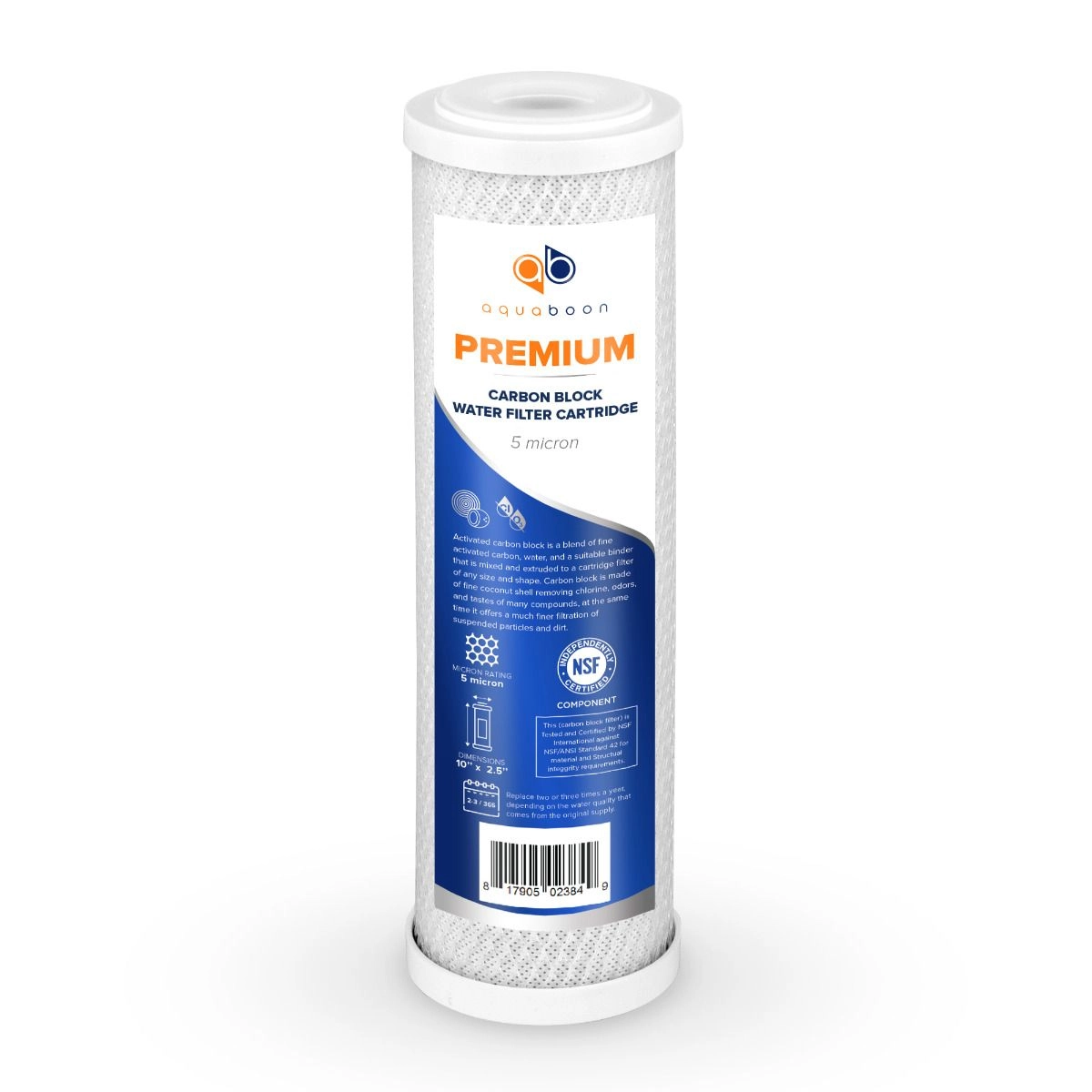
Sediment in water often causes a noticeable bad taste and unpleasant odor, making it less suitable for drinking and cooking. These particles may also carry contaminants and microorganisms, increasing potential health risks over time. And it is carbon filters that are a key element of purification processes and the primary means of purification in most water treatment technologies.
A carbon filter system is made from activated carbon. It has high porosity and strong adsorption properties, allowing water to pass through while trapping particles, chemicals, gases, and unwanted compounds.
How do carbon water filters work?
Charcoal filters for water act like magnets. They attract pollutants onto their surface, firmly holding them in place as water goes through. Additionally, they will initiate chemical reactions when they contact chemicals used at treatment plants, neutralizing them instantly.
However, one cartridge can only do so much.
Over time water filters cartridges will soak in lots of impurities. This decreases its filtration efficacy, and, in turn, some pollutants might make their way past the cartridge. Sometimes, the dirt in the cartridge will dislodge into the water, contaminating it.
For this reason, the importance of conducting carbon filter replacements cannot be over-emphasized. To ensure you don’t drink up hazardous contaminants, you need to change the cartridge twice every year or after dispensing the number of gallons your fridge’s manufacturer stipulates.
Contaminants That Charcoal Filters Remove
Some of the pollutants that your charcoal cartridge can eliminate include:
- Microscopic particles such as sand, rust, silt, dirt, iron fillings, oils and dust.
- Chlorine
- Chemicals
- Gases
However, you need to note that not all cartridges will eliminate these toxins from your water. You need to find the right purification system for your home’s needs.
Not all filters remove every contaminant, so choosing the right system matters. To ensure proper filtration, it’s important to understand your water composition. If your supply contains multiple contaminants, installing a whole house water filtration system can provide consistent protection across all outlets.
A properly selected system with an active carbon water filter cartridge helps reduce chemicals, odors, and organic compounds while supporting long-term water quality throughout your home.
Differences between activated and catalytic carbon?
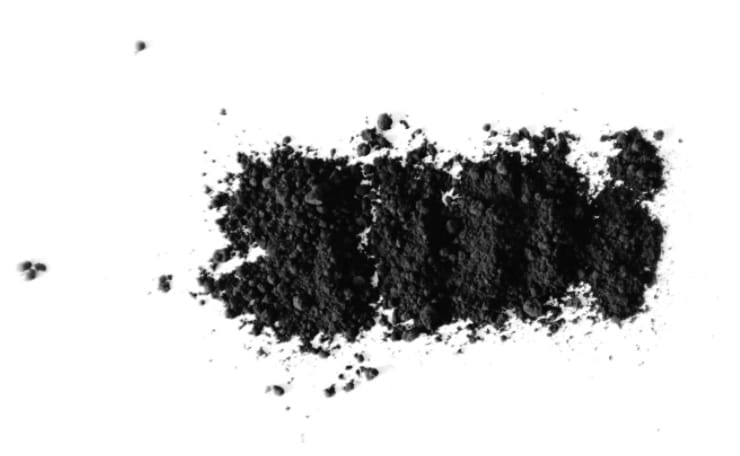
Both activated and catalytic carbon are excellent mediums that will improve the taste of water while eliminating any foul odours present. However, they differ in a few ways, which include:
- Catalytic carbon will eliminate hydrogen sulphide and chloramine at a higher capacity than activated charcoal cartridges
- Active carbon filters are only ideal for cartridges, while their counterparts are designed for special carbon filters
- Catalytic filters will eliminate or reduce the number of trihalomethanes and volatile organic compounds better
- Activated carbon is less expensive
- Catalytic filters can be reactivated through a process known as thermal regeneration, making them reusable
Types of carbon filters for water systems
Two of the most popular carbon filters include:
- Granular activated carbon (GAC)
These filters use loose carbon particles with excellent adsorption capabilities. They allow faster water flow and are widely used in many systems. Explore options like a granular activated carbon filter for effective everyday filtration.
- Carbon block
There are finer granules of carbon hard-pressed to form a block. Since it is a chunk, it has a broader surface compared to GACs but slightly restricts water flow. However, this gives it impressive adsorption capabilities.
When purchasing this type of filter for water systems, be keen on its micron rating. A small rating means that the carbon block is made from more refined and more compressed granules - meaning better filtration but a slower flow.
- Radial flow GAC
This carbon water filter cartridge combines the GAC and carbon blocks working mechanism. They are made into a block in order to achieve a larger surface area, but they contain granules that allow water to flow through at speeds similar to GACs.
Where to install this filter?
For proper water filtration with charcoal, installing your sediment water filter cartridges at the right spot is of the utmost importance.
You can install them at the point of entry (POE) for starters. This means mounting it at your home’s main water inlet. One notable advantage of installing at the POE is it purifies all the water going into your home. Be it in the kitchen or washrooms, you are assured of water that is free from disease-causing microorganisms.
Another place you can mount your cartridge is at the point of use (POU). Unlike POE, this particular installation is more specific. For instance, you can install an under-sink purification tank or use unique faucets with filtration capabilities in your kitchen sink. Additionally, cartridges found in your refrigerator’s dispenser fall under this category.
Whether to mount your cartridge at the point of entry or point of use depends on your unique purification needs.
For example, if you just need pure drinking and cooking water, both would be a great choice. However, installing at the point of entry would be excellent if you not only want to access clean contents but also want to minimize plumbing issues that result from a buildup of minerals and metals. The same applies if you want to ensure the longevity of your showerhead and other appliances by preventing an accumulation of limescale.
Filterway is an online website where you can buy a replacement carbon filter ideal for your appliance. We sell genuine NSF certified cartridges in retail or bulk. Contact us today to place your order.
Get Clean Water With the Right Sediment Filter Cartridge
Filterway offers high-quality NSF-certified replacement carbon filters designed to deliver cleaner, better-tasting water while protecting your appliances and plumbing system. With the right filter, you reduce maintenance costs, extend equipment lifespan, and improve daily water quality.
Choose your filter today from a wide range of sizes and options, and enjoy reliable performance, fast shipping, and trusted filtration for your home or business.
FAQ
Is carbon filter good for drinking water?
Yes, carbon filters effectively remove chlorine, odors, and organic compounds, improving taste and making water safer for everyday drinking.
What are carbon filters?
Carbon filters, or charcoal filters, are water filtration devices that use activated carbon to remove impurities from water. Activated carbon has a large surface area with countless tiny pores that can trap and hold contaminants.
What are the different sizes available for Carbon Water Filters?
Common sizes include 10x2.5, 10x4.5, 20x2.5, and 20x4.5 inches, suitable for point-of-use systems and whole-house filtration setups.
How often do I need to replace a carbon filter?
Most carbon filters should be replaced every 6–12 months, depending on usage and water quality, to maintain effective filtration.
Are carbon filters healthy?
Yes, carbon filters are safe and widely used to improve water quality by reducing contaminants and enhancing taste and odor.
Are carbon filters better?
Carbon filters are considered to be safe, and because of consistent use of it in different fields from water purification to medicine, activated carbon has a good rep for providing proper filtration.
How long does carbon last in a water filter?
Carbon filters typically last 6–12 months, but lifespan depends on usage and water quality. Regular replacement ensures consistent performance.